
Establishing Physical Yield Loss Baselines in Paperboard Converting Operations
Establishing accurate paperboard converting yield baselines separates transit tare, hygroscopic mass drift, and tool skeleton waste from raw material invoices.
Establishing accurate paperboard converting yield baselines separates transit tare, hygroscopic mass drift, and tool skeleton waste from raw material invoices.
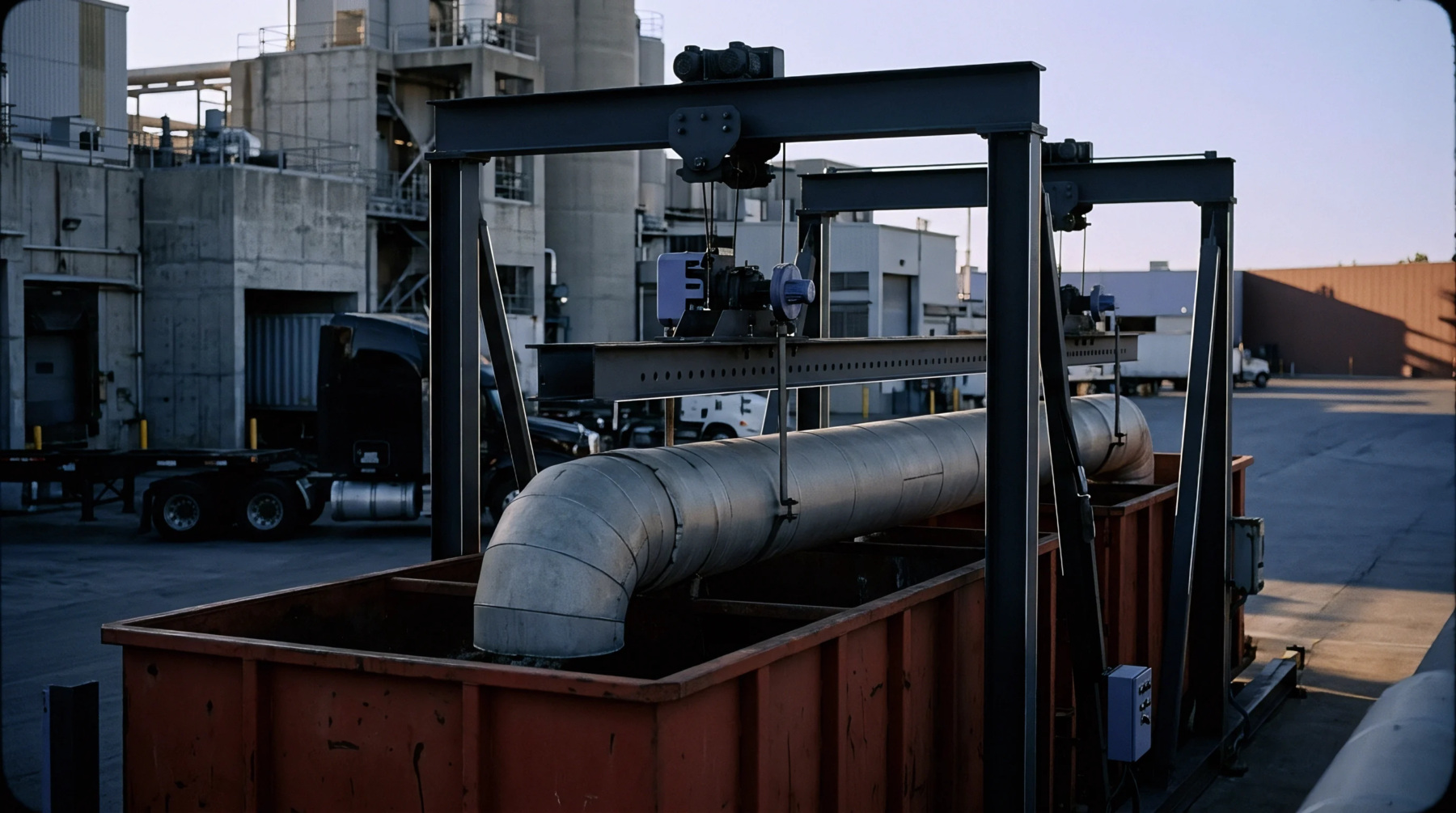
Recycled linerboard loses thirty percent of cross-direction tensile strength during marine humidity cycles, demanding chemical sizing and grammage margins.
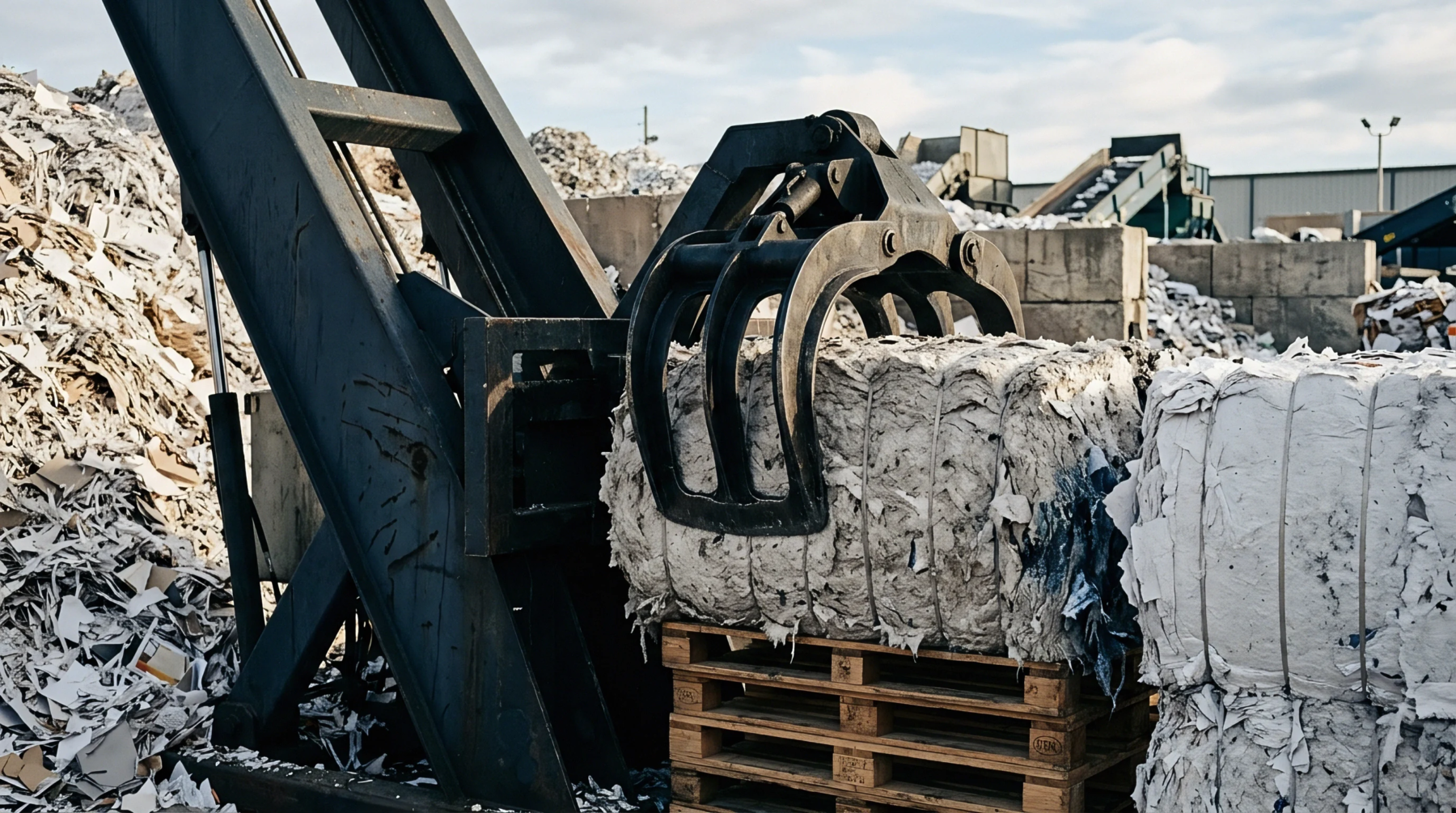
Secondary fiber furnishes lose up to 45 percent of compressive strength under high humidity due to hornification and moisture-induced inter-fiber bond cleavage.
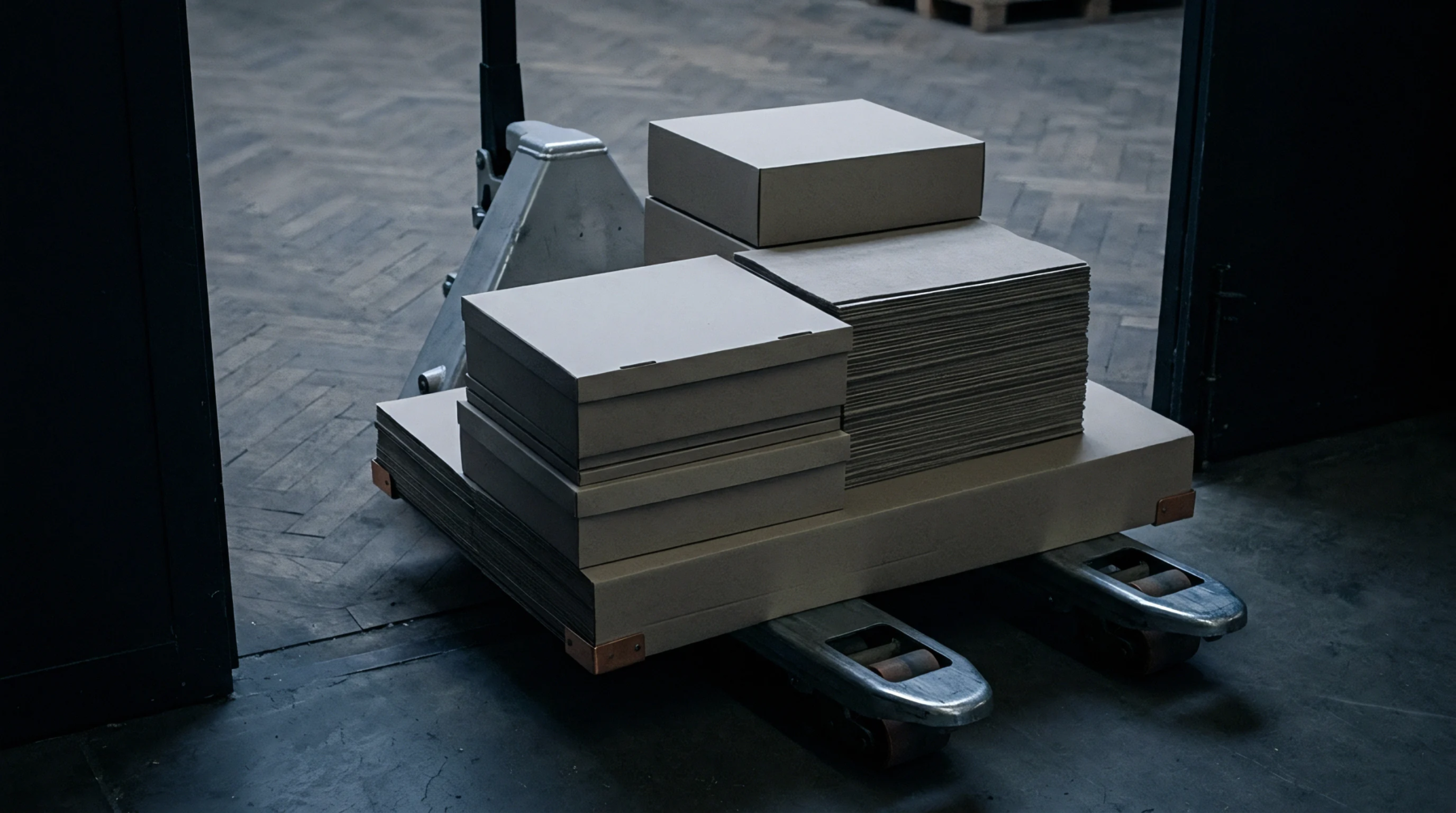
Selecting paperboard caliper and bulk requires balancing furnish density against flexural rigidity to maximize blank yield and carton compression strength.
Paperboard moisture equilibrium dictates converting stability: matching substrate sorption hysteresis to hall humidity prevents carton cracking and register loss.

Controlling moisture sorption and anisotropic hygroexpansion requires tight warehouse humidity regulation to prevent converting misregistration and warp defect losses.
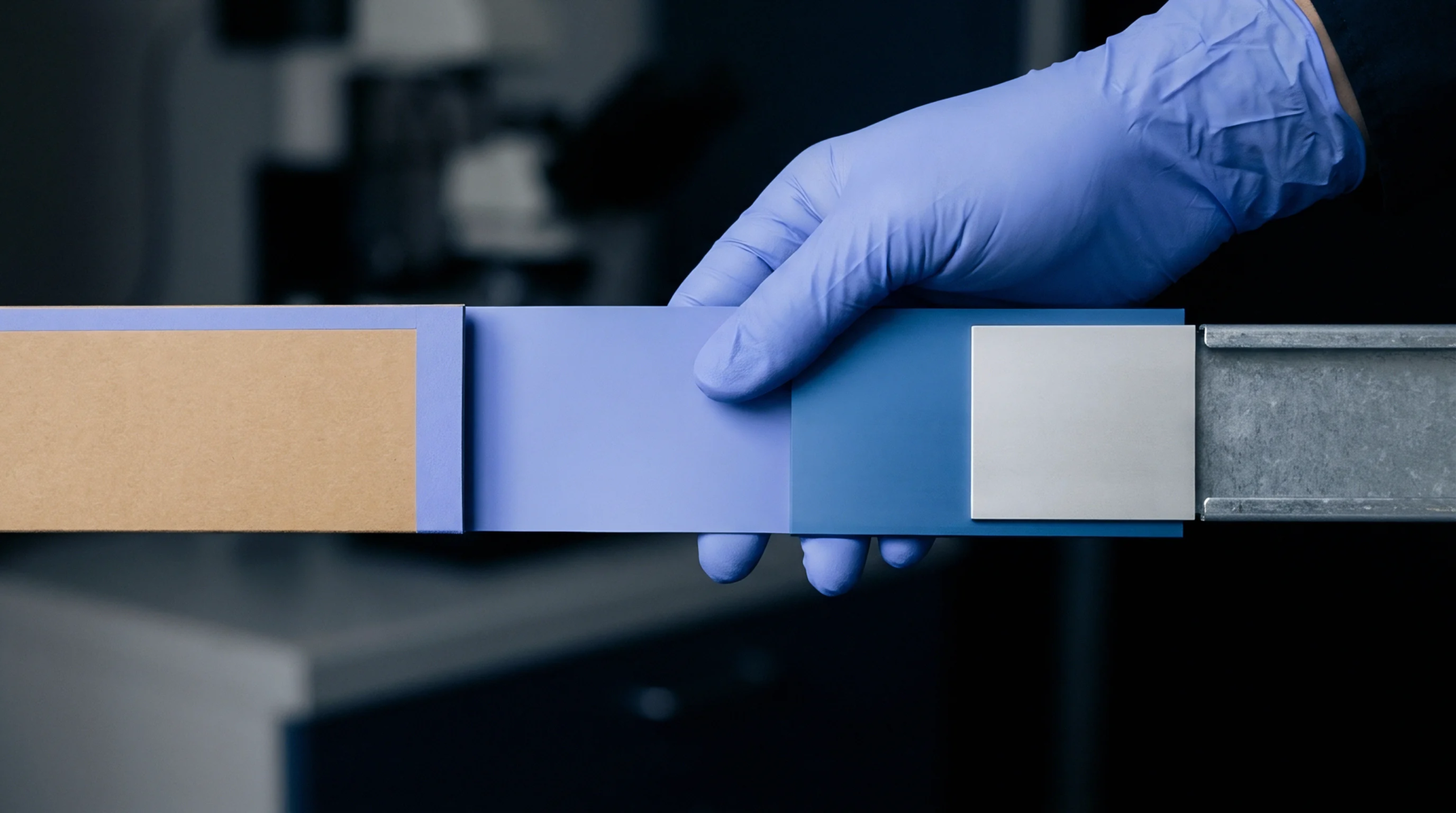
Valid boxboard physical testing requires ISO 187 conditioning at 23°C and 50% RH to prevent hysteresis errors in stiffness, yield, and creasing metrics.
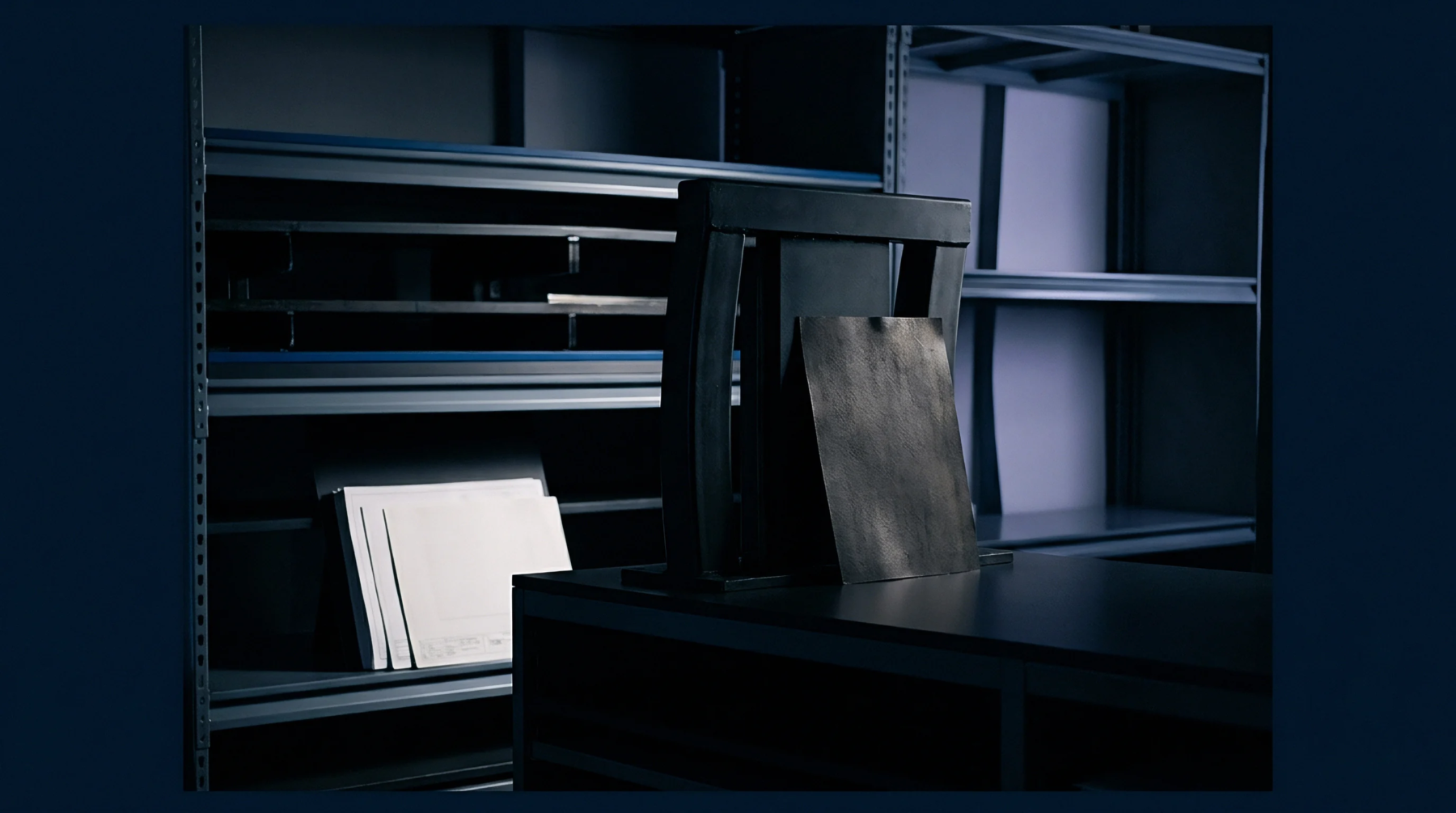
Cold paper pallets demand staged thermal acclimation inside unopened vapor wrap to eliminate edge waviness and fluting caused by moisture sorption gradients.
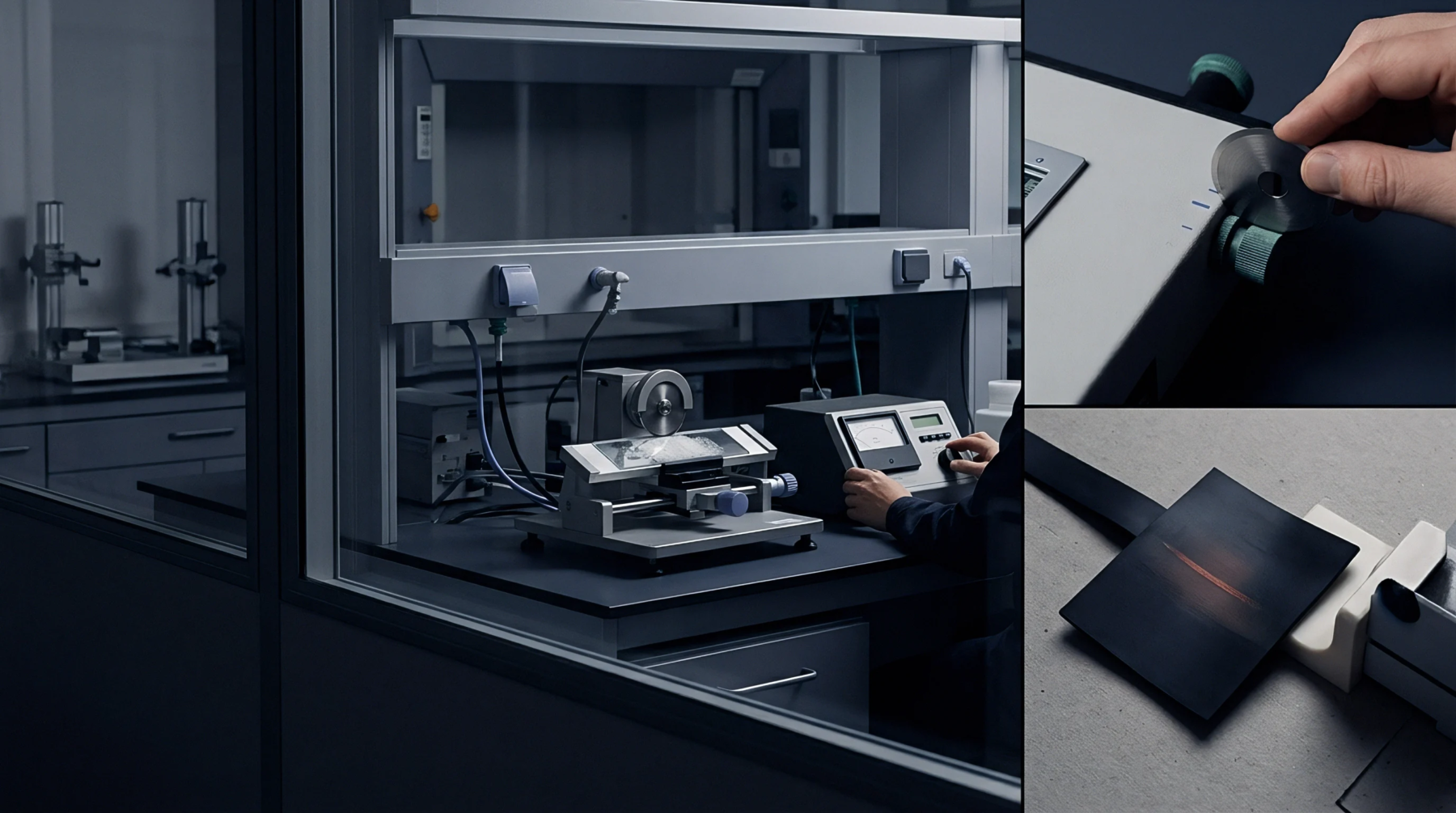
Paperboard physical property verification requires strict ISO 187 conditioning and standardized test methods to ensure compliance and prevent customs holds.

Polyethylene film wraps trap moisture desorbed by paperboard during thermal swings, elevating internal relative humidity and triggering mechanosorptive failure.
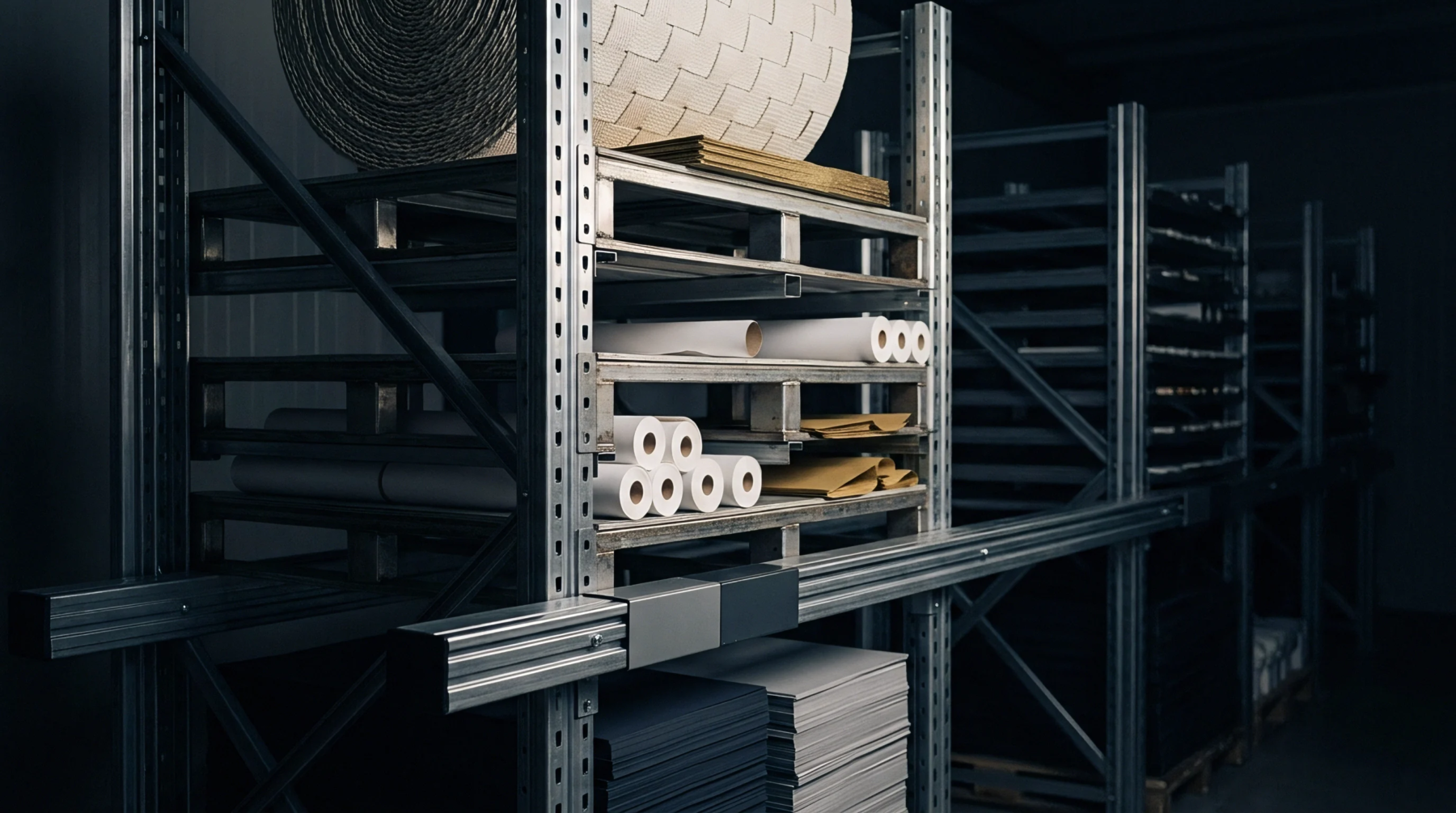
Cold warehouse paperboard equilibrates at rates four times slower than ambient standards, requiring staged thermal reconditioning to prevent moisture edge defects.
Expertise is a utility, not a secret. sentiention™ publishes its working knowledge as open reference: intelligence layer covering the materials it sources, the markets it enters, and the reference that serves both.