Leaching Procedure
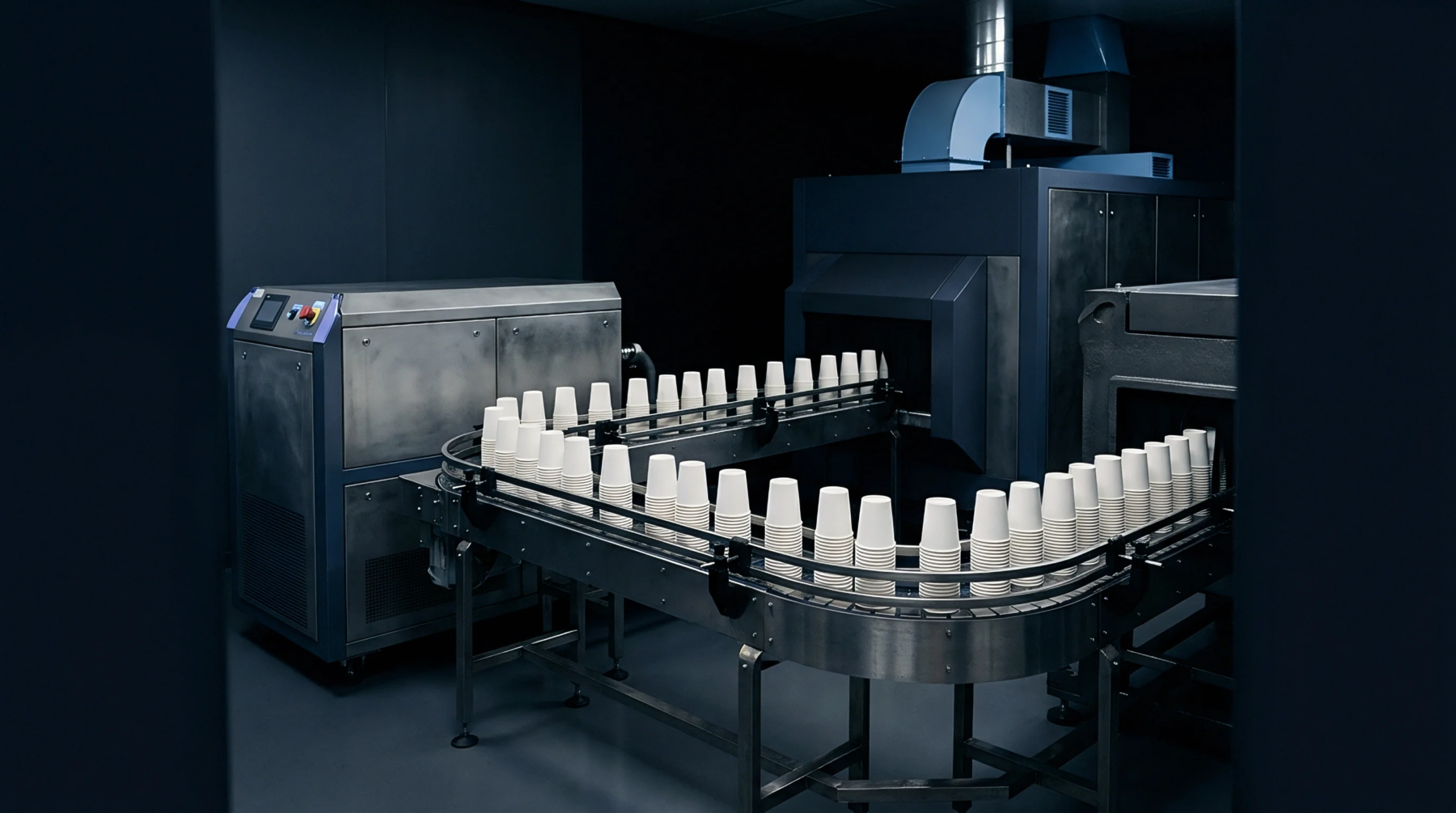
Chemical assessment of paper and board materials intended for elevated temperature food contact uses hot aqueous extraction to evaluate soluble constituents. Testing governed by EN 647 measures the migration potential of water-soluble substances into boiling demineralized water over a fixed exposure duration. The laboratory procedure represents packaging interactions during cooking, baking, hot-fill and microwave reheating cycles.
The test stops applying to room-temperature packaging conditions, where ambient cold-water extraction procedures provide more representative migration profiles.
Temperature Exposure
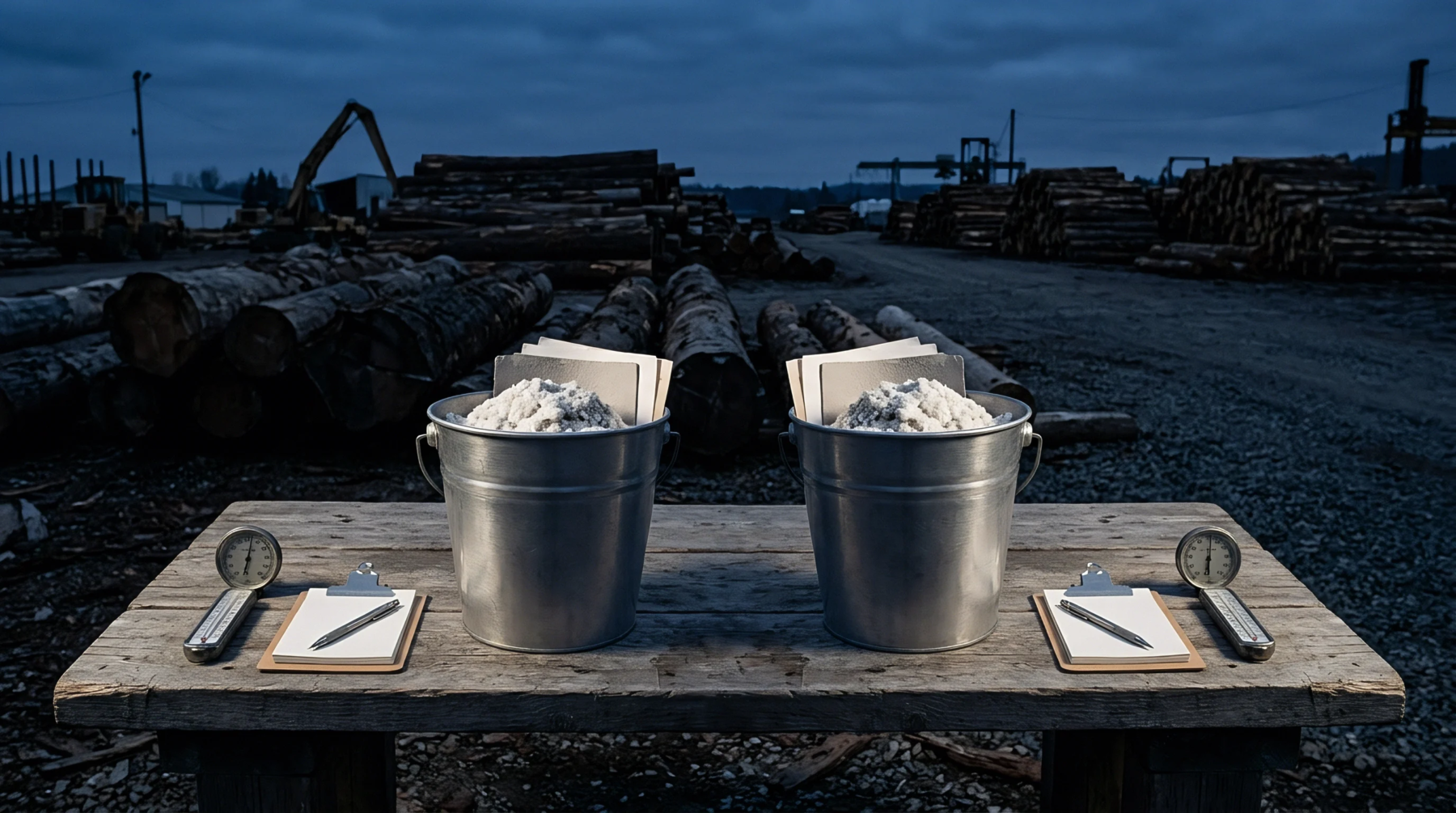
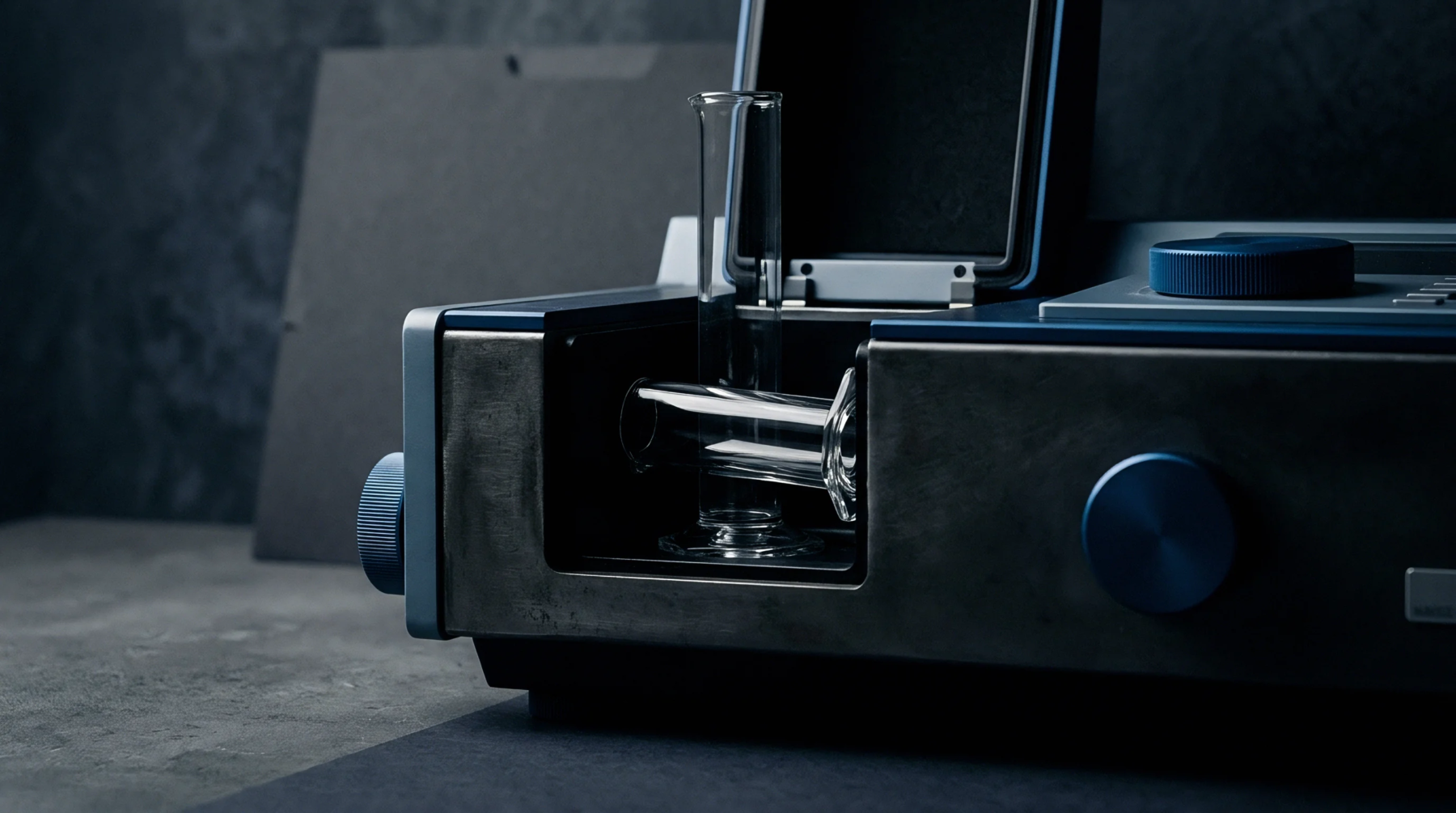
Solid paper samples undergo thermal extraction in reflux condensers to prevent liquid loss during the two-hour boiling cycle. The thermal leaching outlined in EN 647 isolates polar compounds, sizing residues, wet-strength resins and unreacted crosslinkers from the fibre network. Centrifugation or filtration clarifies the aqueous phase before downstream chromatography or spectroscopy analysis.
Thermal stress accelerates the desorption of volatile organic acids and water-soluble additives from cellulose fibers.
Migration Threshold
Food packaging applications involving hot-fill liquids, baking trays and boiling pouches require verified compliance under thermal leaching standards. Laboratory clearance under EN 647 confirms that high-temperature food contact substrates will not release processing chemicals into edible contents. Virgin chemical pulps and synthetic wet-strength agents must maintain chemical stability under boiling conditions.
Sourcing teams review hot-water extract certificates to qualify baking board and hot-cup base stock for commercial use. Passing boiling extraction tests validates the safety of specialty barriers across demanding cooking applications. The analytical test protects consumers by identifying chemical degradation in food contact packaging.
Thermal stability data from this method supports regulatory compliance dossiers for paper converters.