
A Converter Certificate That Does Nothing for an Uncertified Mill
A converter's chain of custody certificate cannot retroactively grant certified status to packaging made from uncertified paper mill substrate.
A converter's chain of custody certificate cannot retroactively grant certified status to packaging made from uncertified paper mill substrate.

Moving certificate risk onto suppliers requires contract clauses that link claim validity to invoice codes, batch migration reports, and full indemnity for border holds.

Regulatory enforcement detains unverified paper packaging at borders, placing absolute financial and chemical compliance liability directly on the importer of record.

FSC and PEFC prove auditable timber origin and mass-balance fiber accounting; they do not prove food safety, chemical purity, repulpability, or EUDR compliance.

Finished packaging claims demand independent home compostability certification because industrial resin testing excludes ambient degradation and converting inks.

Microfibril moisture binding follows GAB sorption kinetics where mesopore condensation above M0 plasticizes fiber networks, requiring crosslinking to preserve barriers.

GAB isotherm modeling parameterizes microfibril monolayer saturation, identifying plasticization thresholds to qualify moisture barrier paperboard under PPWR and food contact rules.
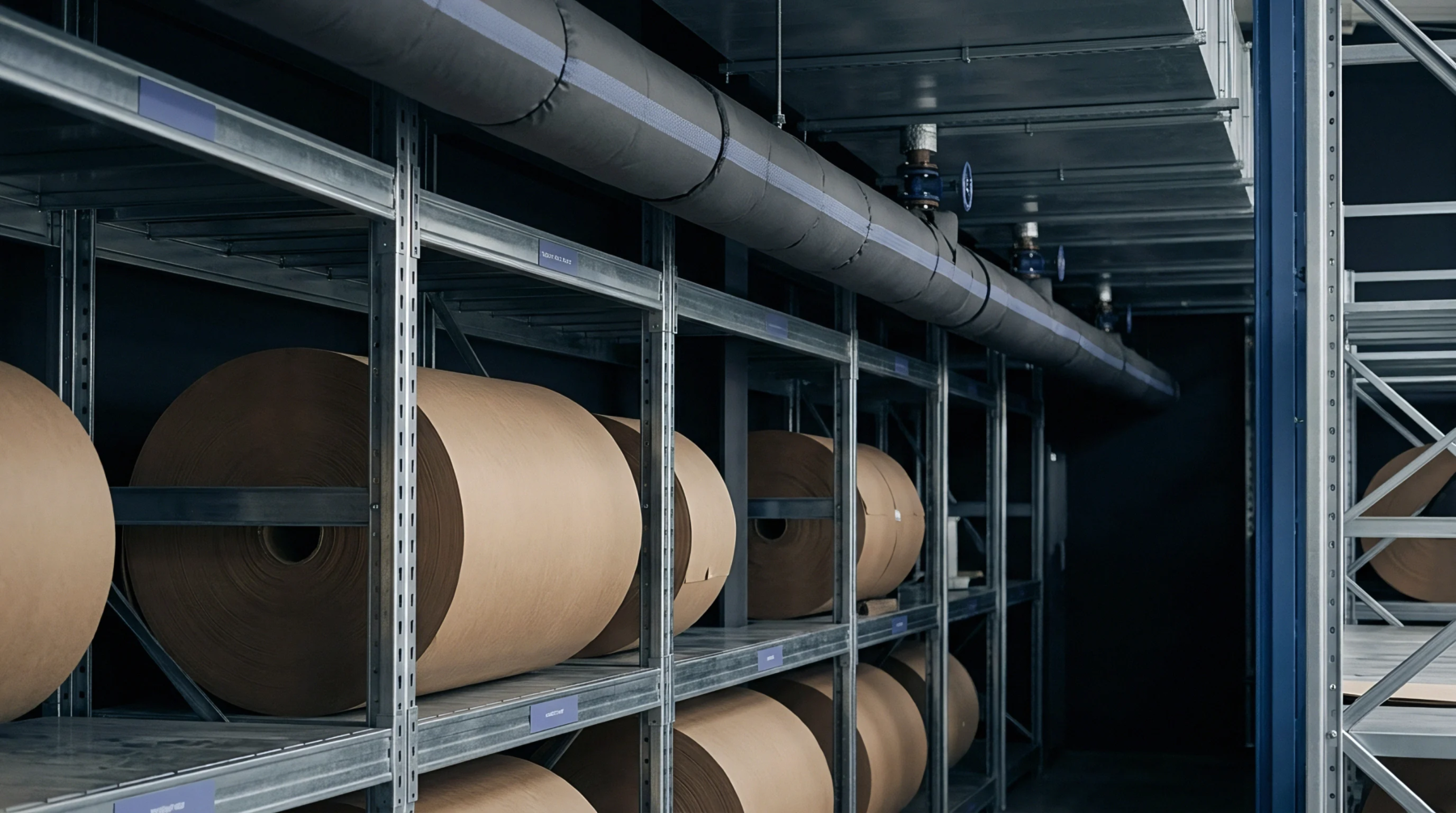
Public scope schedule verification requires matching board product categories and claim systems on official registers to downstream delivery notes.

The domestic importer of record bears strict legal liability for printed packaging claims and absorbs all customs fines when declarations lack supporting technical files.

Paperboard import compliance depends on linking physical lot numbers directly to accredited chemical assays and verified chain of custody certificates.

Verify industrial compostability claims by matching finished pack wall thickness and ink coverage against public register scope lines before shipping.

Verify polymer barrier paperboard through creased Cobb testing, migration simulant suites, Cepi repulpability yields, and lot-matched Declarations of Compliance.

Microfibrillated cellulose moisture sorption degrades barrier performance at high humidity, requiring chemical cross-linking and verified compliance dossiers.

Dynamic humidity cycling lowers bio-barrier interfacial shear energy, triggering delamination, barrier failure, and costly non-compliance at customs borders.

Qualification requires proof that plastic-laminated paperboard leaves under ten percent dry residue on a two-millimeter sieve after twelve weeks of composting.

Polyhydroxyalkanoate monomer ratios directly dictate field disintegration speed by governing polymer crystallinity, enzymatic accessibility, and environmental fate limits.

Dynamic relative humidity cycles break hydrogen bonds in microfibril coatings, causing creep strain and catastrophic gas barrier loss at converting creases.

Steady-state cup tests understate cellulosic moisture ingress; modeling requires concentration-dependent diffusivity and isotherms to prevent cargo collapse.

Dynamic conservation modeling establishes mass transfer limits in chemical pulp washing, dictating solute carryover thresholds for food-contact compliance.

Validating imported paper claims requires matching register product codes to invoices before transit to prevent customs holds and invalid certifications.
Compostable packaging compliance verification requires cross-checking public register scopes, raw test data annexes, and finished converted pack chemistry.
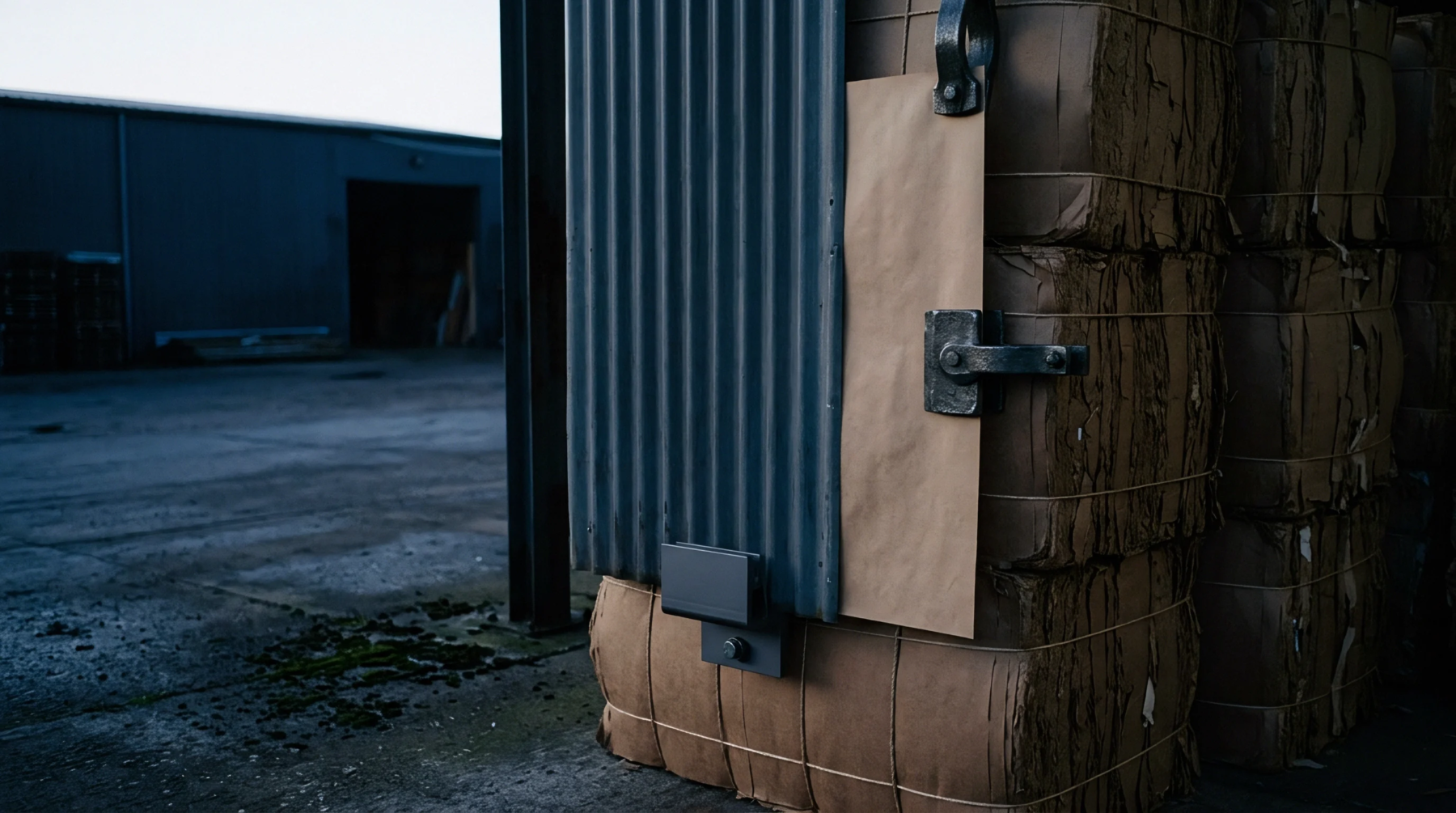
Verify finished packaging geometry and converting chemistries directly against registration registers to prevent customs holds on uncertified composite goods.
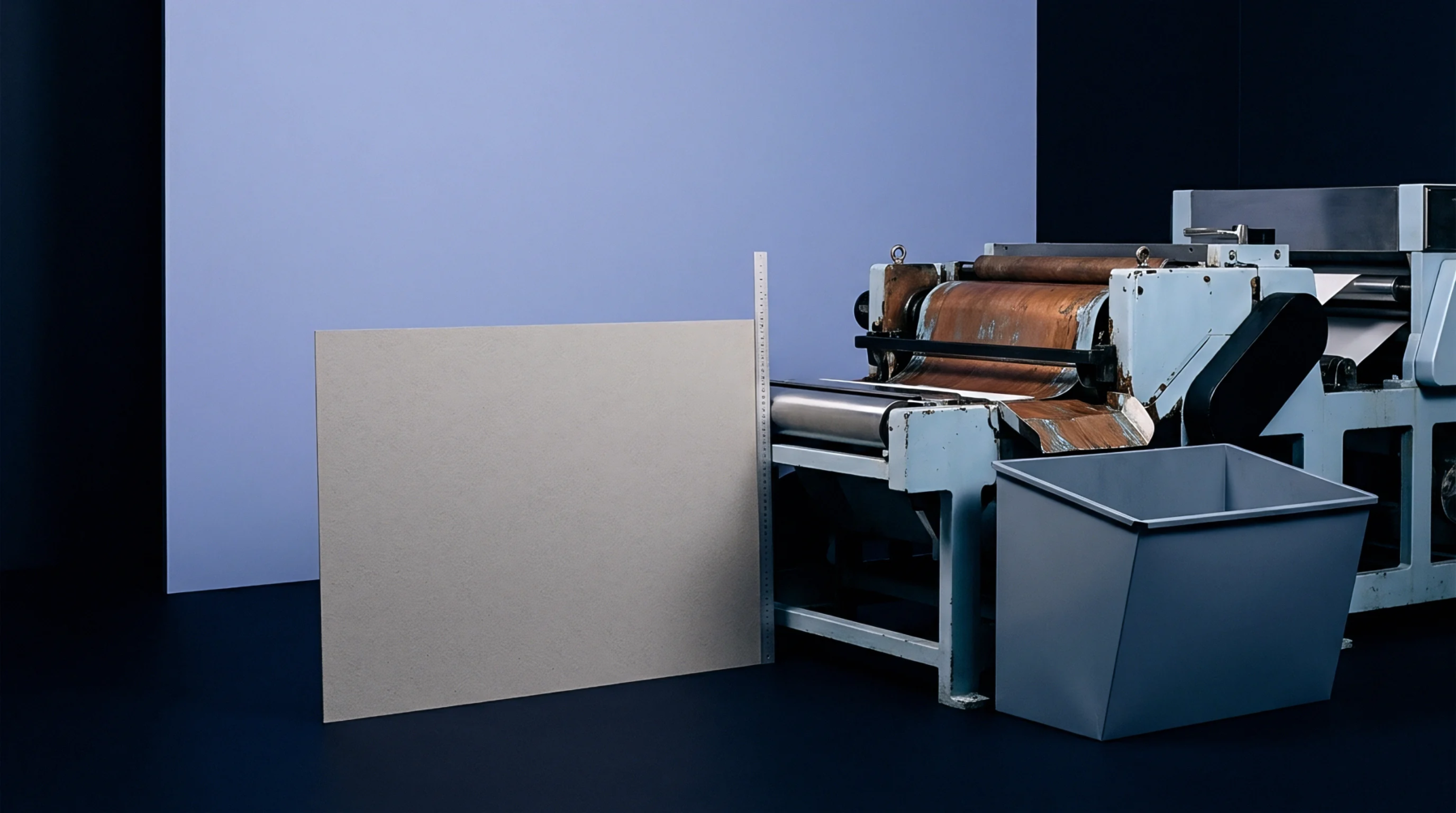
Verify packaging via anaerobic inhibition testing per ISO 13641 to prevent toxic ionic metal release and subsequent digester failure.

Harmonizing eco-modulation tariffs requires applying stoichiometric corrections to high-temperature ash values and verifying two-millimeter screen retain rates under 84-day disintegration tests.
Boxboard claims require exact invoice codes, LC-GC-FID MOSH/MOAH testing under EN 16995, and ISO 2859-1 receiving audits to prevent customs holds.

Verify paperboard public register scopes, enforce EN 1186 migration limits, track conversion mass balances, and secure supplier indemnities against customs holds.

Cross border polymer coated board imports require matching mill certificate scope lines with accredited migration and repulpability test reports.

Connecting regulatory compliance data directly to physical chain of custody transfer ledgers eliminates customs hold risks and unverified environmental packaging claims.

Microfibrillated cellulose barrier integrity relies on controlling moisture-induced plasticization through chemical crosslinking to pass EN 13430 recyclability audits.

Hydrothermal delamination rates in sustainable barrier boards depend on moisture diffusion kinetics and plasticization-induced work of adhesion decay.
Expertise is a utility, not a secret. sentiention™ publishes its working knowledge as open reference: intelligence layer covering the materials it sources, the markets it enters, and the reference that serves both.