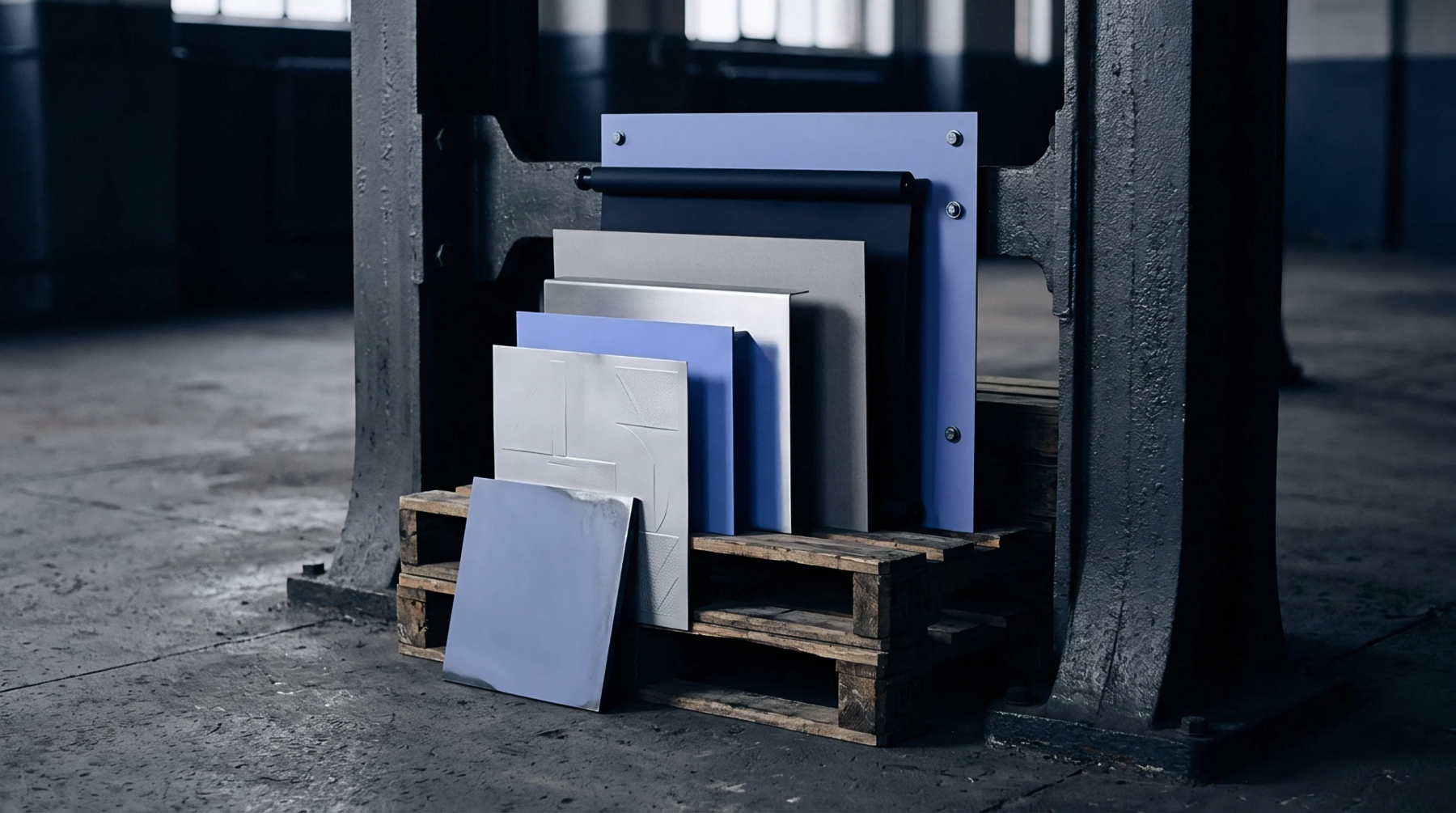
Basic Compressive Creep Mechanics in Coated Paperboard Packaging
Paperboard compressive creep accelerates under dynamic moisture flux, requiring safety factor multipliers to prevent warehouse stack failure under static load.
Paperboard compressive creep accelerates under dynamic moisture flux, requiring safety factor multipliers to prevent warehouse stack failure under static load.

Cyclic humidity accelerates creep in recycled corrugated boxes up to fourfold, requiring structural design margins based on transient equilibrium testing.

Constitutive numerical modeling of transient sorption creep enables precise prediction of recycled fluting box collapse under cyclic transport humidity.
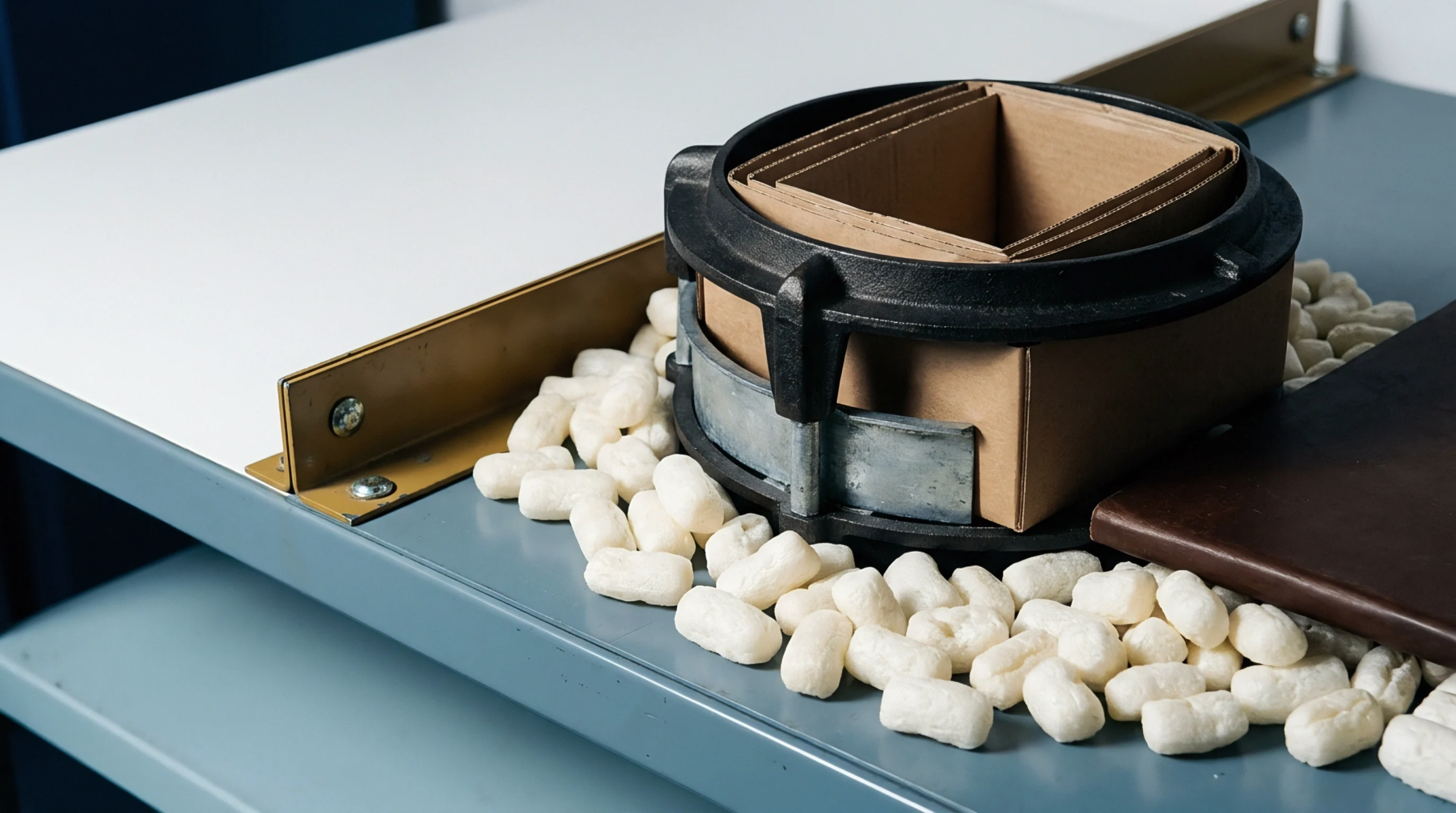
Dynamic relative humidity chamber simulation evaluates package integrity by exposing containers to real-world thermal and vapor cycles that trigger creep failure.
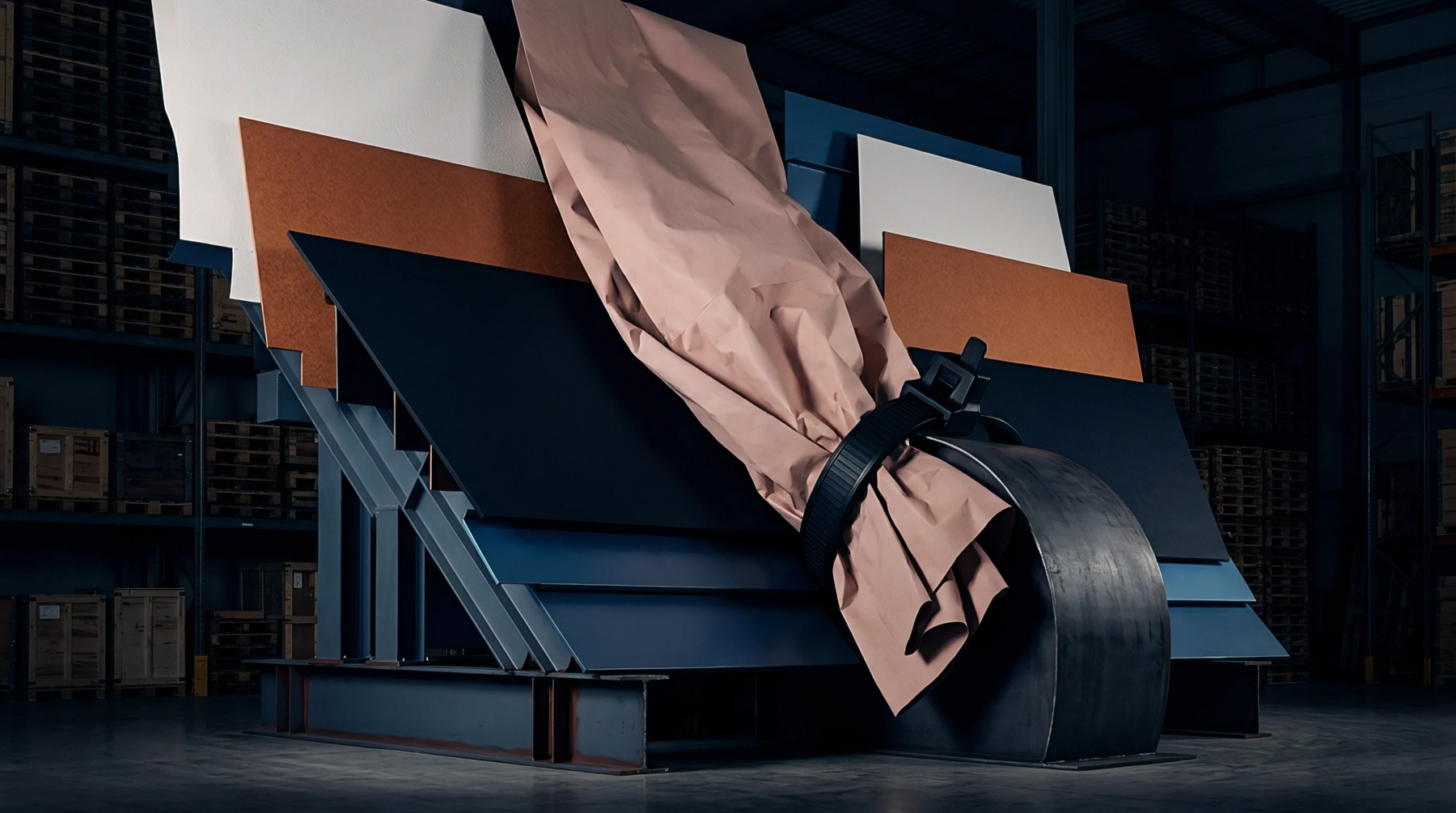
Biobased particle packaging requires creep compliance testing under cyclic humidity to prevent structural stack collapse under sustained industrial static loads.

Asymmetric recycled board laminates require constitutive mechano-sorptive damage modeling to prevent box warp and stack collapse under moisture cycles.
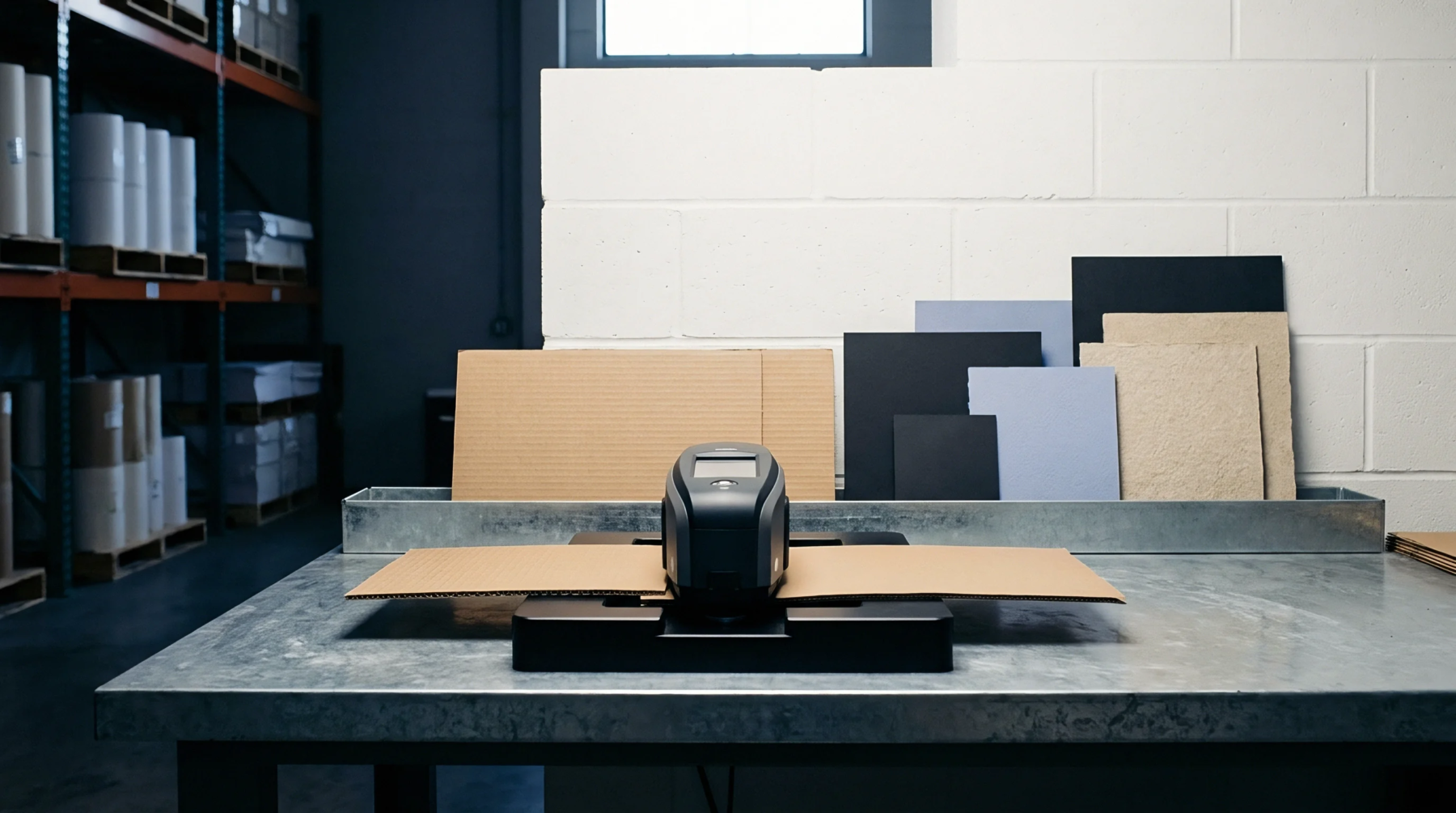
Dynamic humidity cycling accelerates compressive creep in recycled packaging board, reducing stack lifetime compared to static relative humidity exposure.
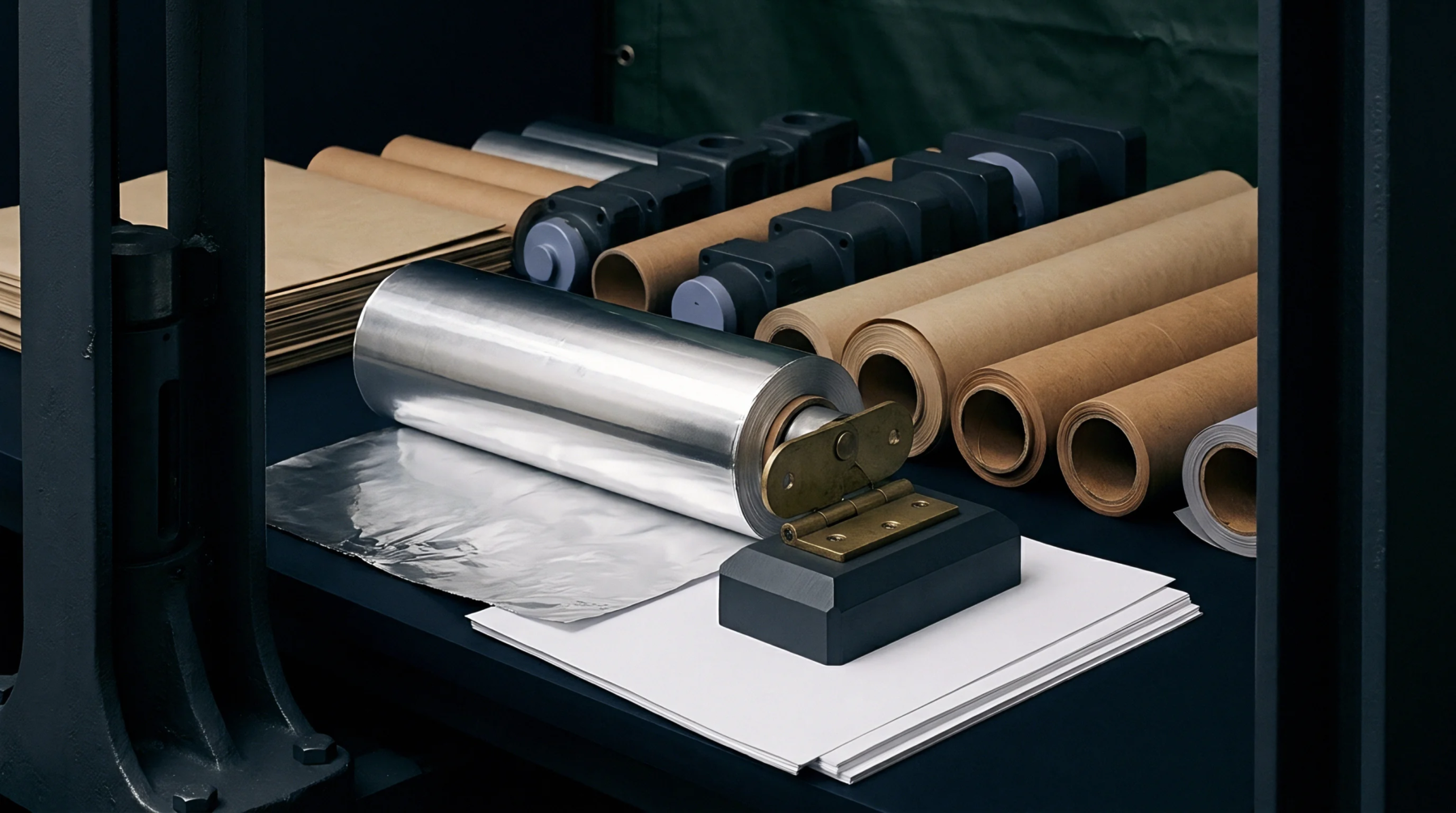
Dynamic moisture cycling breaks paperboard hydrogen bonds, reducing compressive strength by up to 35 percent and requiring higher safety margins.

Microclimate airflow accelerates moisture uptake in corrugated containers, reducing stacking strength by over forty percent under cyclic cold chain relative humidity.

Refrigerated containerboard performance depends on controlling relative humidity sorption kinetics, virgin fiber selection, and barrier coating verification.

Cyclic humidity accelerates corrugated box compression failure through mechano-sorptive creep, requiring virgin kraft facings and wet-strength starch resins.

Cyclic relative humidity combined with dynamic freight loading triggers mechano-sorptive creep, degrading middle-layer shear modulus by up to forty percent.

Paperboard pallet creep modeling requires fitting mechano-sorptive compliance equations to ambient humidity cycles to prevent transit stack collapse.
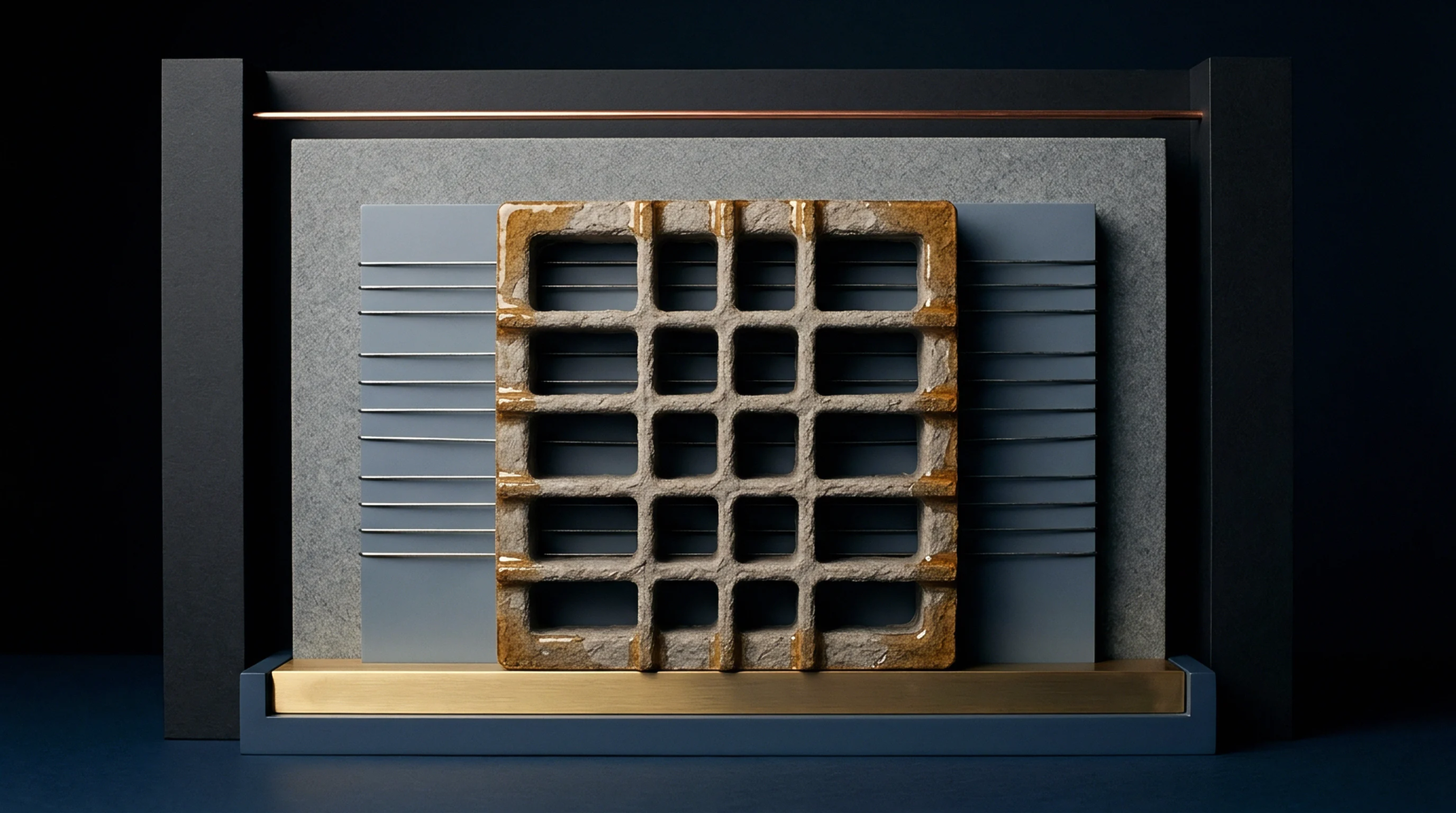
Relative humidity cycling breaks inter-fiber hydrogen bonds through hemicellulose swelling, requiring higher safety factors and virgin kraft liner specification.
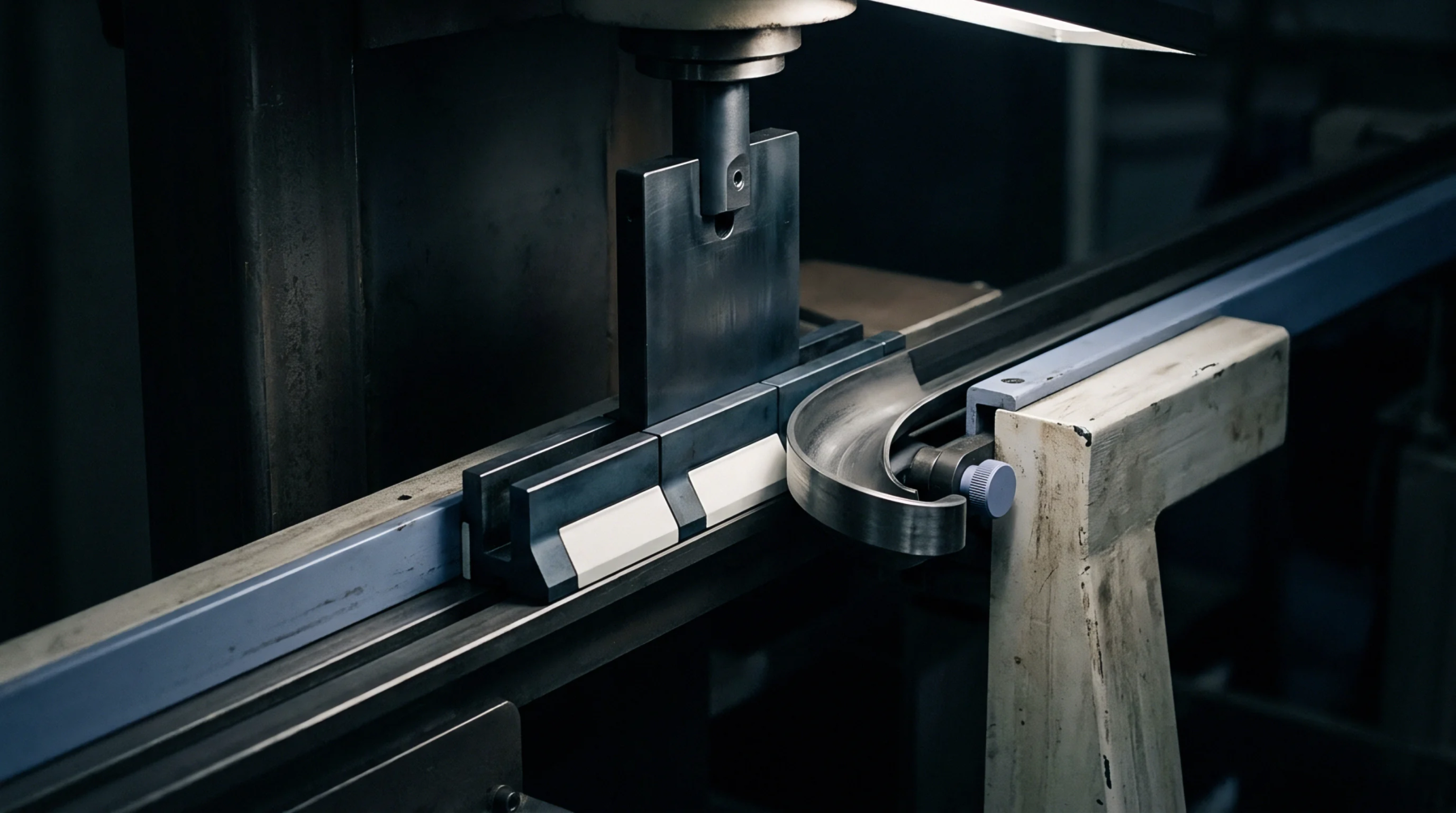
Dynamic Mechanical Analysis maps temperature and frequency-dependent storage moduli to optimize paperboard flexural stiffness and eliminate score cracking at high converting speeds.
Recycled multi-ply container stability requires accounting for moisture cycling strain rates and ply shear stress to set realistic stack safety factors.

Finite element subroutines coupling hygro-expansion and interface traction degradation predict tropical pallet stack stability under dynamic vibration.

Mechano-sorptive creep compliance equations quantify box compression decay under moisture cycling, driving substrate selection for recycled containerboard.

Creep buckling in downgauged boxboard panels stems from lost bending stiffness and cyclic moisture creep, requiring higher bulk furnishes to offset caliper loss.
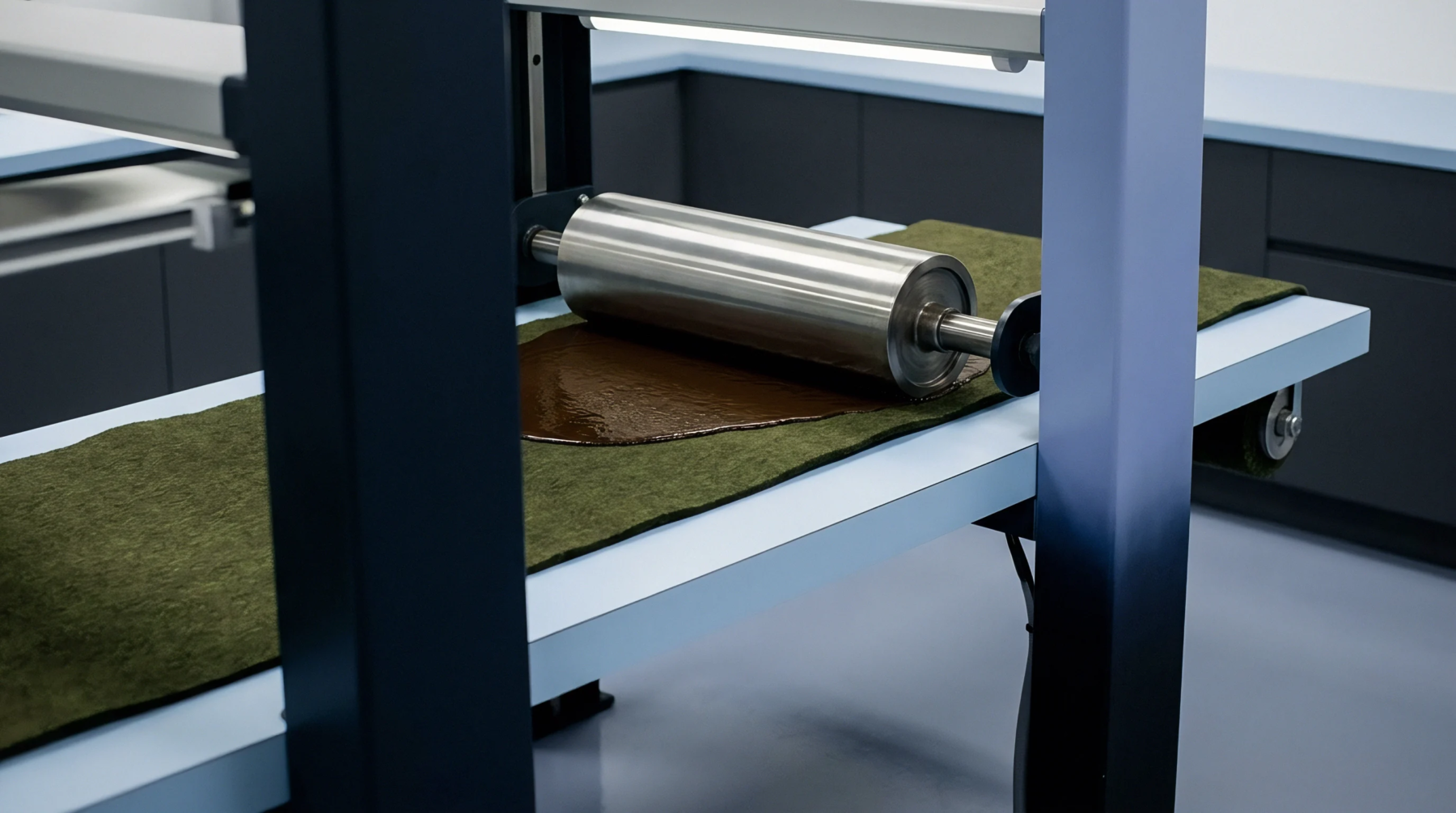
Secondary fiber webs undergo accelerated mechano-sorptive creep during cyclic converting humidity, demanding climate-controlled bays to prevent register loss.
Expertise is a utility, not a secret. sentiention™ publishes its working knowledge as open reference: intelligence layer covering the materials it sources, the markets it enters, and the reference that serves both.