Determining Parent Sheet Yield and Conversion Spoilage
Calculating parent sheet yield demands matching grain direction and press trim to substrate dimensions while accounting for setup and run spoilage.
Calculating parent sheet yield demands matching grain direction and press trim to substrate dimensions while accounting for setup and run spoilage.
Inline acoustic wave attenuation isolates internal BCTMP core delamination during dynamic scoring, preventing score cracking without over-crushing board caliper.
Platen bed deflection creates center-to-edge pressure gaps during die-cutting, requiring precise glassine patching to prevent rule wear and unsevered board bridges.
UV lamp radiation drives moisture loss and thermal expansion in sheetfed litho, causing tail fan-out and downstream die-cutting registration failures.
Predictive mechanical creasing models calculate rule penetration and matrix pairing to induce controlled delamination while preventing surface liner fracture.
Controlled wet-end starch dosing between 6 and 9 kg/t maintains Scott bond at 180 to 240 J/m², preventing score cracking and delamination at high press speeds.
Piezoelectric sensor frequency response calibration prevents amplitude distortion during high speed creasing by matching amplifier cutoff to rule strike transients.
Determining matrix channel width requires adding steel rule thickness to board caliper multiplied by 1.5 for machine direction or 1.7 for cross direction scores.

Uncoated folding boxboard requires matrix channel width equal to creasing rule thickness plus 1.8 times caliper to prevent top liner cracking during folding.
Selecting steel creasing rules and matrix channels for coated FBB requires matching board caliper and CTMP core shear limits to prevent surface cracking.
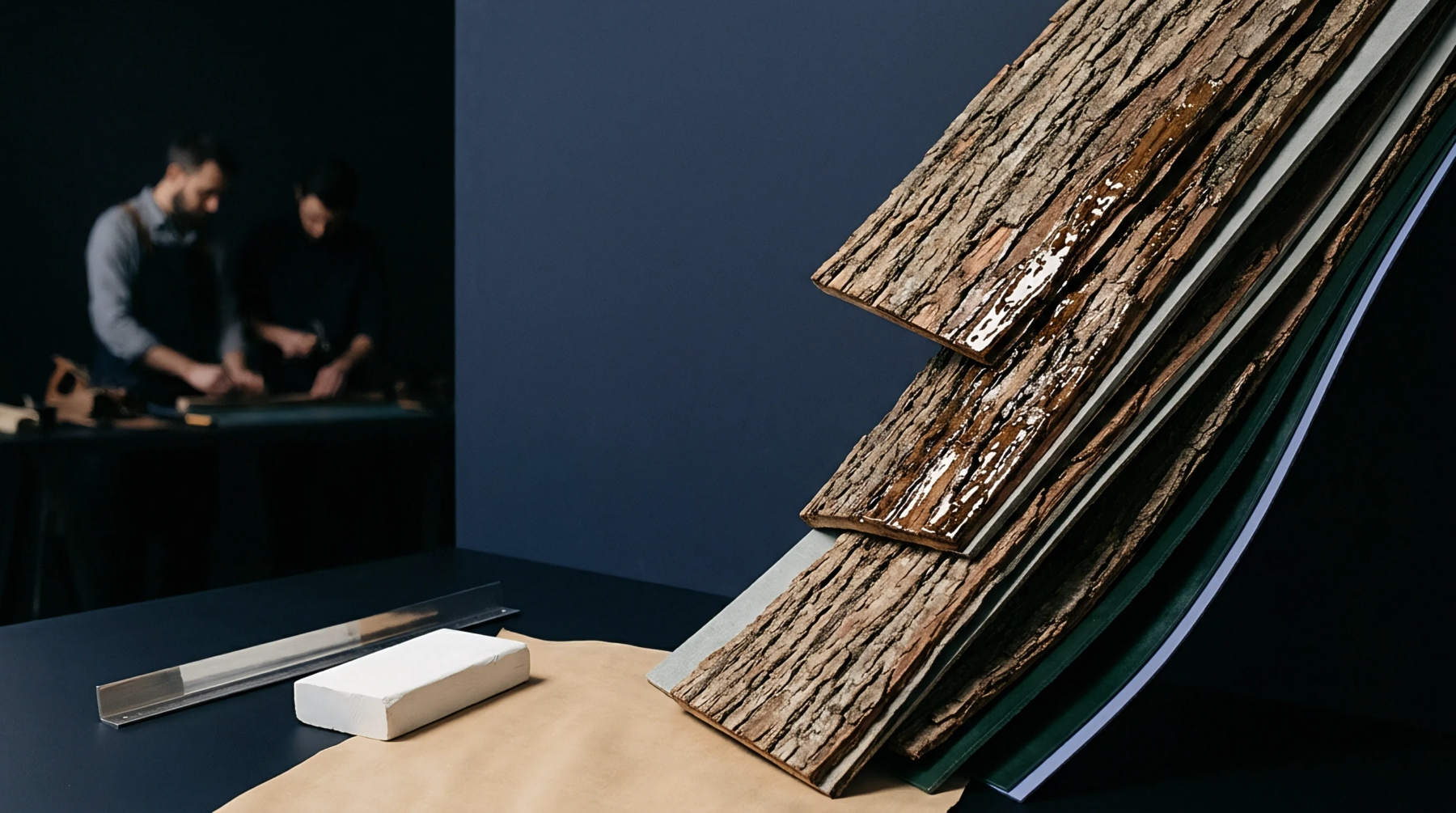
Barrier coated folding boxboard converting demands female matrix channels widened to one point seven times caliper to prevent micro-fissuring.
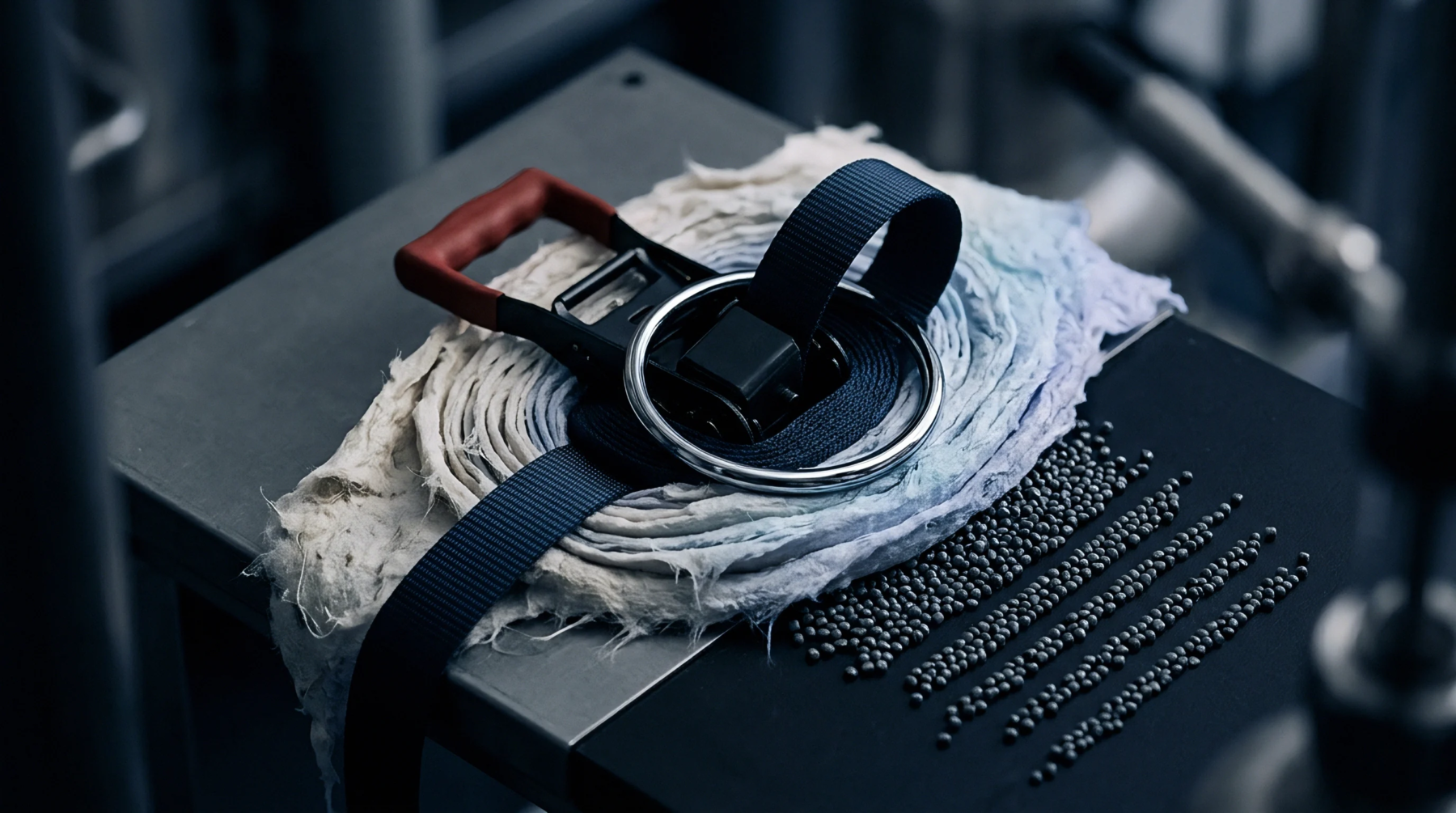
Low-fibre-length recycled substrates require wider matrix channels and precise moisture control to prevent outer liner rupture under tensile strain limits below 1.5%.
Expertise is a utility, not a secret. sentiention™ publishes its working knowledge as open reference: intelligence layer covering the materials it sources, the markets it enters, and the reference that serves both.