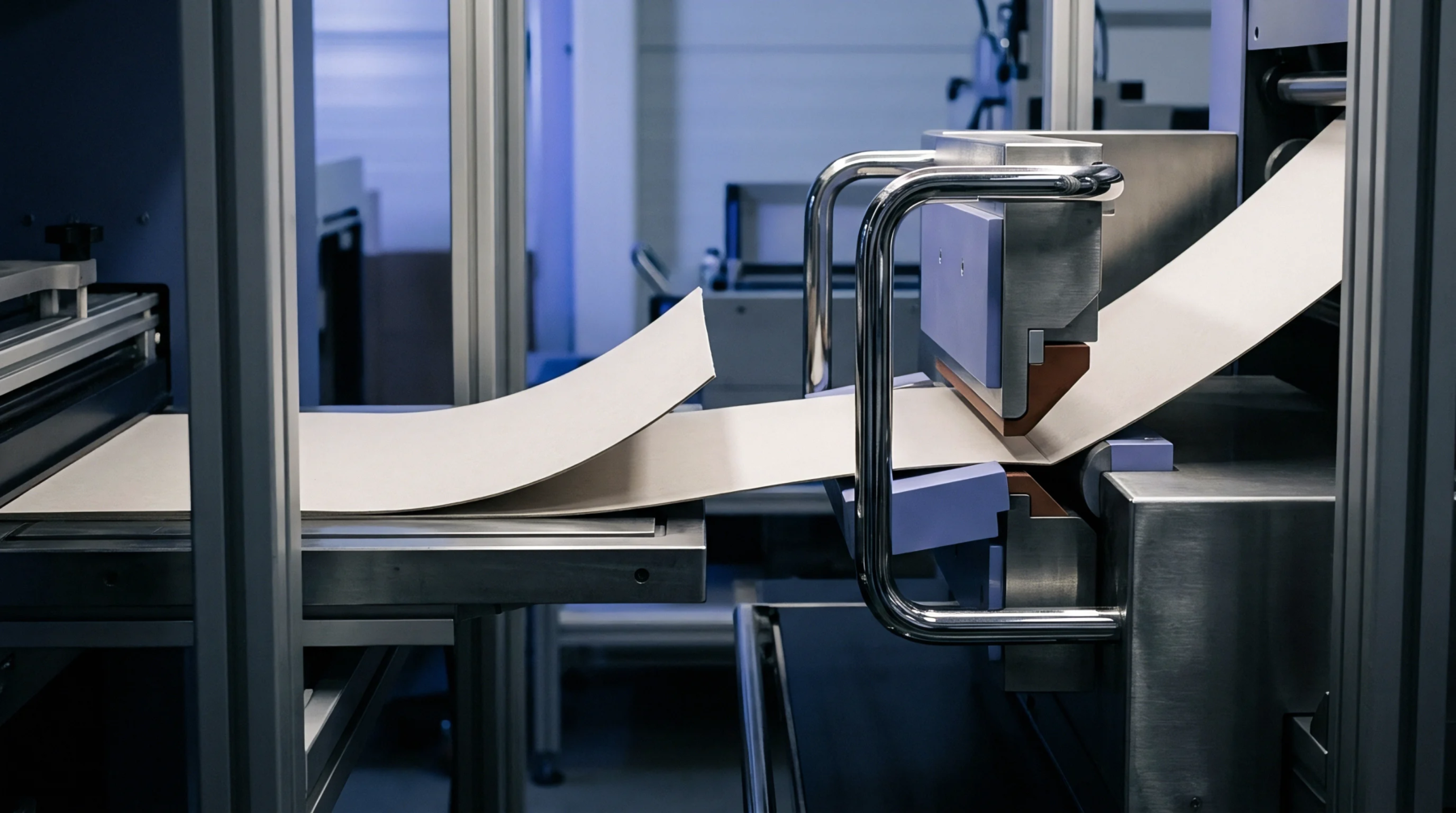
Paperboard Creasing Channel Calculation Methods
Calculate creasing channel width by multiplying board caliper by 1.5 for FBB or 1.6 for CRB, then adding rule thickness to prevent liner cracking.
Calculate creasing channel width by multiplying board caliper by 1.5 for FBB or 1.6 for CRB, then adding rule thickness to prevent liner cracking.

Matrix width derivation for heavyweight coated paperboard requires multiplying caliper by grade-specific factors and adding rule thickness to prevent coat fracture.
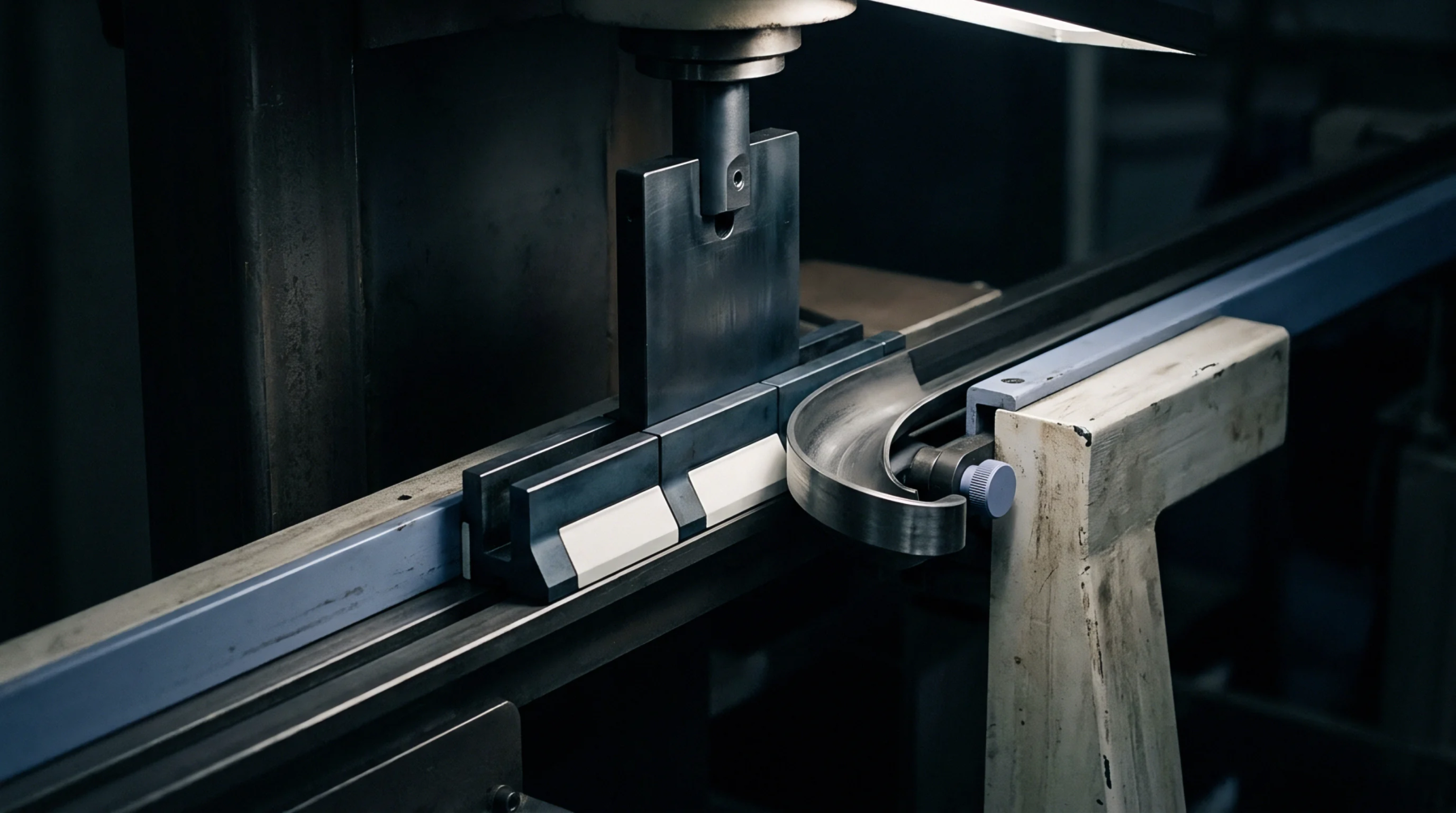
Dynamic Mechanical Analysis maps temperature and frequency-dependent storage moduli to optimize paperboard flexural stiffness and eliminate score cracking at high converting speeds.
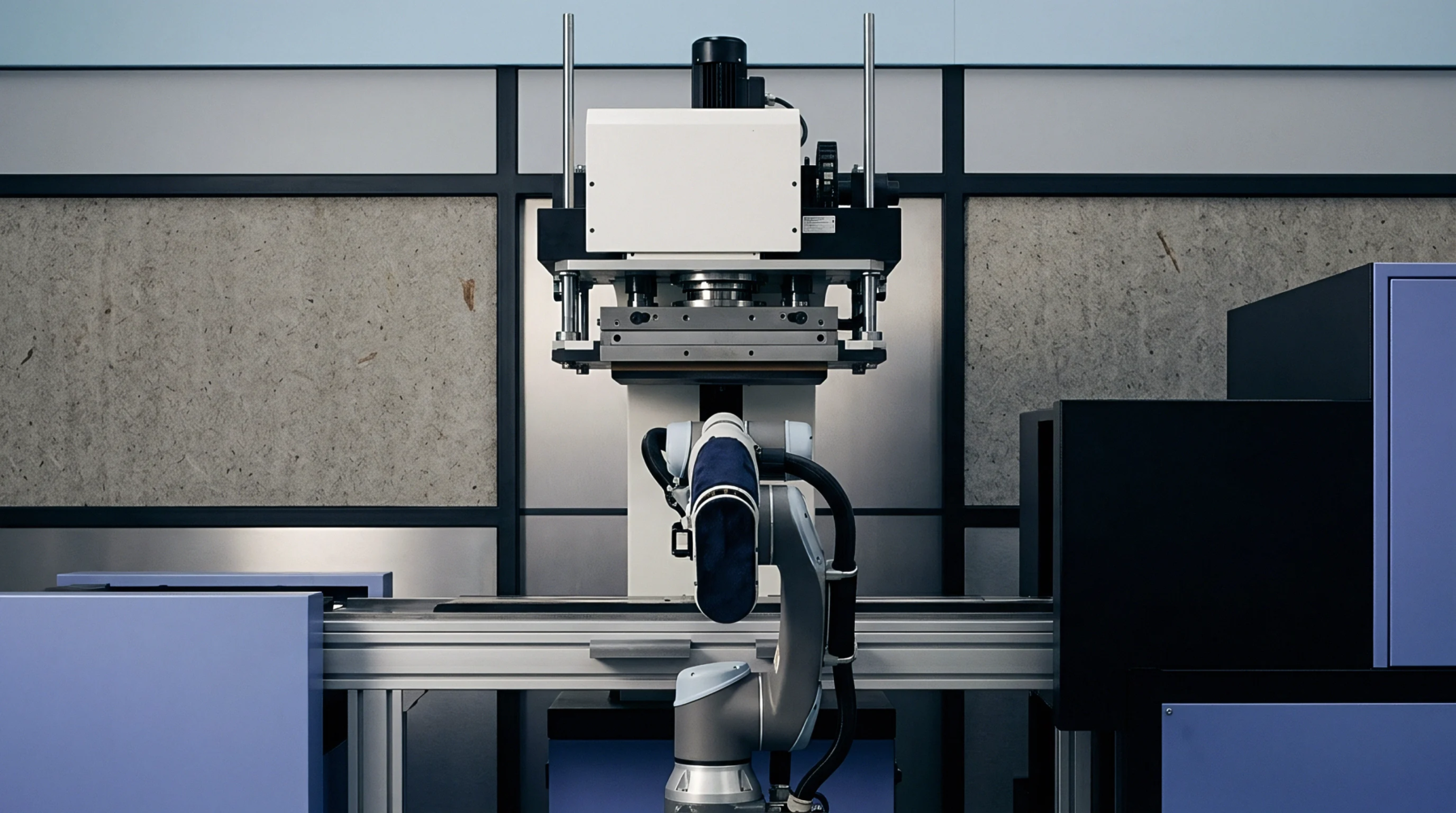
Dynamic triangulation drift in multi-ply recycled boxboard converting stems from surface roughness noise, hygroexpansion curl, and interlayer shear slip.

Micro-pore volume between 0.02 and 0.08 micrometers controls dynamic vehicle absorption, dictating offset ink setting speed and preventing mottle defects.

Thermally conditioning surface plies above binder glass transition depresses surface roughness without crushing core mechanical plies, boosting caliper yield.
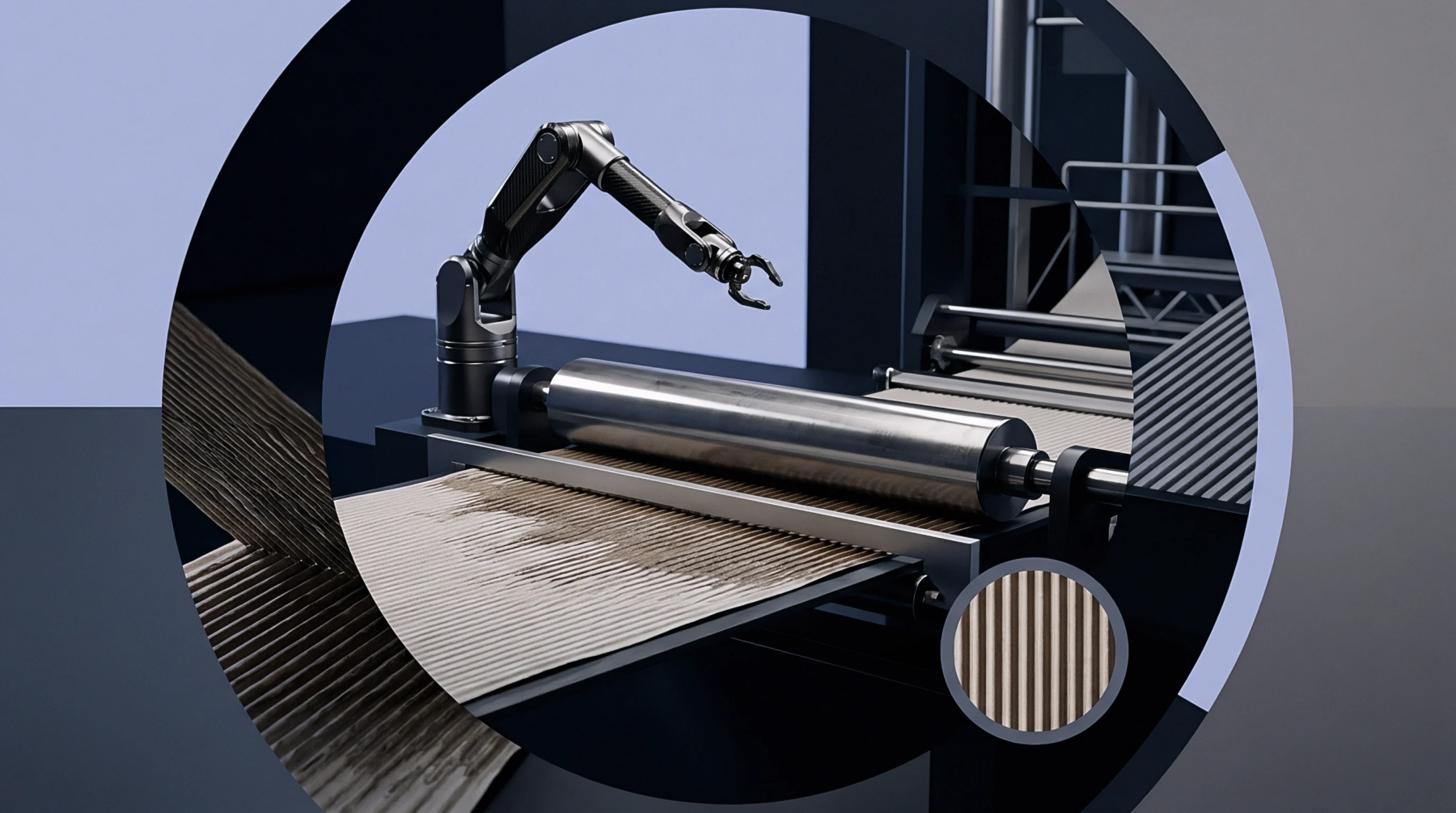
Cross-machine caliper control demands real-time induction calender profiling to maintain stiffness and prevent high-speed converting line jams.

Matrix depth ratios dictate counter-die selection by balancing polymer yield strain against substrate compaction to preserve layer integrity under pressure.

Modeling transient moisture gradients and hygral stress in high-bulk recycled cartonboard skids establishes barrier wrap limits to prevent press edge waving

Dynamic mechanical analysis optimizes folding boxboard caliper retention by quantifying out-of-plane storage modulus decay in CTMP cores under high-speed converting loads.
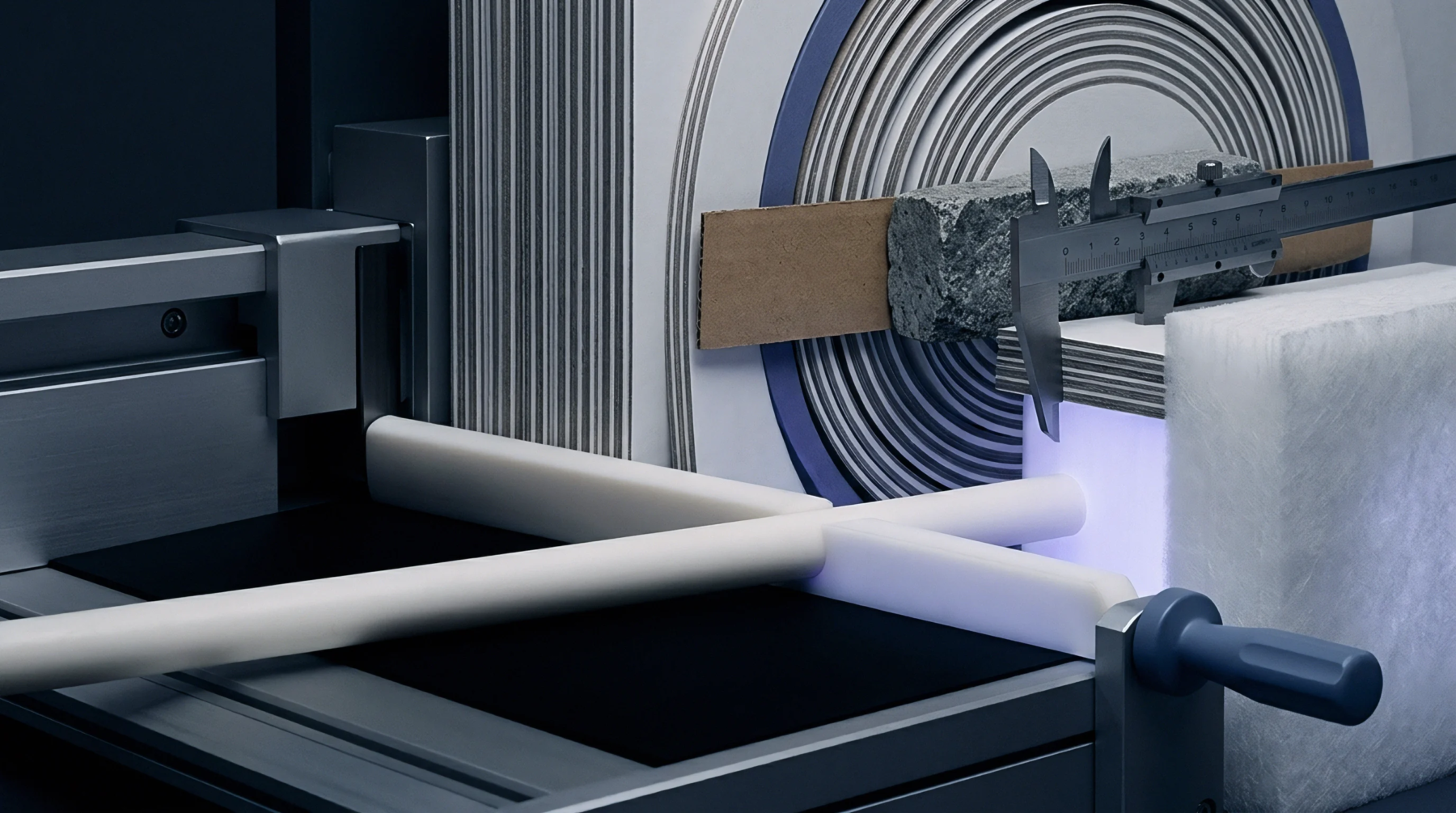
Calibrating matrix channel width to rule thickness plus 1.6 times composite caliper prevents matte skin fracture on co-extruded film laminated paperboard.
Expertise is a utility, not a secret. sentiention™ publishes its working knowledge as open reference: intelligence layer covering the materials it sources, the markets it enters, and the reference that serves both.