
Reconciling Chain of Custody Credit Systems with Laboratory Furnish Assays
Credit systems manage paper volumes administratively, whereas lab assays verify physical fibers; commercial files must not conflate book claims with physical stock.
Credit systems manage paper volumes administratively, whereas lab assays verify physical fibers; commercial files must not conflate book claims with physical stock.

Auditing paperboard custody requires validating register status, matching invoice claim lines to product group schedules, and checking mass balance yields.

Reconciling soluble white water extraction losses requires deducting sewer chemical oxygen demand mass from chain of custody credit balances to prevent unbacked yield claims.

BCTMP yield shifts between 85 and 92 percent alter folding boxboard core bulk, dictating carton bending resistance and chain-of-custody mass balances.

Reconcile furnish gaps by securing mill pulper logs and credit ledger statements that map physical test limits directly to mass balance allocation windows.

Chain of custody verification requires active certificate registry checks, line-item invoice claim validation, and complete layer furnish audit across every web.

Reconciling mass balance ledgers requires establishing physical fiber baseline isoscapes to prove that administrative credit claims match actual harvest origins.

Auditing centralized credit systems requires verifying converting waste factors using physical baler weigh-scale receipts rather than corporate ledger allowances.

Multi-site paperboard certificates require verifying active sub-certificate schedule codes for every physical converting facility on public registers and invoices.

Reconciling volatile losses and mill broke exclusions through dry-matter mass balances ensures defensible recycled content claims in packaging compliance audits.

Establishing accurate paperboard converting yield baselines separates transit tare, hygroscopic mass drift, and tool skeleton waste from raw material invoices.

Acceptance Quality Limit carton inspection pairs ISO 2859-1 sampling math with physical flute and joint testing to validate lots before paper release.

Statistical sampling of folding boxboard applies ISO 2859-1 attribute limits and ISO 3951-1 variable k-factors to verify stiffness, caliper, and purity.

Resolve chemical recycling and paperboard chain discrepancies by splitting polymer barrier mass balance credits from fibre transfer ledgers on every invoice.

Packaging converters track certified fibre through transfer, percentage, or credit accounting, deducting production broke before issuing verified invoice claims.

Establishing auditable mass balance thresholds requires moisture-deducted fiber yields, verified conversion losses, and batch-specific ledger debits.

Verifying paperboard claims demands cross-referencing public scope codes, validating invoice credit lines, and securing plot-level forest origin documentation.
Validate foreign packaging files by checking invoice claim strings on scheme registers, testing fiber furnish by microscopy, and screening barrier extraction.

Validate the invoice license code against the scheme register product group schedule to prevent invalid packaging claims, customs holds, and demurrage fees.

Validating imported paper claims requires matching register product codes to invoices before transit to prevent customs holds and invalid certifications.
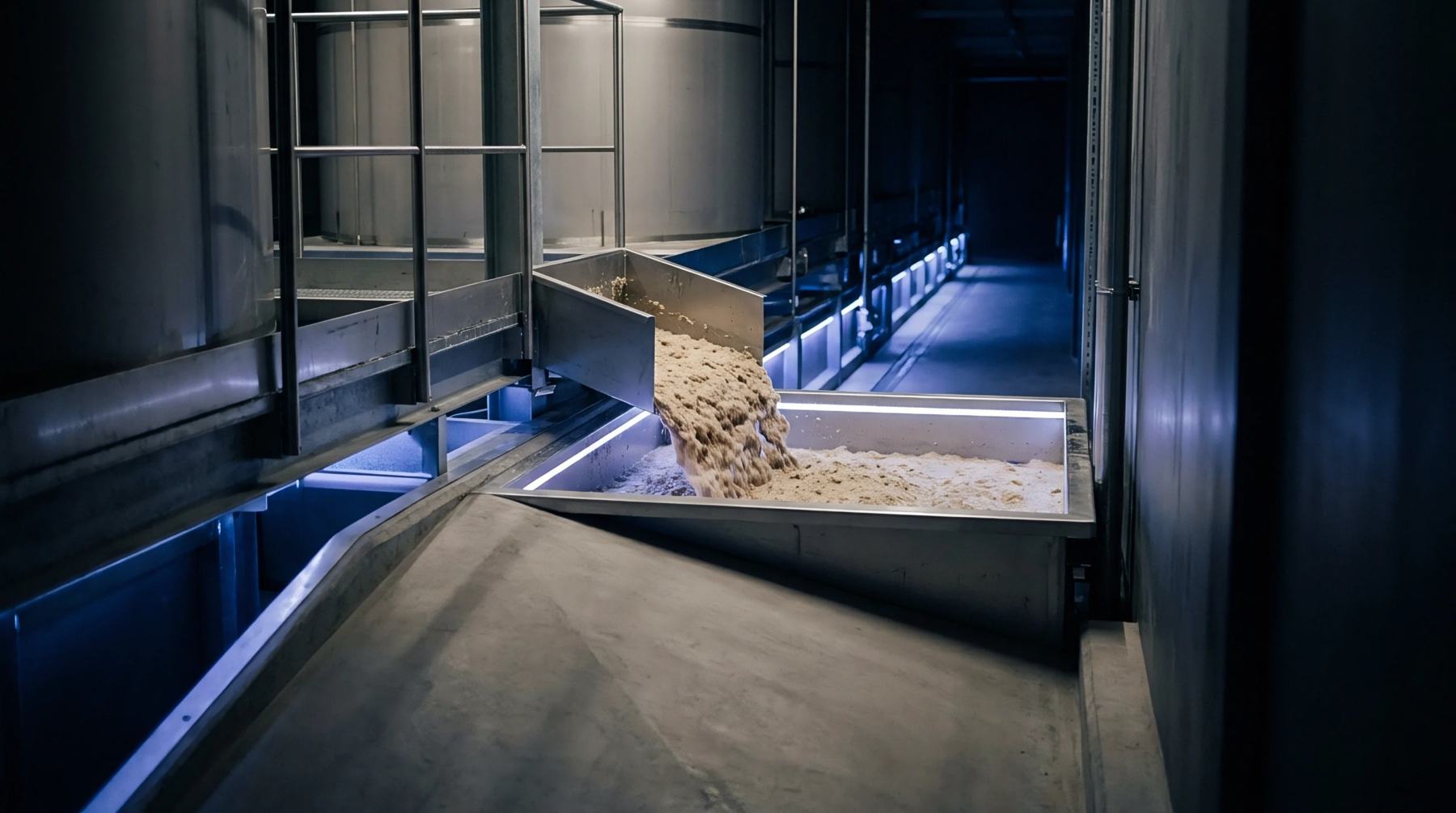
Validating mass balance for dissolved lignin requires deducting recovery-boiler combustion mass and confirming byproduct allocations with calibrated lab assays.

Dynamic conservation modeling establishes mass transfer limits in chemical pulp washing, dictating solute carryover thresholds for food-contact compliance.

Steady-state cup tests understate cellulosic moisture ingress; modeling requires concentration-dependent diffusivity and isotherms to prevent cargo collapse.

Dynamic vapor sorption parameterization identifies the water activity threshold where microfibril coatings swell, plasticize, and forfeit barrier performance.

Recycled fluting creep under cyclic humidity causes warehouse pallet collapse unless procurement contracts enforce dynamic hygro-mechanical test thresholds.

Packaging paper claiming waste exemption under deforestation rules faces border detention whenever furnish blends contain unmapped virgin reinforcement pulp.
Operationalizing physical segregation across multi-site mills demands absolute logyard boundaries, automated stock chest isolation, and verified line flushes.
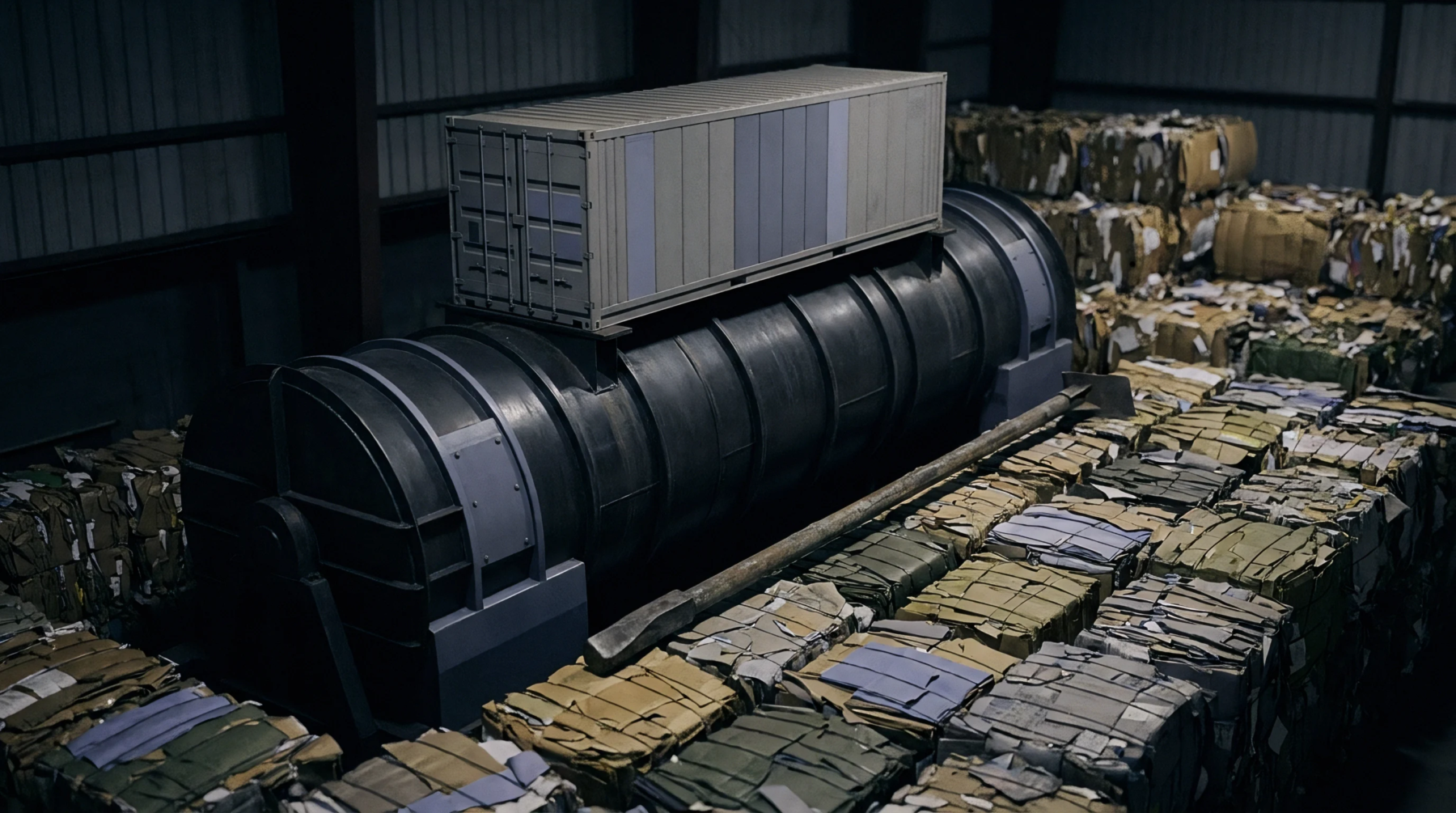
Multistage bleached softwood fiber chain of custody accounting requires bone-dry mass yield reconciliation at each chemical pulping and bleaching stage.
Voluntary forest certificates lack statutory standing under EUDR; buyers must collect verified felling plot polygons and ensure physical batch segregation.

Optimize hot acid hydrolysis by balancing P-factor severity against intrinsic viscosity loss to remove hemicellulose while protecting cellulose purity.
Expertise is a utility, not a secret. sentiention™ publishes its working knowledge as open reference: intelligence layer covering the materials it sources, the markets it enters, and the reference that serves both.