
Verifying European Union Deforestation Regulation Compliance for Paper Substrates
Verify virgin paper substrates under EUDR by capturing verified WGS84 plot polygons for all pulp sources and lodging valid TRACES-NT due diligence statements.
Verify virgin paper substrates under EUDR by capturing verified WGS84 plot polygons for all pulp sources and lodging valid TRACES-NT due diligence statements.

Centralized chain of custody balances across external converters maintain certified status through clear legal title, strict loss ratios, and audit covenants.

Certified paper credit accounts expire on fixed rolling schedules, voiding output claims when sales lag intake ledgers.

Recycled fiber claims require third-party mass balance credit accounting backed by yield-adjusted ledgers and validated supply chain invoices.

Verify mill certificate scopes by cross-checking registry product lines, invoice claim text, and mass balance records against strict ISO 14021 definitions.

Verifying packaging fiber origin and food contact compliance demands audited chain of custody invoices paired with batch specific migration analytical reports.

Verify paperboard public register scopes, enforce EN 1186 migration limits, track conversion mass balances, and secure supplier indemnities against customs holds.

Unadjusted deinking mass loss in credit ledgers inflates recycled board claims, creating severe compliance exposure during border customs inspections.

Boxboard claims require exact invoice codes, LC-GC-FID MOSH/MOAH testing under EN 16995, and ISO 2859-1 receiving audits to prevent customs holds.

Verify physical furnish dockets and chemical marker assays rather than invoice credits to substantiate post-consumer claims in folding boxboard packaging.

Air dry pulp calculations convert wet scale weight to a standard ninety percent dry fiber basis to prevent paying paper pulp rates for transported water.

Air dry conversions in recycled paper audits convert wet scale weights into dry fiber mass, preventing false claim credits from unadjusted moisture and rejects.
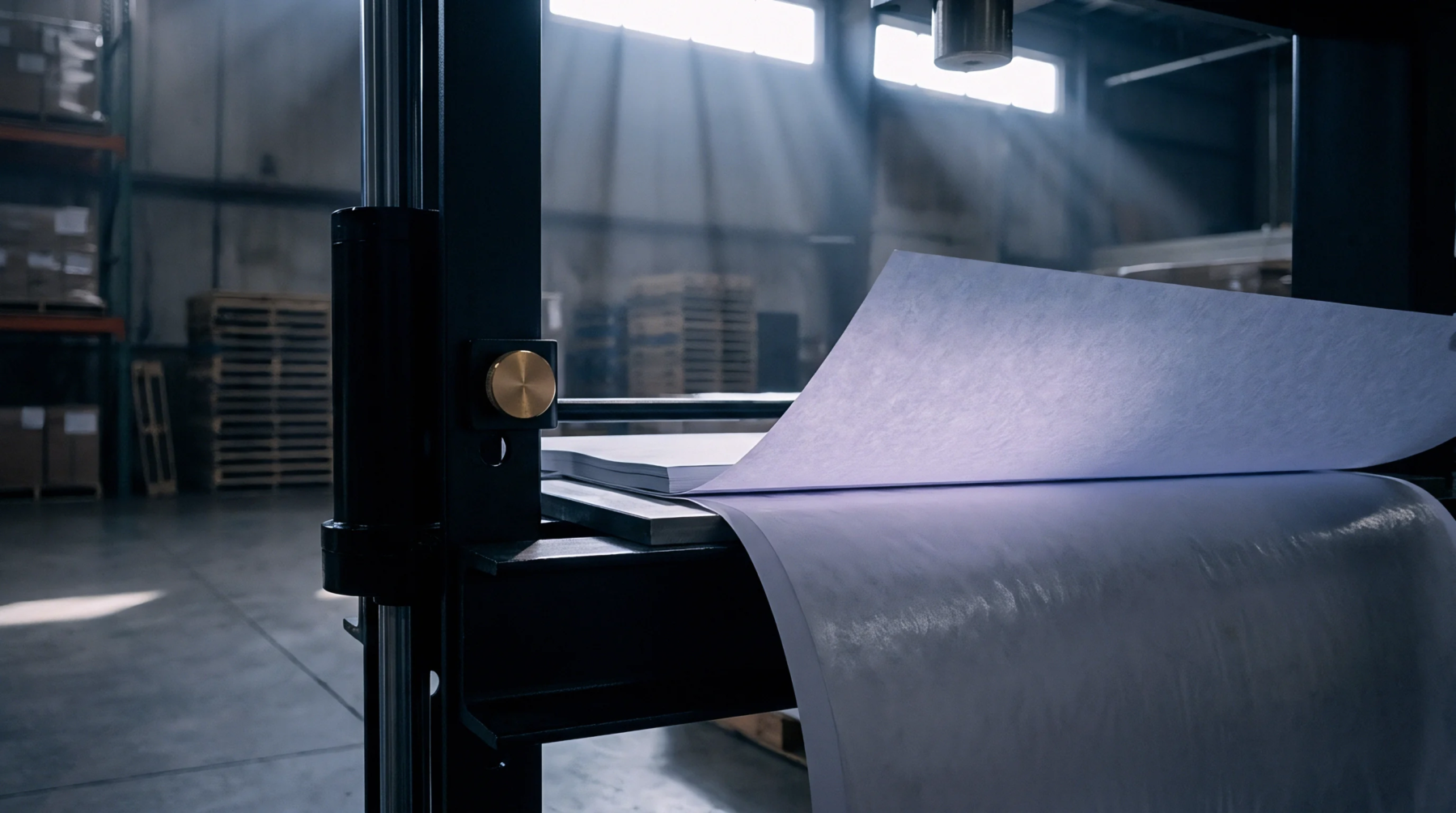
Physical parcel coordinates cannot decouple; converters must map every daughter reel to validated harvest plots to clear customs under statutory mandates.

Establishing accurate carton material balance requires deducting core tare and moisture loss from gross board weight before tracking die skeleton trim.

Establishing explicit physical boundary conditions for deinking sludge prevents unverified mineral loss from inflating certified secondary fiber credit ledgers.

Calibrating additive fractions against certified fiber balances requires deducting retained minerals, synthetic polymers, and moisture from gross board mass.

Reconciling raw fiber incoming moisture to dry-mass baselines prevents credit ledger inflation and ensures chain-of-custody compliance during audits.
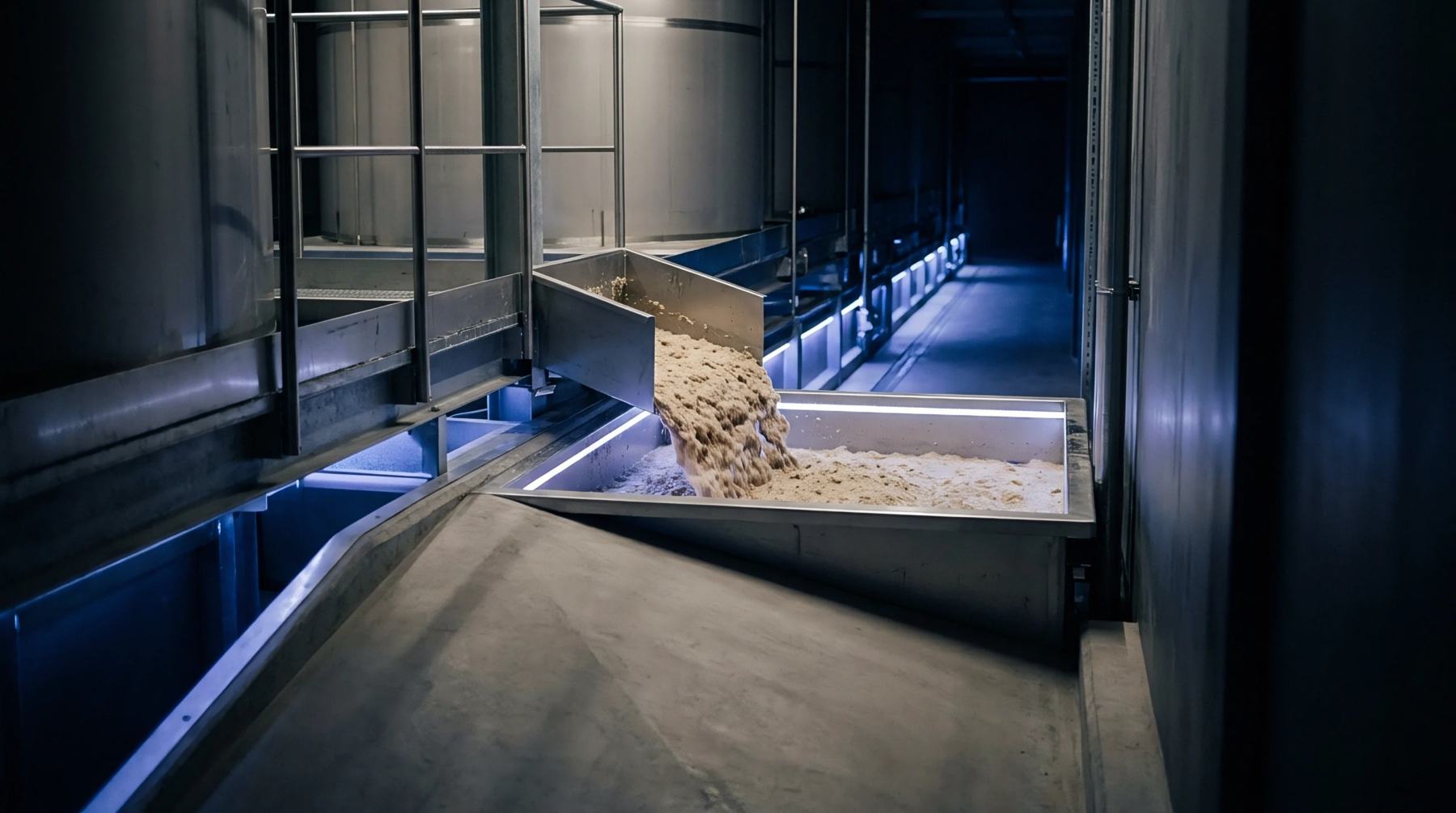
Controlling virgin chemical-to-mechanical ratios across multi-ply board dictates flexural stiffness, barrier integrity, and customs duty classifications.

PPWR compliance requires paper substrates with barrier coatings to achieve 95% fiber recovery in Cepi v2 testing to secure Class A recyclability status.

Cross-border mass balance credits fail statutory import rules; buyers must mandate physical batch traceability and contractually shift customs hold liability.

Centralised credit accounts require plant-specific conversion factors and strict rolling FIFO schedules to prevent unearned claims and customs rejections.

Multi-site credit ledgers require continuous mass-balance reconciliation, strict scrap deductions, and geographic boundaries to prevent customs compliance failure.

Standardize paperboard conditioning through dry pre-conditioning under ISO 187 to neutralize hysteresis and prevent false mechanical strength rejections.

Determining migration compliance relies on exact food simulant testing, functional barrier verification, and complete analytical records across all converter tiers.

Verify multi-site bleached kraft conversion factors using site-specific bone-dry chip inputs and gravimetric testing to prevent regulatory customs non-compliance.

Analytical paperboard testing combines optical fiber morphology, MOSH MOAH chromatography, and ash calcination to verify chain of custody recycled content claims.

Laboratory testing cannot distinguish pre-consumer from post-consumer pulp in multi-ply board; compliance rests on mass-balance chain of custody.

Credit systems manage paper volumes administratively, whereas lab assays verify physical fibers; commercial files must not conflate book claims with physical stock.
Auditing paperboard custody requires validating register status, matching invoice claim lines to product group schedules, and checking mass balance yields.

Reconciling soluble white water extraction losses requires deducting sewer chemical oxygen demand mass from chain of custody credit balances to prevent unbacked yield claims.
Expertise is a utility, not a secret. sentiention™ publishes its working knowledge as open reference: intelligence layer covering the materials it sources, the markets it enters, and the reference that serves both.