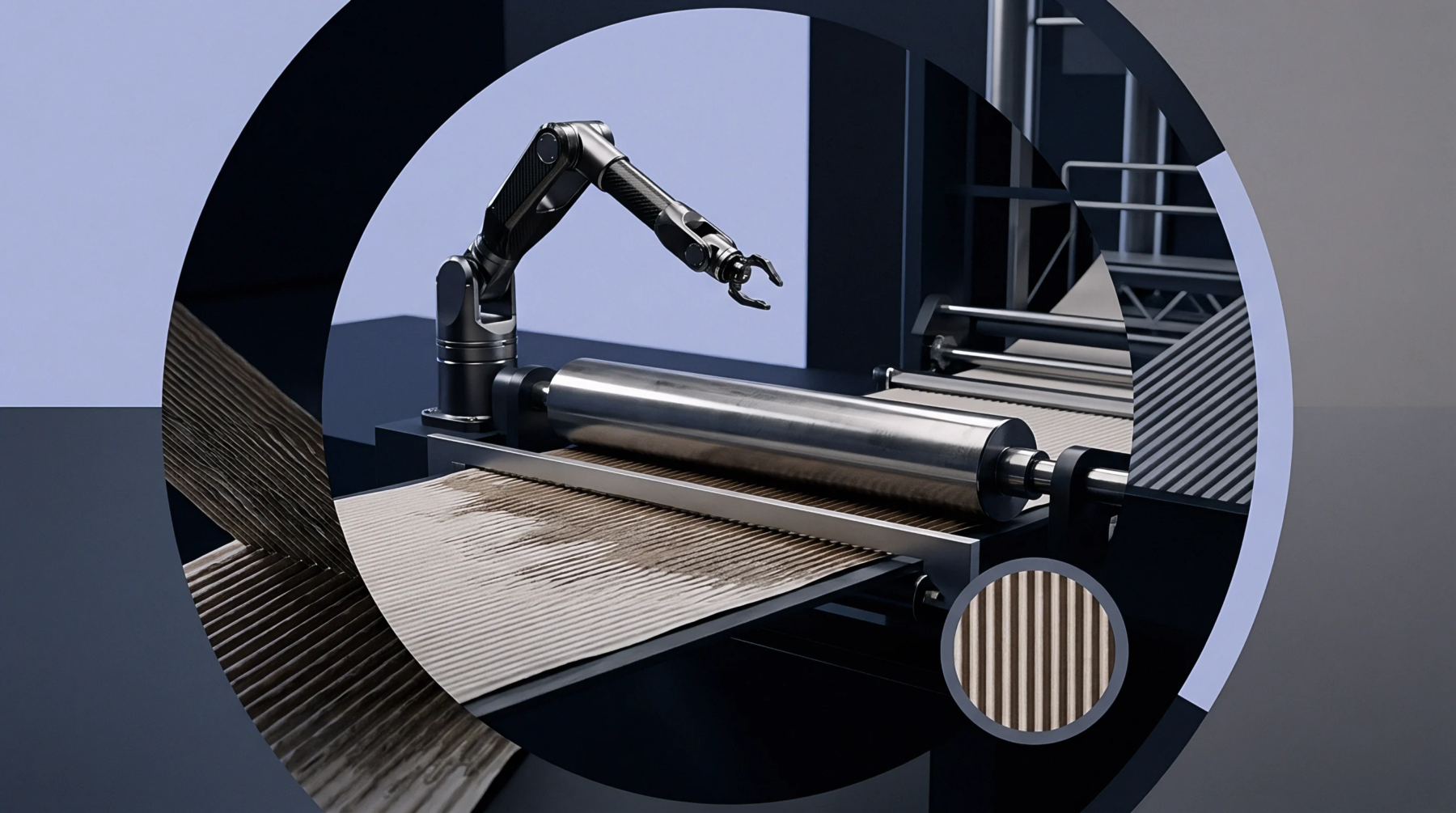
Cross Machine Caliper Profile Control on High Speed Coated Packaging Lines
Cross-machine caliper control demands real-time induction calender profiling to maintain stiffness and prevent high-speed converting line jams.
Cross-machine caliper control demands real-time induction calender profiling to maintain stiffness and prevent high-speed converting line jams.

Matching counter matrix channel width to rule thickness plus 1.5 to 1.7 times board caliper prevents clay coating rupture and stabilizes carton score stiffness.

Dynamic surface tension gradients in recycled paperboard cause capillary stalling, uneven ink penetration, and severe converting spoilage.
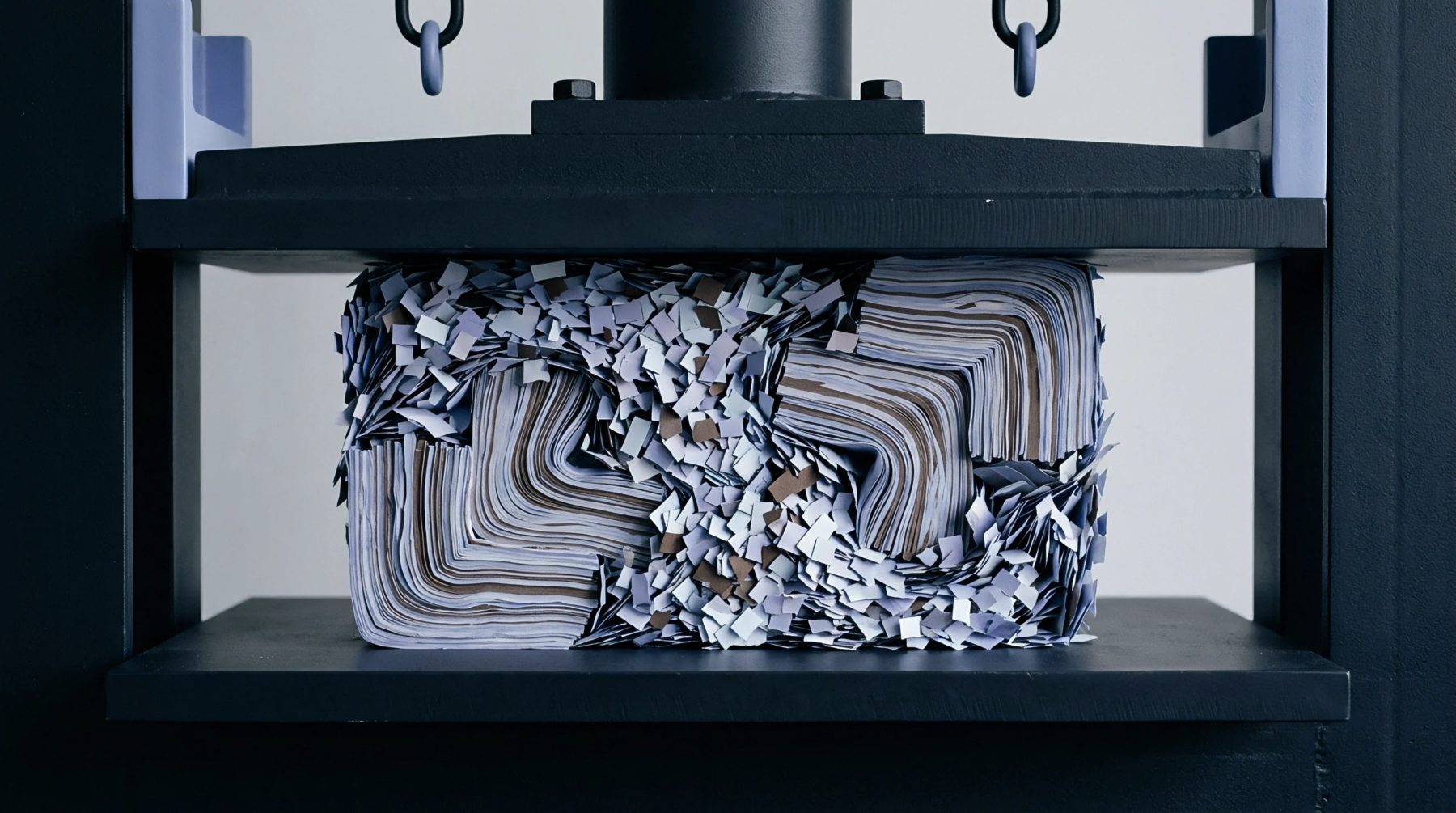
Parent sheet yield depends on matching machine deckles, subtracting press clearances, respecting grain direction, and accounting for guillotine kerf margins.
Deriving uncoated paper TVI targets demands separating optical light scattering from capillary ink absorption using M1 spectral data to set inverse RIP curves.
Matte laminated boxboard demands channel width expansion of twelve to eighteen percent over raw stock formulas to absorb film strain and prevent score rupture.

Virgin SBS provides superior print brightness, stiffness consistency, and crack-free scoring, whereas recycled board lowers initial cost but adds waste.

Commercial landed cost variance depends on sheet yield, press spoilage, and EPR de-inkability fee surcharges triggered by grade substitution.

Matching substrate furnish and bulk to press stress secures structural integrity, optimizes print quality, and minimizes total landed packaging cost.
Stack thermal buildup causes substrate shrinkage and mechanical expansion, driving cold foil register drift across continuous production shifts.
Expertise is a utility, not a secret. sentiention™ publishes its working knowledge as open reference: intelligence layer covering the materials it sources, the markets it enters, and the reference that serves both.