
A Coating Change That Invalidates a Food Contact Declaration
A raw material shift in barrier coatings alters chemical migration profiles, instantly invalidating food contact declarations and risking complete job quarantine.
A raw material shift in barrier coatings alters chemical migration profiles, instantly invalidating food contact declarations and risking complete job quarantine.

Unannounced varnish substitutions break food contact compliance and print line stability, creating multi-thousand-dollar commercial liabilities across converters.

Chemical characterization of varnish raw material changes demands spectroscopic conversion tracking and chromatographic migration screening to prevent food contact failures.

Gas chromatography verification requires static headspace extraction at 100 degrees Celsius to quantify residual ink solvents down to zero point five milligrams.

Paperboard chemical migration testing requires matching food simulants to substrate porosity, using Tenax for dry media and certified barrier qualification.

Recycled paperboard verification requires valid chain of custody certificates, mass balance ledgers, and lab migration test reports to clear retail compliance.
Chemical migration testing for dispersion coated board requires single-sided extraction cells and post-crease migration proofs to account for score-line breaks.

Untargeted mass spectrometry screening isolates photoinitiator degradation products and unreacted acrylates in food packaging overprint coatings at 10 ppb.

Verifying imported packaging compliance requires auditing chemical migration reports, chain-of-custody scopes, and declarations of conformity before customs clearance.

Chromatographic uncertainty in high-lignin recycled board testing demands matrix-specific SPE cleanup and isotopic standards to eliminate false oxirane peaks.

Mitigate polymer swap risks by pairing ATR-FTIR incoming resin screening with enforceable supplier contracts capping liability to full downstream food loss.
Evaluating paperboard barrier food contact declarations requires verifying specific migration limits, functional barrier continuity, and total NIAS disclosures.
Chromatographic testing via LC-MS/MS verifies photoinitiator specific migration limits in printed barrier packaging to maintain compliance.
Mathematical diffusion models quantify NIAS transfer through polyolefins, enabling rapid, low-cost compliance validation for flexographic food packaging.

Chromatographic identification couples GC-MS and LC-HRMS screening with Cramer classification to clear unidentified non intentionally added substances below 0.01 mg/kg.
Paperboard food contact compliance requires verified migration testing using specific simulants and GC-MS or LC-GC-FID analytics to enforce migration safety limits.

Quantitation of hydroxycyclohexyl phenyl ketone breakdown products requires HS-GC-MS targeting cyclohexanone below 0.01 mg/kg to prevent set-off food contact breaches.

Pyrolysis mass spectrometry isolates covalently bound alkyl ketene dimer esters from free waxes in paperboard, verifying food contact safety and mill sizing cure.
Low migration UV conversion succeeds by verifying photoinitiator cure through spectrometry, maintaining peak irradiance, and preventing set-off transfer.

Auditing paperboard compliance certificates requires verifying accredited laboratory migration data against regional chemical limits and matching mill batch codes.

Quantifying acrylate extractables in low migration packaging requires standardized solvent extraction coupled with thermal desorption GC-MS spectral screening.
Quantifying NIAS in bio-based coatings requires single-side solvent extraction paired with high-resolution GC/LC-QTOF screening calibrated to toxicological concern thresholds.

Polyolefin regulatory compliance requires explicit contractual indemnity clauses tied to batch-level migration and third-party chain of custody certification.

Standardized flake purity certification requires accredited third-party batch assays to verify decontamination limits and prevent border rejections.

Crosslinked microfibril coatings qualify for paperboard moisture barriers by locking pore networks, balancing WVTR reduction against strict repulpability limits.

Recycled board releases volatile mineral oils via gas-phase migration, demanding LC-GC-FID screening and functional barrier layers to satisfy food safety law.

Polymeric barrier compliance requires verifying Fickian diffusion math and toxicological thresholds against scored, converted geometry under worst-case simulants.
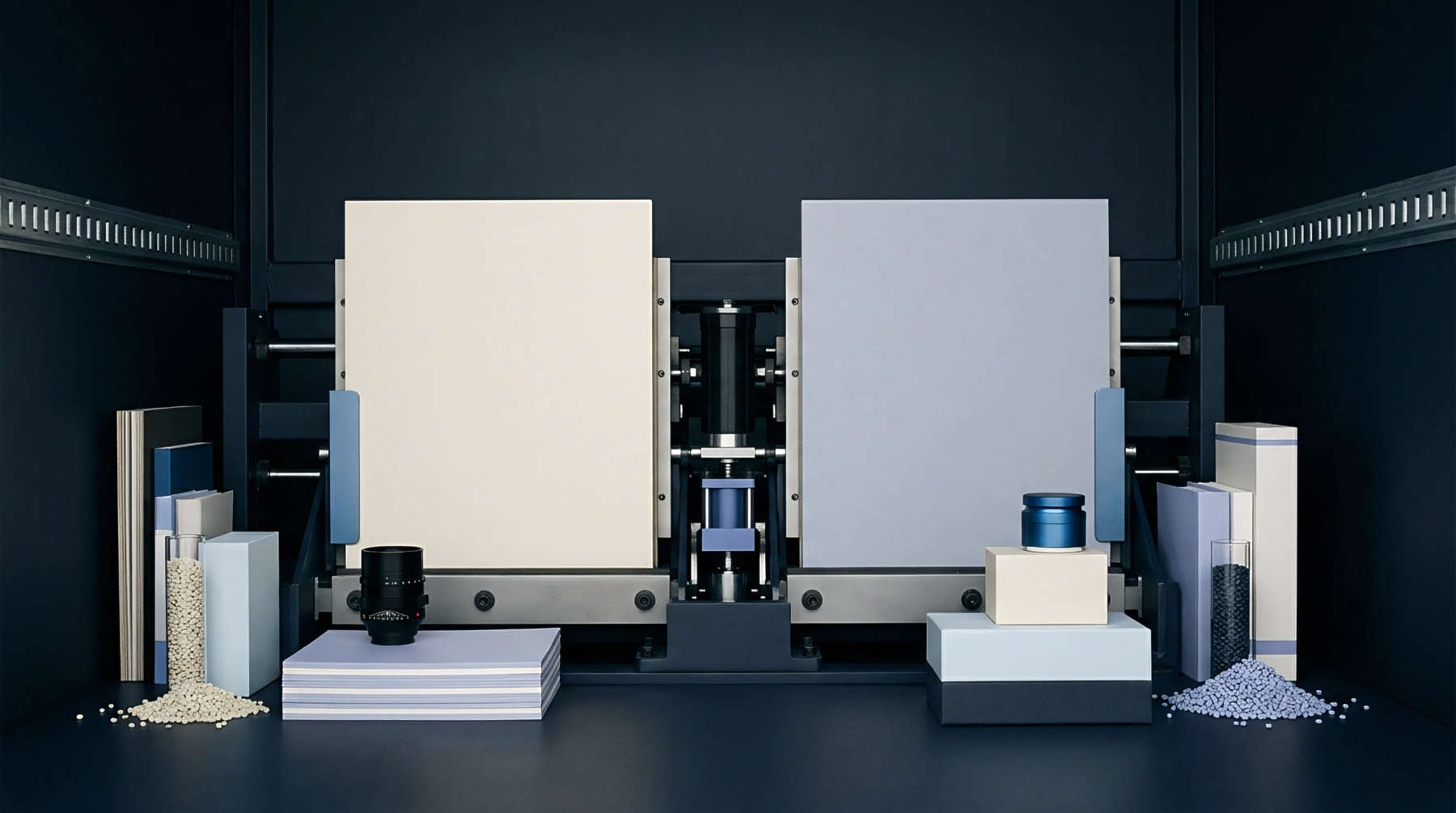
Attenuated total reflectance infrared spectroscopy combined with thermal analysis isolates extrusion resins from dispersion coatings to verify repulpability.
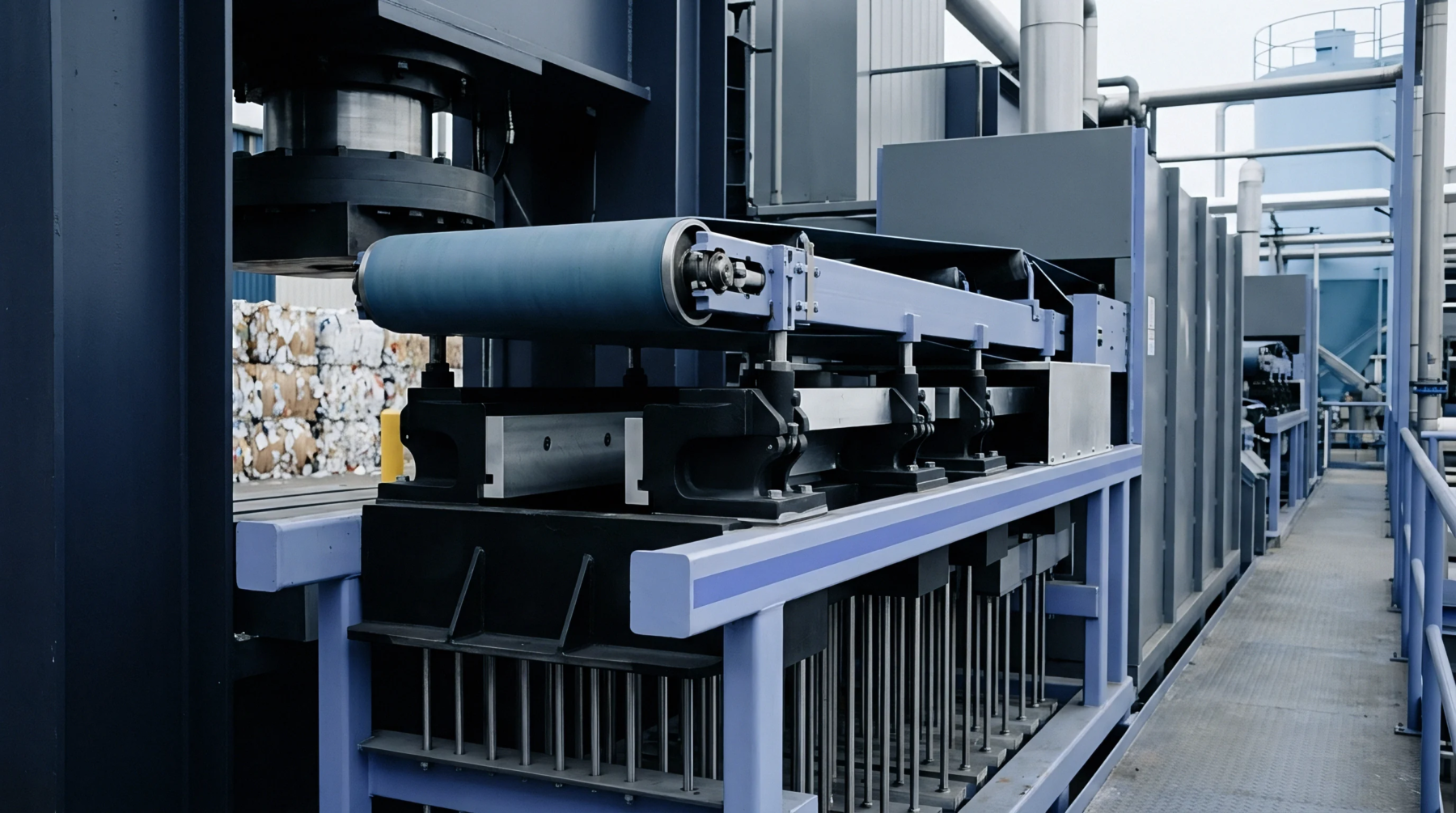
Chemical recycling mass balance claims require unbroken multi-tier site certificates and strict proportional allocation ledgers to prevent customs rejections.
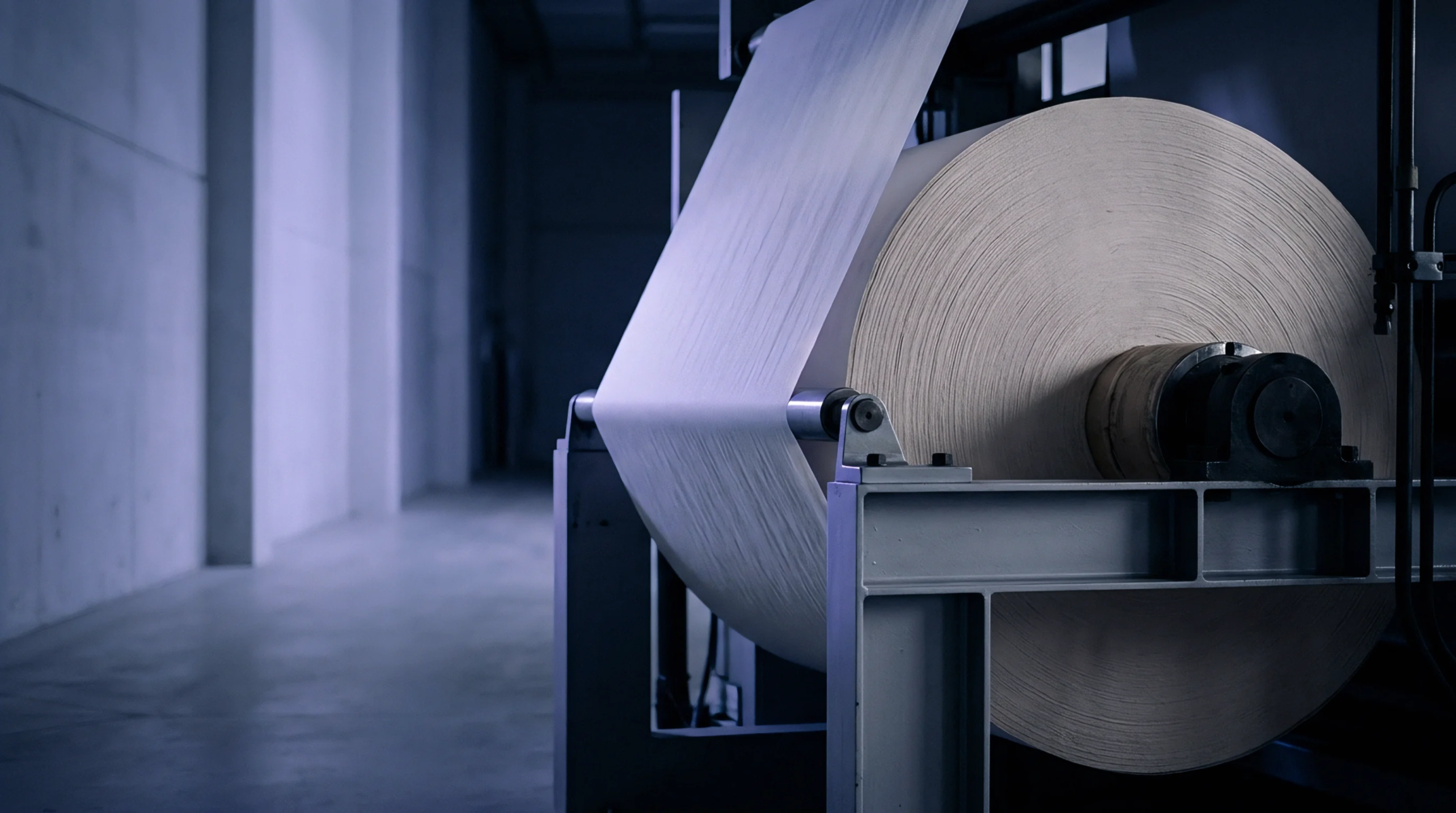
Calibrating solvolysis marker decay demands multi-stage analytical challenge tests and mass balance proofs to certify food-grade compliance and avoid border holds.
Expertise is a utility, not a secret. sentiention™ publishes its working knowledge as open reference: intelligence layer covering the materials it sources, the markets it enters, and the reference that serves both.