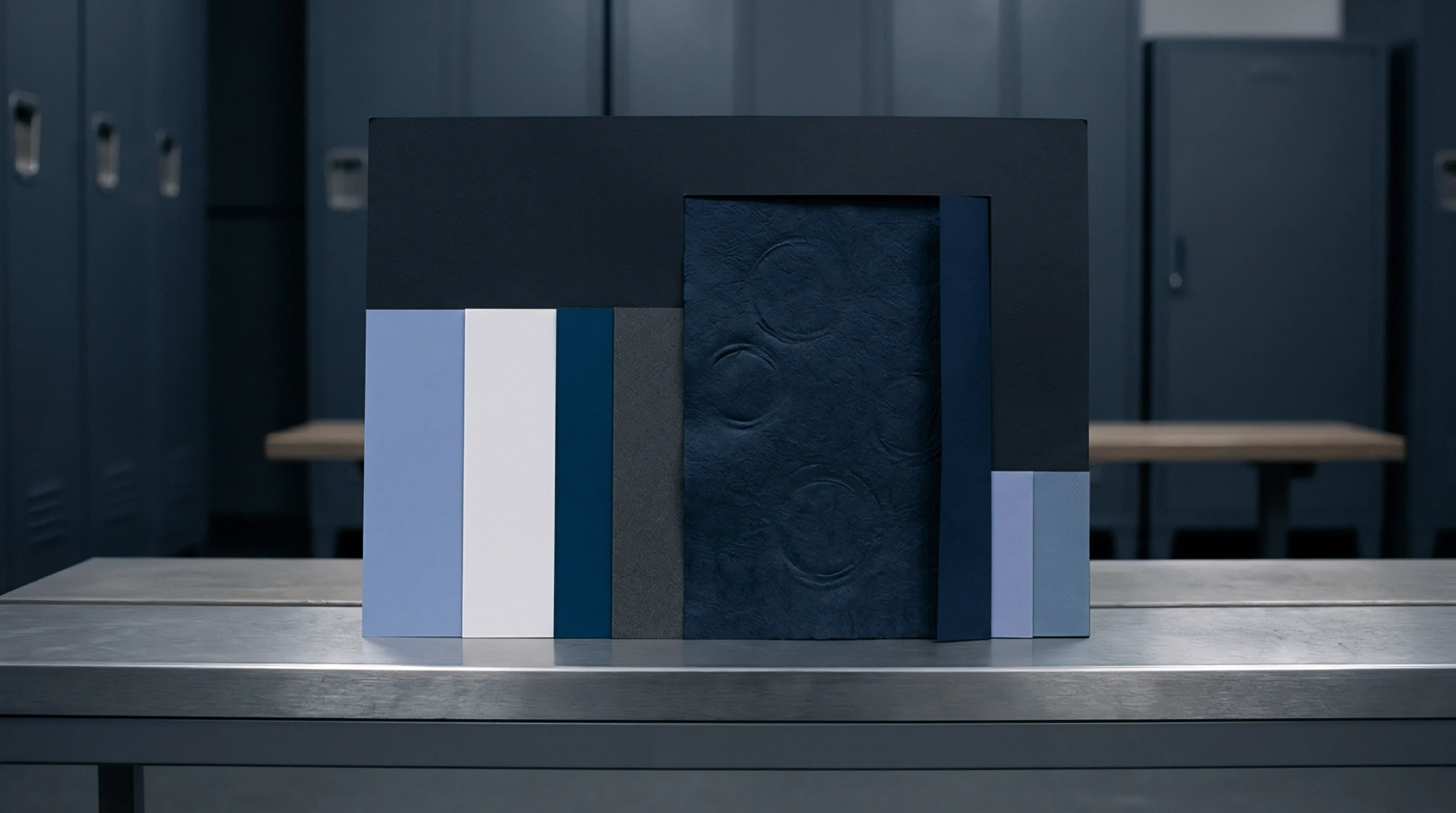
Orthotropic Hygroexpansive Stress Derivation in Asymmetric Barrier Coated Boxboard Plies
Asymmetric barrier coatings induce unbalancing moisture expansion moments, causing cross-direction panel warp manageable by matching ply elastic moduli.
Asymmetric barrier coatings induce unbalancing moisture expansion moments, causing cross-direction panel warp manageable by matching ply elastic moduli.
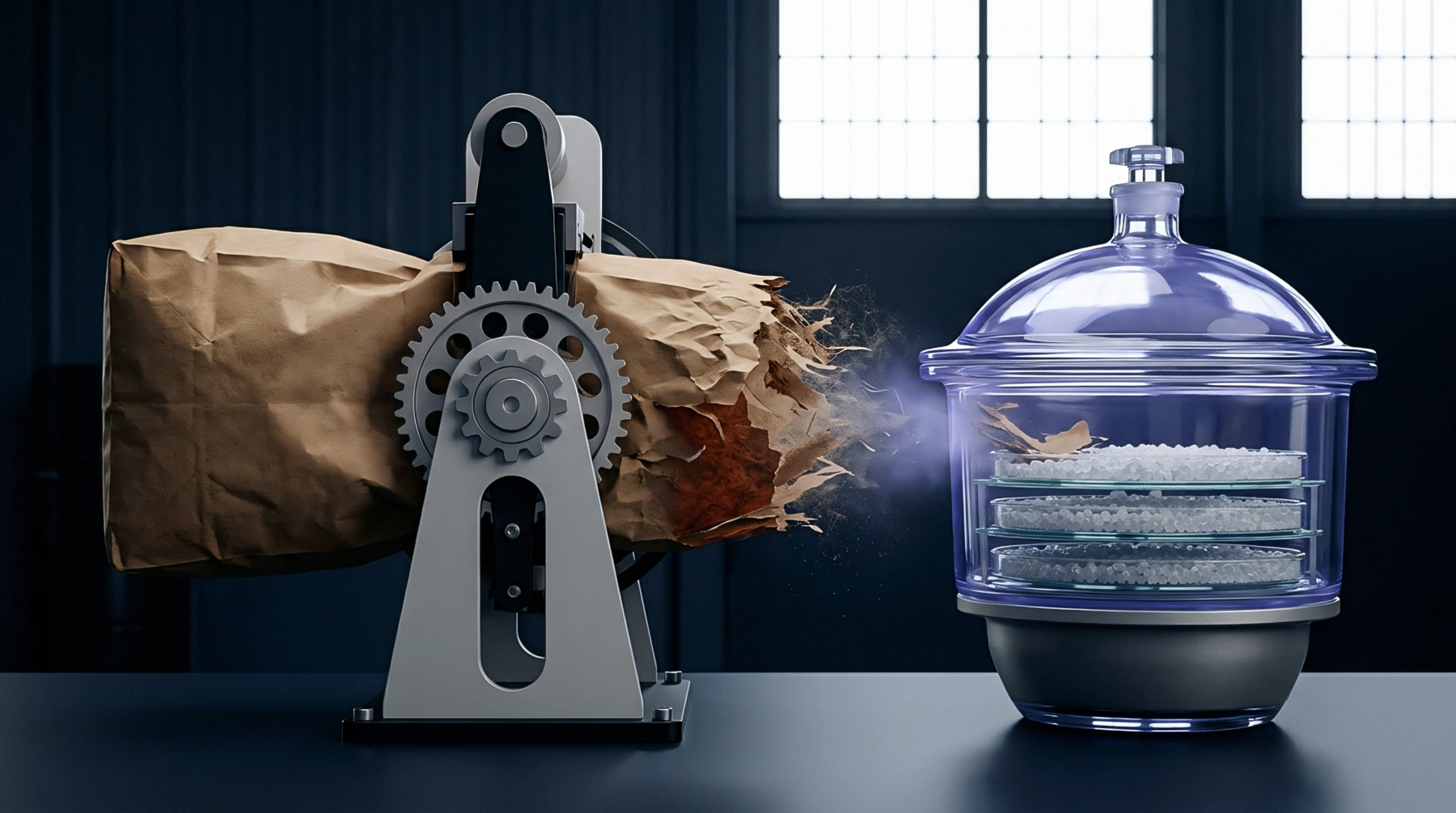
Moisture-driven delamination in recycled boxboard occurs when swelling middle plies shear weak starch interfaces under finishing stress and asymmetrical barrier curl.
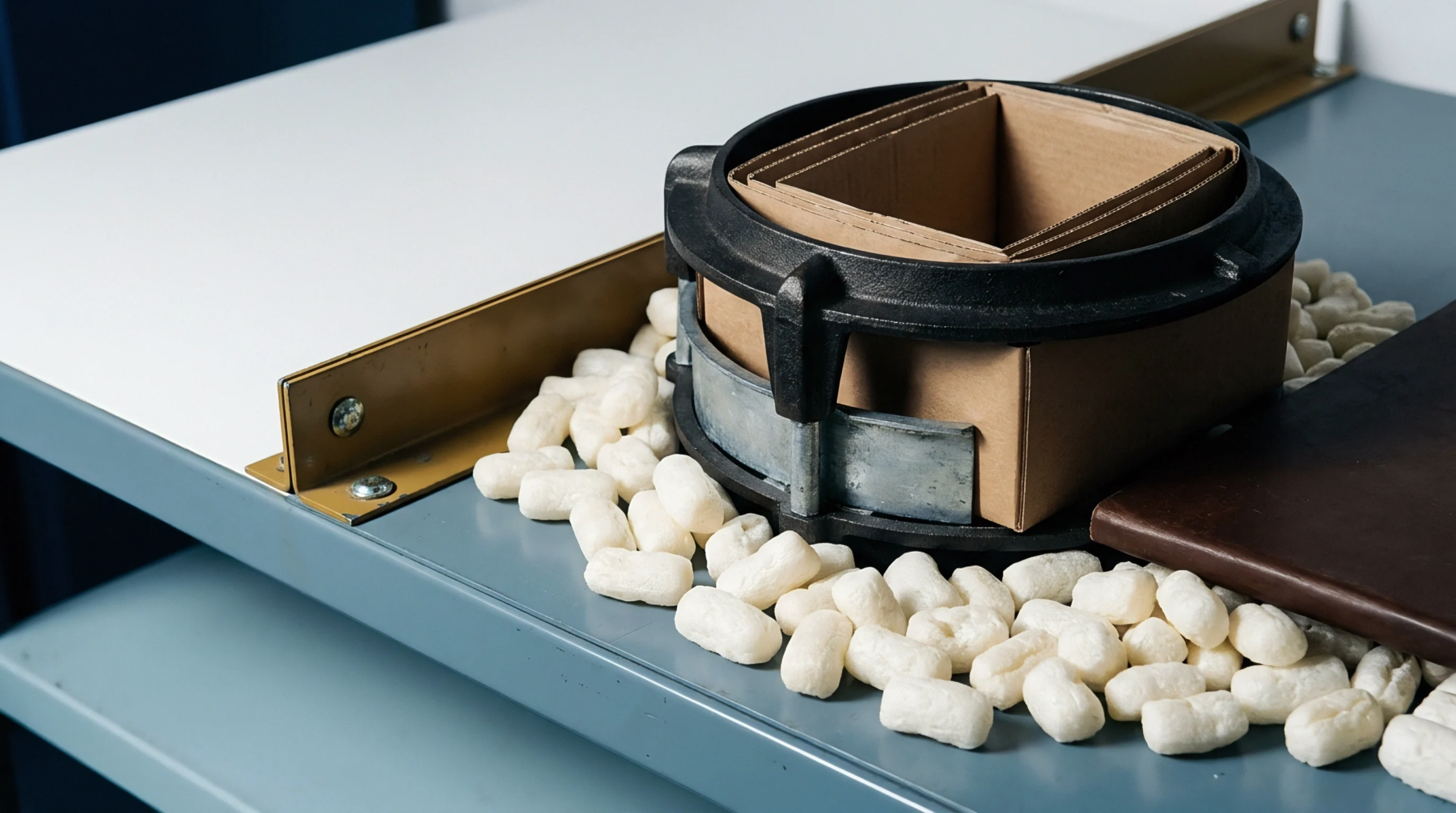
Piezoelectric force compensation during press speed variations requires velocity-dependent gain scheduling and real-time charge bleed filtering.

Interfacial shear strength governs bio-coated board creasing performance, where poor polymer adhesion causes delamination and barrier failure under high-speed converting.

Mechano-sorptive creep drives localized shear failure across recycled board plies during humidity cycles, requiring dynamic moisture qualification over static tests.

Hornification in recycled cellulose drives non-Fickian moisture diffusion and reduces binding enthalpy, lowering box compression under cyclic humidity.
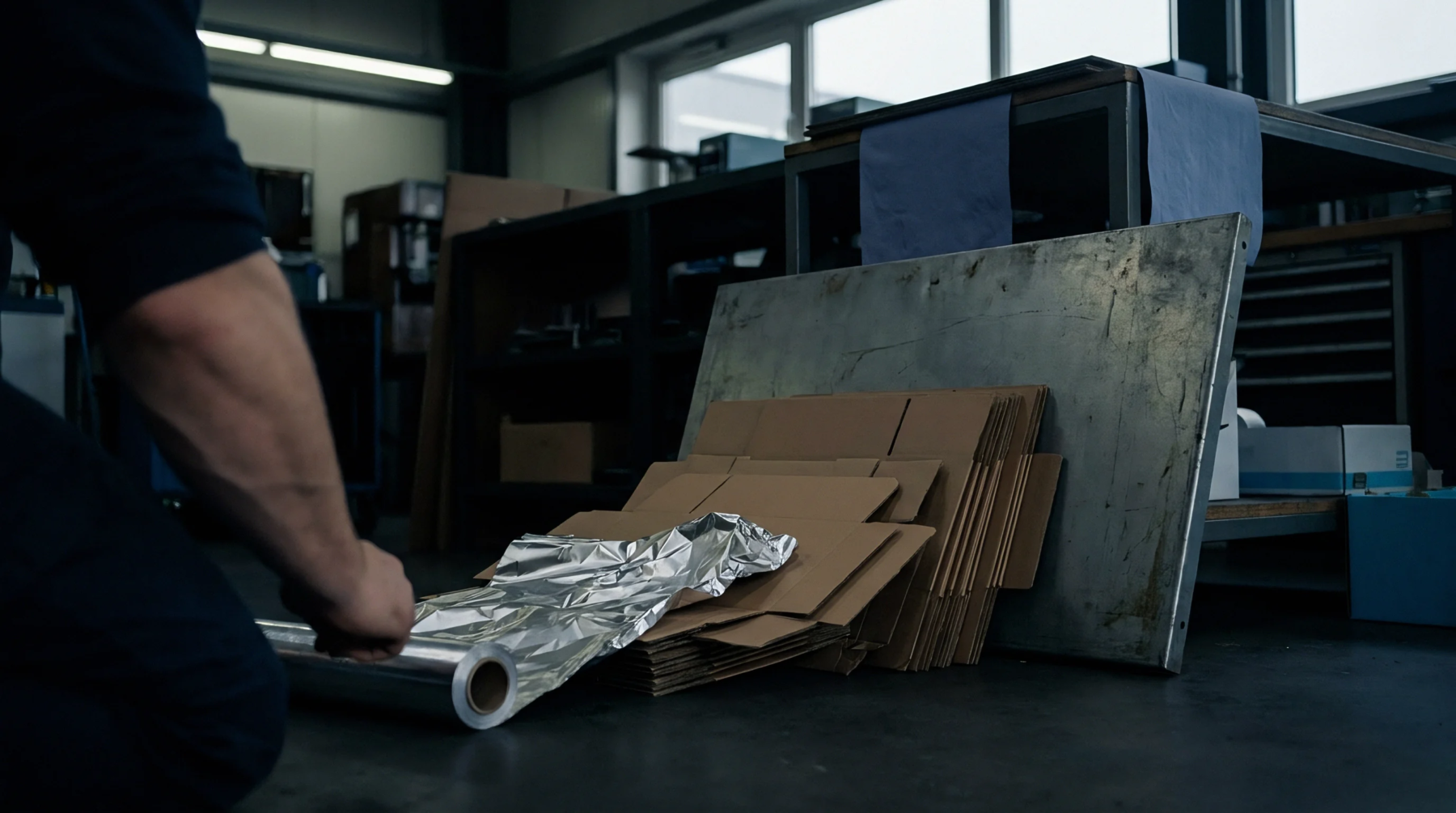
Dynamic vapor sorption kinetic modeling quantifies moisture diffusion rates and hysteresis in recycled testliner to prevent transit creep collapse.
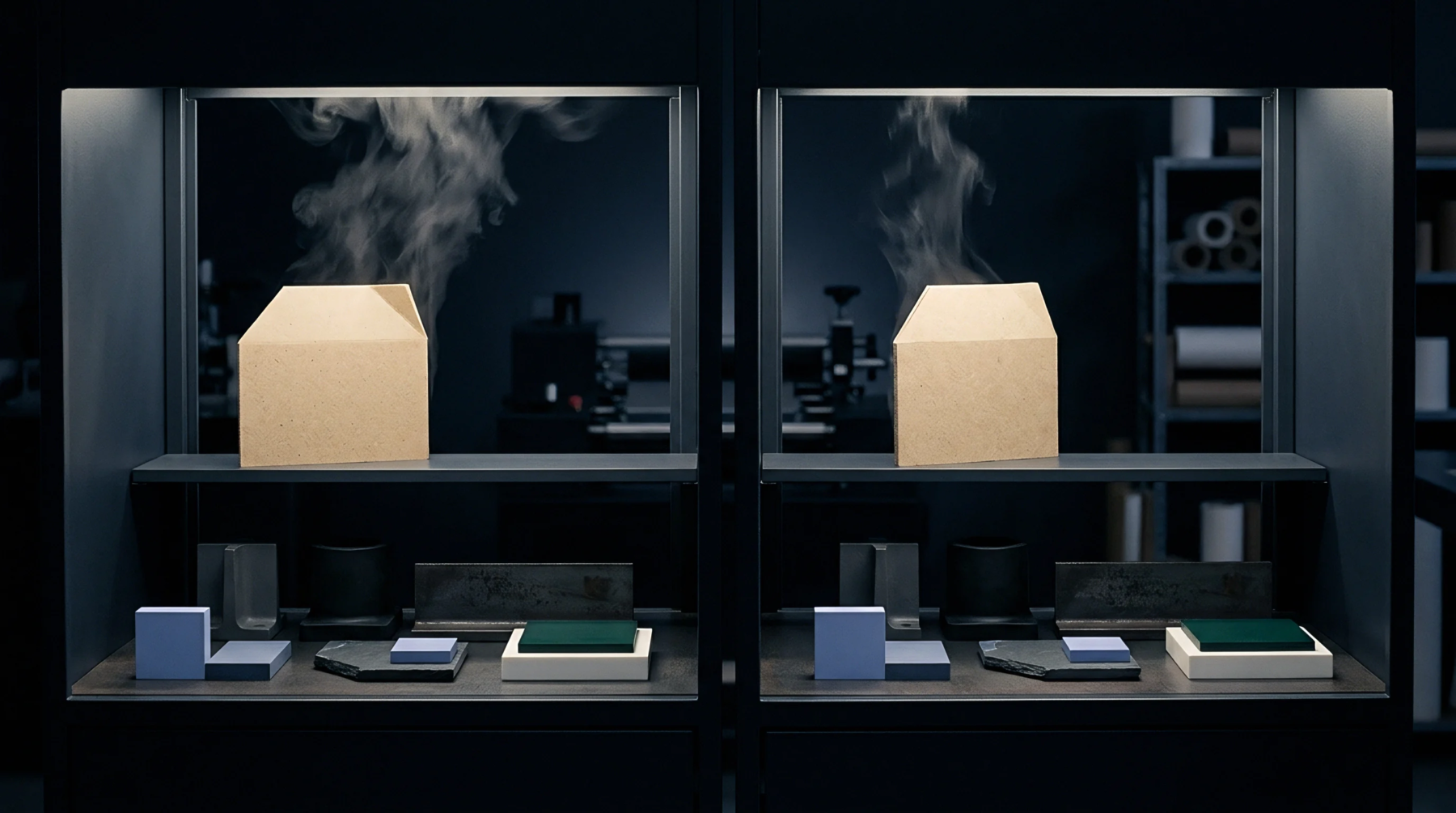
Non-linear GAB parameter fitting determines bio-based fiber barrier moisture transport thresholds to prevent barrier collapse under high water activity conditions.
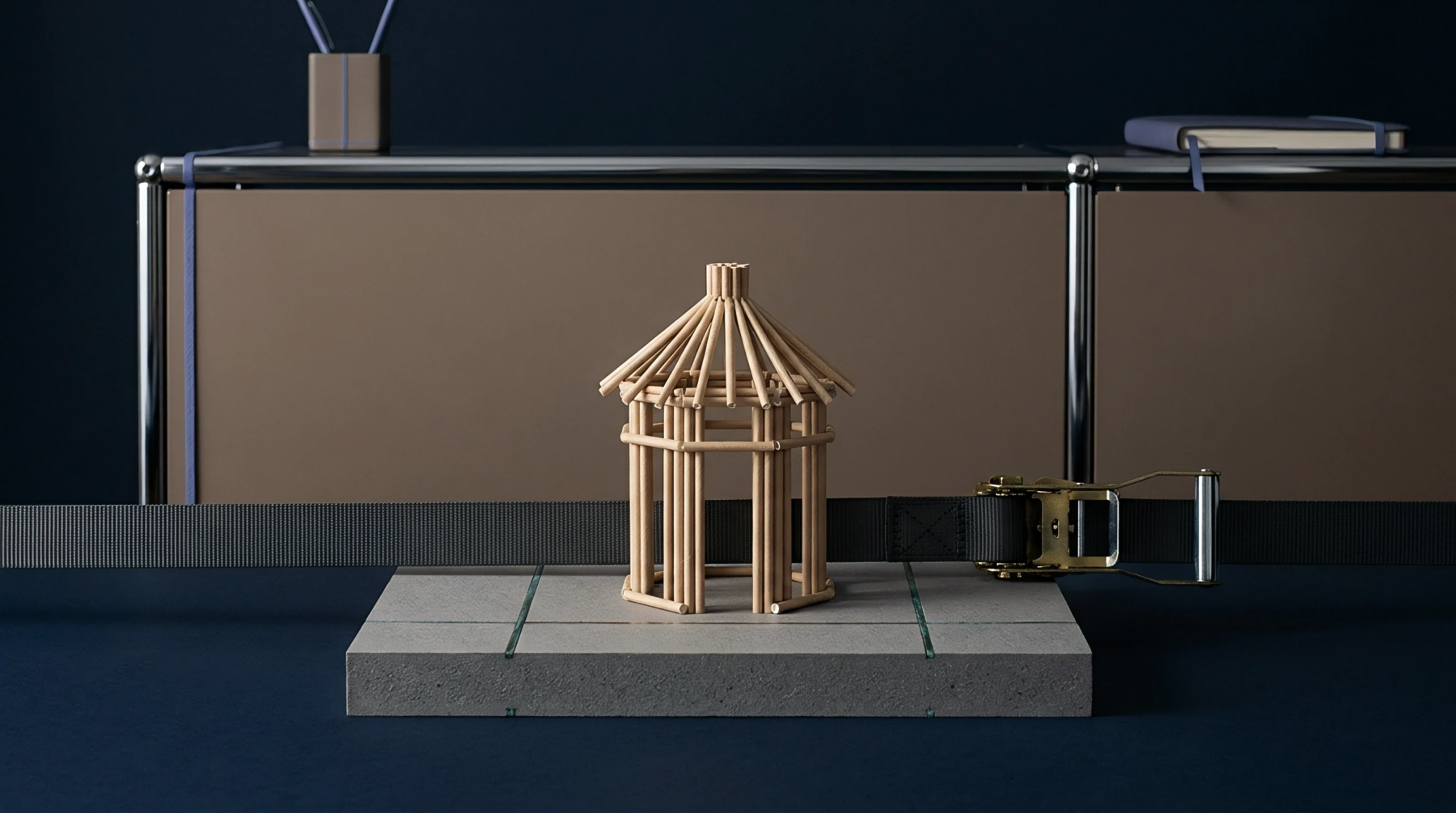
Calculating microfibril sorption isotherms using GAB parameters determines monolayer moisture limits and predicts packaging barrier failure under tropical humidity.
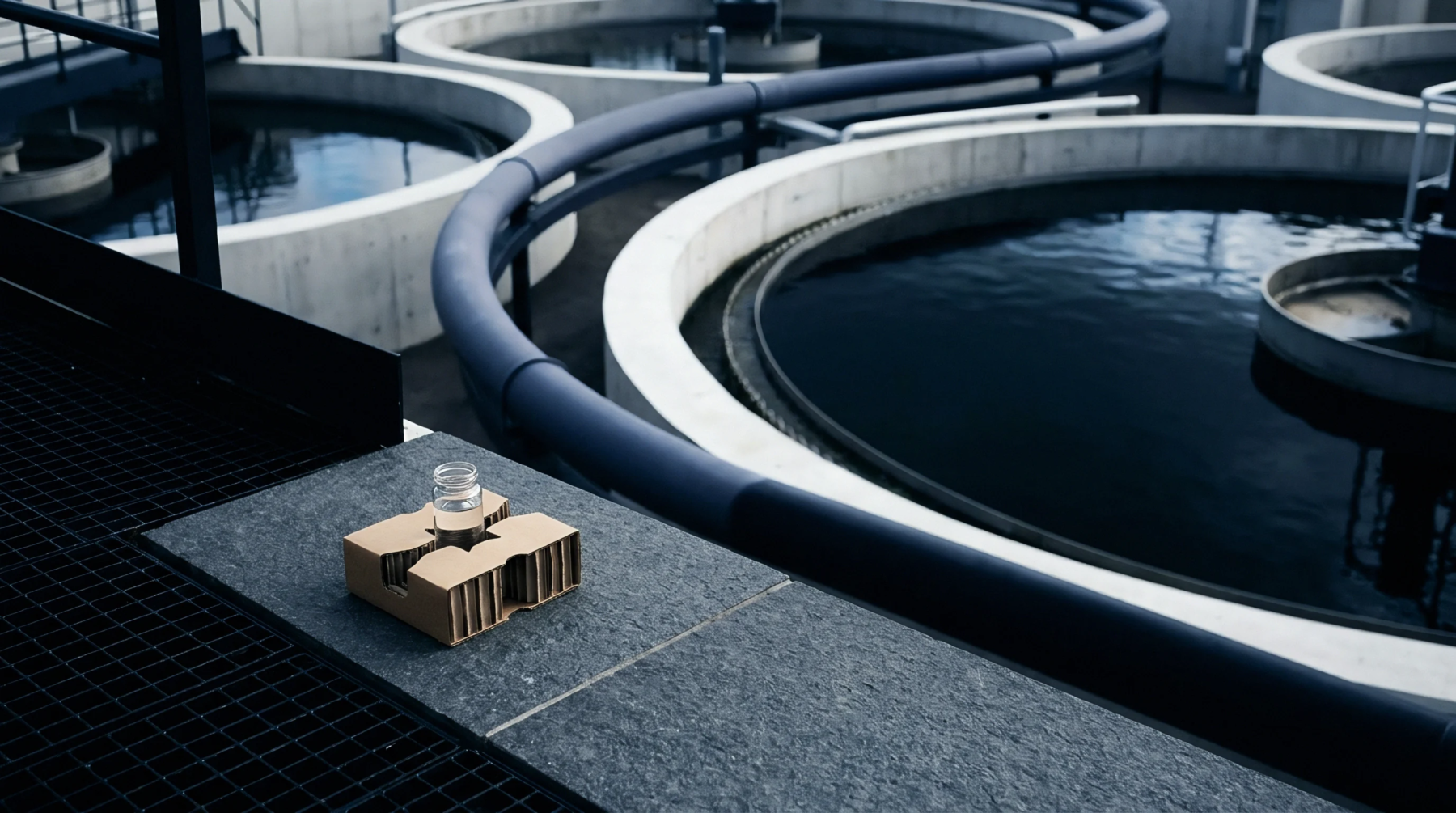
Dynamic moisture sorption across multi-wall plies causes rapid mechano-sorptive collapse that static lab tests fail to predict during humid freight transit.

Optical specular reflectance shifts on board substrates depend on micro-roughness and pore absorption, requiring sealed primer passes to match virgin board gloss.

Recycled testliner loses up to 50 percent of ISO 9895 short span compressive strength at 85 percent RH, requiring elevated BCT safety factors for transit.
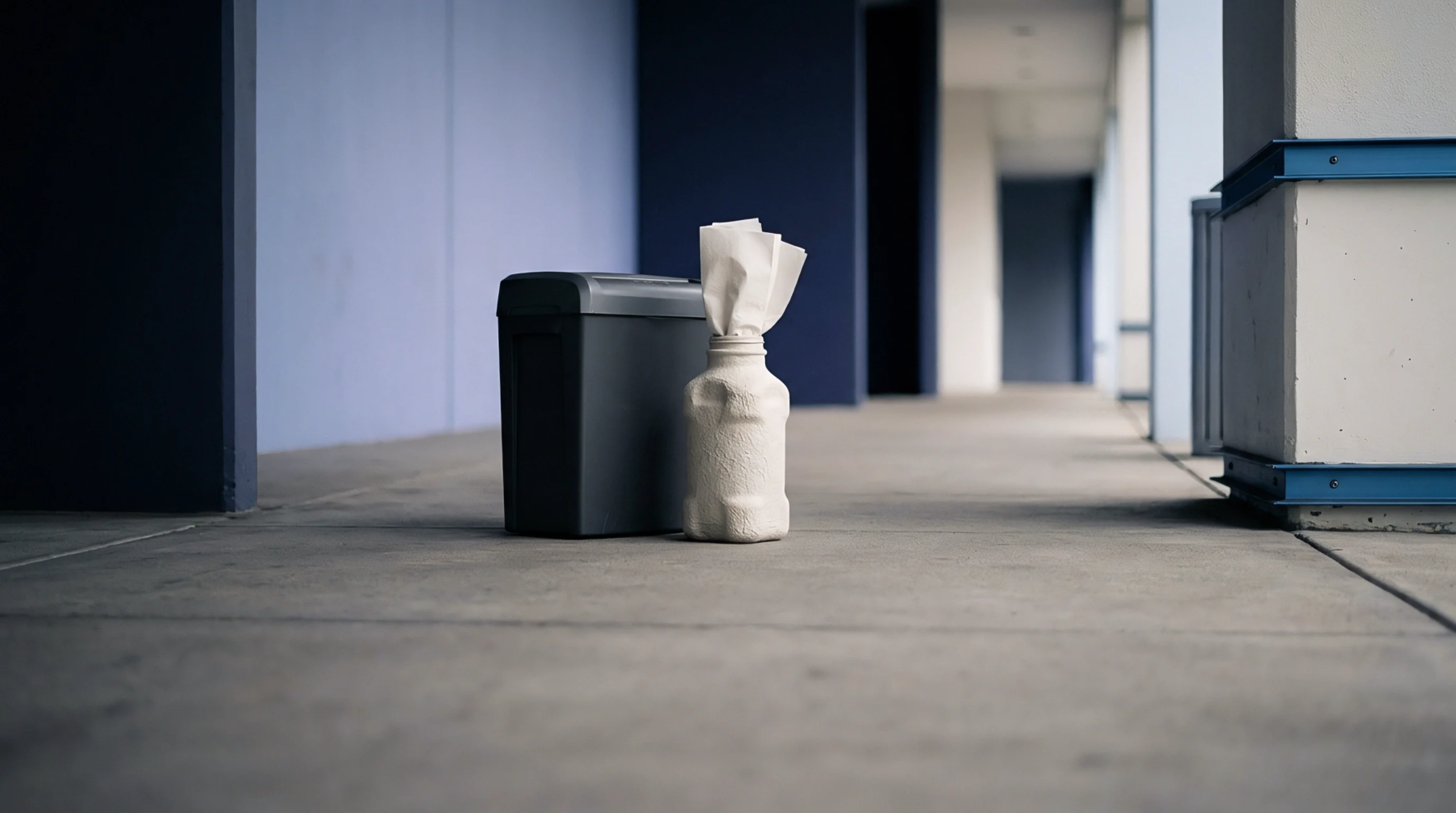
Cyclic moisture exposure degrades secondary fiber ply bond energy by driving hygroexpansive shear mismatch and irrecoverable starch bridge rupture.

Recycled containerboard loses up to sixty-five percent of compression strength under cyclic humidity due to mechanosorptive creep.
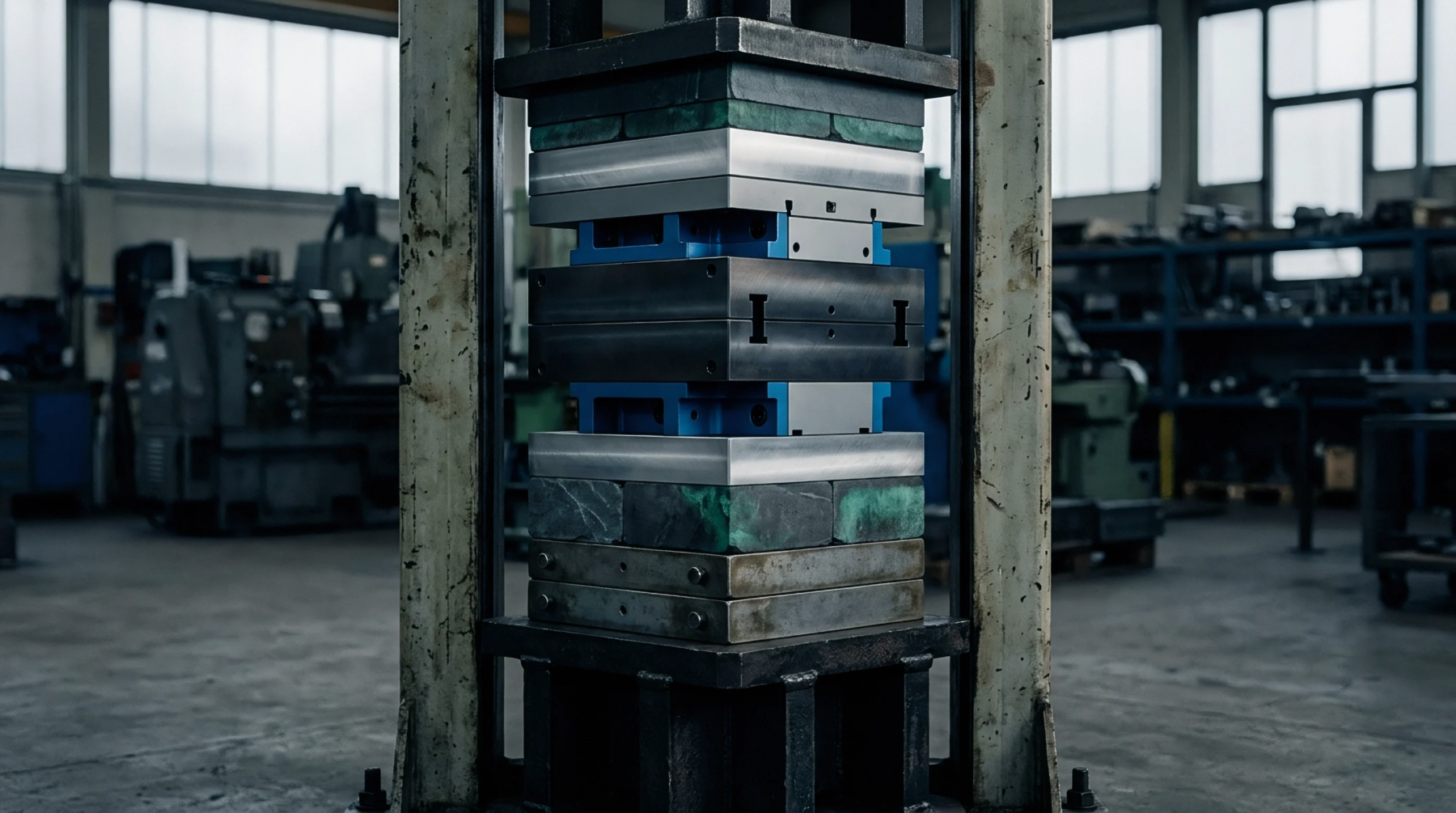
Controlling boundary layer Deborah numbers and pressure exit gradients prevents cavitation rupture defects during high-speed hydrostatic rotary embossing.

Microfibrillated cellulose barrier integrity relies on controlling moisture-induced plasticization through chemical crosslinking to pass EN 13430 recyclability audits.
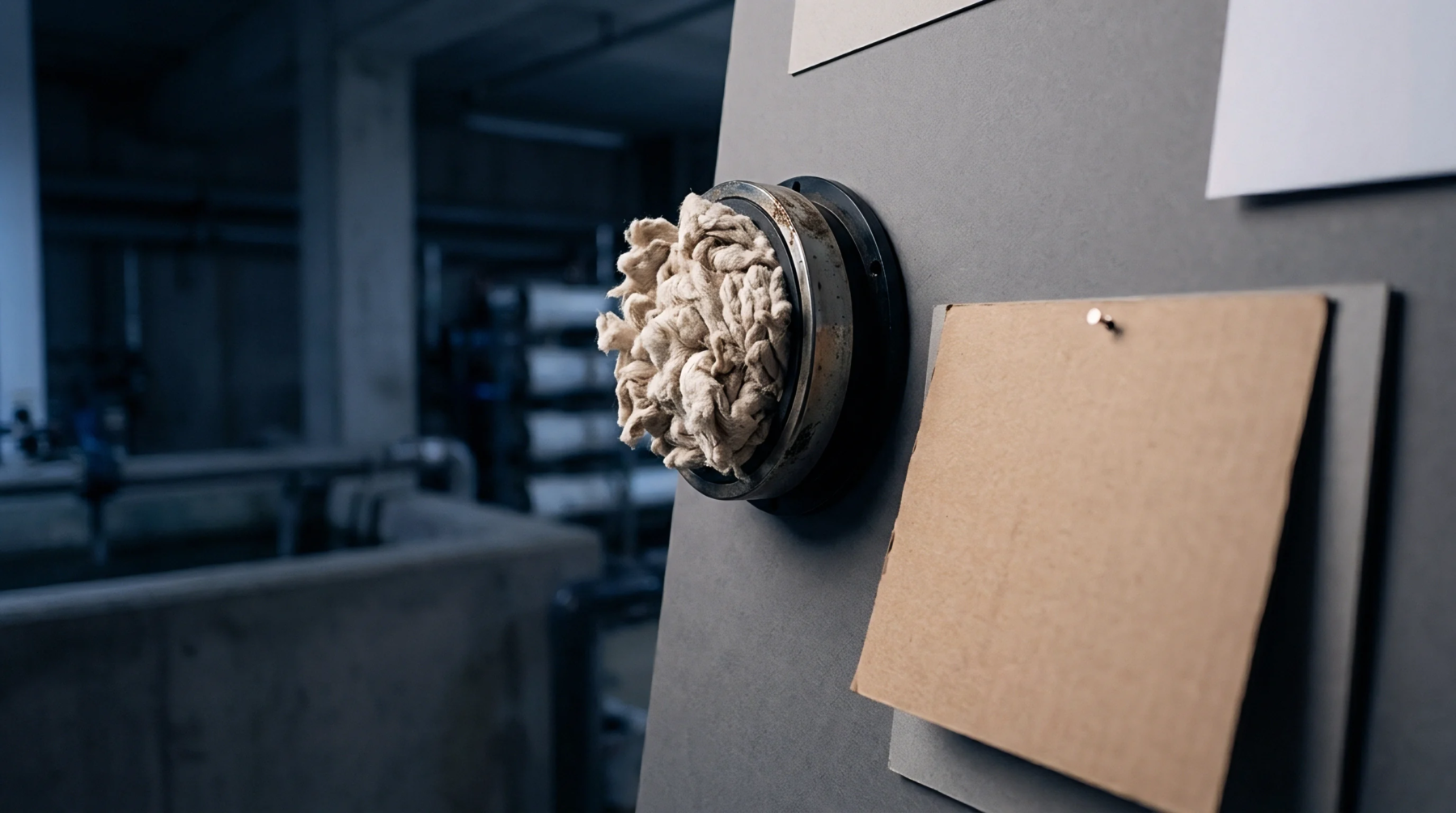
The GAB model predicts moisture uptake and barrier failure in microfibrillated cellulose coatings, preventing gas ingress and customs rejection under humid transit.
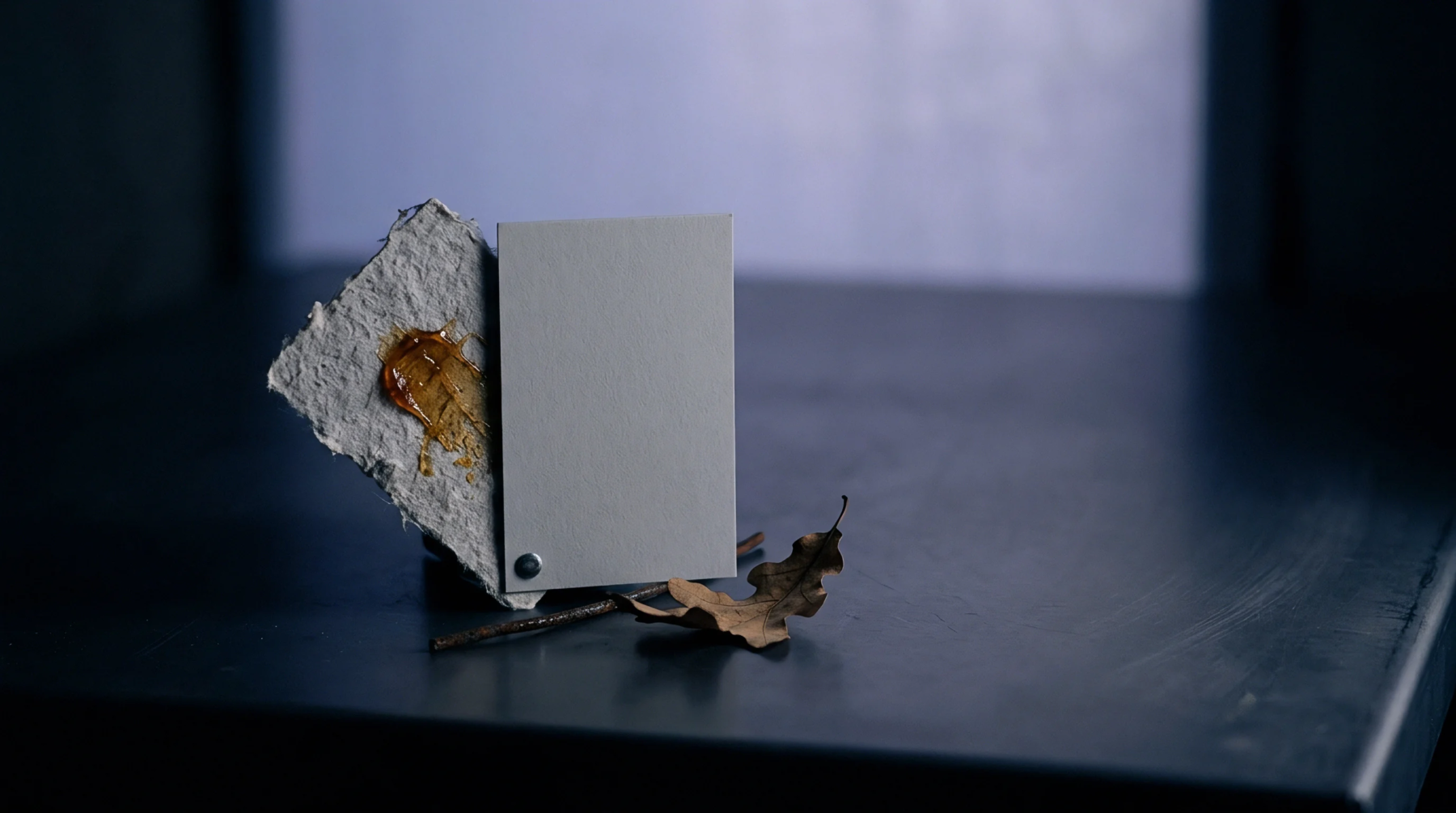
Gas phase hydrocarbon migration in recycled paperboard requires continuous functional barrier layers or virgin fiber substitution to ensure food contact regulatory compliance.
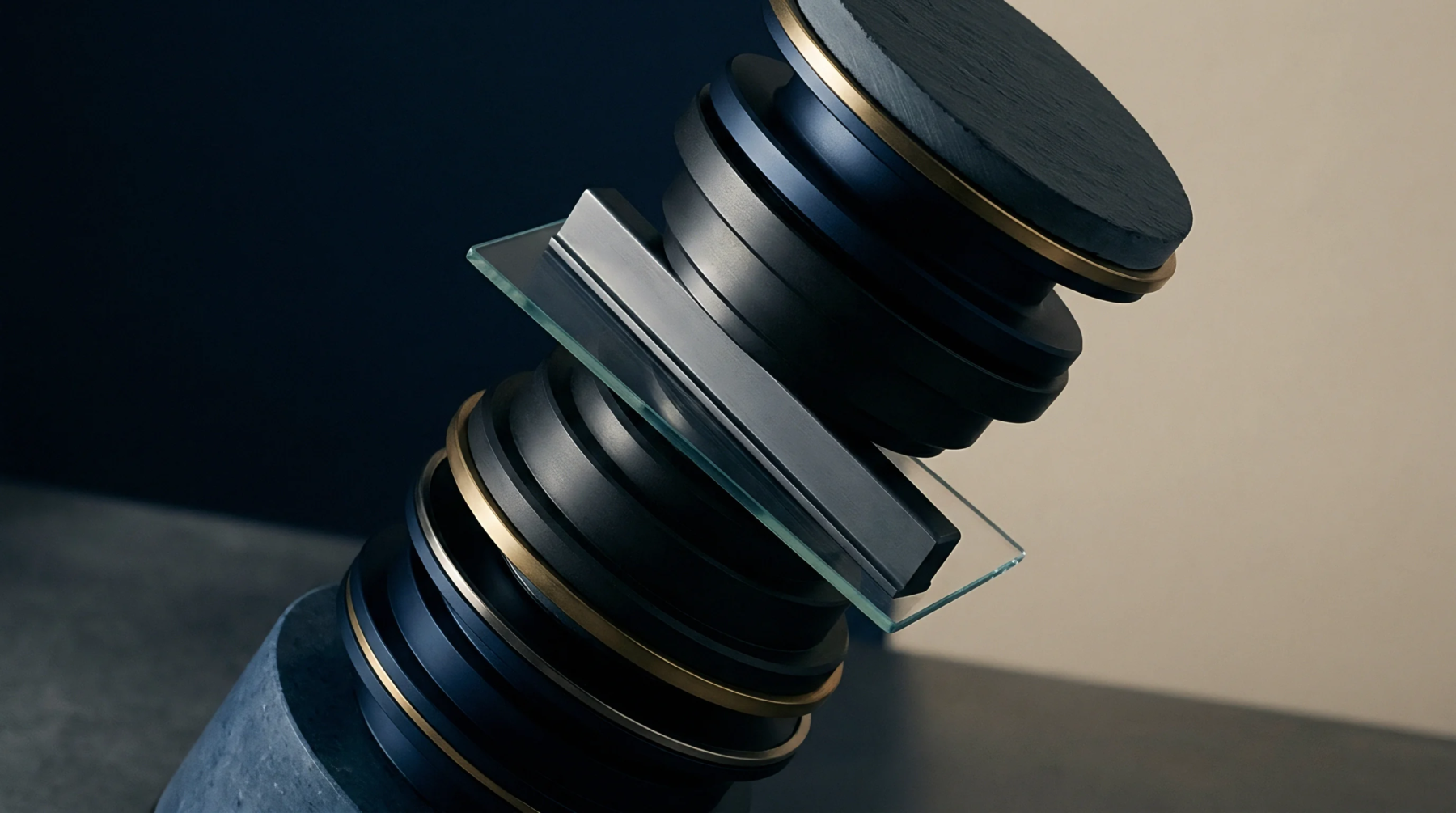
Mechano-sorptive creep accelerates compressive collapse in recycled multi-ply packaging, requiring dynamic cyclic safety factors of 3.5 to 4.8.
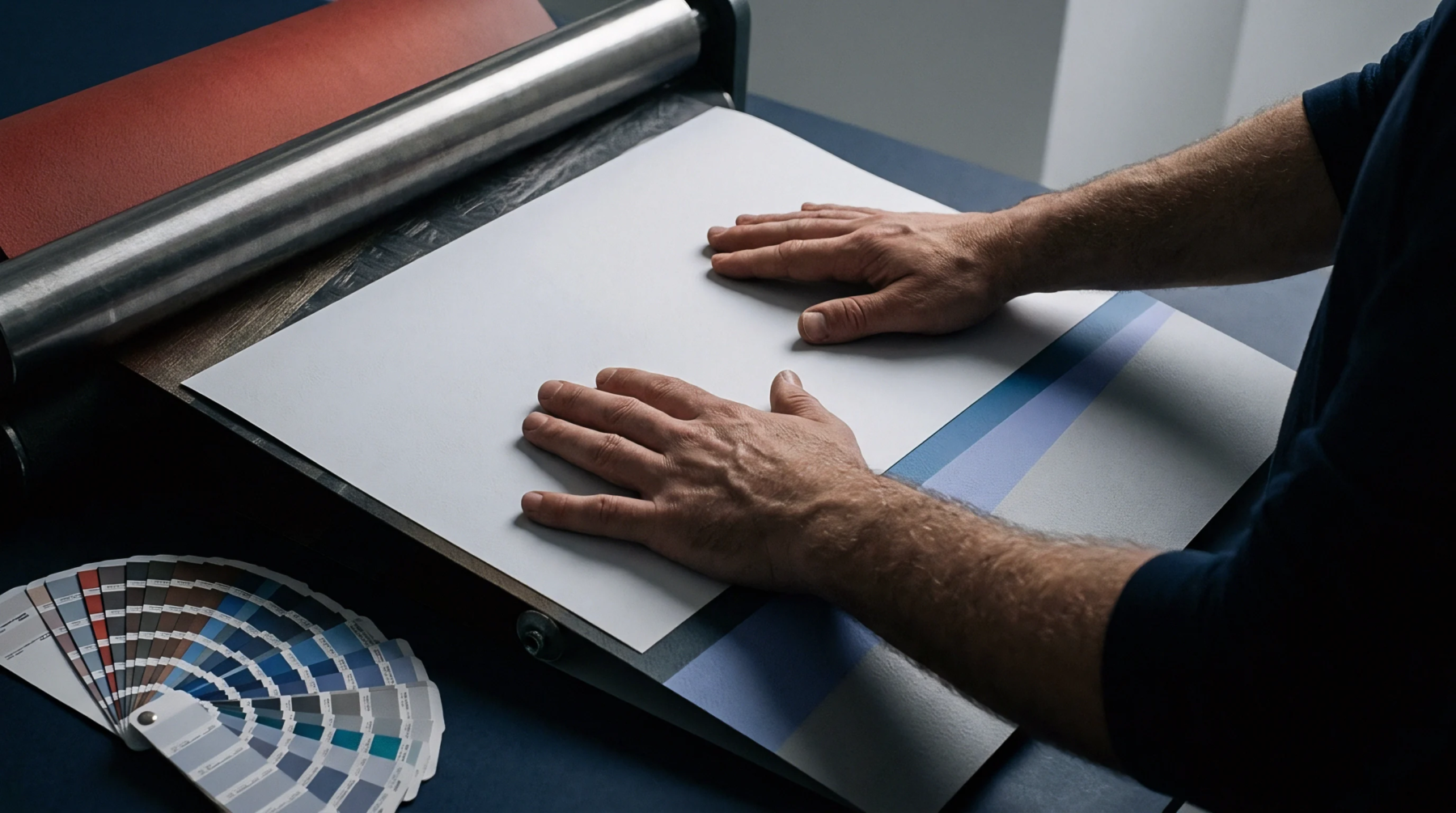
Viscoelastic strain limits during rotary embossing require matching tool shoulder radii and cylinder heat to substrate relaxation times to prevent rupture.
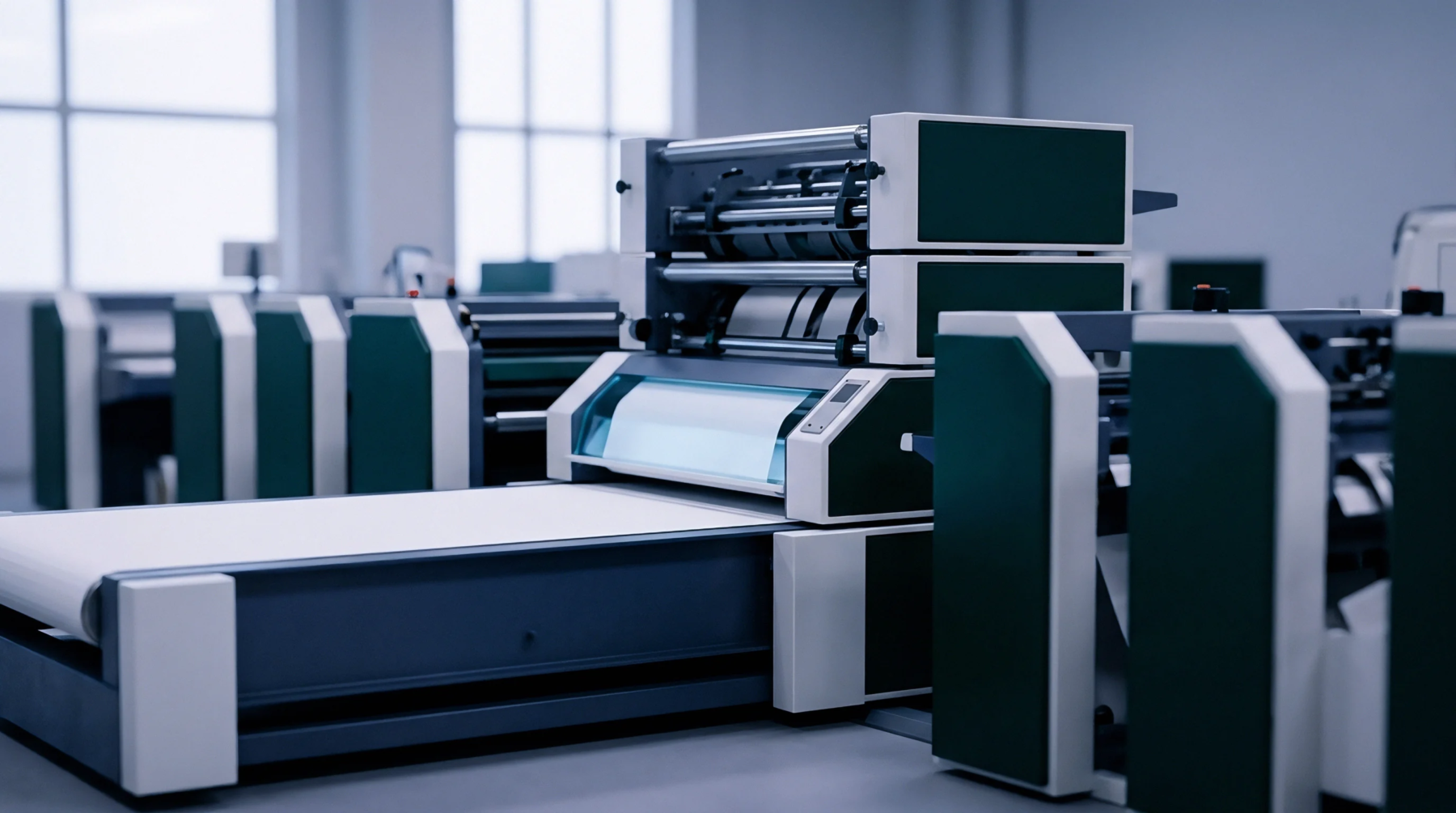
Connecting regulatory compliance data directly to physical chain of custody transfer ledgers eliminates customs hold risks and unverified environmental packaging claims.
Polyurethane crosslinking across corona treated polyolefin interfaces depends on surface energy maintenance above 38 dynes and controlled NCO hydroxyl stoichiometry.

Critical mixed-mode interfacial fracture toughness dictates high-speed paperboard converting success by preventing score line delamination under rapid shear and bending forces.
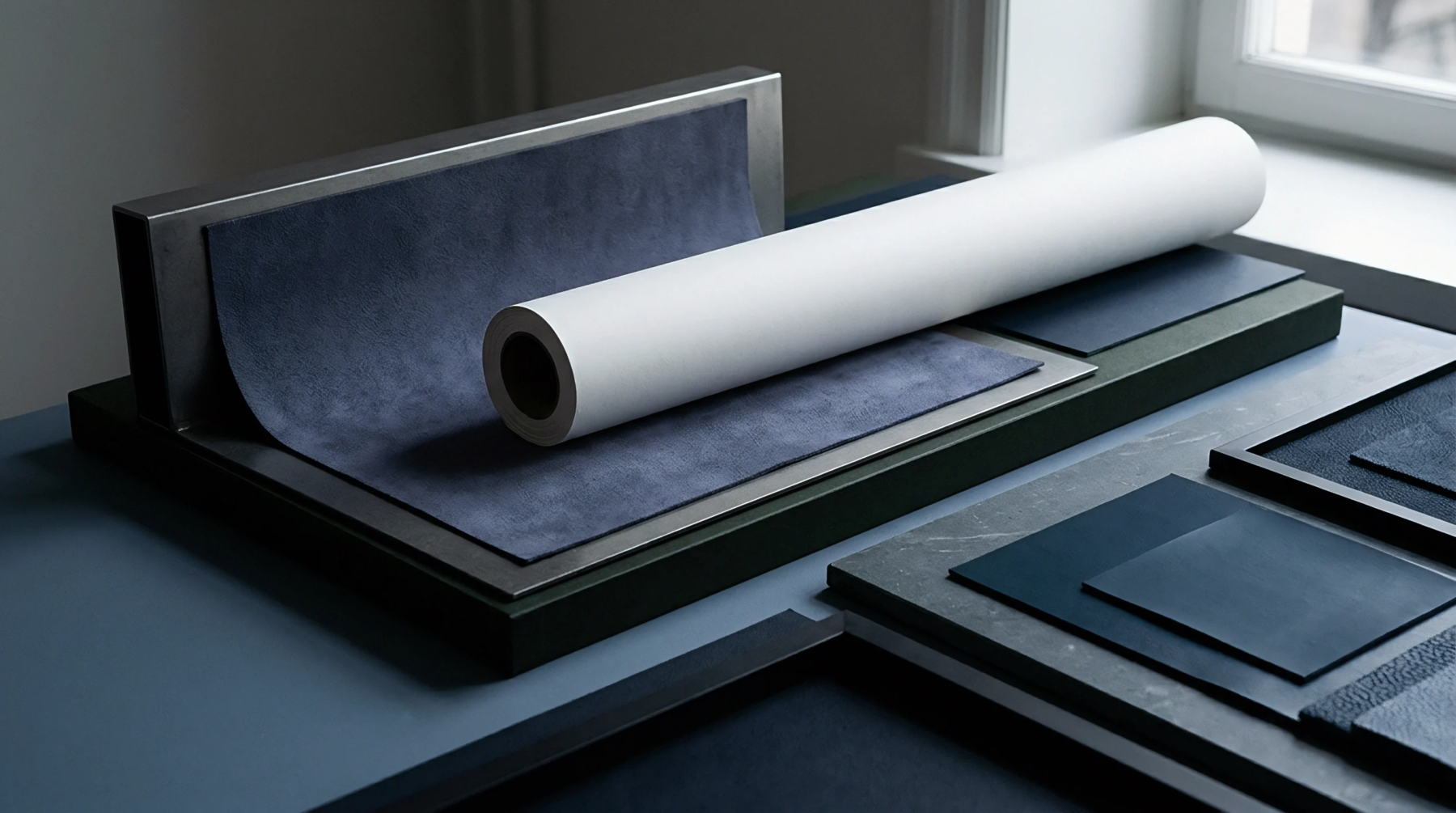
Recycled fiber crease delamination drops 35 percent when Z-tensile strength falls under 250 kPa; specify TAPPI T 541 minimums before converting.
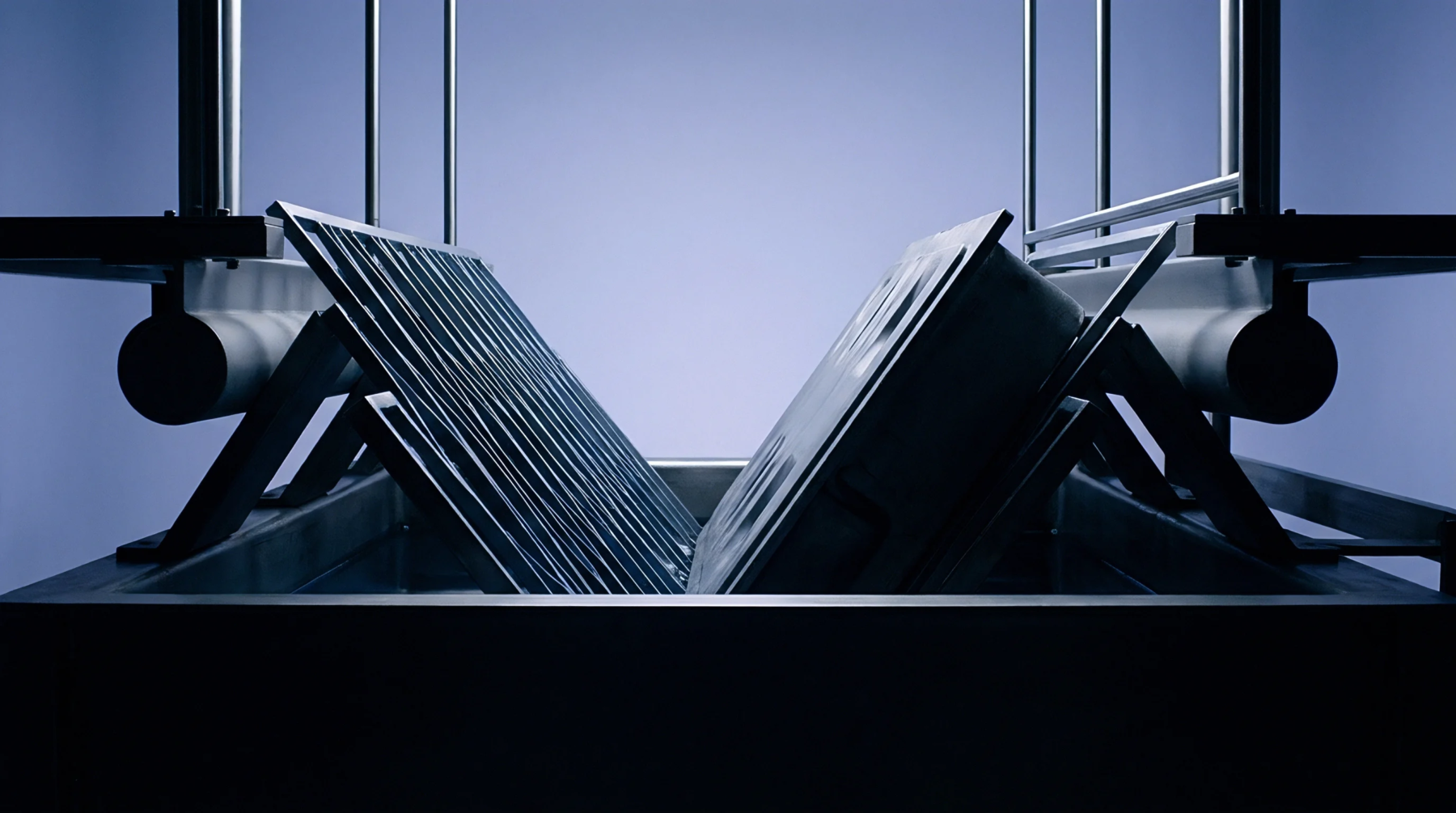
Coupling dynamic moisture diffusion into viscoelastic constitutive models prevents structural failure and seal creep in polymeric barrier coatings.

Crease groove depth controls barrier strain limits; precise female matrix sizing prevents coating micro-cracking and maintains regulatory migration resistance.
Cross border polymer coated board imports require matching mill certificate scope lines with accredited migration and repulpability test reports.
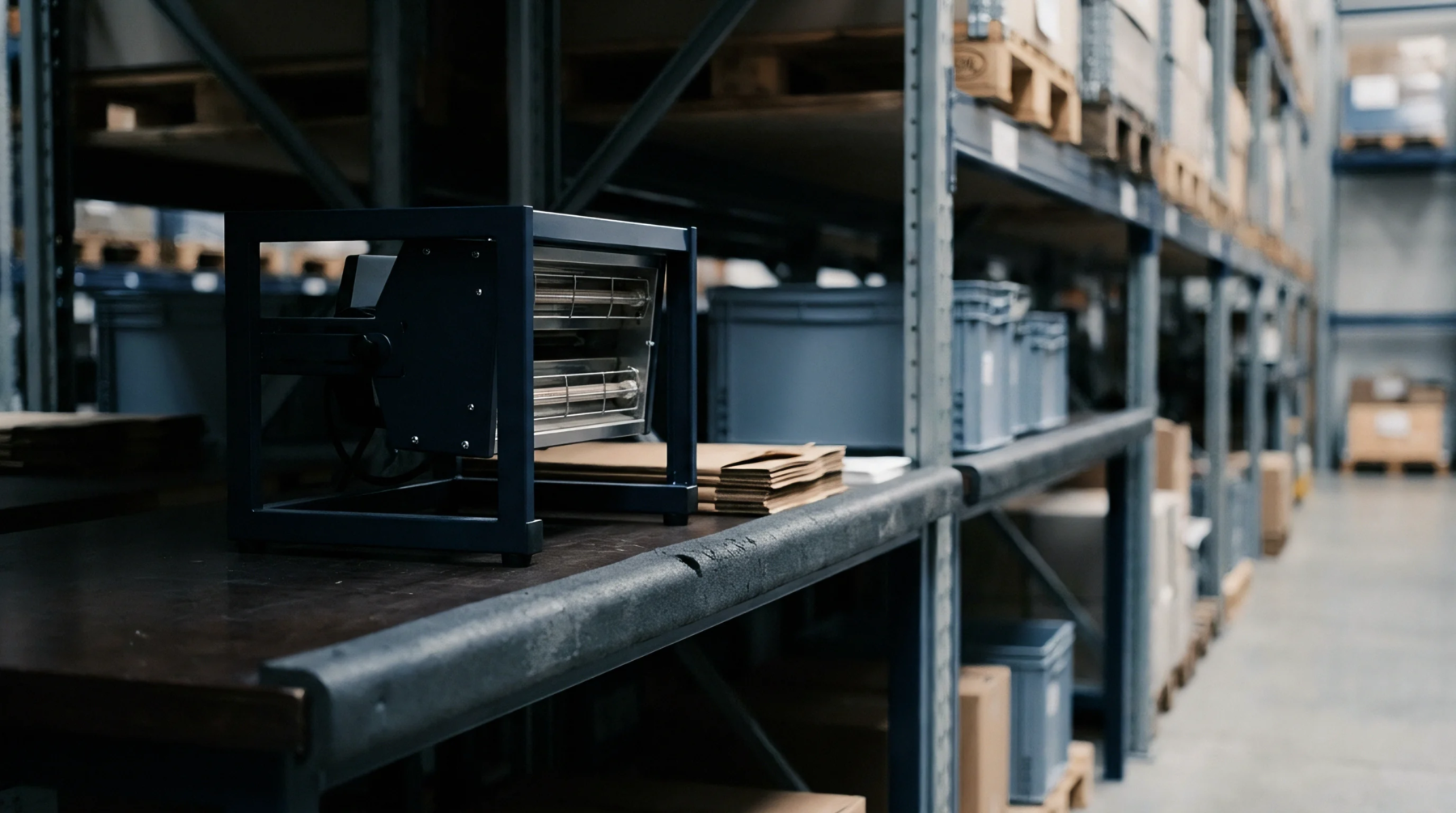
Closed loop infrared profiling corrects paper tensile stiffness angles during drying to eliminate board twist, score splitting, and lamination curl.

Digester yield optimization through controlled alkali profiling preserves galactoglucomannan, reducing fiber unit cost and securing certification ledger balance.
Aqueous barrier board selection requires balancing Cobb and WVTR specs against laboratory repulpability mass yields above 85 percent to minimize EPR eco-tariffs.
Expertise is a utility, not a secret. sentiention™ publishes its working knowledge as open reference: intelligence layer covering the materials it sources, the markets it enters, and the reference that serves both.