
Compliance Clauses That Move Certificate Risk onto the Supplier
Moving certificate risk onto suppliers requires contract clauses that link claim validity to invoice codes, batch migration reports, and full indemnity for border holds.
Moving certificate risk onto suppliers requires contract clauses that link claim validity to invoice codes, batch migration reports, and full indemnity for border holds.

Contractual pass-through mechanisms transfer eco-modulated EPR penalties upstream when substrate laboratory test data fails EN 13430 recyclability grades.

FSC and PEFC prove auditable timber origin and mass-balance fiber accounting; they do not prove food safety, chemical purity, repulpability, or EUDR compliance.

Aligning packaging redesign cycles with PPWR recyclability milestones requires qualifying substrates 36 months before regulatory enforcement dates.

Thermodynamic wetting in polyolefin lamination demands substrate polar surface energy above 6.0 mN/m to achieve complete adhesive spreading and bond durability.

Multi-site credit allocation frameworks survive regulatory green claim enforcement only when central ledgers continuously reconcile virtual draws against verified site yields.

Single-sided plastic lamination causes heavy converting scrap and triggers severe EU EPR eco-modulation tariffs when plastic film mass exceeds 5 percent.

Polymeric paperboard barrier integrity depends on kinetic diffusion rates and mechanical crease limits verified through certified mass transfer modeling.

Resin yield stress thresholds govern score line micro-elevation profiles, where controlling matrix clearance and coat weight prevents optical edge defects.
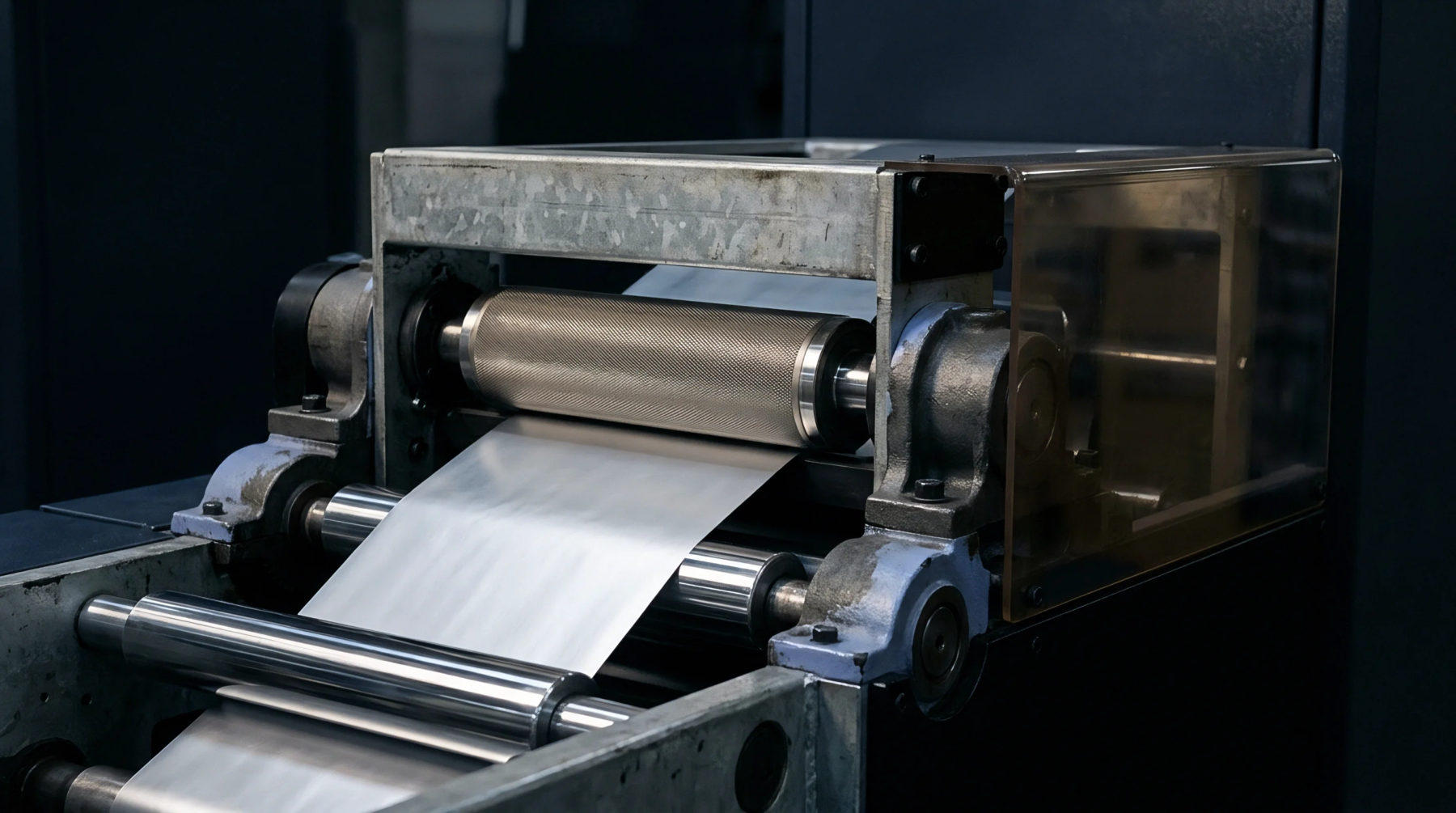
Dynamic moisture sorption degrades cellulosic packaging strength through mechano-sorptive creep, requiring GAB equilibrium mapping and transit humidity verification.

Microfibril moisture binding follows GAB sorption kinetics where mesopore condensation above M0 plasticizes fiber networks, requiring crosslinking to preserve barriers.

GAB isotherm modeling parameterizes microfibril monolayer saturation, identifying plasticization thresholds to qualify moisture barrier paperboard under PPWR and food contact rules.

Dynamic vapor sorption in recycled barrier substrates triggers localized interfibrillar swelling stresses that disrupt coating integrity under humidity transients.

Dynamic climate chamber testing under cyclic relative humidity isolates mechanosorptive creep failure modes that standard static equilibrium conditioning miss.

Crosslinked microfibril barrier qualification requires dynamic vapor sorption fitting to prove moisture resistance and verify regulatory compliance.

The domestic importer of record bears strict legal liability for printed packaging claims and absorbs all customs fines when declarations lack supporting technical files.

Polypropylene film lamination delivers absolute water vapor barrier and fold integrity, whereas aqueous dispersions eliminate secondary passes but crack at creases.

Hydro-pulper fiber recovery yield under EN 13430 requires dry accepted fiber mass to exceed 85% of substrate weight using controlled tip speeds and temperature.

Multi-site kraft paper networks reconcile physical process yield losses against certified volume balances through standardized mill conversion factors.

Laboratory fiber yield metrics depend on screen slot geometry and ash corrections, directly determining EPR eco-modulation fee surcharges on packaging.

Foil adhesion succeeds when polymer film surface energy exceeds forty-two dynes per centimeter and sizing chemistry matches the polar surface component.

Aligning packaging redesign schedules with European recyclability deadlines requires twenty-four months to pass repulpability tests, tool lines, and secure EPR compliance.
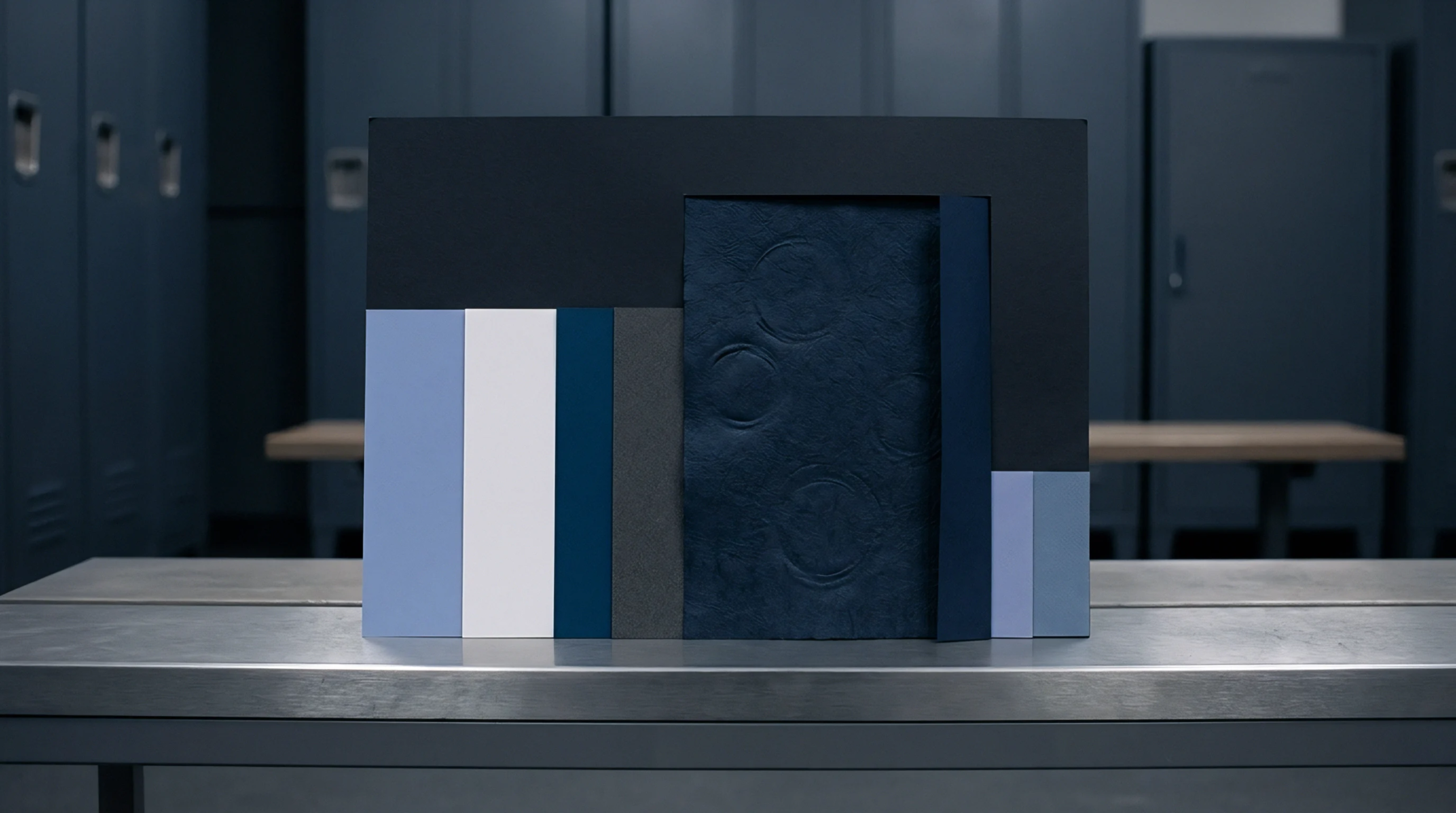
Inline blade coating and soft-nip calendering establish surface uniformity, while targeted finishing passes balance visual embellishment against repulpability.

Validating paperboard claims requires cross-checking certificate scope codes on public databases and securing batch migration test reports.
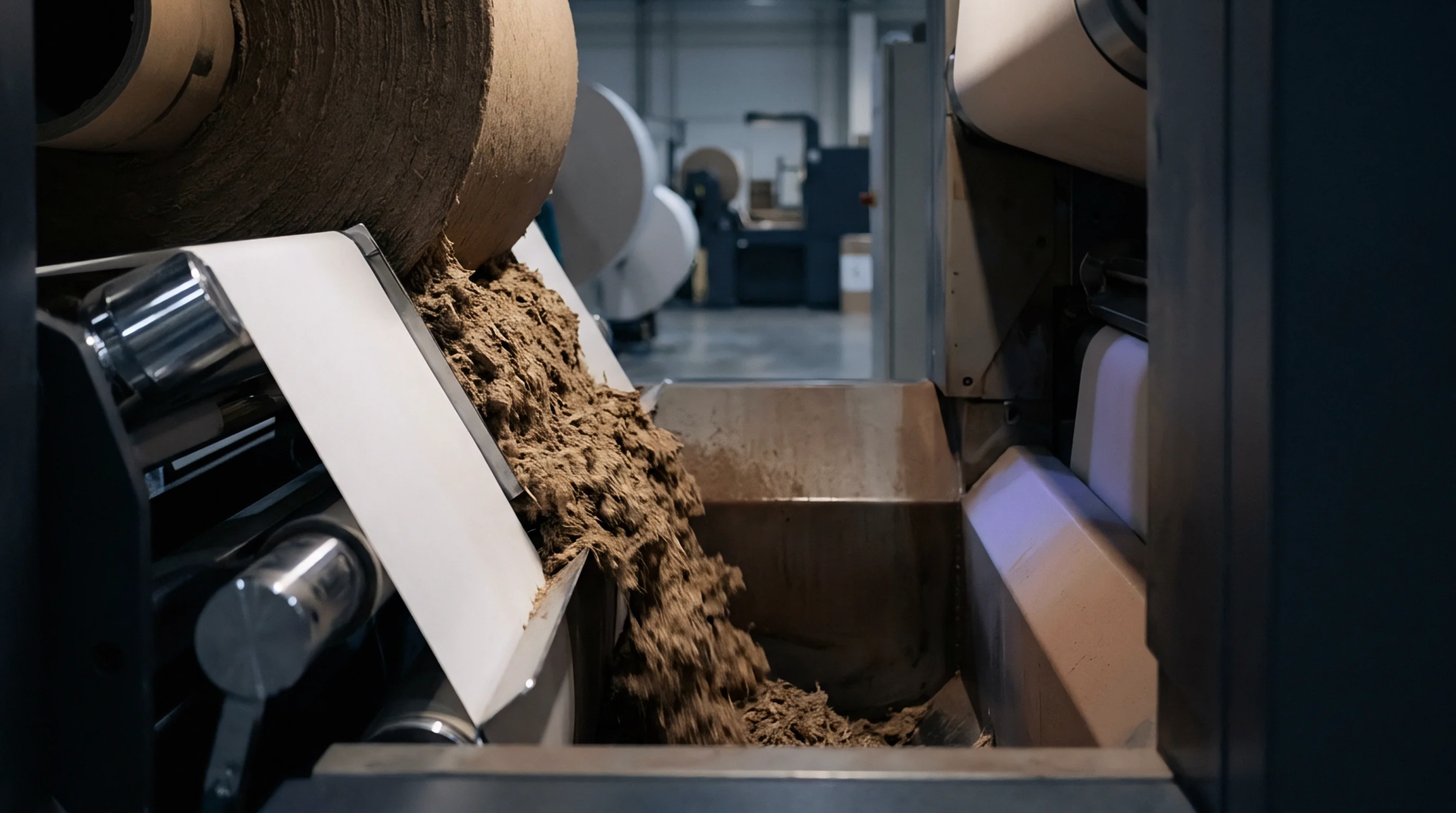
Controlling effective alkali profiles and temperature in continuous digesters maximizes xylan retention, stabilizing pulp yield and securing compliance files.

Verify polymer barrier paperboard through creased Cobb testing, migration simulant suites, Cepi repulpability yields, and lot-matched Declarations of Compliance.

Sessile contact angle goniometry isolates polar and dispersive surface energy to verify polyolefin corona treatment and prevent lamination delamination.

Managing thermal expansion in brass embossing dies requires pre-scaling vector artwork by calculating precise isotropic expansion across operating press temperatures.

Microfibrillated cellulose moisture sorption degrades barrier performance at high humidity, requiring chemical cross-linking and verified compliance dossiers.

Double wall static compression thresholds drop 40 to 60 percent above 80 percent humidity, requiring safety factor adjustments to prevent warehouse collapse.
Expertise is a utility, not a secret. sentiention™ publishes its working knowledge as open reference: intelligence layer covering the materials it sources, the markets it enters, and the reference that serves both.