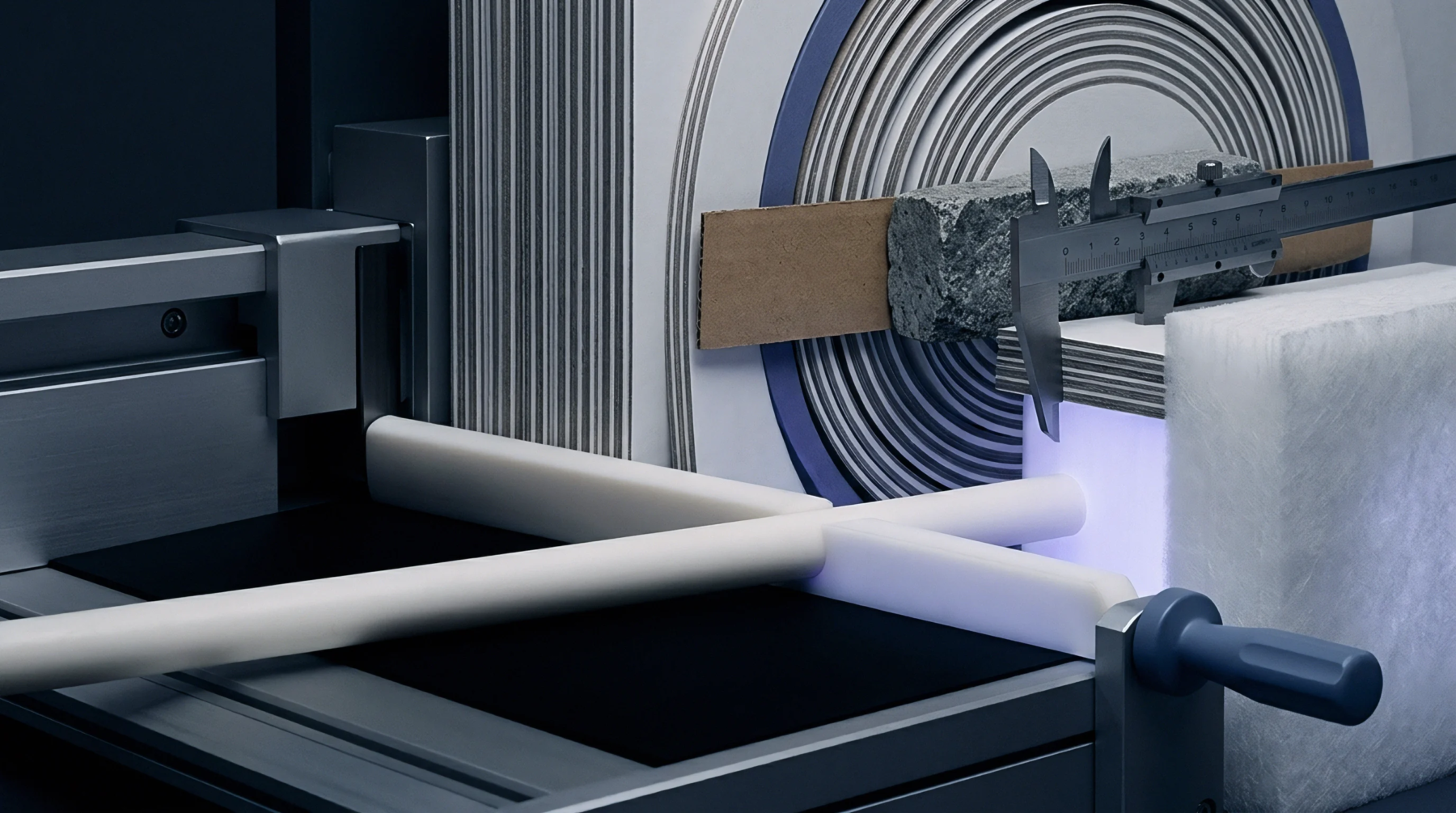
Creasing Matrix Clearance Calibration for High Speed Converting of Recycled Board
Calculate female matrix channel widths using a 1.7 to 1.9 clearance factor to absorb recycled fiber compaction and stop score cracking at line speed.
Calculate female matrix channel widths using a 1.7 to 1.9 clearance factor to absorb recycled fiber compaction and stop score cracking at line speed.

Z direction tensile testing isolates internal bond strength under perpendicular loads, preventing ply separation during high tack printing and blister sealing.
Recycled board requires 15 to 25 percent wider counter channels with radiused shoulders to absorb dynamic shear without splitting mineral coatings at speed.

Harmonized testing combines combustion ion chromatography screening with targeted LC-MS/MS migration into Tenax to verify recycled board under PPWR limits.

Match rule thickness to carton caliper using 2-point steel under 450 microns and 3-point above, sizing matrix width to rule plus 1.5 times caliper.

Verify paperboard public register scopes, enforce EN 1186 migration limits, track conversion mass balances, and secure supplier indemnities against customs holds.
Static Z-directional tensile metrics predict high-speed delamination only when scaled with the substrate strain-rate sensitivity exponent and shear modulus.
Optimizing matrix creasing channels for multi-ply recycled board requires widening the channel to 1.75 to 1.90 times caliper to absorb brittle shear stress.

Dynamic in-line impression control stabilizes print transfer on low-fibre board by continuously adjusting cylinder clearances to counteract web caliper swings.

Low z-direction strength in hornified secondary furnish causes score cracking unless female matrix channels are widened to 1.8 times board caliper.
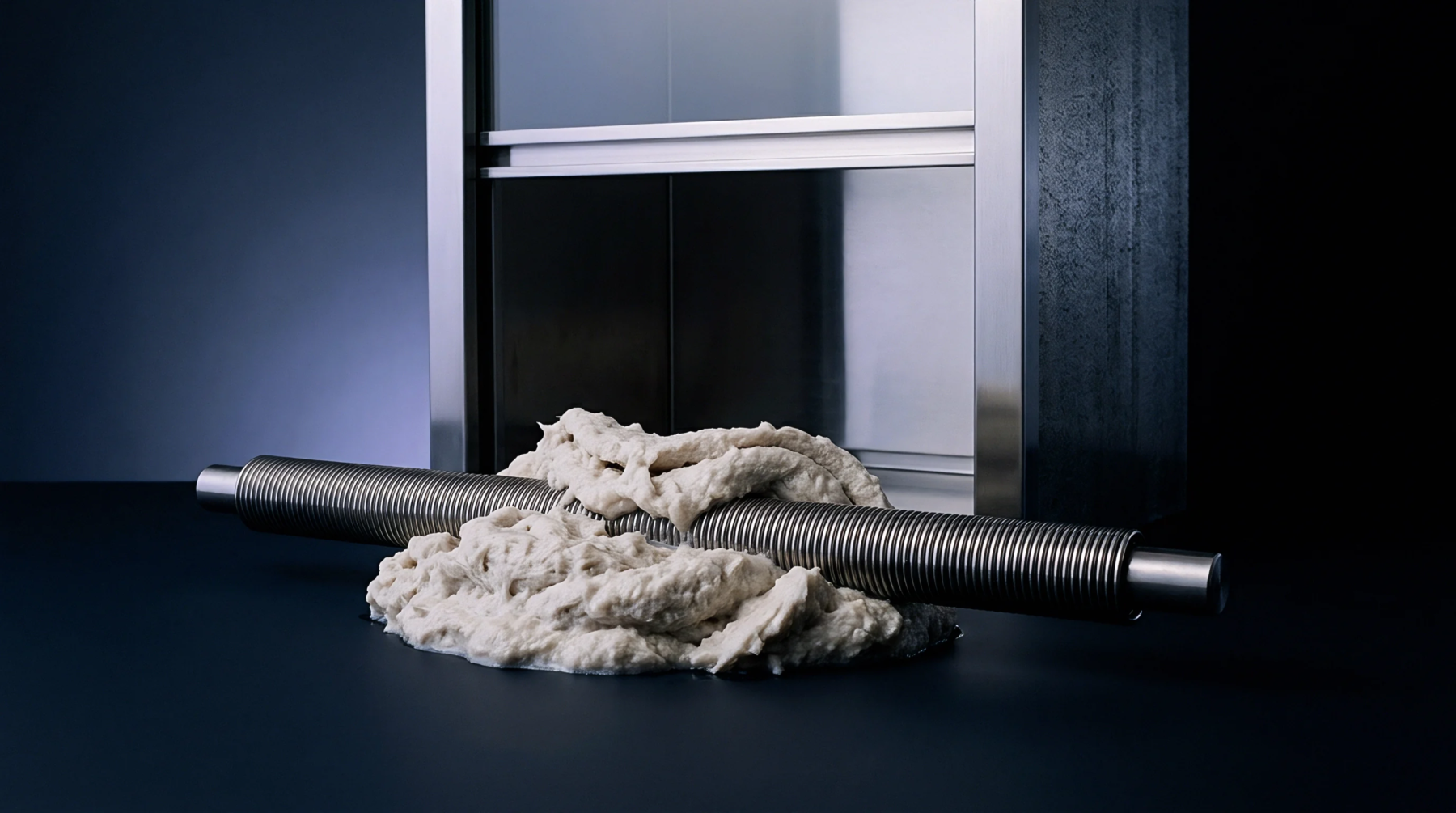
Dynamic shear thresholds in recycled paperboard collapse under impact speeds; verify Mode II fracture energy at high strain rates to prevent carton delamination.
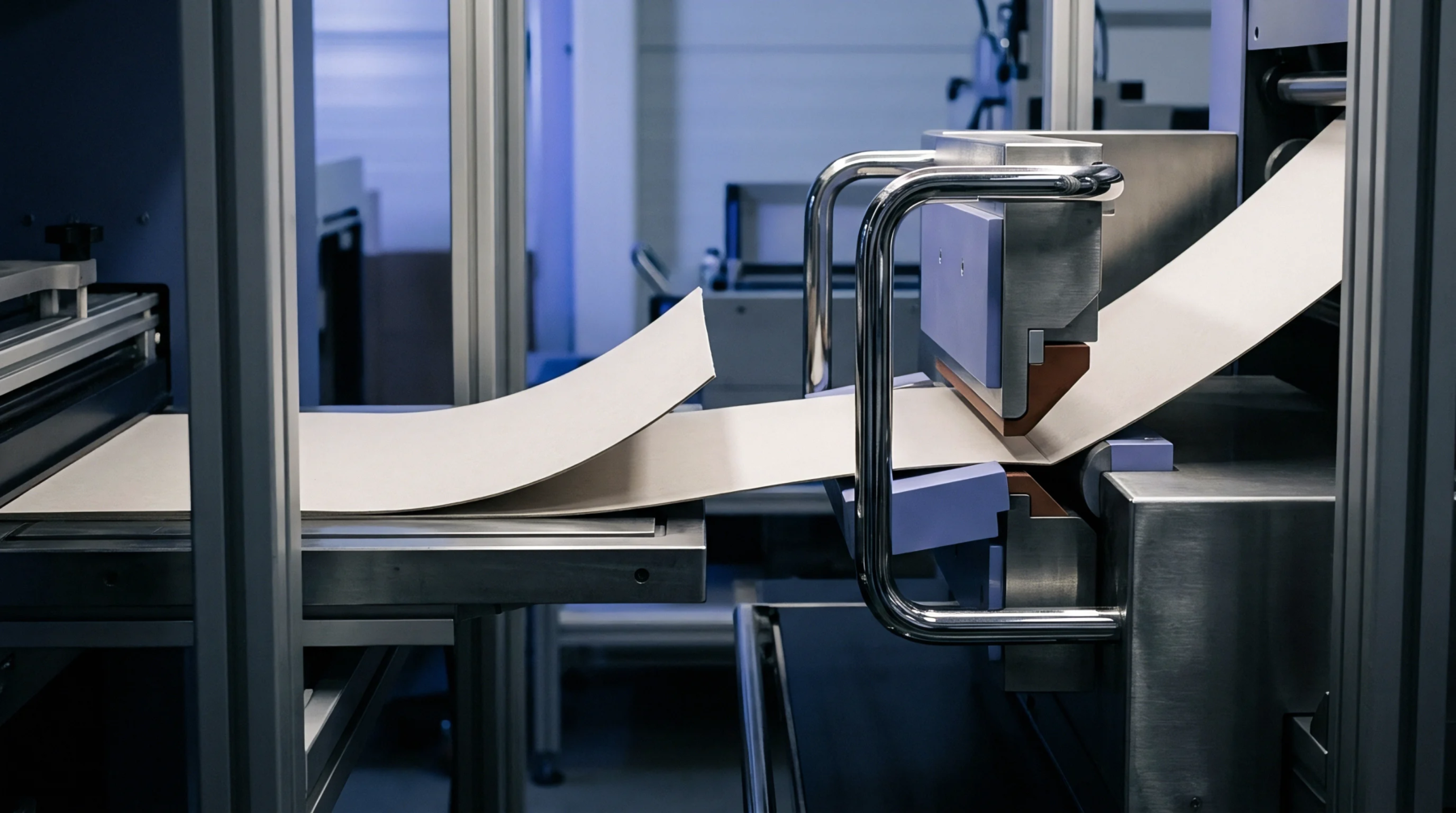
Recycled cartonboard converting demands minimum internal bond energies of 130 to 180 J/m² to prevent blistering during litho printing and delamination in creasing.
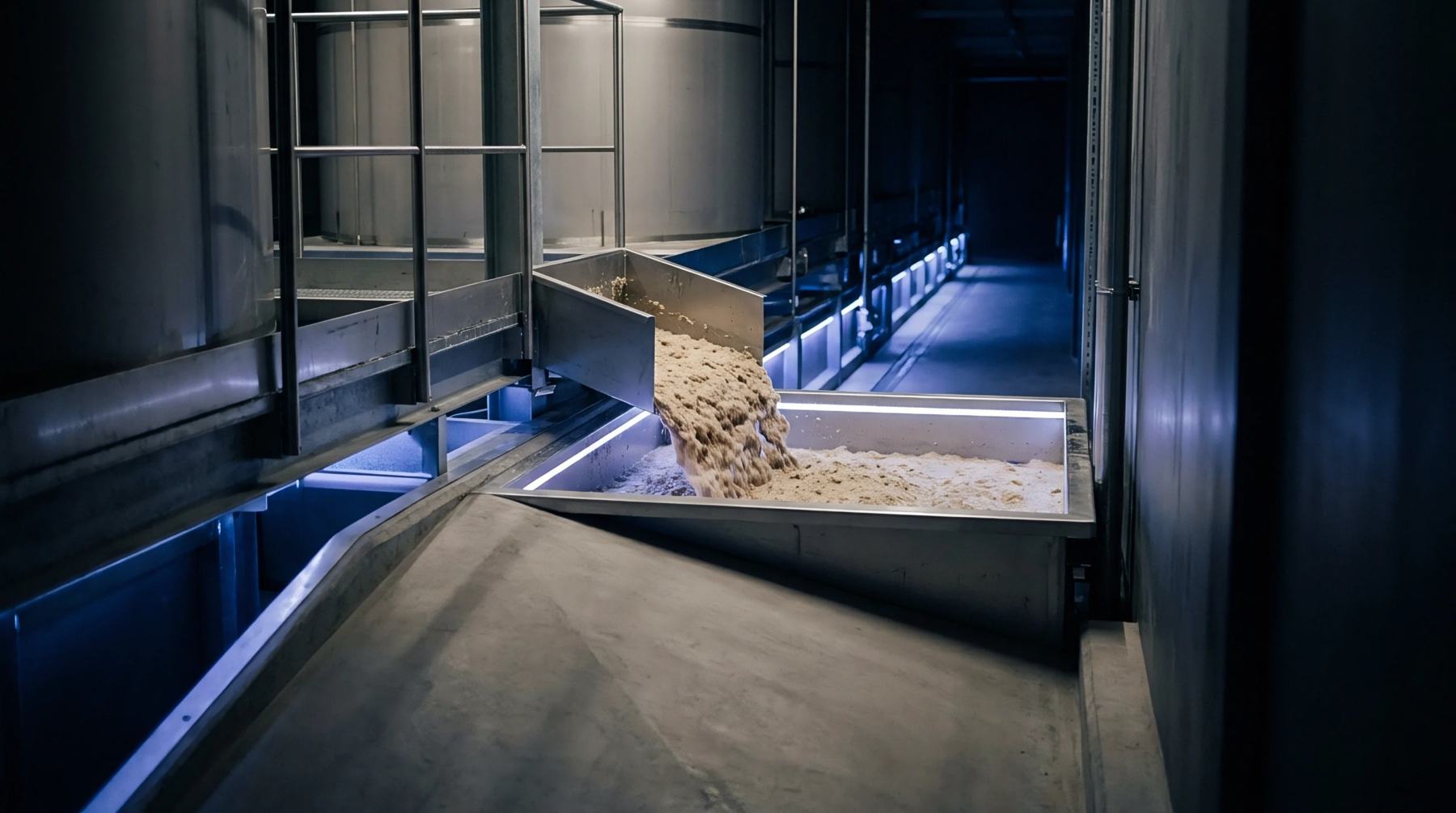
Controlling virgin chemical-to-mechanical ratios across multi-ply board dictates flexural stiffness, barrier integrity, and customs duty classifications.

Calculated boxboard bending stiffness loss under cyclic moisture must account for core transverse shear compliance, which cuts carton panel rigidity by 40 percent.

Cross-border mass balance credits fail statutory import rules; buyers must mandate physical batch traceability and contractually shift customs hold liability.

Calibrate inter-deck lamp irradiance to dynamic cross-direction desiccation curves, preventing register wander across recycled plies without slowing web speed.

Hot and cold water extractives quantify soluble chemicals in uncoated paperboard, governing compliance limits under BfR and FDA food packaging standards.

Reconciling Taber and L&W stiffness requires empirical grade-specific calibration curves rather than linear conversion to prevent PPWR minimisation audit failures.

Controlled interply shear delamination during creasing prevents outer liner cracking and hinge failure in multi-ply recycled folding cartonboard.
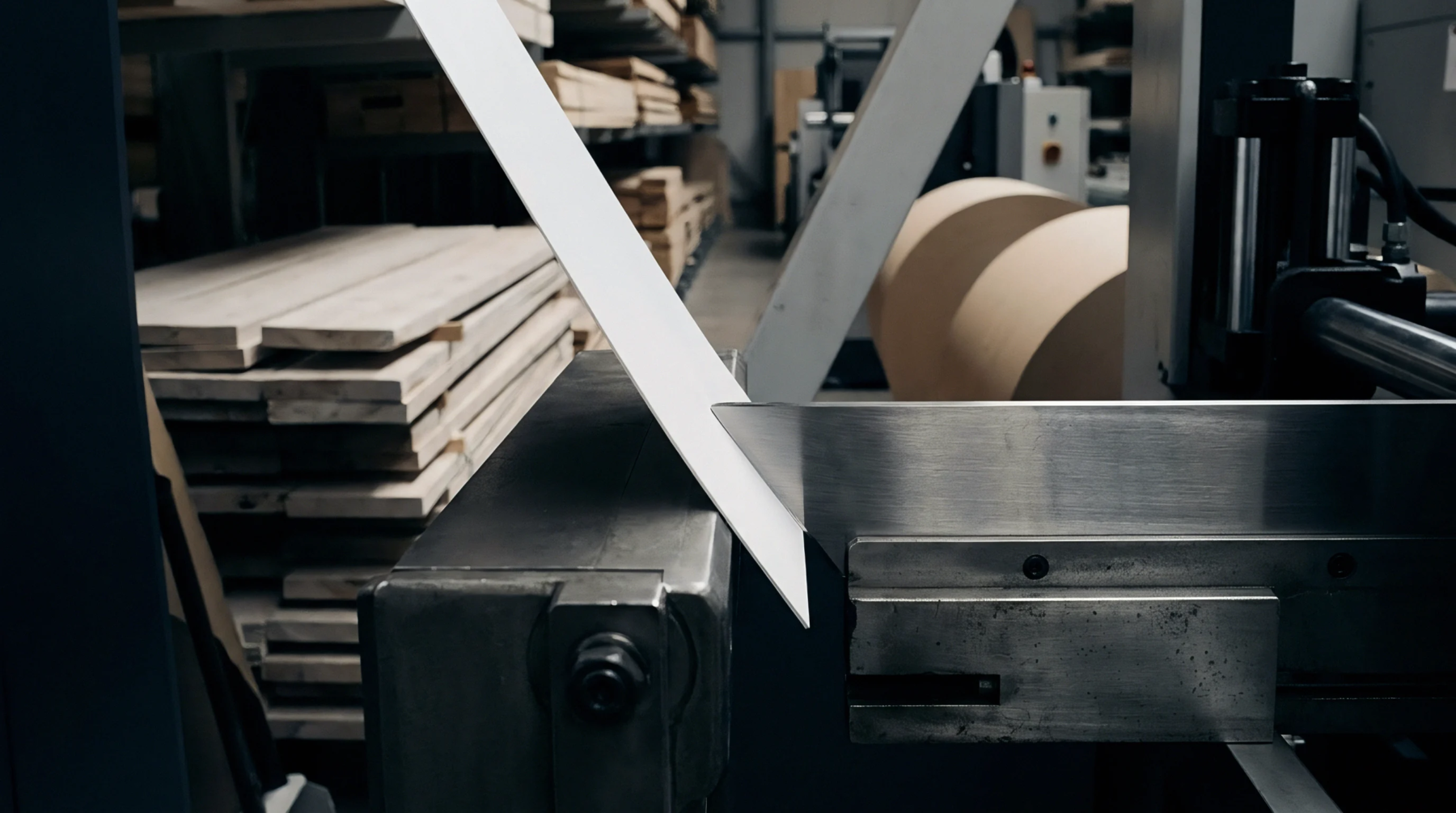
Swapping cartonboard to higher bulk furnishes increases square metre yield per tonne, reducing landed pack costs despite higher per-tonne substrate prices.

Verify functional barrier continuity on creased board corners using DIN EN 13676 and Tenax GC-FID to eliminate chemical migration risks and customs detention.

Dynamic multi-ply board creasing requires rate-dependent matrix clearance adjustments to prevent top-liner shear splitting during millisecond tool indentation.
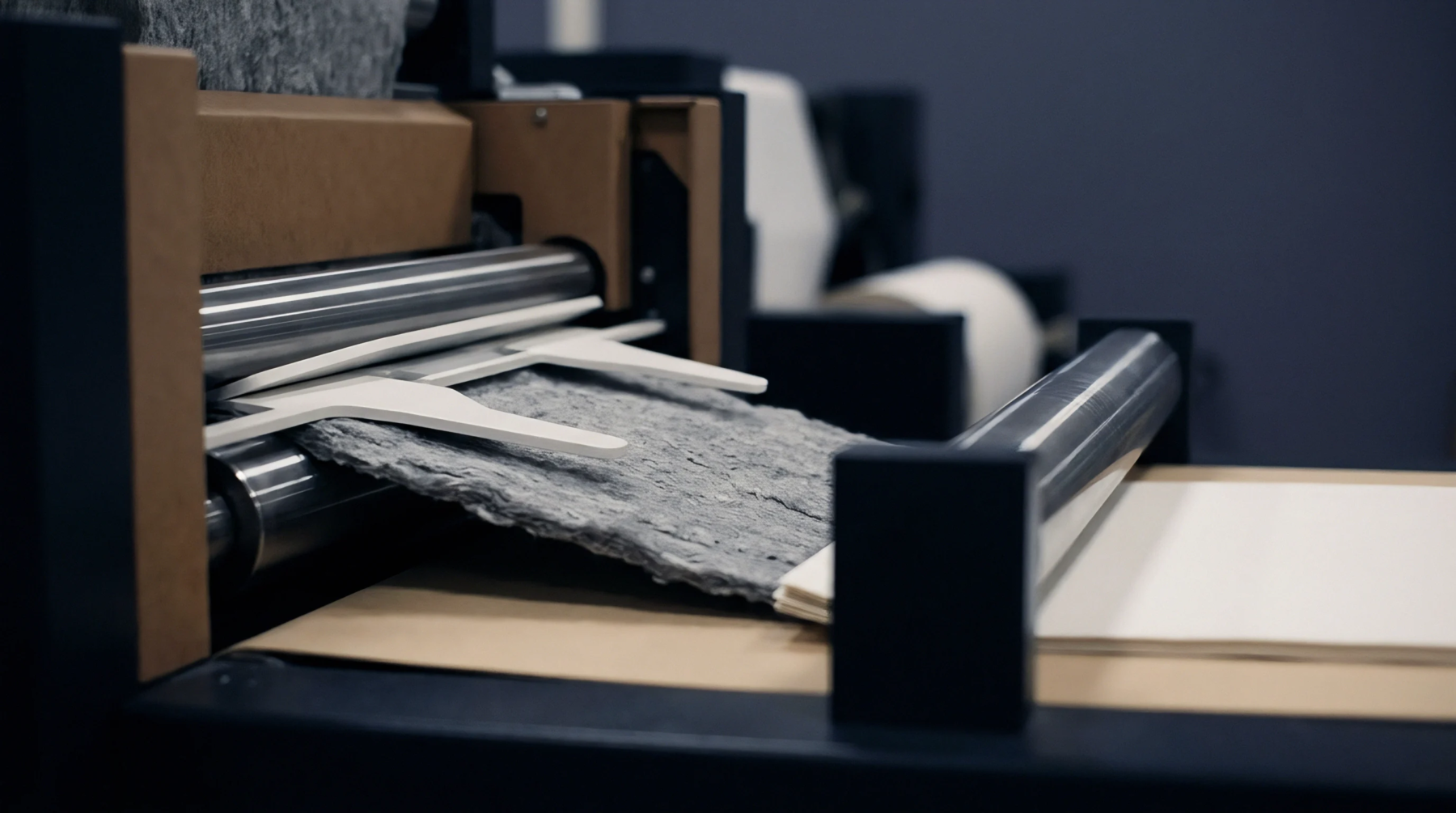
Standardizing CD crease shear in recycled board requires holding a 1.40 to 2.10 crease ratio via controlled internal ply delamination to stop cartoner line jams.

Calibrating matrix channel width for coated recycled board requires expanding the multiplier to 1.8 times board caliper plus rule thickness to stop liner splits.

Calculate creasing matrix channel width using the formula W = T + (F × C), selecting factor F between 1.4 and 1.7 based on board grade and fiber stiffness.
Expertise is a utility, not a secret. sentiention™ publishes its working knowledge as open reference: intelligence layer covering the materials it sources, the markets it enters, and the reference that serves both.