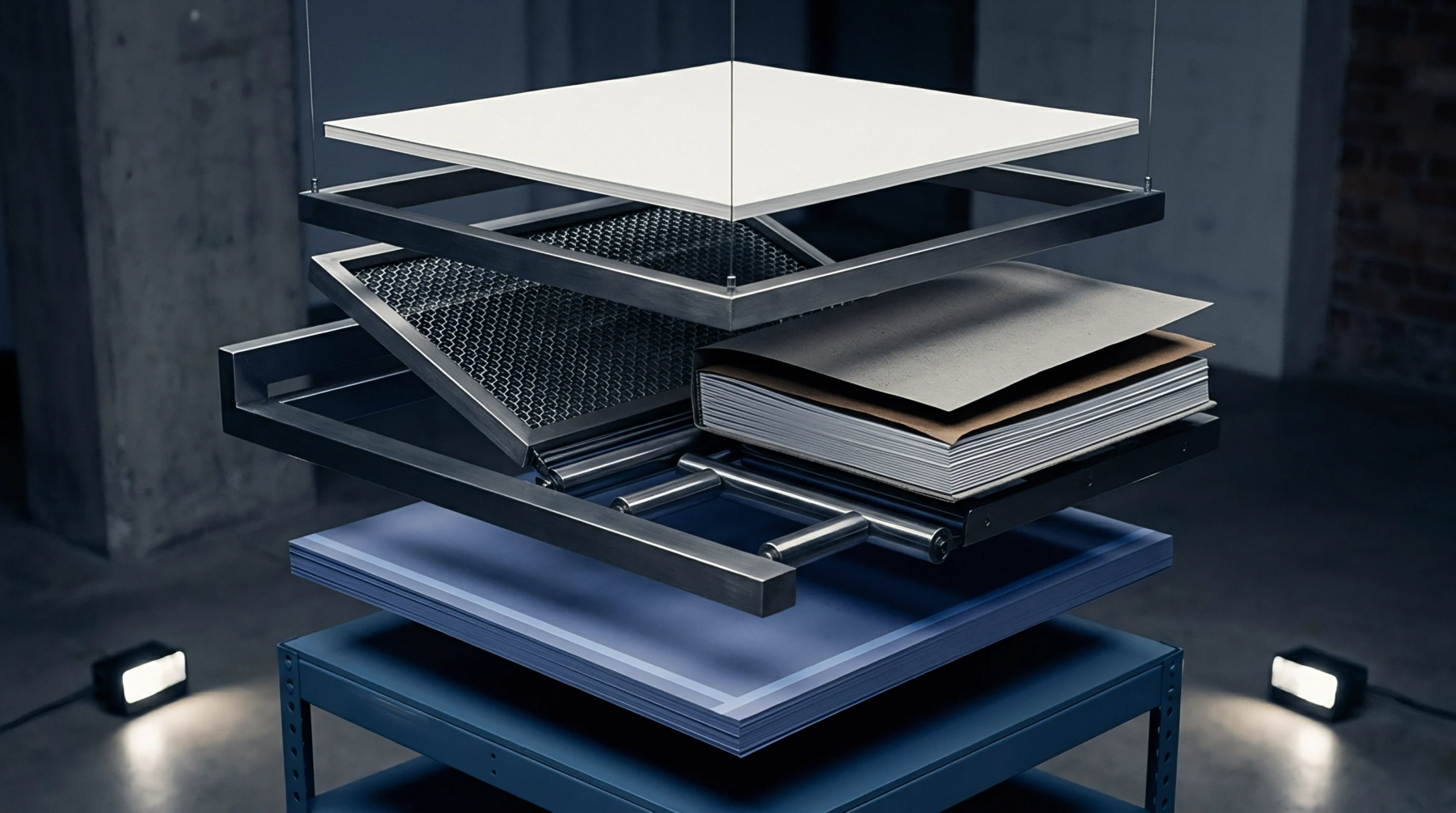
Selecting Crease Rule Geometry for Recycled Board Grades
Recycled board demands matrix channels widened to rule thickness plus 1.7 to 1.9 times caliper to induce core delamination and prevent liner splitting.
Recycled board demands matrix channels widened to rule thickness plus 1.7 to 1.9 times caliper to induce core delamination and prevent liner splitting.
Crease integrity in recycled board demands targeted delamination within internal plies while preserving liner continuity under high strain rates.
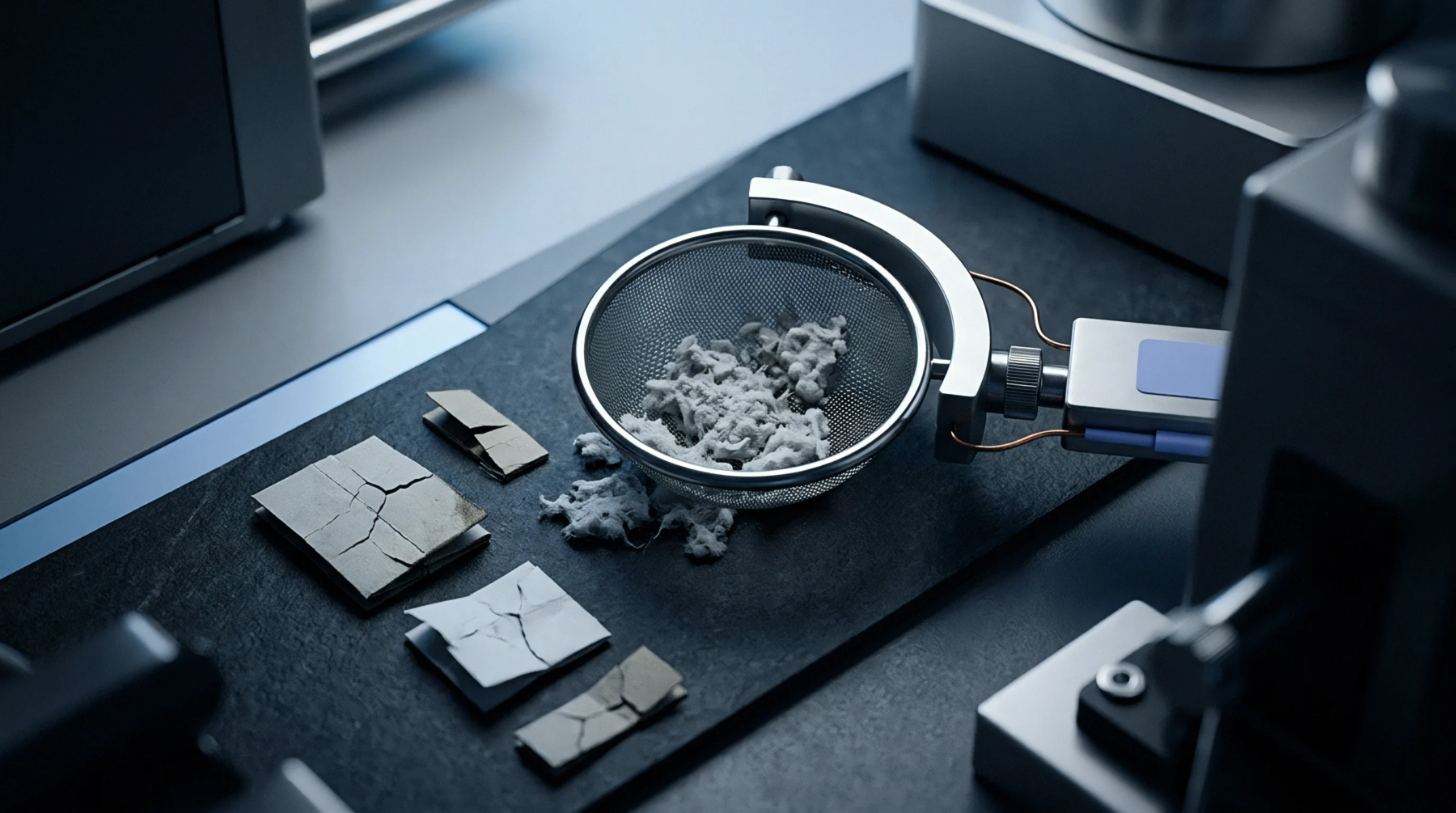
Score cracking occurs when aged latex binders exceed glass transition thresholds, preventing tensile strain accommodation during high-speed folding operations.
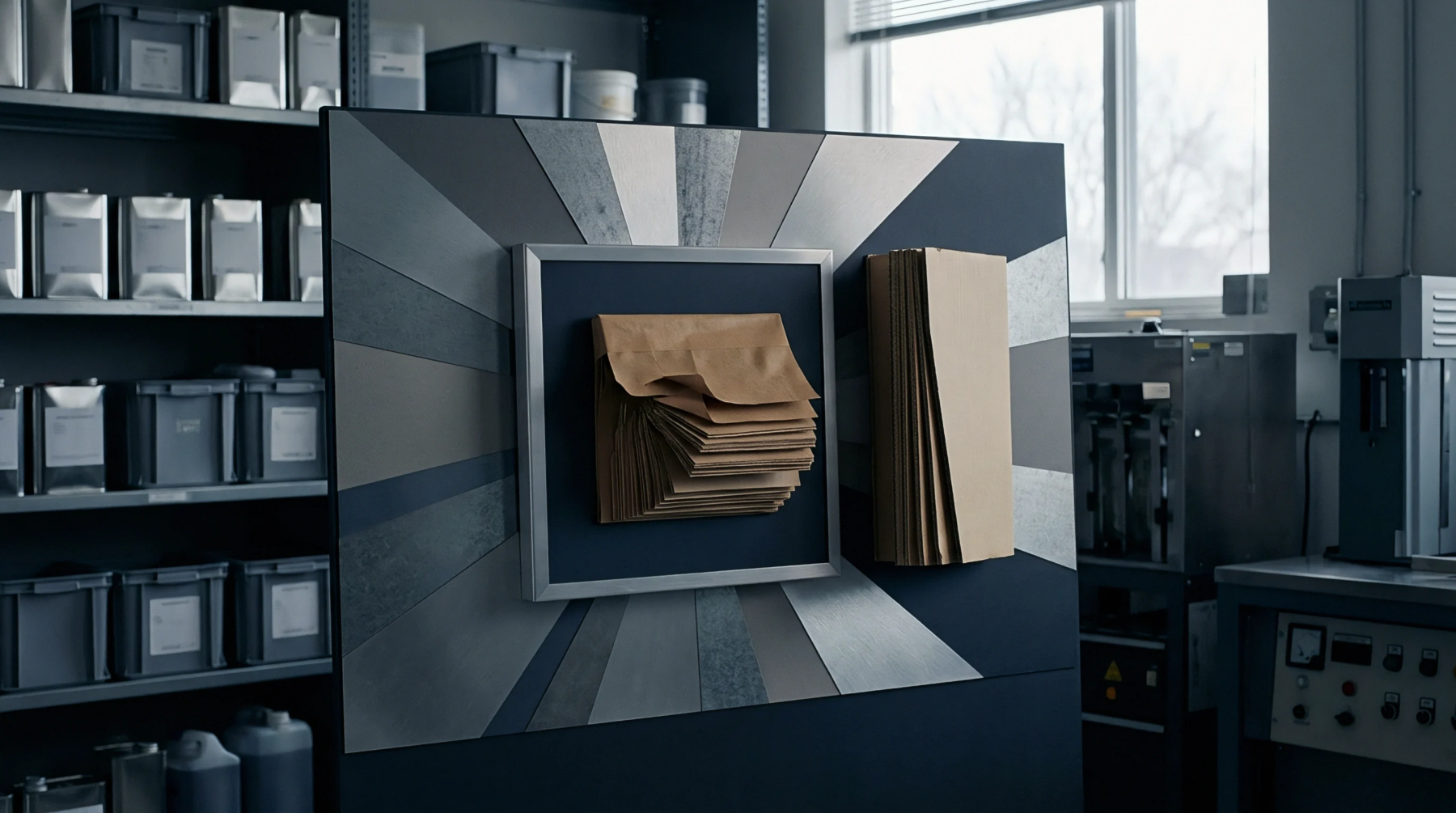
Dynamic strain hardening increases board Z-direction compressive resistance by over fifty percent, causing embossed reliefs to shallow out at production press speeds.
Compensating male punch penetration depth by thirty percent balances viscoelastic fiber recovery across recycled cartonboard platen tooling passes.

Calculate Z-direction cavity tooling depth by multiplying uncompressed caliper by the plastic strain coefficient and adding targeted visual relief height.

Apparent bulk equals caliper divided by grammage, defining the physical thickness and carton yield delivered per purchased metric tonne of paperboard.
Analytical paperboard testing combines optical fiber morphology, MOSH MOAH chromatography, and ash calcination to verify chain of custody recycled content claims.
Laboratory testing cannot distinguish pre-consumer from post-consumer pulp in multi-ply board; compliance rests on mass-balance chain of custody.
Non-destructive acoustic testing tracks dynamic flexural rigidity loss in rehydrated fibers by calculating specific elastic stiffness from sound velocity squared.
Recycled paperboard loses flexural stiffness through fiber hornification and caliper collapse, demanding strict cubic-thickness specification over basis weight.
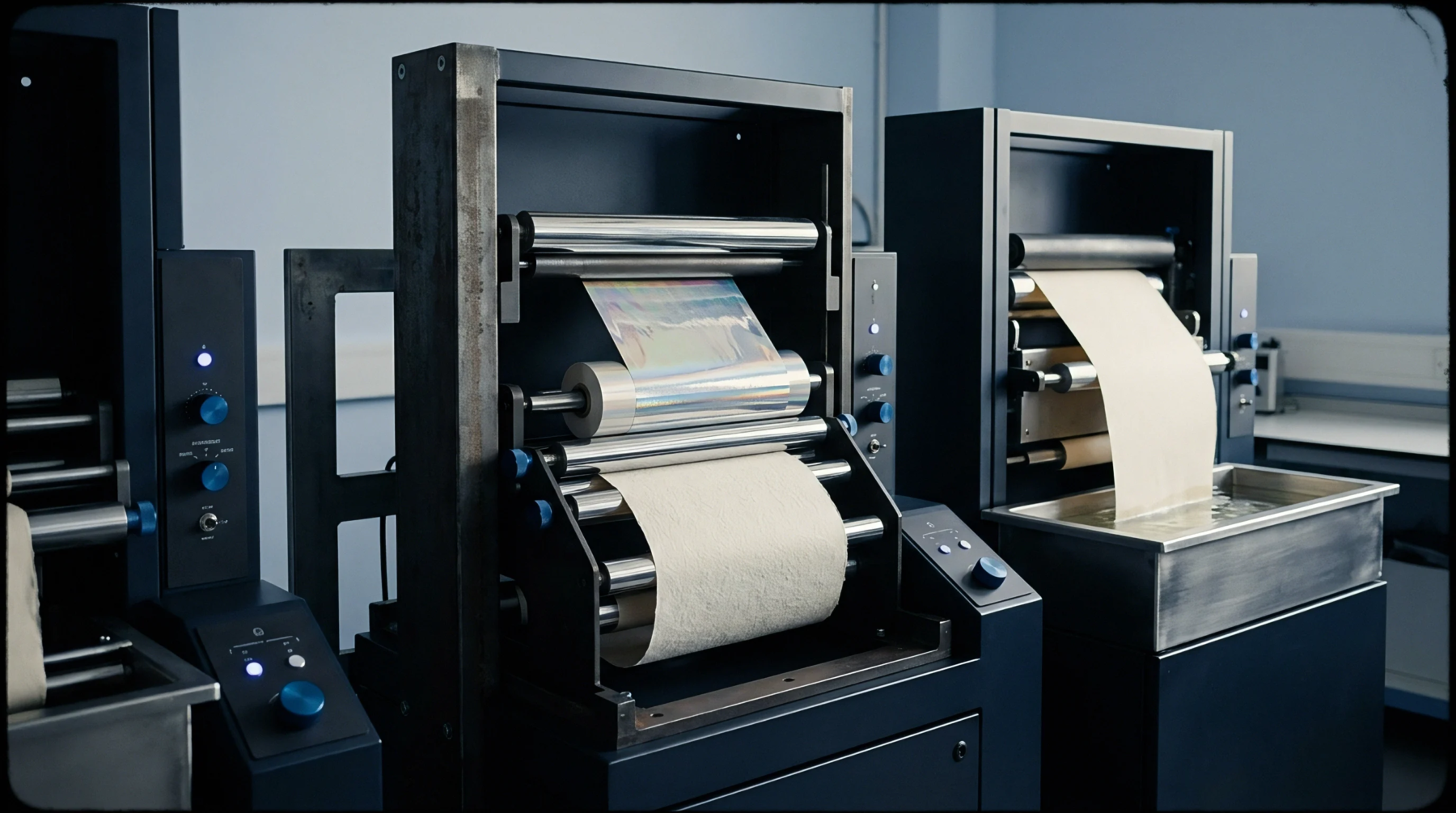
Balancing moisture loss with back-side rewetting and web decurling holds single-sided laminated boards flat across die-cutting and high-speed packing.
A0 flexural guided waves provide the optimal acoustic mode for paperboard crease assessment, delivering 18 to 26 dB attenuation upon internal ply delamination.
Sub-zero shear failure in bio-coated recycled board is prevented by expanding female creasing matrix channels to drive shear strain into internal plies.
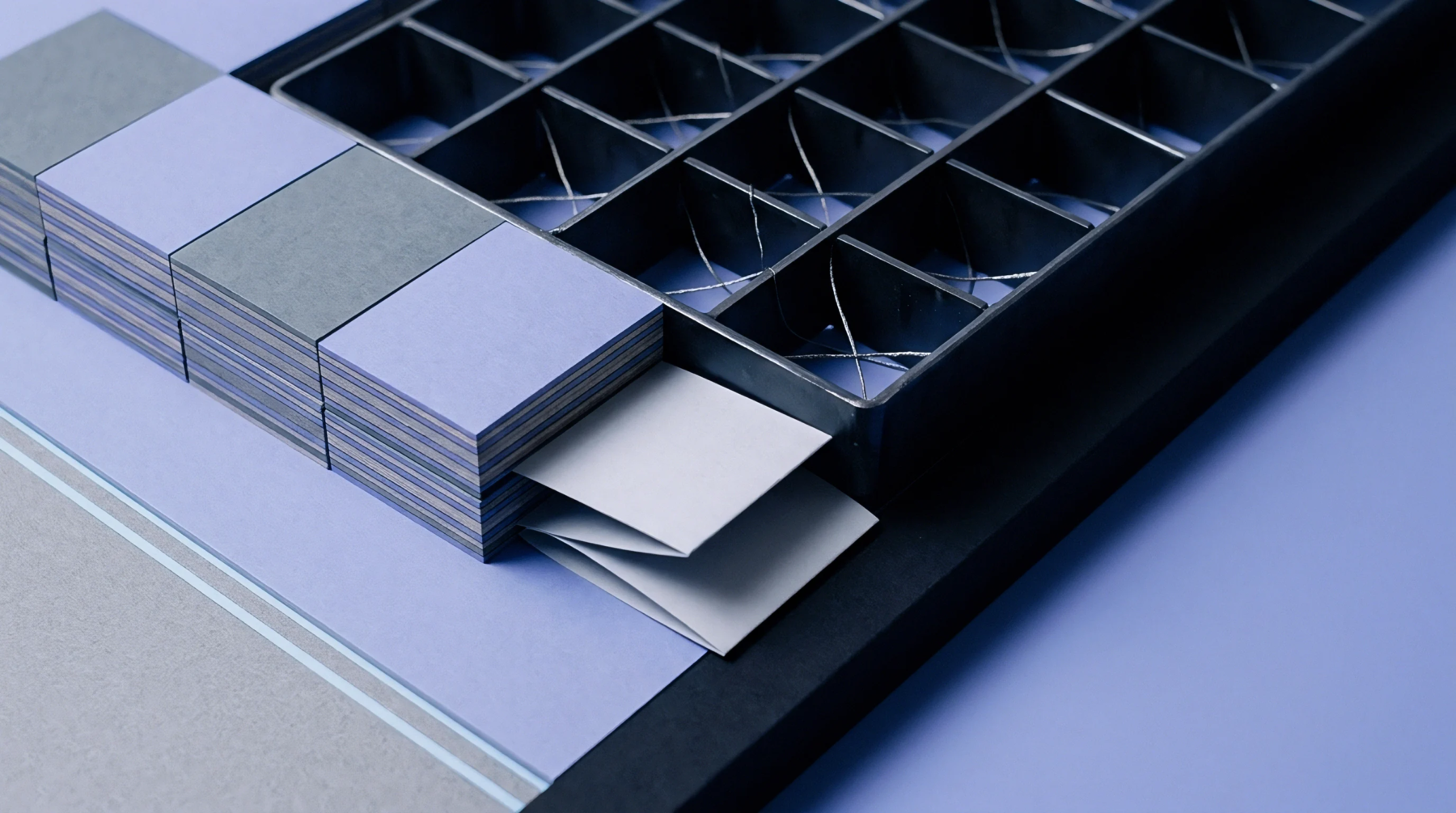
Multilayer cartonboard requires grade-specific counter die channel width calculations combining rule thickness, moisture-adjusted caliper, and fiber-yield multipliers.
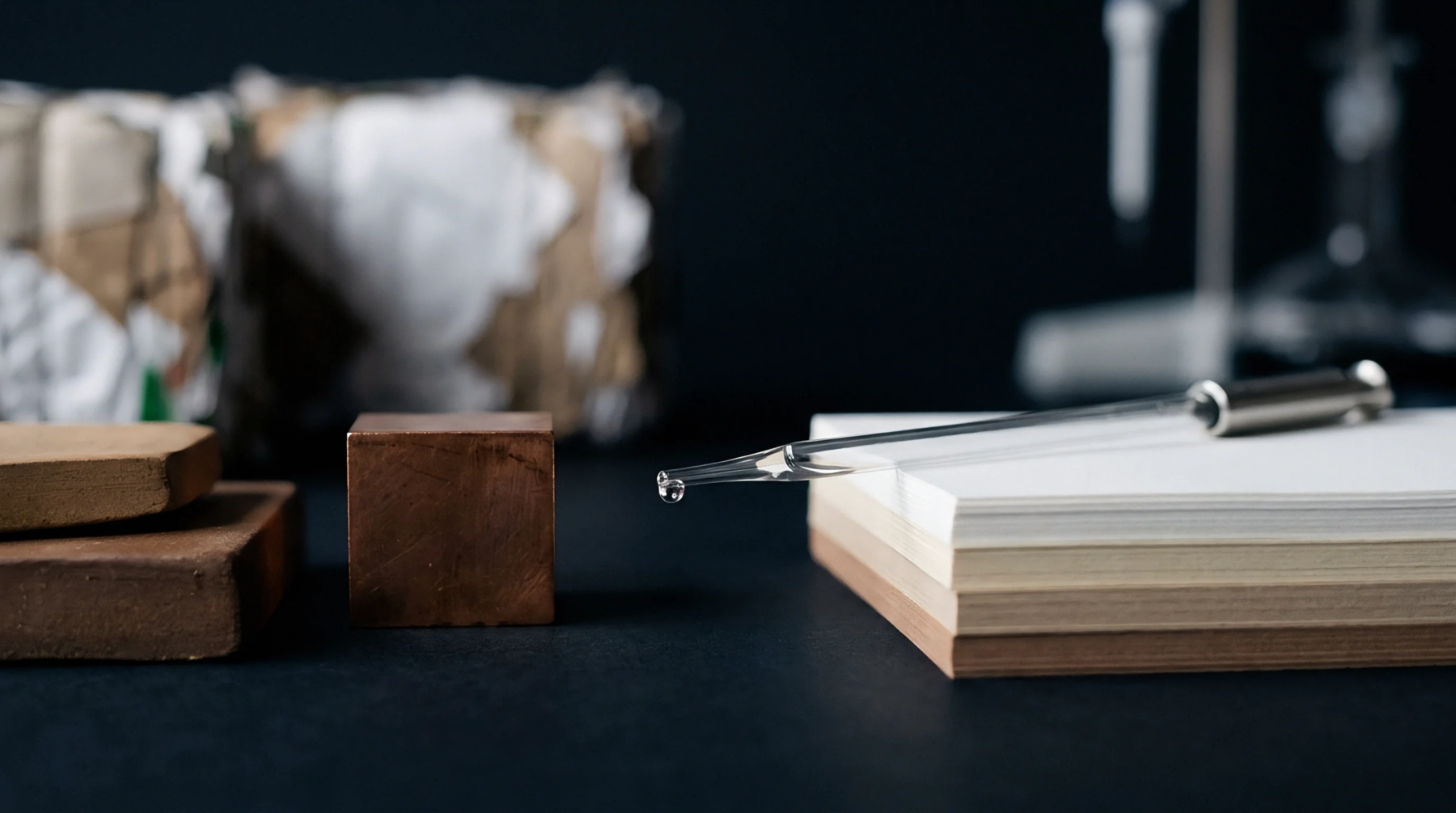
Microscopic analysis using Graff C staining and species weight factors verifies real fiber ratios, exposing illegal substitutions and recycled content mismatches.
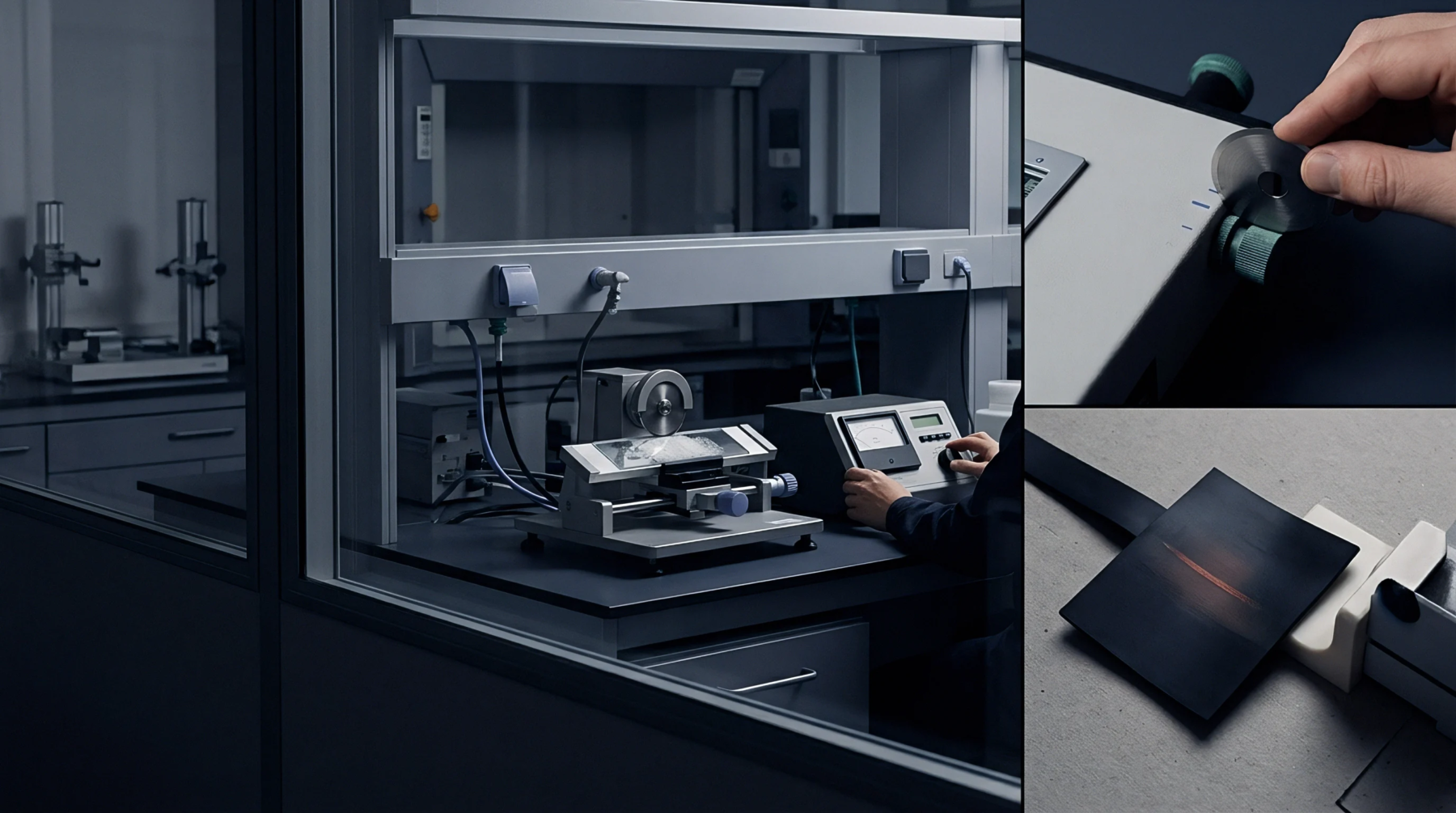
Verify paperboard crease stiffness by conditioning to ISO 187, clamping within 0.5 mm of the score, and targeting a board-to-crease ratio between 2.5 and 3.5.
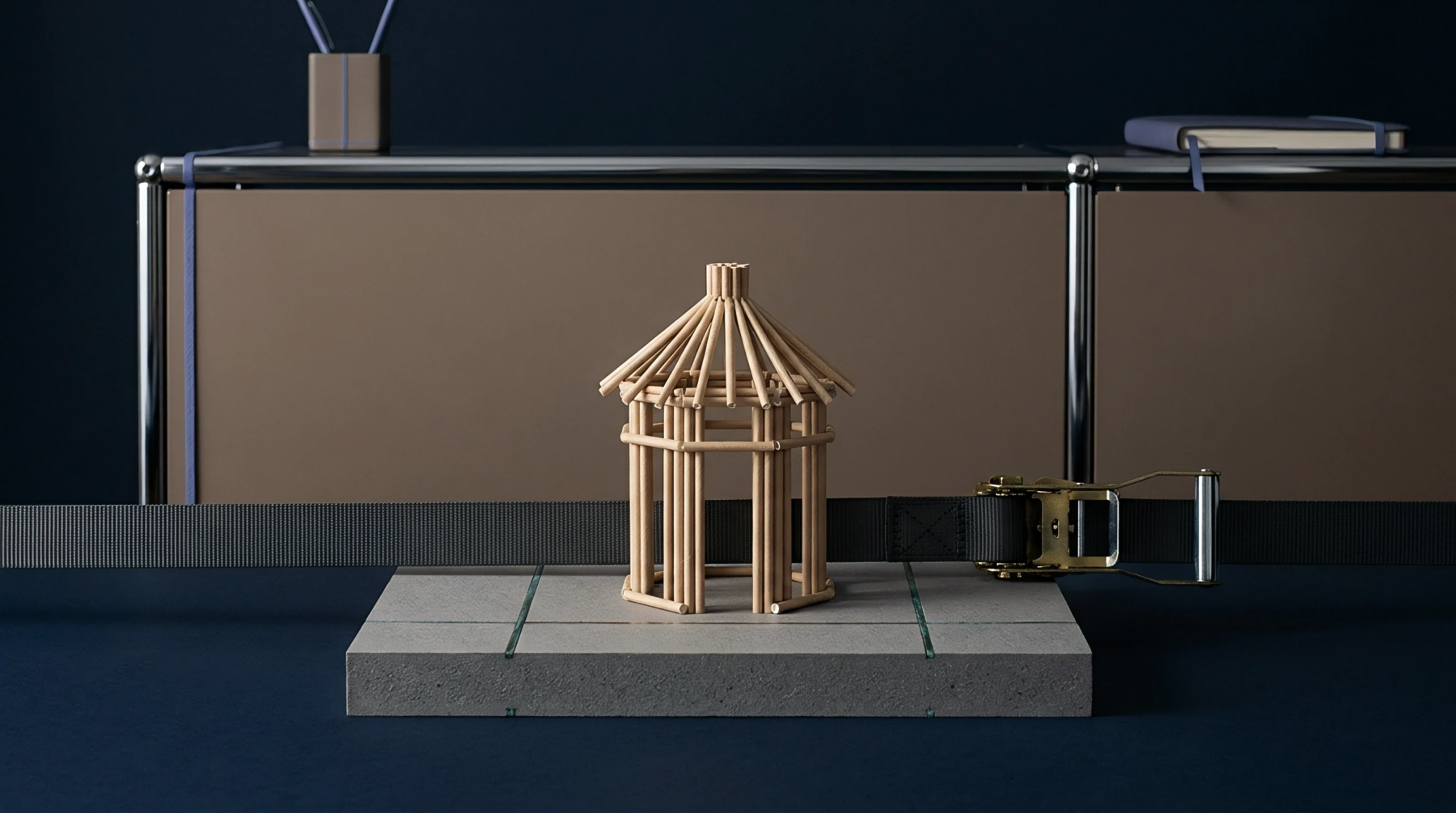
Time-resolved automated contact angle testing tracks millisecond liquid uptake on recycled board where static Cobb methods fail to predict adhesive bonding
Optimizing machine profile variability control limits requires establishing statistical bounds on cross-web caliper and stiffness to prevent cartoner feed jams.
Core bulk preservation requires extending nip dwell and heating surfaces to smooth outer plies while keeping central mechanical fibres below glass transition.
European packaging eco-modulation penalizes poorly repulpable UV coatings and polyolefin barriers, erasing recycled board price advantages through weight-based fees.

Gas phase migration from recycled board requires continuous functional barriers to halt volatile non intentionally added substances escaping fiber pores.
Goods-in paperboard profiling combines rapid chemical staining, split-temperature ashing, and layer delamination to expose deceptive furnish substitution.
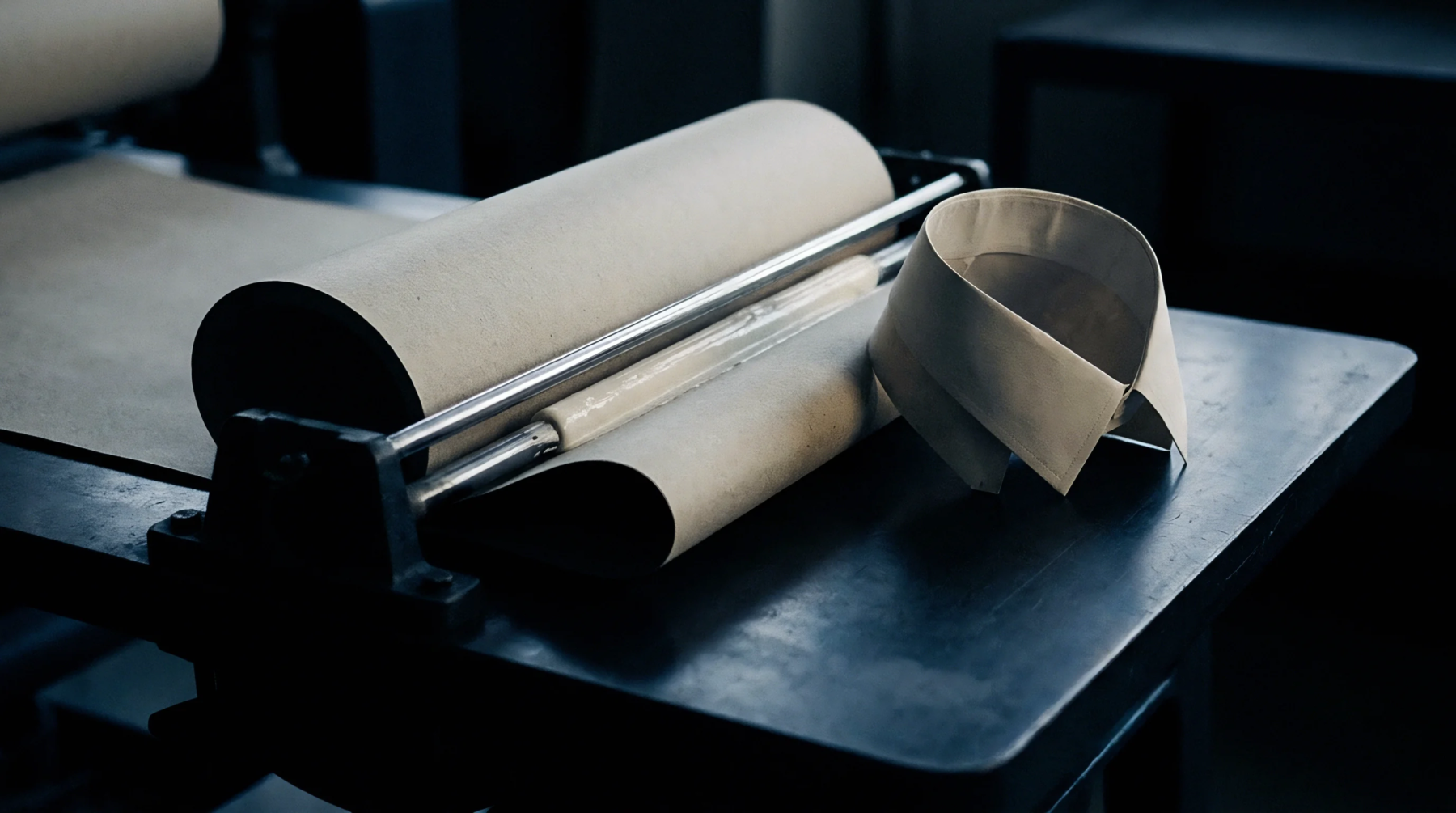
Cross direction bending stiffness scales with the cube of ply thickness, while short span compression governs vertical carton stack strength under ISO 9895.
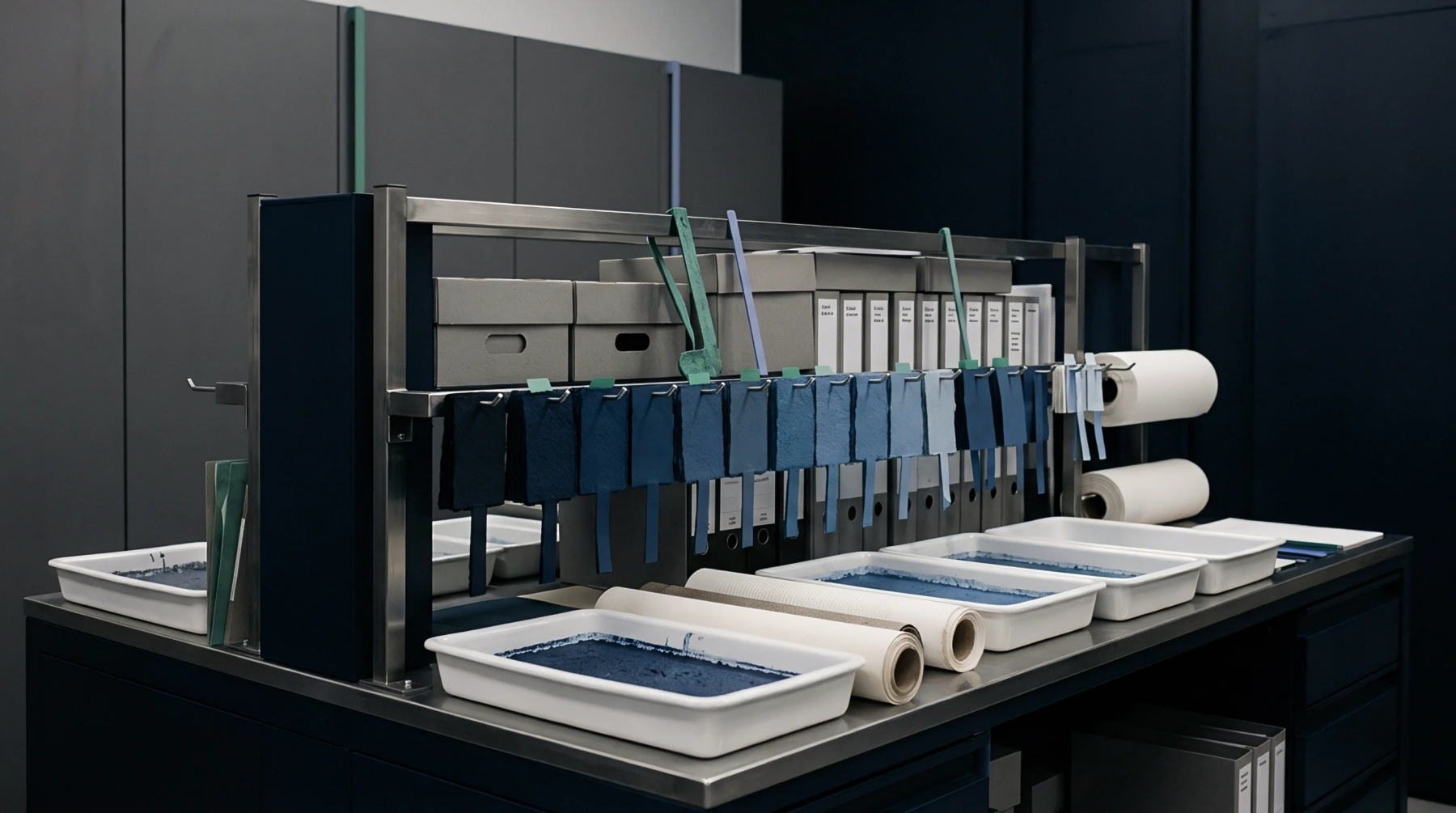
Dynamic moisture gradients across coated cartonboard slash bending modulus well before reaching equilibrium, demanding transient rather than static design.
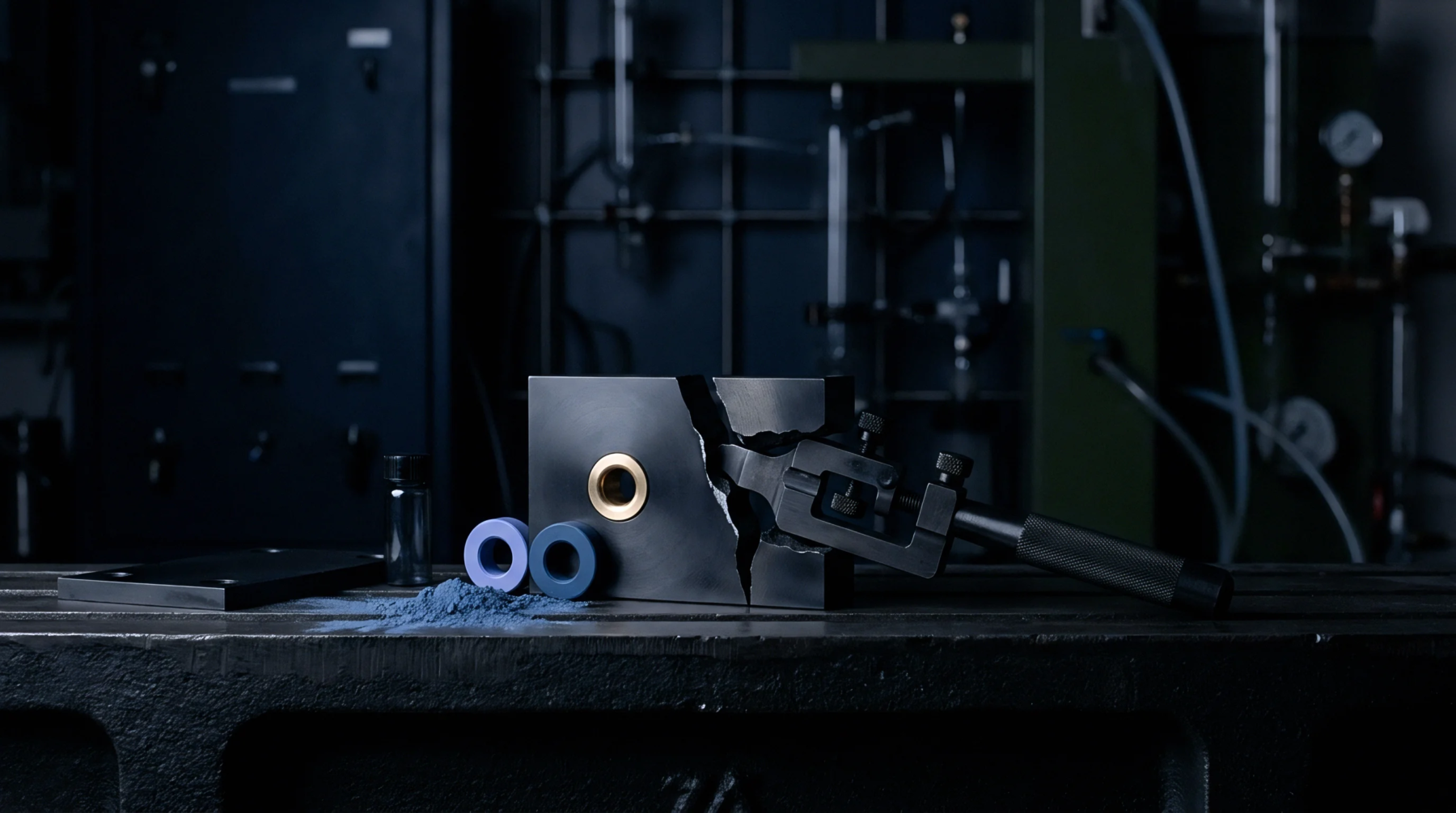
Dynamic strain velocity embrittles recycled multi-ply board, requiring widened crease channels and derated insertion speeds to prevent score line delamination.
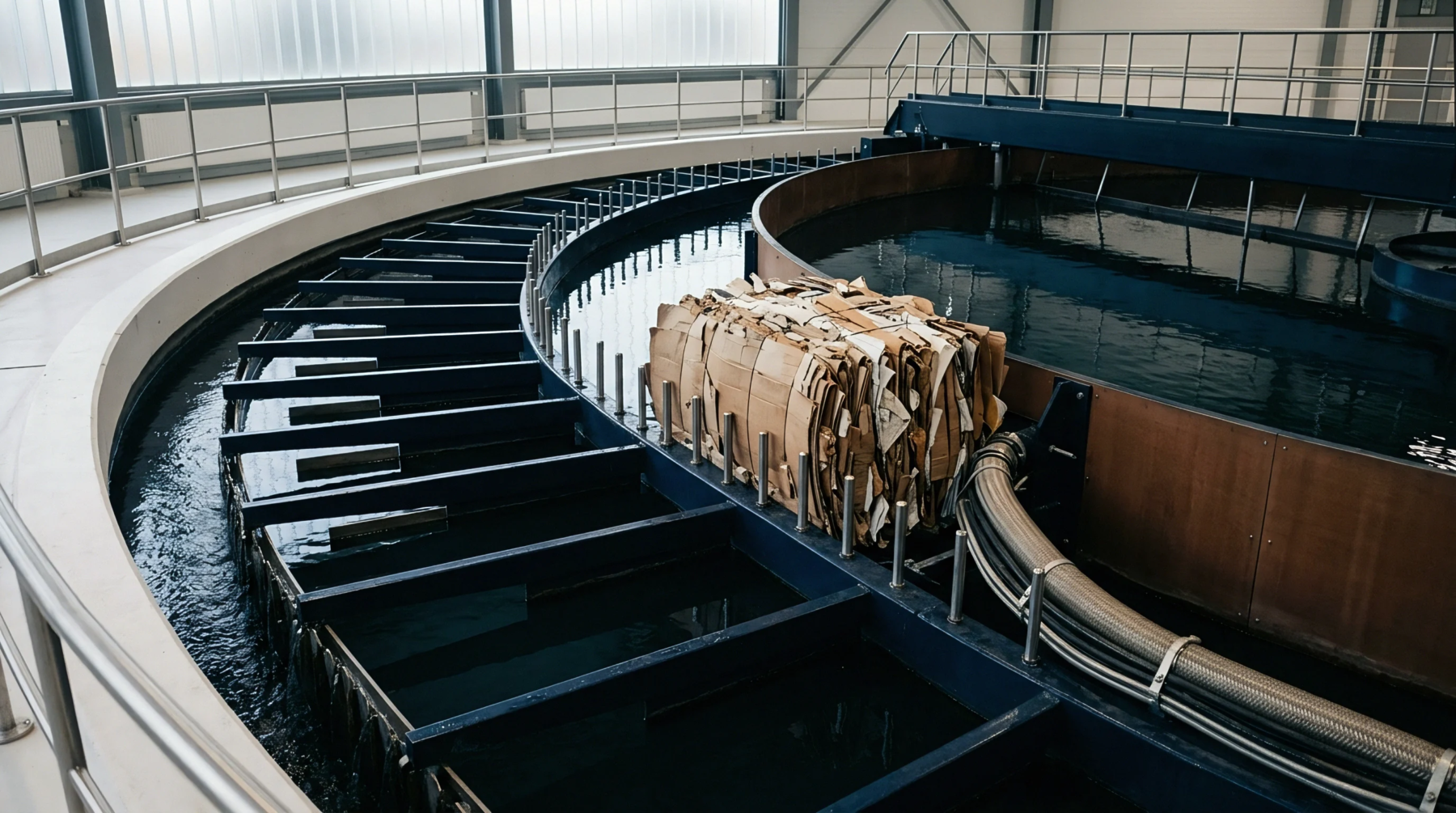
Controlled wet-end starch dosing between 6 and 9 kg/t maintains Scott bond at 180 to 240 J/m², preventing score cracking and delamination at high press speeds.

Z-directional tensile variance in multi-ply recycled board stems from uneven wet consolidation, high ash, and poor starch cooking, causing severe converting failure.

Verify Scott Bond above 120 J/m² and ZDT above 220 kPa under ISO 187 conditioning to prevent blanket delamination and score splitting on recycled cartonboard.

Maintain board equilibrium moisture between 50 and 55 percent RH to prevent anisotropic fiber expansion, sheet fan-out register drift, and score cracking.
Expertise is a utility, not a secret. sentiention™ publishes its working knowledge as open reference: intelligence layer covering the materials it sources, the markets it enters, and the reference that serves both.