
Paper Grades and Board Types a Buyer Chooses Between
Matching substrate furnish and bulk to press stress secures structural integrity, optimizes print quality, and minimizes total landed packaging cost.
Matching substrate furnish and bulk to press stress secures structural integrity, optimizes print quality, and minimizes total landed packaging cost.

Retailers accept recycled content claims backed by lot-specific chain of custody transaction certificates, valid scope codes, and verified migration test reports.
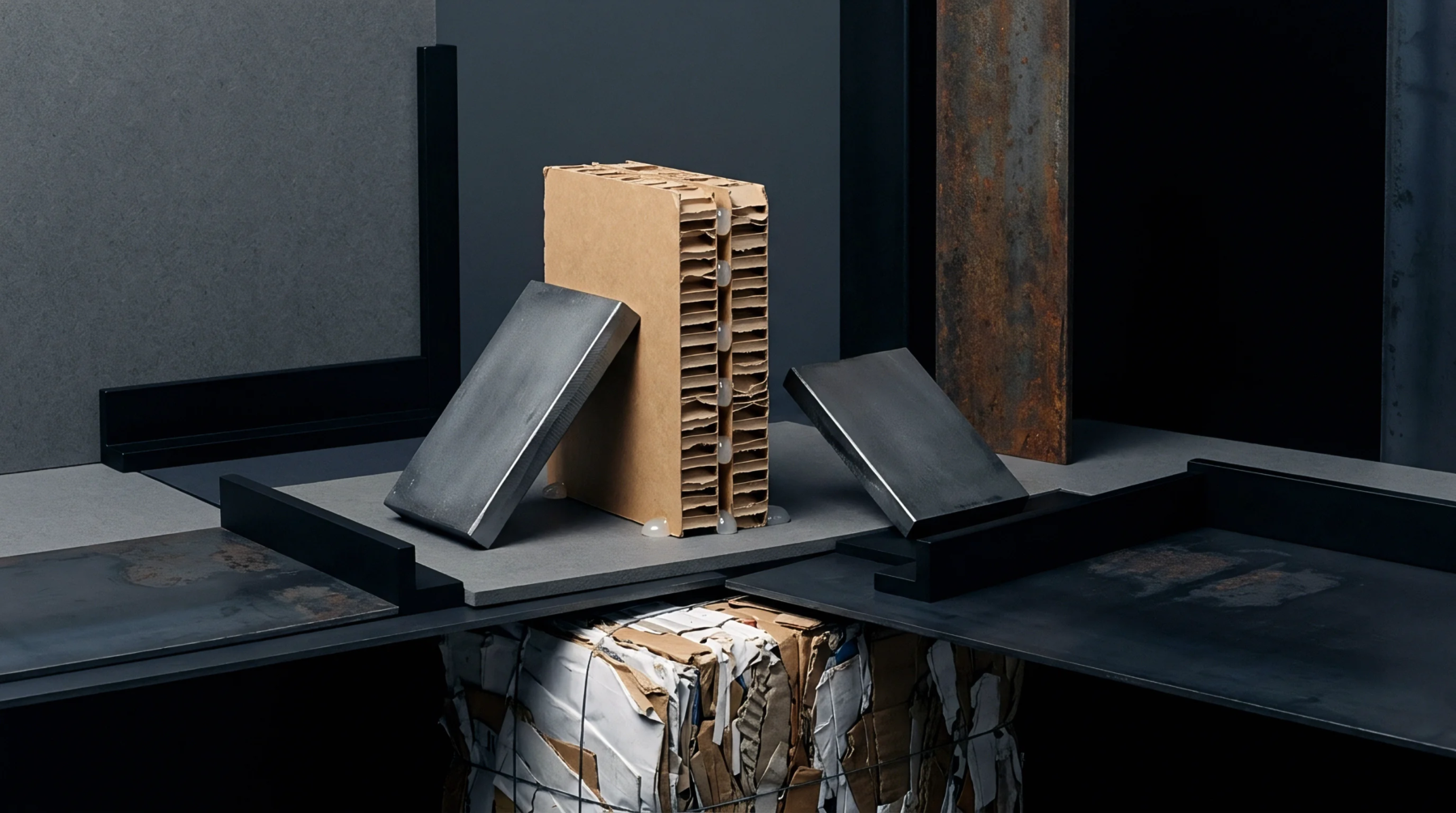
Parent sheet yield and trim waste govern grade selection when high-bulk downgauging balances mill deckle fit, layout imposition, and net landed cost per unit.

Mill credit accounting requires dry fiber mass balance calculations, yield factor adjustments for coating mass, and strict rolling credit ledger management.

Virgin SBS provides superior print brightness, stiffness consistency, and crack-free scoring, whereas recycled board lowers initial cost but adds waste.

Paperboard fiber ratio auditing requires pairing ISO 9184 Graff C microscopic stain counts with EN 16995 chemical marker testing and mass-balance credit ledgers

Fractionating recycled furnish prior to low-consistency refining preserves boxboard caliper while meeting internal bond targets at reduced energy consumption.
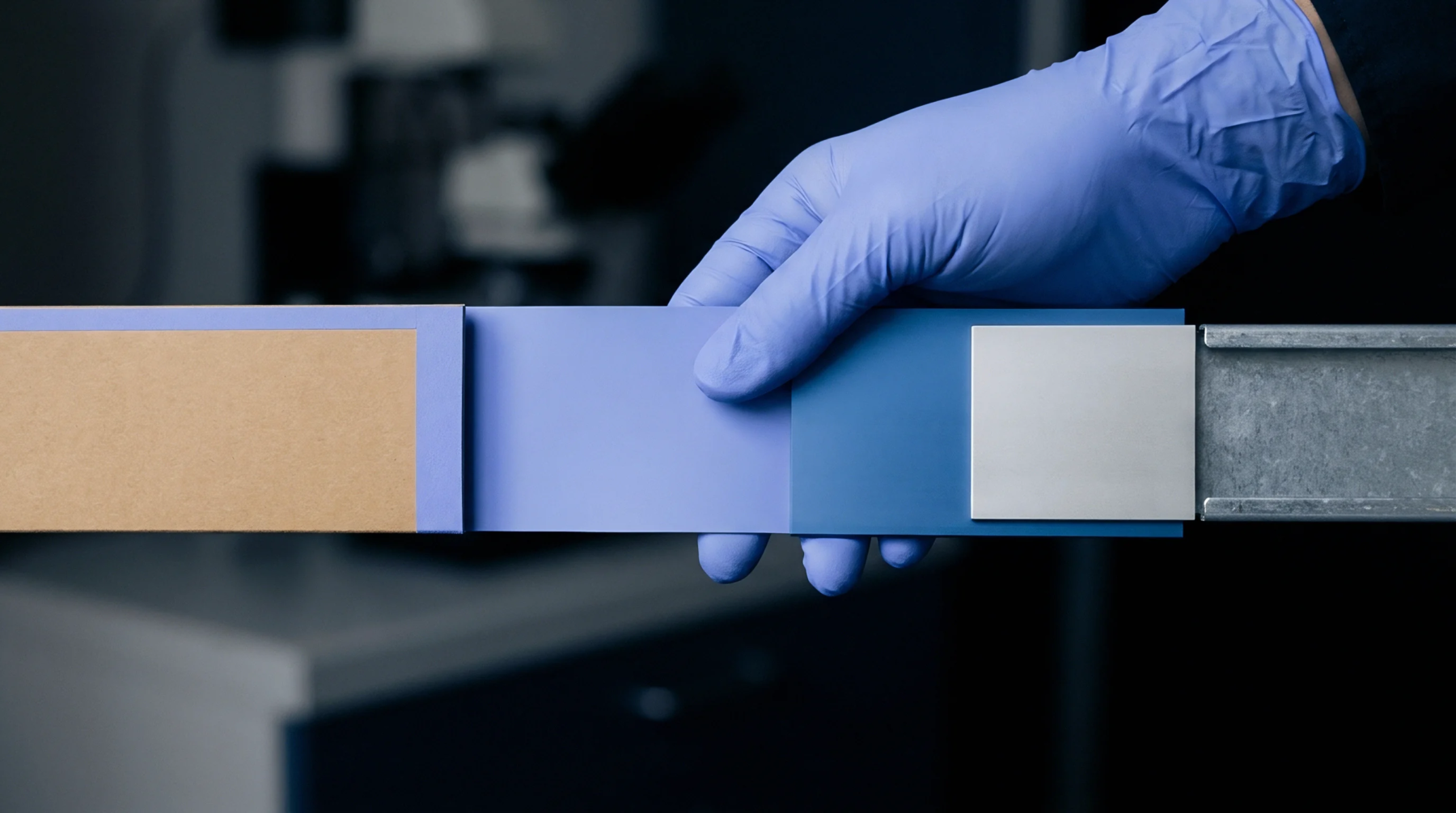
Calculate crease rule height by subtracting compressed board caliper from cutting rule baseline, sizing matrix width to rule thickness plus 1.5 to 1.8 times board thickness.

Verify hydrocarbon barrier integrity in recycled cartons through LC-GC-FID testing under EN 16995 with Tenax migration simulant to prove MOAH limits under 0.15 mg/kg.

Recycled paperboard verification requires valid chain of custody certificates, mass balance ledgers, and lab migration test reports to clear retail compliance.

Dynamic crease stiffness reduction ratios must be evaluated under operational strain rates of 1000°/s to 5000°/s to prevent high-speed cartoning line jams.
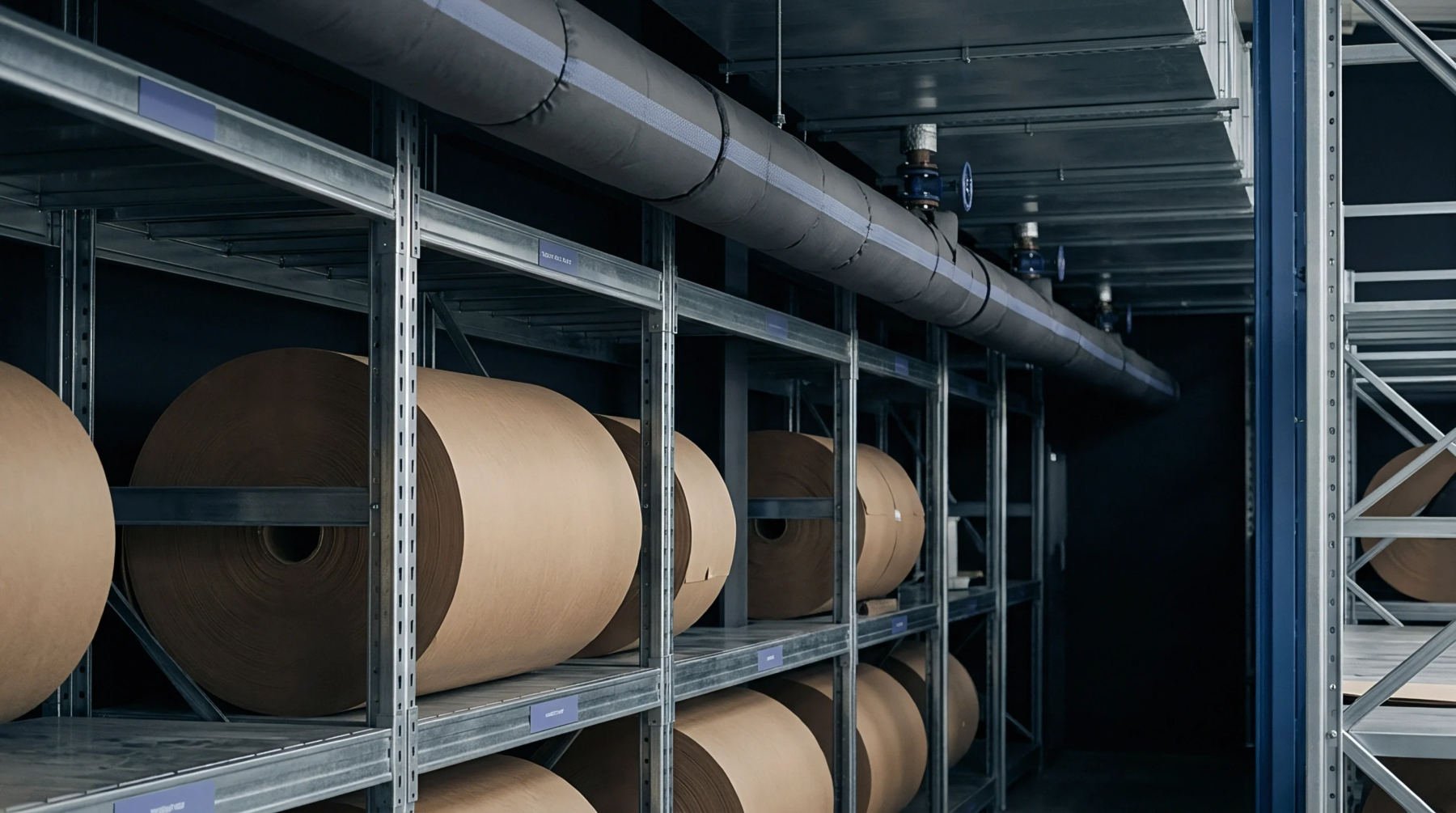
Public scope schedule verification requires matching board product categories and claim systems on official registers to downstream delivery notes.

Non-destructive ultrasonic wave attenuation evaluates paperboard crease quality by measuring acoustic energy loss caused by internal shear delamination.

Laser triangulation delivers uncompressed 3D areal topography data, isolating micro-roughness and void volumes that drive print quality across coated boxboard.

Inter-ply bond standards mandate TAPPI T 541 or ISO 16260 testing under strict ISO 187 conditioning to prevent converting delamination on recycled paperboard.

Multi-ply board stiffness and compression depend on z-direction modulus distribution, where cubic caliper scaling governs flexure and cross-direction short-span compression dictates box stacking strength.

Paperboard grammage and caliper dictate sheet yield, bending stiffness, and converting performance, making exact testing under ISO standards essential for sourcing.

Dynamic surface tension gradients in recycled paperboard cause capillary stalling, uneven ink penetration, and severe converting spoilage.

Establish an isolated vacuum datum and calibrate 405-nanometer sensors to eliminate sub-surface scattering errors during board crease verification.

Verify paperboard certificates by matching invoice claim text, product scope codes, and valid supplier registry entries before receiving inventory at the dock.
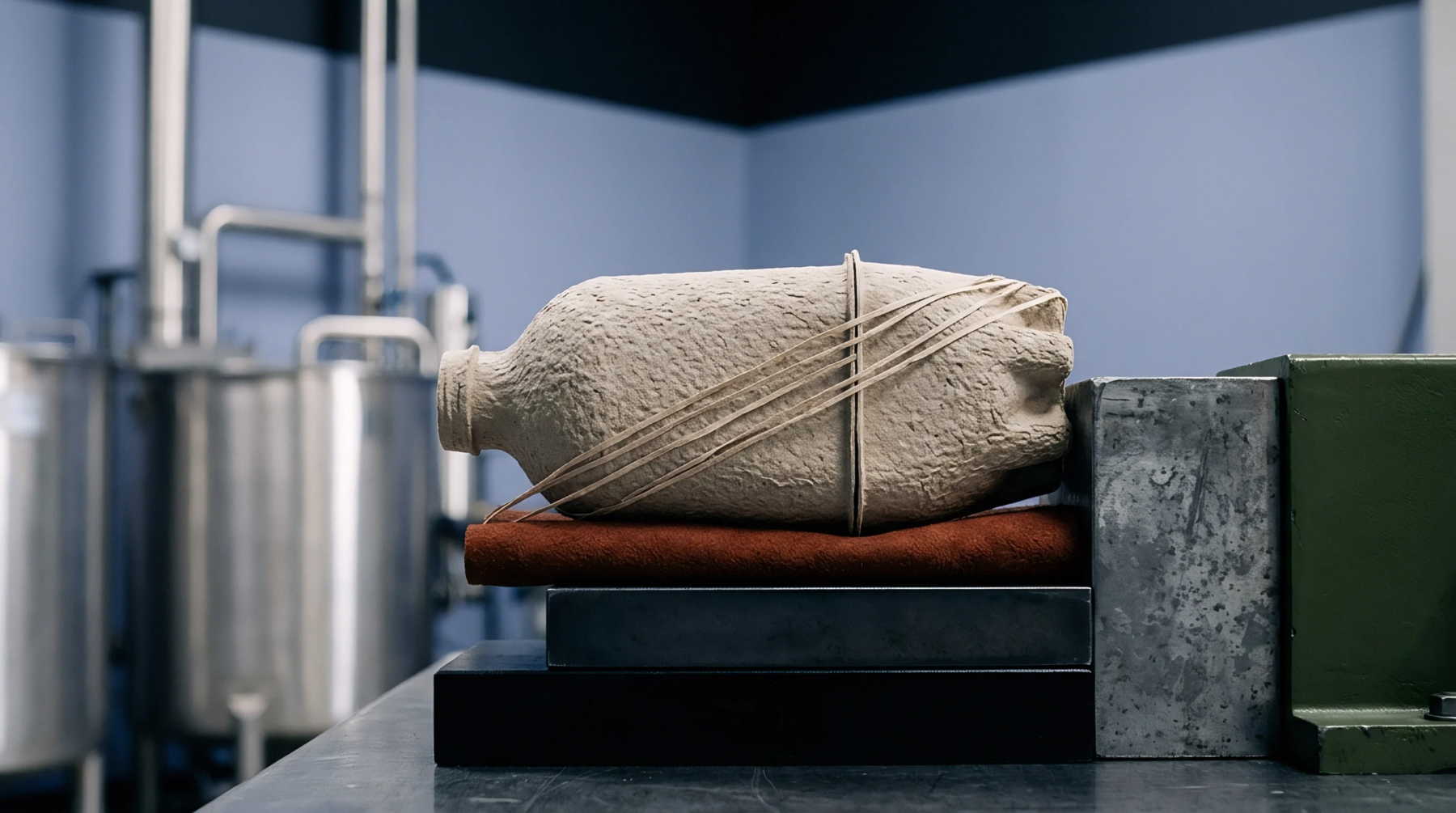
Mass balance ledgers allocate administrative fiber credits across mill networks, but laboratory microscopy governs physical batch compliance at customs borders.

Virgin solid bleached sulfate delivers superior score integrity and brightness, while recycled board reduces raw material expenditure when stiffness targets allow.

Widening matrix channel width to 1.7 times board caliper mitigates score cracking on recycled board by promoting controlled internal ply delamination.
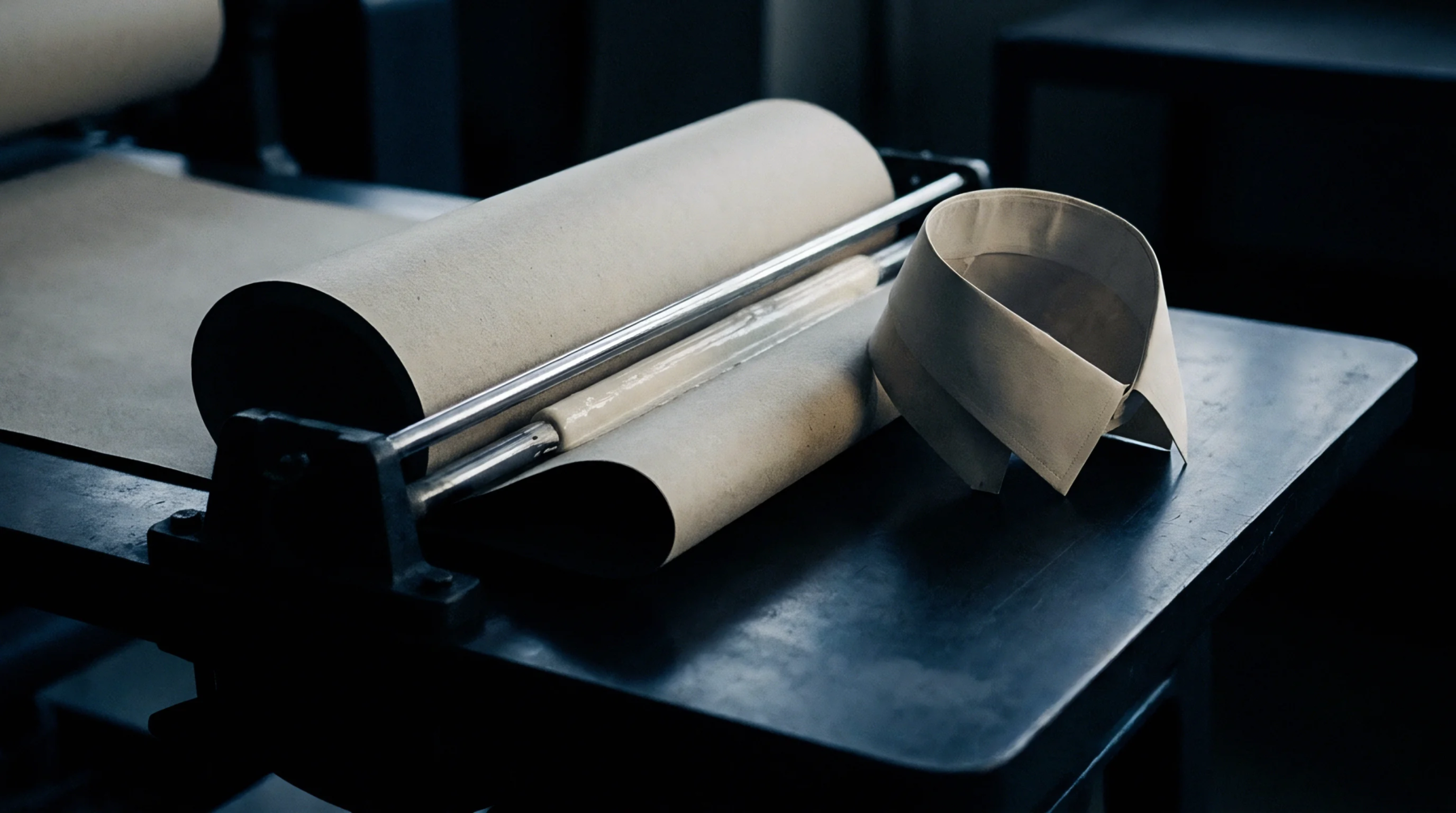
Swapping dense SBS for bulky FBB preserves bending stiffness through thickness retention while cutting material weight by fifteen to twenty percent per carton.

Matching dynamic Scott Bond energy above 120 J/m² prevents high-speed folder-gluer delamination and reduces net carton cost through lower line scrap.

Recycled paperboard strain measurement requires direct optical extensometry under ISO 1924-3 to isolate true sheet elongation from clamp slippage.

Validating paperboard claims requires cross-checking certificate scope codes on public databases and securing batch migration test reports.
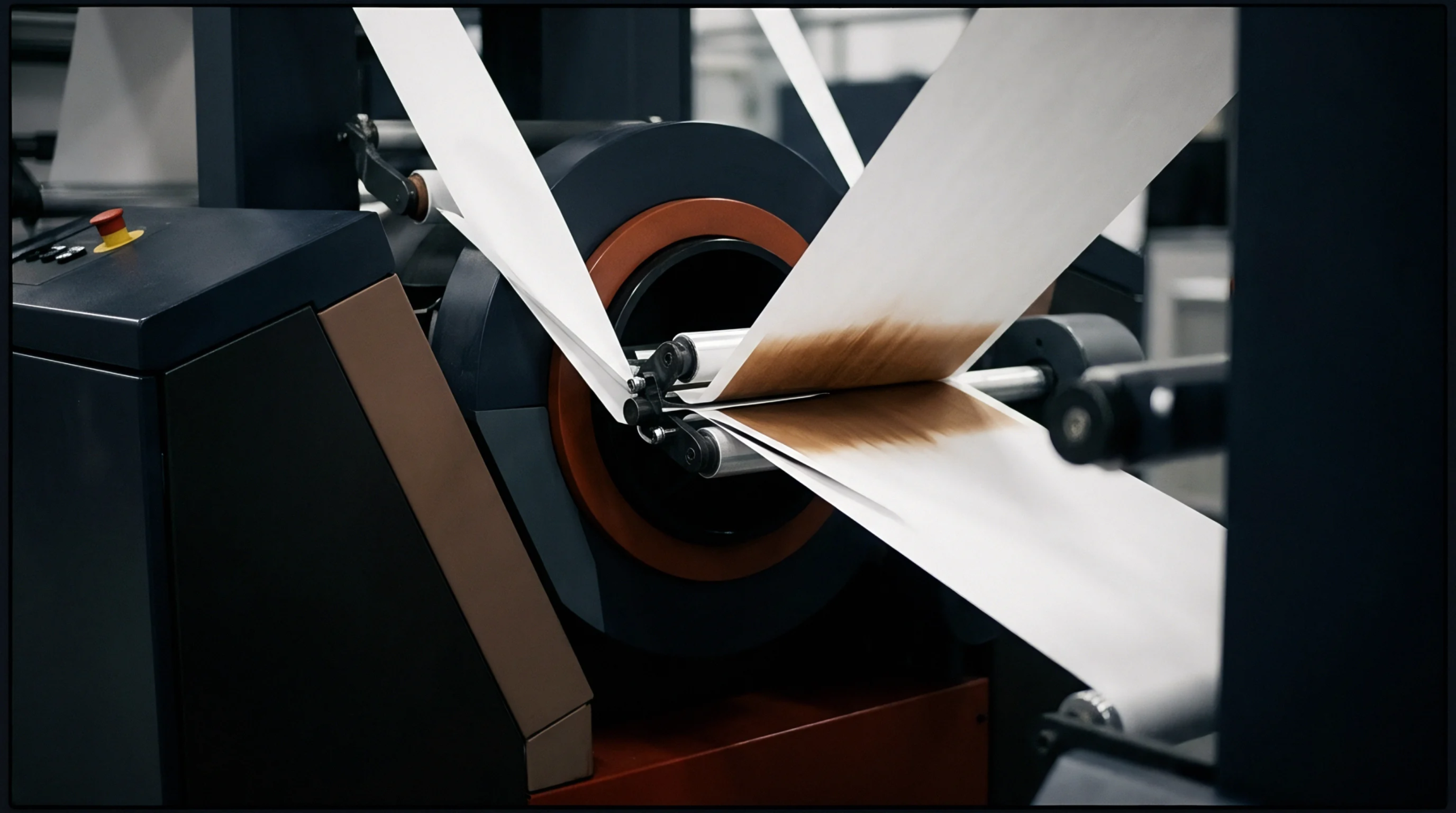
Non-contact thickness gauging uses optical or nuclear sensors to deliver real-time caliper profiles, enabling basis weight down-gauging while meeting ISO 534 limits.
Predicting package panel bulge demands measuring multi-ply out-of-plane shear stiffness C44 via ultrasonic wave dispersion to prevent high-speed line failures.

Dynamic relative humidity cycling accelerates compressive creep strain and drives interlaminar delamination kinetics in recycled board packaging stacks.
Expertise is a utility, not a secret. sentiention™ publishes its working knowledge as open reference: intelligence layer covering the materials it sources, the markets it enters, and the reference that serves both.