
Virgin and Recycled Fiber Ratio Auditing in Packaging Board Production
Paperboard fiber ratio auditing requires pairing ISO 9184 Graff C microscopic stain counts with EN 16995 chemical marker testing and mass-balance credit ledgers
Paperboard fiber ratio auditing requires pairing ISO 9184 Graff C microscopic stain counts with EN 16995 chemical marker testing and mass-balance credit ledgers

Paperboard credit systems balance financial ledgers rather than physical fibers, requiring buyers to separate administrative certificates from batch fiber testing.

Scope cross-checking against public scheme registers and line-item invoice verification prevent customs detentions and illegal packaging claims.

Recycled paperboard verification requires valid chain of custody certificates, mass balance ledgers, and lab migration test reports to clear retail compliance.

Unannounced substrate substitution alters box compression strength and tariff classification; laboratory fiber audits and batch thickness checks prevent failure.
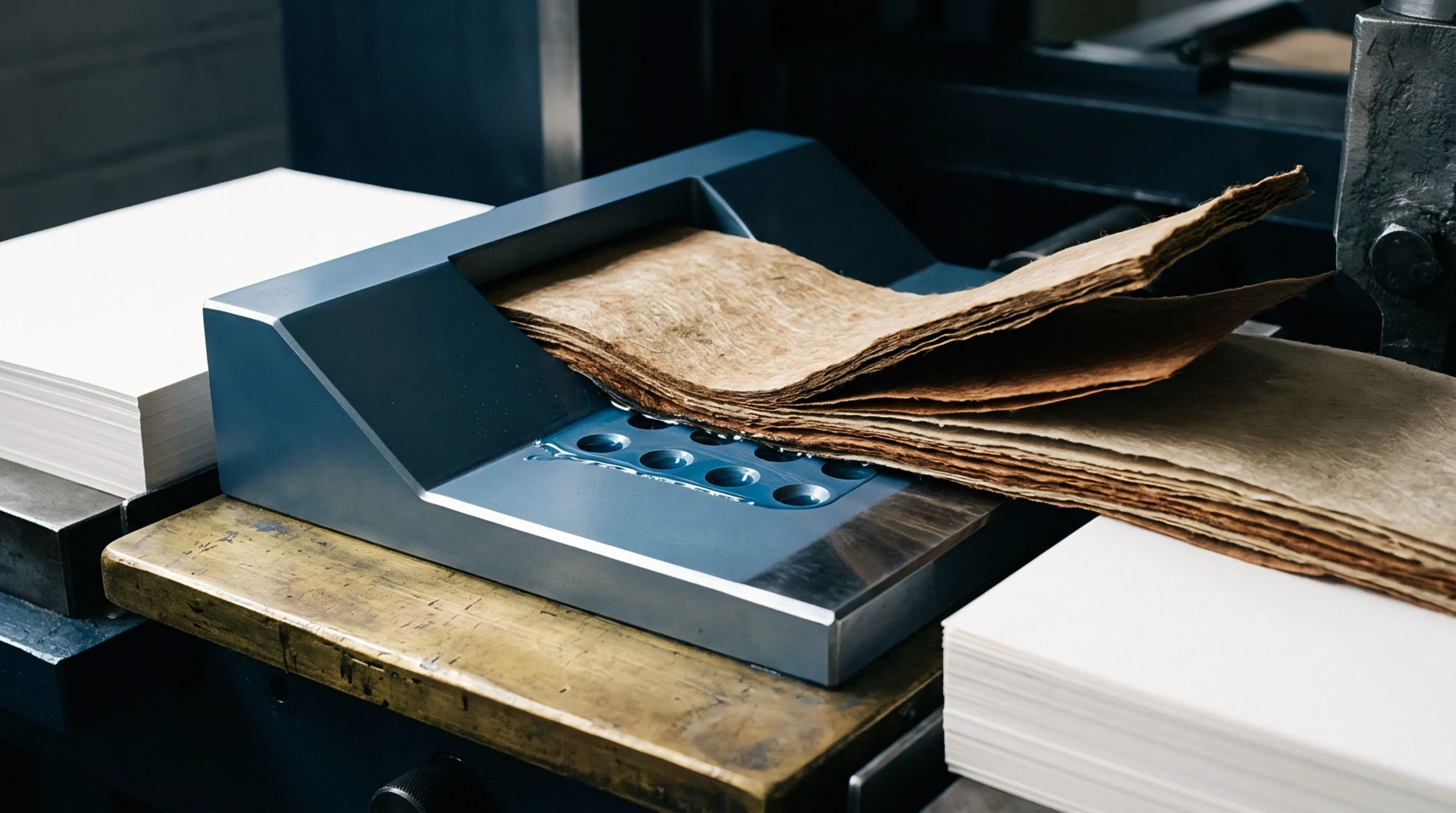
Verifying virgin softwood content in packaging paper relies on fiber morphology analysis, ISO chemical pulp identification, and trace chemical markers
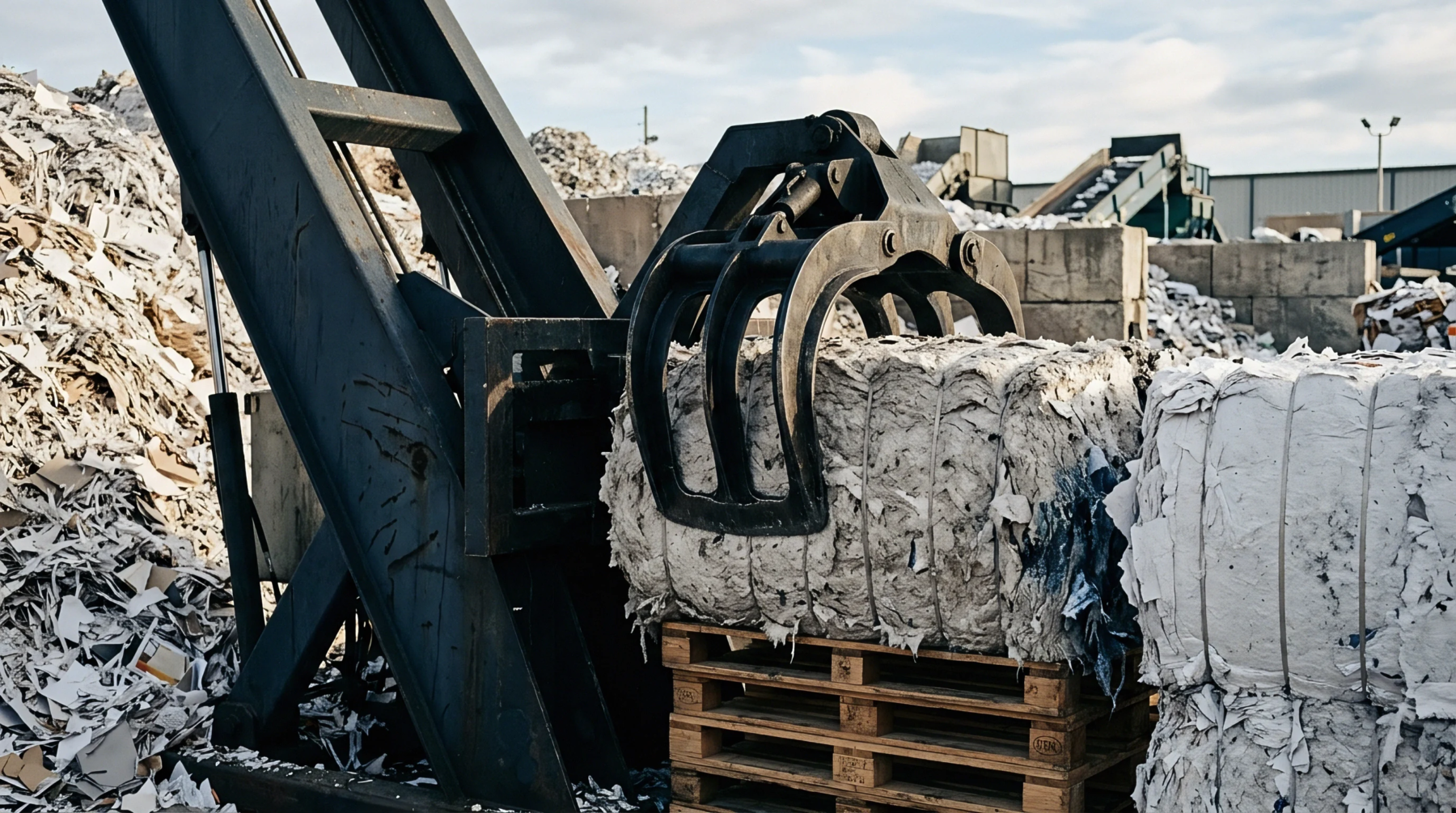
Auditing fiber ratios combines ISO 9184 furnish microscopy and ash testing with strict FSC and PEFC invoice-level mass balance chain of custody reconciliation.
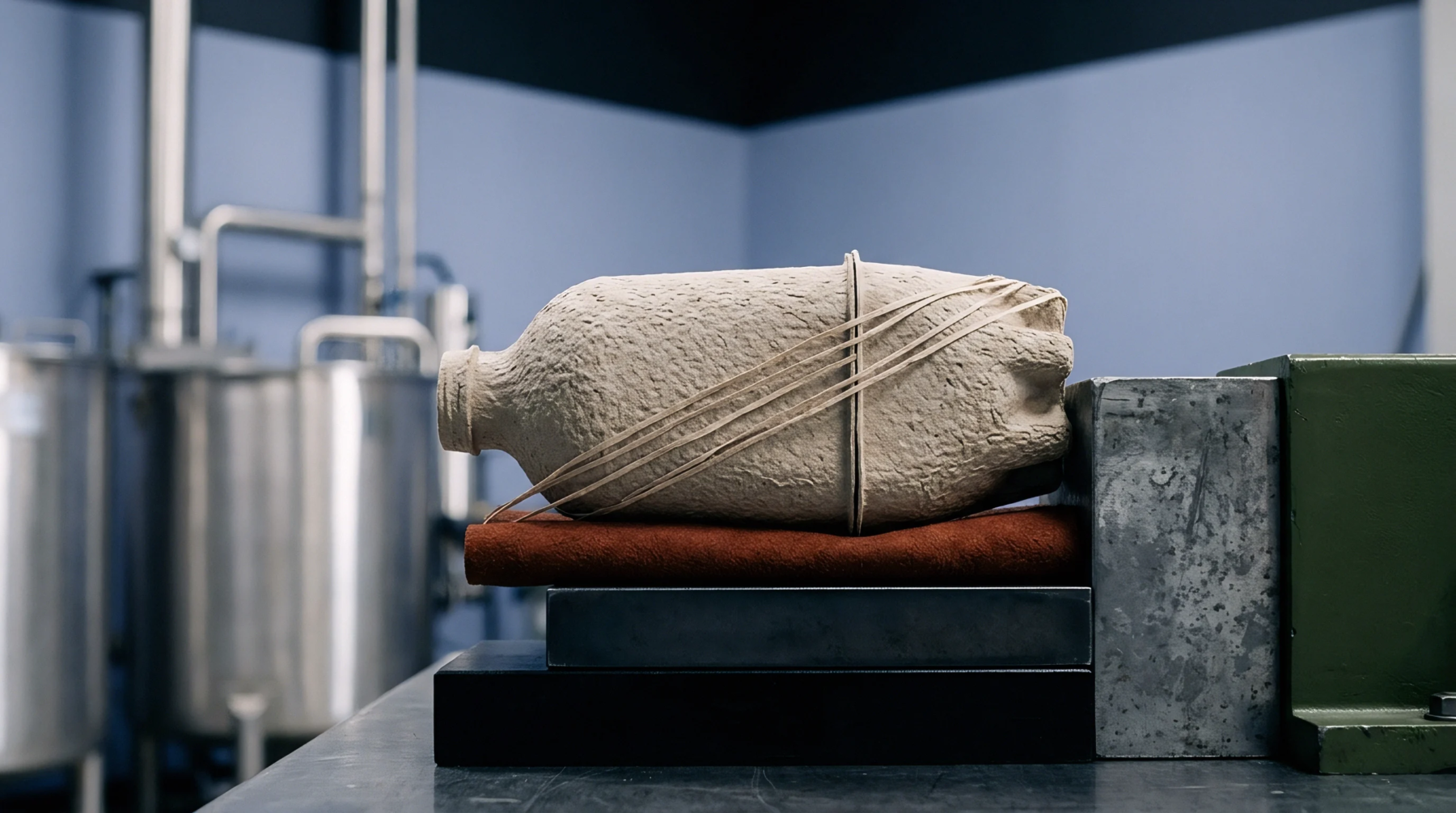
Mass balance ledgers allocate administrative fiber credits across mill networks, but laboratory microscopy governs physical batch compliance at customs borders.
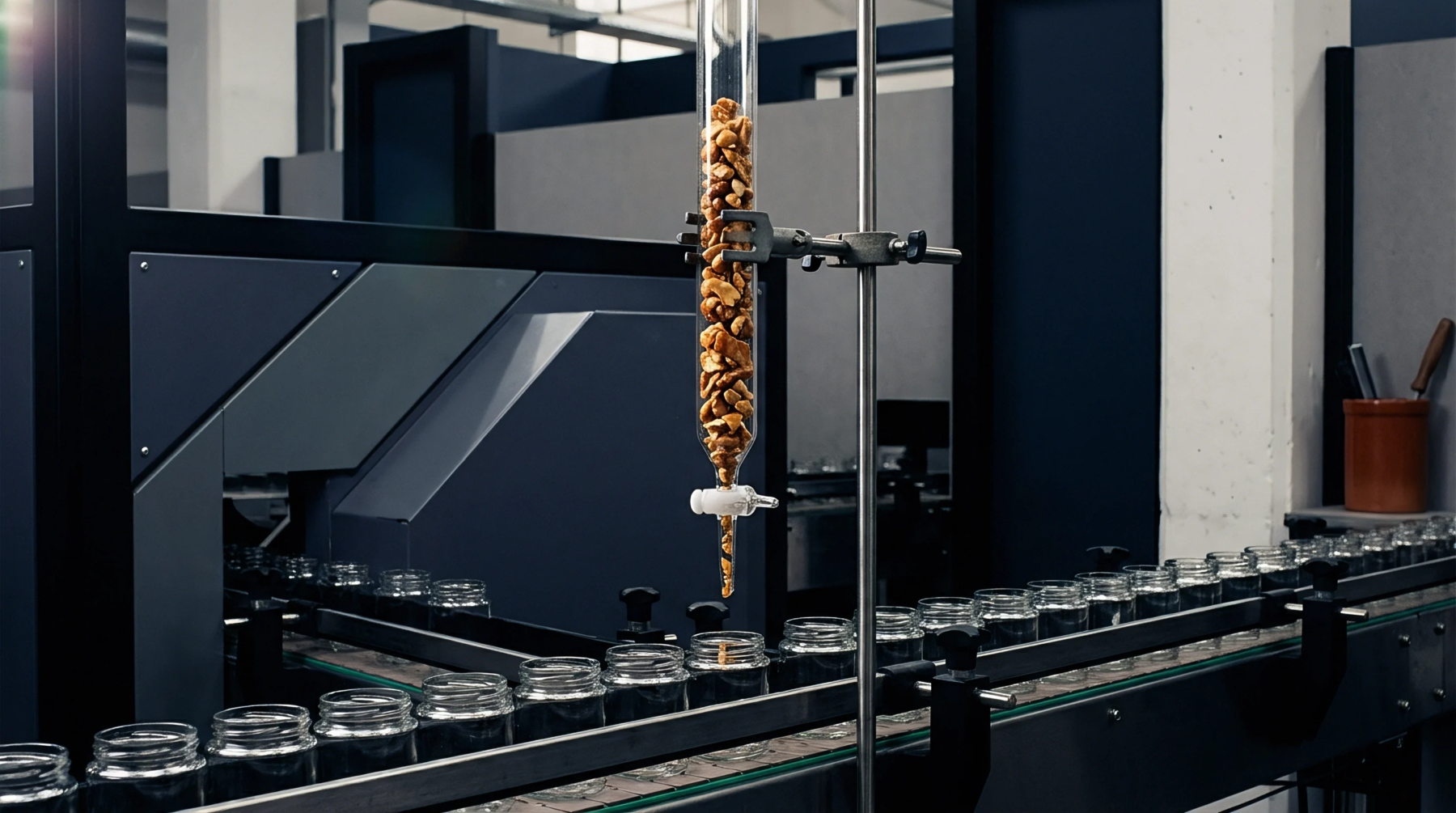
Analytical testing verifies physical furnish markers and migration safety, while administrative chain records prove legal recycled content claims.

Verifying post-consumer recycled claims in folding boxboard requires cross-referencing FSC/PEFC credit accounts with deinking yield losses and MOSH/MOAH markers.

Cross-referencing mass spectrometry isotopes and fiber cell anatomy against geolocation coordinates validates imported packaging EUDR deforestation declarations.

Paperboard recycled claims require matching chain of custody certificates, mass balance ledger reconciliation, and certified converter invoices.

Automated ISO 14021 ERP ingestion maps raw mill fiber payloads directly into production bills of materials to secure compliant post-consumer packaging claims.

Regulatory customs enforcement inspects physical fiber biology, rendering multi-site mass-balance certificate claims legally invalid for cross-border declarations.

Packaging paper claiming waste exemption under deforestation rules faces border detention whenever furnish blends contain unmapped virgin reinforcement pulp.

Reconciling EUDR mandates with recycled pulp requires proof of pure post-consumer waste or plot coordinates for all virgin fibers in the furnish.

Validating imported paper claims requires matching register product codes to invoices before transit to prevent customs holds and invalid certifications.
Validate foreign packaging files by checking invoice claim strings on scheme registers, testing fiber furnish by microscopy, and screening barrier extraction.
Verifying paperboard claims demands cross-referencing public scope codes, validating invoice credit lines, and securing plot-level forest origin documentation.

Goods-in paperboard profiling combines rapid chemical staining, split-temperature ashing, and layer delamination to expose deceptive furnish substitution.

Physical recycled packaging validation requires combining ISO 17025 accredited laboratory assays with batch-level EN 15343 physical segregation custody dossiers.

Microscopic analysis using Graff C staining and species weight factors verifies real fiber ratios, exposing illegal substitutions and recycled content mismatches.

Chain of custody verification requires active certificate registry checks, line-item invoice claim validation, and complete layer furnish audit across every web.

Softwood pulp ratio in structural packaging is verified by staining and optical counting under ISO 9184 to secure compression strength and customs compliance.
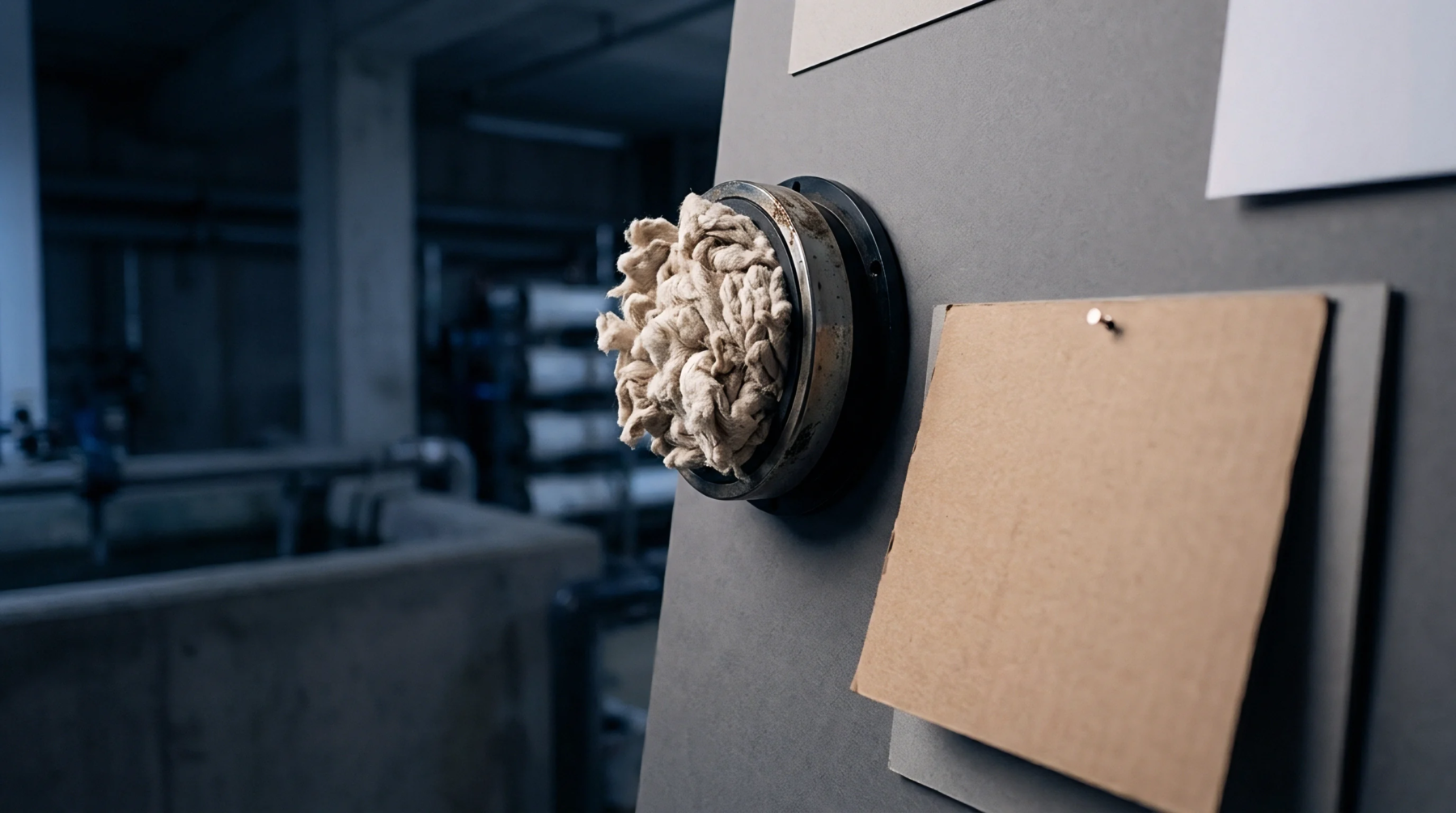
Optical fiber morphology analysis verifies virgin softwood content by quantifying tracheid bordered pits, Graff C colorimetry, and lumen collapse ratios.

Credit systems manage paper volumes administratively, whereas lab assays verify physical fibers; commercial files must not conflate book claims with physical stock.
Analytical paperboard testing combines optical fiber morphology, MOSH MOAH chromatography, and ash calcination to verify chain of custody recycled content claims.

Reconciling mass balance claims against physical testing requires aligning on-pack declarations with certified ledger credits rather than physical presence.

Cross-border mass balance credits fail statutory import rules; buyers must mandate physical batch traceability and contractually shift customs hold liability.
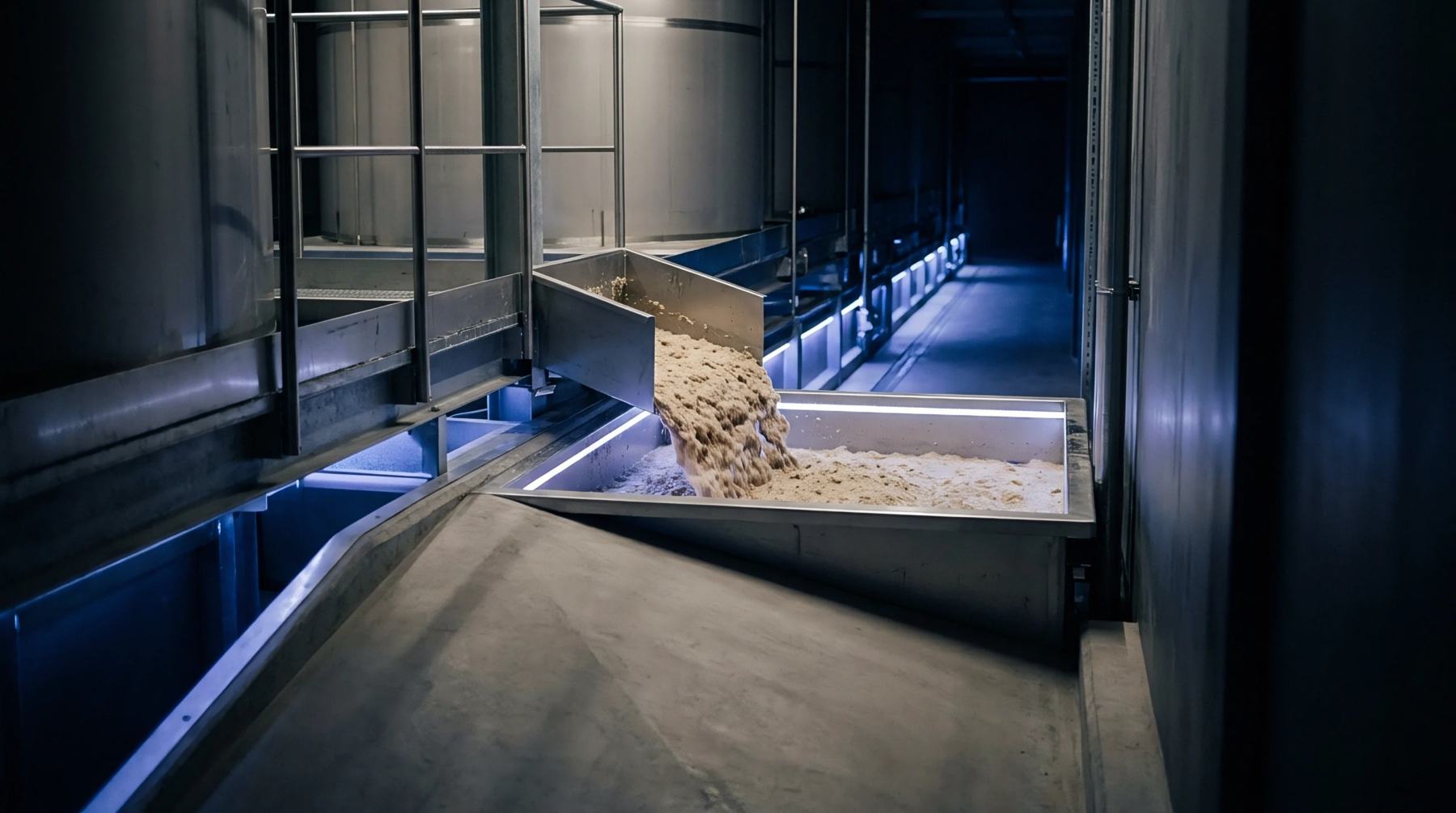
Controlling virgin chemical-to-mechanical ratios across multi-ply board dictates flexural stiffness, barrier integrity, and customs duty classifications.
Expertise is a utility, not a secret. sentiention™ publishes its working knowledge as open reference: intelligence layer covering the materials it sources, the markets it enters, and the reference that serves both.