
Fluorescent Spectrophotometry Principles for Paper Coating Analysis
Fluorescent spectrophotometry verifies paper coating brightness and tint by balancing calibrated ultraviolet excitation against stilbene fluorophore saturation limits.

Fluorescent spectrophotometry verifies paper coating brightness and tint by balancing calibrated ultraviolet excitation against stilbene fluorophore saturation limits.

Calibrating IRMS reference isoscapes with matrix-matched alpha-cellulose standards quantifies origin fractions in recycled kraft pulp blends for compliance.
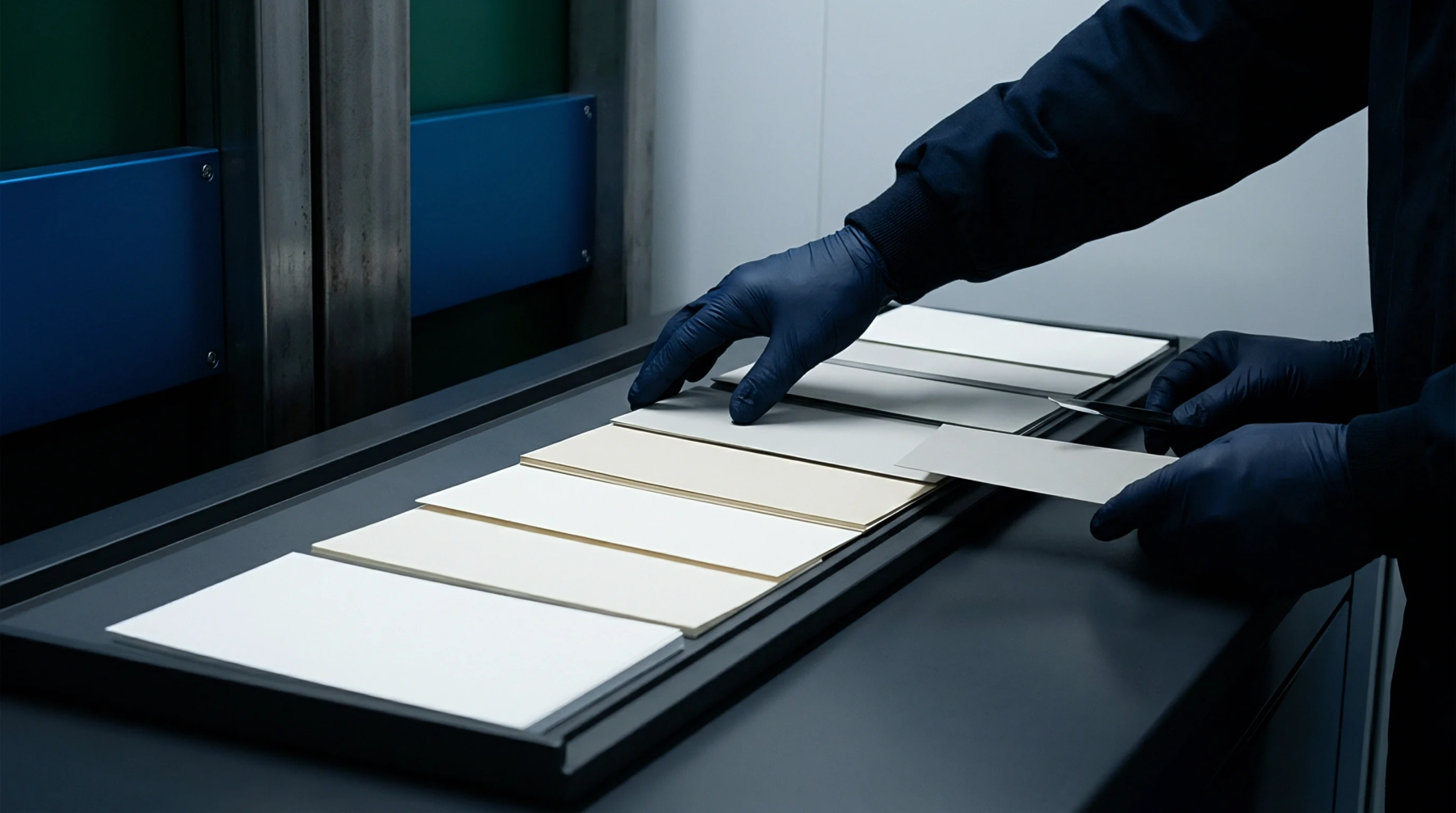
Blue laser triangulation resolves paperboard crease bead topography within two micrometers, eliminating red-light fiber scattering and manual micrometer error.
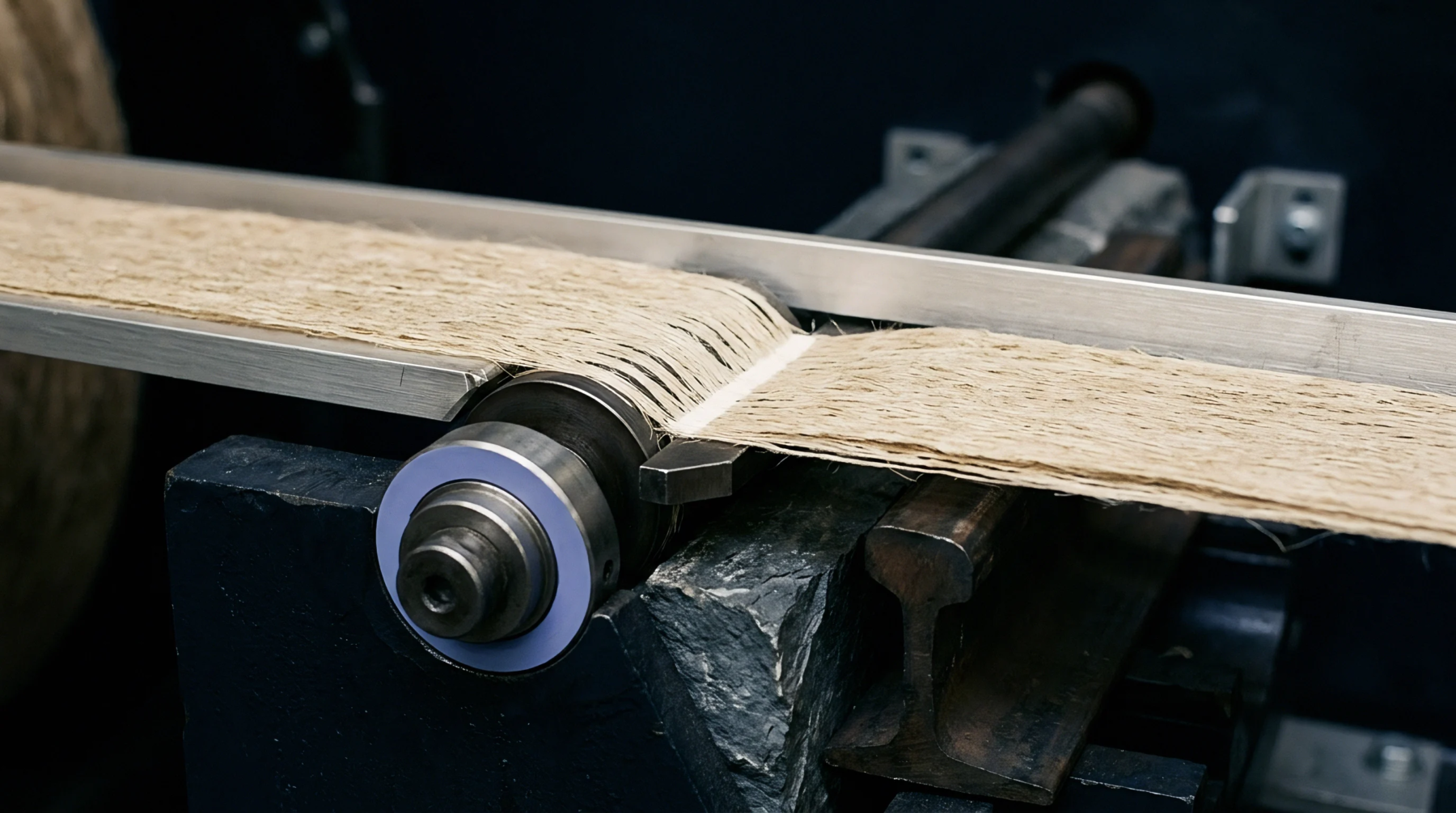
Polyhydroxyalkanoate binder passes require copolymer formulations with hydroxyvalerate fractions above twelve percent to prevent fold cracking at five degrees.

Chemical fixation using cationic coagulants and bentonite controls micro sticky deposition in closed containerboard mills, reducing total operational costs.

Quantifying micro sticky agglomeration requires tracking orthokinetic collision rates, charge decay, and thermal transitions to prevent secondary deposition.

Reconciling microscopic fiber analysis with declared geolocation requires converting anatomical counts to gravimetric mass to verify taxa against origin flora.

Verify virgin paper substrates under EUDR by capturing verified WGS84 plot polygons for all pulp sources and lodging valid TRACES-NT due diligence statements.
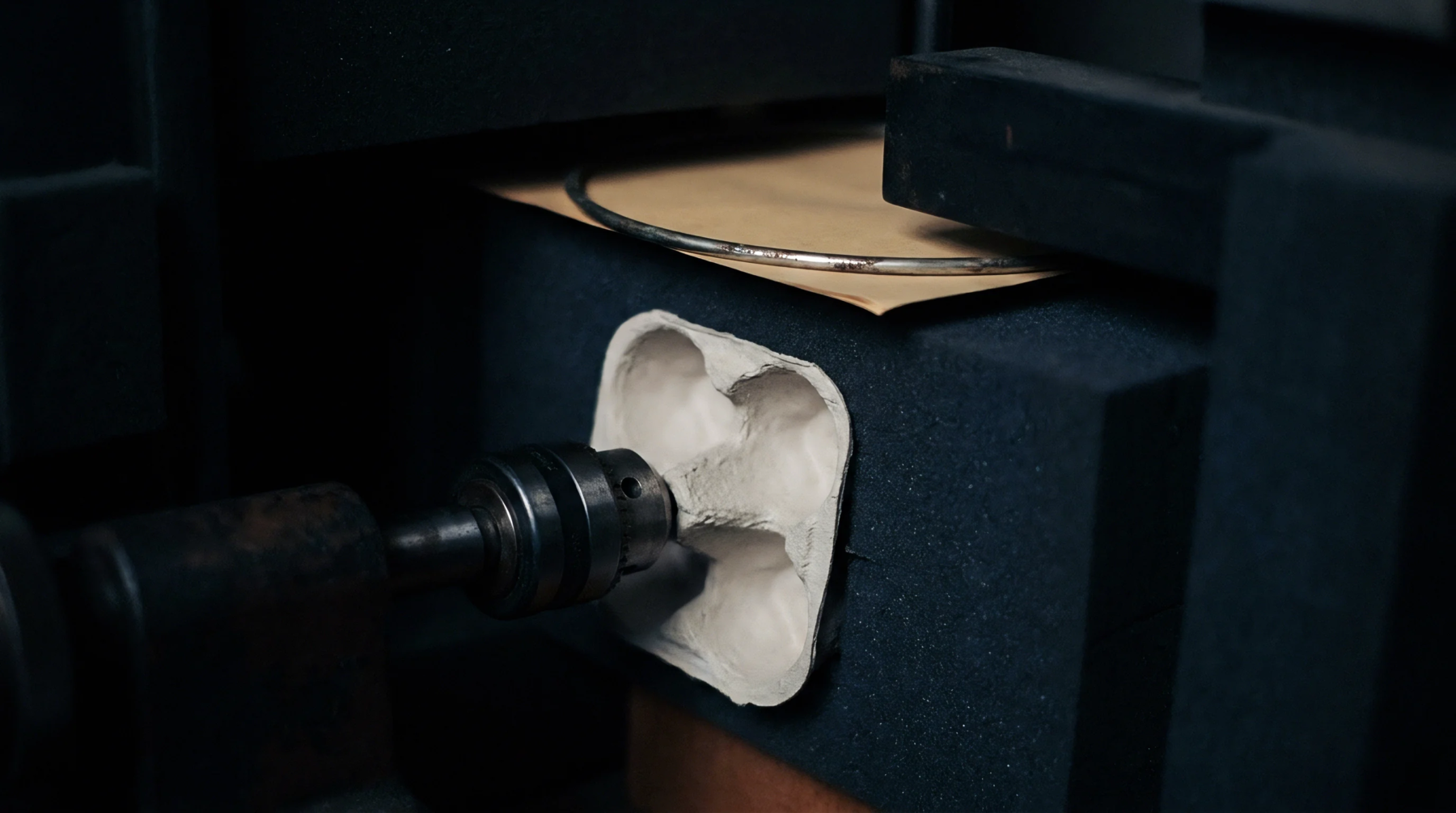
Calibrating paperboard yield stress via oscillatory mechanics prevents score line cracking by matching die channel dimensions to dynamic coating strain limits.

Resolving converting yield discrepancies requires batch-level gravimetric loss reconciliation within 48 hours to prevent expired credits from deficiting active ledgers.

Quantifying micro stickies and organic load requires fractionated membrane isolation, TOC analysis, and QCM-D deposition tracking to control chemical dosing and prevent machine downtime.

Centralized chain of custody balances across external converters maintain certified status through clear legal title, strict loss ratios, and audit covenants.

Polymer binders with glass transition points below eight degrees Celsius absorb outer-score tensile strain to prevent carton coating fracture during folding.

Harmonizing cross-border carbon surcharges requires deducting embedded benchmark carbon allowances from verified mill emissions before applying tariff adjustments.

Aqueous dispersion barrier board yields 85 to 94 percent usable fiber depending on coat weight, pulping temperature, and slotted screen aperture dimensions.

Aqueous barrier board selection requires balancing Cobb and WVTR specs against laboratory repulpability mass yields above 85 percent to minimize EPR eco-tariffs.

Setting containerboard deadband thresholds between three and five percent isolates short term market friction while ensuring transparent contract price adjustments.

Containerboard contract index lag calculations align invoice pricing with published benchmarks using defined lookback windows and deadband triggers.

High-grammage bleached kraft board relies on z-direction tensile strength between 320 kPa and 450 kPa for controlled shear delamination during creasing.

Matrix channel width variations dictate shear delamination depths in chemical linerboard, where deviating from optimal channel sizing drastically increases crease stiffness.

Certified paper credit accounts expire on fixed rolling schedules, voiding output claims when sales lag intake ledgers.

Analytical verification of recycled board mineral oil thresholds requires coupled HPLC-GC-FID testing with epoxidation cleanup to prevent false positive MOAH results.
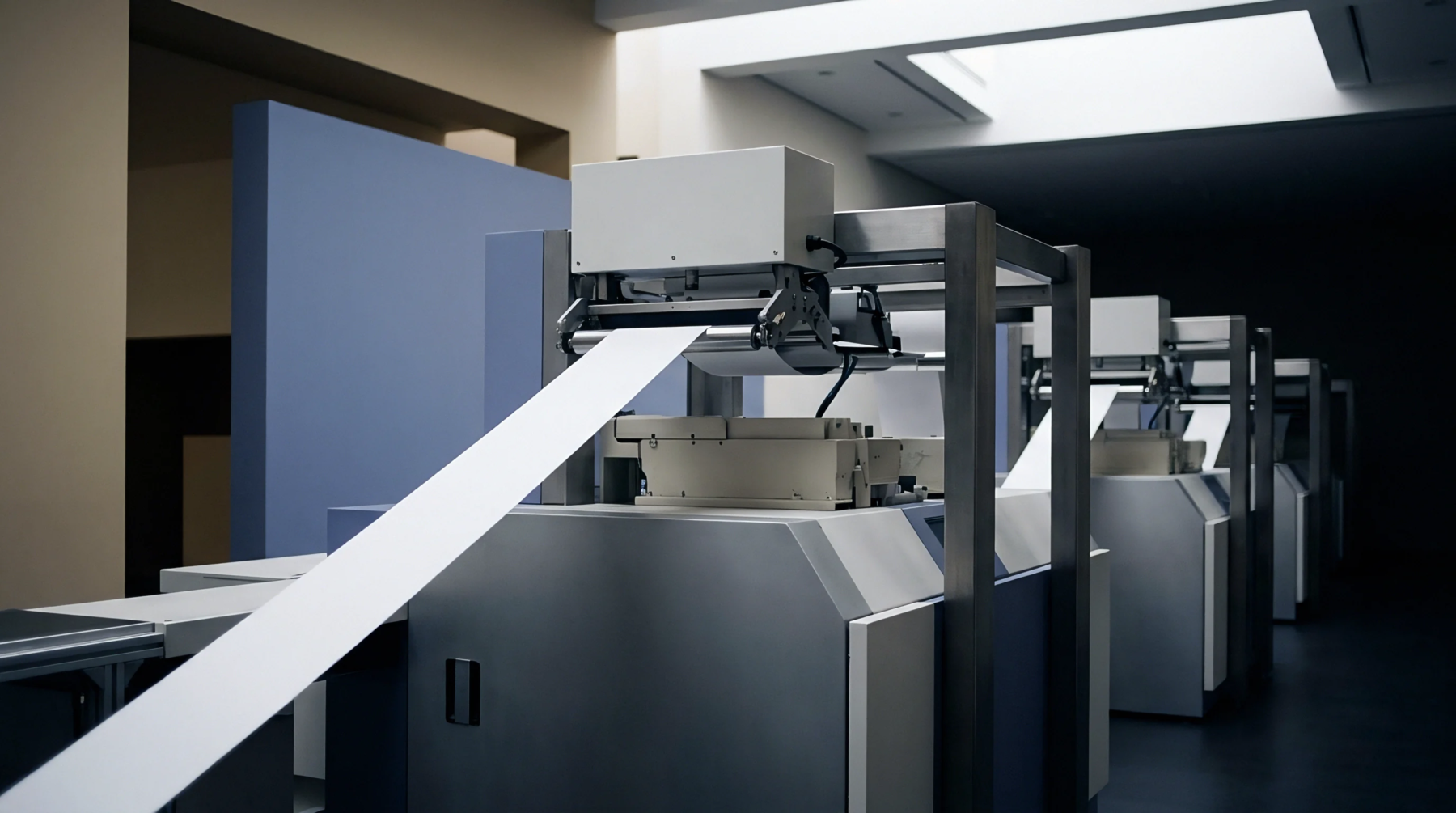
Folder gluers above four hundred meters per minute demand adhesives under fifty millinewtons per meter at twenty milliseconds to stop dry carton joints.

Finite element transient diffusion algorithms solve non-linear moving boundary equations to predict solvent retention and migration across swollen polyolefin layers.

Accurate polyolefin migrant diffusion modeling requires calibrating Piringer matrix parameters against density, temperature, and layer swelling profiles.

Mathematical diffusion models calculate NIAS migration through polyolefins using Piringer parameters to verify food contact safety without physical testing.

Recycled fiber claims require third-party mass balance credit accounting backed by yield-adjusted ledgers and validated supply chain invoices.

Valid paperboard food contact declarations require verified test reports under matching simulants, clear barrier claims, and full batch supply chain traceability.

Micro-sticky contamination blinds press felts, driving up mill downtime, energy costs, and converter scrap rates through surface picking and coating failure.

Sub-ppm mass accuracy and collision-induced dissociation resolve isobaric photoinitiator cleavage products from polyolefin oligomers below regulatory limits.
Expertise is a utility, not a secret. sentiention™ publishes its working knowledge as open reference: intelligence layer covering the materials it sources, the markets it enters, and the reference that serves both.