Recycled Boxboard Fiber Classification and Mechanical Refining Dynamics
Fractionating recycled furnish prior to low-consistency refining preserves boxboard caliper while meeting internal bond targets at reduced energy consumption.

Fractionating recycled furnish prior to low-consistency refining preserves boxboard caliper while meeting internal bond targets at reduced energy consumption.

Paperboard fiber ratio auditing requires pairing ISO 9184 Graff C microscopic stain counts with EN 16995 chemical marker testing and mass-balance credit ledgers
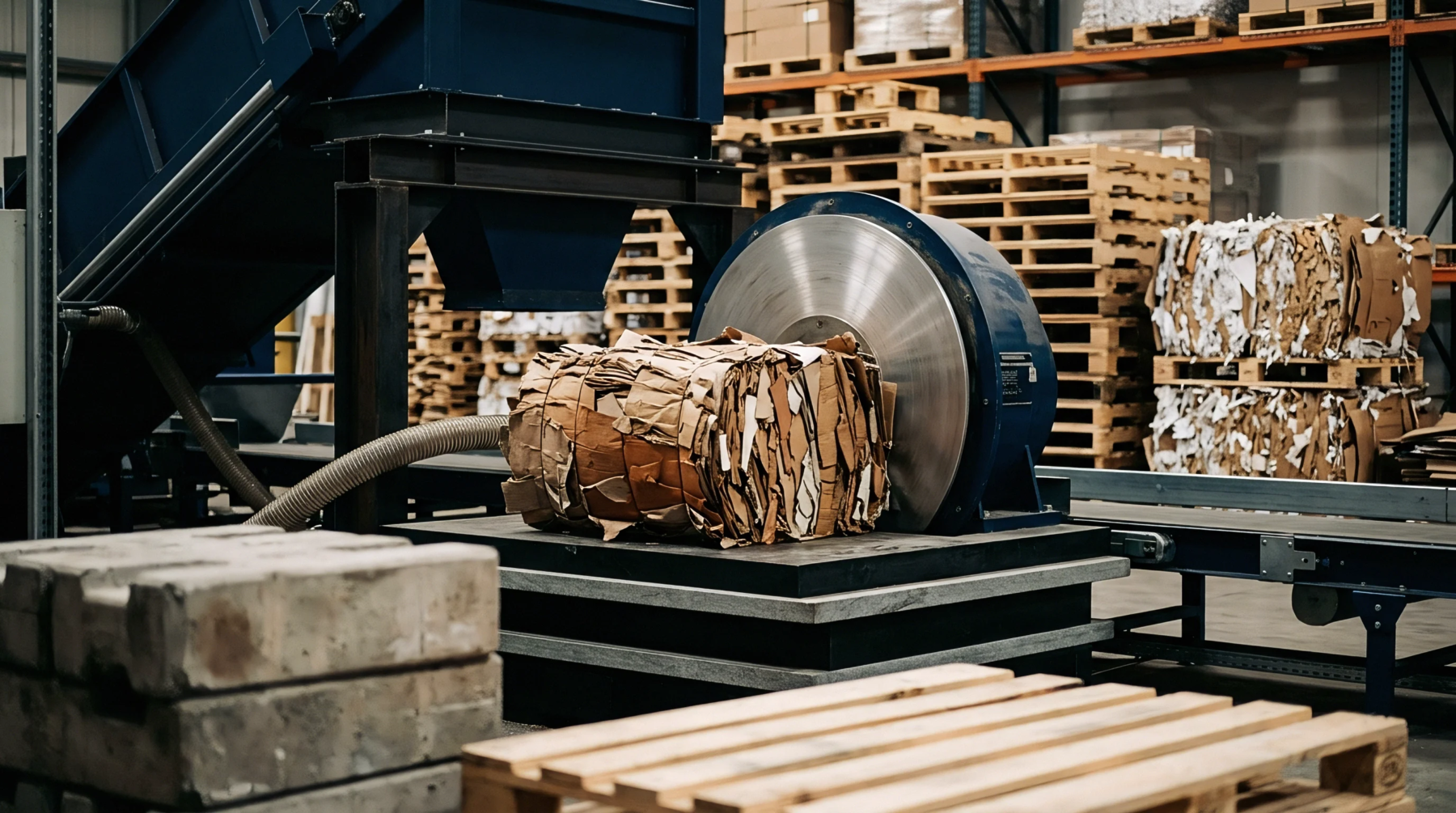
Polyethylene film wraps trap moisture desorbed by paperboard during thermal swings, elevating internal relative humidity and triggering mechanosorptive failure.
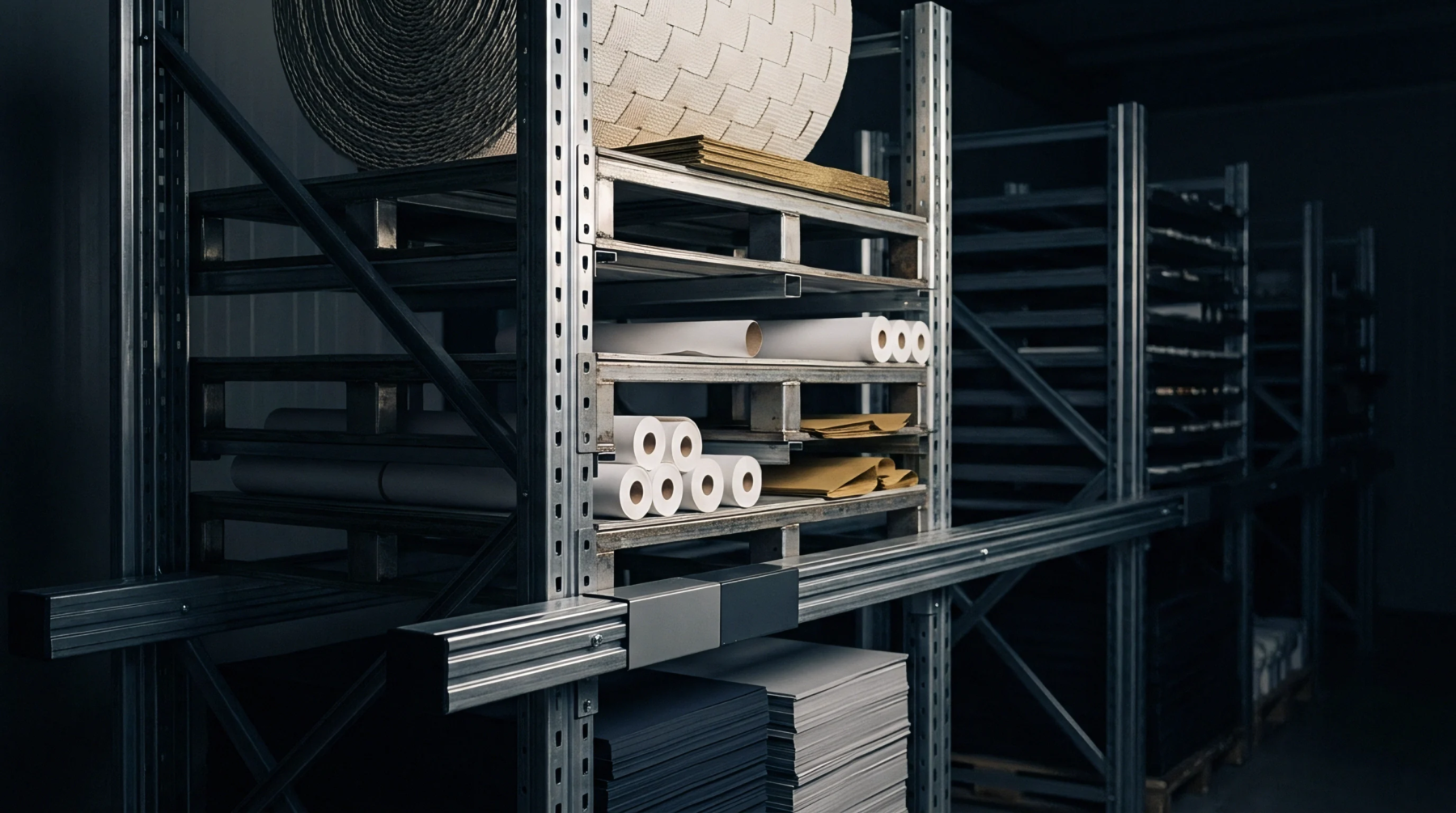
Cold warehouse paperboard equilibrates at rates four times slower than ambient standards, requiring staged thermal reconditioning to prevent moisture edge defects.

Optimal parent sheet layout selection balances master machine deckle coverage against converting gripper margins and fiber grain orientation to lower total package expense.
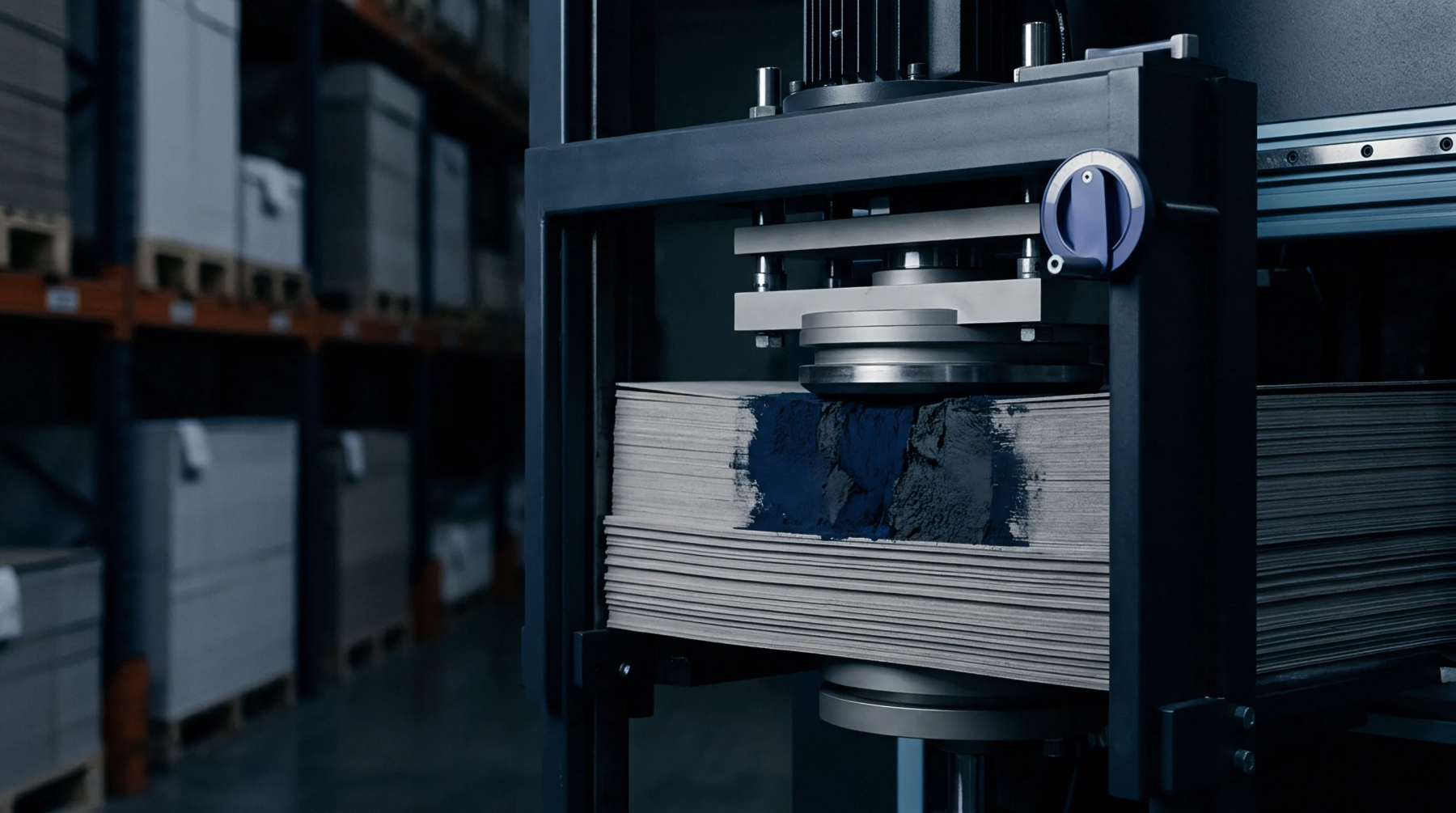
Dynamic Mechanical Analysis reveals high-speed converting nips collapse high-bulk BCTMP middle plies, dropping bending stiffness up to twenty-six percent.

Converting yield audits require deducting CAD layout die-trim and setup waste from certified raw board inputs to prevent illegal over-allocation of packaging credit ledgers.

Dynamic surface tension decay in lightweight virgin hardwood papers dictates fountain solution uptake and ink setting, requiring strict dynamic contact angle limits in mill purchase specs.

Reconciling reclaimed paper ledgers requires converting scale intake weights to bone-dry fiber mass using core probe testing per ISO 287.

Verify certificate status against public scope schedules to ensure product group codes, grammages, and converting sites explicitly cover every delivered batch.

Standardized TVI calibration requires substrate-relative spectral curves, M1 spectrophotometry, and dynamic CTP curve adjustments matched to sheet porosity.

Modulated EPR fees convert barrier coating repulpability yields directly into landed unit carton costs across European markets.

Finished packaging claims demand independent home compostability certification because industrial resin testing excludes ambient degradation and converting inks.

Ground paper supply pass-through clauses in verified dry fibre weight, strict index lag rules, and active goods-in batch audits to block supplier overcharges.

Virgin SBS provides superior print brightness, stiffness consistency, and crack-free scoring, whereas recycled board lowers initial cost but adds waste.

Downgauging folding boxboard demands increasing core bulk and outer ply elastic modulus to preserve caliper and bending stiffness under McKee formula laws.

Barrier coated folding boxboard converting demands female matrix channels widened to one point seven times caliper to prevent micro-fissuring.

Optimizing creasing rule tip radius and channel geometry enables controlled internal board delamination, eliminating coating cracking and springback jams.
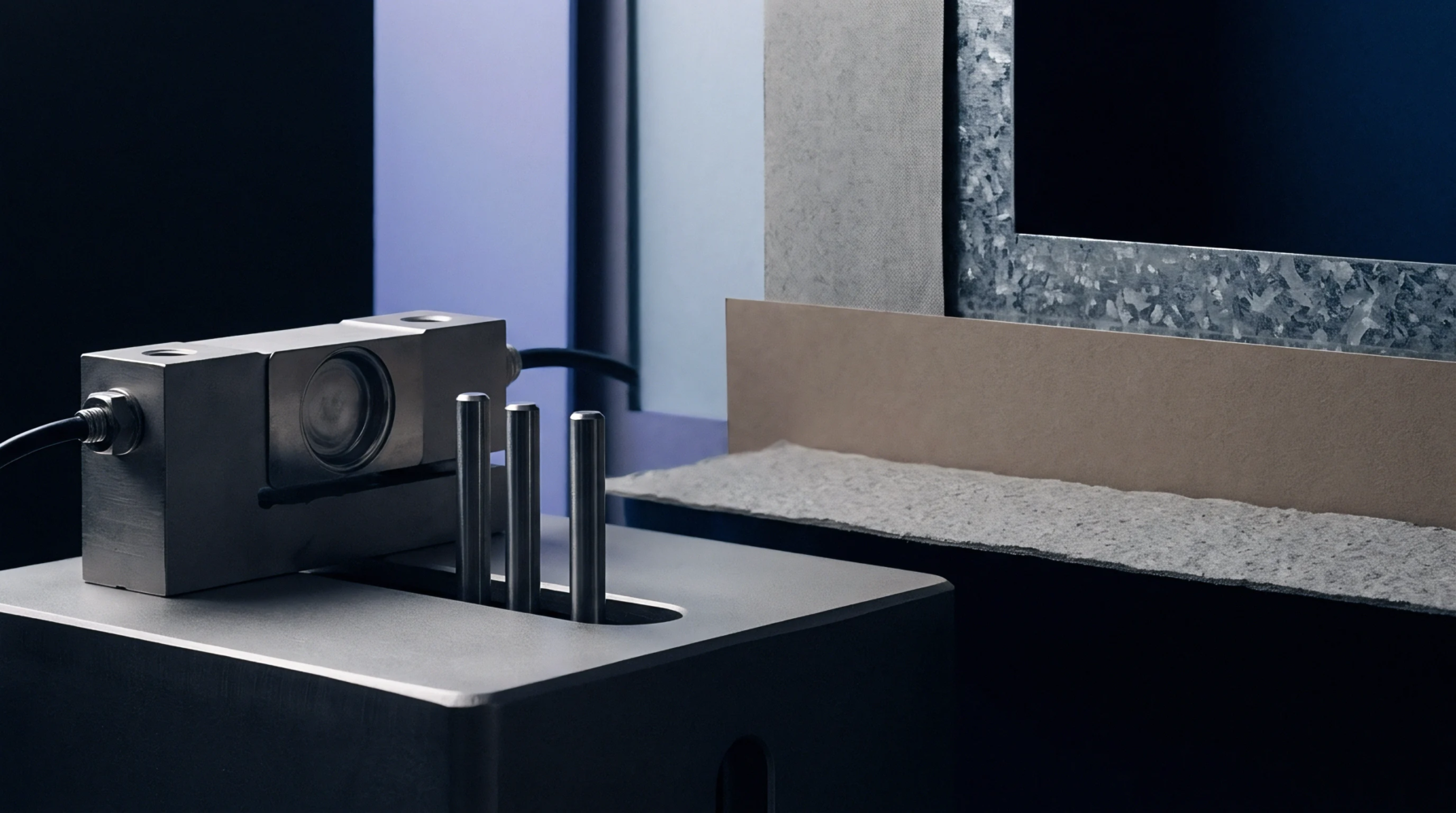
Surface burnishing under sled shear converts diffuse reflectance to specular gloss through silica displacement, controlled by matrix crosslinking and particle size.
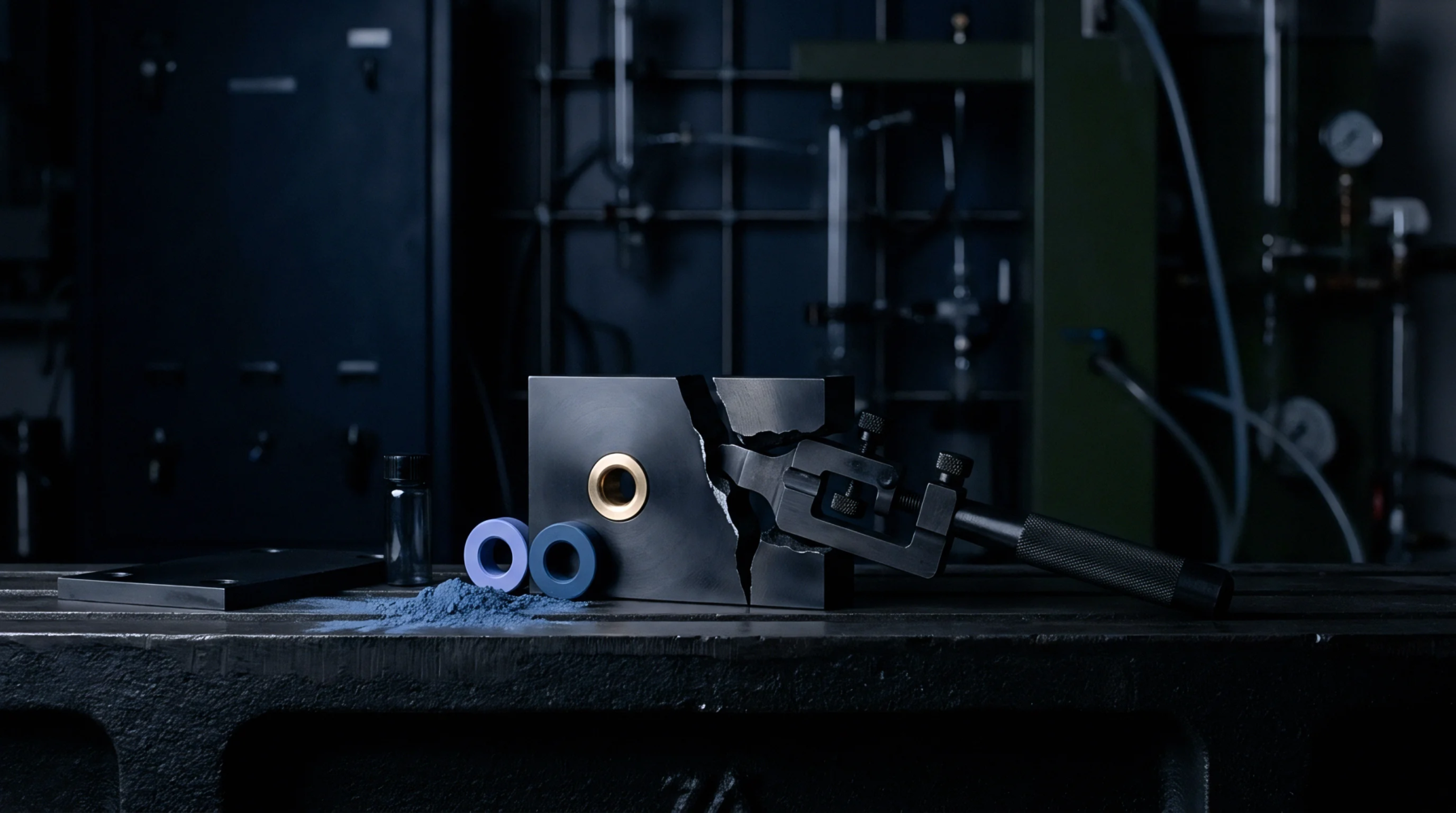
Optimizing creasing geometry for barrier board requires expanding female channel width and applying polished male rule radii to prevent barrier film splitting.
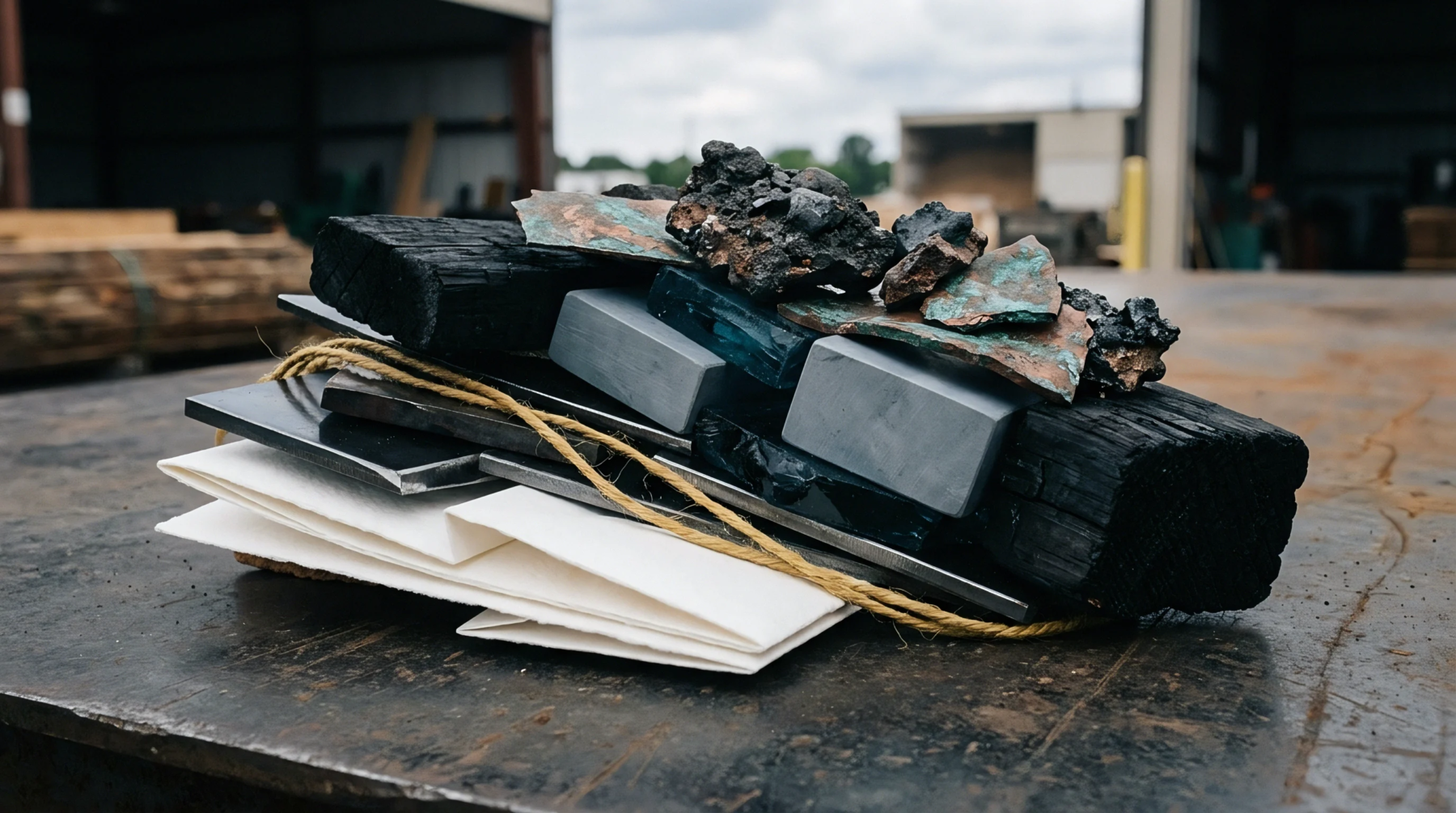
Chemical characterization of varnish raw material changes demands spectroscopic conversion tracking and chromatographic migration screening to prevent food contact failures.
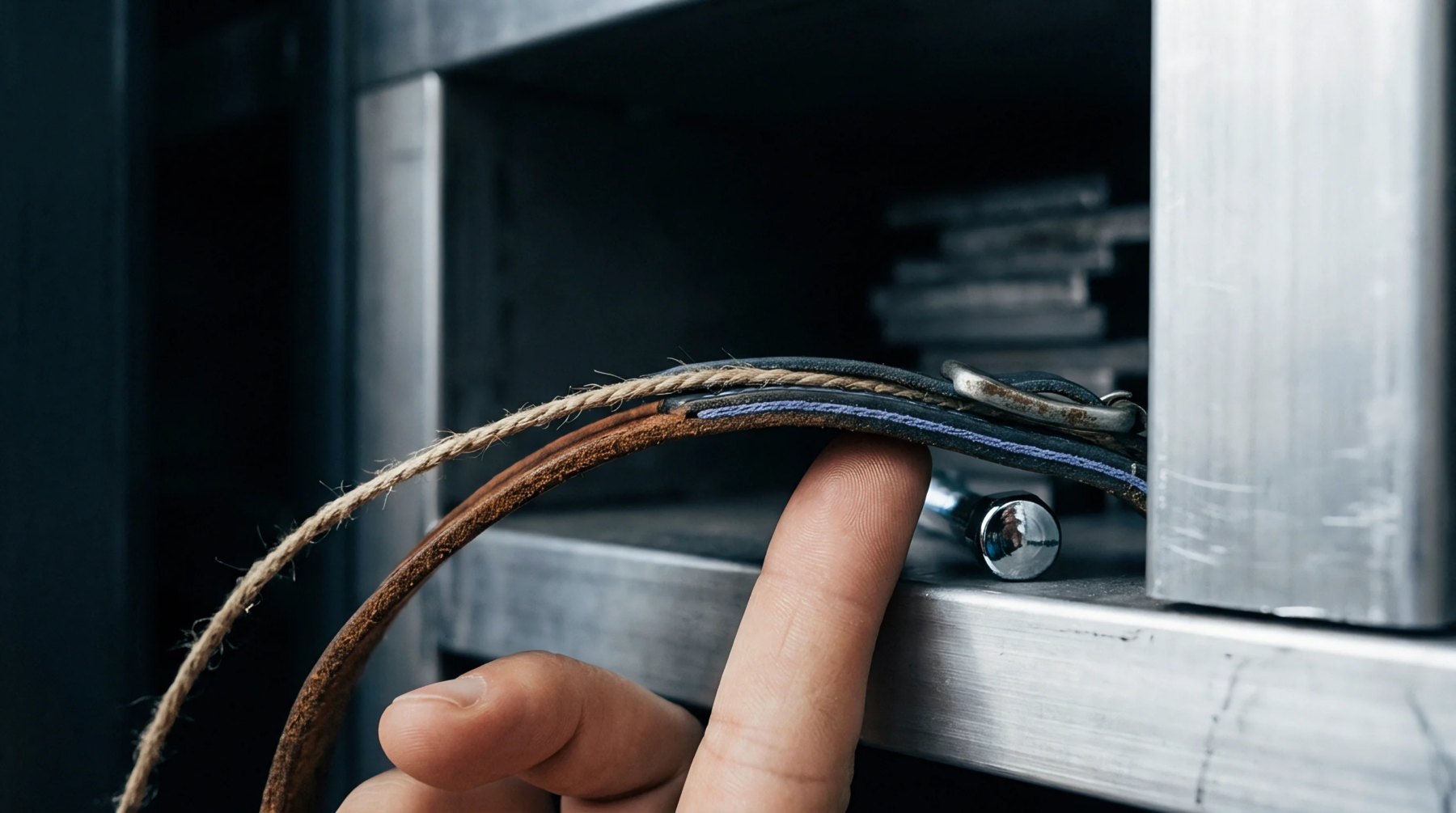
Cross direction score lines on solid bleached sulfate require a 50 percent crease stiffness reduction ratio achieved via a 1.8 to 2.0 times caliper matrix width.
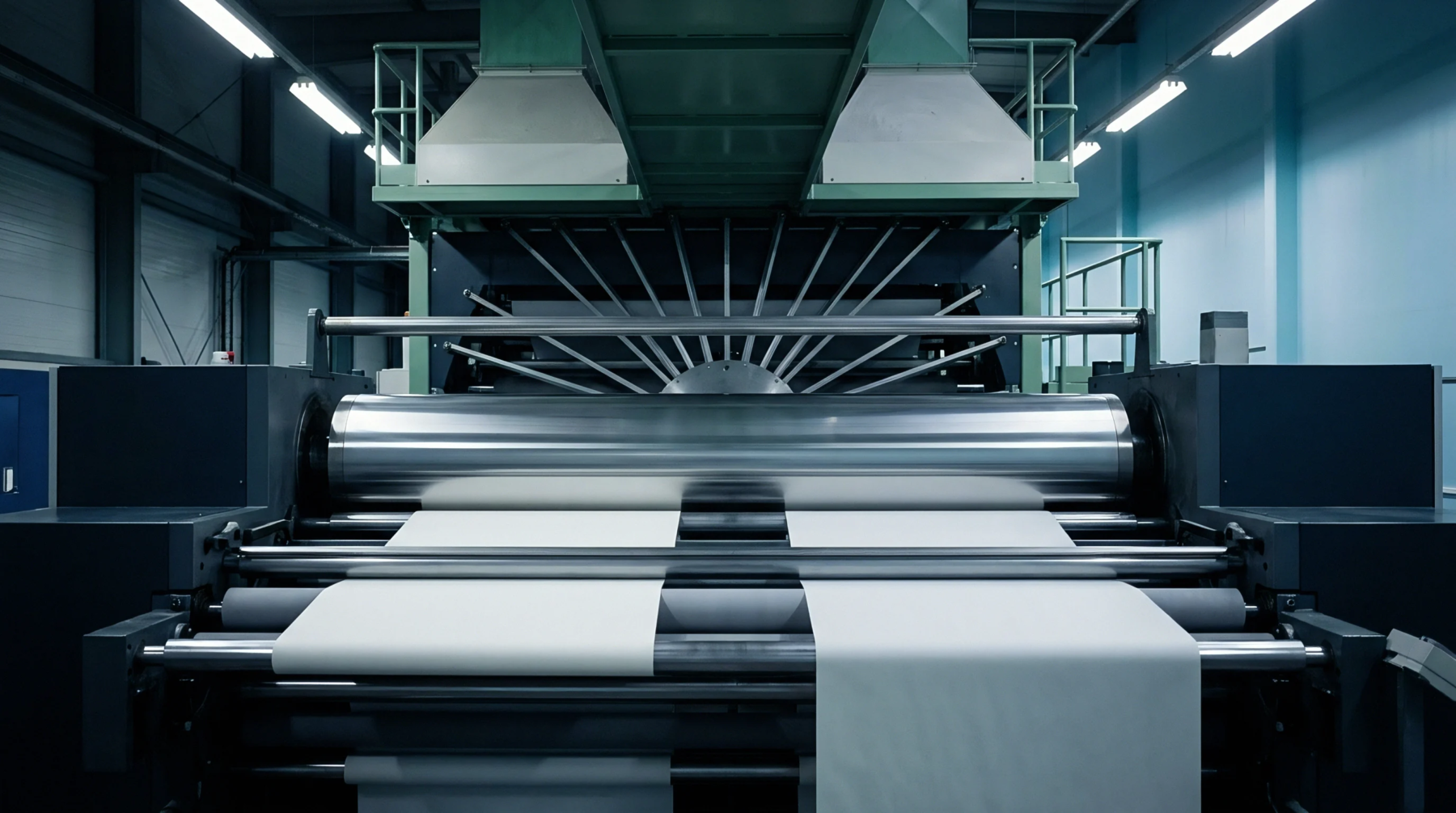
Active dual-beam telecentric triangulation combined with real-time FPGA filtering cancels web vibration and speckle noise to guarantee sub-micron inline caliper accuracy.

Inline optical displacement calibration requires dynamic differential sensing and spatial encoder synchronization to eliminate web flutter and thermal drift errors.

Maintaining high-shear flexographic barrier coating viscosity between 25 and 40 mPa.s prevents pinholing and preserves 300 percent elongation over creased board.

Wide matrix channels and shallow penetration depth prevent polymer micro-fractures in dispersion-coated folding boxboard during creasing.
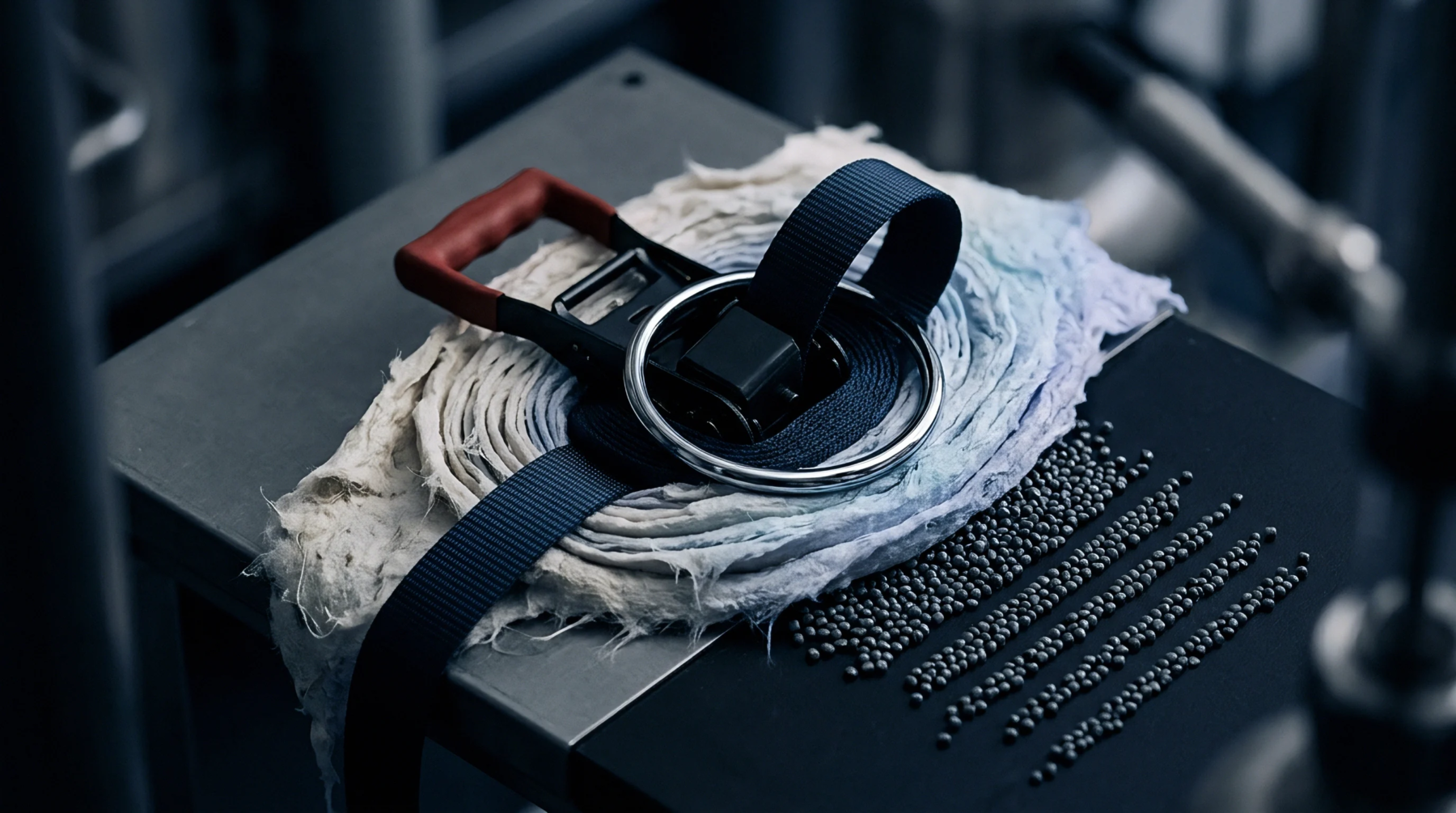
Low-fibre-length recycled substrates require wider matrix channels and precise moisture control to prevent outer liner rupture under tensile strain limits below 1.5%.

Sutherland rub sled pressure elevates specular gloss by shearing coating asperities into smooth optical planes, requiring hard crosslinked resins to limit delta gloss spikes.

Unannounced varnish substitutions break food contact compliance and print line stability, creating multi-thousand-dollar commercial liabilities across converters.
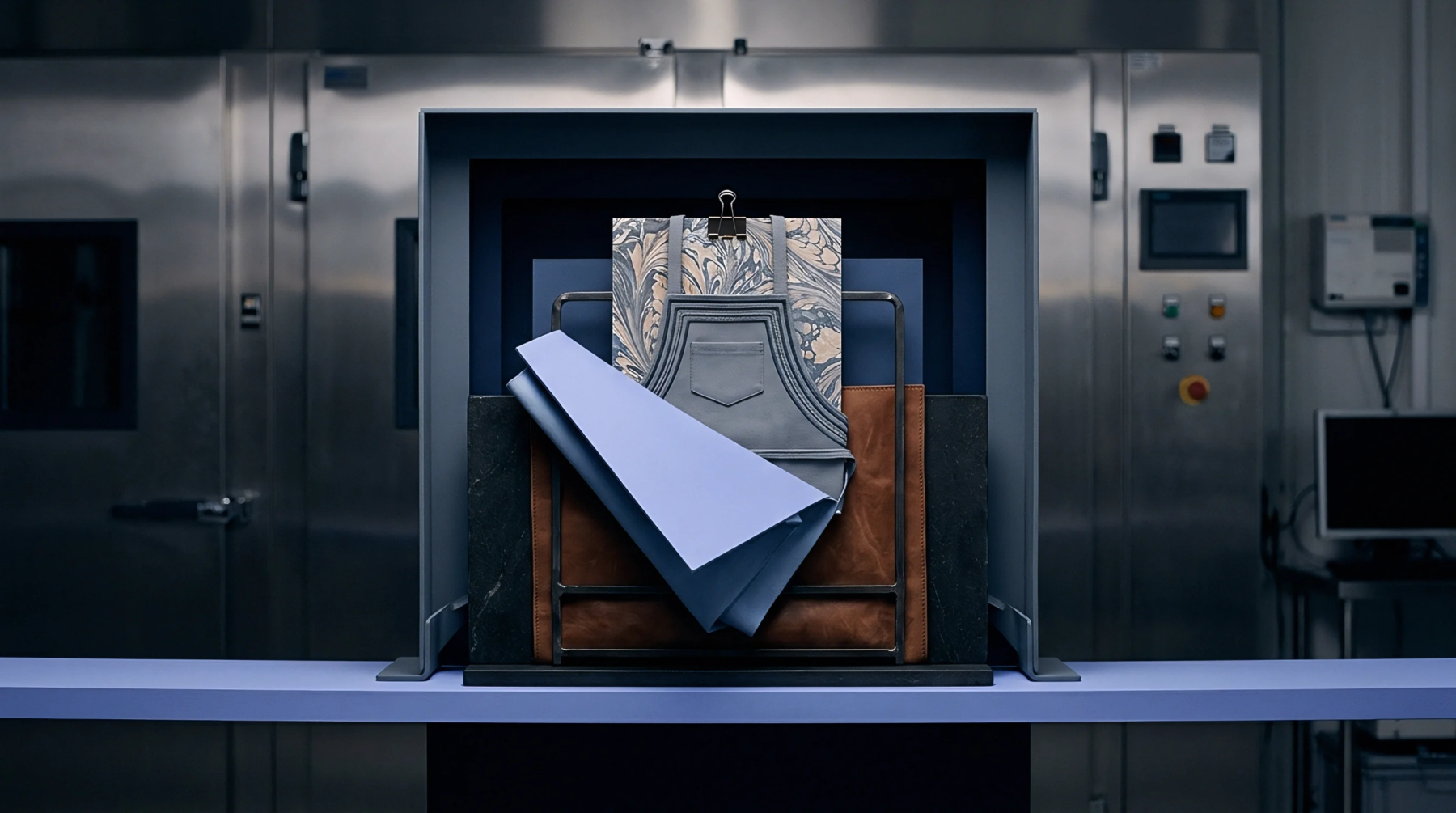
Controlled inter-ply shear delamination inside the middle layers under rule stroke impact converts rigid board into thin lamina, eliminating score cracking.
Expertise is a utility, not a secret. sentiention™ publishes its working knowledge as open reference: intelligence layer covering the materials it sources, the markets it enters, and the reference that serves both.