
Extrusion Coated Board Barrier Mechanics in High Humidity Converting
Extrusion coatings resist humidity until creasing strain shears polymer-fiber bonds, opening edge-wicking pathways that inflate converting scrap.

Extrusion coatings resist humidity until creasing strain shears polymer-fiber bonds, opening edge-wicking pathways that inflate converting scrap.
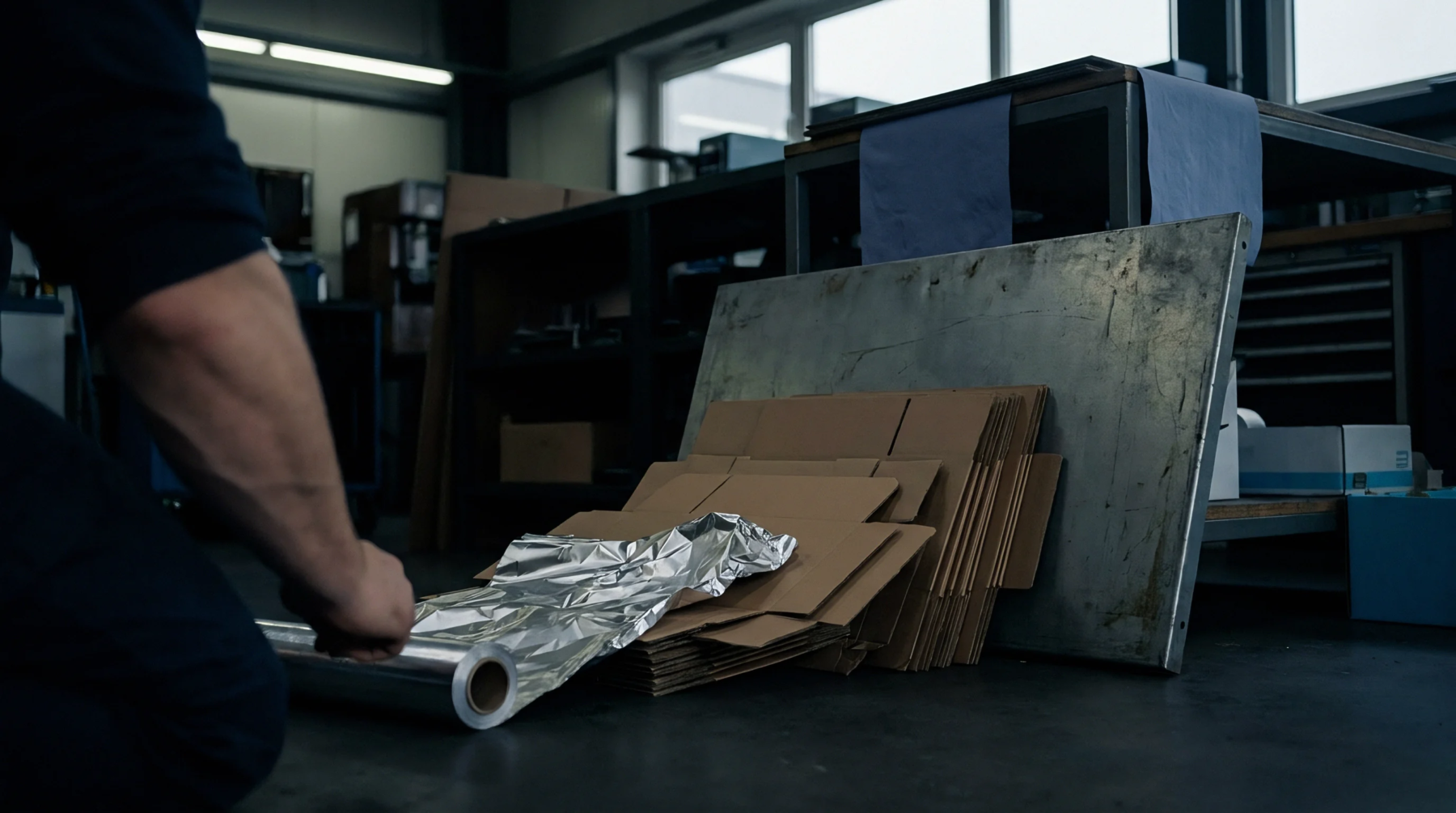
Solubility and diffusion drive polymer barrier performance, where polymer density, coatweight, and ambient relative humidity dictate moisture and oxygen transmission rates.

Mechano-sorptive cycling accelerates transverse delamination in recycled multi-ply board, collapsing stacked cartons when interlaminar shear exceeds ZD tensile bond.

Validate foreign packaging files by checking invoice claim strings on scheme registers, testing fiber furnish by microscopy, and screening barrier extraction.
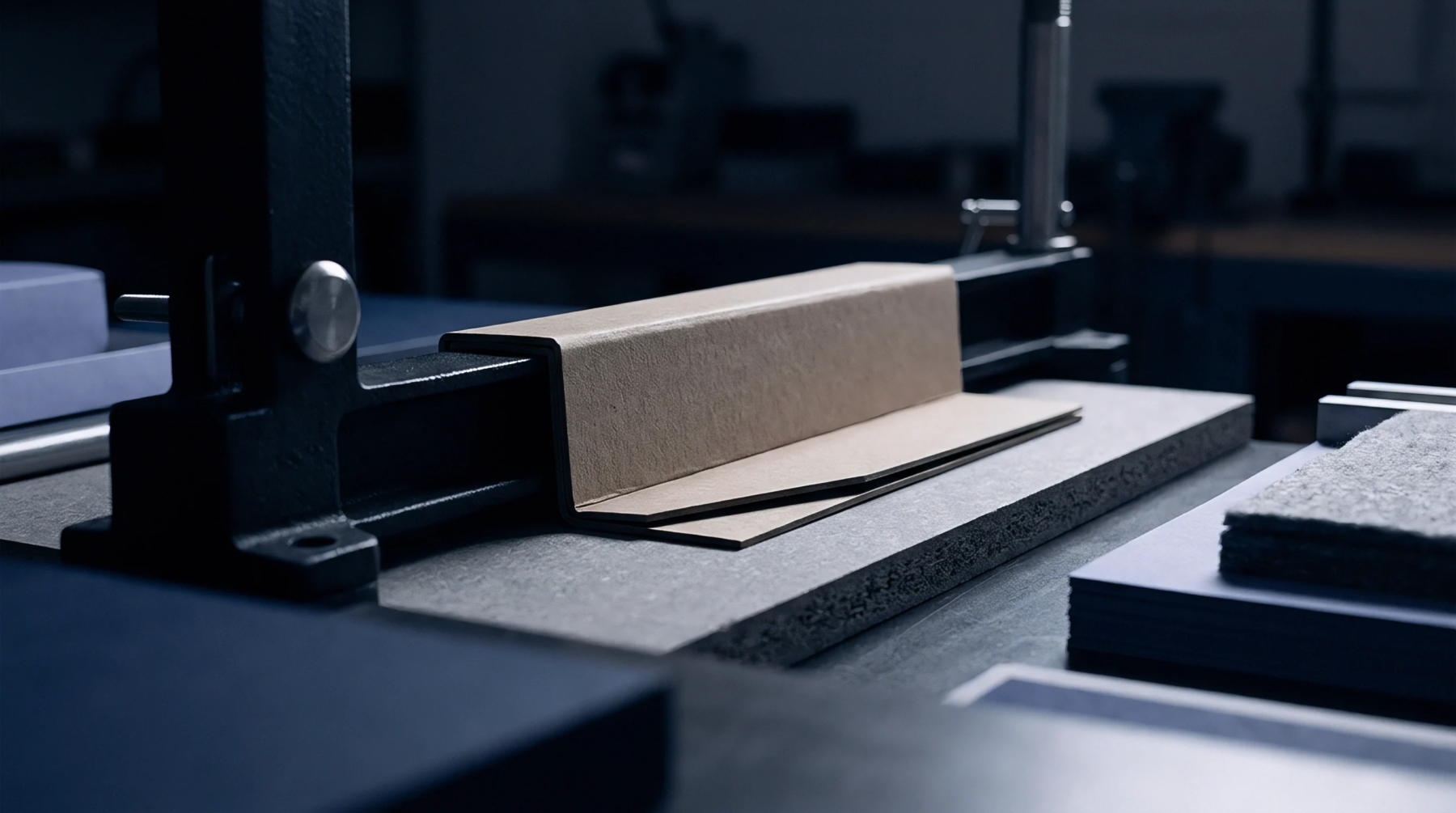
Verify paperboard food contact compliance through ISO 17025 migration reports matching exact converting geometries under European surveillance rules.

Compressive edge loading drives non-linear barrier failure when localized liner buckling exceeds polymer yield strain, requiring coupled transport models.
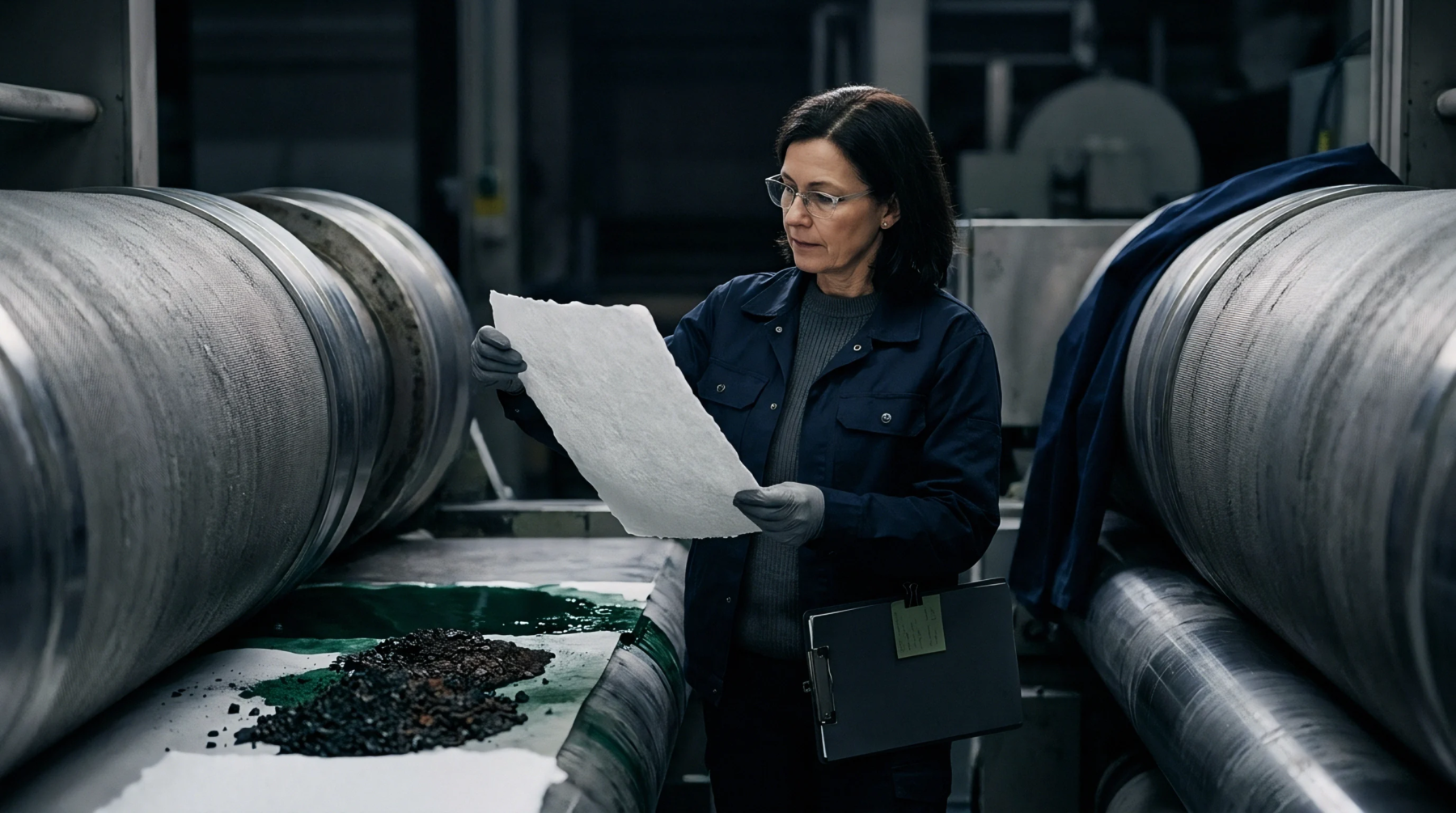
Chemical failure of declared recycled paperboard at customs triggers strict importer liability for terminal demurrage, cargo destruction, and statutory fines.

Recycled containerboard loses stiffness when hornified fibers slip under shear, which buyers offset with higher grammage or starch addition.

Compressive pallet pressure crushes cartonboard micro-roughness, multiplying contact area and forcing chemical migrants into reverse plies during storage.

Set-off migration prediction requires calculating pressure-dependent contact areas and temperature-driven diffusion rates across stacked cartonboard sheets.

Validate the invoice license code against the scheme register product group schedule to prevent invalid packaging claims, customs holds, and demurrage fees.

Validating imported paper claims requires matching register product codes to invoices before transit to prevent customs holds and invalid certifications.
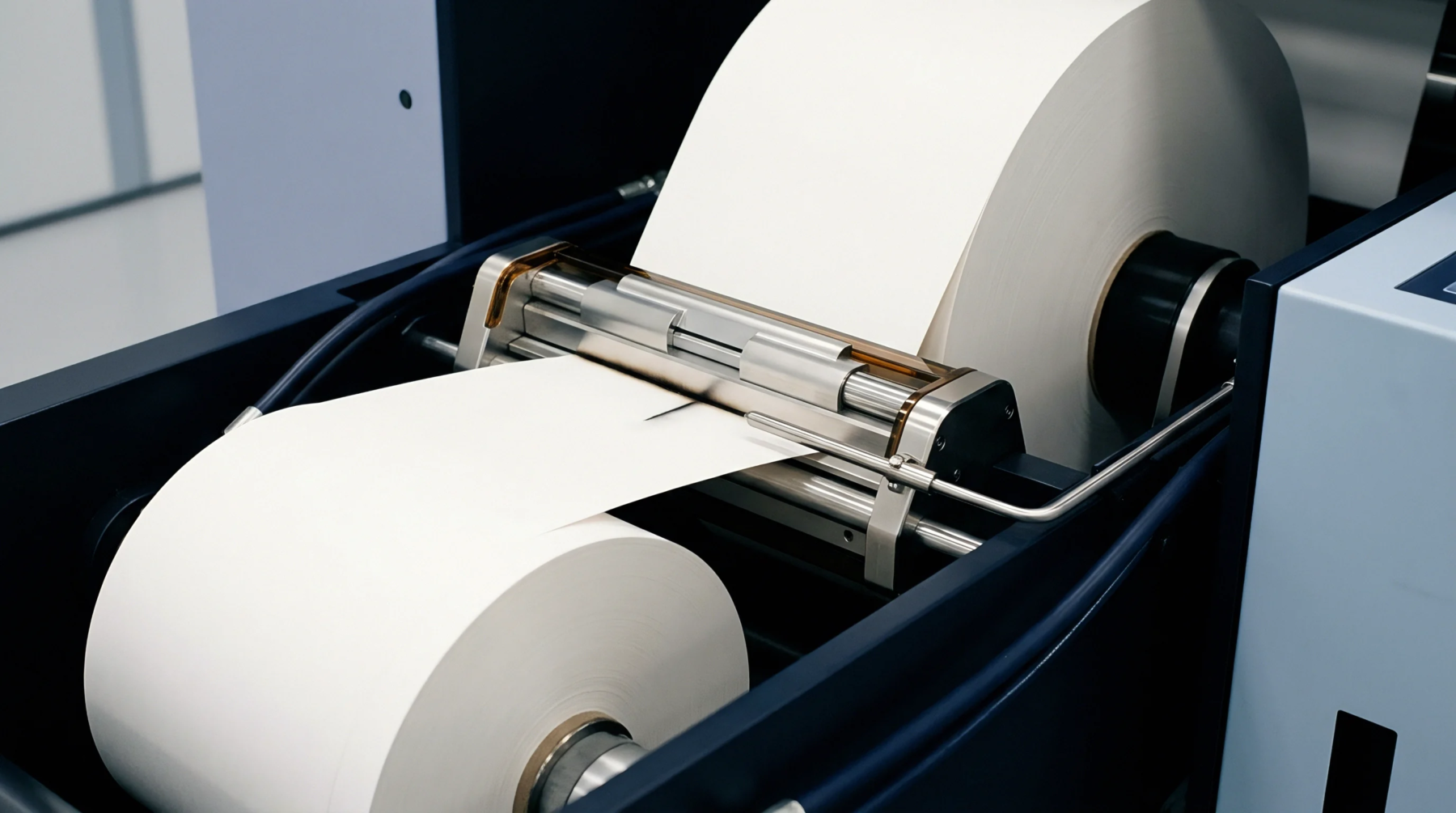
Establishing a 70% gloss retention threshold under calibrated abrasion prevents transit scuffing while maintaining certified recyclability and low EPR fees.
Calibrating solvolysis marker decay demands multi-stage analytical challenge tests and mass balance proofs to certify food-grade compliance and avoid border holds.

Recycled fibres limit transverse swelling through hornification yet amplify cross direction web misregistration when dried-in strains release unevenly.
Physical synthetic markers quantify true chemical recycling yields across cracking sites, exposing paper mass balance credits that inflate recycled content.
Dynamic mechanical creep compliance in recycled paper networks accelerates fivefold under cyclic humidity, requiring safety factor adjustments to prevent collapse.
Recycled linerboard loses thirty percent of cross-direction tensile strength during marine humidity cycles, demanding chemical sizing and grammage margins.

Secondary fiber furnishes lose up to 45 percent of compressive strength under high humidity due to hornification and moisture-induced inter-fiber bond cleavage.
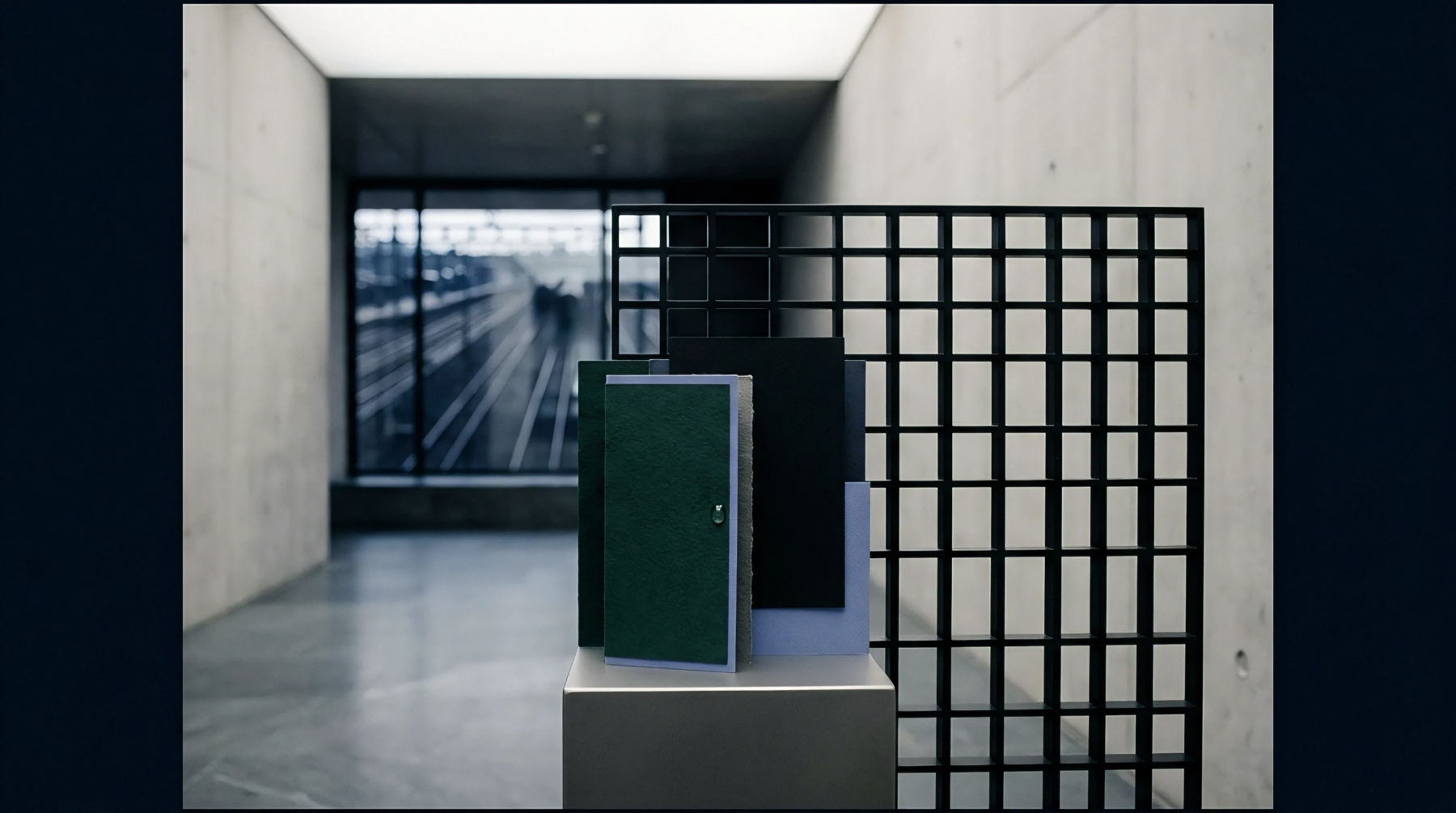
Twenty-degree gloss drops three times faster than seventy-five-degree gloss under Sutherland rub cycles because micro-scratches scatter narrow specular beams.

Abrasion sheen loss in coated cartonboard is quantified by measuring sixty-degree delta gloss after standardized contact-rub cycles under ASTM D5264.
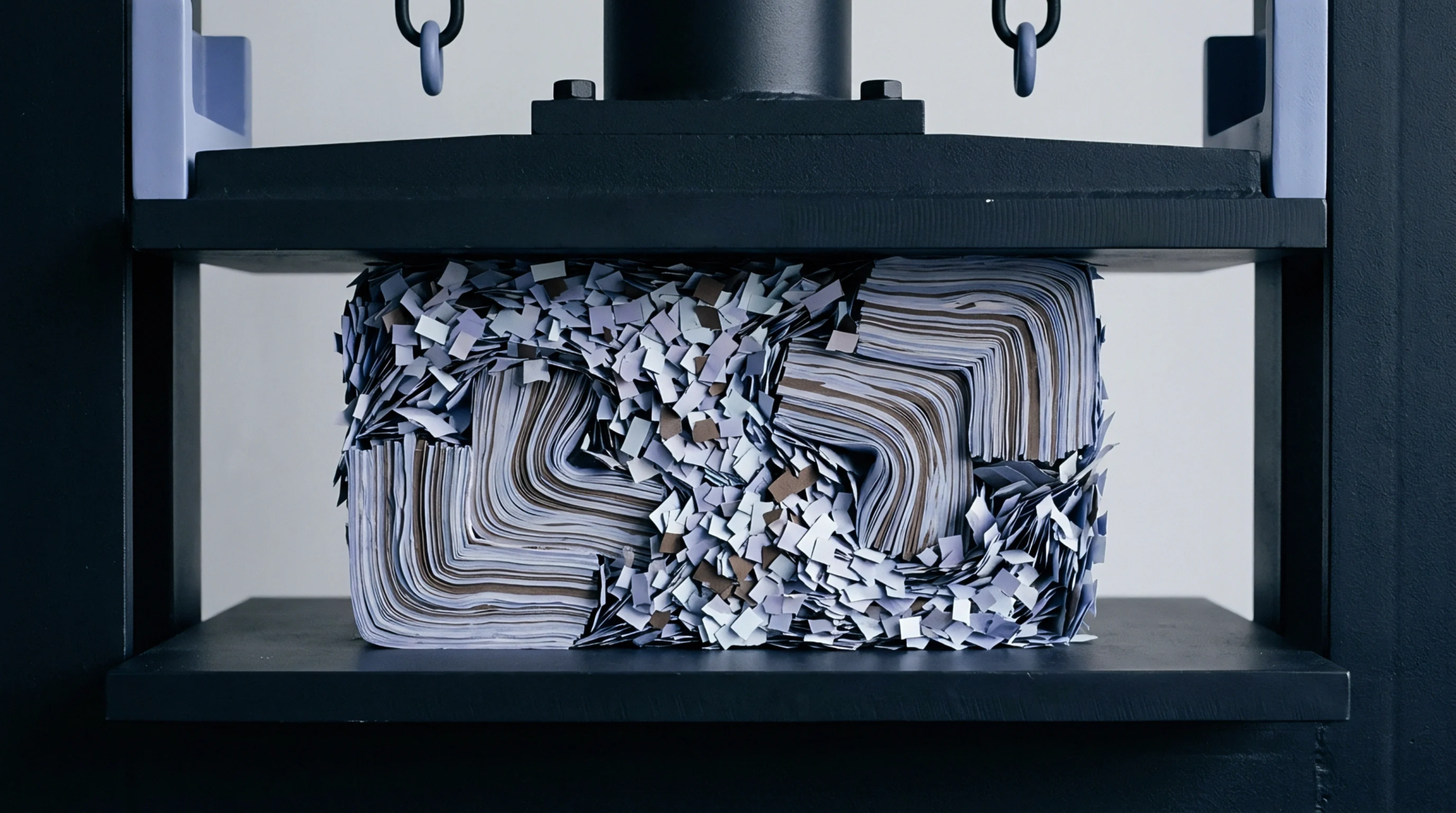
Dynamic mechanical recovery thresholds set the limit where cyclic shear causes permanent ply delamination, dropping box stacking strength in transit.

Inter-ply shear energy dissipation in recycled calipers depends on wet-end starch bonding to prevent outer liner cracking during scoring operations.

Resolving dispersion coating NIAS migration liabilities requires paired chromatography, Cramer class toxicity screening, and strict set-off control.
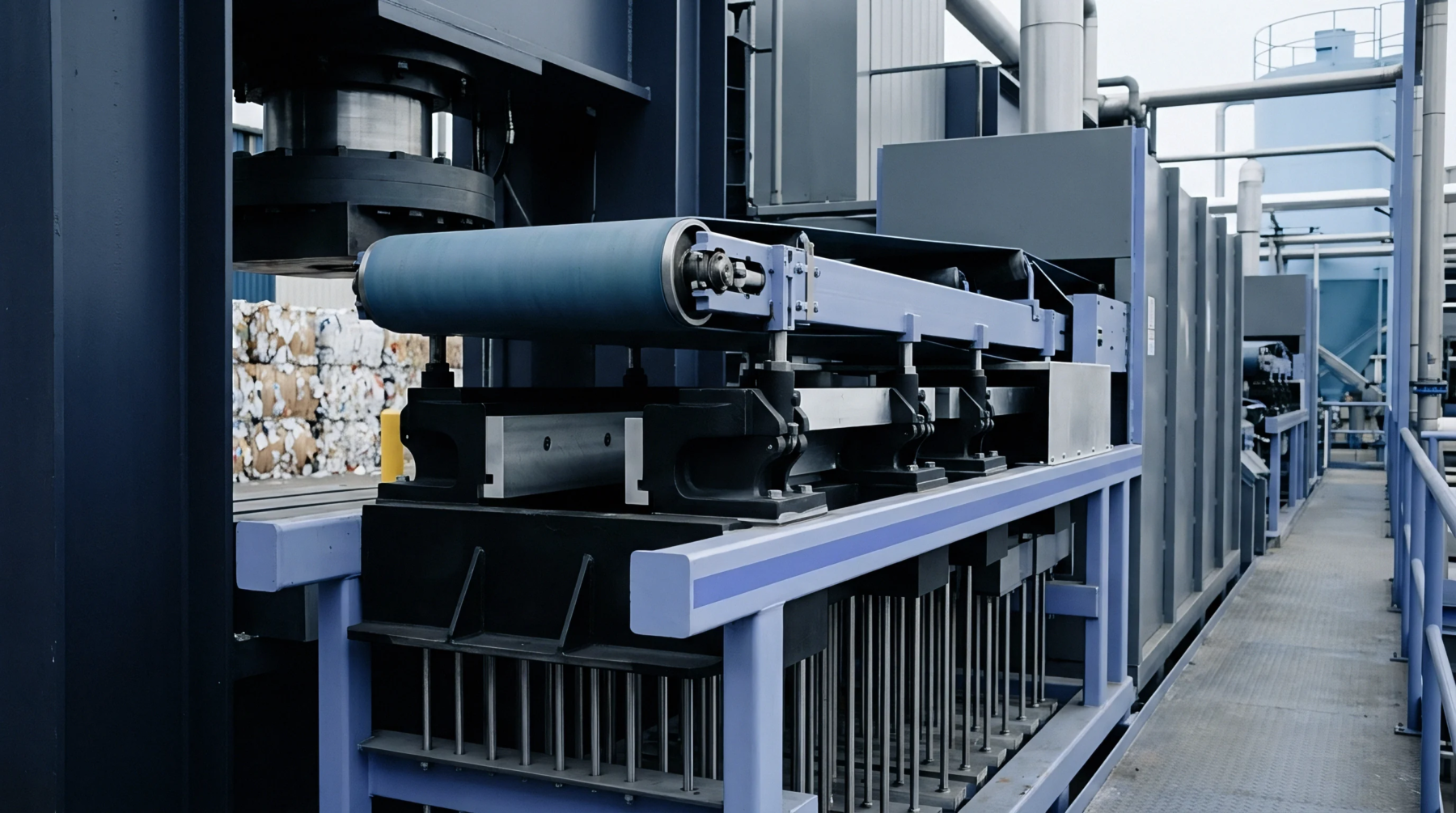
Chemical recycling mass balance claims require unbroken multi-tier site certificates and strict proportional allocation ledgers to prevent customs rejections.

Dynamic multi-phase transport modeling sets hard recycled fiber blending limits and barrier performance criteria to prevent food-contact migration failures.
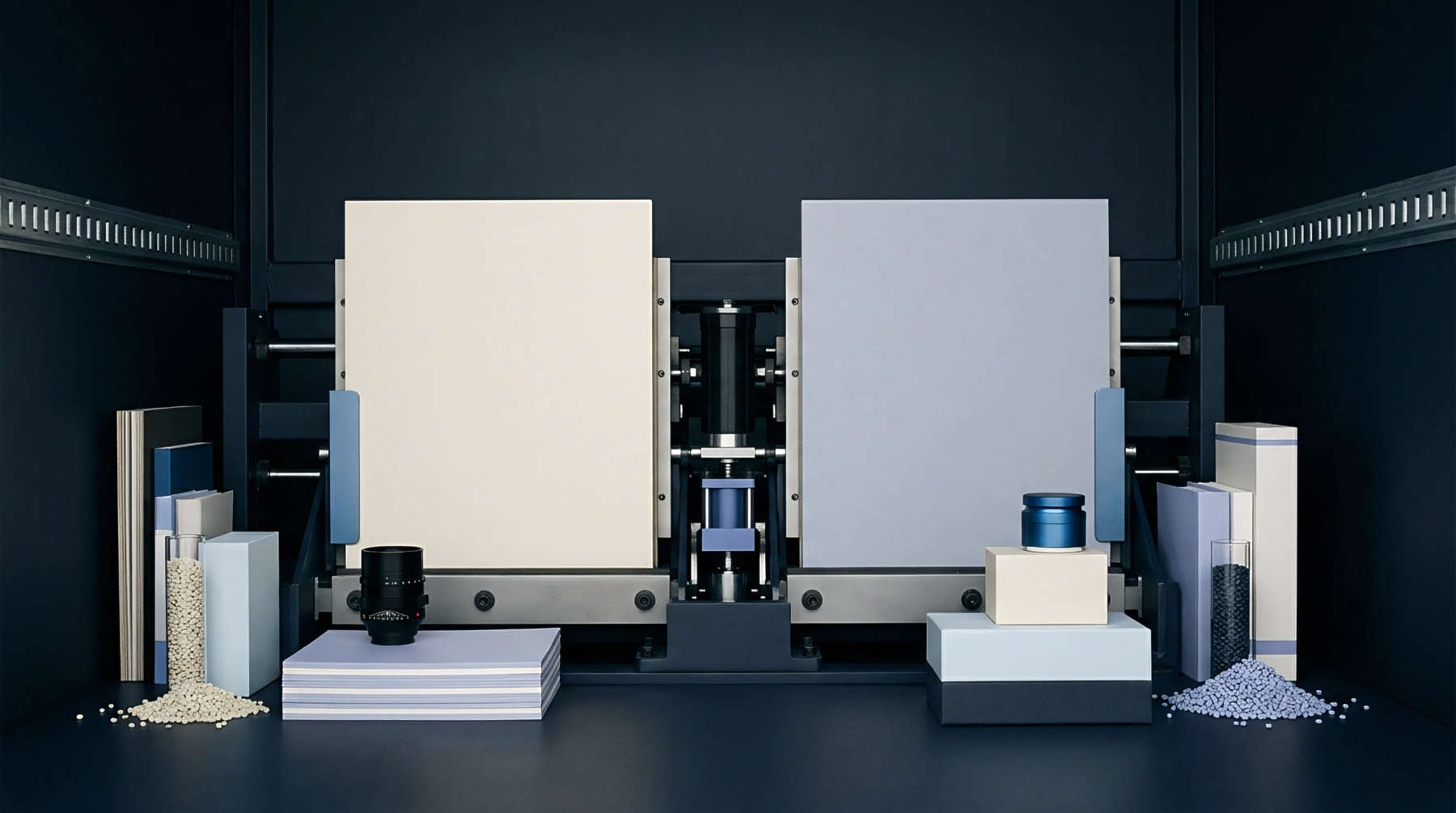
Attenuated total reflectance infrared spectroscopy combined with thermal analysis isolates extrusion resins from dispersion coatings to verify repulpability.
Validating mass balance for dissolved lignin requires deducting recovery-boiler combustion mass and confirming byproduct allocations with calibrated lab assays.

Dynamic high strain rate testing exposes inter-ply strength loss in recycled board that standard static Z-tensile tests miss, preventing carton converting failure.

Dynamic conservation modeling establishes mass transfer limits in chemical pulp washing, dictating solute carryover thresholds for food-contact compliance.
Expertise is a utility, not a secret. sentiention™ publishes its working knowledge as open reference: intelligence layer covering the materials it sources, the markets it enters, and the reference that serves both.