
Selecting Metering Blades and Rolls for High Barrier Paper Packaging Operations
Select ceramic-tipped bent blades for rough paperboard or tri-helical anilox cylinders for smooth webs to apply pinhole-free barrier films without fiber damage.

Select ceramic-tipped bent blades for rough paperboard or tri-helical anilox cylinders for smooth webs to apply pinhole-free barrier films without fiber damage.

Laboratory flotation overstates industrial pulp brightness because high-shear pulpers shatter ink below the sub-micron bubble attachment threshold.

Predicting long-term foil delamination on recycled films requires measuring surface additive migration and fracture energy after 14-day thermal conditioning.
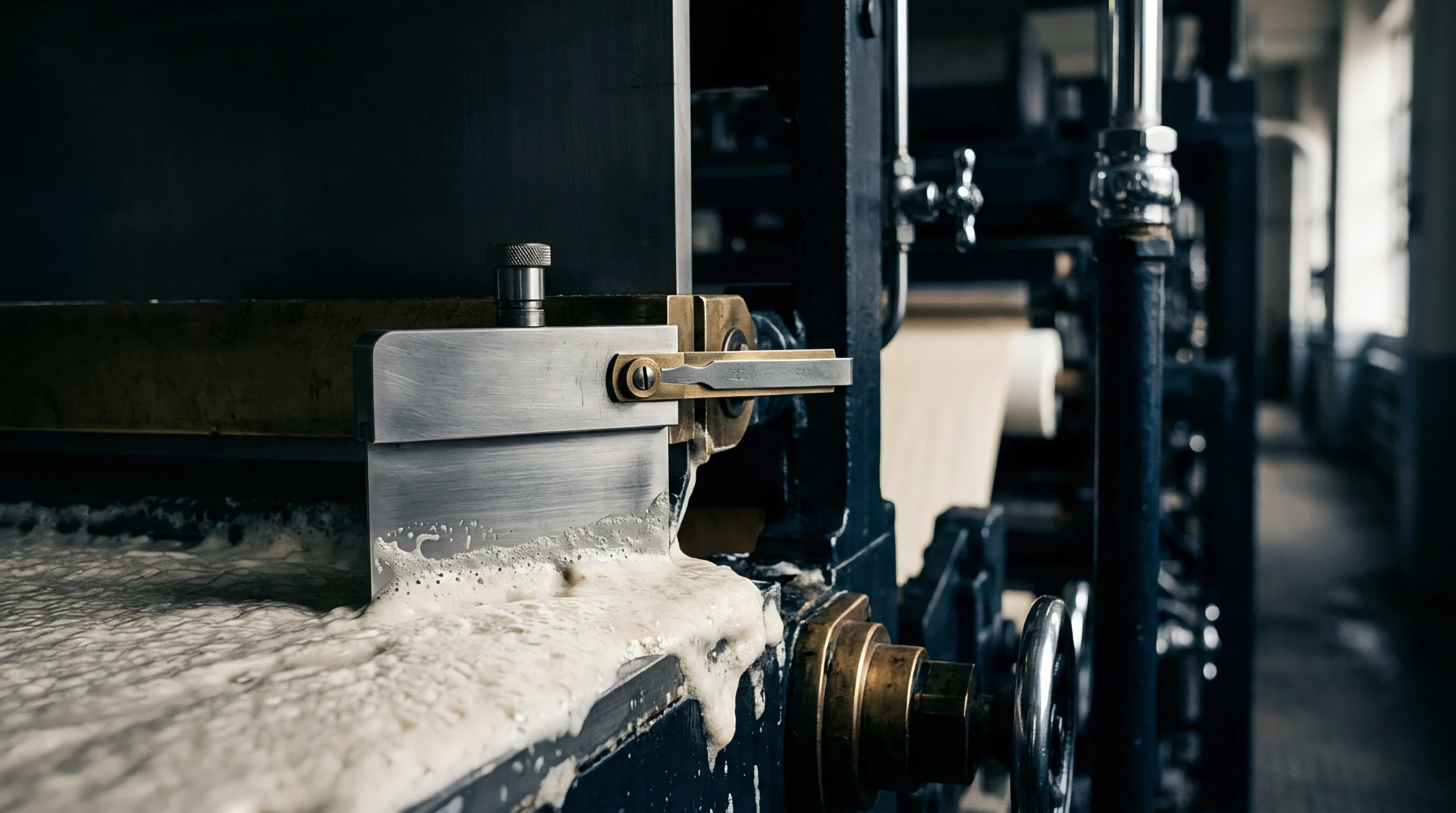
Heated soft-nip calendering closes sheet surface pores to control aqueous barrier holdout while preserving the bulk required for carton creasing.

European packaging eco-modulation penalizes poorly repulpable UV coatings and polyolefin barriers, erasing recycled board price advantages through weight-based fees.

Reconciling volatile losses and mill broke exclusions through dry-matter mass balances ensures defensible recycled content claims in packaging compliance audits.

Maintain laminate surface energy above 42 dynes/cm to hold flatbed stamping dwell between 35 and 65 ms at 115°C, preventing board distortion and adhesive bleed.
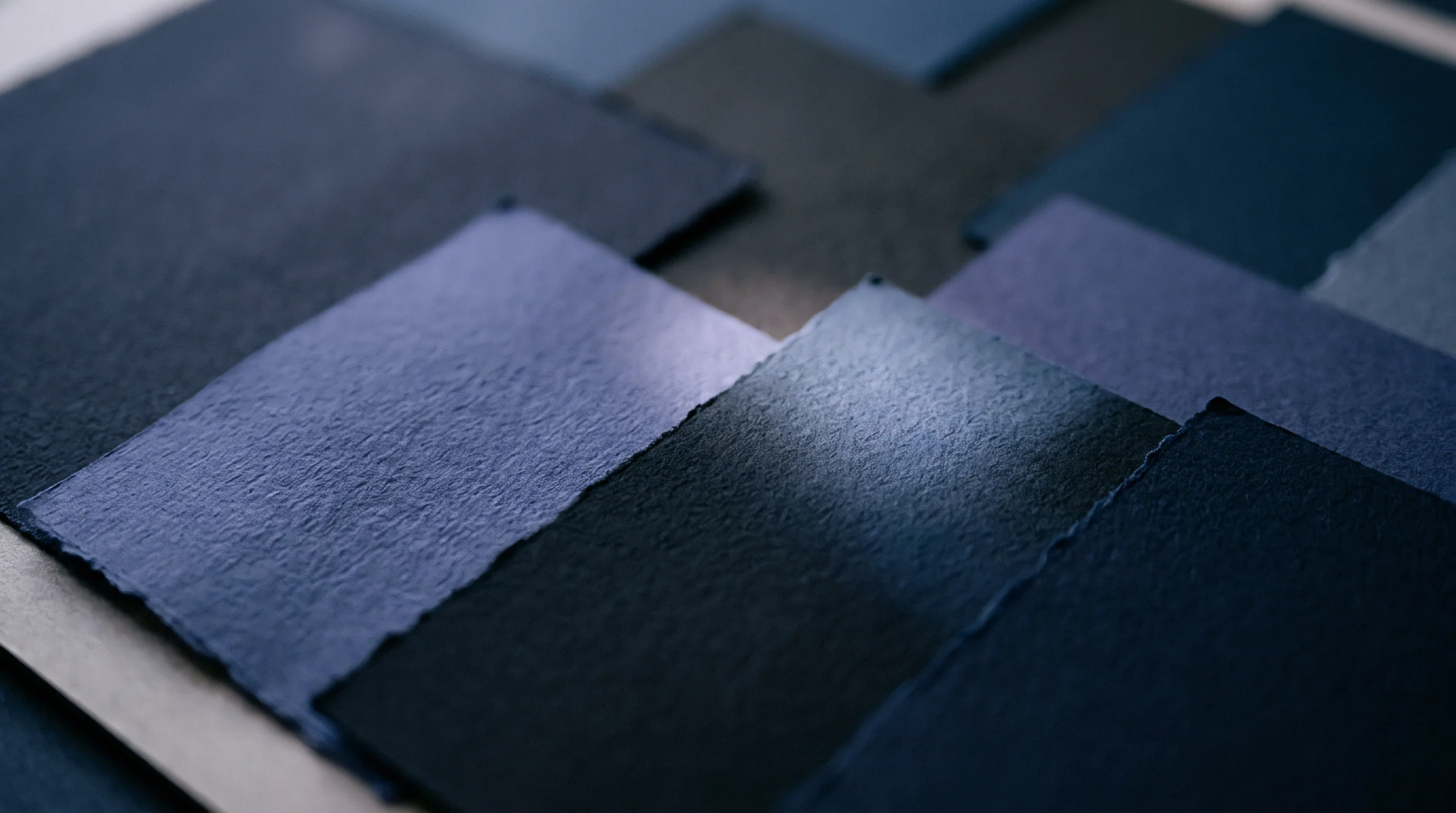
Accurate dyne testing on polyolefin films requires certified ASTM D2578 solutions and strict two-second timing to prevent adhesive delamination.

Laboratory Sutherland rub tests fail to predict intermodal scuffing; buyers must validate random vibration endurance and contact friction to prevent transit wear.

Establishing accurate paperboard converting yield baselines separates transit tare, hygroscopic mass drift, and tool skeleton waste from raw material invoices.

Spectroscopic FTIR peak ratios and Klason lignin extraction reliably detect unannounced chemi-thermomechanical pulp substitutions in export carton shipments.

Controlling silica pore volume below 1.2 ml/g and balancing micronized polyethylene wax holds matte varnish burnishing under four gloss units across transit rub.
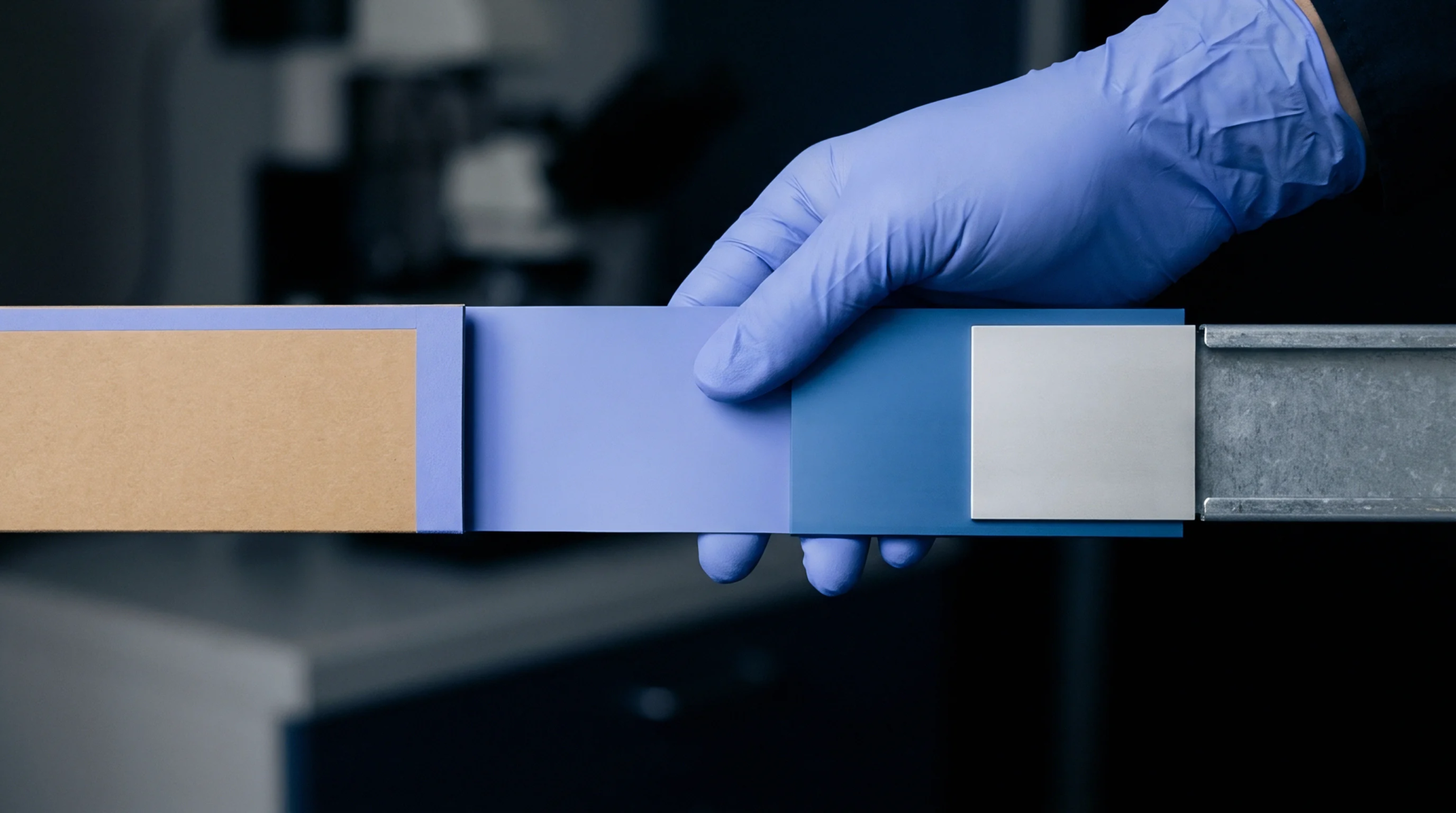
Matte varnish abrasion performance depends on balancing silica matting particle protrusion against wax slip migration verified through calibrated rub cycles.

Packaging deinkability compliance requires passing INGEDE Method 11 parameters with at least 70 points and zero negative sub-scores to prevent EPR penalties.

Border detention liability shifts to mills only through express contract warranties tying payment releases to destination regulatory tests.
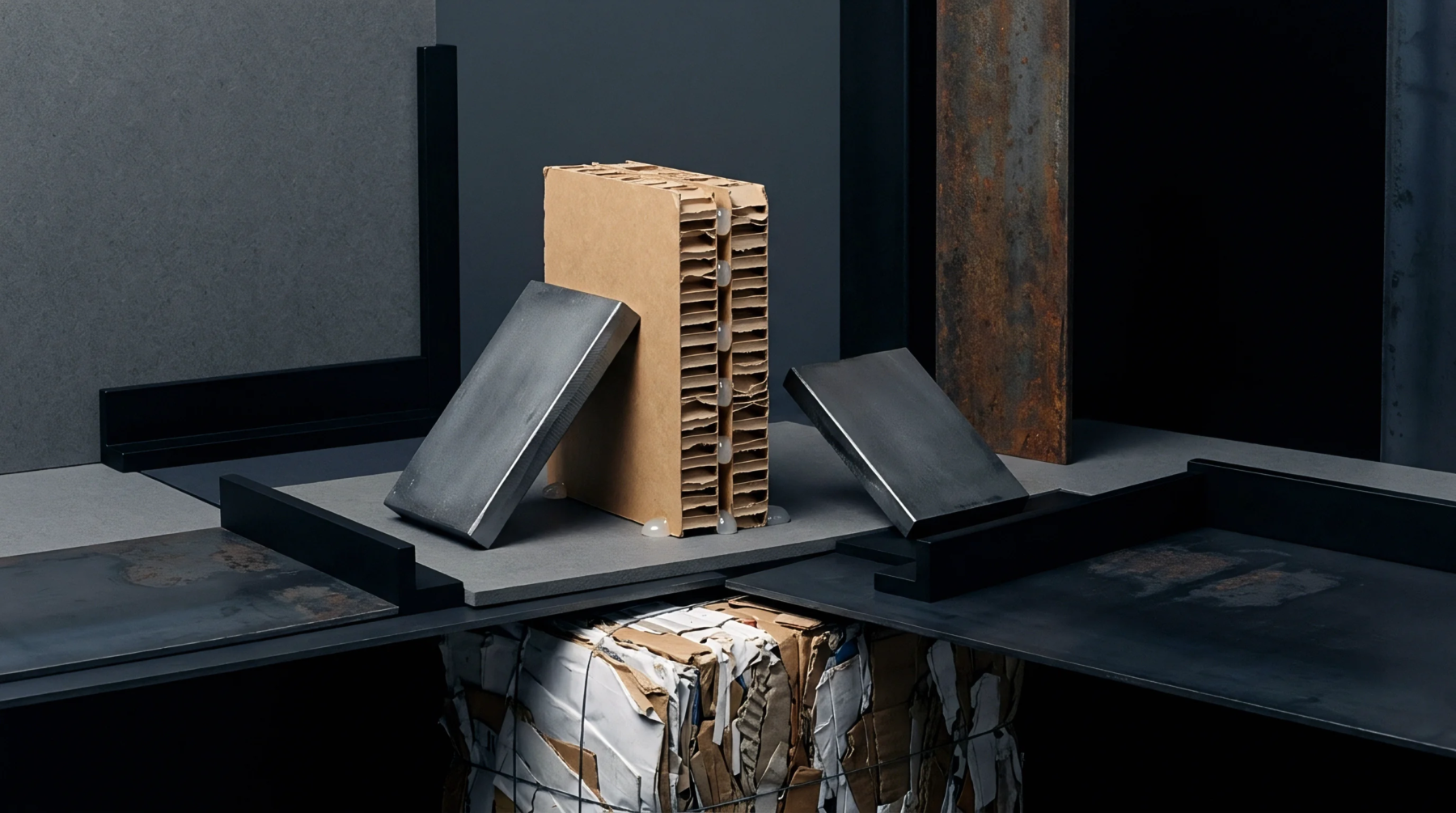
Multi-tier corrugated export survival demands virgin kraftliners, ketone-crosslinked wet starch, and safety factors adjusted for twenty-percent moisture uptake.
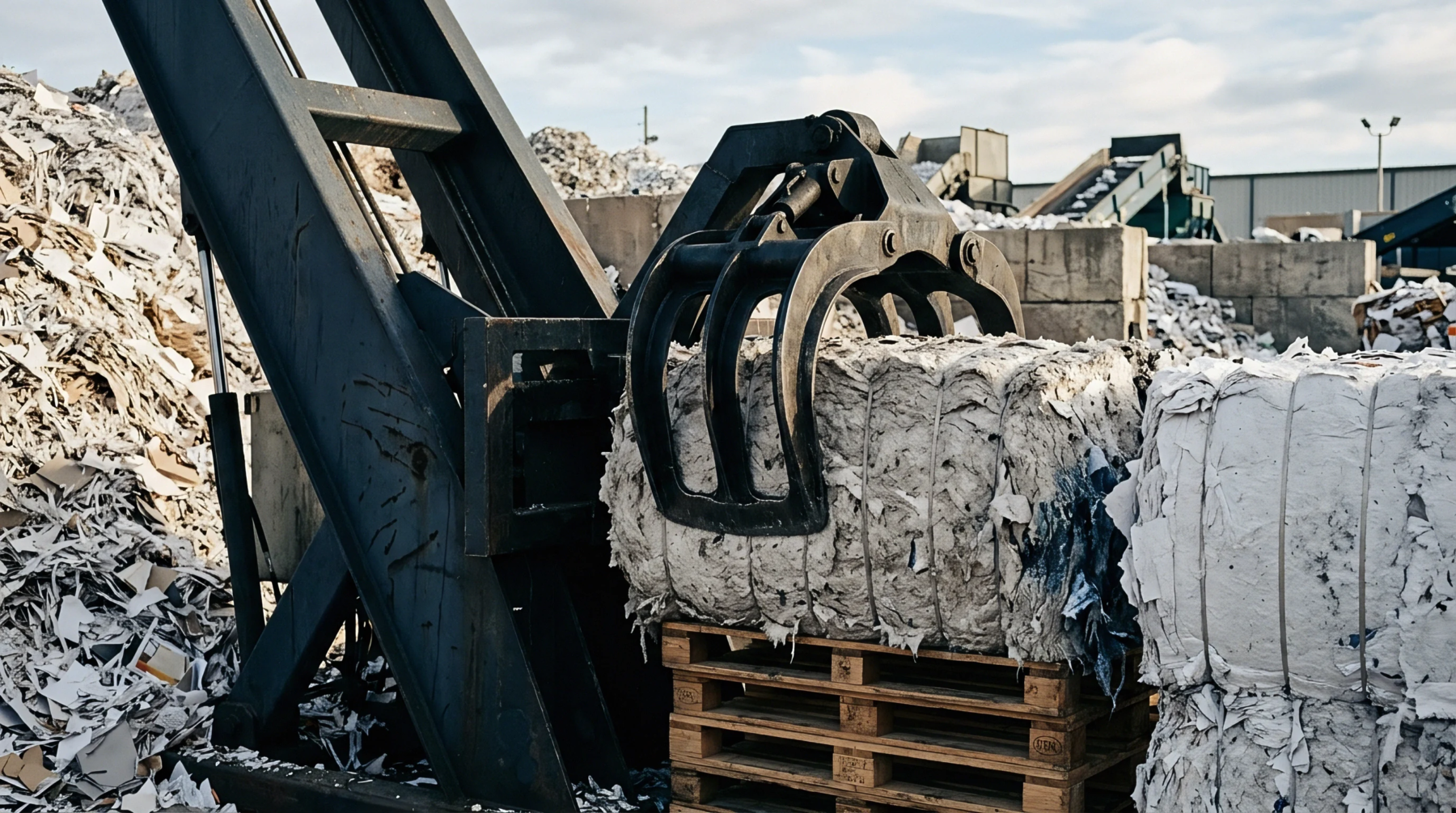
Quantifying mineral oil in recycled fiber demands rigorous cleanup to separate biogenic matrix interference from petroleum hydrocarbons before barrier validation.

Gas phase migration from recycled board requires continuous functional barriers to halt volatile non intentionally added substances escaping fiber pores.

Goods-in paperboard profiling combines rapid chemical staining, split-temperature ashing, and layer delamination to expose deceptive furnish substitution.

Verify functional barrier board integrity through chromatographic simulant migration testing and scoreline micro-crack inspection across high-speed die operations.
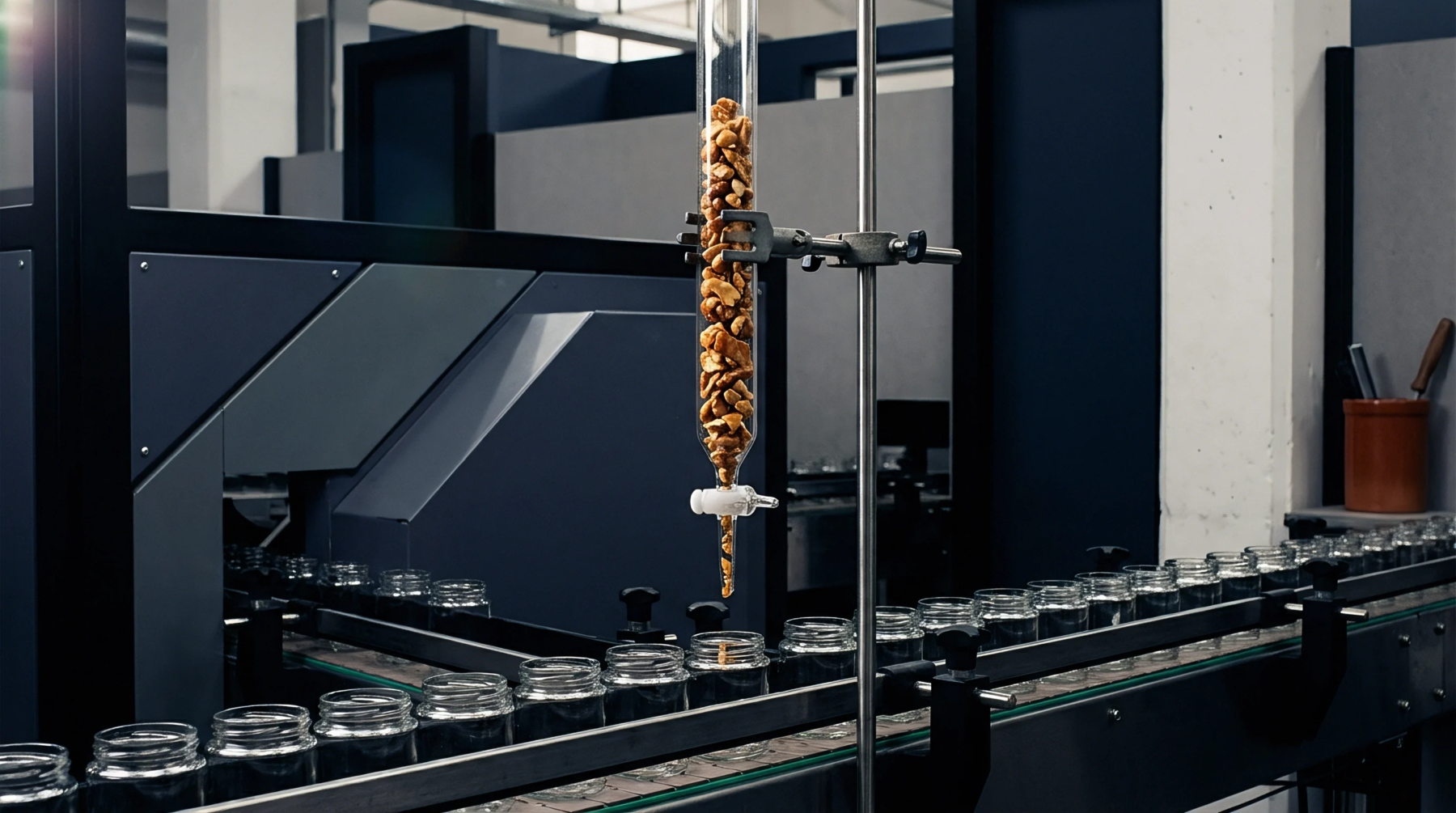
Audit declarations by matching raw chemistry recipes to migration test reports under actual food contact conditions instead of accepting unverified mill statements.
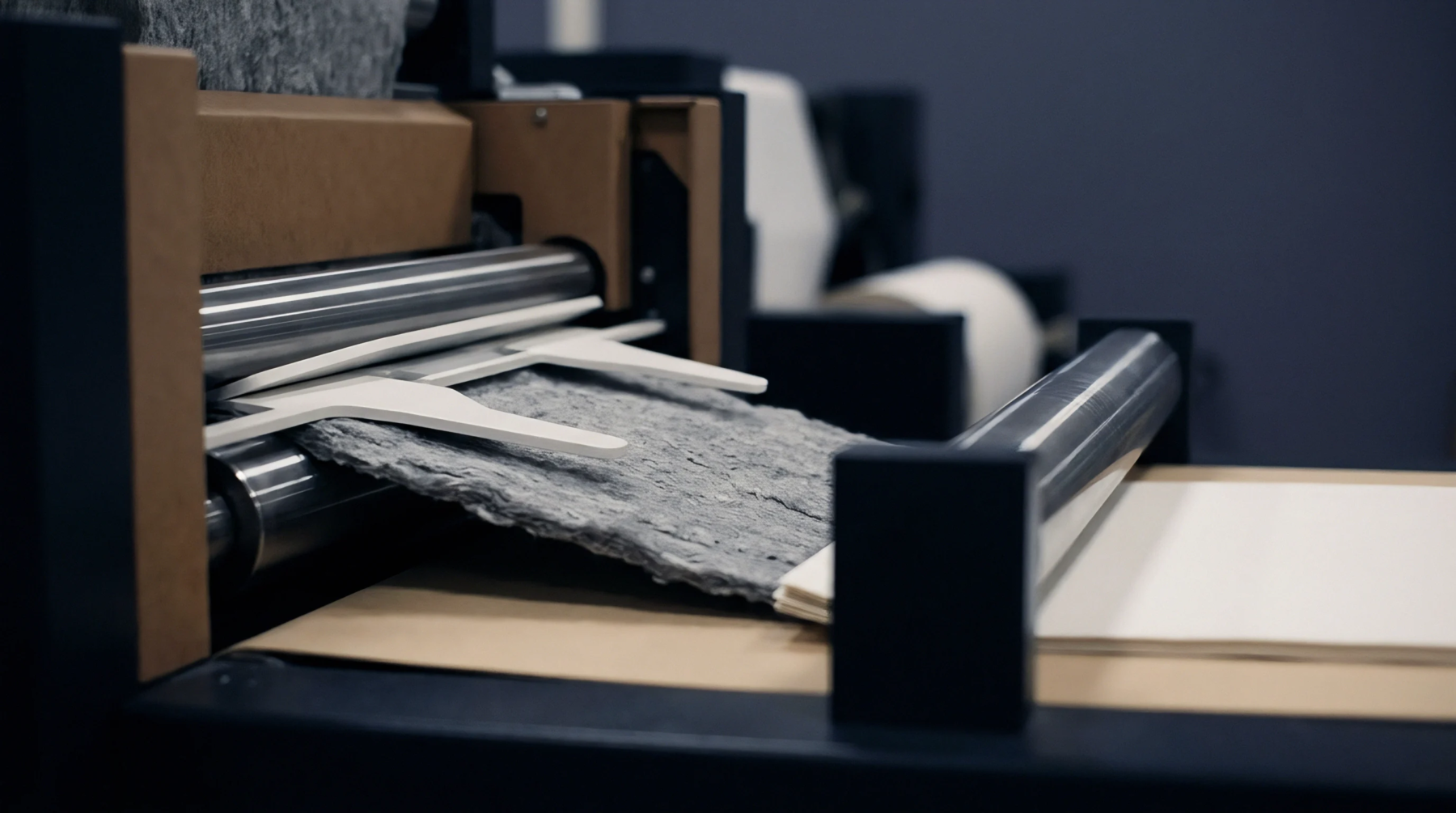
Dynamic barrier delamination along carton crease vertices is prevented by sizing creasing channels to absorb shear strain through controlled internal board roll.

Thermal gradients in wound rolls drive fatty amides into unreacted isocyanate layers, requiring strict NCO stoichiometric control to stop bond failure.
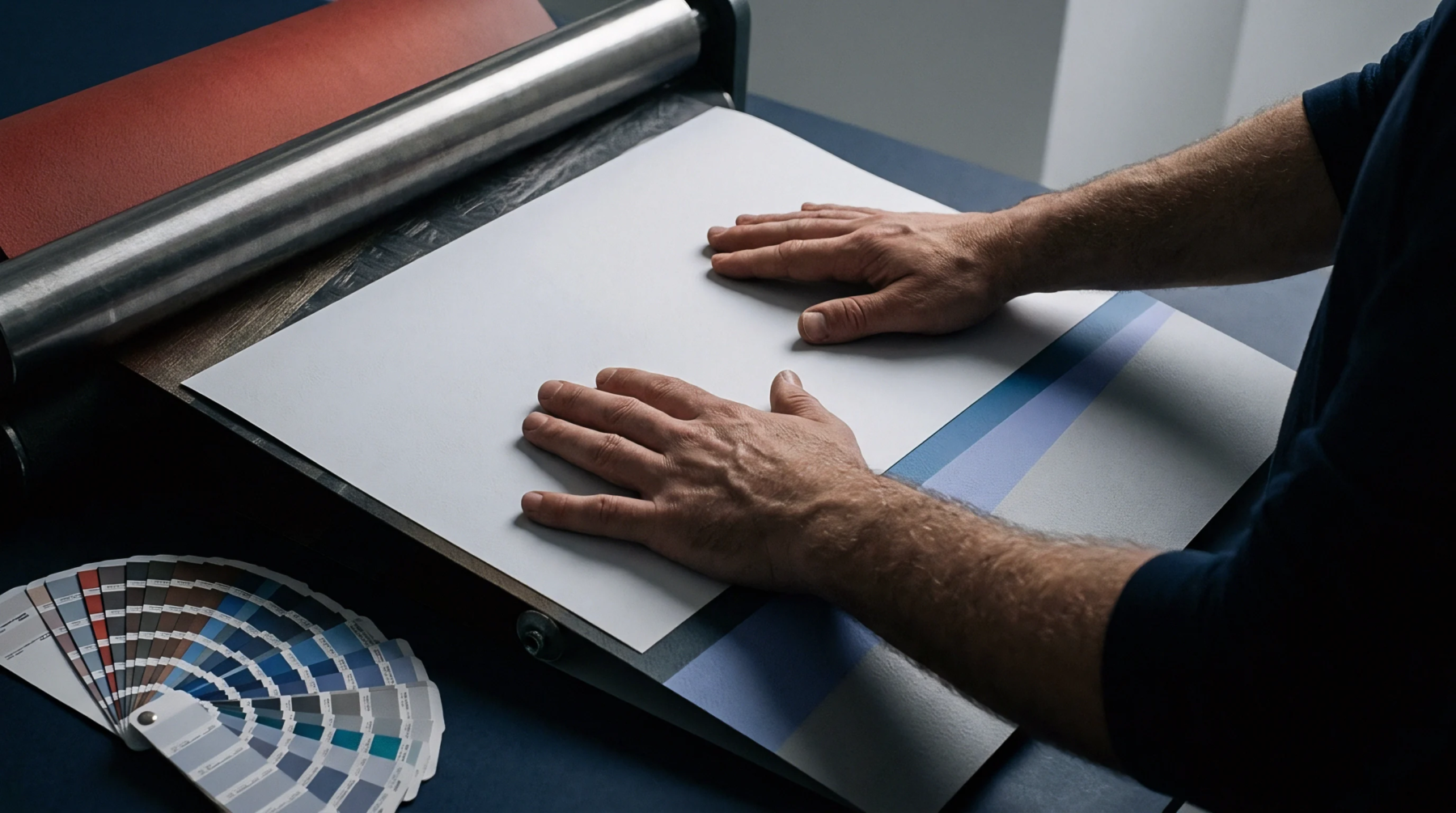
Acceptance Quality Limit carton inspection pairs ISO 2859-1 sampling math with physical flute and joint testing to validate lots before paper release.
Independent referee clauses prevent unilateral cargo rejection by mandating sealed retain sampling and binding third-party laboratory conditioning under ISO 187.

Statistical sampling of folding boxboard applies ISO 2859-1 attribute limits and ISO 3951-1 variable k-factors to verify stiffness, caliper, and purity.
Dockside testing demands immediate outer wrap stripping, vapor-sealed sampling, and moisture-adjusted burst and compression checks before terminal exit.
Mercury intrusion analysis overstates fine pores in paperboard; subtracting solid compressibility and cell expansion isolates true structural network dimensions.

Micro-pore volume between 0.02 and 0.08 micrometers controls dynamic vehicle absorption, dictating offset ink setting speed and preventing mottle defects.

Mineral pigment shape and pore distribution control ink setting, fiber coverage, and converting runnability, fixing real delivered costs per thousand sheets.
Expertise is a utility, not a secret. sentiention™ publishes its working knowledge as open reference: intelligence layer covering the materials it sources, the markets it enters, and the reference that serves both.