
Physical Marker Identification in Recycled High Density Polyethylene
Physical marker identification in recycled HDPE uses heat-stable rare earth or inorganic tracers to verify PCR content and food-contact compliance in container walls.

Physical marker identification in recycled HDPE uses heat-stable rare earth or inorganic tracers to verify PCR content and food-contact compliance in container walls.

Score cracking occurs when aged latex binders exceed glass transition thresholds, preventing tensile strain accommodation during high-speed folding operations.
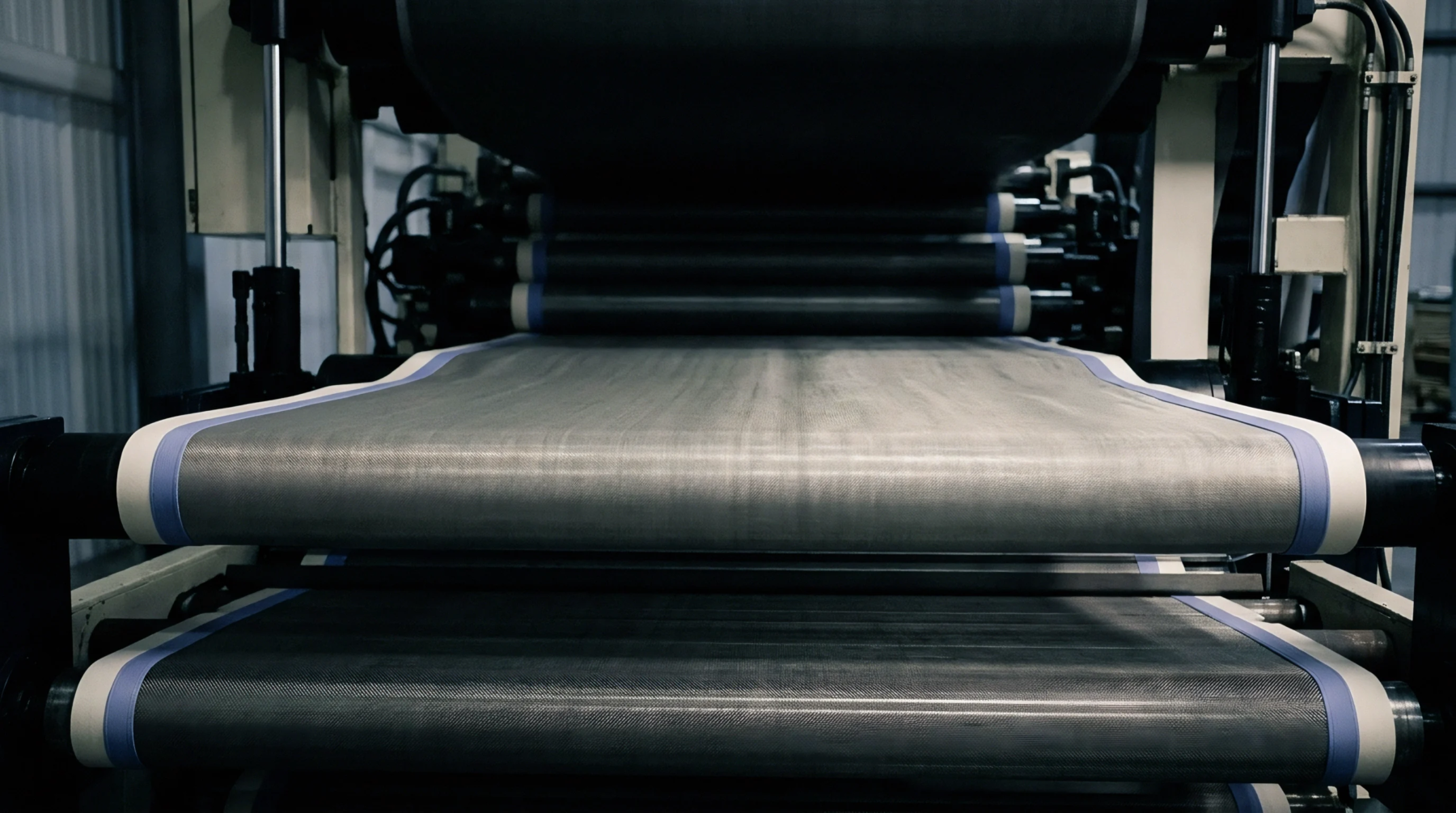
High nip pressures drive polymer matrix shear flow, optimizing mechanical anchoring while risking edge squeeze-out, ink displacement, and board crushing.
Verify multi-site bleached kraft conversion factors using site-specific bone-dry chip inputs and gravimetric testing to prevent regulatory customs non-compliance.

Verify paperboard integrity by pairing short-span compression (ISO 9895) with bending stiffness (ISO 2493) to prevent carton jamming and stack failure.

ATR-FTIR measures only surface acrylate cure within two microns, leaving subsurface monomers undetected and requiring GC-MS extraction to prove food compliance.
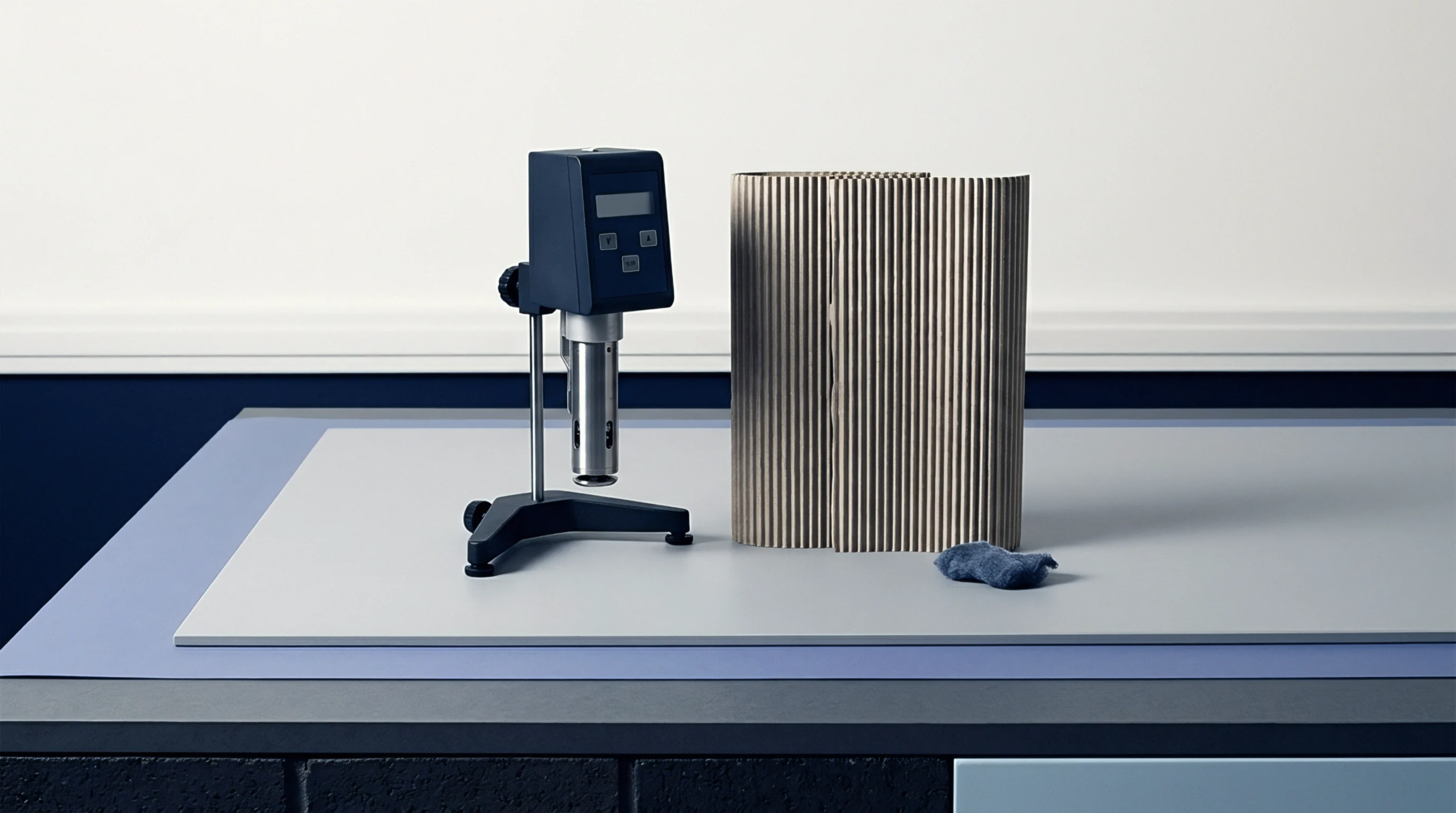
Real-time mid-infrared tracking of acrylate vinyl depletion at 810 cm-1 enables automated lamp power control to ensure migration compliance on high-speed packaging lines.

Dynamic shear delamination within middle plies absorbs scoring impact, preserving surface dispersion barrier continuity during high-speed carton converting.
Delamination energy release rates in dispersion coated boxboards require beam theory corrections isolating interfacial fracture from arm plastic bending.

Deduct site-specific scrap and moisture loss from multi-site credit pools before dispatch to prevent ledger deficits and chain-of-custody certificate suspension.
FTIR spectroscopy monitors UV surface coating polymerization by calculating acrylate double-bond depletion at 810 cm-1 against internal reference bands.

Interfacial shear strength measures coating-to-fibre bond limits under pure planar stress to prevent score flaking and glue-flap failure in paperboard cartons.

Non-contact dual-wavelength phase modulation profilometry measures true fibre web topography at high web speeds when synthetic wavelengths exceed local surface step heights.

FSC credit accounting balances certified pulp inputs against paper machine yields, expiring unallocated claims after twenty-four months to prevent trade liability.
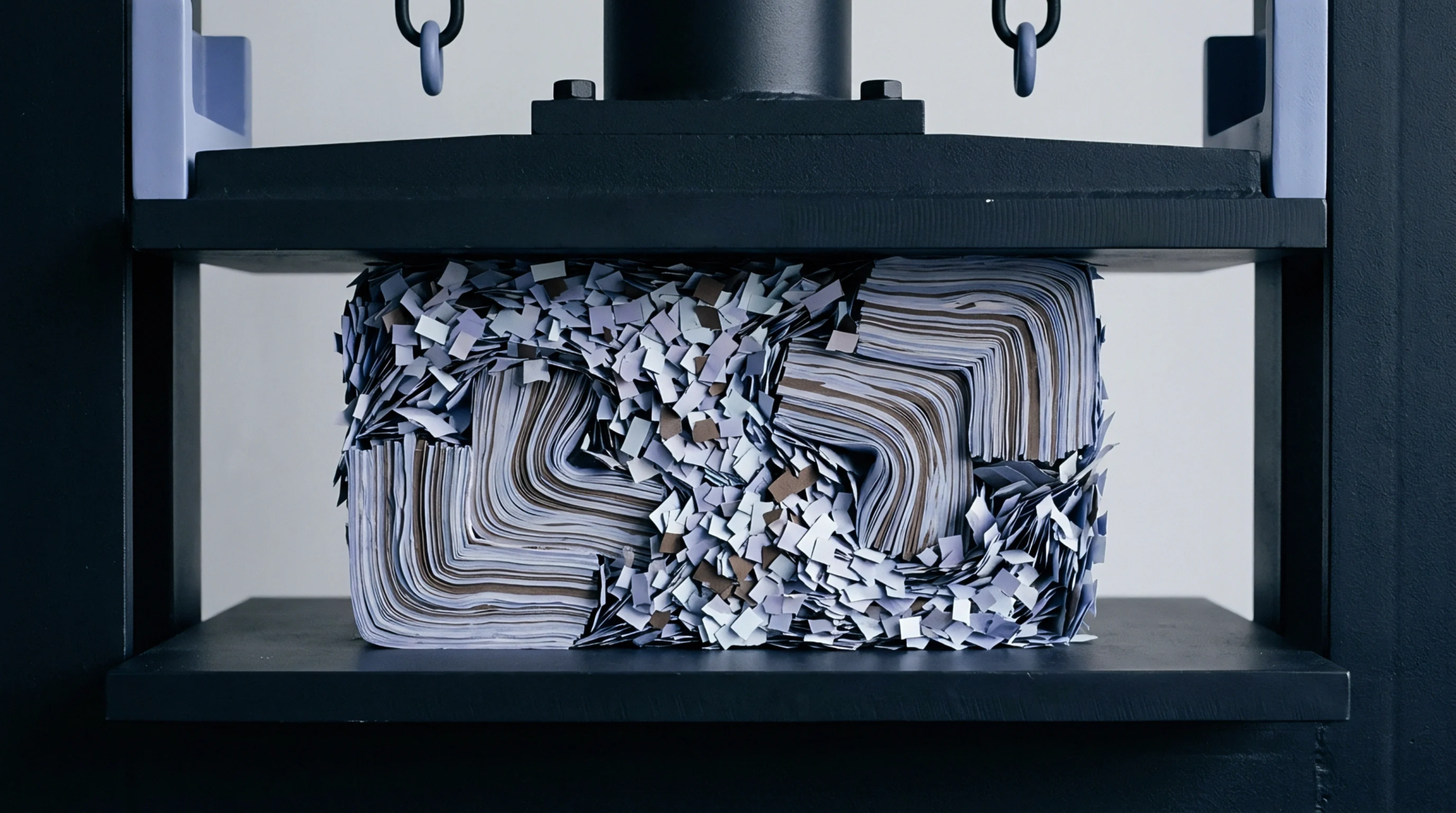
Dynamic moisture gradients across multi-ply board destroy transverse shear stiffness, precipitating sudden carton compression collapse under high strain rates.

Reconciling transnational cracker mass balance demands fuel-exempt attribution audits, unbroken certification codes, and market-specific contract warranties.
Dynamic rate-dependent stiffening in high-speed board converting alters crease delamination, demanding non-linear viscoelastic models to stop liner cracking.

Verifying mass balance pyrolysis deductions requires deducting off-gas, char, and process energy losses before claiming tax-exempt recycled resin content.

Dynamic strain hardening increases board Z-direction compressive resistance by over fifty percent, causing embossed reliefs to shallow out at production press speeds.

Compensating male punch penetration depth by thirty percent balances viscoelastic fiber recovery across recycled cartonboard platen tooling passes.
Dynamic phase modulation suppresses laser speckle noise to enable sub-micron surface topography profiling on paperboard webs at speeds over 1000 m/min.

Reconciling chemical recycling yields demands deducting process fuels and cracker off-gases before allocating mass balance credits to packaging polymers.
Border detentions of coated recycled board yield to synchronized batch testing, accurate CN tariff classification, and verified mineral oil migration limits.

Calculate Z-direction cavity tooling depth by multiplying uncompressed caliper by the plastic strain coefficient and adding targeted visual relief height.

Inline laser profilometry measures uncompressed coated paper web topography at line speed, requiring dynamic optical filtering and digital contact modeling to predict finished print performance.

Mitigate mass spectrometry interferences in high-lignin paper migration assays using solid phase clean-up, isotopic dilution, and multidimensional separation.
Unbleached kraft requires Florisil cleanup and transesterification GC-MS to isolate epoxidized vegetable oil from wood resin acids below migration limits.

Apparent bulk equals caliper divided by grammage, defining the physical thickness and carton yield delivered per purchased metric tonne of paperboard.
Dynamic boundary layer index correction and substrate thermal expansion scaling eliminate false caliper drift and lateral trim waste in high-speed web metrology.
Chromatographic marker screening quantifies secondary fiber in food contact paperboard by measuring diisopropylnaphthalenes, phthalates, and mineral oils.
Expertise is a utility, not a secret. sentiention™ publishes its working knowledge as open reference: intelligence layer covering the materials it sources, the markets it enters, and the reference that serves both.