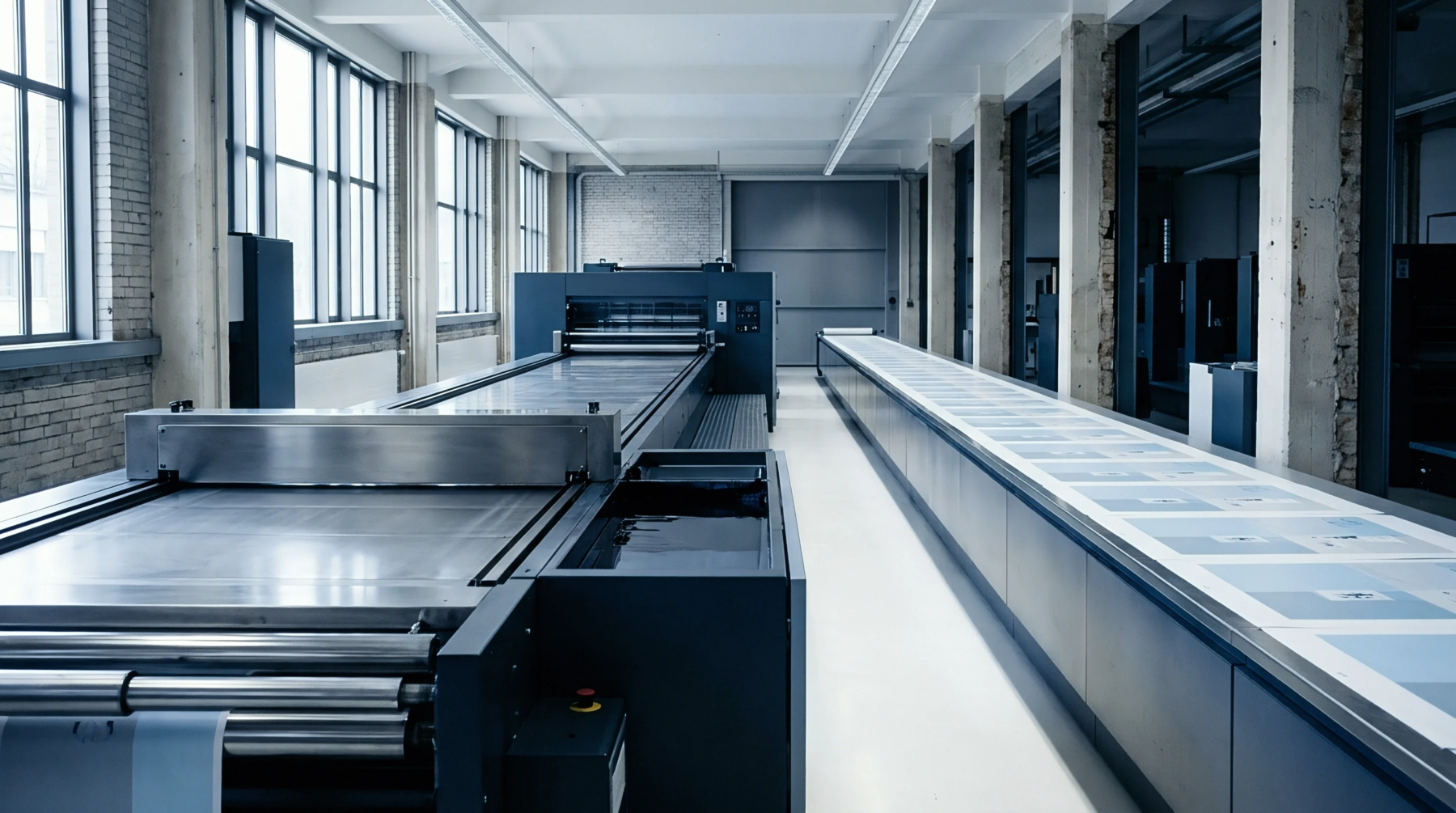
In Line Ultrasonic Wave Testing for Paperboard Scoring
Inline ultrasonic testing verifies internal score delamination and folding resistance in real time, preventing visual surface cracking and high-speed erect jams.

Inline ultrasonic testing verifies internal score delamination and folding resistance in real time, preventing visual surface cracking and high-speed erect jams.
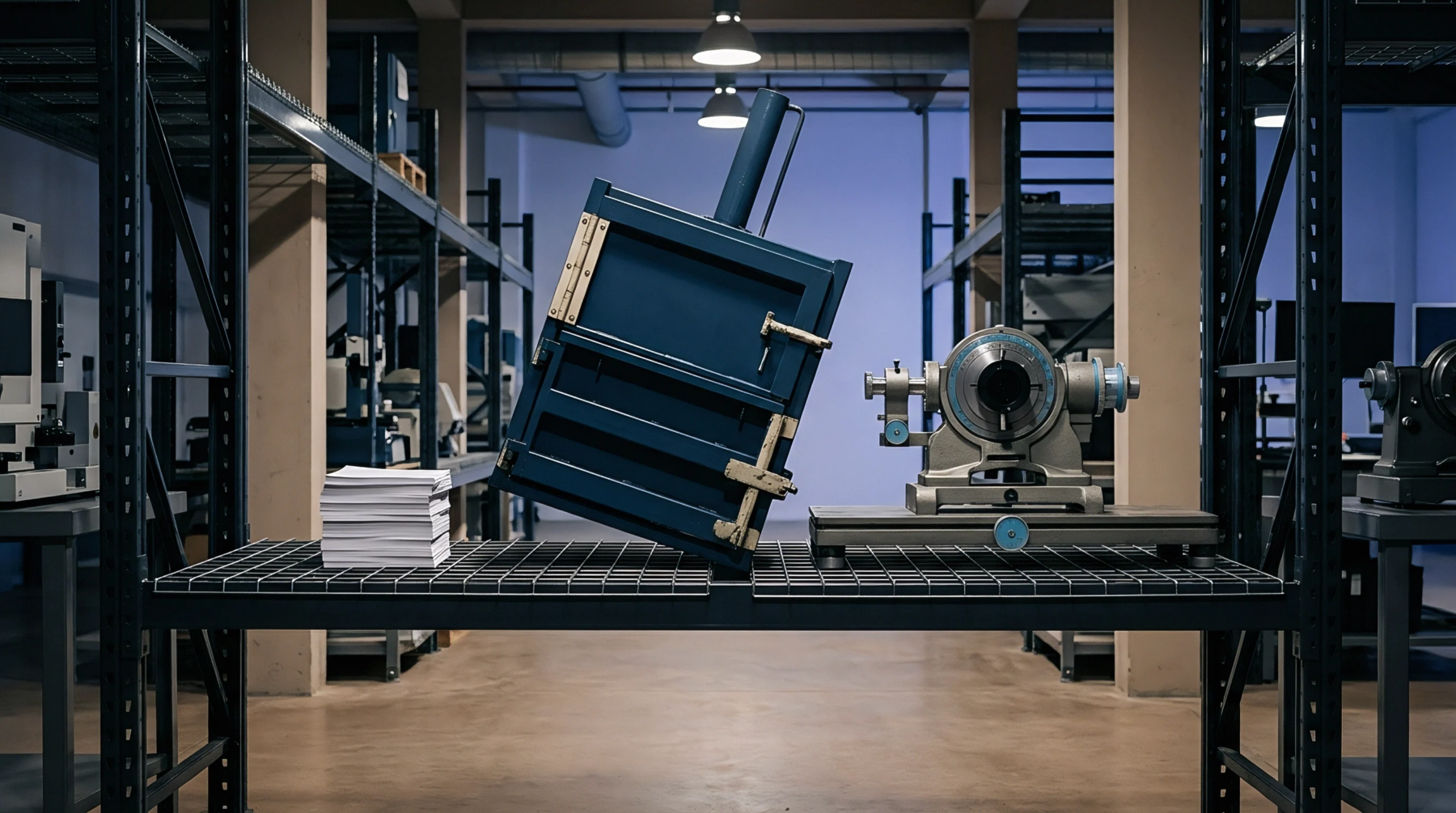
Paperboard food contact compliance requires verified migration testing using specific simulants and GC-MS or LC-GC-FID analytics to enforce migration safety limits.

Rotary embossing squeeze flow displaces barrier coatings across die apexes, increasing pinhole density unless dwell times and die radii match polymer viscosity.
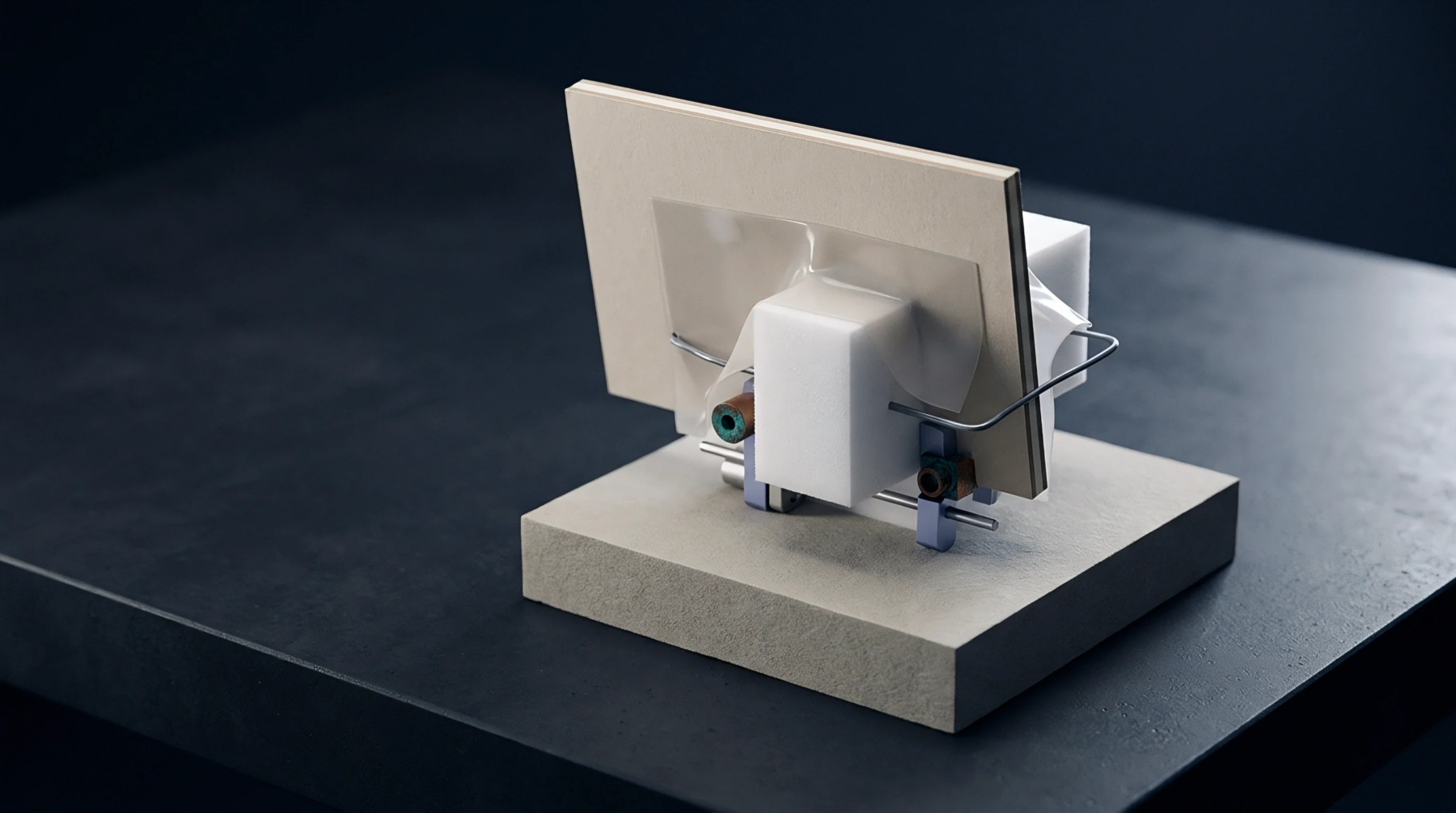
Predictive stiffness loss modeling prevents folder-gluer waste by adjusting crease depth and binder chemistry to compensate for high-speed dynamic strain.
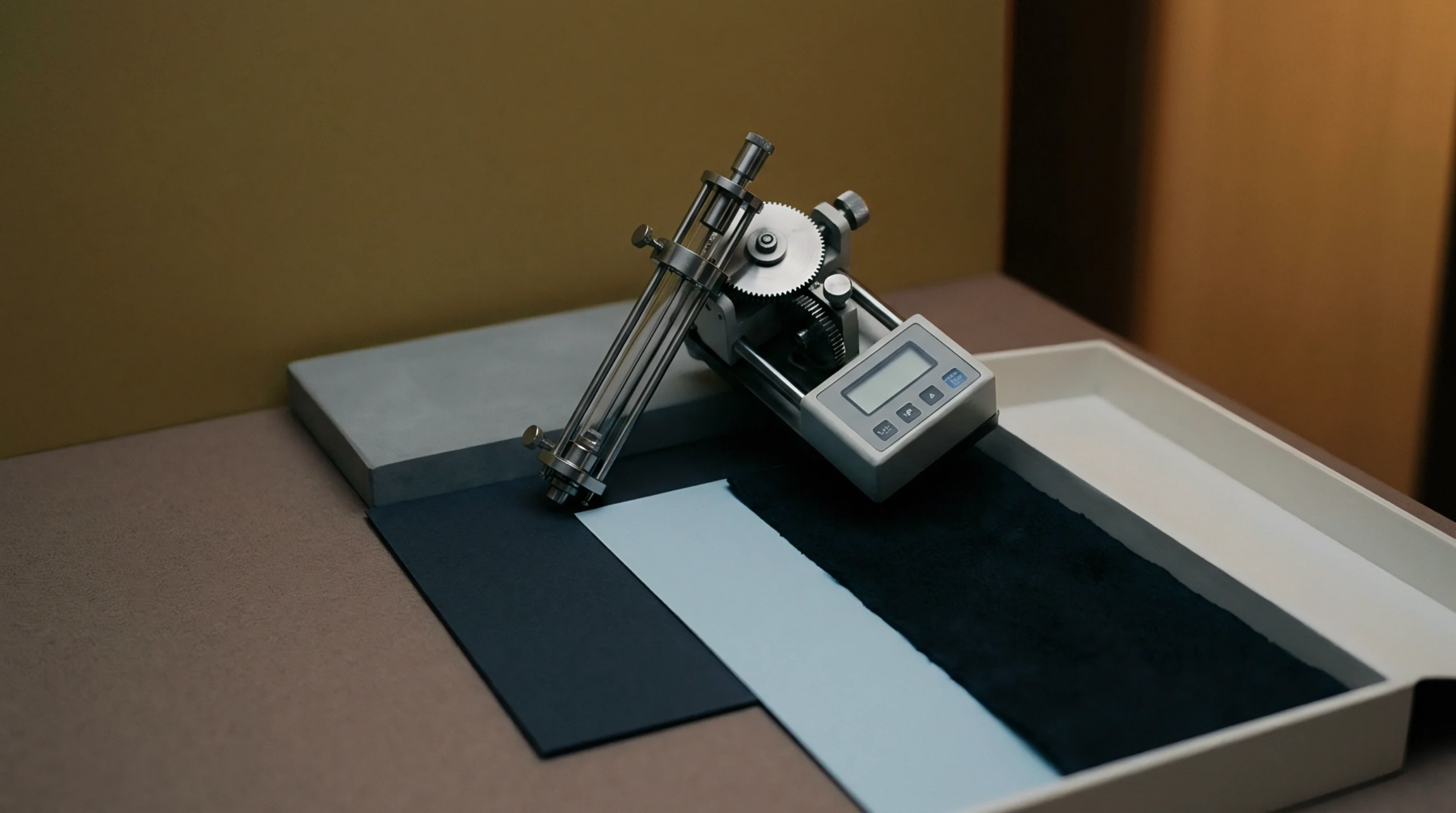
Calculate matrix channel width for co-extruded laminates using an expanded 1.65 to 1.85 board modifier plus rule gauge and double film thickness.
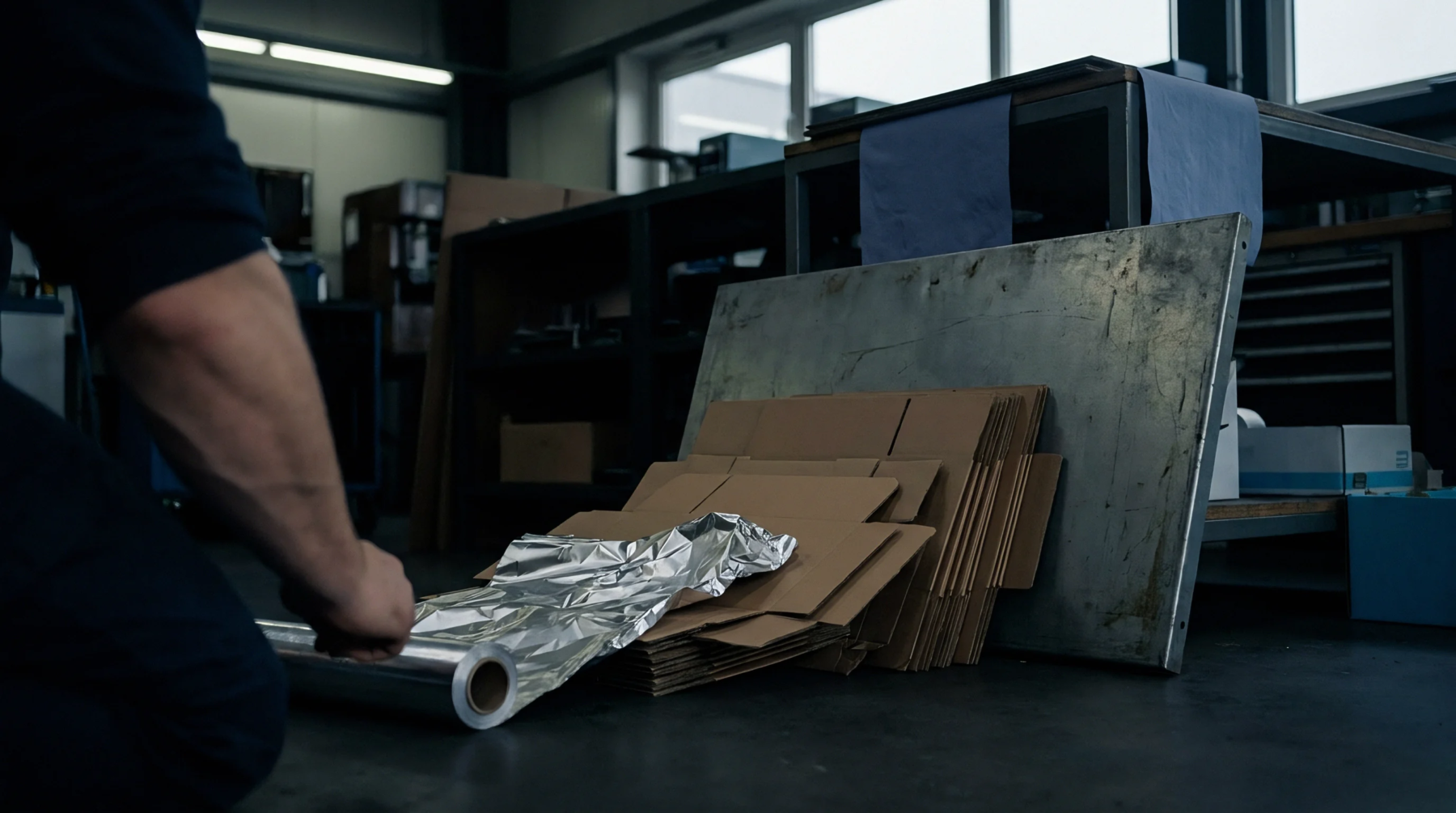
Calculating multi-layer film compressive strain demands iso-stress summation of individual layer elasticities to prevent localized barrier failure and seal thinning.

Predicting interfacial delamination thresholds in recycled boxboard requires quantifying Mode II shear fracture toughness and adjusting crease matrix channel dimensions to prevent hinge failure under cyclic loading.
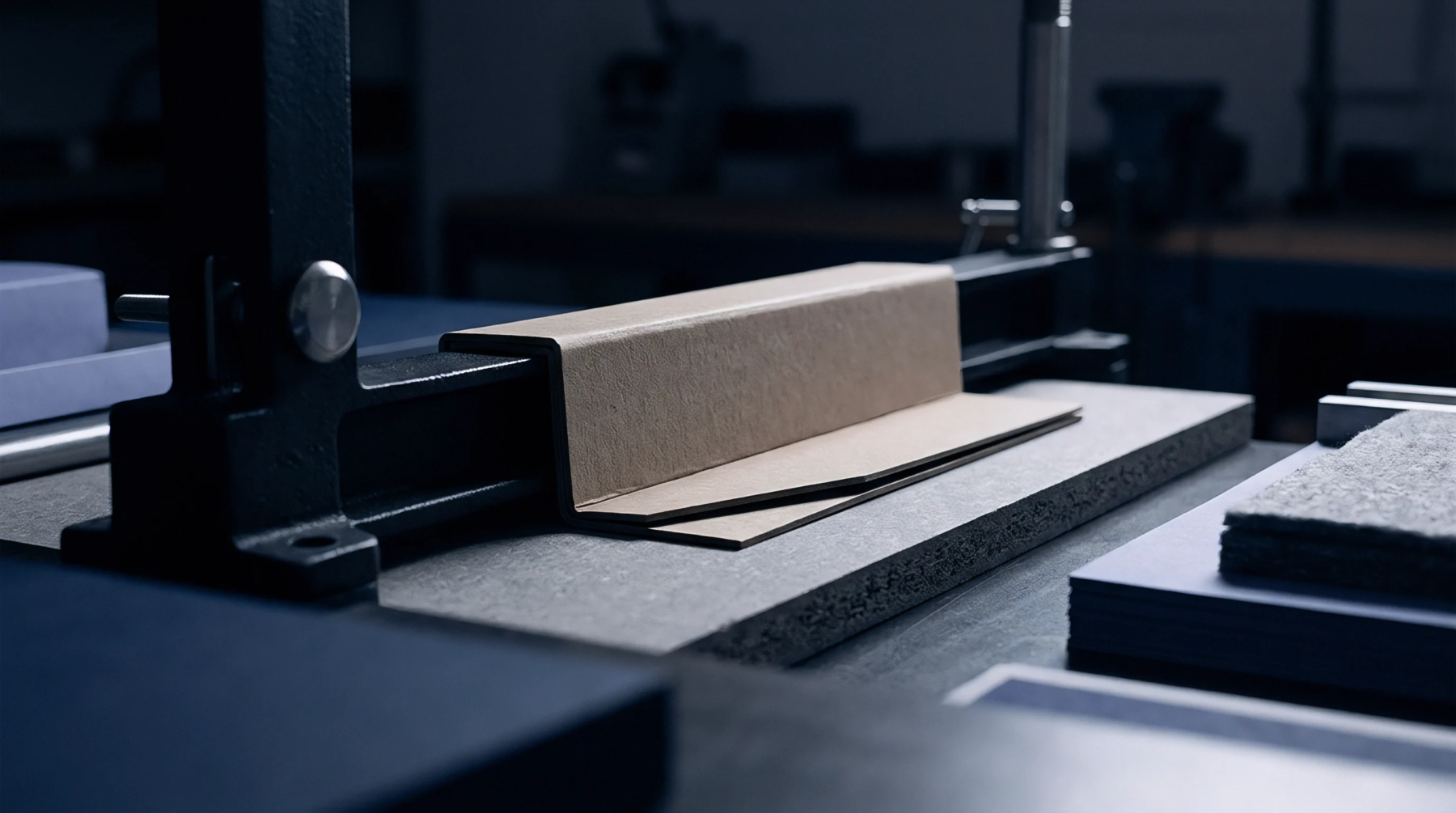
Recycled folding boxboard requires expanding matrix channel width from 1.5 to 1.8 times caliper plus rule thickness to prevent top-liner rupture.
Matte film lamination yields at 6 to 12 percent strain during high speed folding, causing micro-crazing that demands wider crease channels to prevent failure.
Calculate crease matrix width by multiplying uncoated cartonboard caliper by 1.5 and adding rule thickness, setting channel depth equal to board caliper.
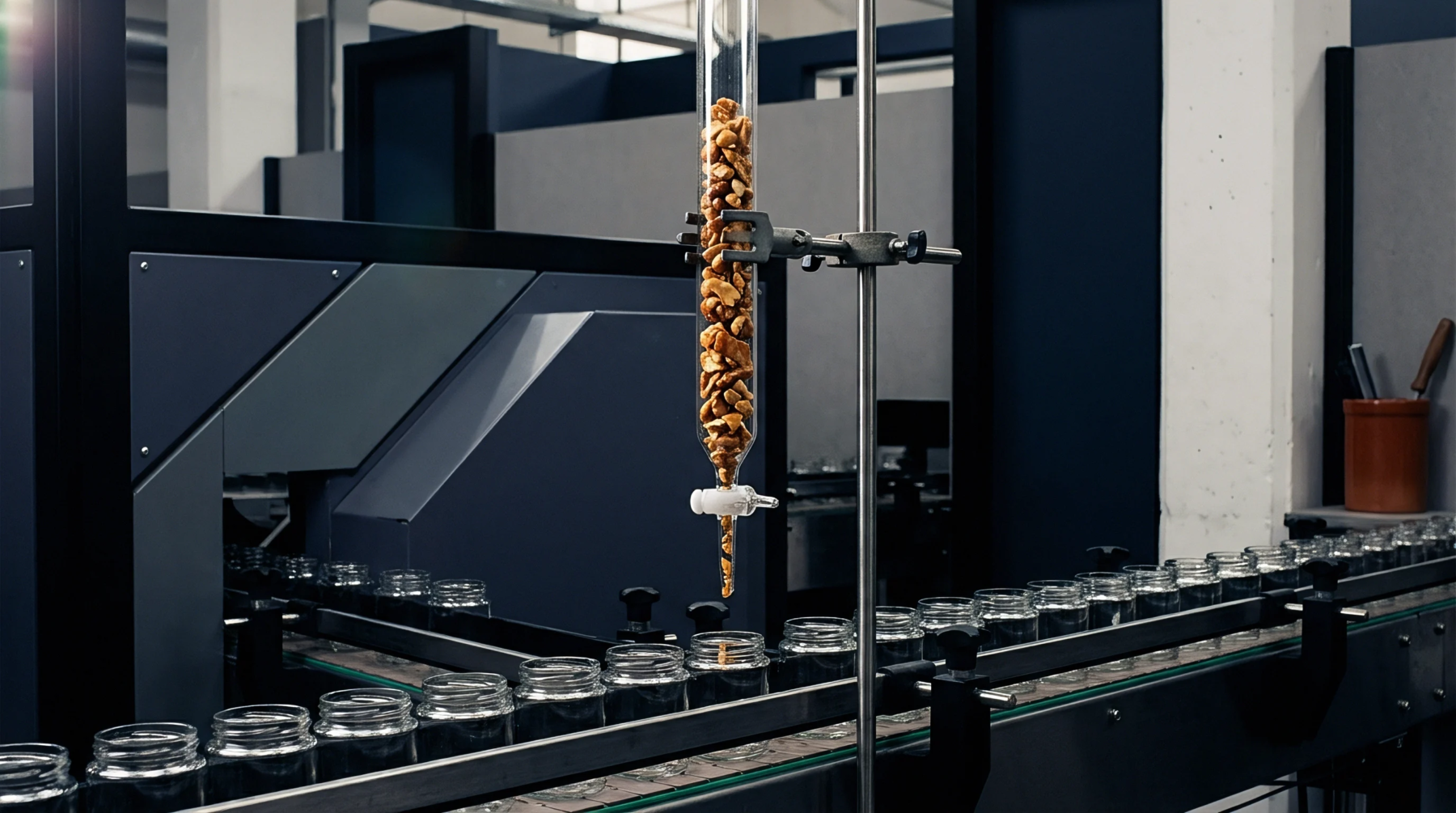
Accelerated static laboratory migration data underestimates dynamic food contact mass transfer on high-speed filling lines unless corrected for strain cracking and fluid shear.
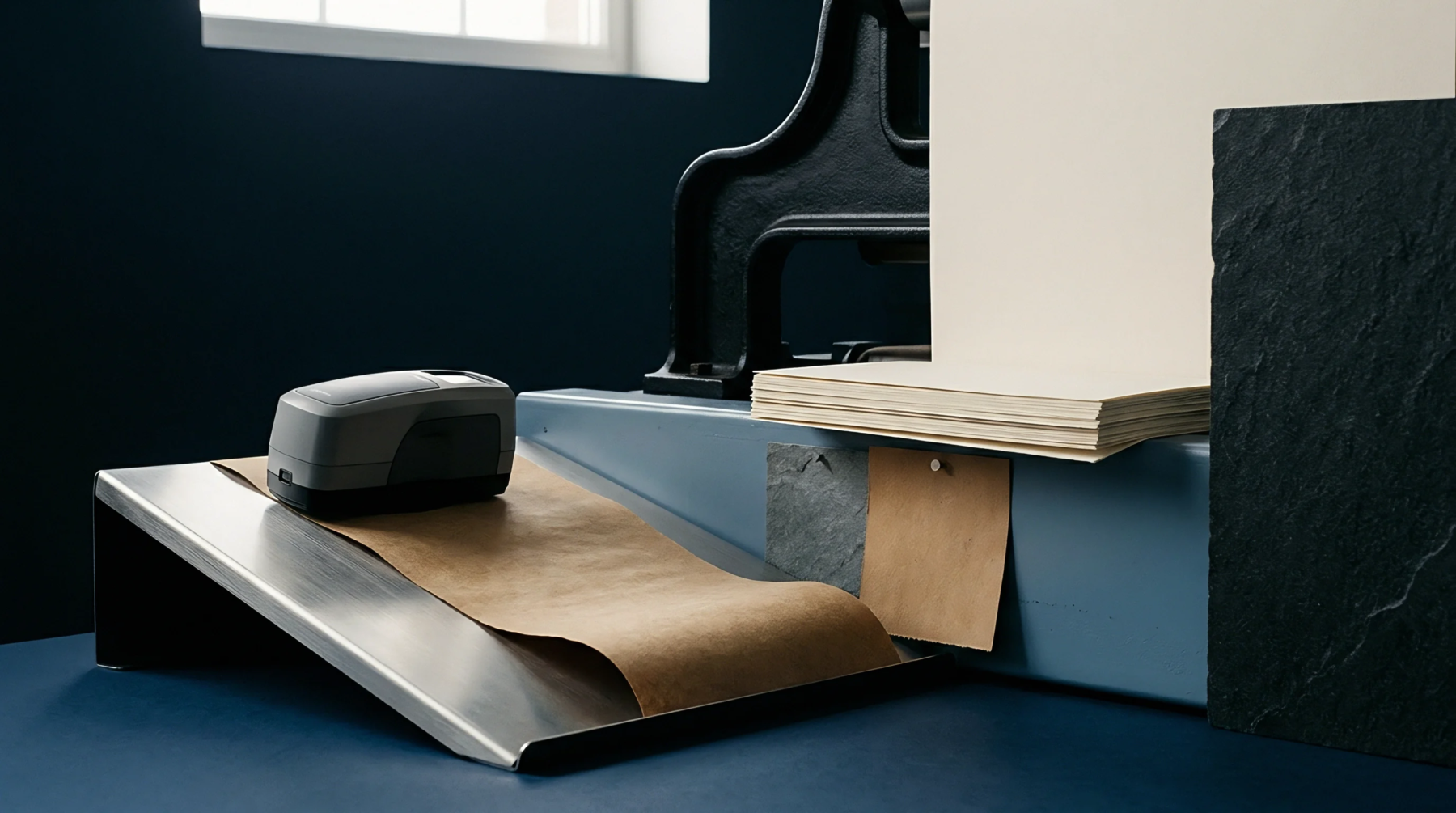
Chromatographic identification couples GC-MS and LC-HRMS screening with Cramer classification to clear unidentified non intentionally added substances below 0.01 mg/kg.

Crease audits verify internal mechanical ply shear through moment ratios between thirty and fifty percent without top coating fracture under dye staining.
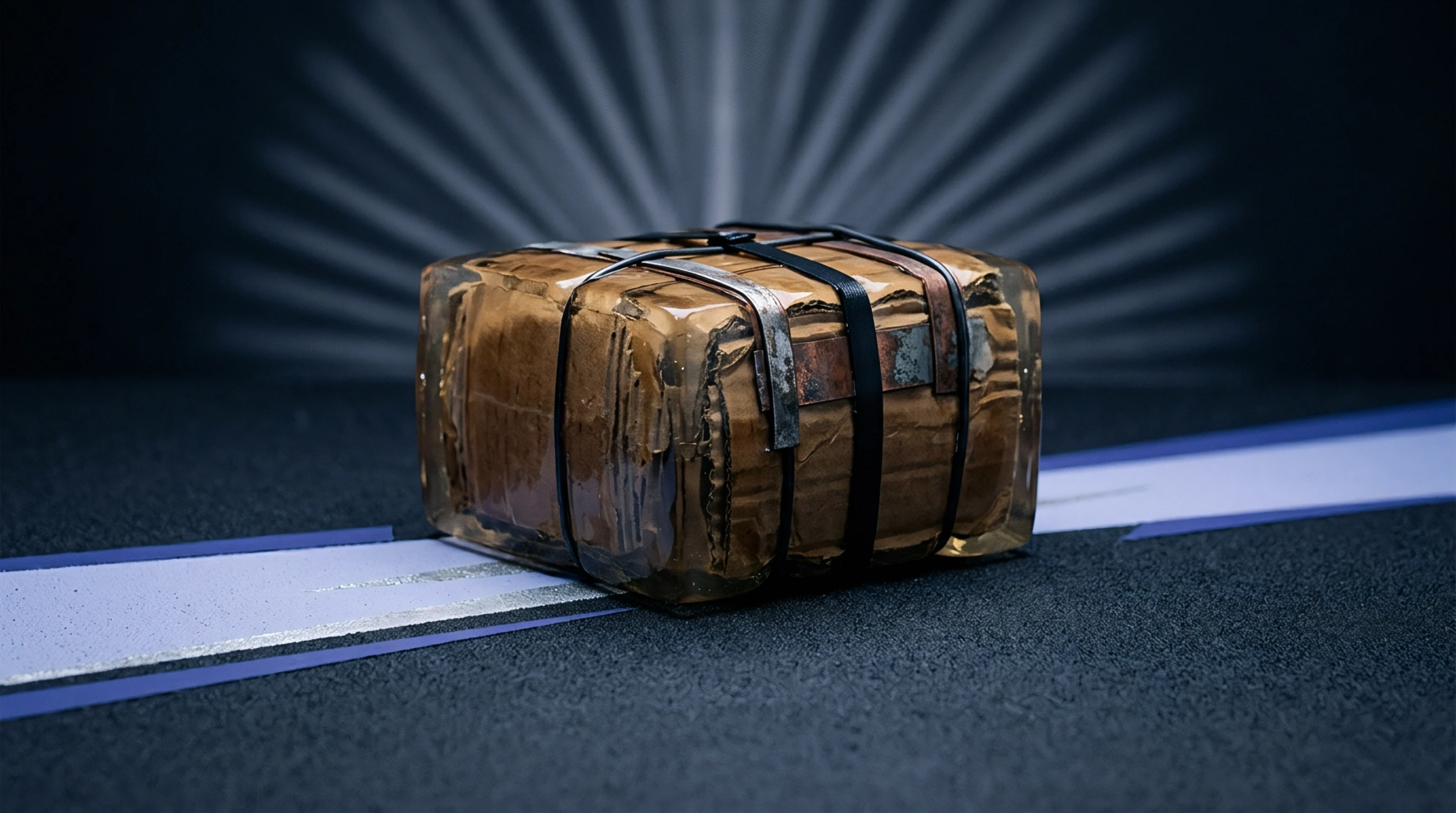
Creasing modified latex barriers creates micro-fissures that accelerate migrant diffusion, requiring strain-matched polymer selection and standardized cell testing.
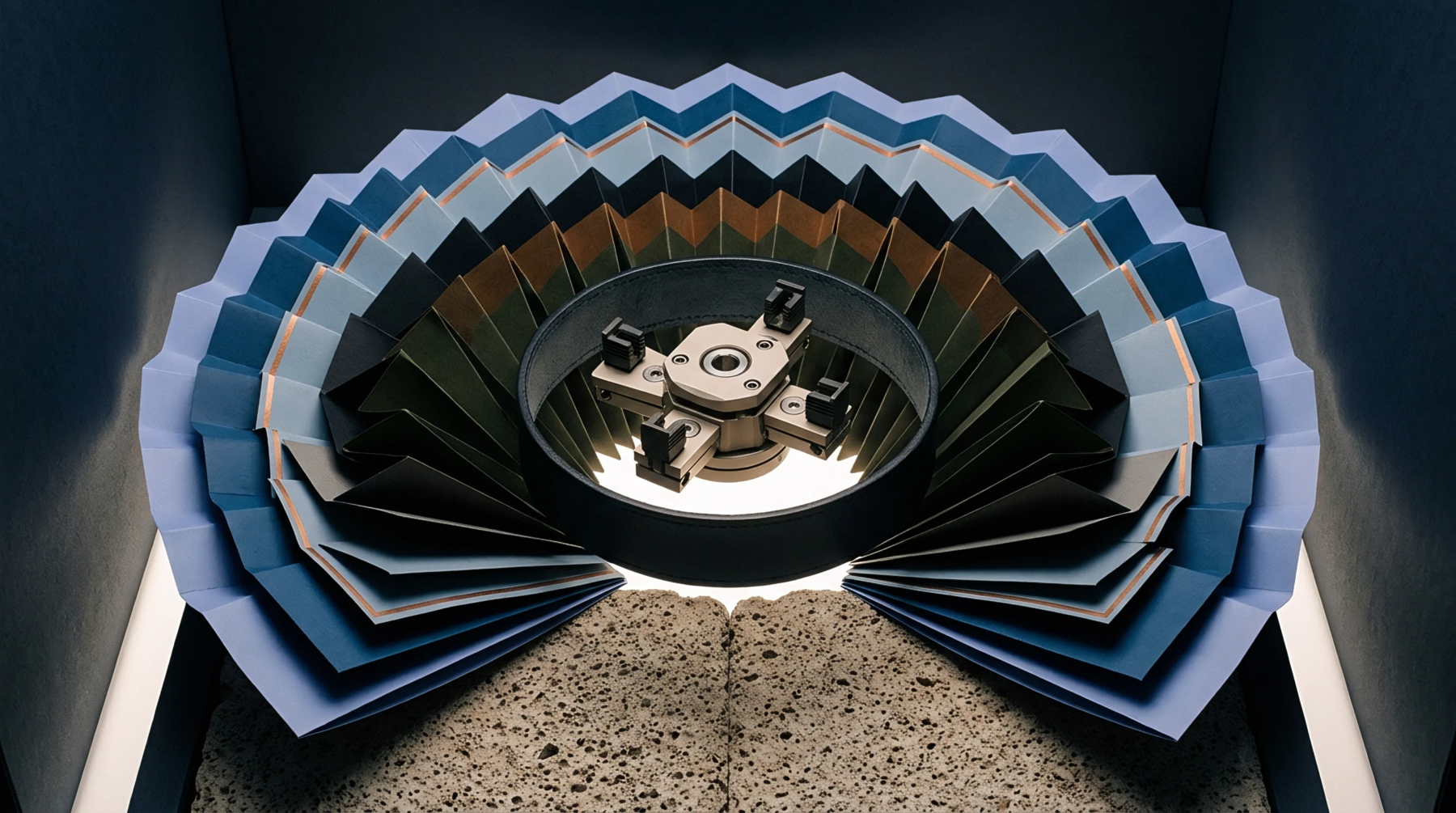
Maintain polyolefin coating moisture between 0.8 and 2.0 percent to prevent brittle crease microcracking without exceeding blocking temperature thresholds.
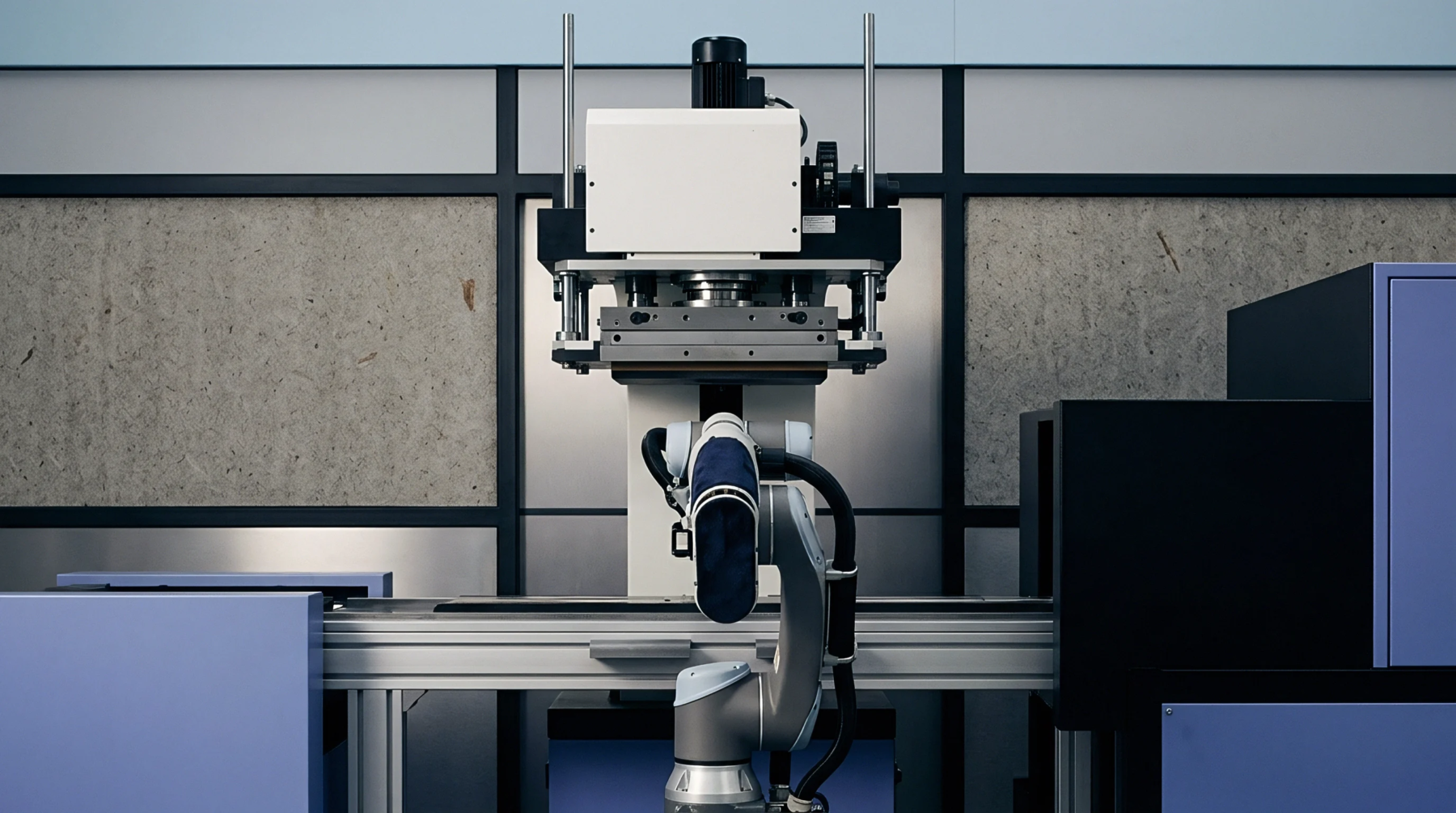
Line temperature spikes and fluid shear accelerate migrant transfer beyond static test limits, requiring exact profile validation in compliance files.
Low relative humidity embrittles paperboard and dispersion coatings, causing fold micro-cracks that degrade barrier integrity unless creasing geometry adapts.
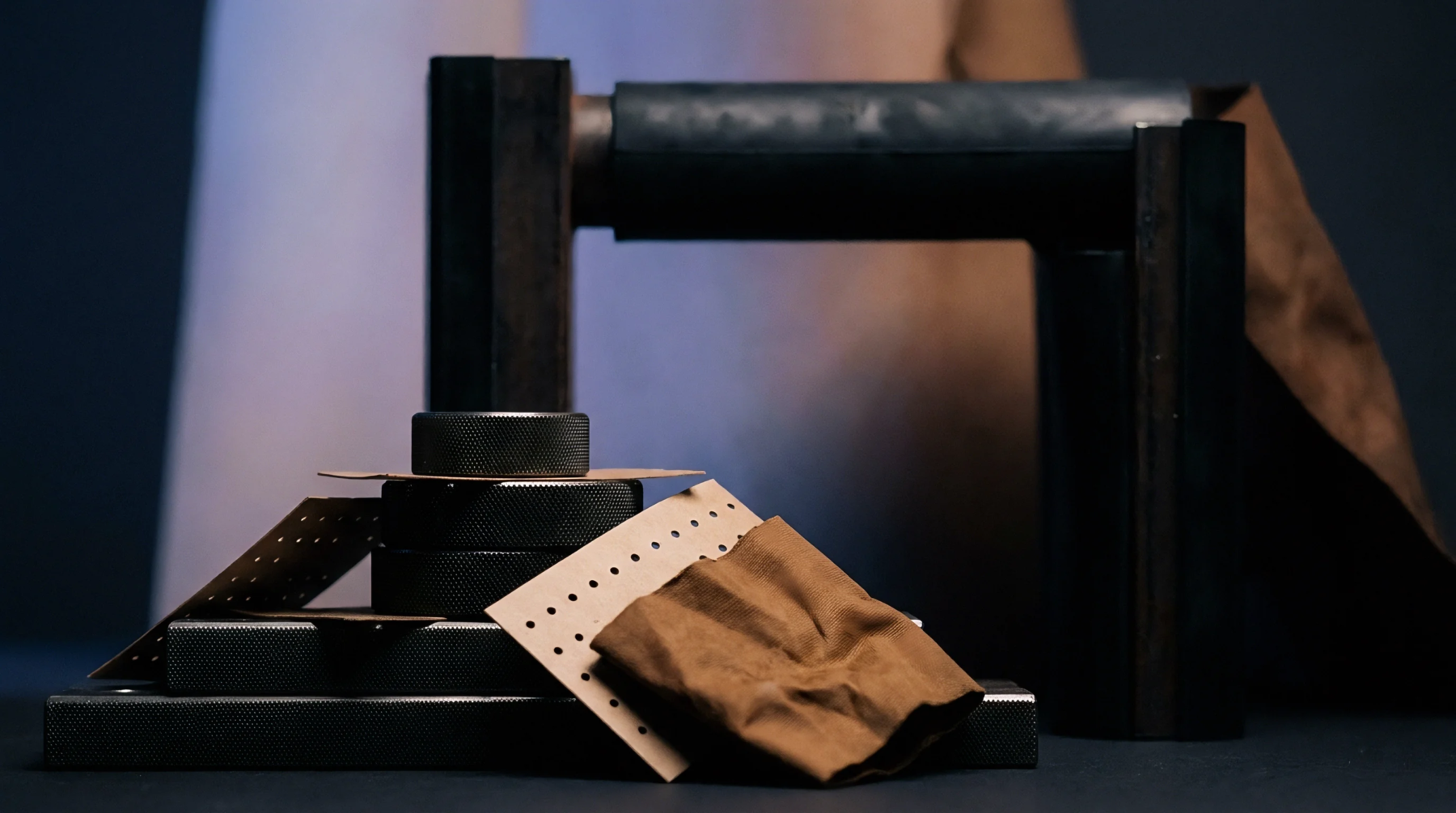
Single-sided cell exposure with calibrated ethanol-water media prevents artificial edge leaching and accurately isolates dispersion coating migration.
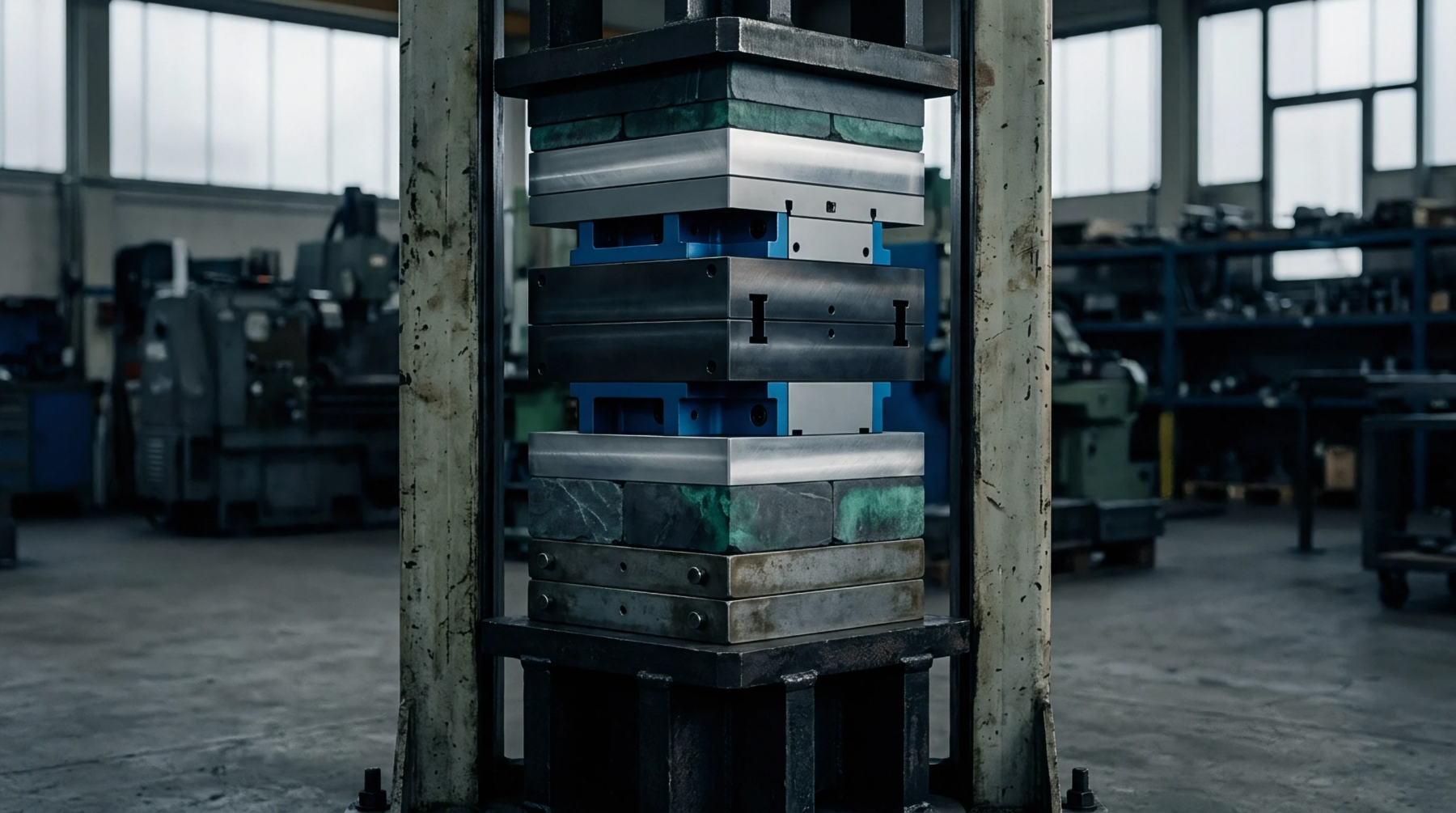
Predict dynamic thermal expansion and counterforce creep using alloy scaling factors and glass-transition temperature limits to maintain stamping register.
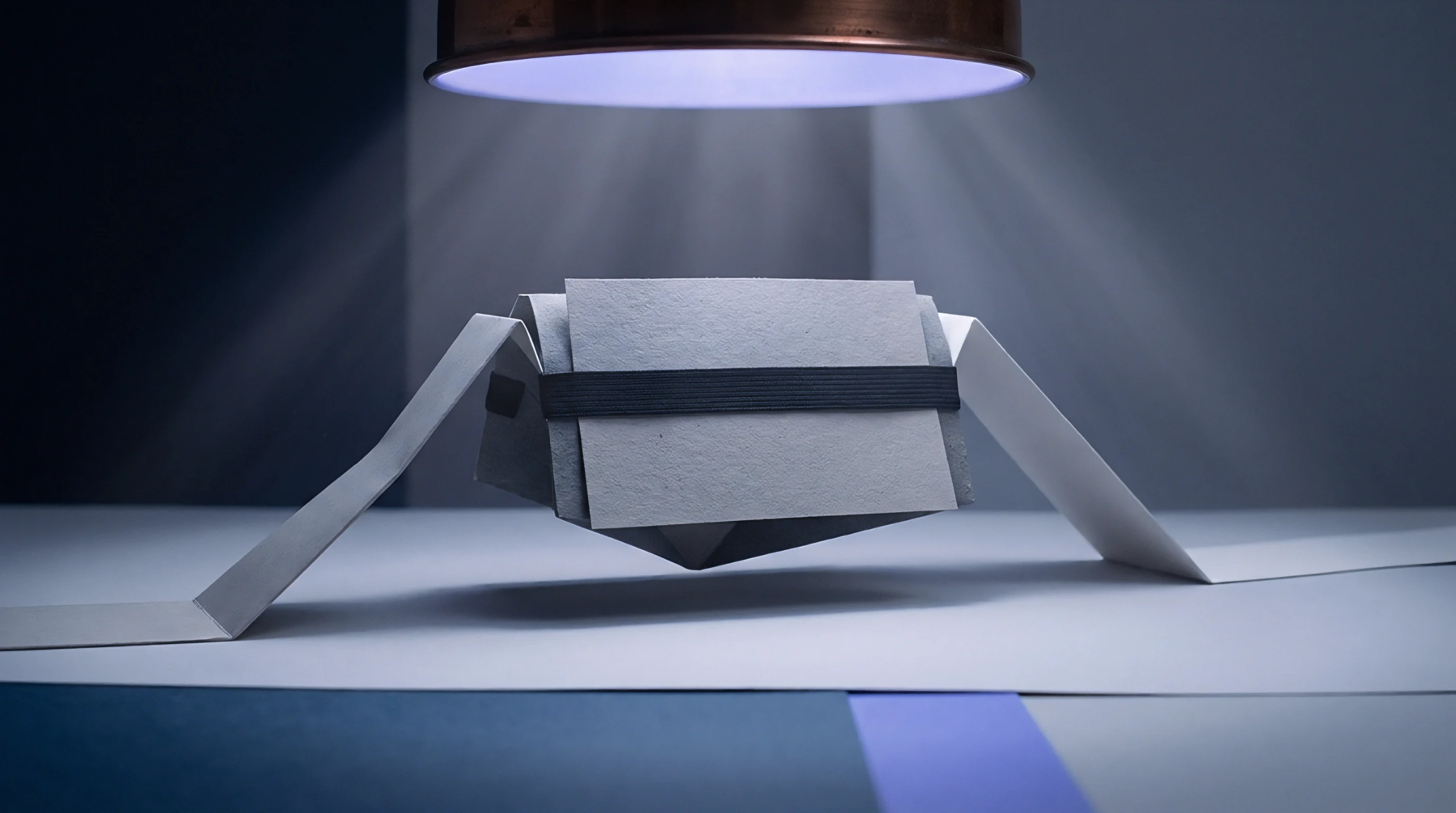
Subsurface light penetration introduces up to 25 micrometers of optical drift in laser triangulation, requiring cross-polarization and grade-specific ISO 534 calibration.
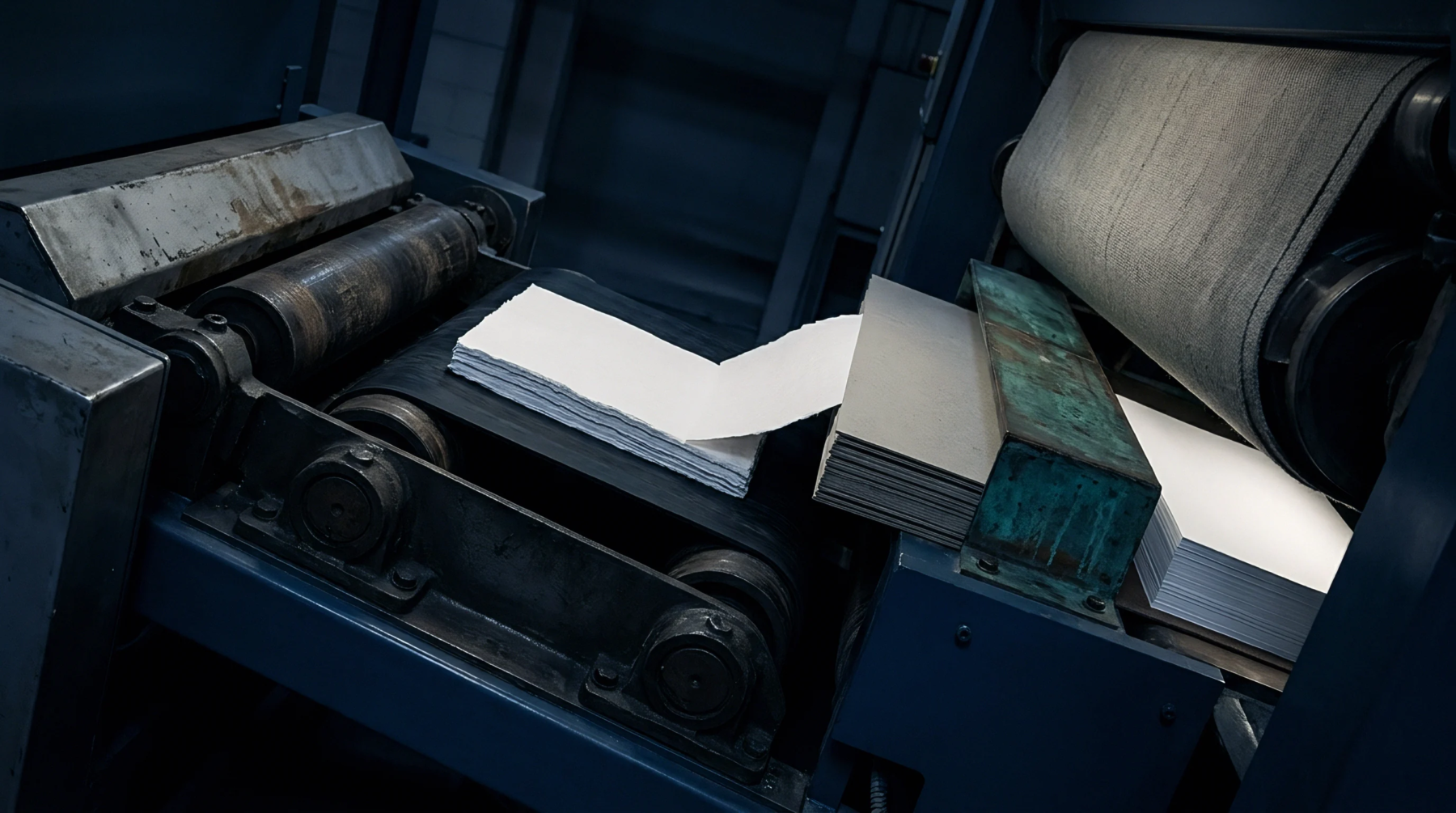
Dynamic pass line vibration cancellation restores laser caliper gauge resolution down to sub-micron accuracy by eliminating phase-lag z-axis position errors.

Dual beam telecentric triangulation delivers non-contact web caliper measurement by cancelling flutter and eliminating lens magnification errors across moving webs.
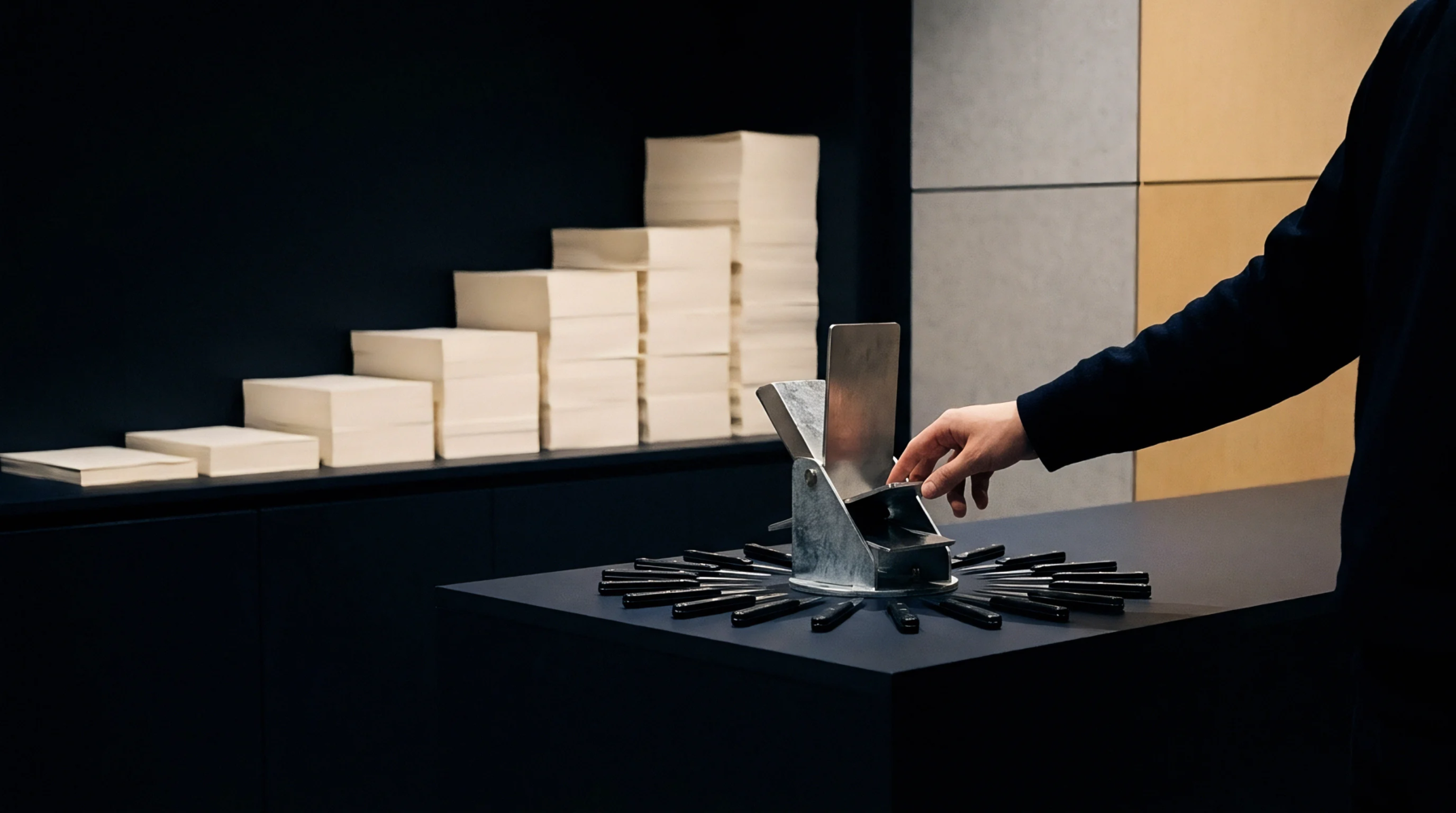
Poly(2,6-diphenyl-p-phenylene oxide) replaces liquid simulants for paperboard, preventing fiber collapse during compliance migration testing.
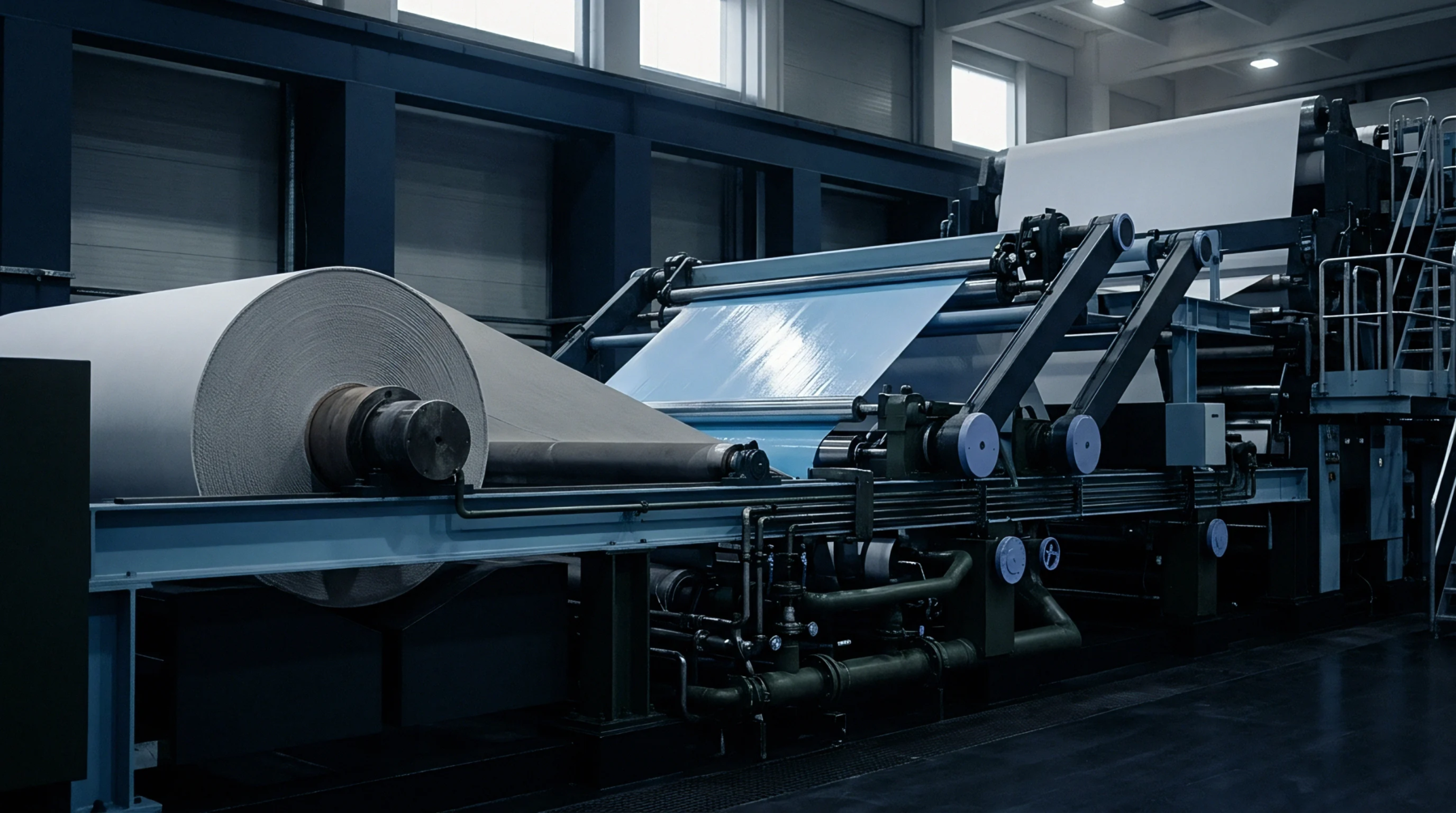
Dynamic moisture entry plasticizes paperboard core binders and depresses matrix glass transition, driving interlaminar delamination and pallet stack collapse.

Counter die relief profiles for film laminated folding boxboard require expanding channel widths by twenty percent to prevent outer film shear tearing.
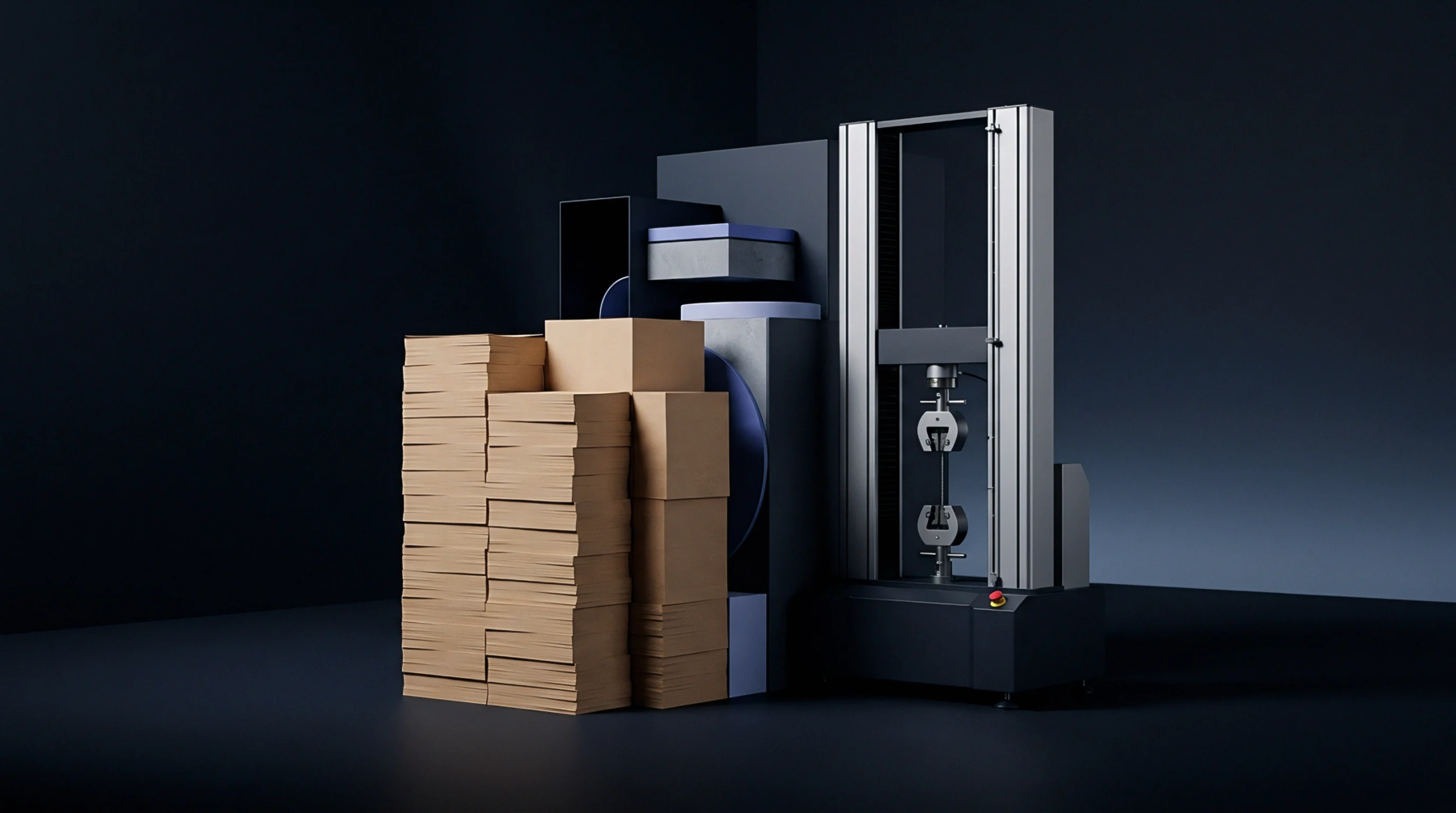
Substrate compression ratio measures z-axis compaction, balancing tool impression depth against fiber strain limits to maximize embossing height without shearing.
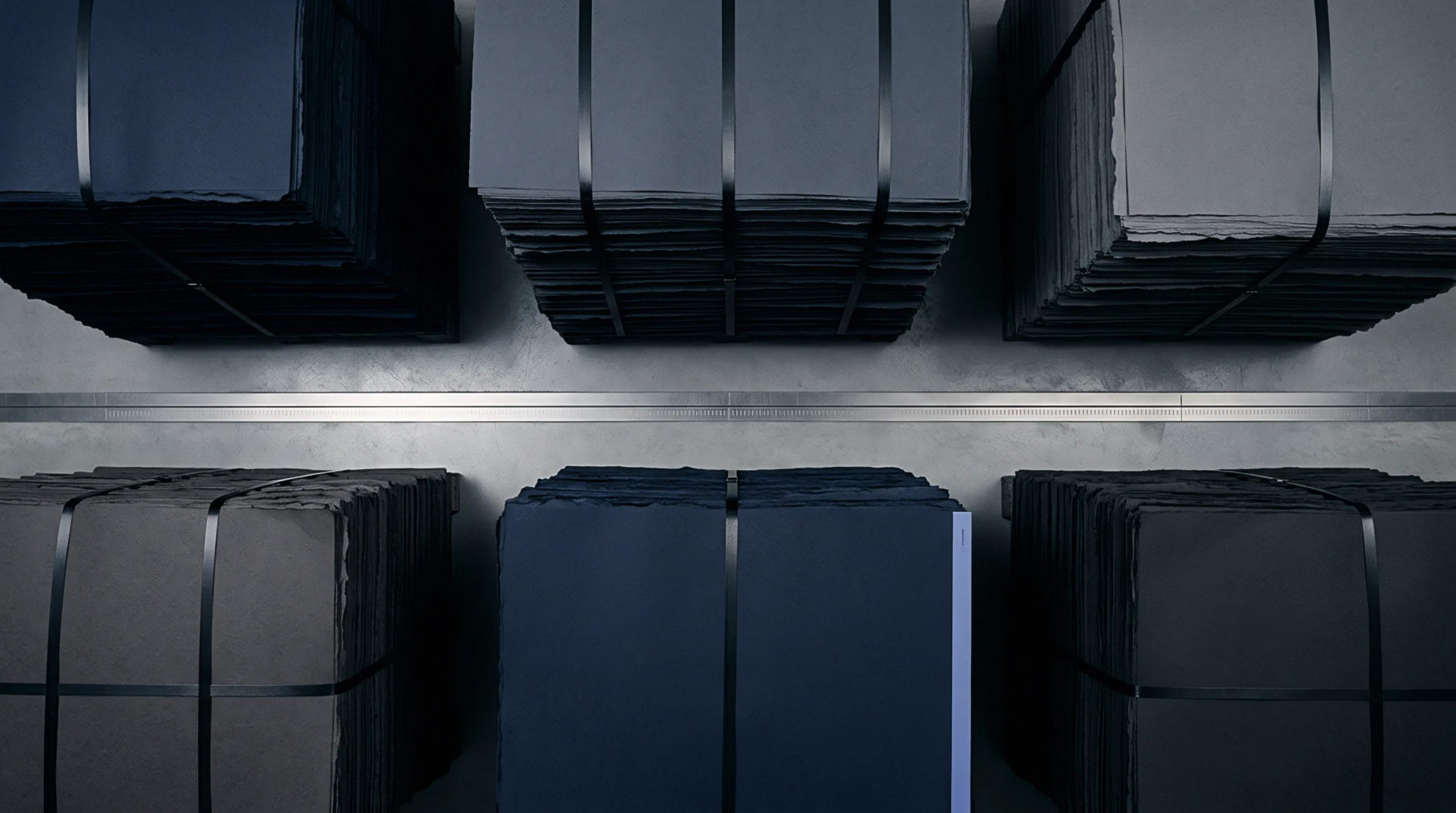
Unheated storage alters multi-ply boxboard moisture equilibrium, swelling sheet edges, reducing internal bond strength, and causing severe converting curl.
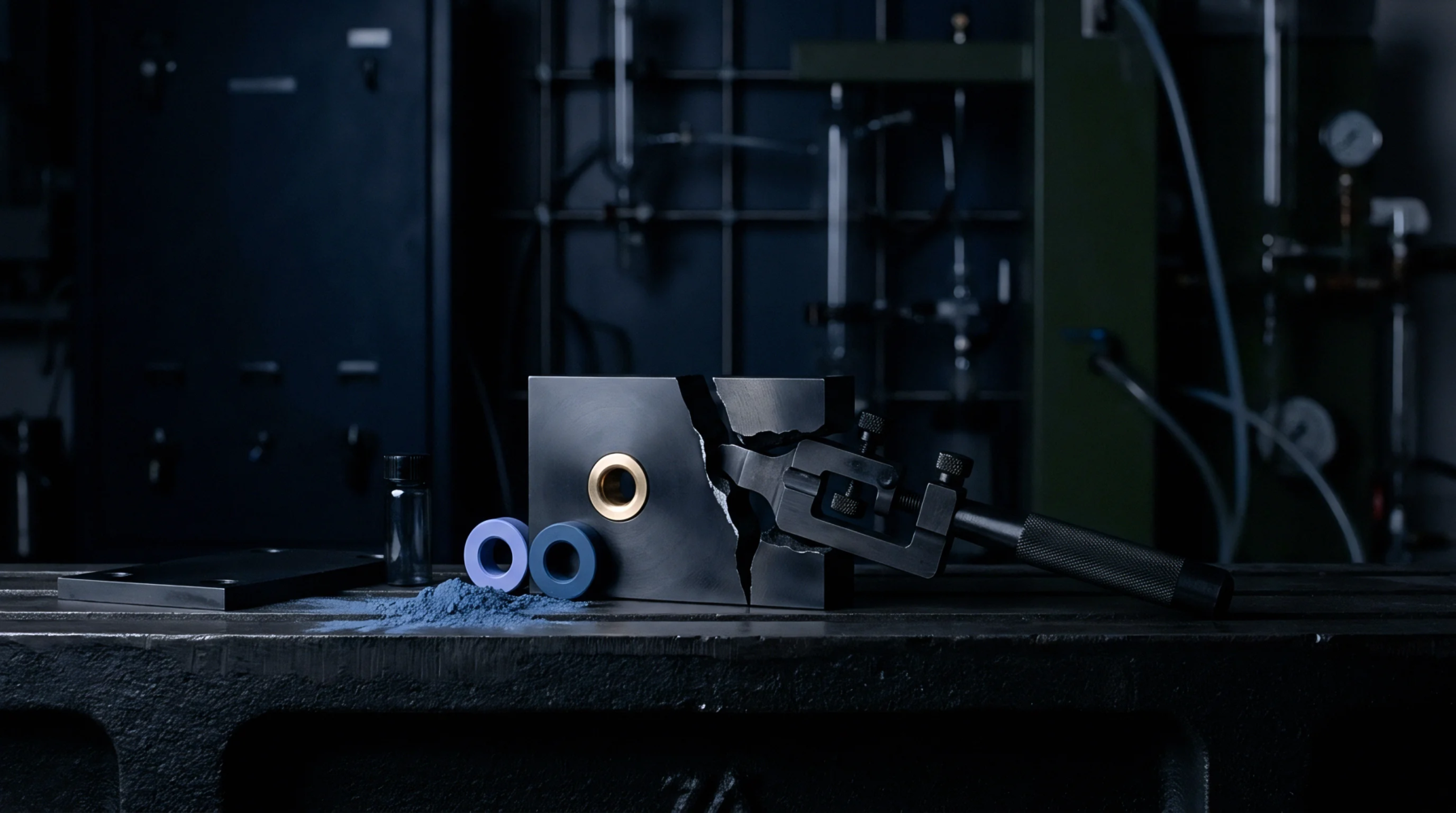
Dynamic humidity cycling lowers bio-barrier interfacial shear energy, triggering delamination, barrier failure, and costly non-compliance at customs borders.
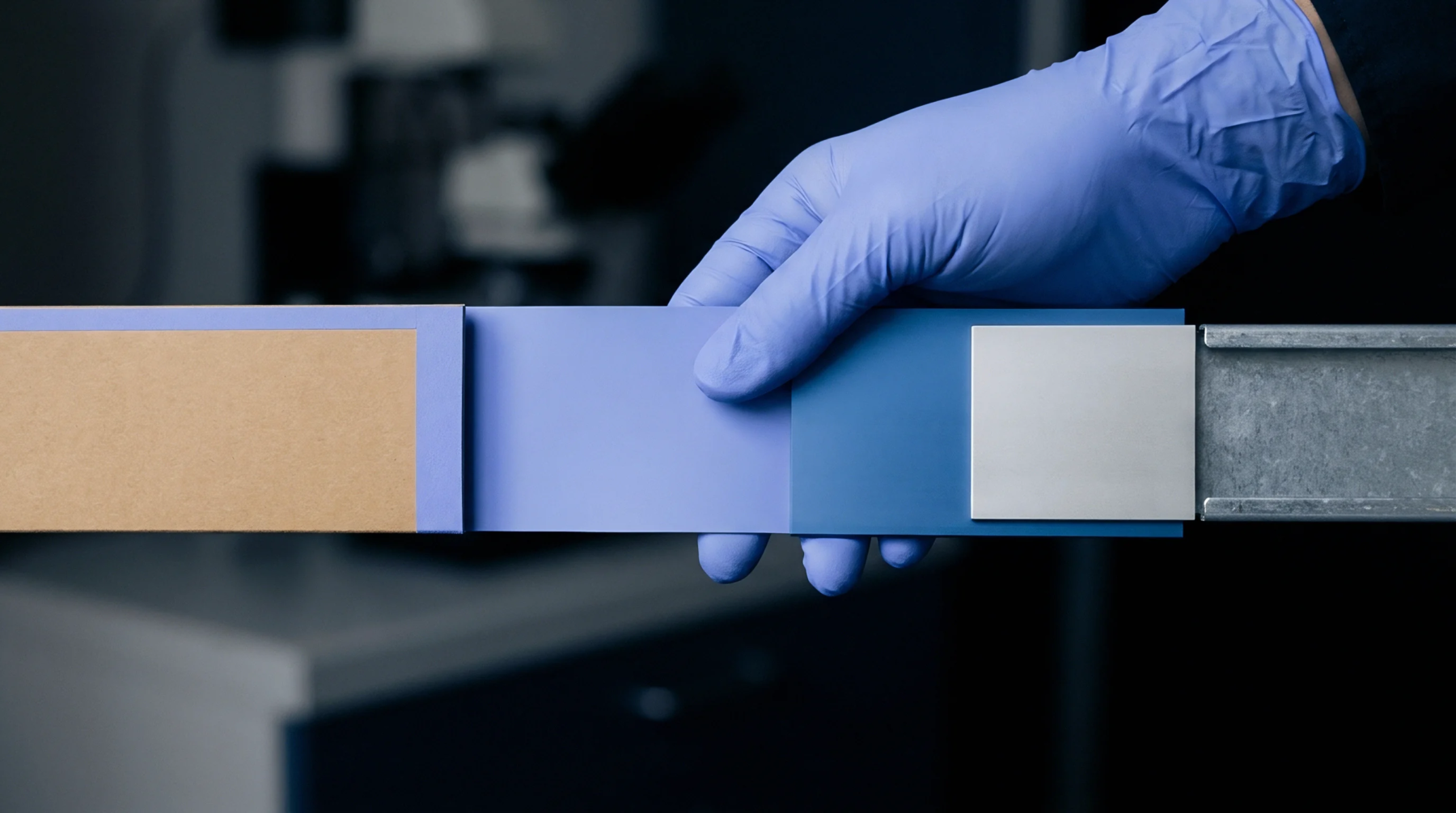
Valid boxboard physical testing requires ISO 187 conditioning at 23°C and 50% RH to prevent hysteresis errors in stiffness, yield, and creasing metrics.

Dynamic viscoelastic springback coupled with orthotropic panel deflection governs cartoning line efficiency and side-wall structural limits under high speeds.
Expertise is a utility, not a secret. sentiention™ publishes its working knowledge as open reference: intelligence layer covering the materials it sources, the markets it enters, and the reference that serves both.