
Surface Energy Mismatch Dynamics in High Build Acrylic Varnish Jetting
Surface energy mismatch causes reticulation or edge slump in digital spot UV jetting, requiring balanced dynamic surface tension and LED pinning.

Surface energy mismatch causes reticulation or edge slump in digital spot UV jetting, requiring balanced dynamic surface tension and LED pinning.

Mass balance in converting requires rigid intake invoice verification, yield-adjusted fiber ledger deductions, and segregated chemical barrier accounting.

Crosslinked polyurethane soft touch films crack under cyclic humidity when interfacial shear stress exceeds film yield strength at elevated substrate moisture content.

Dockside testing screens moisture, barrier integrity, and mechanical strength to verify paper substrate modifications before cargo clears port custody.

Paperboard import compliance depends on linking physical lot numbers directly to accredited chemical assays and verified chain of custody certificates.

Verifying imported packaging compliance requires auditing chemical migration reports, chain-of-custody scopes, and declarations of conformity before customs clearance.

Alkali-detachable ink selection prevents plastic flake contamination during caustic washing, avoiding eco-fee maluses up to 450 Euros per metric tonne.
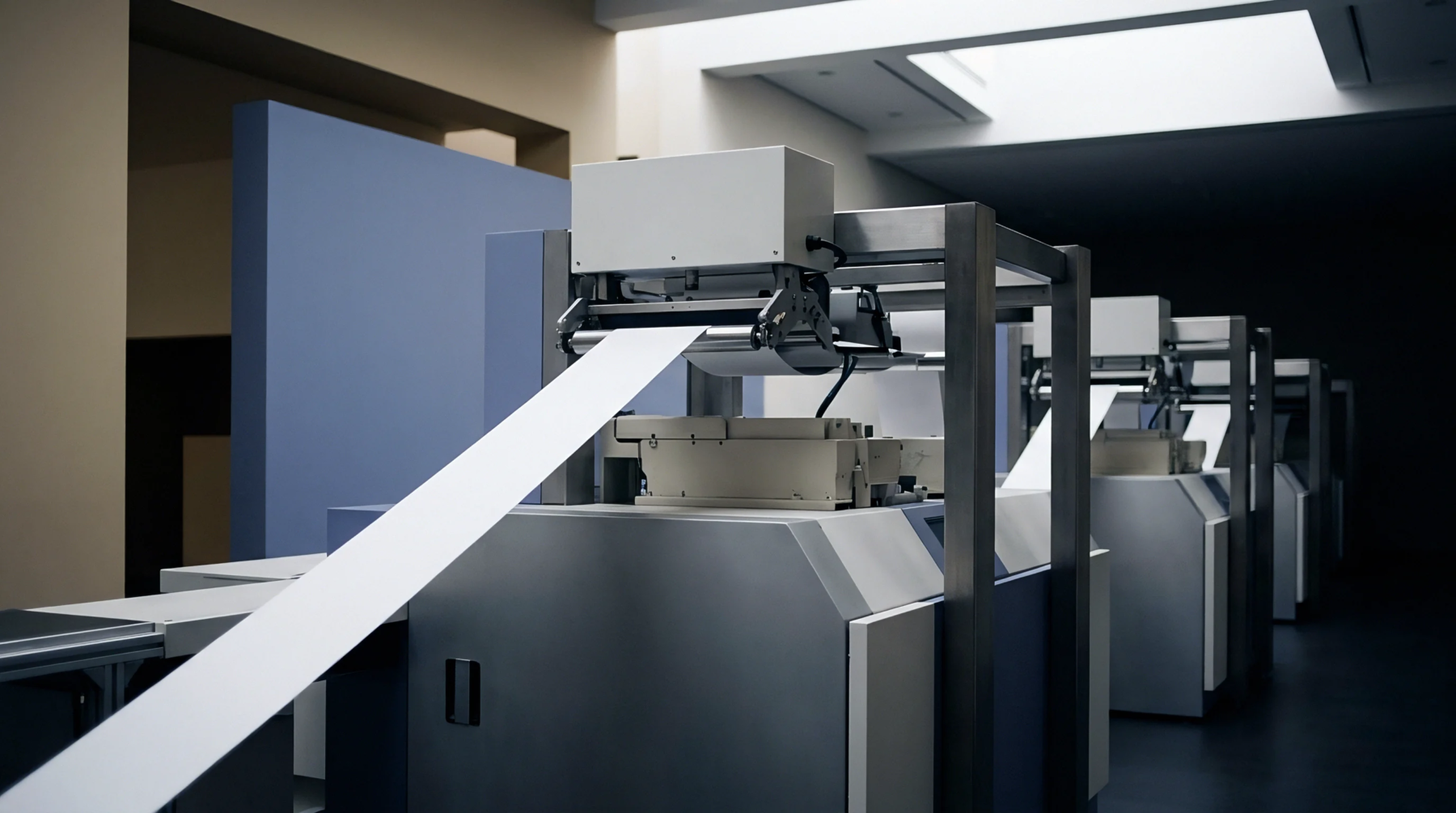
Pigment micro-geometry and particle packing dictate coat pore volume distribution, controlling ink vehicle absorption rate, print gloss, and coat strength.

Interfacial peel strength verification in metallized foils mandates ninety-degree fixture isolation to prevent substrate yield and accurately measure metal-polymer bond mechanics.

The domestic importer of record bears strict legal liability for printed packaging claims and absorbs all customs fines when declarations lack supporting technical files.

Pass order determines surface energy, registration accuracy, recyclability, and unit scrap rates across multi-step print converting runs.

Calibrating process marker attenuation requires site-specific mass loss factors to defend mass balance credits across multi-site chemical recycling chains.

Dynamic multi-phase matrix conservation models track dissolved lignin and carbohydrate degradation products across pulping, washing, and packaging compliance gates.

Quantifying residual acrylate monomers by gas chromatography requires solvent extraction and headspace screening to verify compliance with food migration limits.

Multi-ply board stiffness and compression depend on z-direction modulus distribution, where cubic caliper scaling governs flexure and cross-direction short-span compression dictates box stacking strength.

High moisture multi-pass converting requires sizing CD modulus retention above 45 percent at 12 percent web moisture to prevent strain-induced register loss.

Photoinitiator migration limits demand complete photopolymer conversion or functional containment to keep extractable residues below 10 parts per billion.

Inter-ply bond standards mandate TAPPI T 541 or ISO 16260 testing under strict ISO 187 conditioning to prevent converting delamination on recycled paperboard.

Poly-coated vapor transport follows Fickian diffusion governed by polymer density and coat weight until score line fractures shift mechanism to pore flow.

Transverse hygroexpansion in recycled paperboard drives interfiber bond dislocation and mechano-sorptive creep under cyclic moisture, accelerating compressive loss.
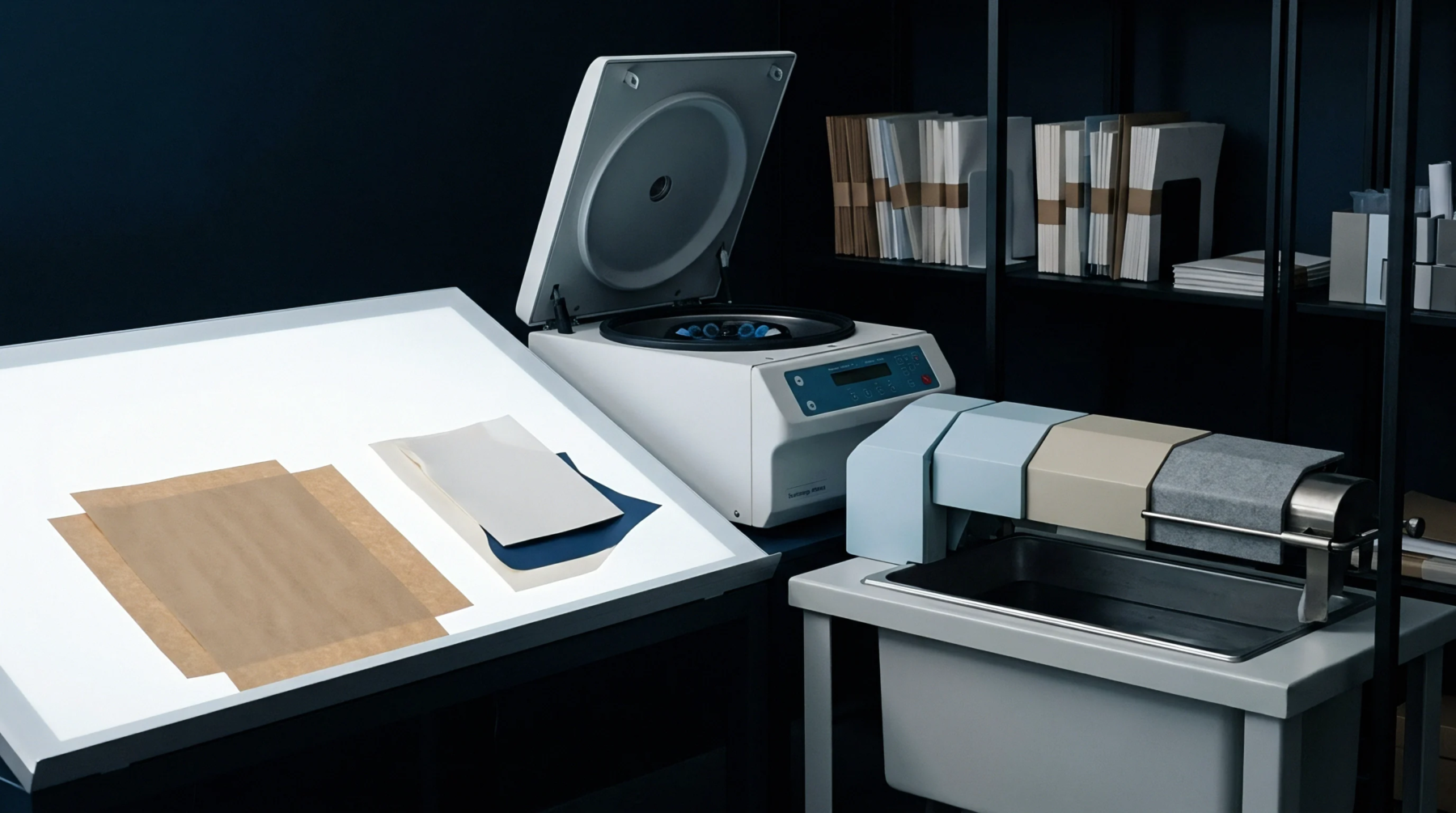
Polymeric coatings block recycled board NIAS migration when layer thickness, crosslinking density, and pinhole frequency meet specific mass transfer criteria.

Recycled pulp webs suffer severe tensile network degradation under cyclic transit humidity due to moisture-driven hydrogen bond disruption and hornified fiber creep.

Dynamic delamination thresholds in recycled calipers dictate converted score integrity, requiring minimum inter-ply shear energy dissipation under high strain rates.

Laser triangulation delivers uncompressed 3D areal topography data, isolating micro-roughness and void volumes that drive print quality across coated boxboard.
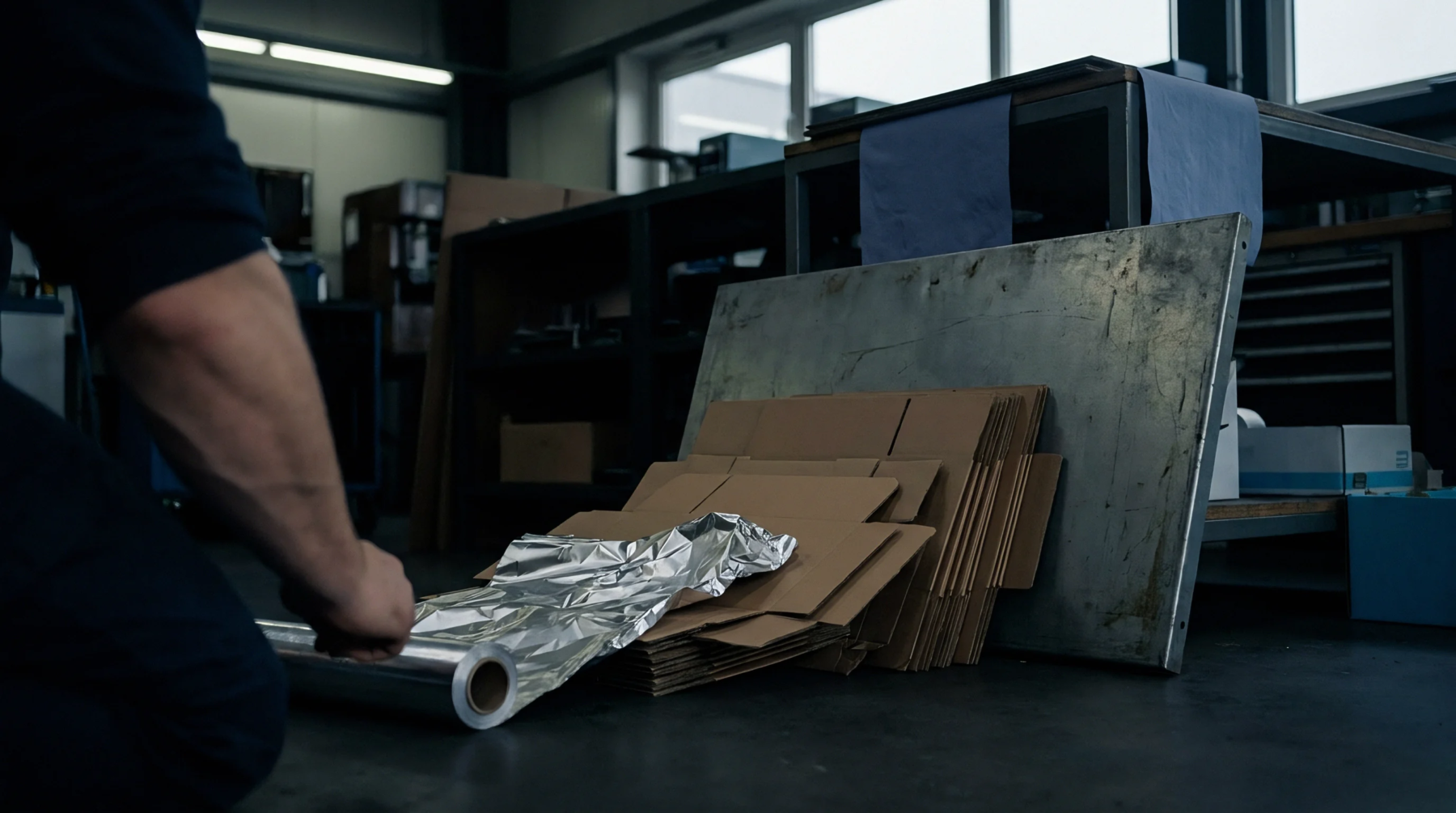
Coupling non-linear moisture diffusivity with GAB sorption models provides accurate microfibril barrier shelf-life qualification under humid transport conditions.

Crosslinked microfibril barrier qualification requires dynamic vapor sorption fitting to prove moisture resistance and verify regulatory compliance.
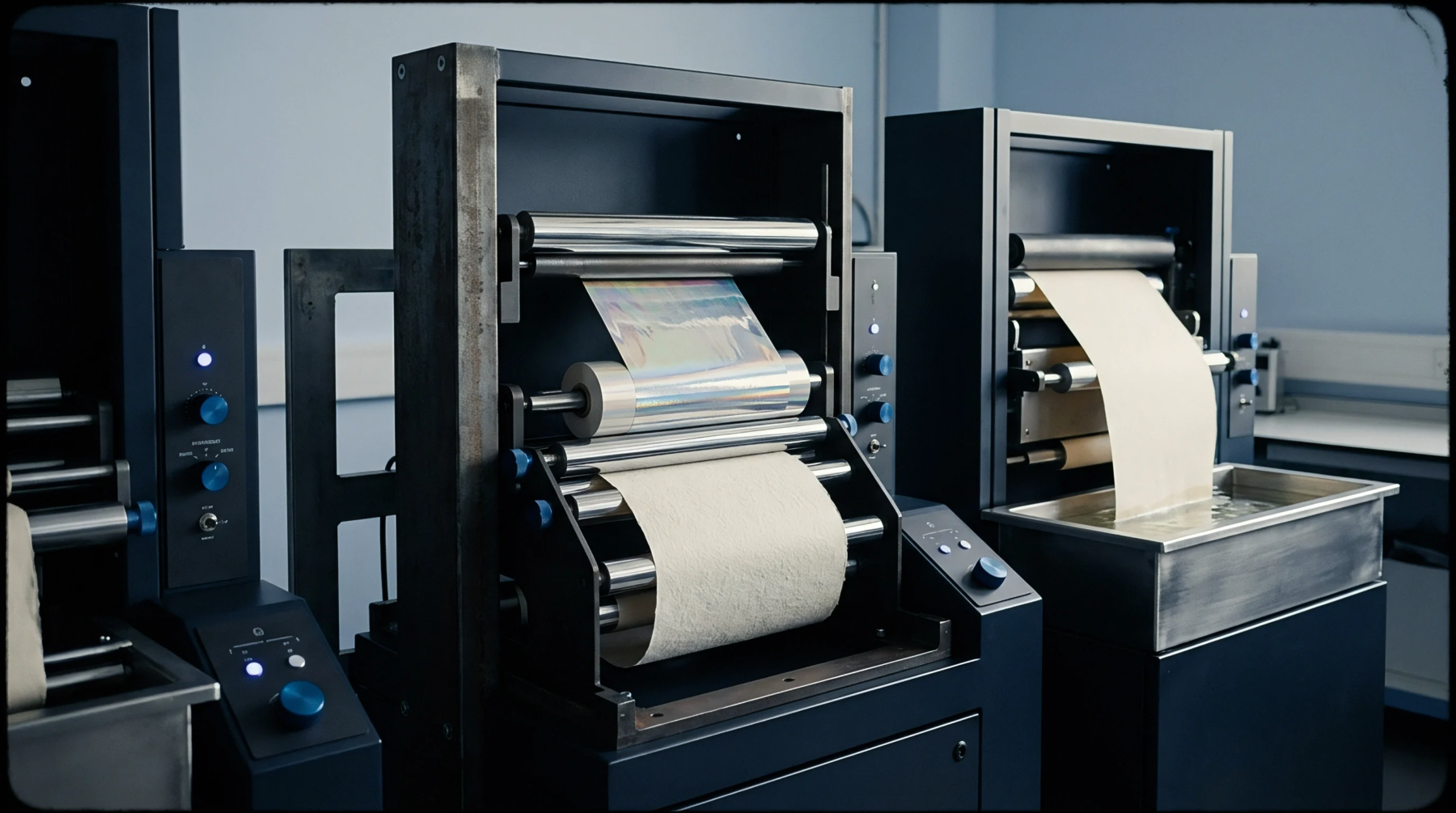
Dynamic surface tension at millisecond surface ages dictates liquid curtain stability and dynamic wetting limits in paperboard coating operations.

Evaluating surface energy decay in thermal TPU lamination requires measuring polar force components to ensure bond strength before heat and pressure passes.
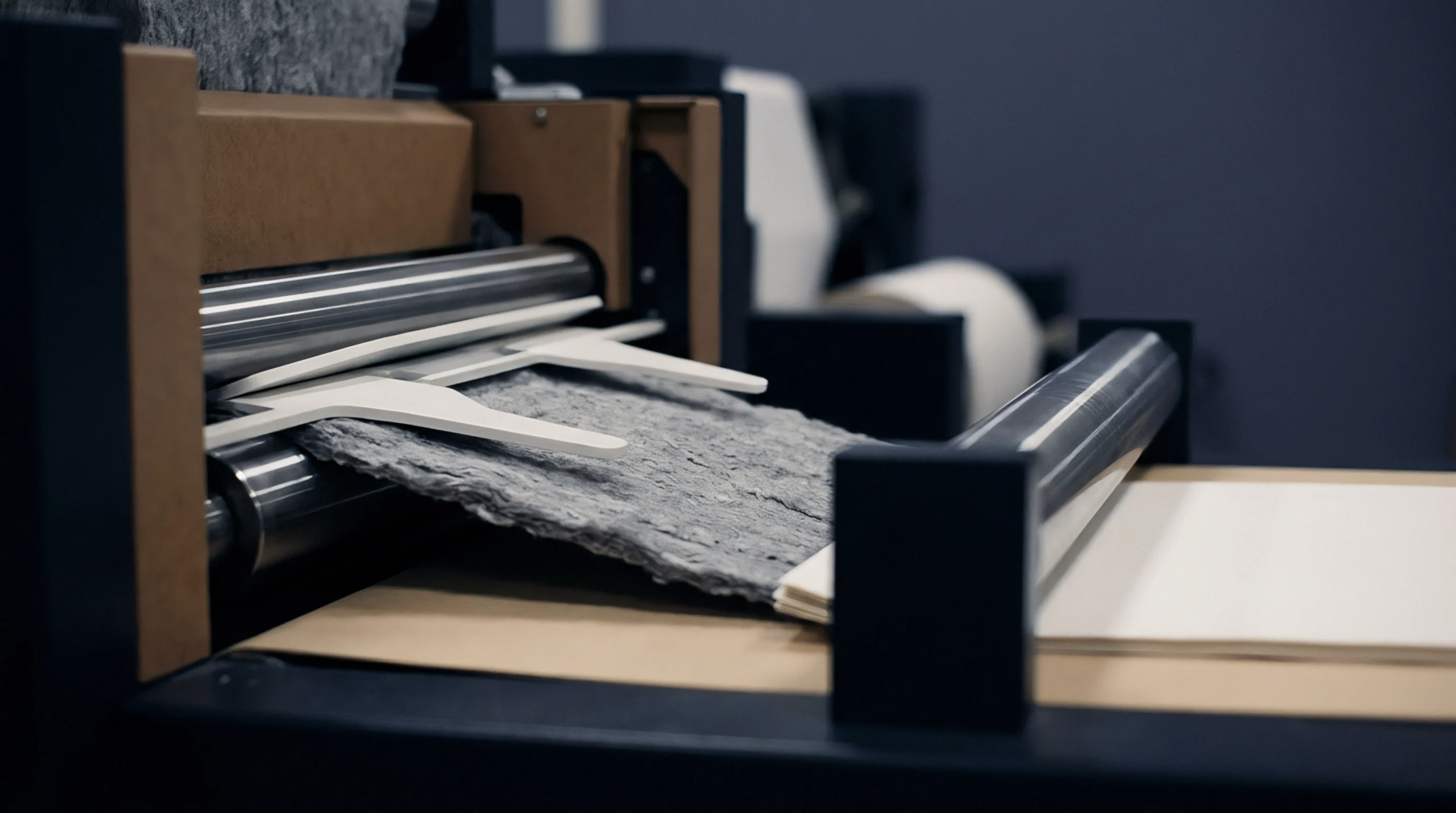
Viscoelastic transport modeling predicts humidity-driven micro buckling in recycled fluting to protect containerboard compression strength.
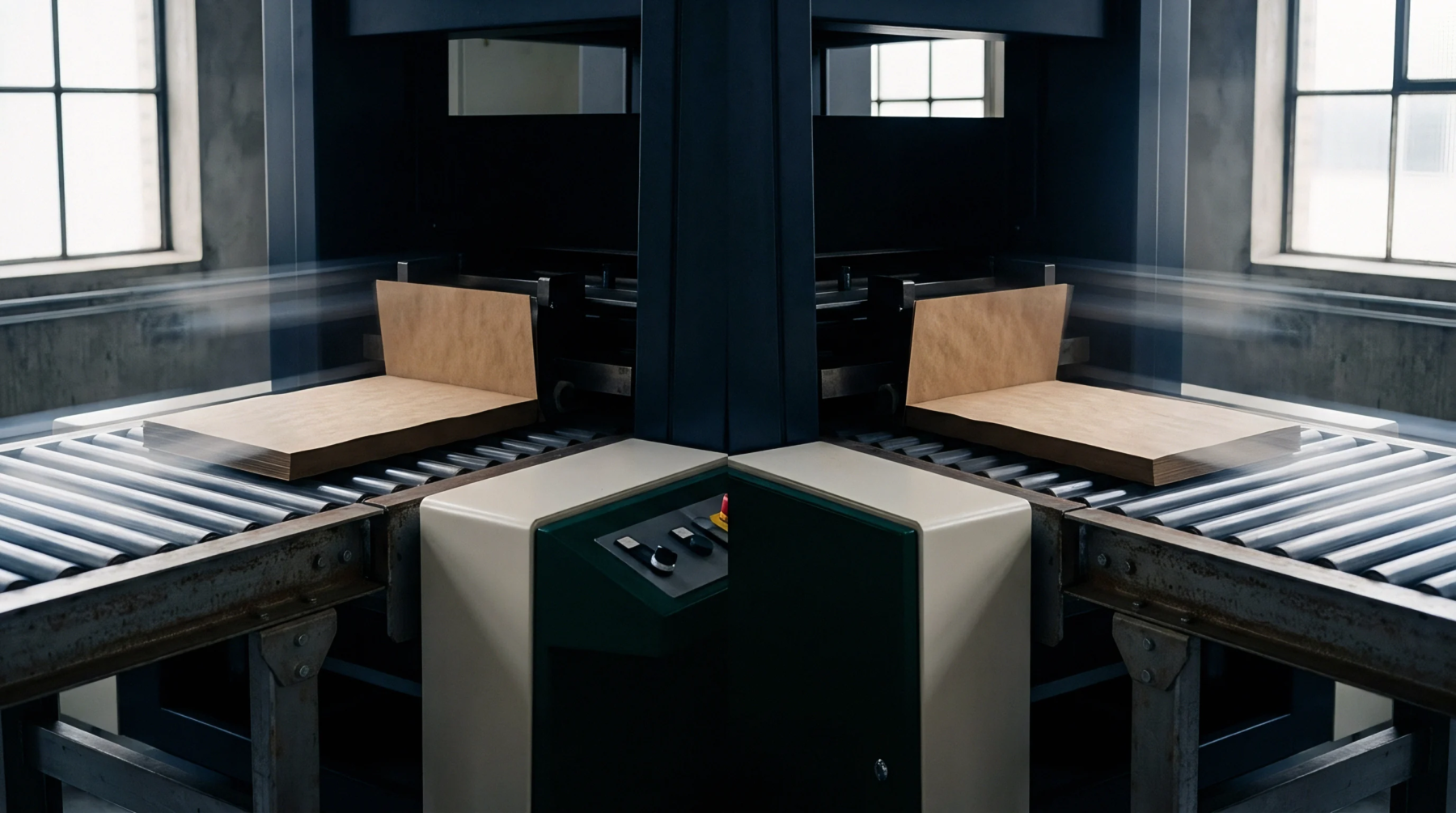
Selective z-directional moisture and thermal calendering plasticizes outer chemical plies to optimize surface smoothness while preserving mechanical core bulk and stiffness.
Expertise is a utility, not a secret. sentiention™ publishes its working knowledge as open reference: intelligence layer covering the materials it sources, the markets it enters, and the reference that serves both.