Paperboard Chain of Custody Verification Standards for Packaging Buyers
Validating paperboard claims requires cross-checking certificate scope codes on public databases and securing batch migration test reports.

Validating paperboard claims requires cross-checking certificate scope codes on public databases and securing batch migration test reports.

Aqueous dispersion barrier boards outperform extruded polyolefins by delivering over 95 percent wet end fiber yield and avoiding heavy EPR penalties.

Mechanical decurling and fluid rehydration permanently degrade recycled paperboard flexural modulus by shear micro-delamination and fiber plasticization.

Single-sided lamination curl stems from differential thermal shrinkage of polymer film opposing moisture-driven hygroexpansion across anisotropic board fibers.
Calibrating index lag windows and deadband thresholds in board contracts prevents administrative friction and stabilizes long-term procurement pricing.

Verifying post-consumer recycled claims in folding boxboard requires cross-referencing FSC/PEFC credit accounts with deinking yield losses and MOSH/MOAH markers.

Cross direction creasing of chemical pulp requires expanding matrix channel width to 1.5 to 1.7 times board caliper plus rule width to prevent liner cracking.
Air-coupled ultrasonic guided waves quantify paperboard crease ply delamination and micro-cracking non-destructively, preventing box compression failure.
Cross-border recycled pulp disputes clear by adjusting gross container weight to bone-dry fiber mass via ISO 7213 wedge sampling and ISO 2144 ash deductions.
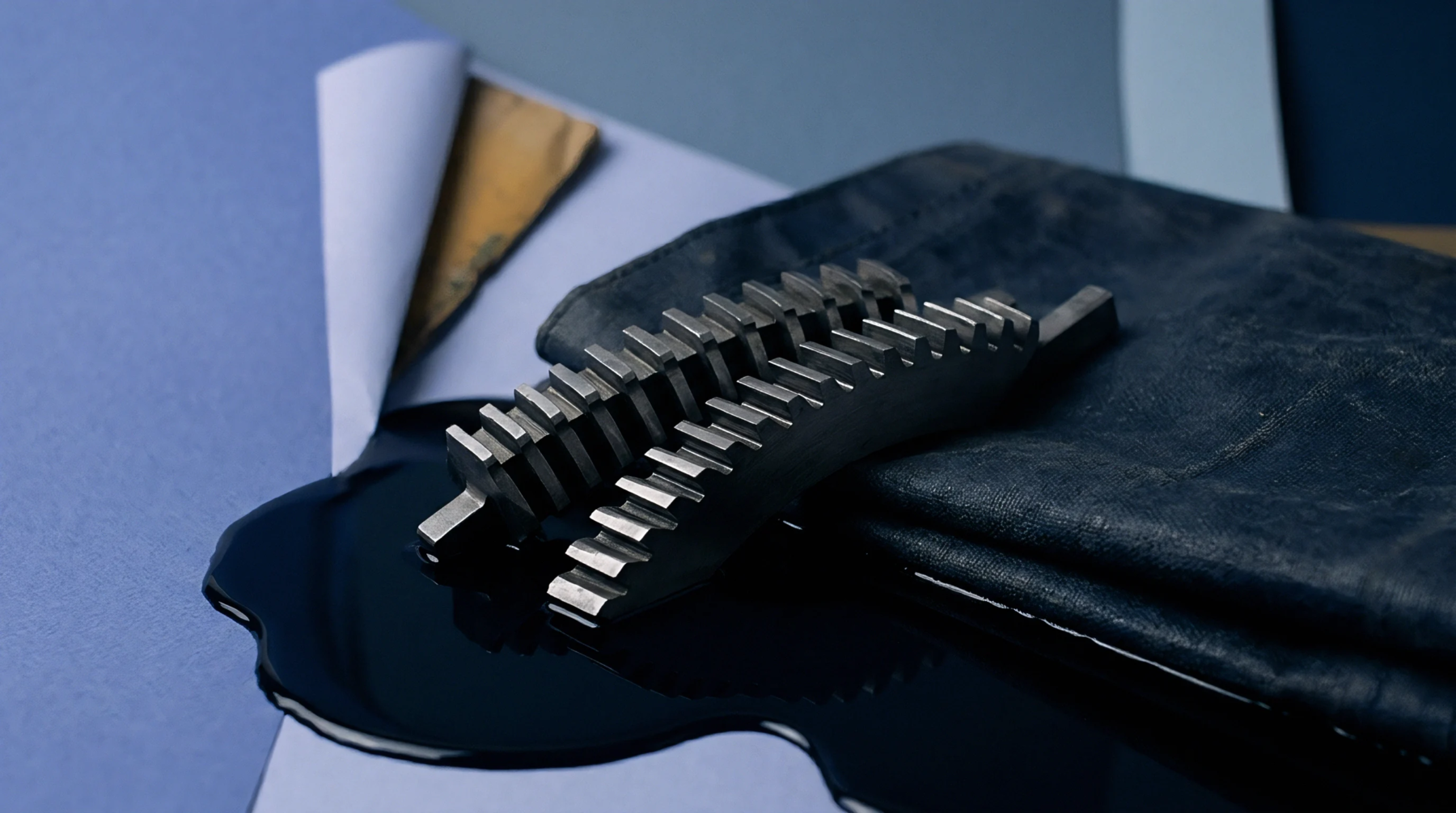
Balancing dynamic surface tension sub-10ms wetting with high extensional viscosity prevents droplet rebound and glue stringing on creased paperboard.
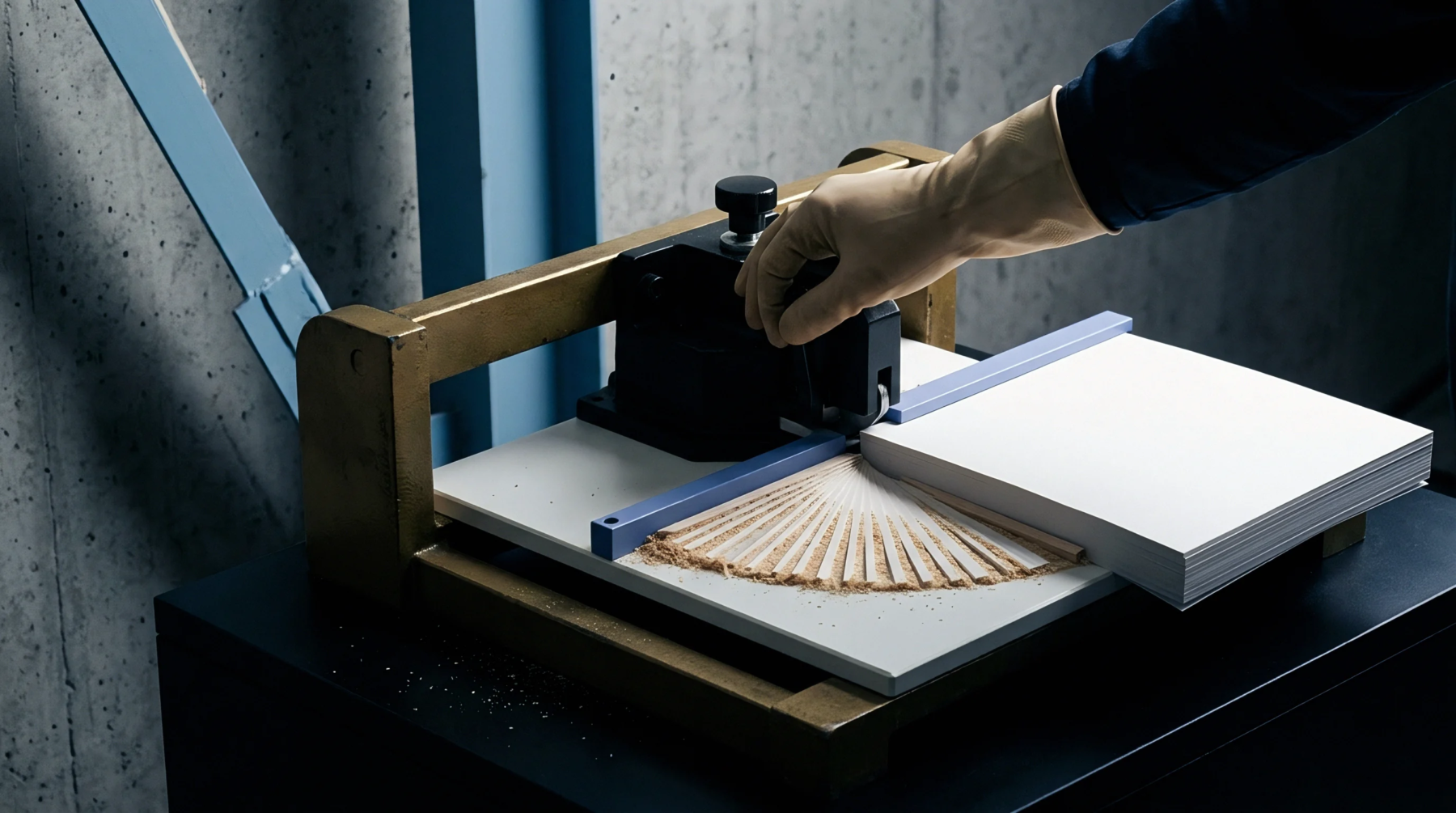
Optimizing rule depth and matrix channel width induces internal ply delamination, preventing top liner crack failures during high-speed carton folding.
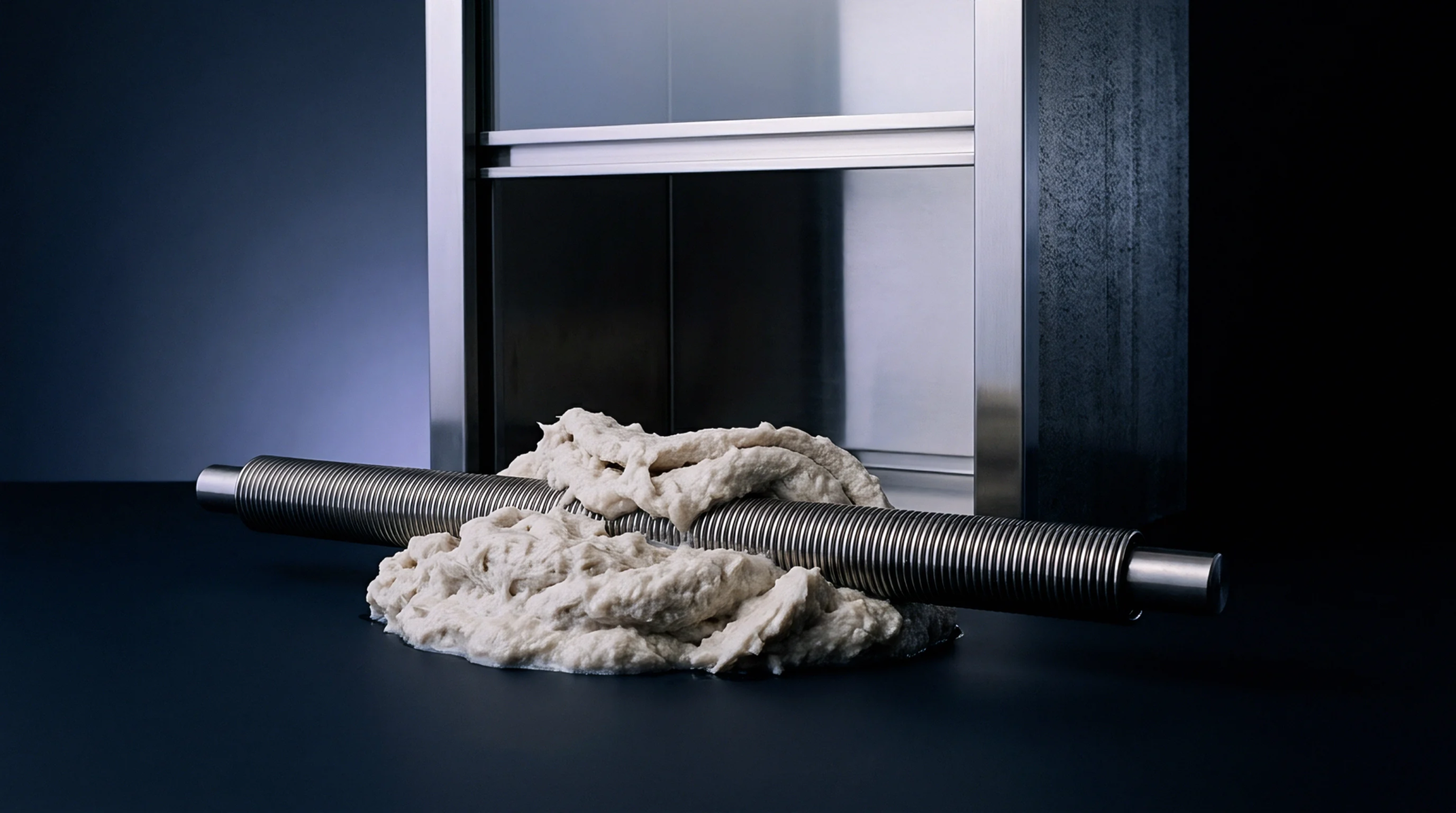
Liquid release from anilox cells under high shear depends on dynamic viscosity below forty centipoise and cell depth ratios under thirty percent.
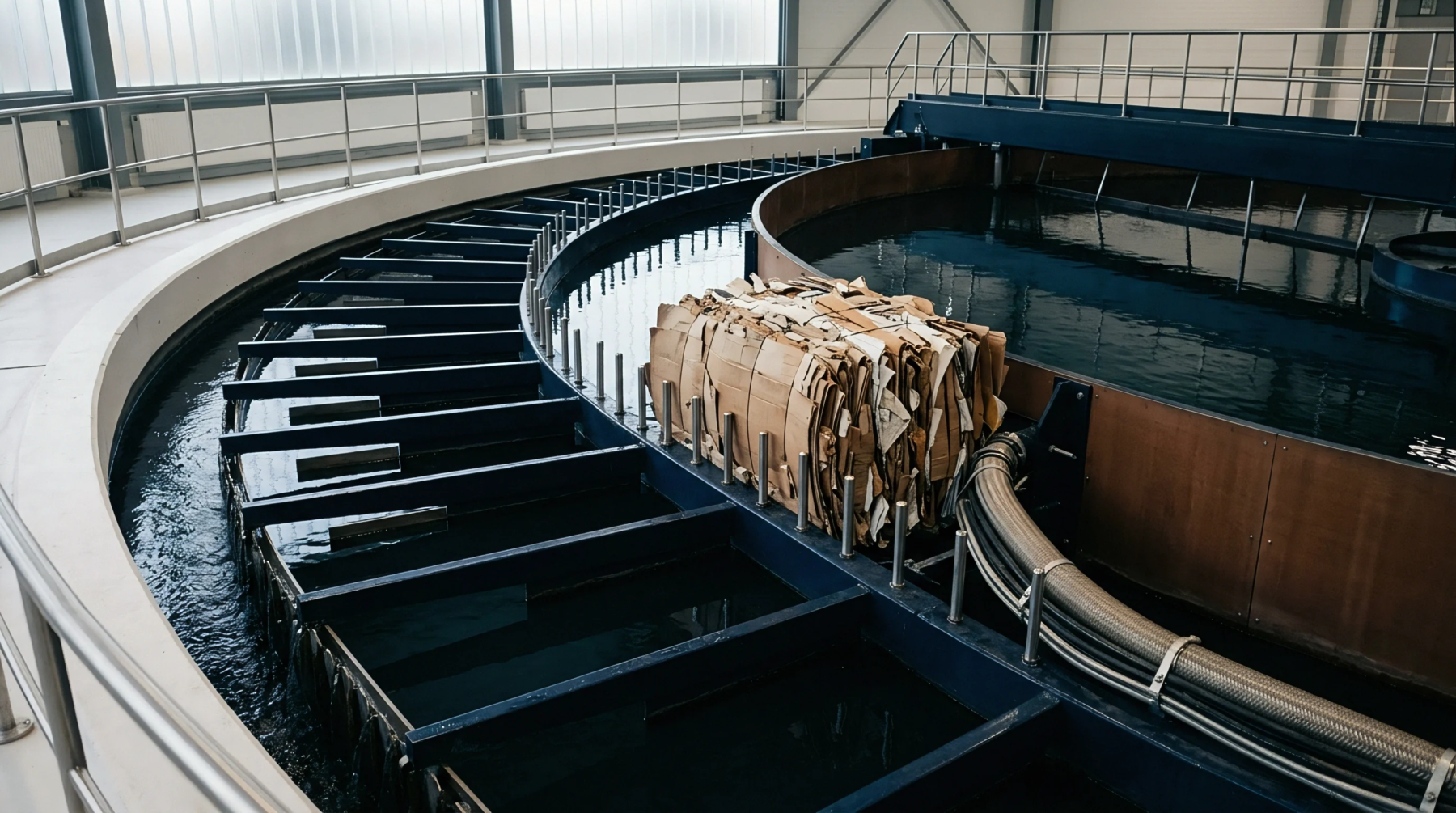
Auditing recycled furnish requires converting weighbridge gross mass to bone-dry fiber to prevent water inflation in CoC ledgers and commercial settlements.

Dynamic paperboard creasing requires speed-adjusted tooling channel geometry to prevent barrier micro-fracturing and maintain shelf-life performance.

Reconciling decoupled credit ledgers with physical fiber movements requires dynamic conversion factor auditing and site-level transfer tracking.

Aqueous dispersion barrier performance depends on wet coat weight uniformity, film drying coalescence, and creasing matrix geometry that prevents score line cracking.

Hydrophobic varnish failure in flotation deinking stems from poor particle fragmentation and surface energy mismatches that generate micro-stickies and reduce pulp brightness.

Applying uncorrected gross weights or inflated yield factors into mass balance ledgers creates over-allocated credit accounts that trigger customs seizures.

Eucalyptus fiber collapse and hydrogen bond density dictate sheet tensile strength, bulk retention, and landed sheet cost in commercial packaging grades.

Conversion factor calculations for multi-ply boxboard ledger balances demand ply-separated dry furnish accounting to isolate mechanical core broke from virgin liners.

Matching counter matrix channel width to rule thickness plus 1.5 to 1.7 times board caliper prevents clay coating rupture and stabilizes carton score stiffness.
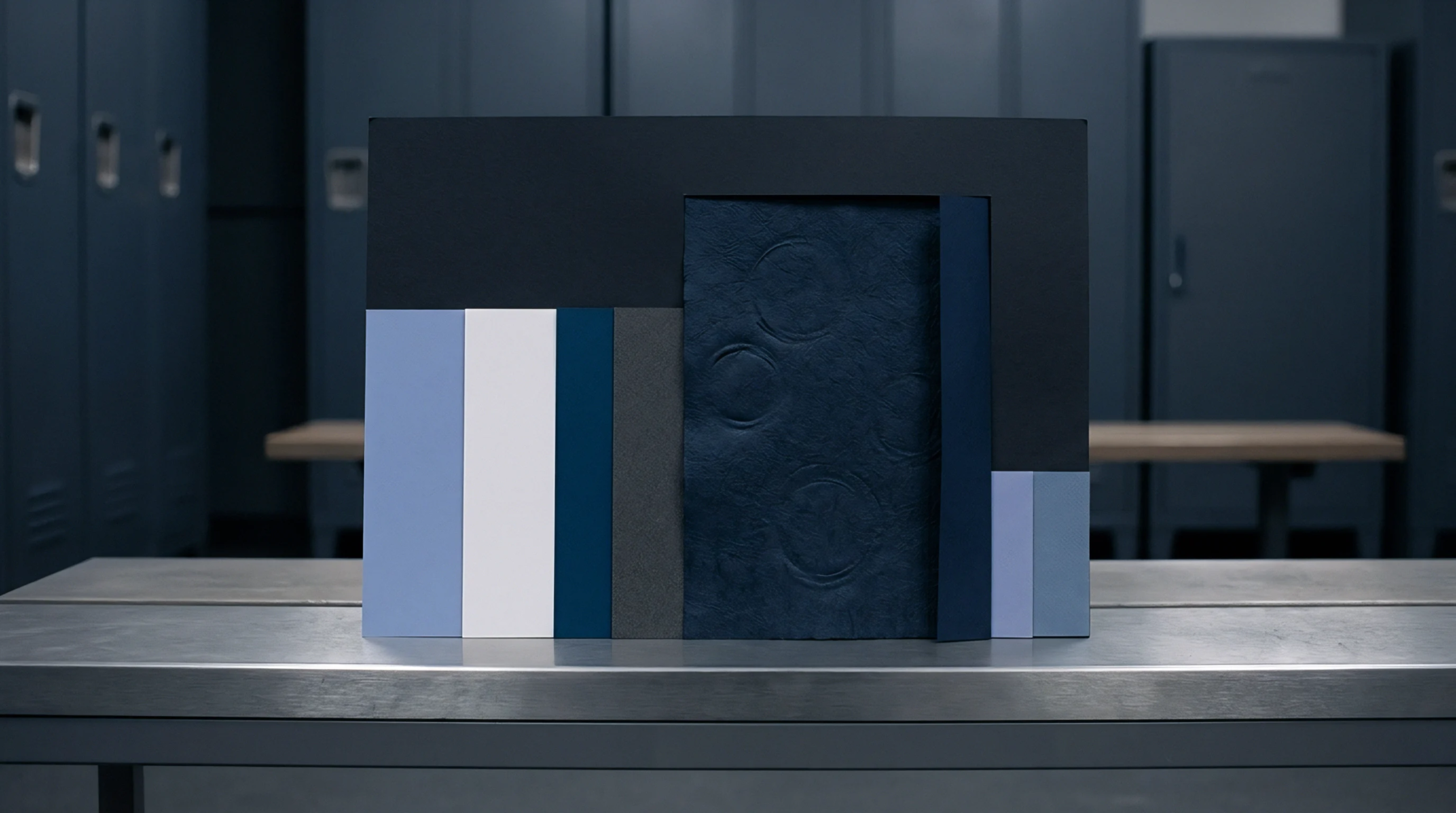
Inline blade coating and soft-nip calendering establish surface uniformity, while targeted finishing passes balance visual embellishment against repulpability.

Quantifying dynamic shear planes in recycled board requires high-rate impact testing to prevent score line splitting on high-speed converting lines.
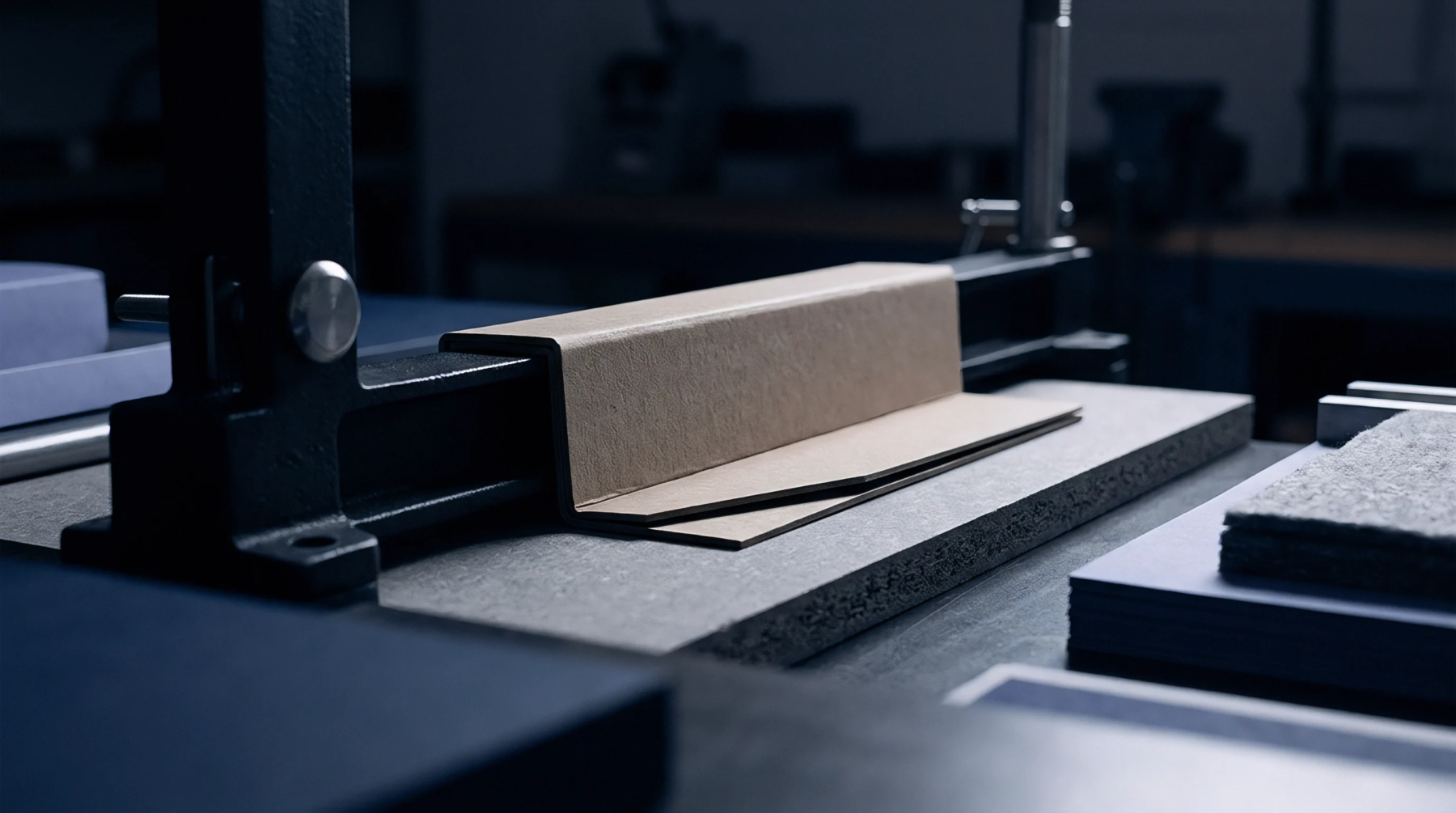
Aligning packaging redesign schedules with European recyclability deadlines requires twenty-four months to pass repulpability tests, tool lines, and secure EPR compliance.

Foil adhesion succeeds when polymer film surface energy exceeds forty-two dynes per centimeter and sizing chemistry matches the polar surface component.

Laboratory rub testing evaluates matte overprint varnish durability by measuring specular gloss shifts and receptor color transfer under standardized shear loads.

Multi-site chain of custody credit ledgers centralize certified fiber allocations across eligible sites under strict conversion and 24-month expiration limits.
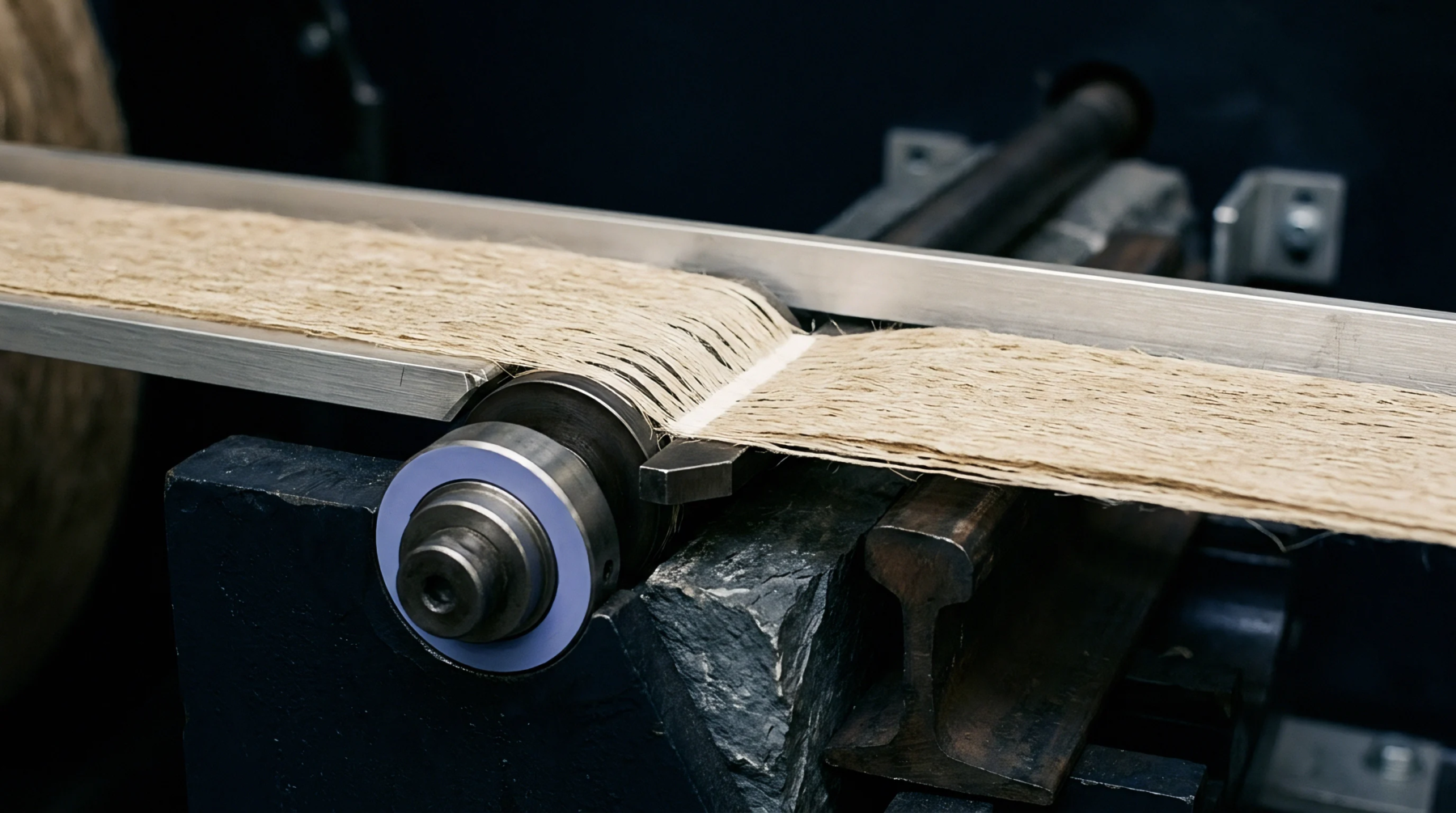
Low-fibre recycled board requires widening female matrix channels to 1.8 times caliper and reducing penetration depth to prevent top-liner rupture.
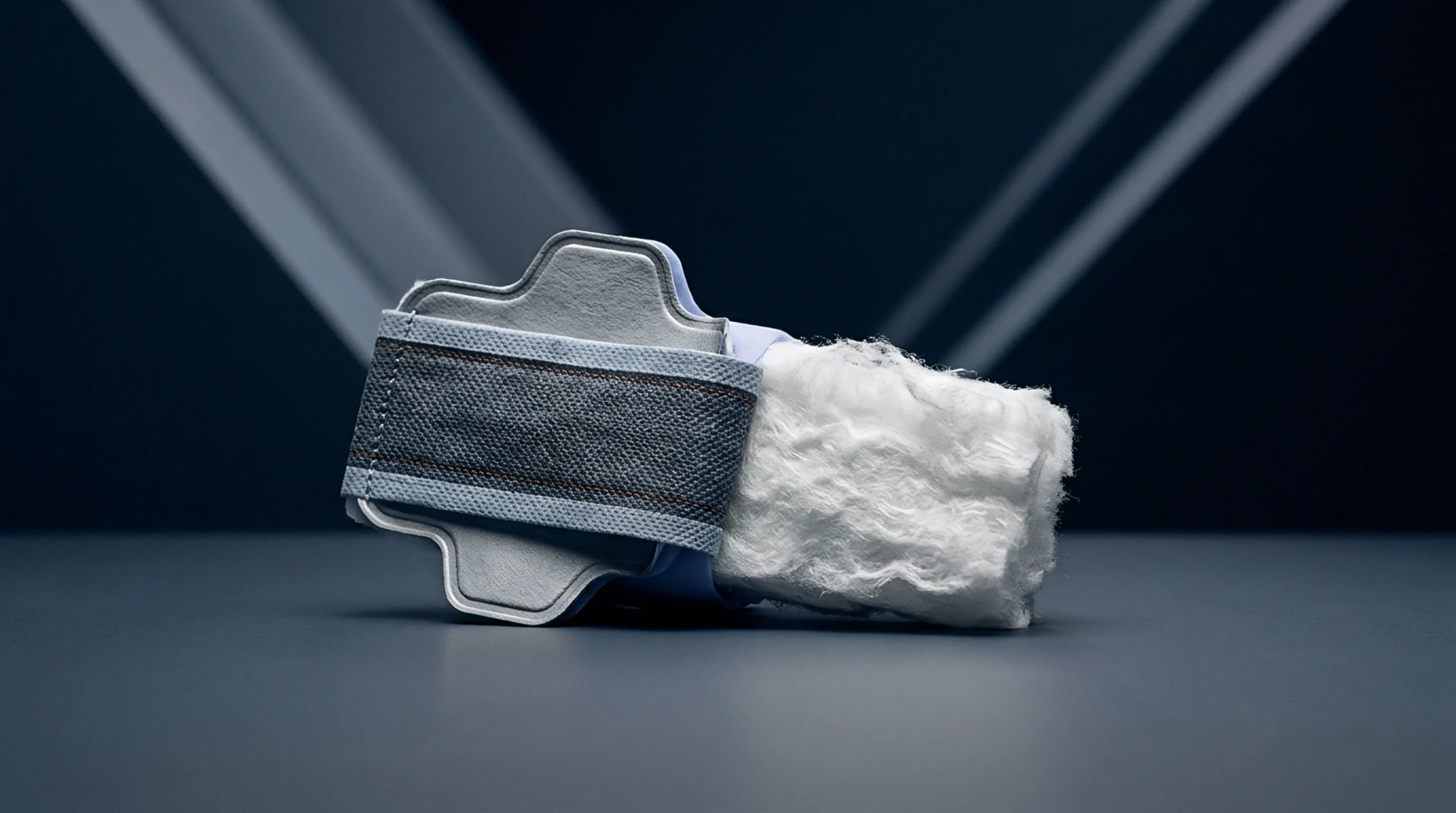
Recycled paperboard strain measurement requires direct optical extensometry under ISO 1924-3 to isolate true sheet elongation from clamp slippage.

Matching dynamic Scott Bond energy above 120 J/m² prevents high-speed folder-gluer delamination and reduces net carton cost through lower line scrap.
Expertise is a utility, not a secret. sentiention™ publishes its working knowledge as open reference: intelligence layer covering the materials it sources, the markets it enters, and the reference that serves both.