
Evaluating Food Contact Declarations for Paperboard Barrier Coatings
Evaluating paperboard barrier food contact declarations requires verifying specific migration limits, functional barrier continuity, and total NIAS disclosures.

Evaluating paperboard barrier food contact declarations requires verifying specific migration limits, functional barrier continuity, and total NIAS disclosures.
Polyolefin amide slip additives migrate to liquid adhesive interfaces under heat, requiring isocyanate excess and stack cooling to stop weak boundary failure.

Core layer mechanical pulp distribution controls folding boxboard bulk and bending stiffness, enabling weight reduction while preserving box structural integrity.
High-bulk BCTMP cores maintain boxboard bending stiffness during caliper downgauging while chemical wet-end additives prevent delamination under score creasing.

Hardwood pulp substitution increases sheet density but reduces caliper, dropping bending stiffness cubically and eroding high-speed converting line speed headroom.

Extractives and migration testing requires matching food simulants, extraction solvents, and analytical thresholds to specific regulatory contact conditions.
Paperboard physical property verification requires strict ISO 187 conditioning and standardized test methods to ensure compliance and prevent customs holds.

Laboratory fiber yield metrics depend on screen slot geometry and ash corrections, directly determining EPR eco-modulation fee surcharges on packaging.

Fluorine-free lipid barriers rely on high polymer crosslinking and pore-free film formation to maintain diffusion resistance above lipid melting points.
Functional barrier qualification requires gas chromatography verification of saturated and aromatic hydrocarbon migration below detection limits on creased board.

Uncoated folding boxboard requires matrix channel width equal to creasing rule thickness plus 1.8 times caliper to prevent top liner cracking during folding.
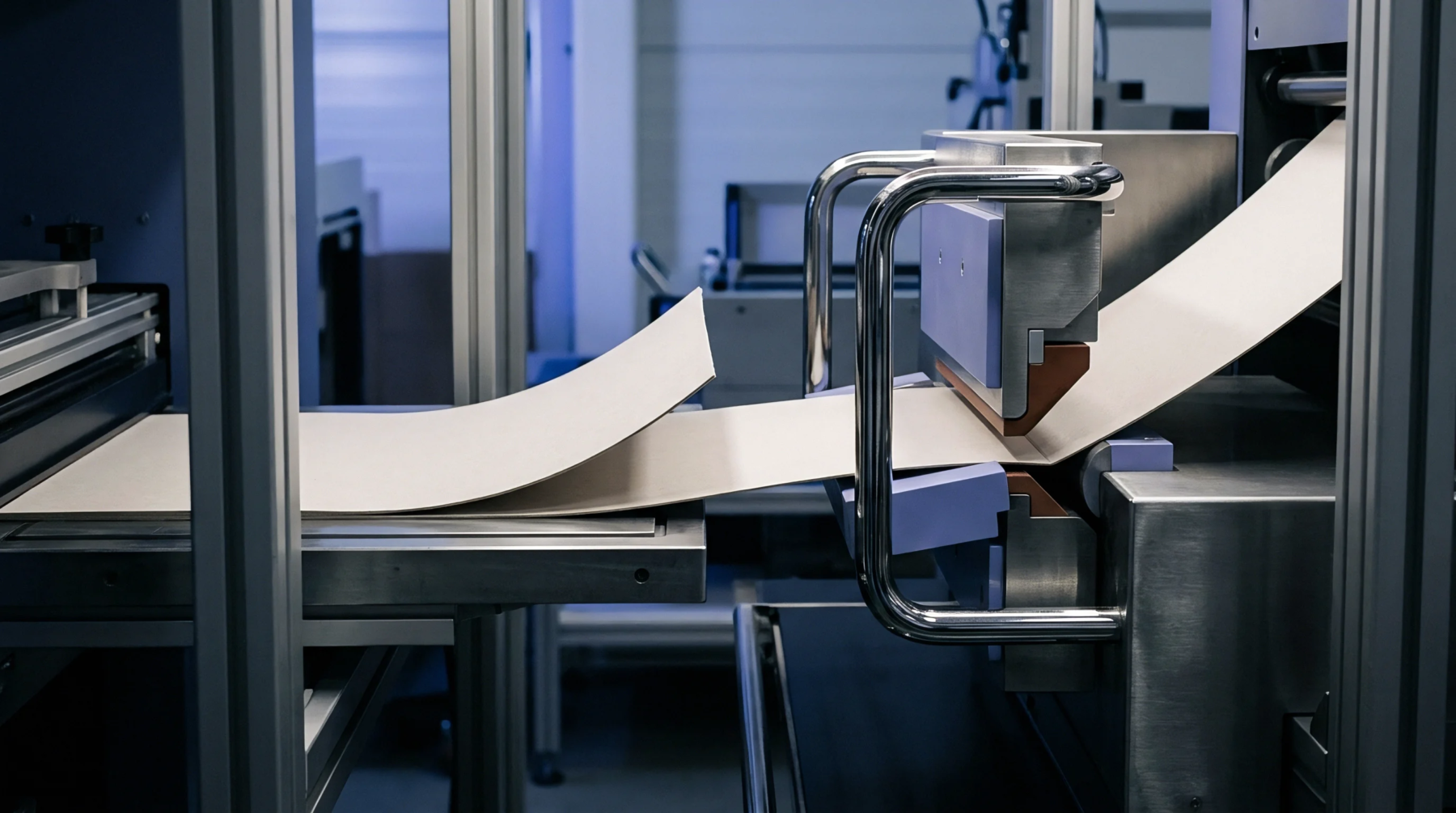
Quantifying matting agent displacement requires z-axis Raman depth profiling and strict viscosity recovery control to stop gloss drift and scuff failure.

Verify industrial compostability claims by matching finished pack wall thickness and ink coverage against public register scope lines before shipping.

Resolving multi layer migration liability requires linking batch trace numbers to accredited specific migration reports and contract indemnity clauses.
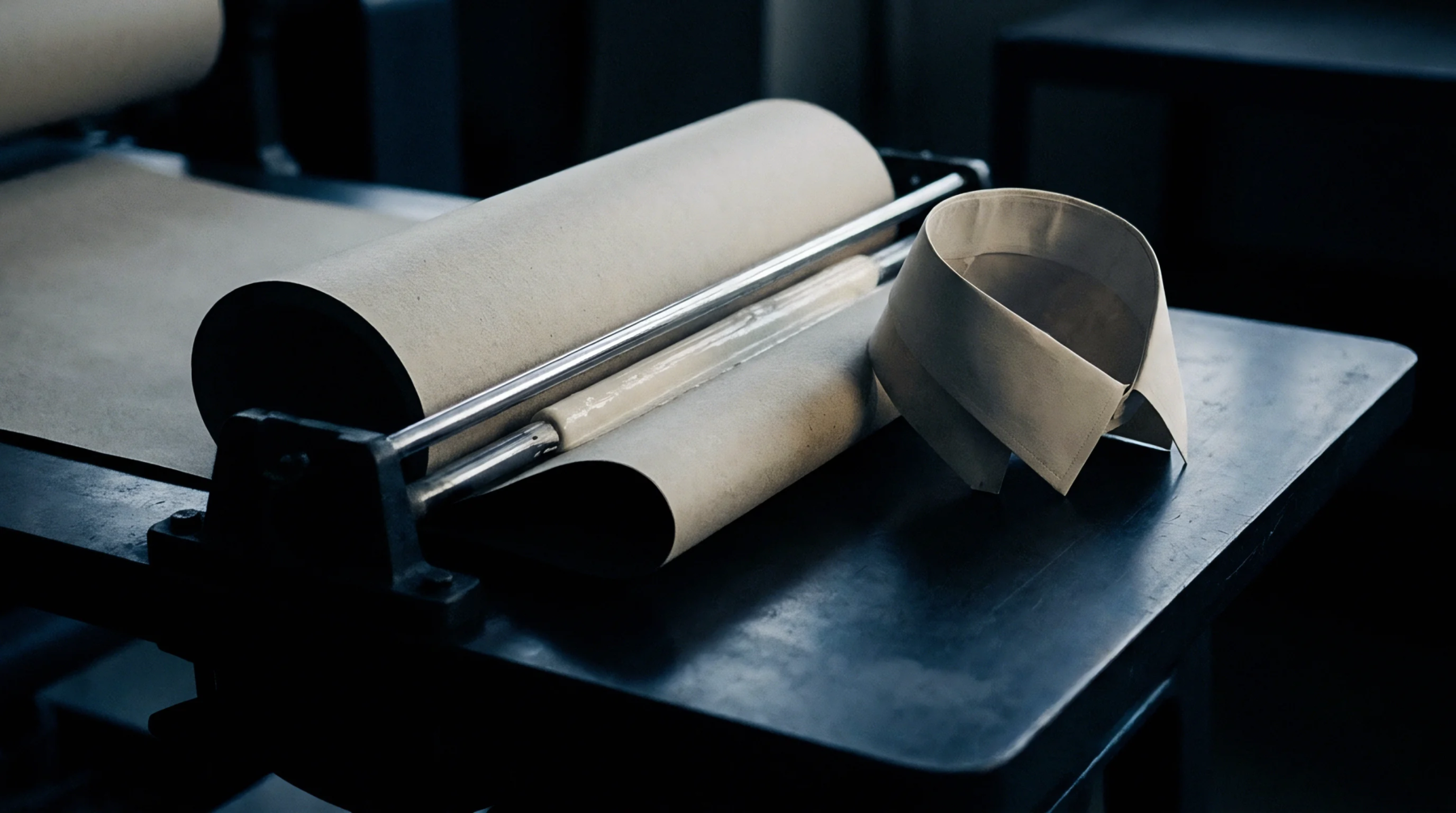
Swapping dense SBS for bulky FBB preserves bending stiffness through thickness retention while cutting material weight by fifteen to twenty percent per carton.

Pyrolysis cracker marker loss creates a mathematical discrepancy between certified credit ledgers and physical packaging test signals.
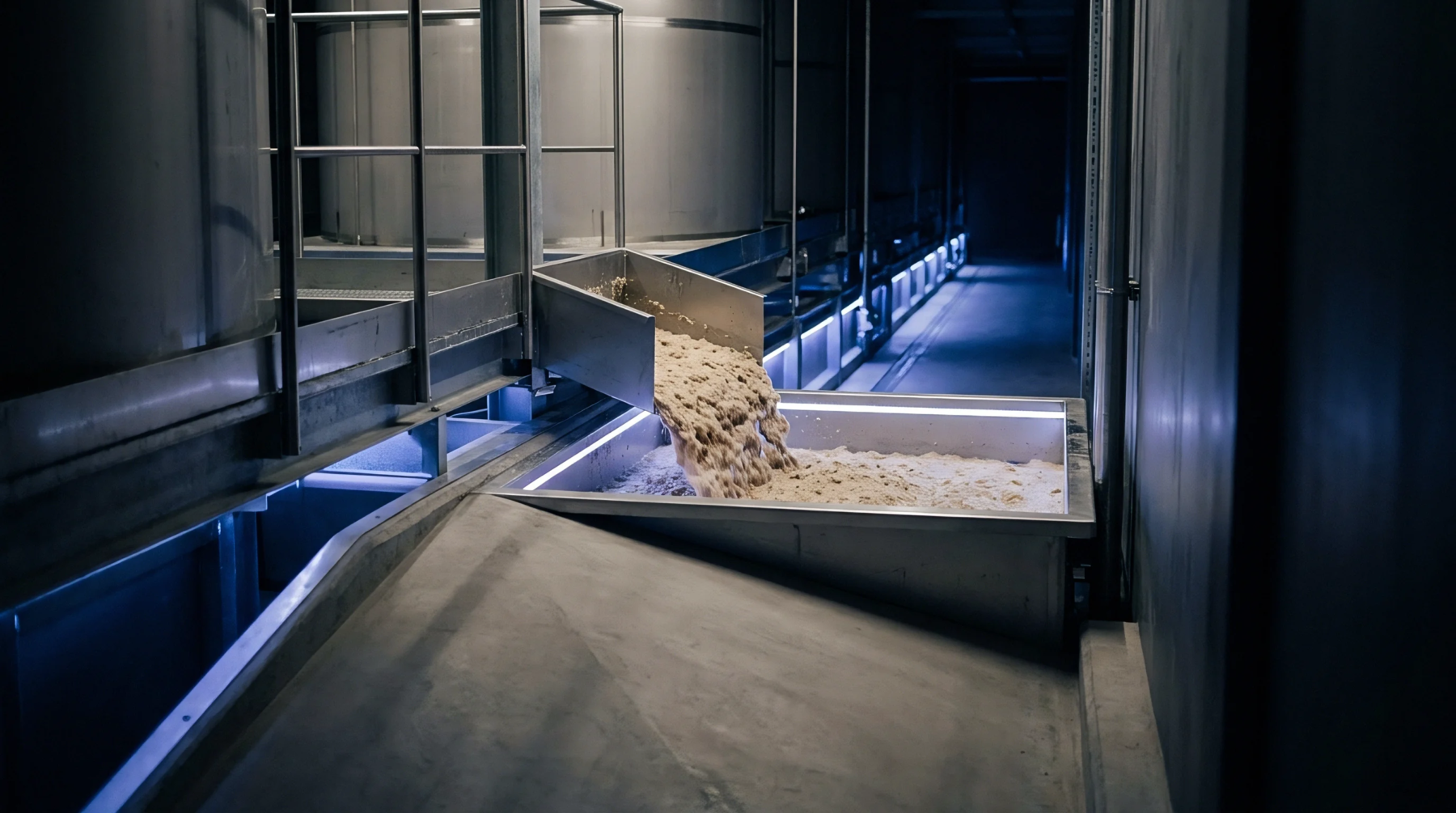
Alkyl ketene dimer hydrolysis in alkaline hardwood stock converts active sizing wax into unreactive dialkyl ketone, raising chemical costs and felt deposits.

Physical markers in rHDPE provide deterministic spectroscopic proof of recycled content, verifying mass fractions against customs declarations and packaging laws.
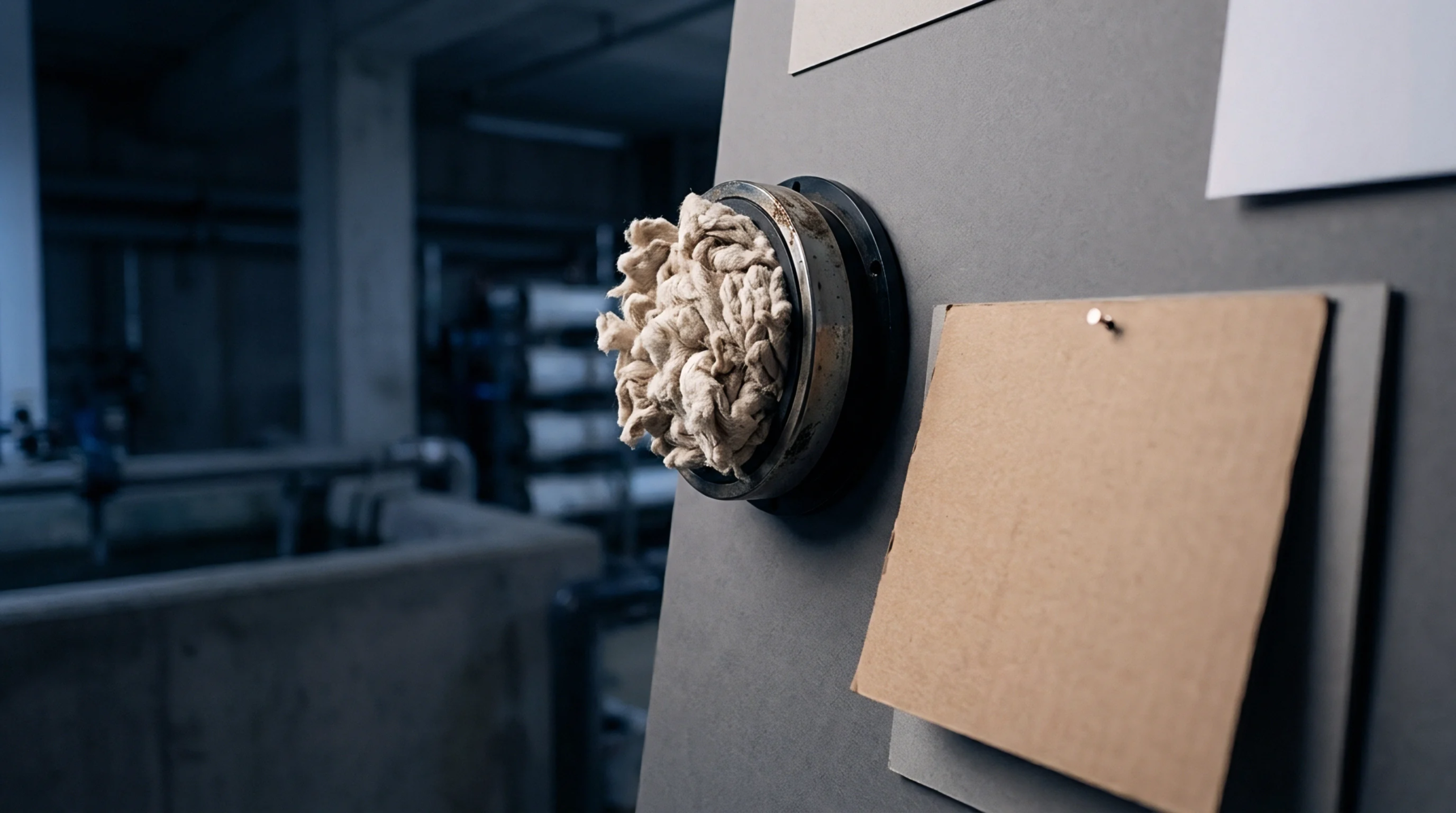
Multi-site kraft paper networks reconcile physical process yield losses against certified volume balances through standardized mill conversion factors.
Statutory packaging mandates require explicit energetic yield deductions on chemical recycling mass balance claims to prevent non-compliance penalties.
Targeting 5.5 to 6.5 percent board moisture and maintaining 50 percent relative humidity prevents hygroexpansion fan-out, registration drift, and score cracking.

Widening matrix channel width to 1.7 times board caliper mitigates score cracking on recycled board by promoting controlled internal ply delamination.
ISO 15901-1 porosimetry paired with dynamic sorption testing qualifies coating pore structures to prevent back-trap mottle and ink setting failures on press.
Paperboard moisture verification demands ISO 186 random lot sampling and preconditioning under ISO 187 before ISO 287 gravimetric testing.

Predicting set-off migration requires calculating local pressure peaks across board caliper variations to set safe pile heights and barrier coat weights.

Virgin solid bleached sulfate delivers superior score integrity and brightness, while recycled board reduces raw material expenditure when stiffness targets allow.

Interfacial shear delamination in dispersion-coated folding boxboards occurs when converting flexure stresses exceed polymer-fiber bond fracture energy.
Measuring specular gloss changes before and after standard rub tests quantifies surface coating durability using exact optical angle decay metrics.

Dynamic phase modulation reduces optical speckle noise to under two percent contrast, enabling sub-micron substrate profilometry at twelve hundred meters per minute.

Mitigate polymer swap risks by pairing ATR-FTIR incoming resin screening with enforceable supplier contracts capping liability to full downstream food loss.
Expertise is a utility, not a secret. sentiention™ publishes its working knowledge as open reference: intelligence layer covering the materials it sources, the markets it enters, and the reference that serves both.