
Paperboard Chemical Migration Testing Standards and Simulant Selections
Paperboard chemical migration testing requires matching food simulants to substrate porosity, using Tenax for dry media and certified barrier qualification.

Paperboard chemical migration testing requires matching food simulants to substrate porosity, using Tenax for dry media and certified barrier qualification.
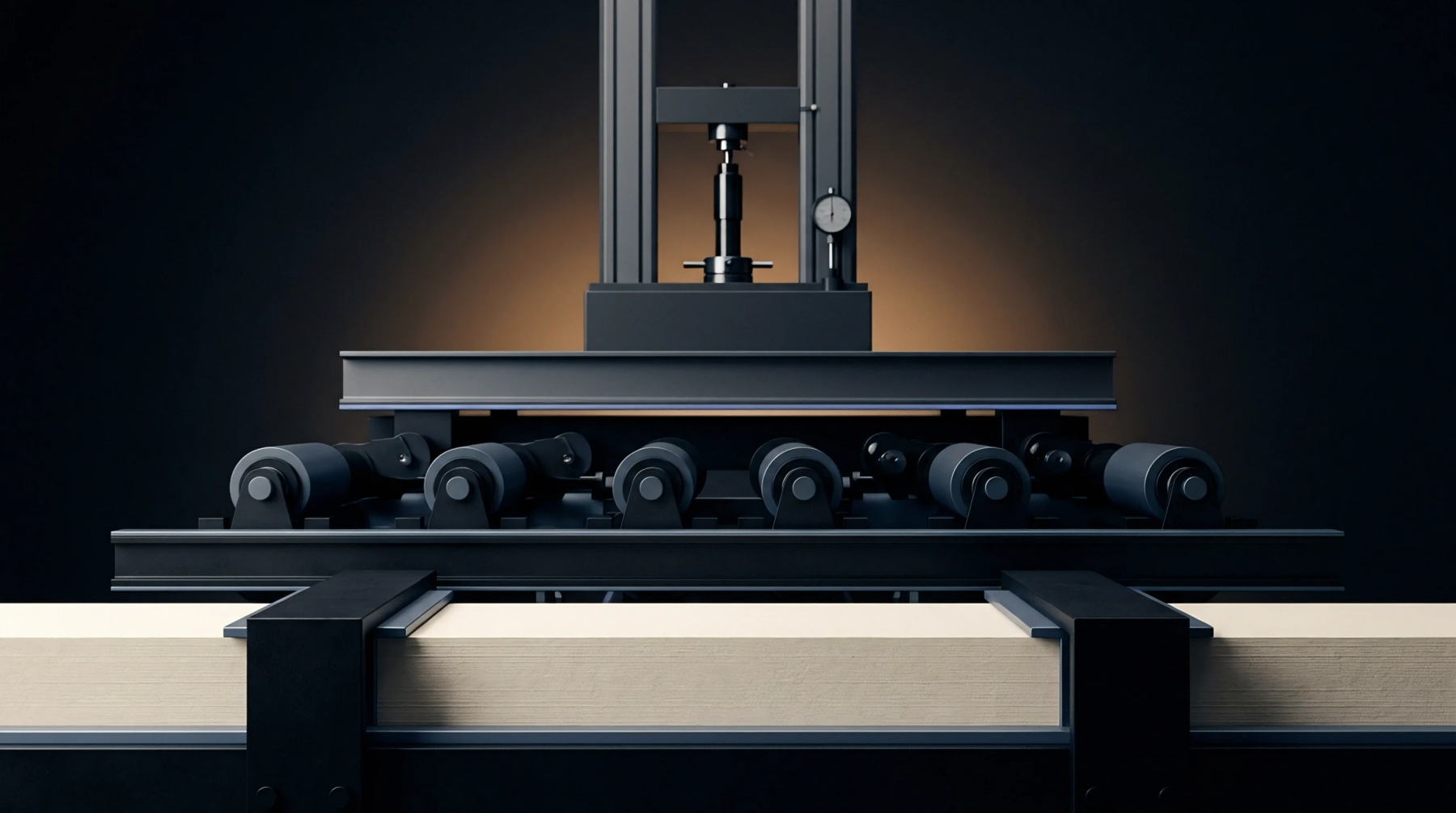
Matching migration simulant and thermal parameters to exact filling line mechanics prevents compliance invalidation during customs and market audit checks.
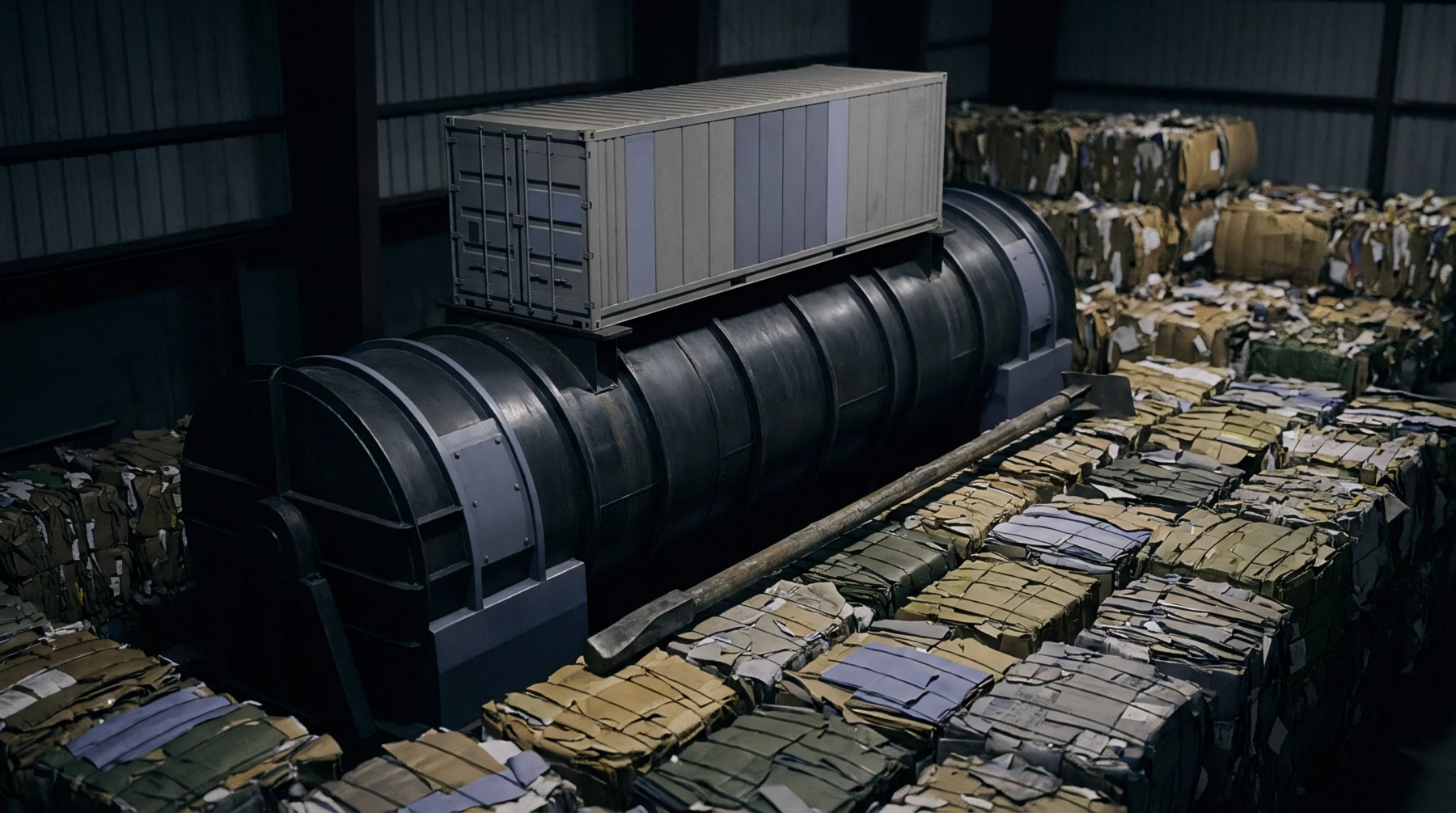
Paperboard loses up to sixty percent of top-load compression strength in high humidity due to transverse fiber swell and mechano-sorptive creep decay.
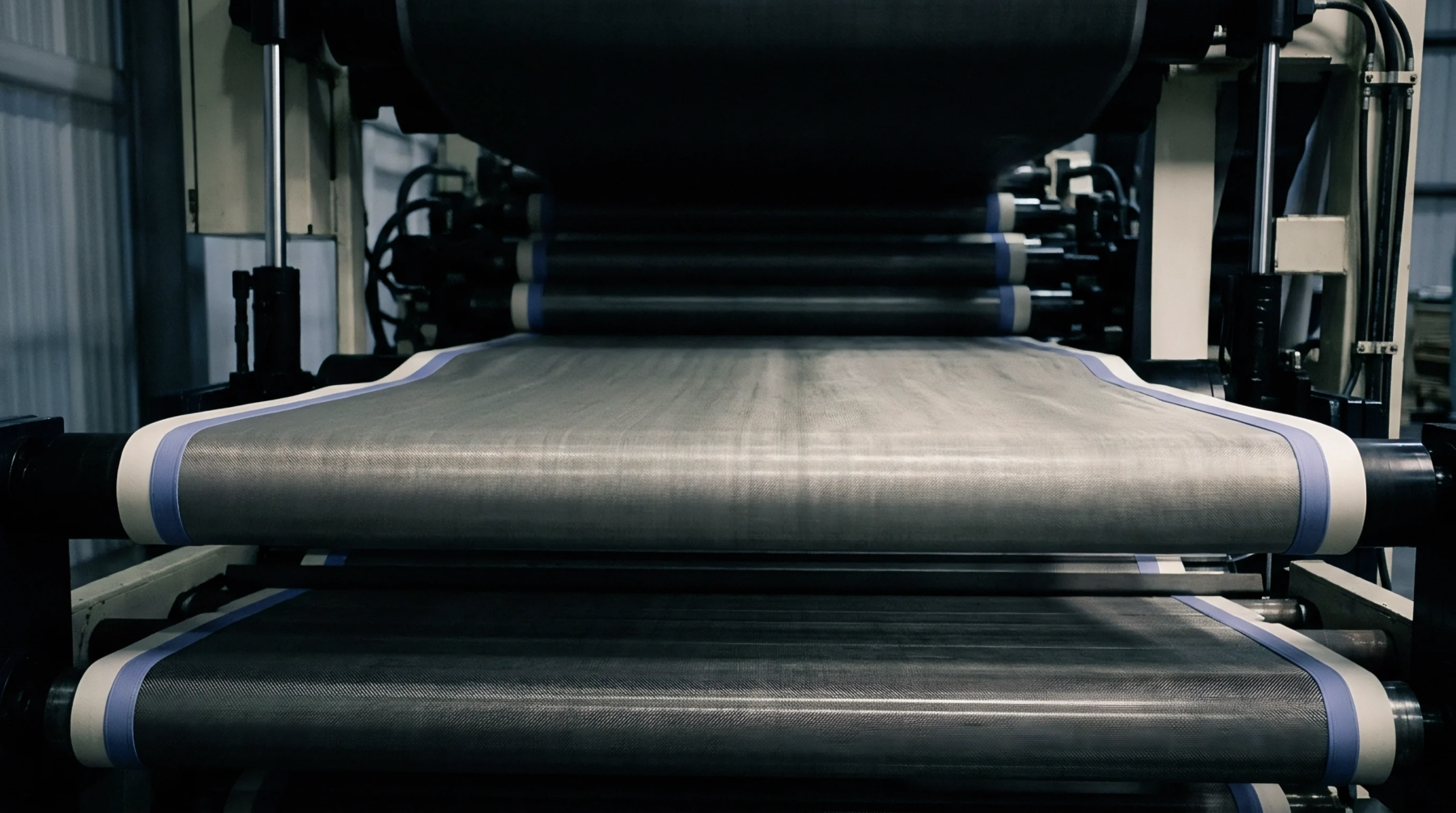
Moisture-gradient calendering plasticizes outer chemical skins while keeping mechanical cores dry, maximizing FBB bending stiffness and yield.
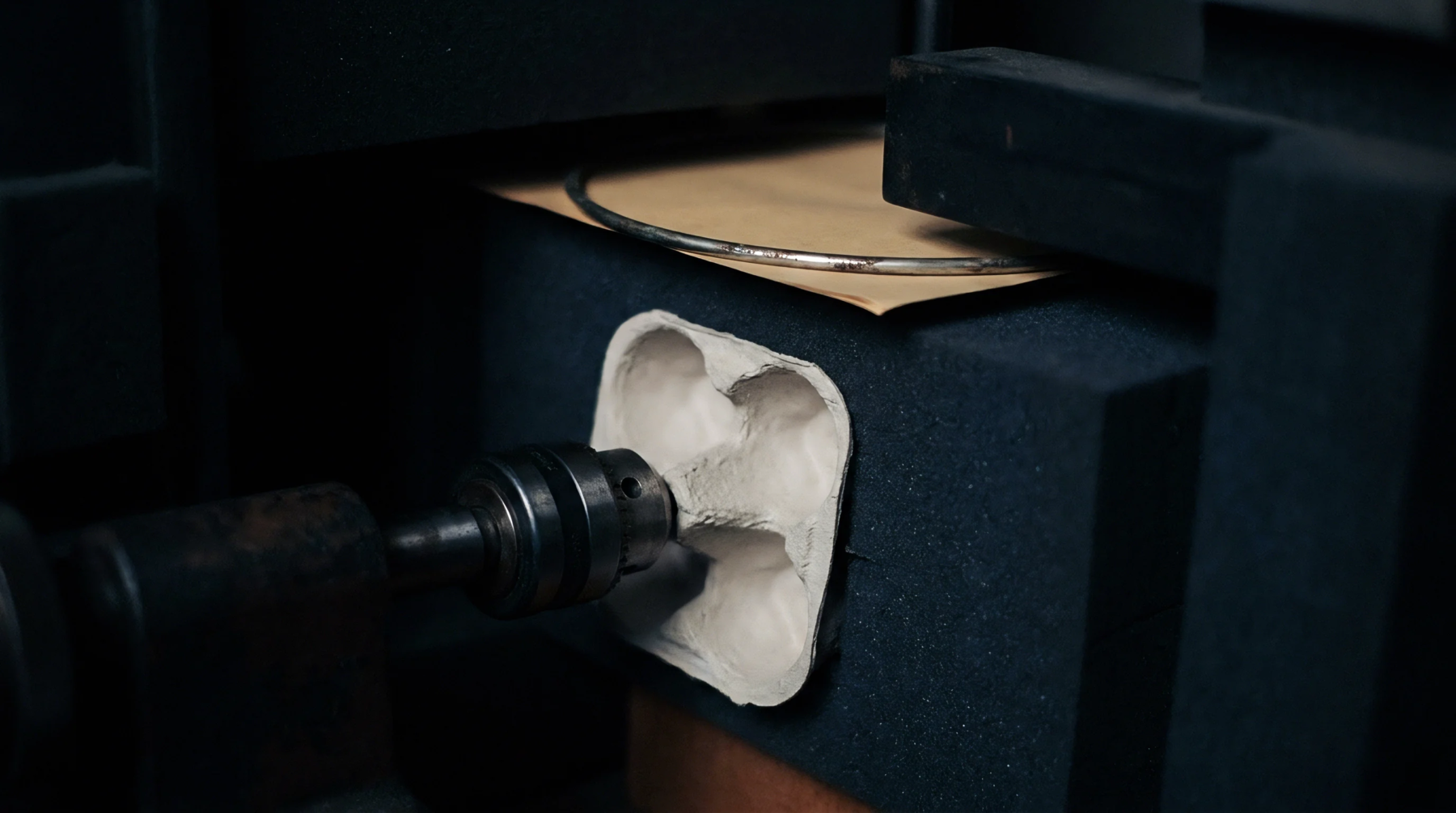
Dynamic vapor sorption in recycled barrier substrates triggers localized interfibrillar swelling stresses that disrupt coating integrity under humidity transients.
GAB isotherm modeling parameterizes microfibril monolayer saturation, identifying plasticization thresholds to qualify moisture barrier paperboard under PPWR and food contact rules.
Mechano-sorptive creep acceleration reduces multi-wall box top-to-bottom compression life through transient moisture flux, demanding dynamic safety derating.
Dynamic ambient humidity accelerates creep failure in recycled containerboard, requiring increased structural safety factors and dynamic testing to prevent stack collapse.
Dynamic relative humidity cycling drives exponential creep decay in corrugated board through mechano-sorptive bond cleavage, requiring dynamic safety factors.
Microfibril moisture binding follows GAB sorption kinetics where mesopore condensation above M0 plasticizes fiber networks, requiring crosslinking to preserve barriers.
Modified solid simulant Tenax TA testing under EN 14338 verifies gas-phase MOSH and MOAH migration from recycled paperboard without false-positive wax interference.
Flexographic aqueous latex barrier coating viscosity requires multi-shear rotational measurement to ensure accurate anilox transfer and barrier film continuity.

Transferring chemometric models across wet end sensing nodes requires piecewise direct standardization to preserve ash prediction accuracy.
Thermal boundary layers inside stretch-wrapped pallets drive vapor condensation and localized corrugated compression strength failure during temperature transitions.
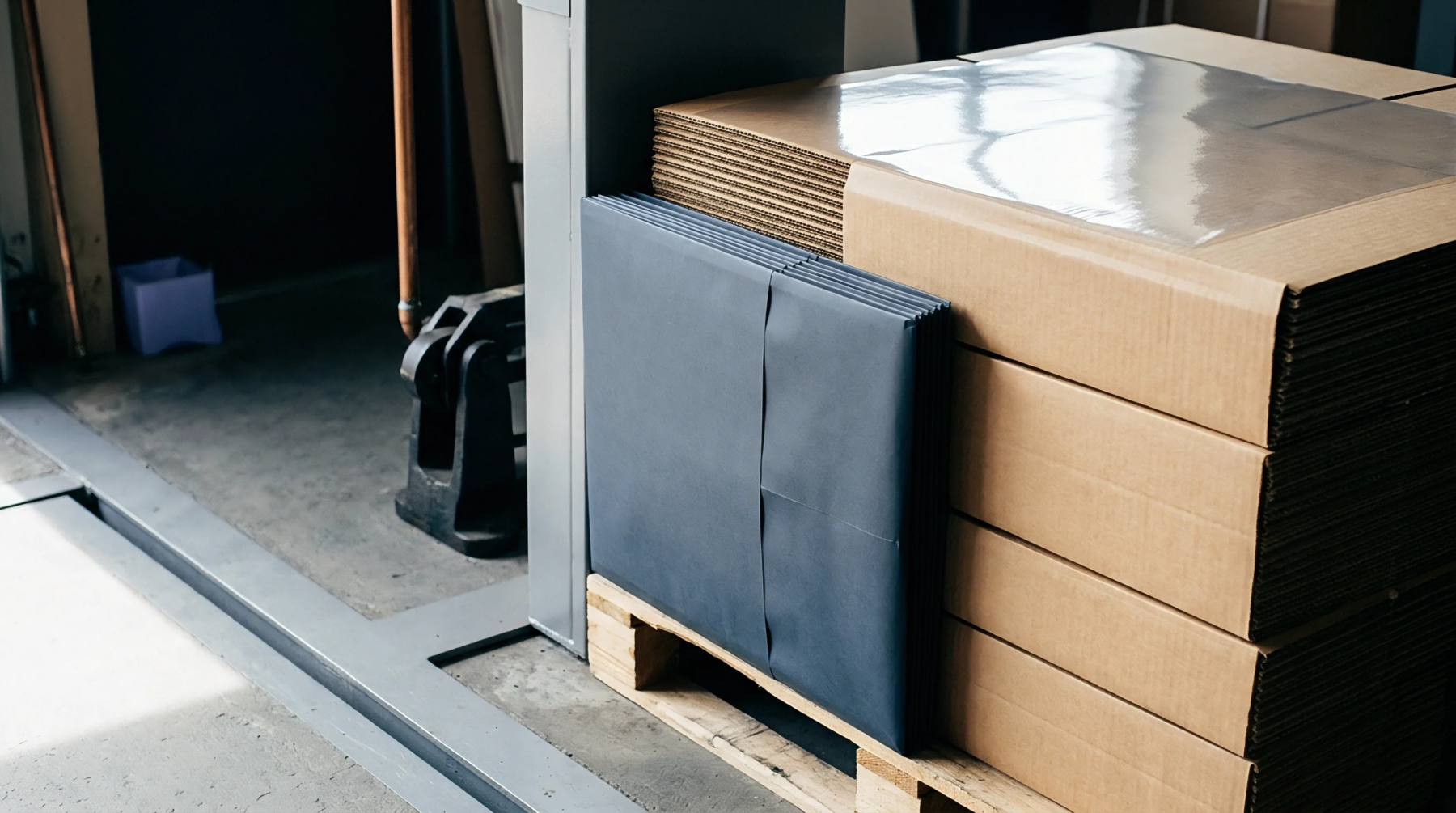
Dynamic ambient relative humidity accelerates creep collapse in corrugated boxes far beyond static moisture limits, requiring dynamic SCT safety factors in structural engineering.
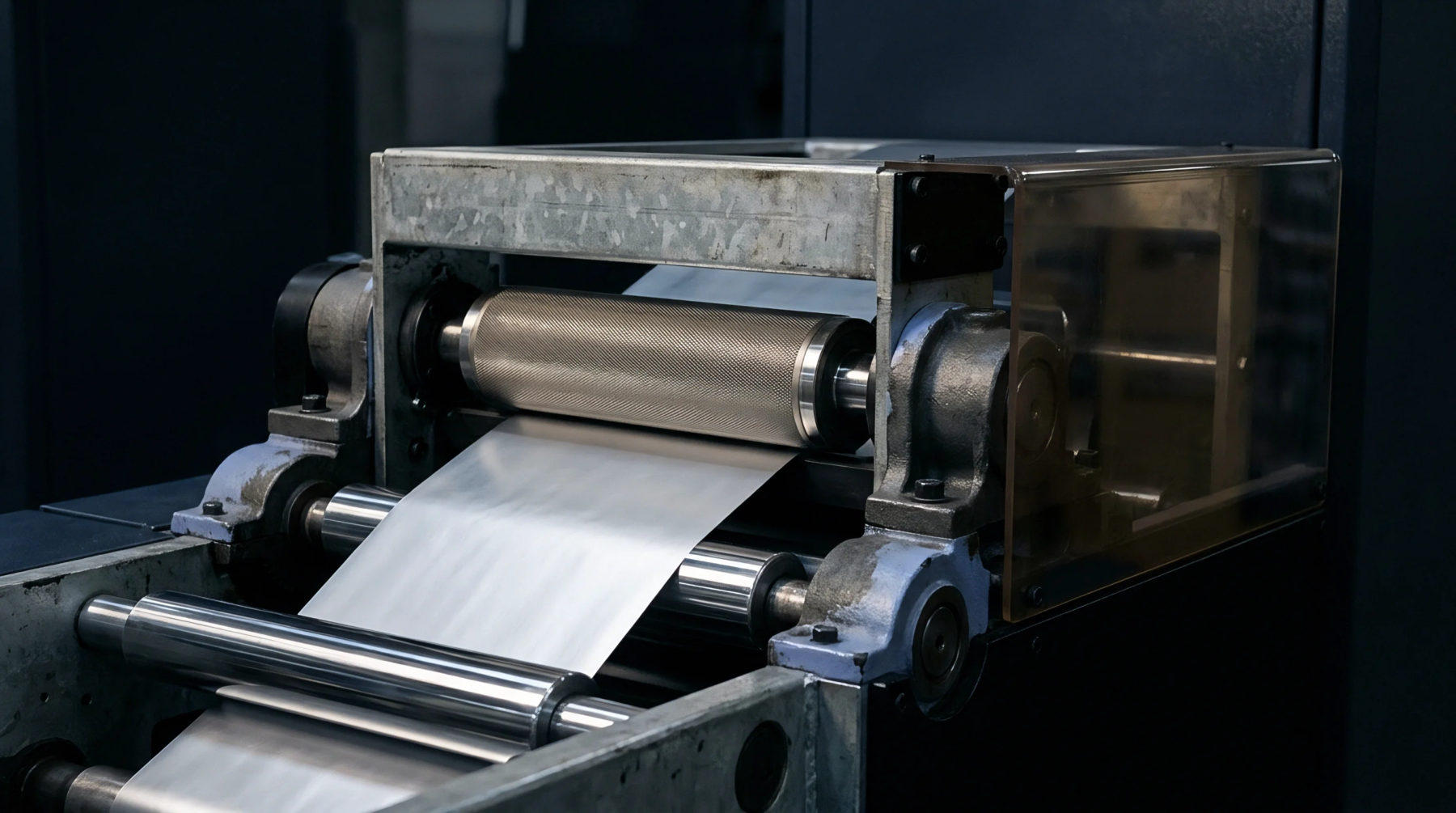
Dynamic moisture sorption degrades cellulosic packaging strength through mechano-sorptive creep, requiring GAB equilibrium mapping and transit humidity verification.
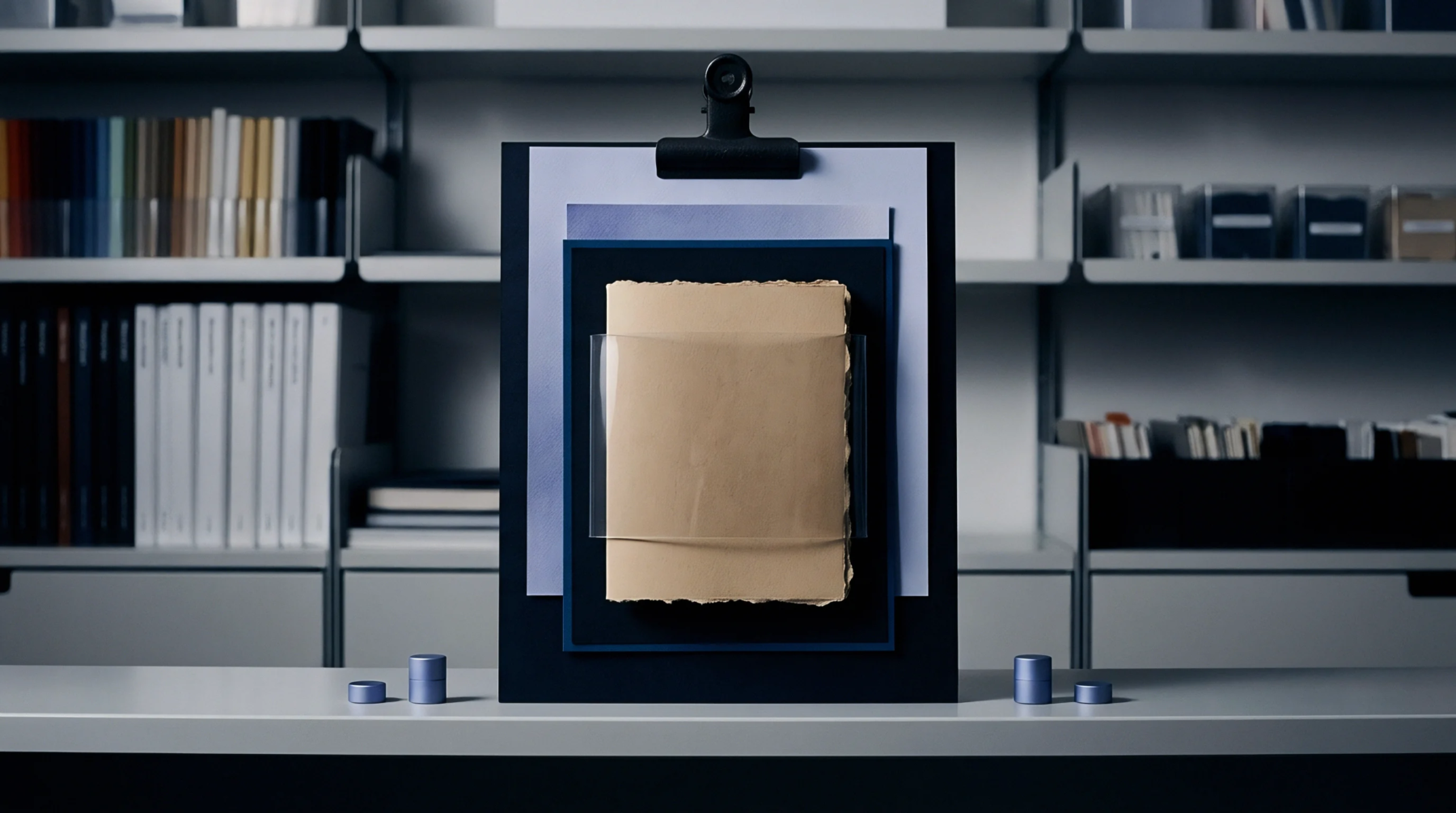
Harmonized mineral oil aromatic hydrocarbon quantification in paperboard relies on subtractive procedural blank integration to eliminate baseline resolution errors.
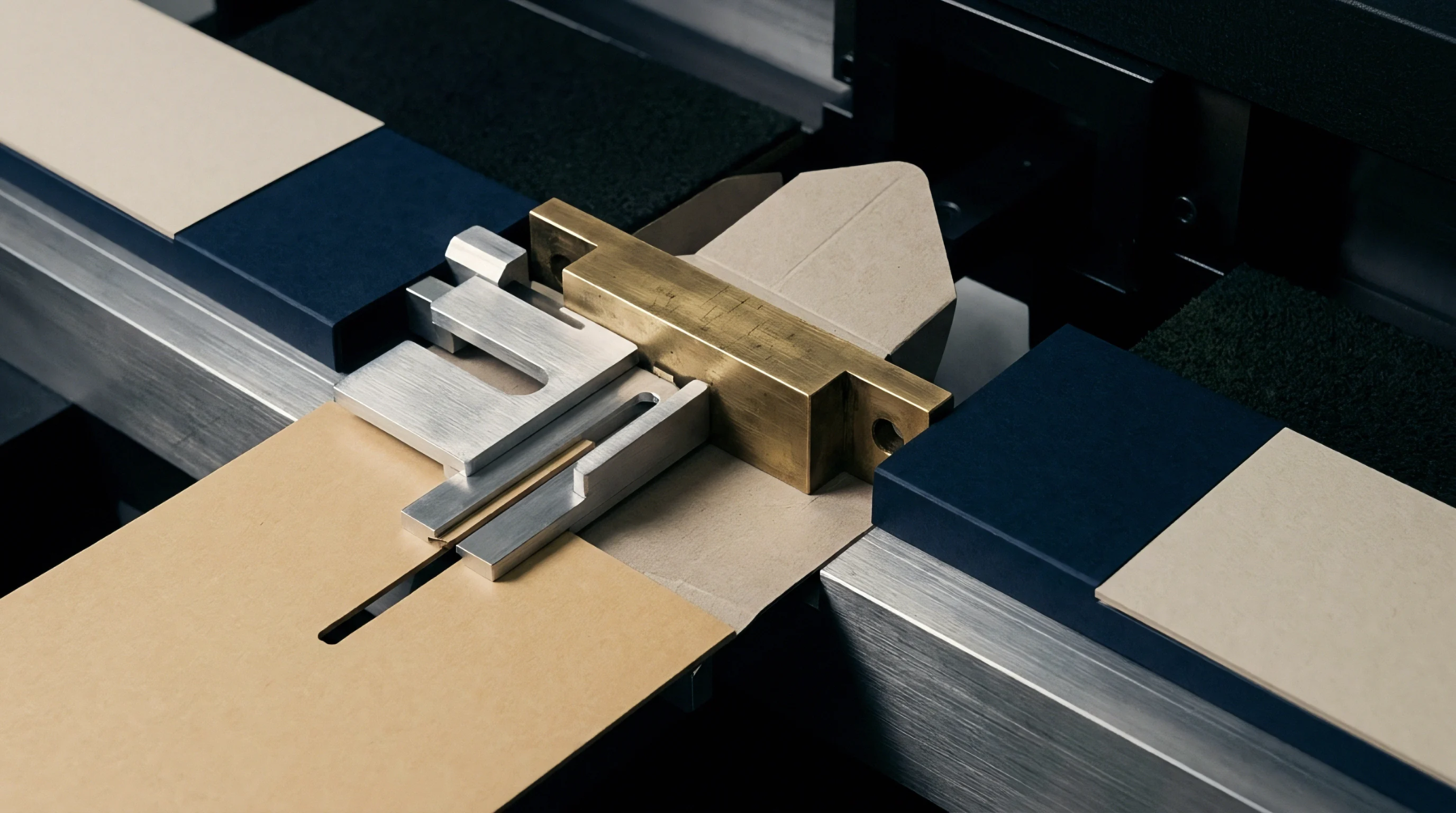
Dynamic mechanical analysis optimizes folding boxboard caliper retention by quantifying out-of-plane storage modulus decay in CTMP cores under high-speed converting loads.
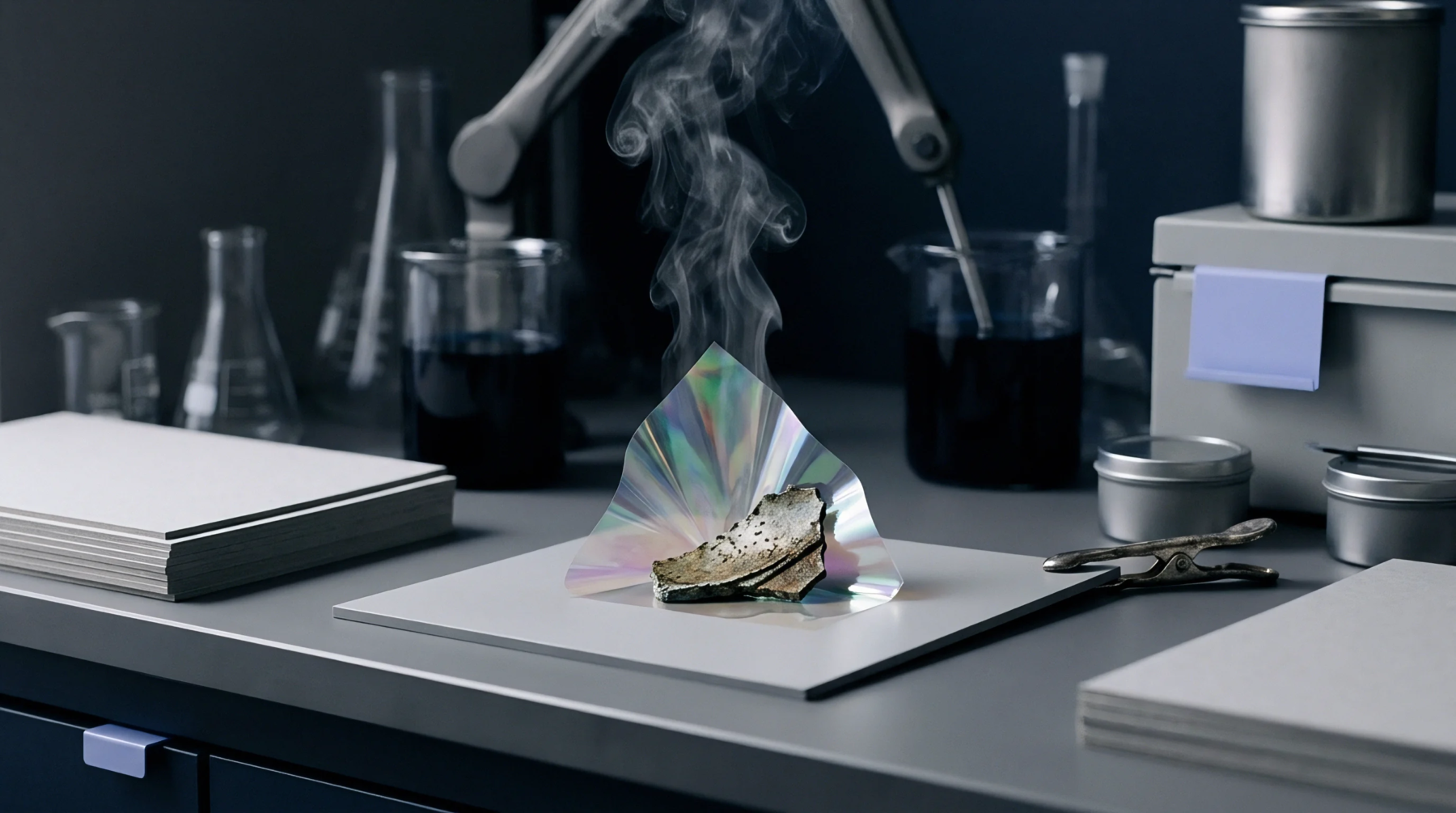
High speed thermal lamination induces transient Z-axis thermal and moisture gradients that interact with substrate fiber anisotropy, creating post-pass curl and delamination requiring active pre-heating and chill roll management.

Verify hydrocarbon barrier integrity in recycled cartons through LC-GC-FID testing under EN 16995 with Tenax migration simulant to prove MOAH limits under 0.15 mg/kg.
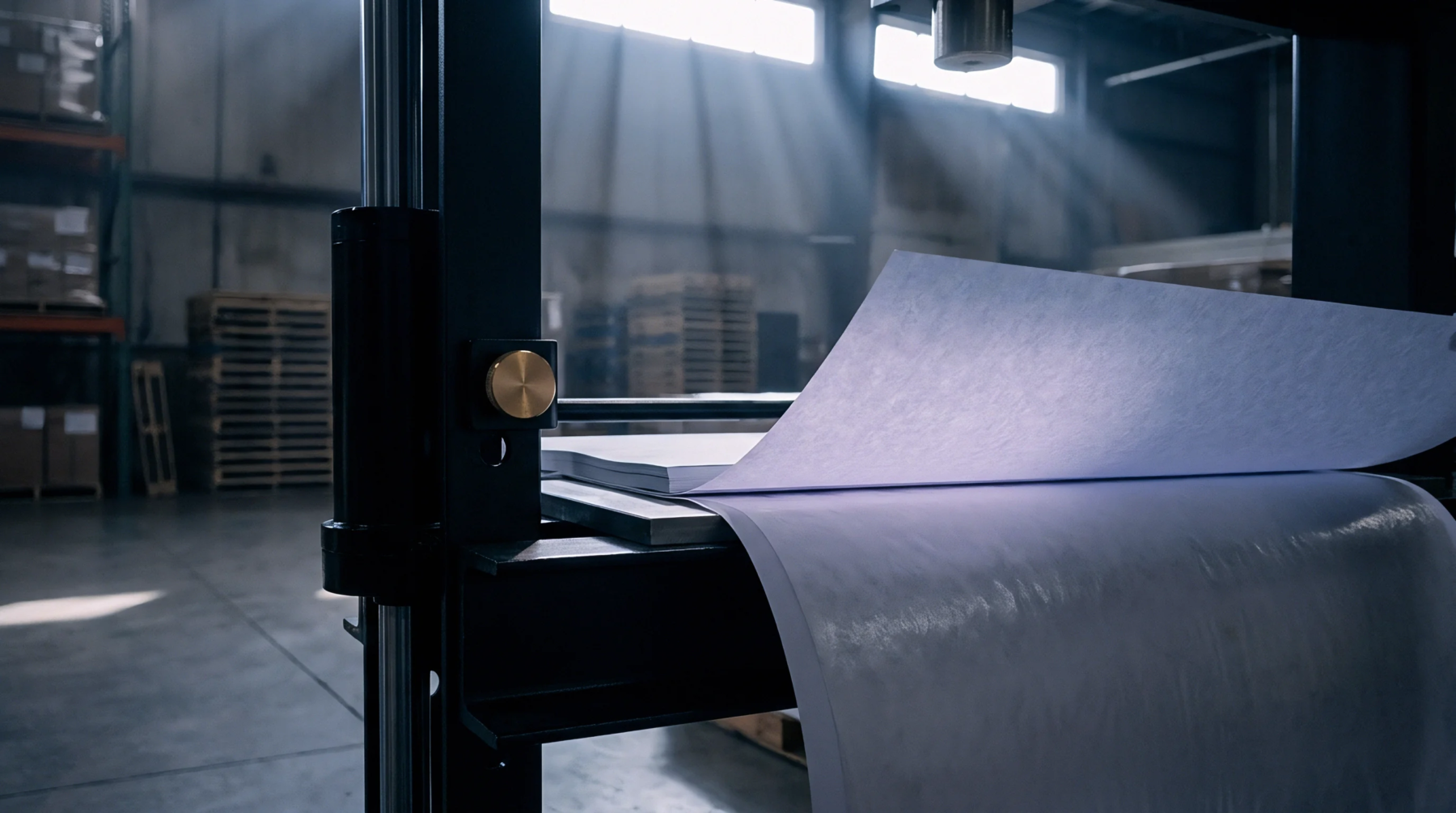
Paper contract pass-through clauses must weight indices to exact furnish shares and apply deadbands to prevent unearned mill margin inflation.
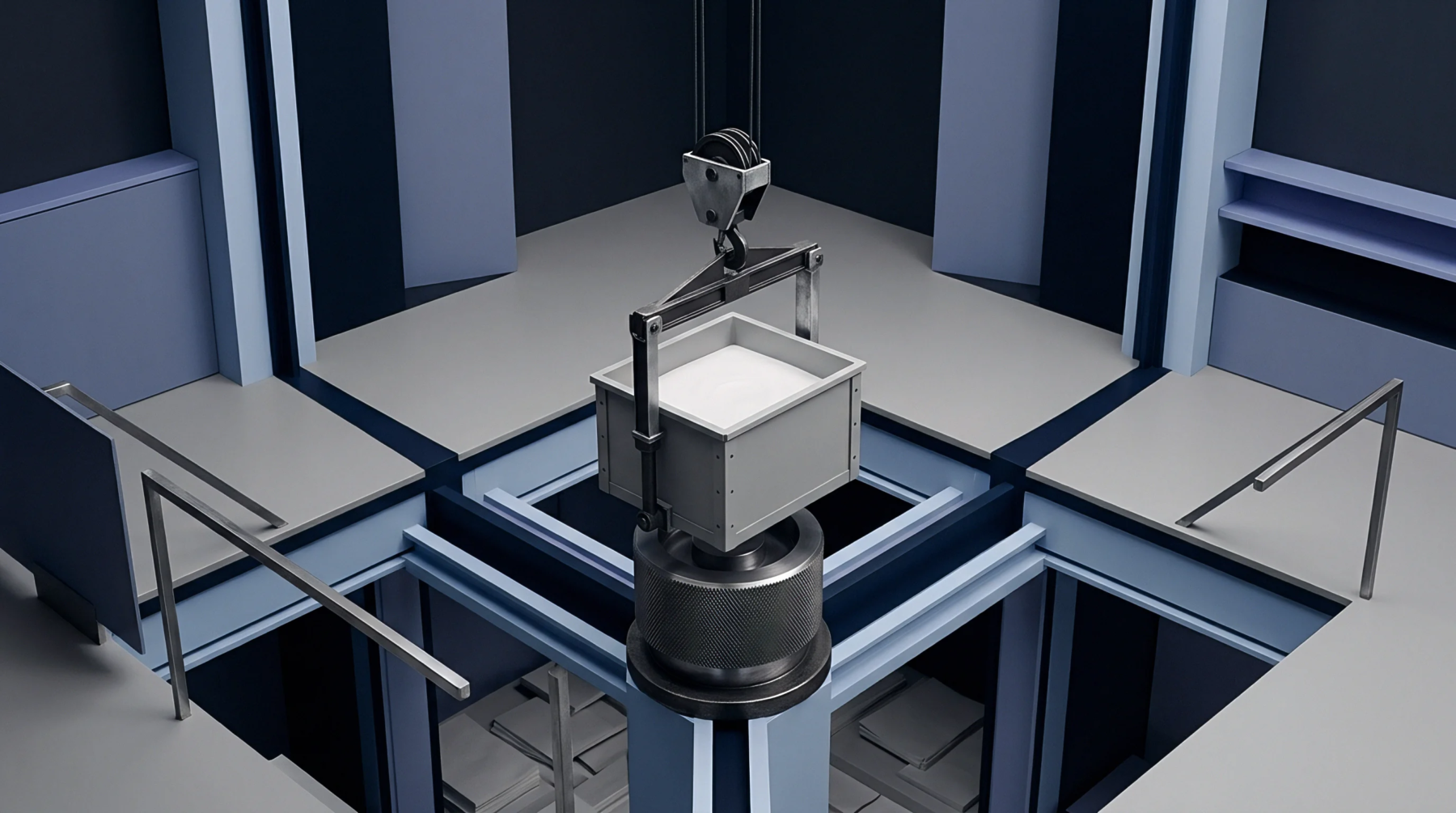
Resin yield stress thresholds govern score line micro-elevation profiles, where controlling matrix clearance and coat weight prevents optical edge defects.

Gas chromatography verification requires static headspace extraction at 100 degrees Celsius to quantify residual ink solvents down to zero point five milligrams.

Counter matrix channel width equals creasing rule thickness plus 1.5 to 1.7 times board caliper under ISO 534 conditioning to optimize delamination.

Selecting steel creasing rules and matrix channels for coated FBB requires matching board caliper and CTMP core shear limits to prevent surface cracking.

Dynamic thermal expansion in heated brass chases requires prepress inverse scaling, zoned heat control, and controlled counter patching to prevent misregister and board hysteresis.
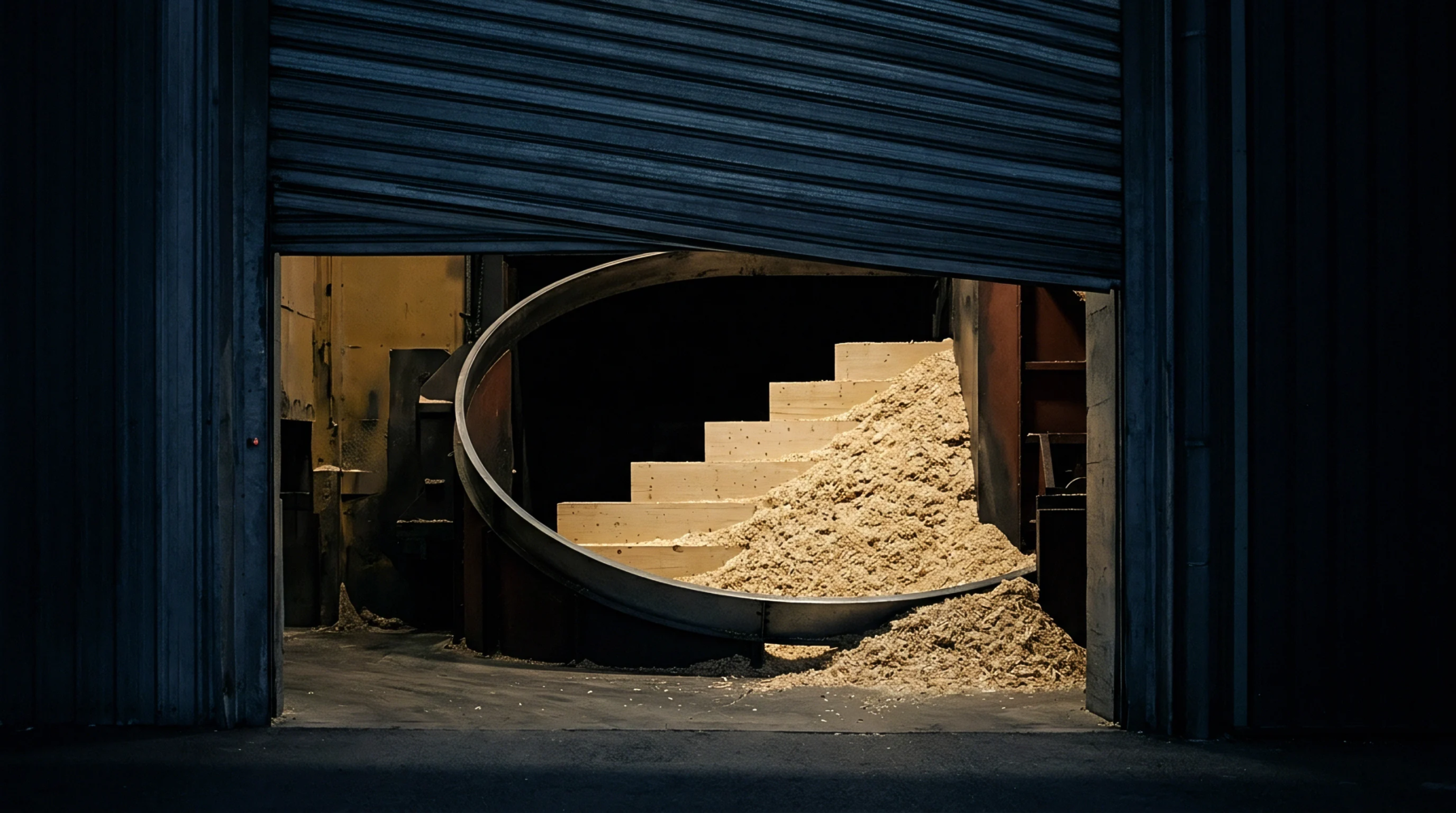
Low relative humidity elevates dispersion binder Tg, converting viscoelastic flow into brittle fracture during millisecond creasing and breaching barrier performance.
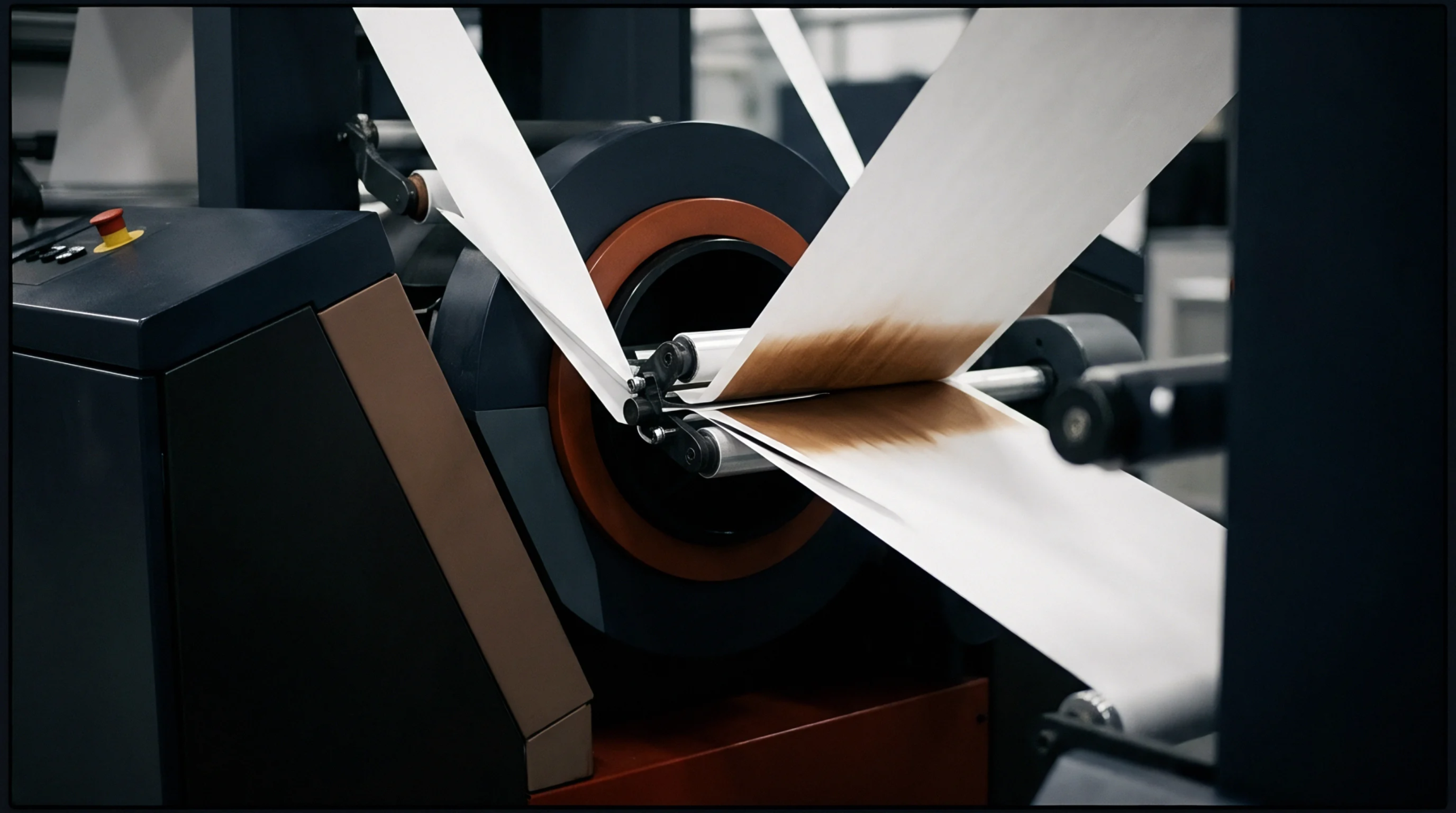
Active dual-beam telecentric triangulation eliminates web flutter noise by maintaining constant optical magnification and canceling out-of-plane displacement in real time.

Select matrix channel width equal to 1.5 times board caliper plus creasing rule thickness to achieve controlled internal ply delamination without liner cracking.
EUDR compliance requires replacing FSC virtual credit allocations with physical fiber plot tracking to defend paperboard origin at customs boundaries.
Expertise is a utility, not a secret. sentiention™ publishes its working knowledge as open reference: intelligence layer covering the materials it sources, the markets it enters, and the reference that serves both.