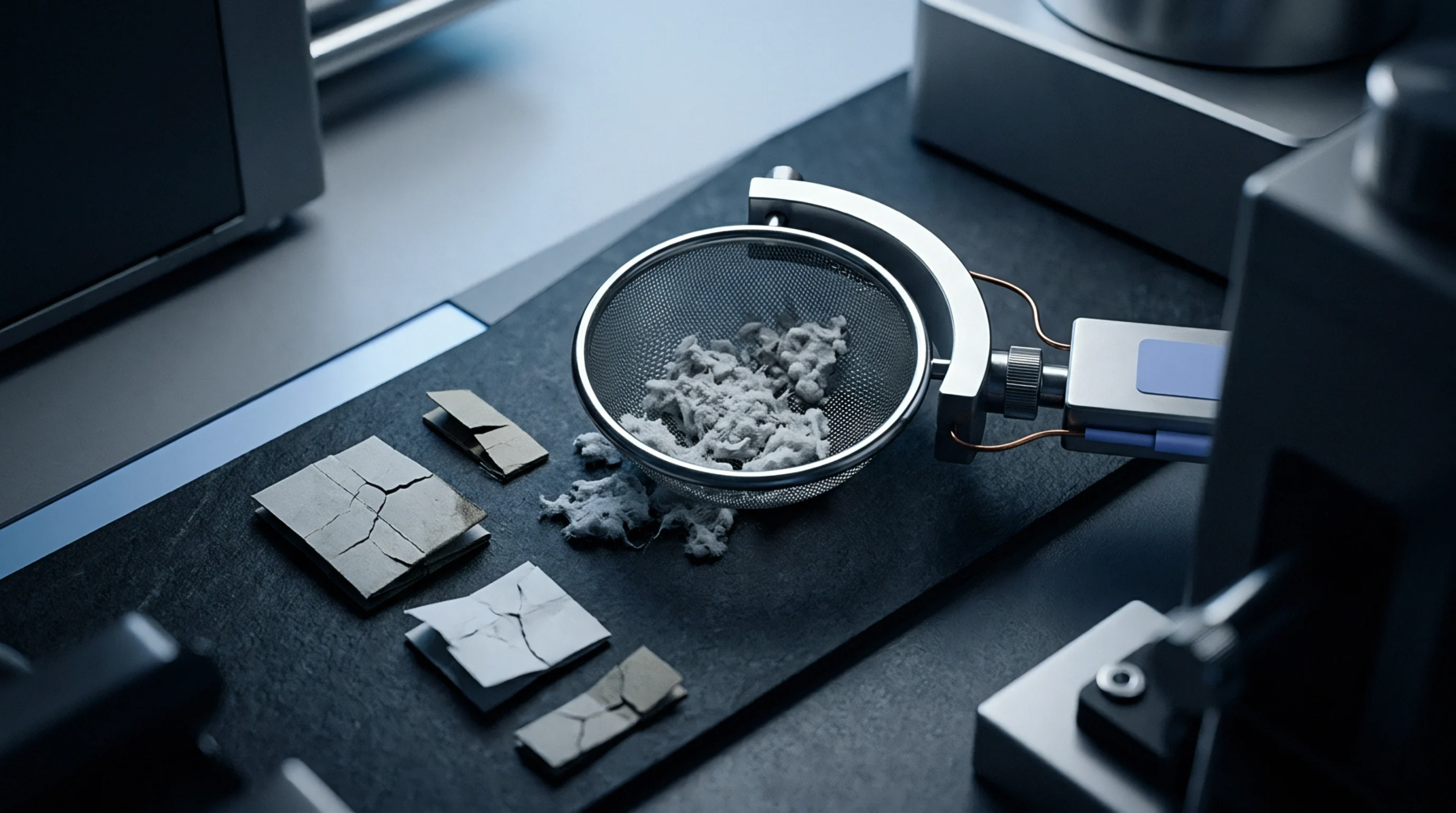
Interfibrillar Swelling Stress Redistribution Analysis for Coated Recycled Fiber Boards
Interfibrillar swelling in recycled board plies generates interface shear stresses that fracture coatings and degrade stacking strength under cyclic humidity.

Interfibrillar swelling in recycled board plies generates interface shear stresses that fracture coatings and degrade stacking strength under cyclic humidity.
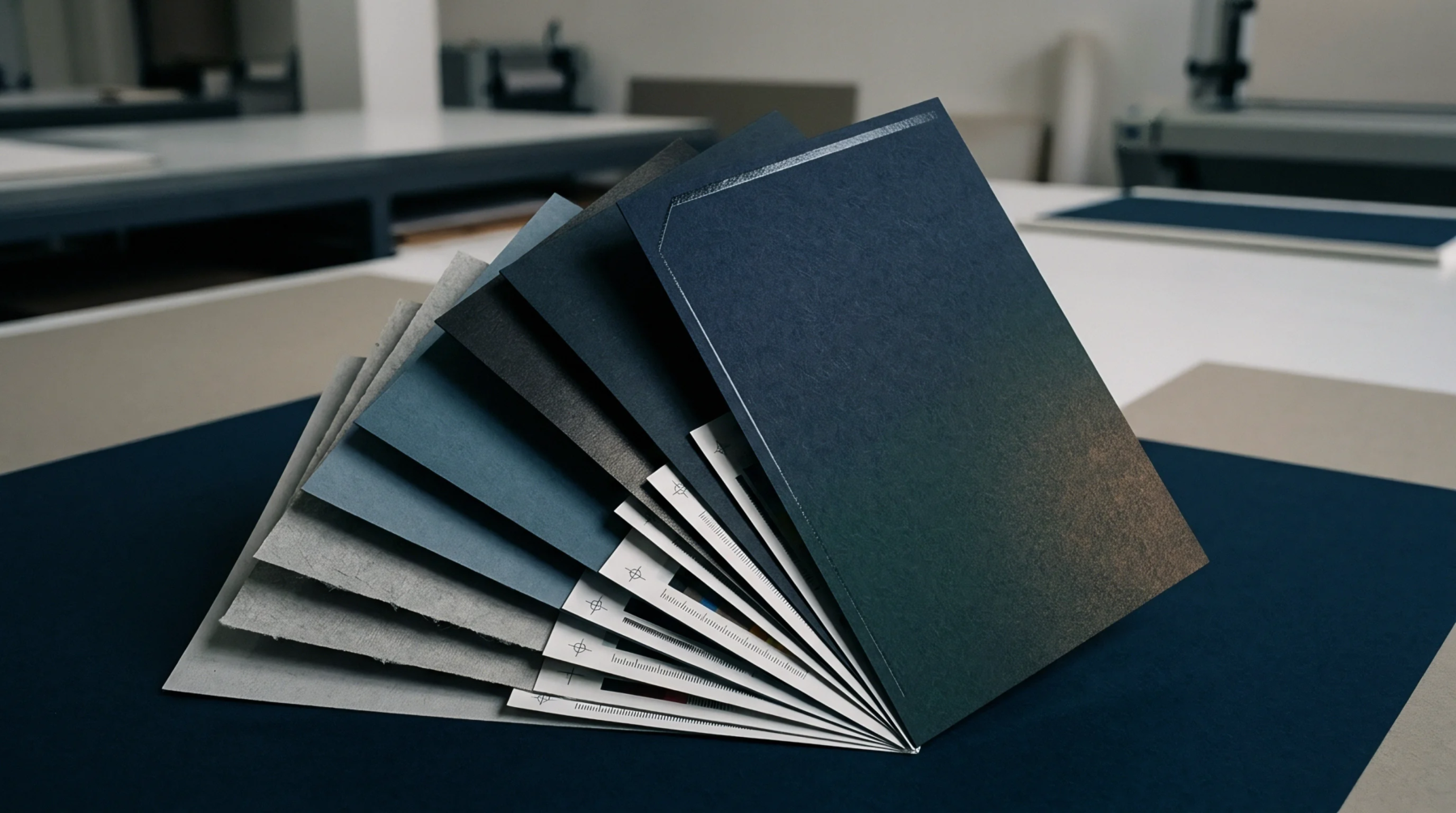
Jet-to-wire velocity ratios govern machine-direction fiber orientation, setting board anisotropy ratios that dictate box compression and score crack resistance.
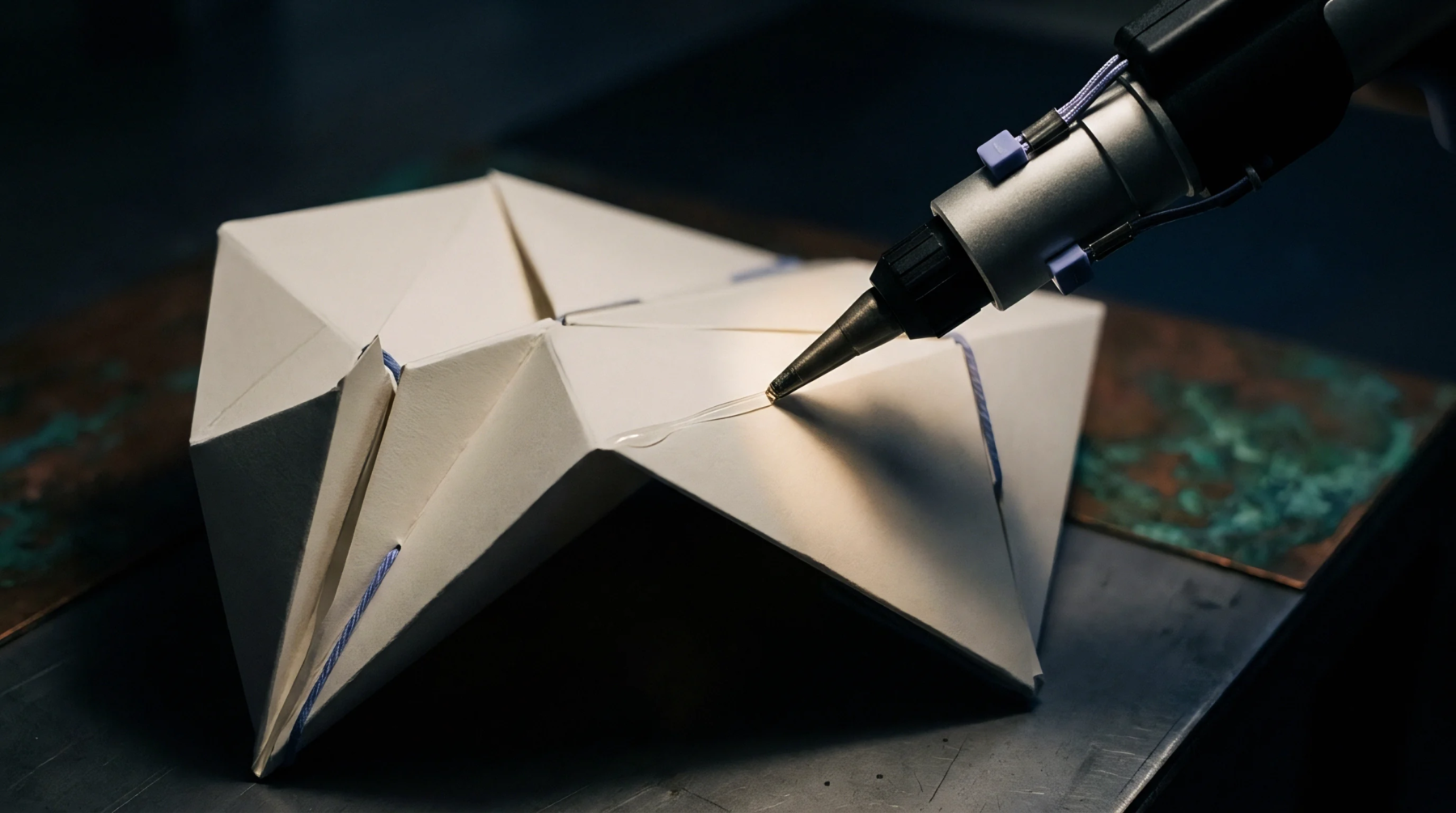
Polycarbonate polyurethane adhesives provide high fatigue limits and moisture resistance in barrier laminates by eliminating hydrolytic cleavage.
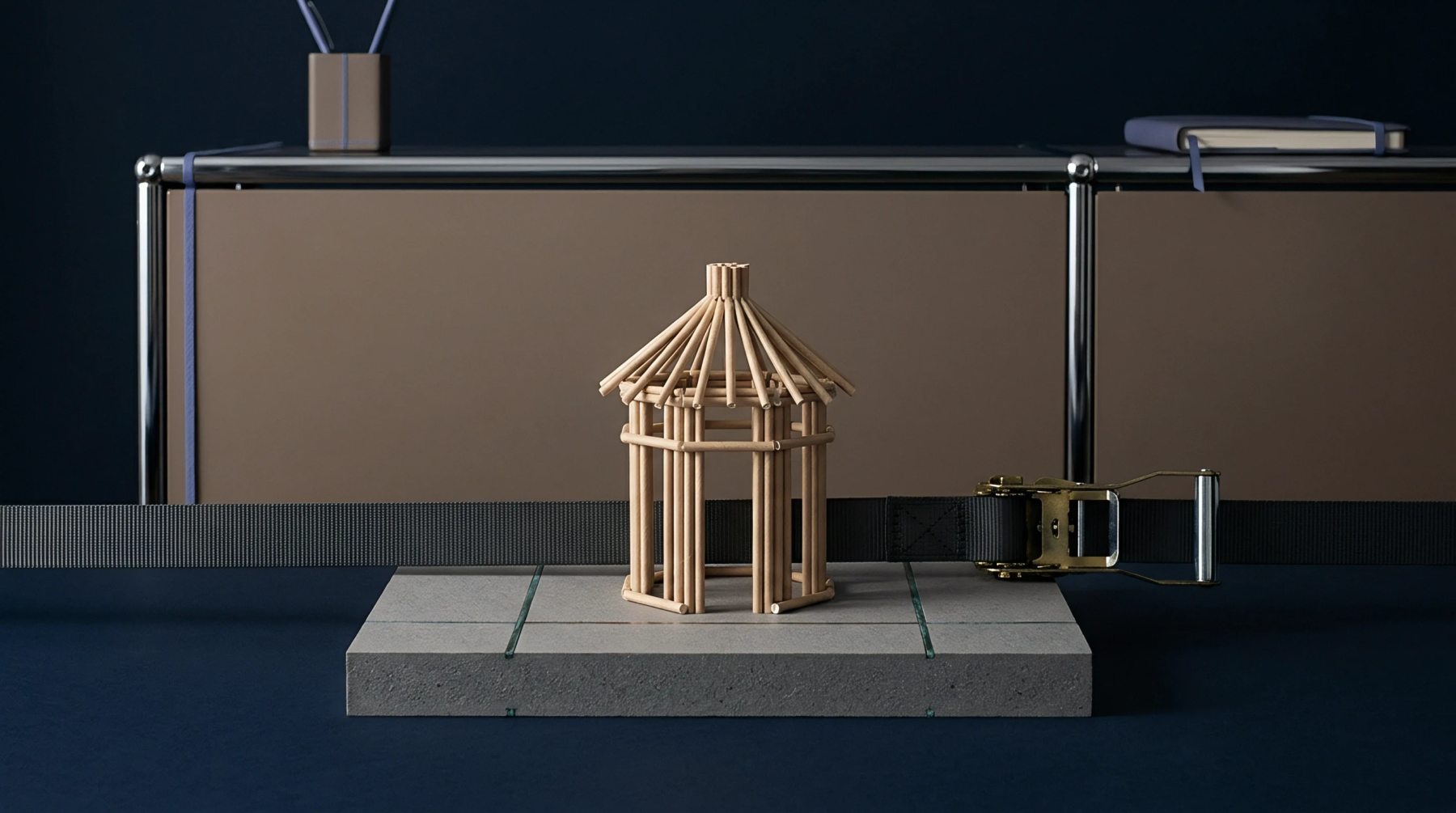
Recycled containerboard hygroexpansion demands strict cross-direction testing under ISO 8226-1 and contract moisture limits to prevent box warp and creep.
Converting formulas combine deckle trim efficiency, multi-pass spoilage allowances, freight mass shifts, and scrap recovery to determine landed blank costs.
Dynamic fluid transport in lightweight coated sheets shifts from inertial to capillary control within milliseconds, demanding balanced pore throat sizing.
Substrate capillary absorption speeds govern ink setting rate, dryer energy consumption, and cross-web print defect thresholds across high-speed converting runs.
Dynamic impression squeeze on porous recycled testliner forces lateral ink spread, requiring prepress Yule-Nielsen n-factor recalibration to prevent gain.
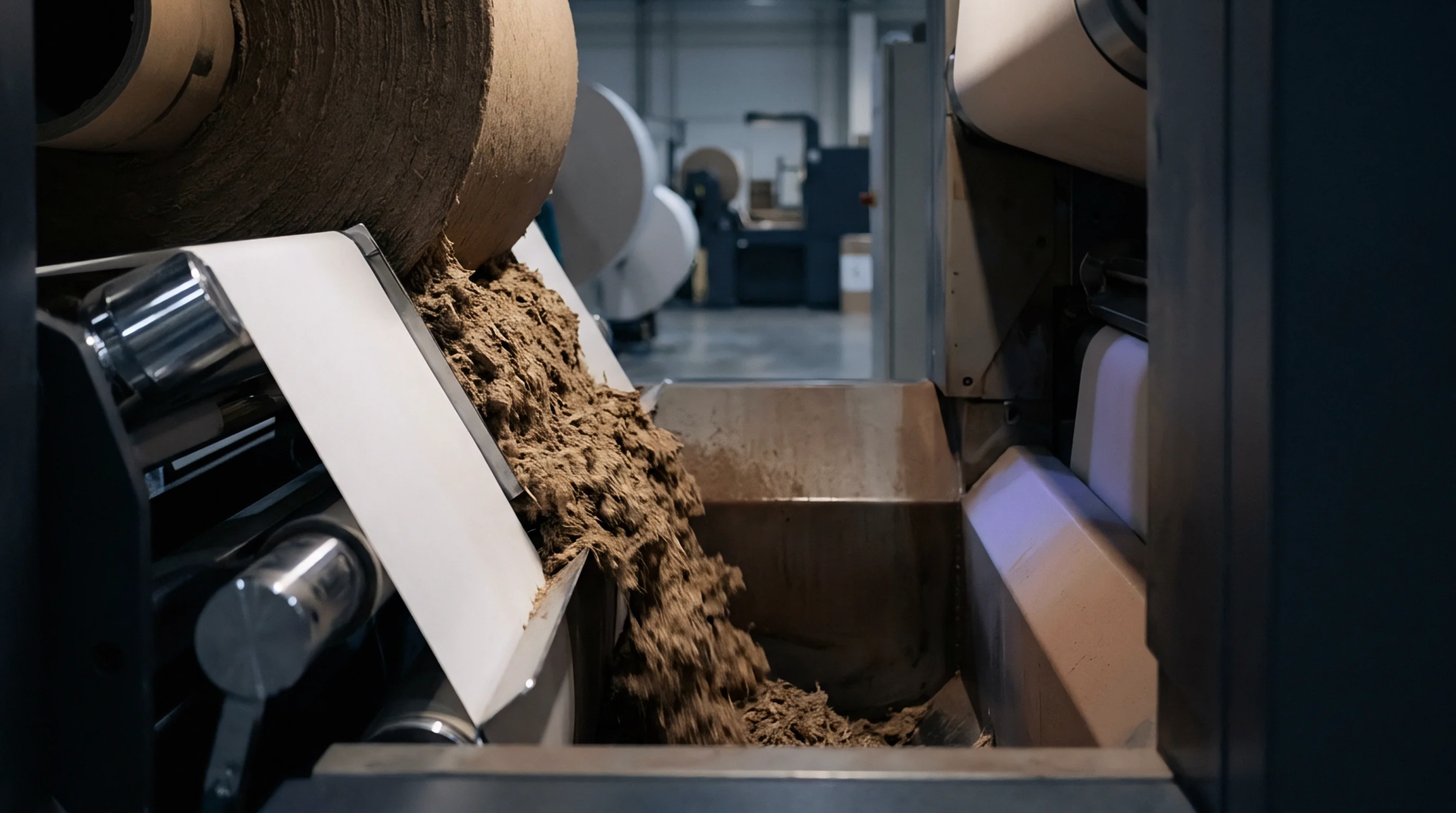
Recycled packaging substrates exhibit non-Fickian moisture uptake and severe hysteresis, reducing compressive strength by over 20 percent under cyclic humidity.
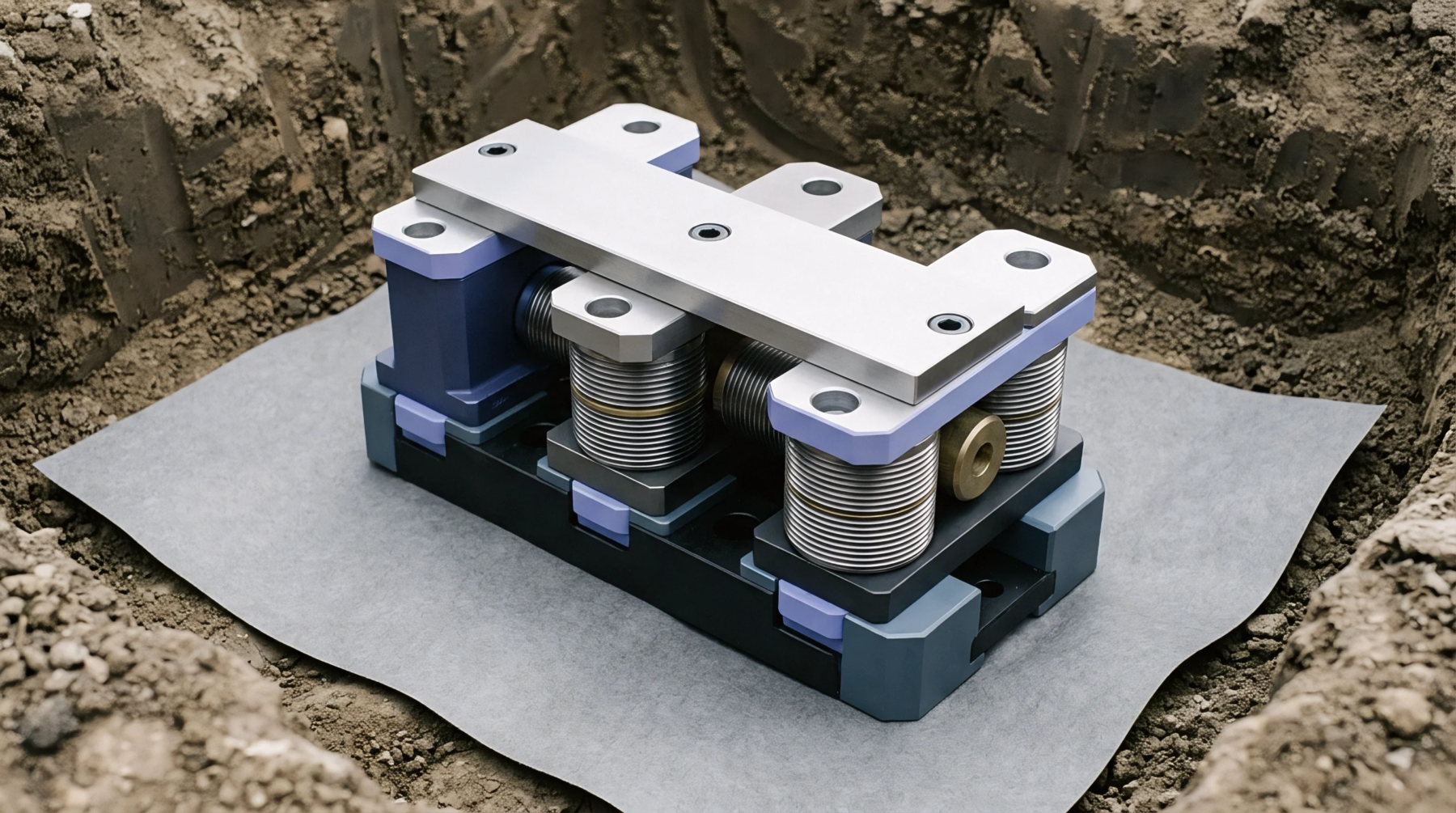
Hydrolytic scission in polyester polyurethane adhesives accelerates under dynamic heat and humidity, requiring polyether or aliphatic systems for shelf-stable barrier packaging.

Characterizing porous absorption in recycled paper requires measuring dynamic capillary wicking and pore size distribution to control ink set times and glue bonds.

GAB isotherm parameters determine microfibril moisture sorption capacity and establish precise water activity thresholds for barrier packaging compliance.
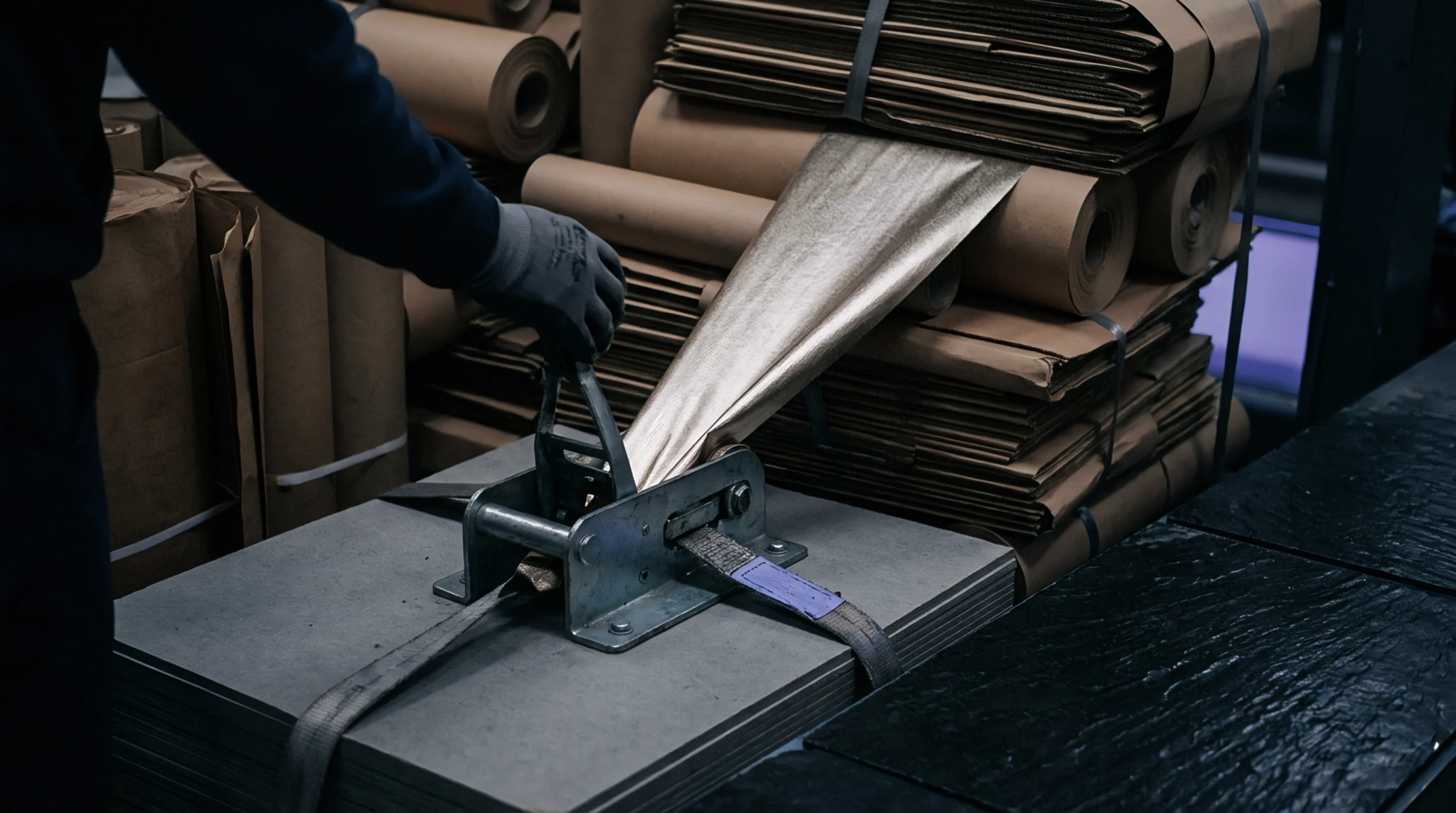
Polyurethane bond degradation in laminated flexible packaging is driven by Corona decay, slip amide migration, and moisture hydrolytic cleavage at film boundaries
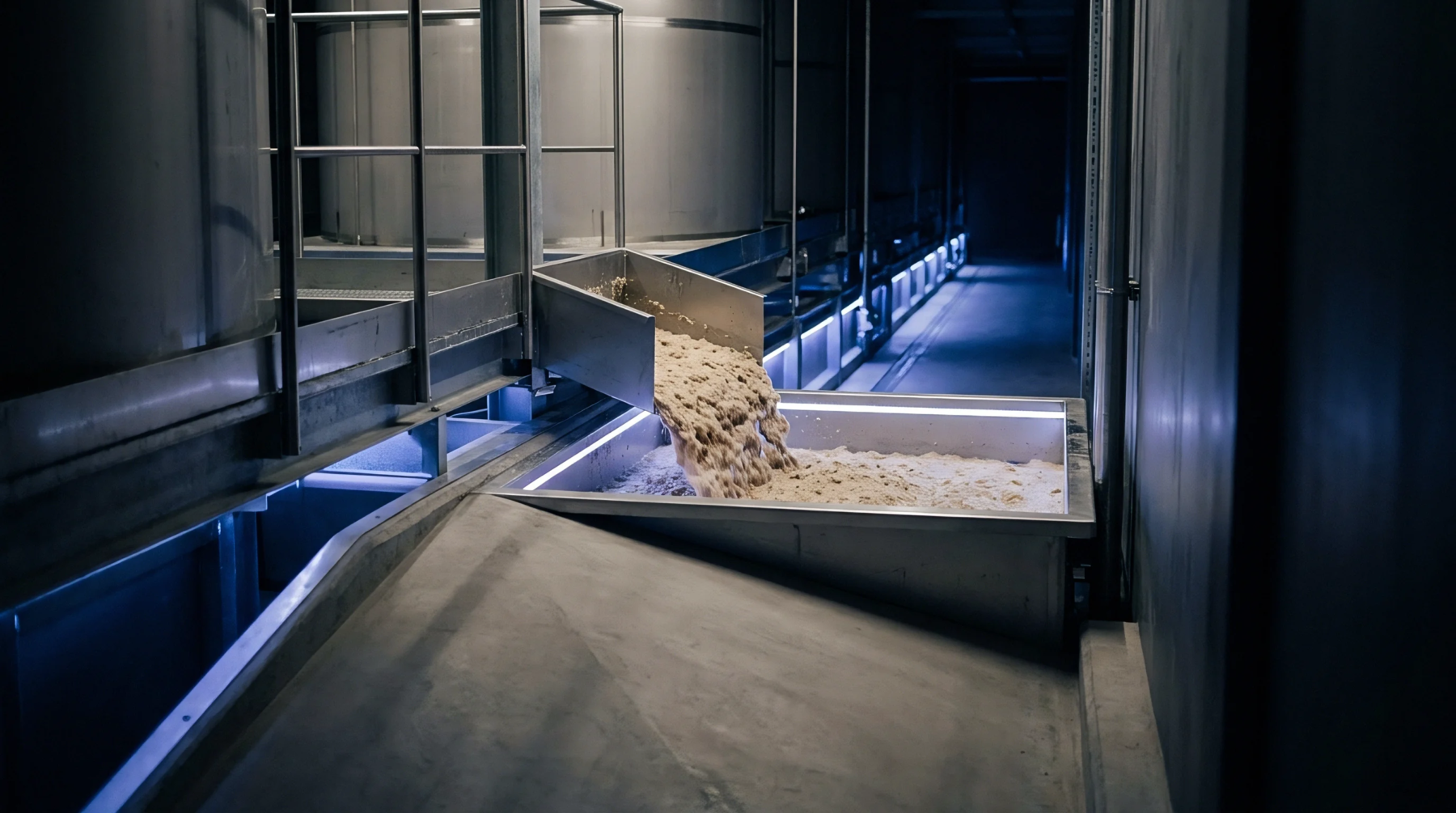
Carboxyl functionalization between 0.25 and 0.45 mmol/g achieves target wet strength while preserving mechanical pulp repulpability under mild alkaline conditions.
Coupled hygro-mechanical finite element modeling prevents chilled transit collapse by predicting rapid condensation softening and interface delamination.
Dynamic relative humidity cycling accelerates compressive creep strain and drives interlaminar delamination kinetics in recycled board packaging stacks.
Interfacial fracture toughness in laminated paperboard depends on substrate z-direction fiber strength, controlled corona energy, and scoreline strain management.
Monomer ratios with glass transition temperatures between 10 °C and 25 °C balance shear stability, film formation, and Cobb water resistance on high-yield pulp.
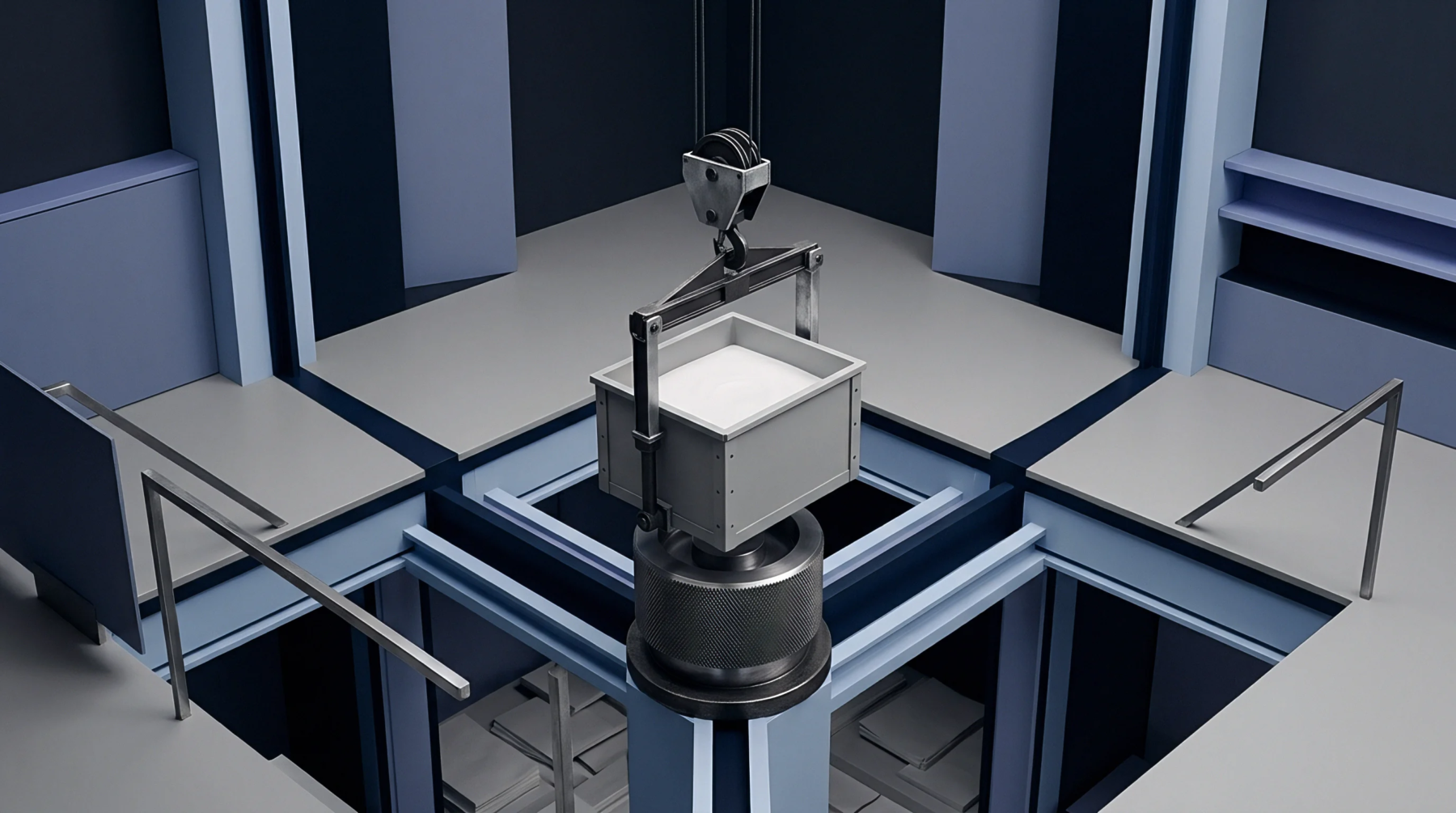
Aqueous dispersion coatings require high carboxyl content and precise Tg control to fragment into screenable flakes rather than tacky micro-stickies during pulping.

Viscoelastic creep in cellulosic matrices accelerates under humidity cycling, reducing long-term compression strength and requiring calibrated safety margins.
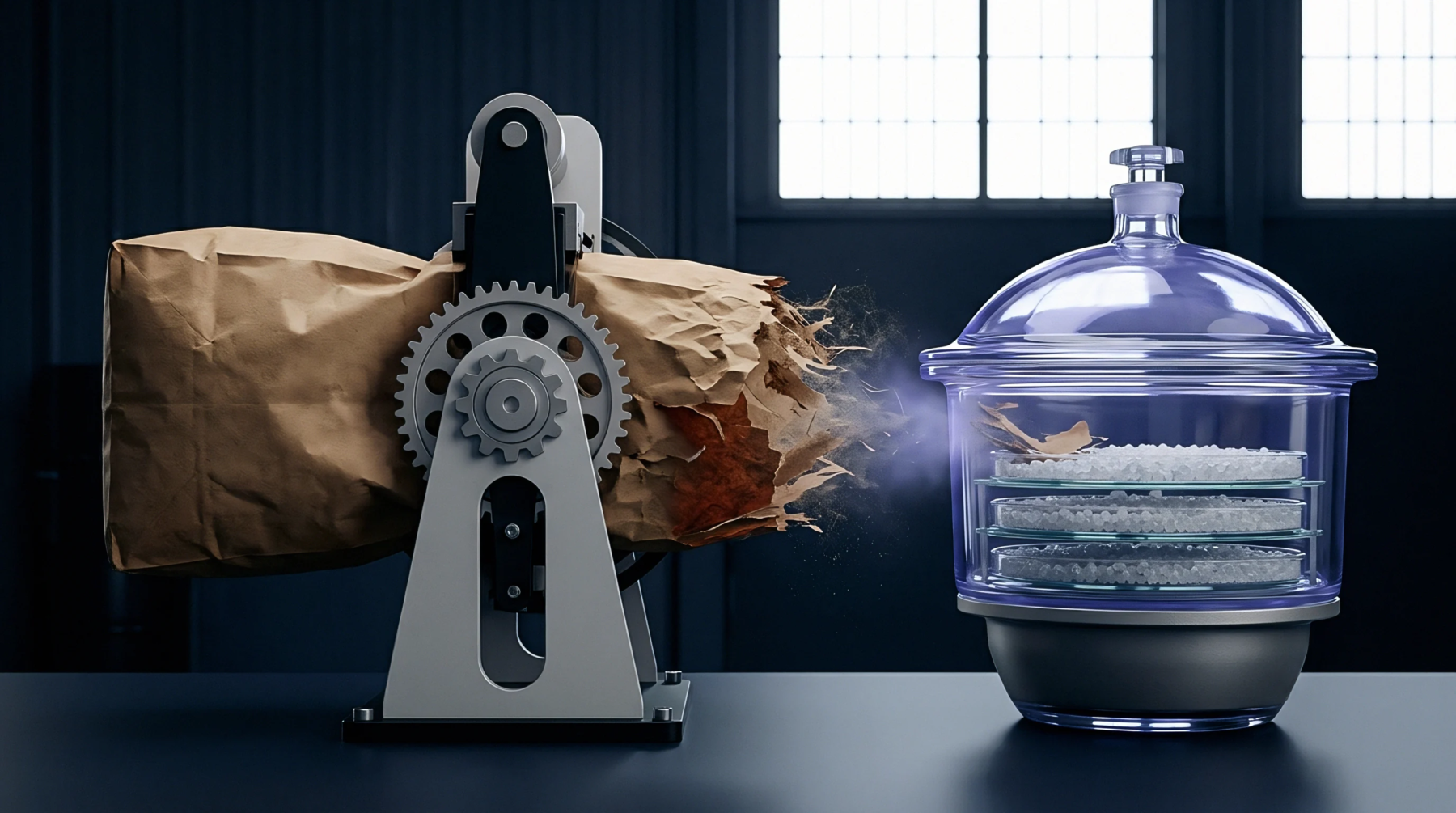
Dynamic relative humidity cycling accelerates creep deformation in recycled fluting medium beyond static predictions, requiring higher structural safety factors
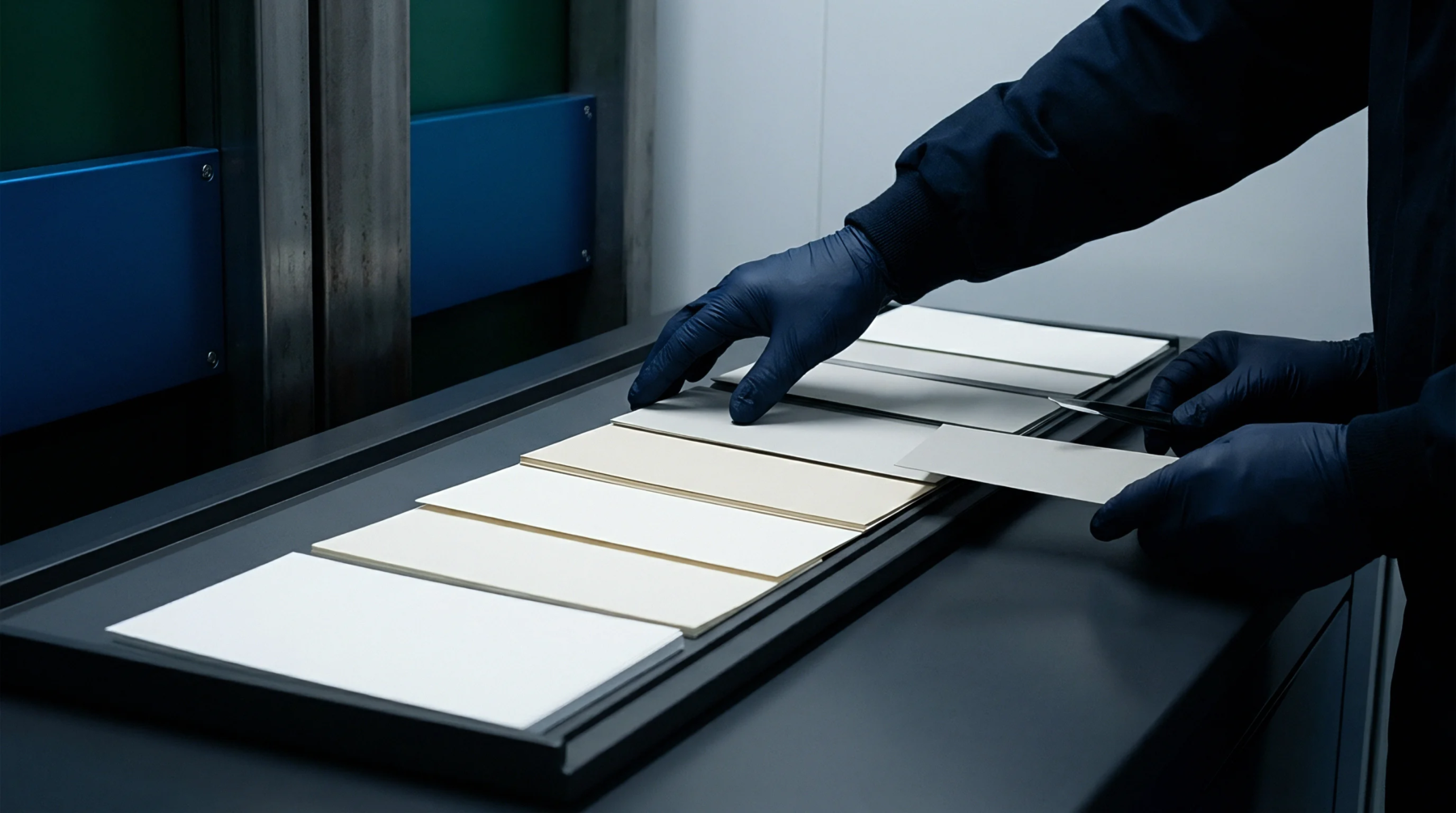
Polyurethane tactile coating crosslink density variance directly drives localized abrasion failure, requiring strict stoichiometric and thermal profile control.
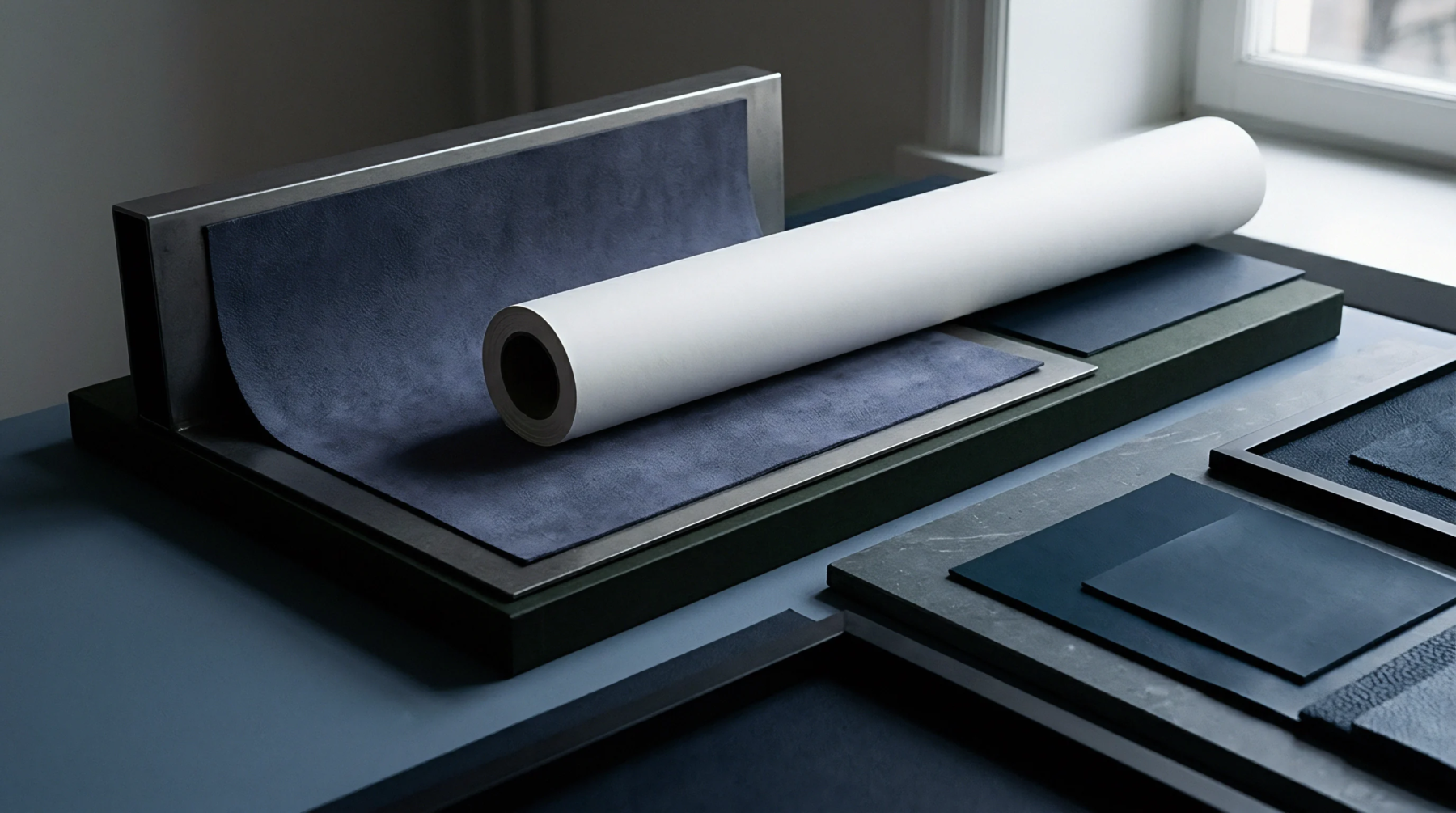
Polyurethane soft-touch films provide superior scratch resistance and score fold integrity compared to BOPP but require higher temperature control and lower web yields.
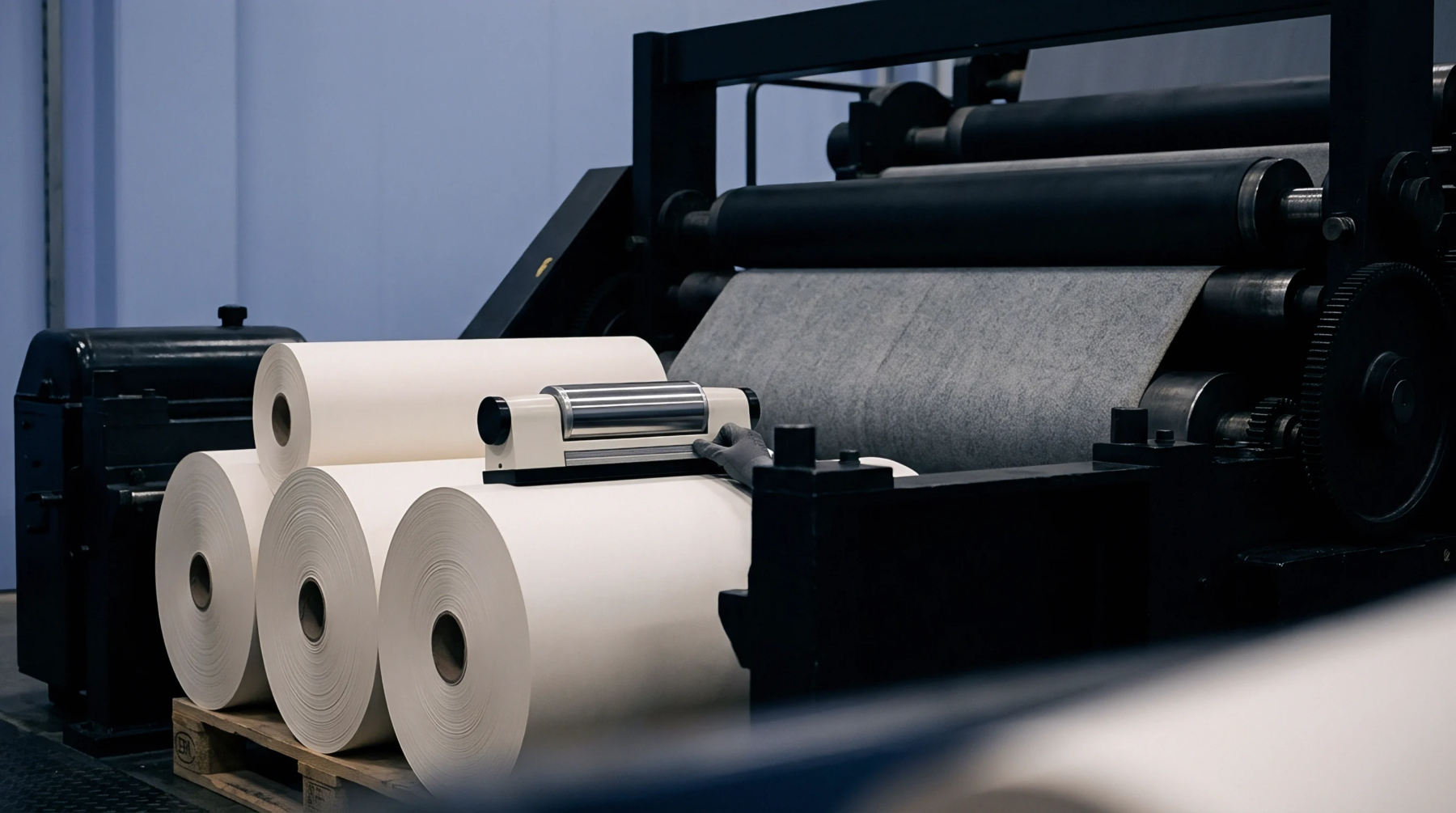
Dynamic cross-machine thermal profiling counteracts anisotropic fiber twist, holding board flatness within two millimeters per meter across high-speed lamination passes.

High erection speeds induce inter-ply shear strain that causes carton delamination when Z-direction bond strength drops below 180 Joules per square metre.
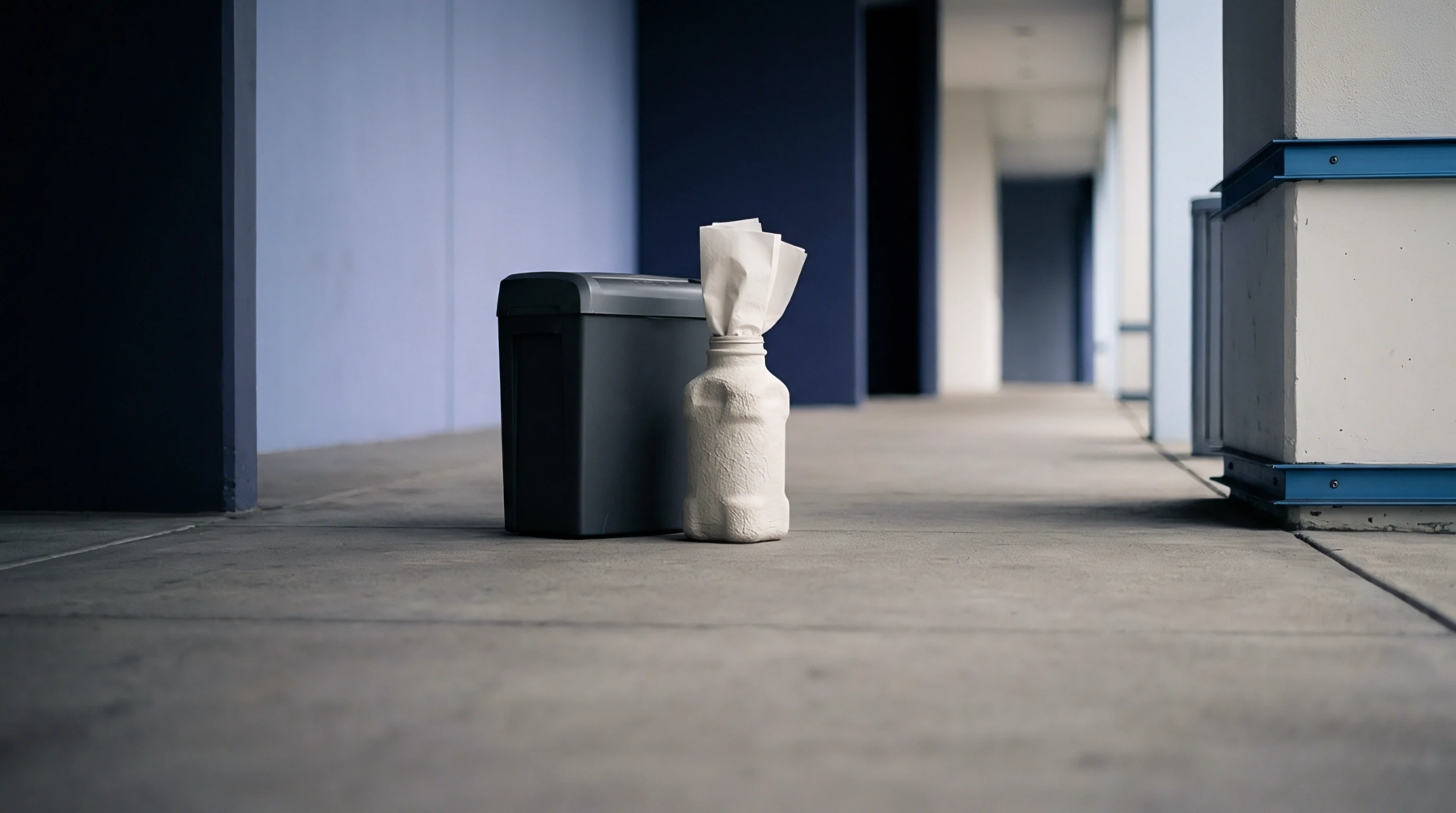
Interfacial shear strain from thermal mismatch drives delamination; controlling cooling gradients and dyne levels prevents bond failure at crease lines.

Folding boxboard machine direction stiffness anisotropy governs carton opening force and high-speed feeder reliability, demanding strict ratio limits on orders.
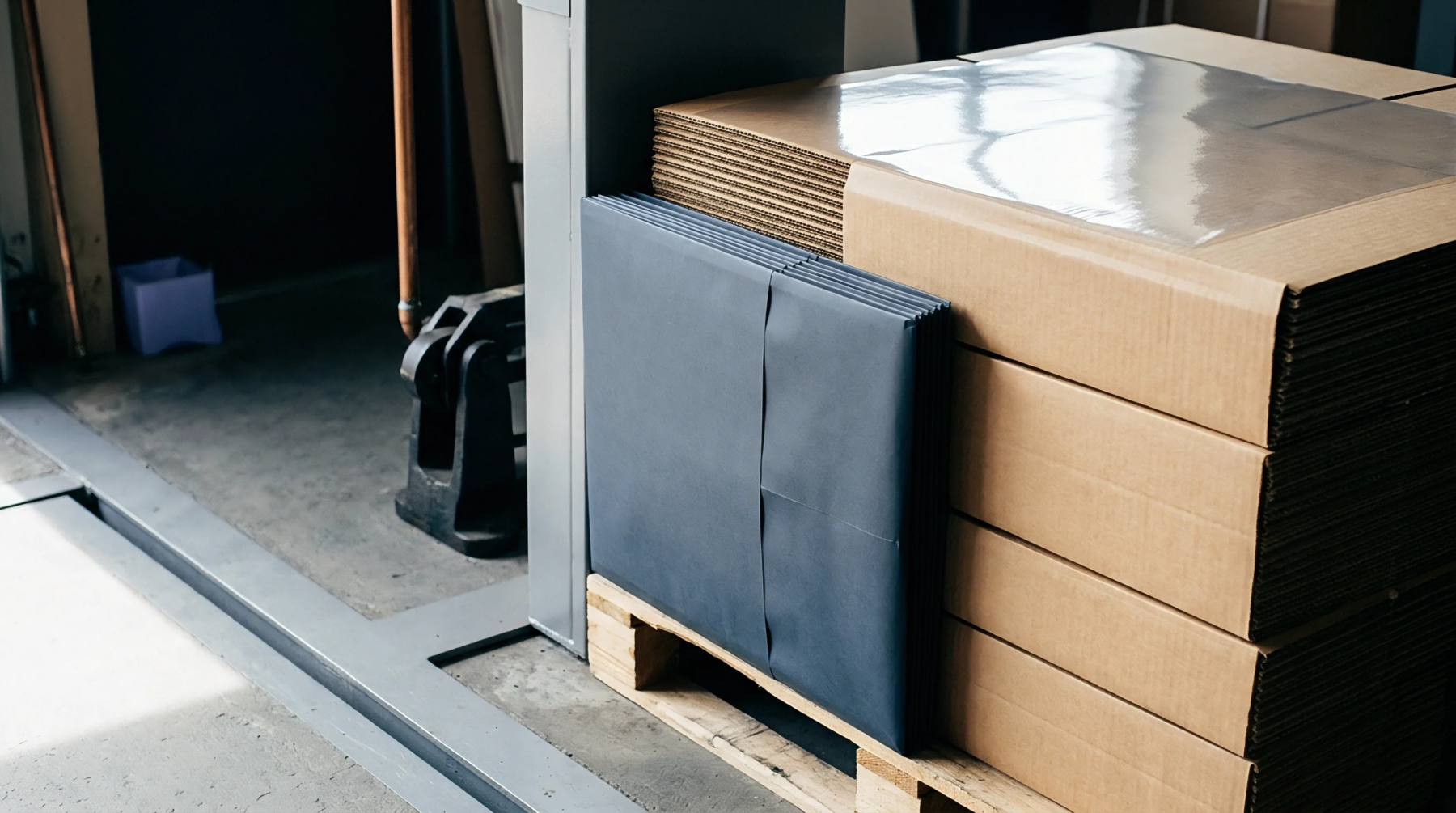
Double wall static compression thresholds drop 40 to 60 percent above 80 percent humidity, requiring safety factor adjustments to prevent warehouse collapse.
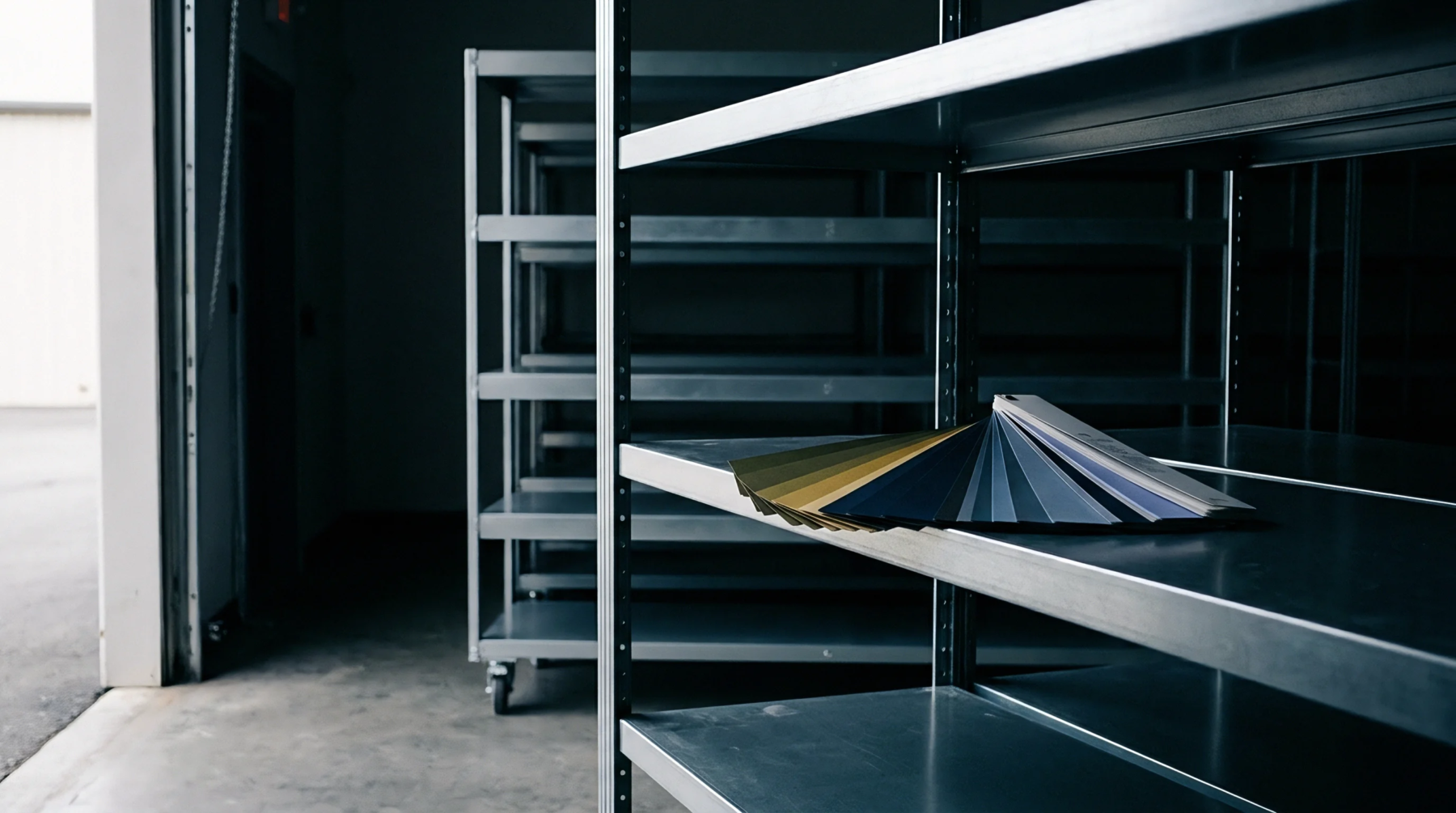
Dynamic tropical moisture cycling accelerates fiber matrix creep deformation through mechano-sorptive coupling across multilayer paperboard plies.
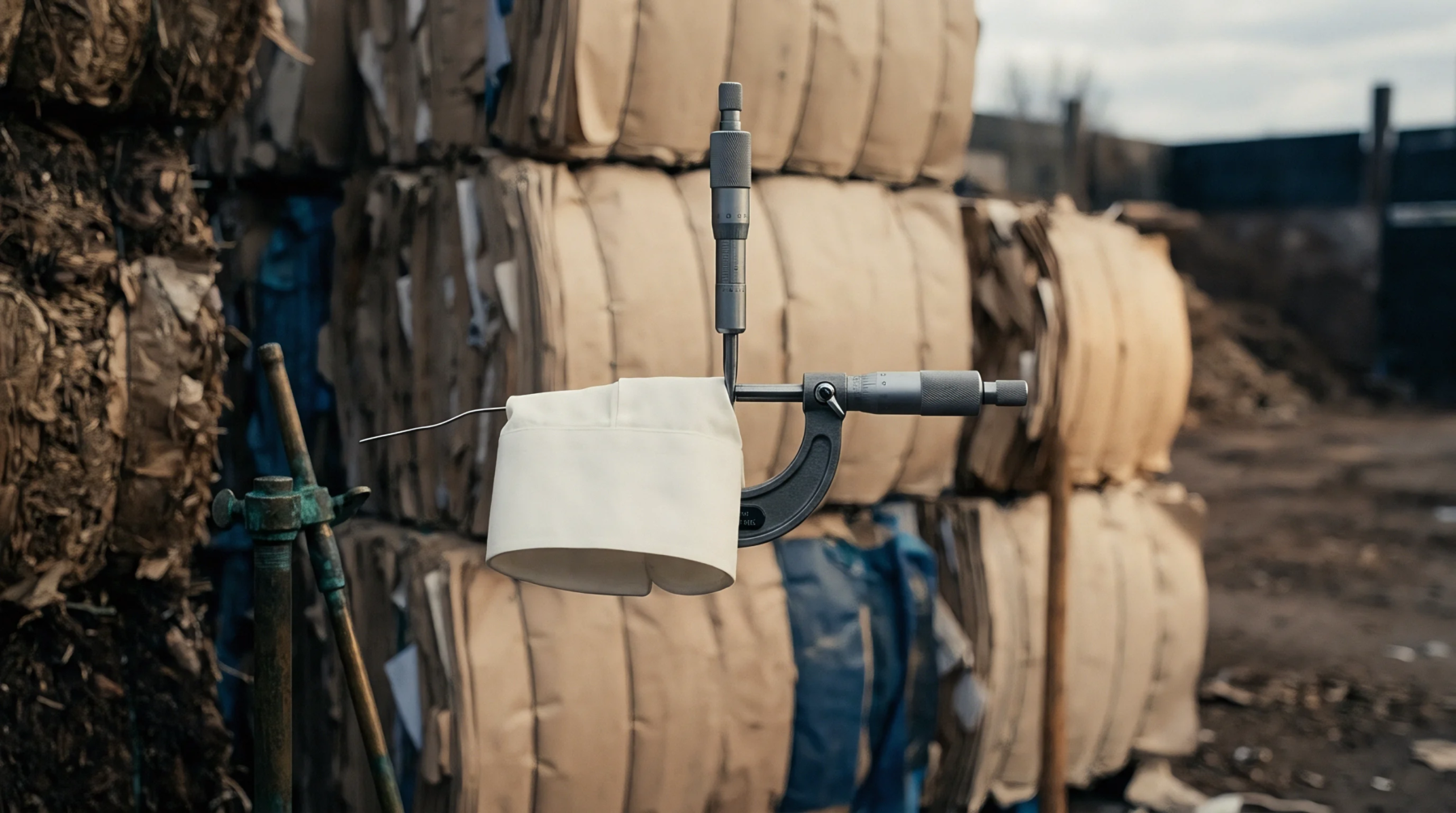
Paperboard expands five to seven times more across the grain than along it, requiring precise humidity control and pass timing to maintain converting register.
Expertise is a utility, not a secret. sentiention™ publishes its working knowledge as open reference: intelligence layer covering the materials it sources, the markets it enters, and the reference that serves both.