Surface Energy Physics in Digital High Build Spot Varnish
Digital spot varnish stability requires substrates above 38 mN/m and rapid LED pinning to lock 60-micron profiles without capillary spread or score cracking.

Digital spot varnish stability requires substrates above 38 mN/m and rapid LED pinning to lock 60-micron profiles without capillary spread or score cracking.
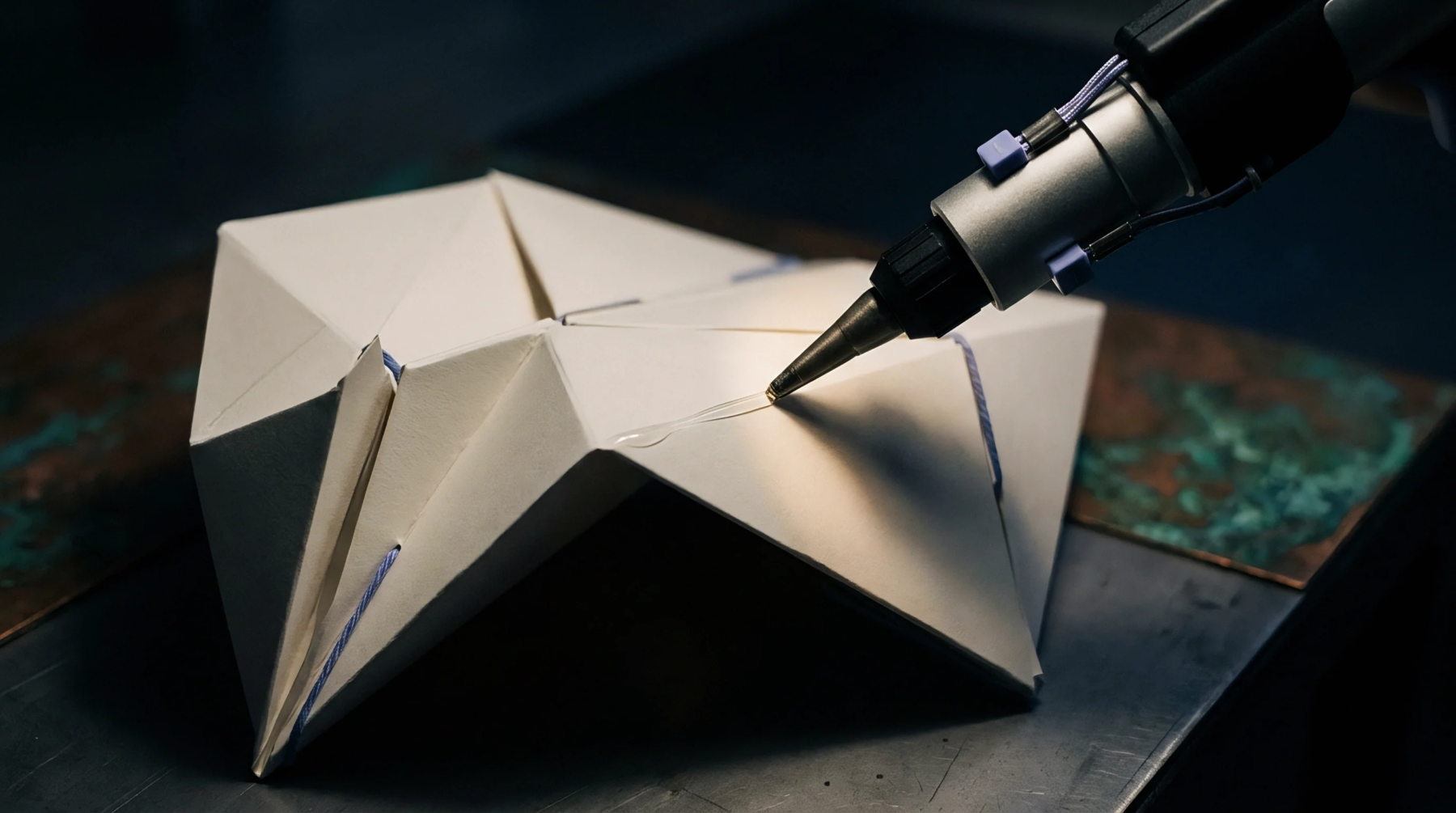
Standardized liquid penetration testing requires matching dynamic bench exposure times to press dwell durations to accurately predict coating performance.
Dynamic fluid intrusion kinetics in recycled substrates dictate spatial print mottle through hornified pore tortuosity and uneven capillary pressure gradients.

Intense refining of recycled fibres increases bonded area and collapses lumens, reducing optical scattering and requiring mineral fillers to restore opacity.
Dynamic microscale penetration testing resolves sub-second liquid absorption kinetics in recycled kraft linerboard to prevent converting failure.
Elevated humidity reduces Z-directional tensile limits by forty percent, demanding wider matrix channels and pressure-sensitive tape with high tack shear adhesive.

Balancing polyisocyanate addition at 3.5 to 4.5 percent solids maintains high-humidity barrier holdout while preserving the elongation needed to prevent score cracking.
Selecting paperboard caliper and bulk requires balancing furnish density against flexural rigidity to maximize blank yield and carton compression strength.

Maintain crease depth penetration between 0.45 and 0.65 of board caliper with a 1.4 to 1.6 channel multiplier to promote internal shear and eliminate cracking.
Cyclic relative humidity drives interfacial shear cracks in polyurethane-laminated paperboard through hygro-expansion mismatch and localized network plasticization.
ISO 20021 ultrasonic velocity testing determines machine direction fiber alignment in bleached board, where angles over two degrees trigger warp and score failure.
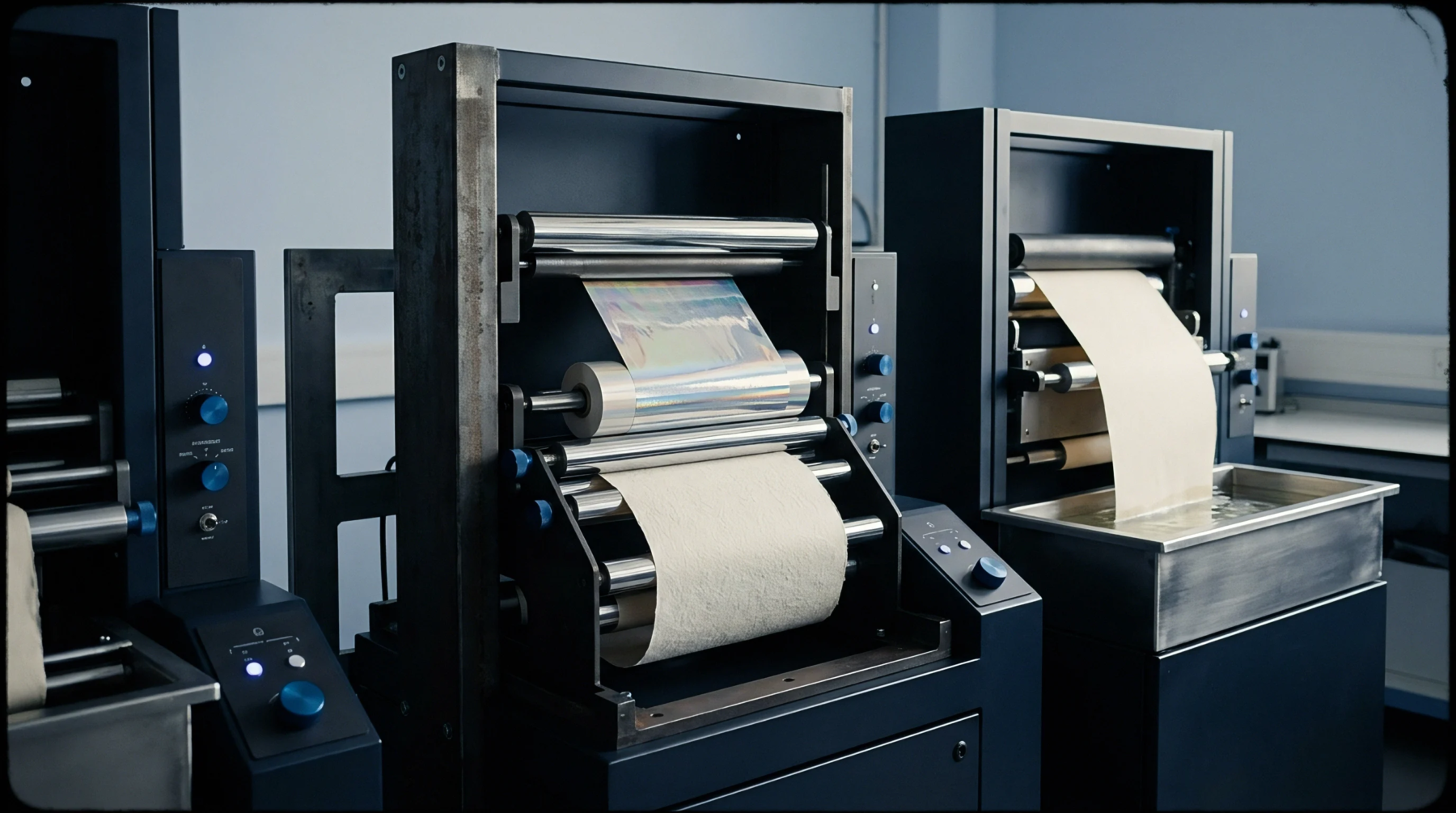
Polyurethane soft-touch laminates fail above 115 degrees Celsius and 18 kilonewtons of line pressure, causing matte collapse, score cracking, and scuffing.
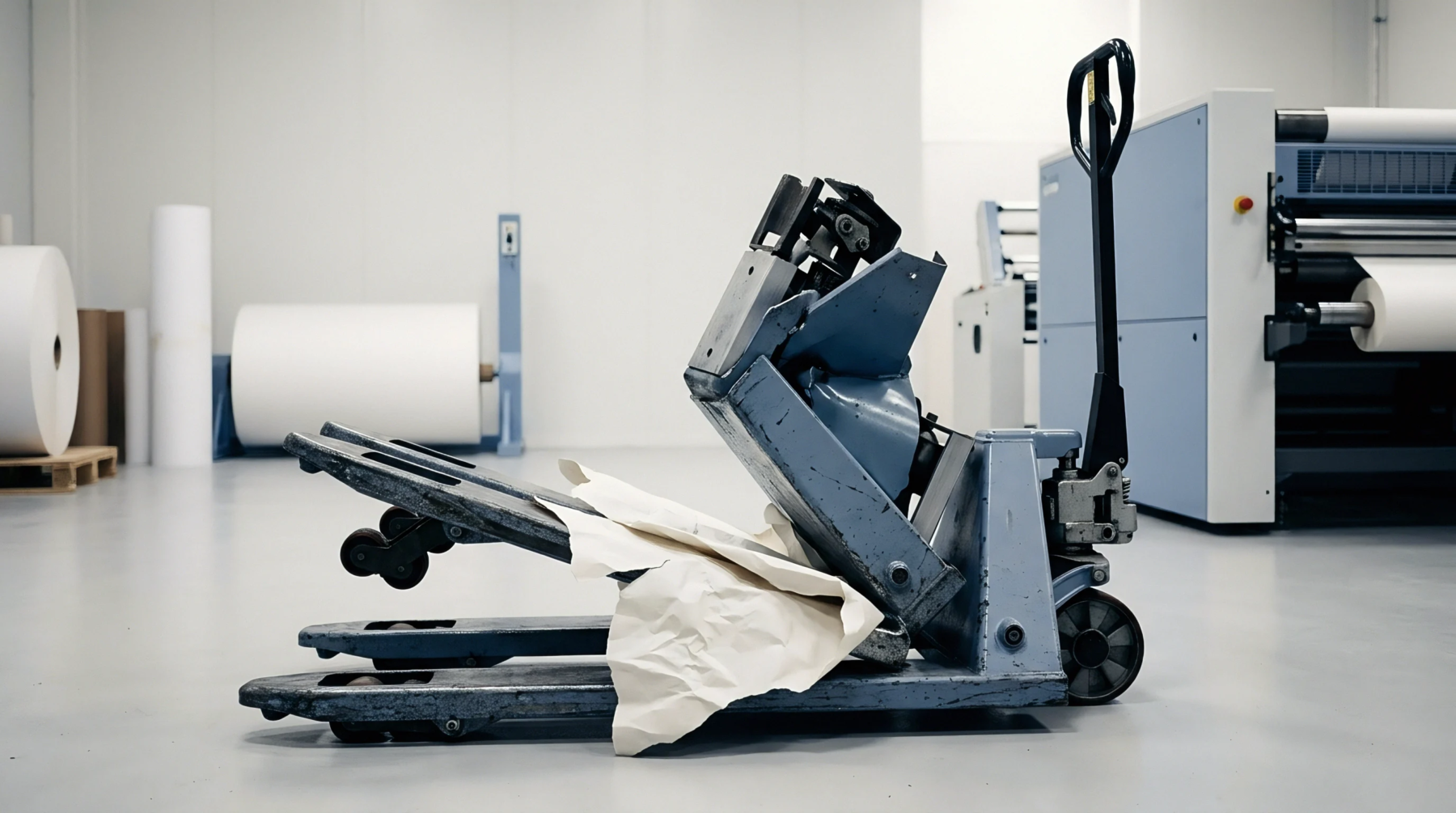
Controlling vacuum hydrofoil pressure gradients and press impulse prevents internal delamination in multi-ply recycled linerboard during converter scoring.

Shoe press peak hydraulic pressure must remain below wet web z-tensile limits to prevent core delamination in secondary fiber containerboard manufacturing.

Dynamic relative humidity profiles degrade paperboard box compression strength via mechano-sorptive creep, requiring cyclic chamber testing for specification safety.
Recycled board PAH compliance relies on toluene GC-MS analysis to distinguish carcinogenic aromatic rings from mineral oil matrices for REACH entry 50.
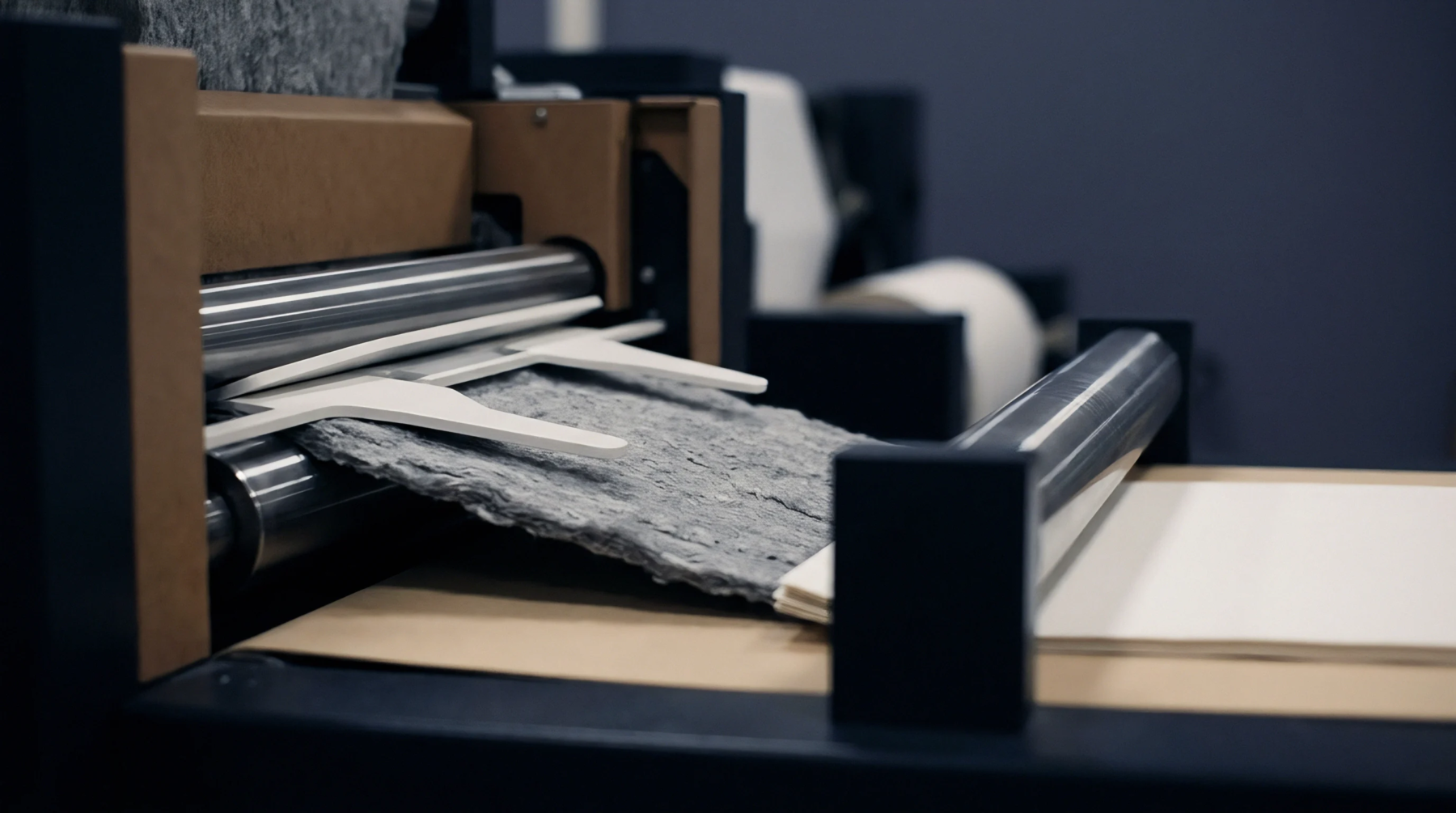
Dynamic moisture sorption in recycled containerboard accelerates mechanosorptive creep, requiring higher safety factors than virgin stock under cyclic relative humidity.
Standardized flake purity certification requires accredited third-party batch assays to verify decontamination limits and prevent border rejections.
Spectrophotometric bleed testing measures optical transmittance and CIELAB color shift in filtered caustic wash liquor to verify packaging ink compliance.

Effective de-linking requires alkali-swellable binders that flake cleanly in hot caustic wash baths without dissolving pigments or blinding melt filters.
Paperboard moisture equilibrium dictates converting stability: matching substrate sorption hysteresis to hall humidity prevents carton cracking and register loss.
Subsurface light scattering in filled mechanical papers is governed by radiative transport modified for pigment crowding and internal surface reflection.
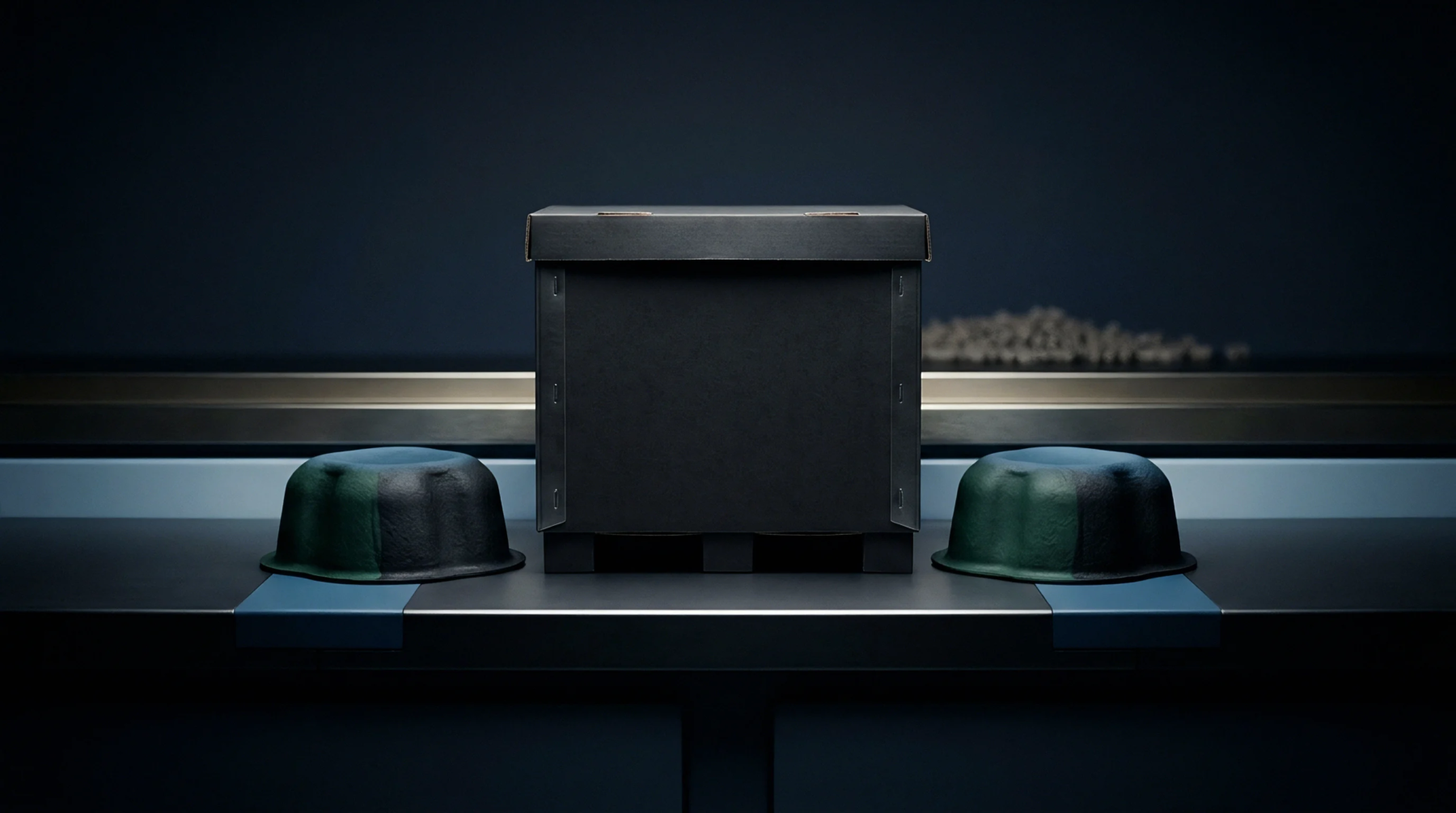
Validate recycled packaging functional barriers using DIN EN 17992 migration cells, verifying breakthrough lag times exceed designated product shelf life.
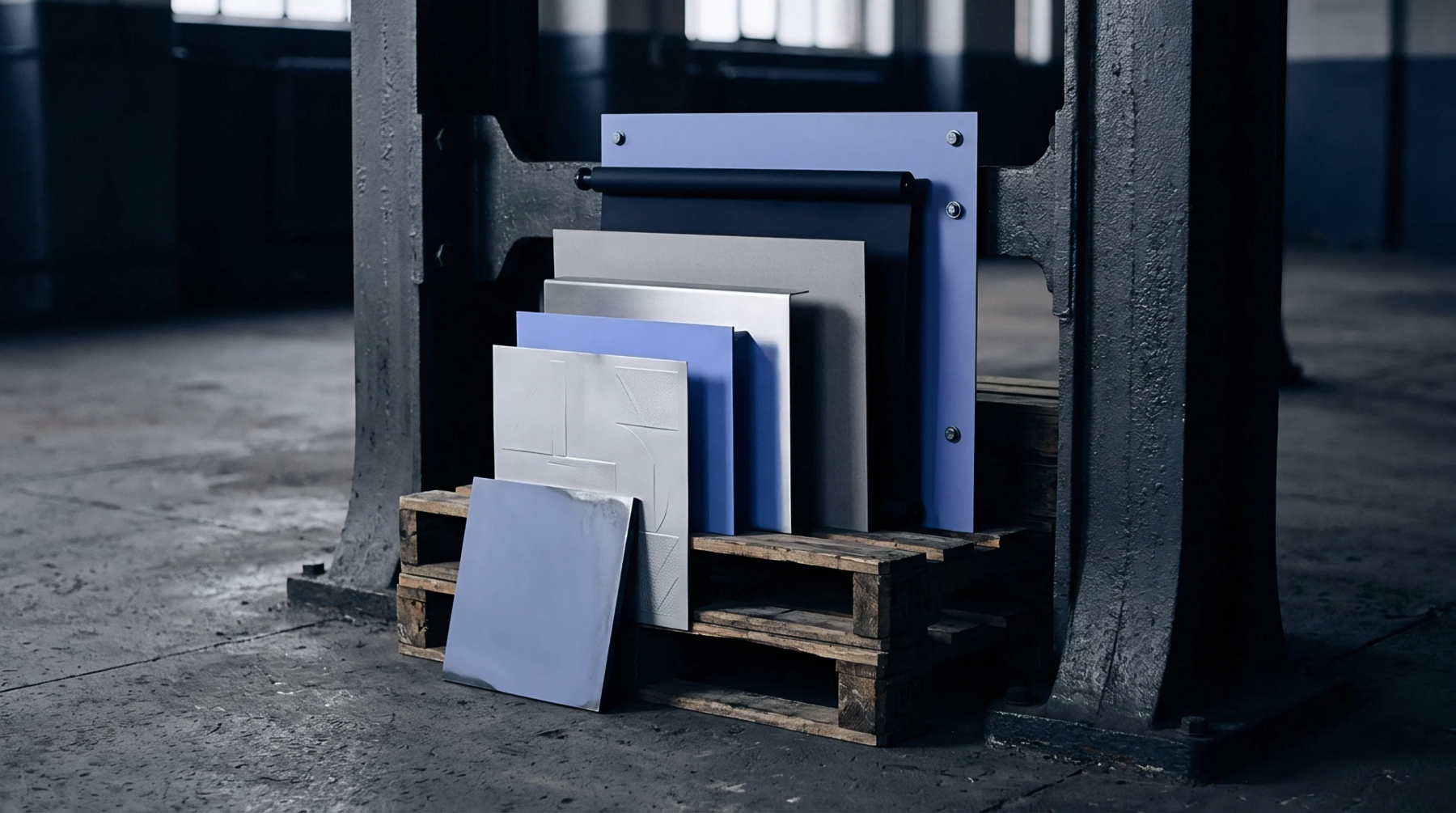
Vacuum-deposited AlOx barrier integrity relies on precise stoichiometry and chill drum contact to eliminate adatom nucleation defects at high web speeds.
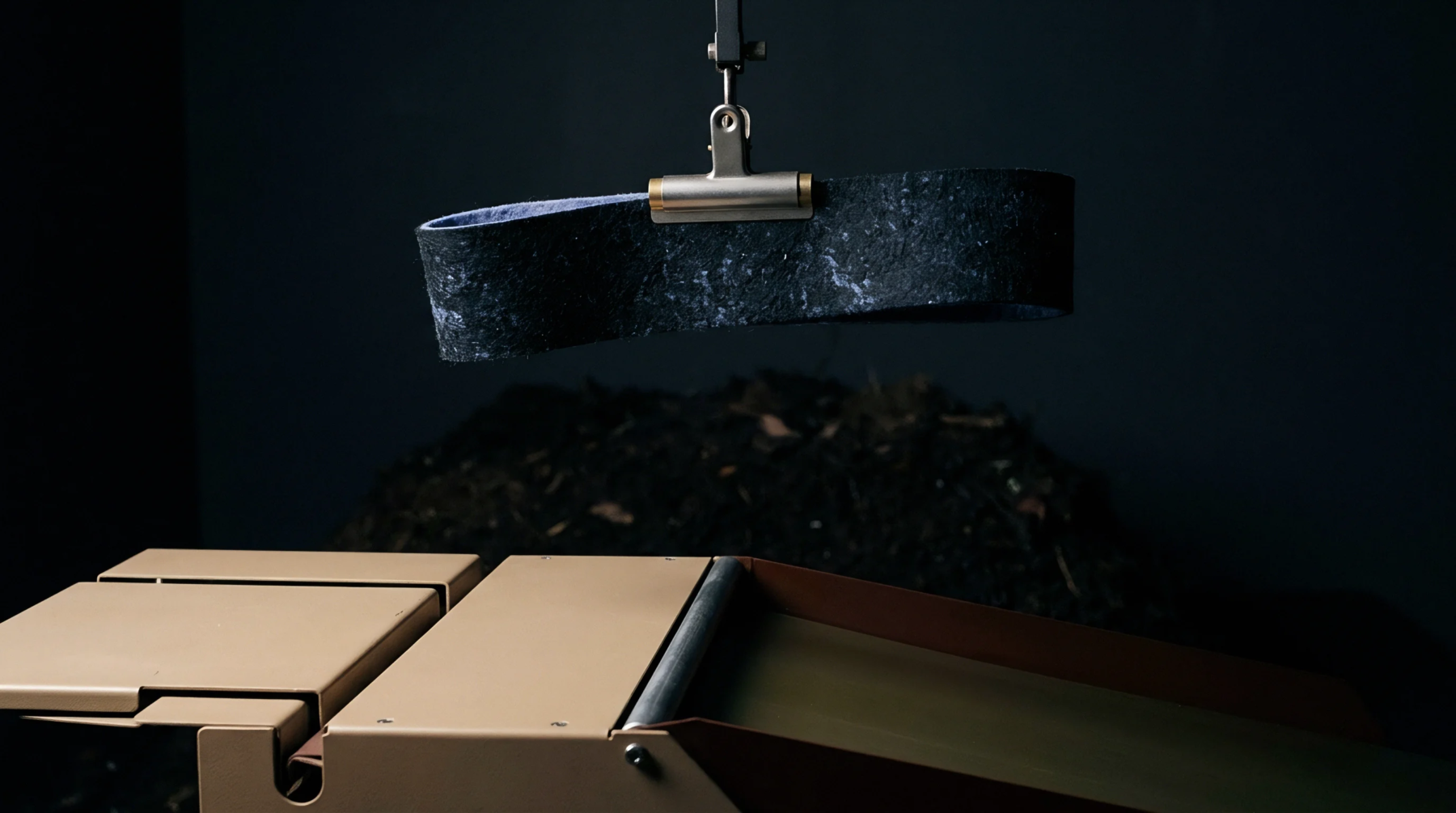
Recycled food packaging isolates MOSH and MOAH migration through verified functional barriers or sorbents tested below 0.5 mg/kg via online HPLC-GC-FID.
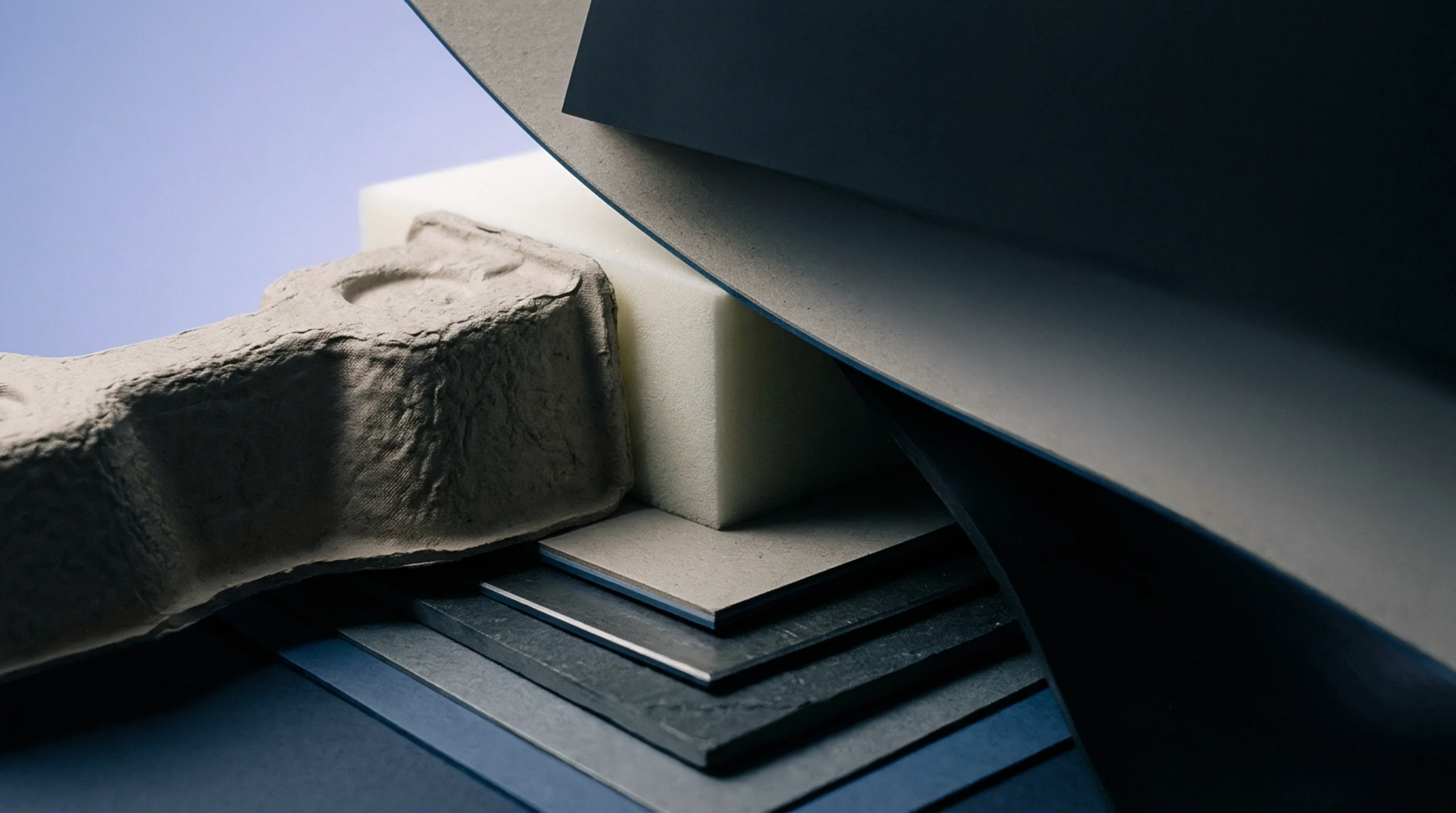
Standardized 90-degree peel testing isolates true metPET interfacial bond strength by fixing separation geometry and eliminating backing deformation errors.
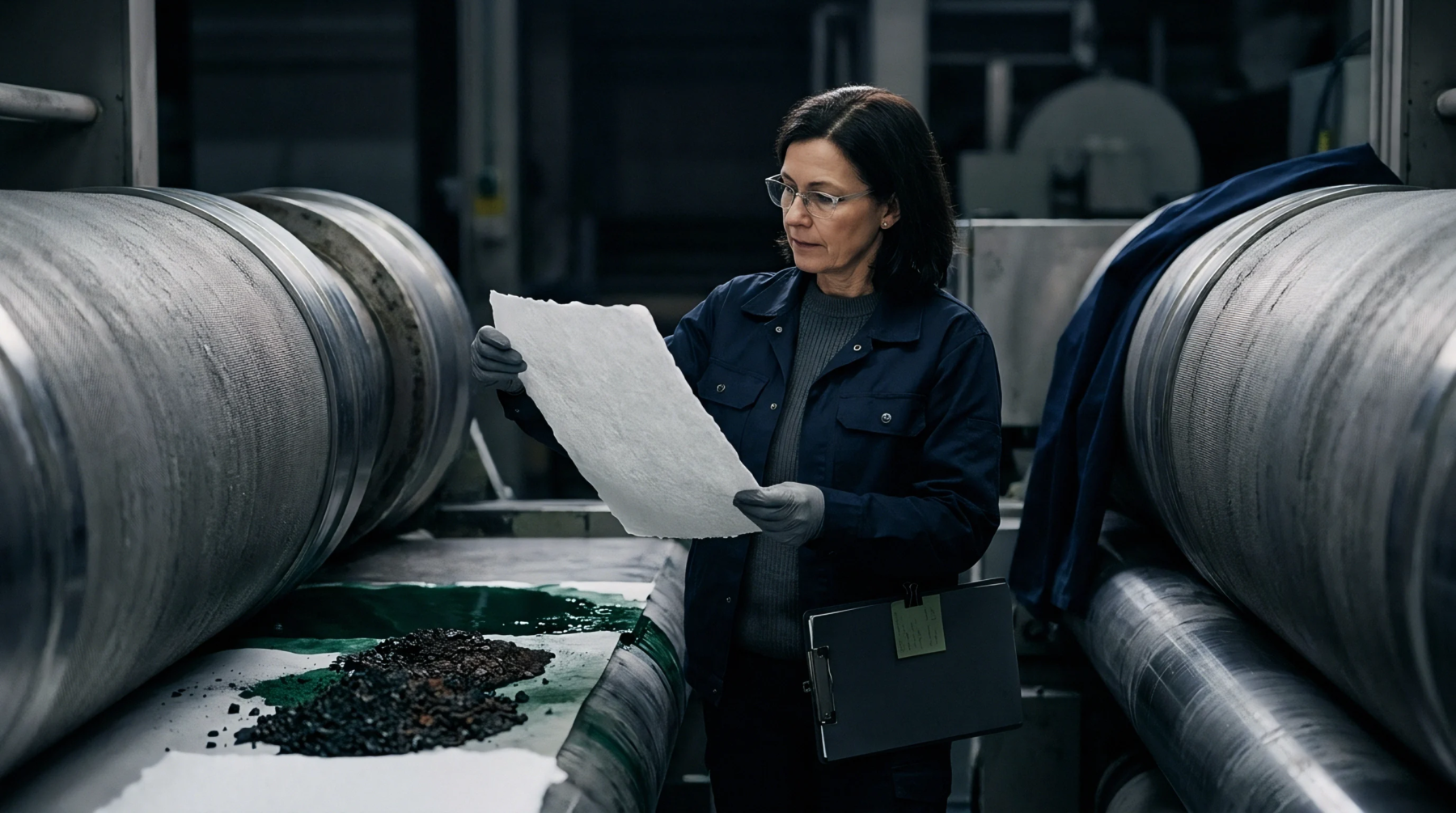
Converters deduct physical scrap from mass balance ledgers under ISO 22095 to prevent illegal credit inflation under European Green Claims enforcement.

Polyolefin regulatory compliance requires explicit contractual indemnity clauses tied to batch-level migration and third-party chain of custody certification.
Mass balance verification requires auditing physical feedstock inputs against accounting credit allocations across site level balancing cycles.
Quantify metal-to-polymer adhesion using ASTM F904 peel testing with EAA backing, targeting values above 60 N/m to ensure barrier stability during converting.
Expertise is a utility, not a secret. sentiention™ publishes its working knowledge as open reference: intelligence layer covering the materials it sources, the markets it enters, and the reference that serves both.