
Uncoated Sheet Porosity Metrics and Spectral Tone Gain Modeling
Uncoated paper porosity metrics govern liquid absorption and optical light scattering, requiring customized Yule-Nielsen spectral curves for print tone accuracy.

Uncoated paper porosity metrics govern liquid absorption and optical light scattering, requiring customized Yule-Nielsen spectral curves for print tone accuracy.

Reversing lamination and hot stamping passes increases crease crack resistance by 34 percent while degrading mechanical fiber yield under CEPI testing by 18 points.

Verify tone value increase across offset papers by combining ISO 13655 M1 spectrophotometry with substrate-specific target curves and CTP plate linearization.

Unverified multi-mill energy pooling inflates containerboard costs by allocating group-wide fossil fuel spikes to efficient biomass-driven machine runs.
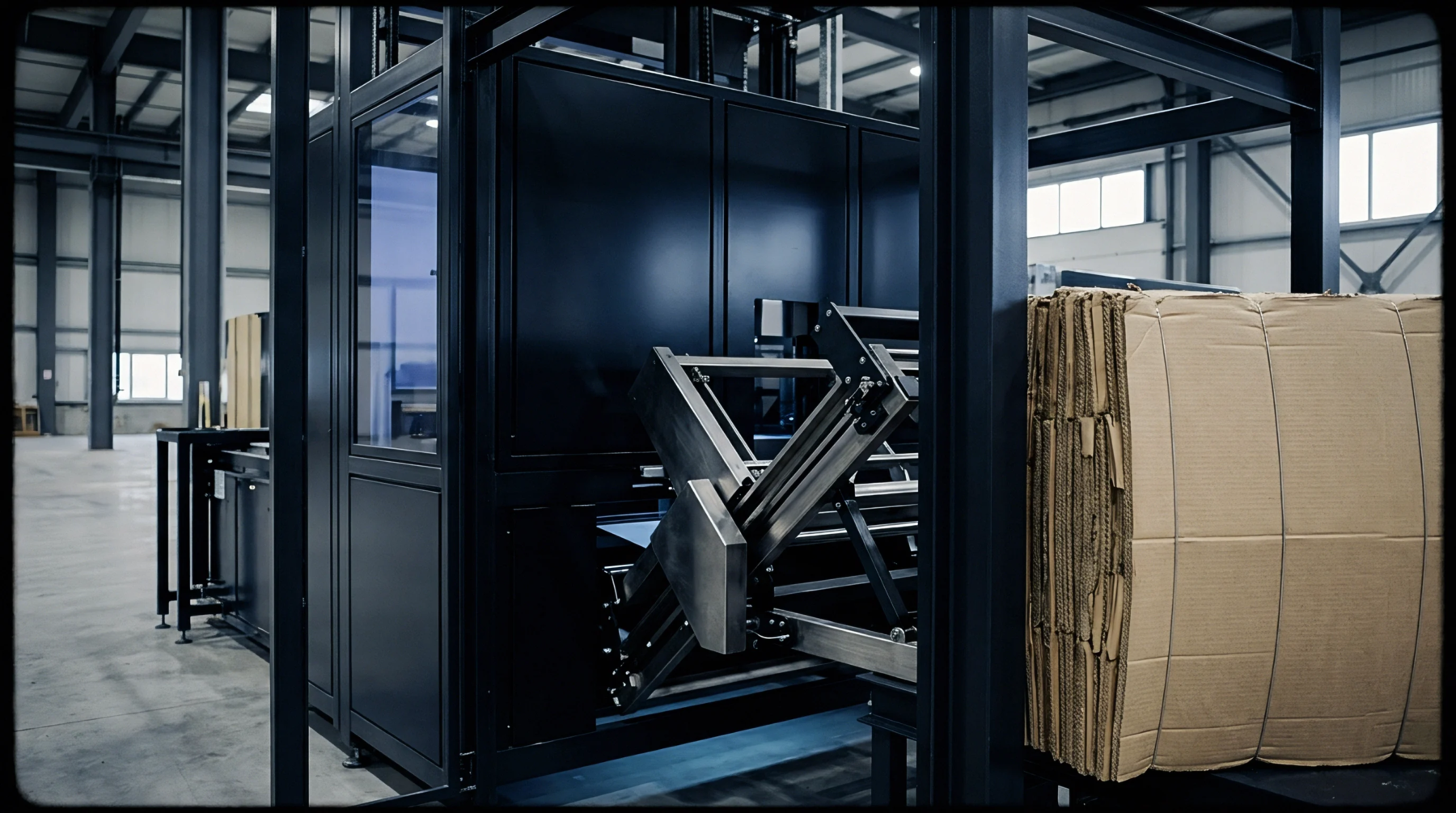
Unbundled gas surcharges index containerboard pricing to benchmark fuel hubs using capped mill heat rate factors to insulate core board costs from energy spikes.

Balancing flotation yield shrinkage against chemical contaminant removal determines whether multi-ply recycled board satisfies food contact limits cost-effectively.
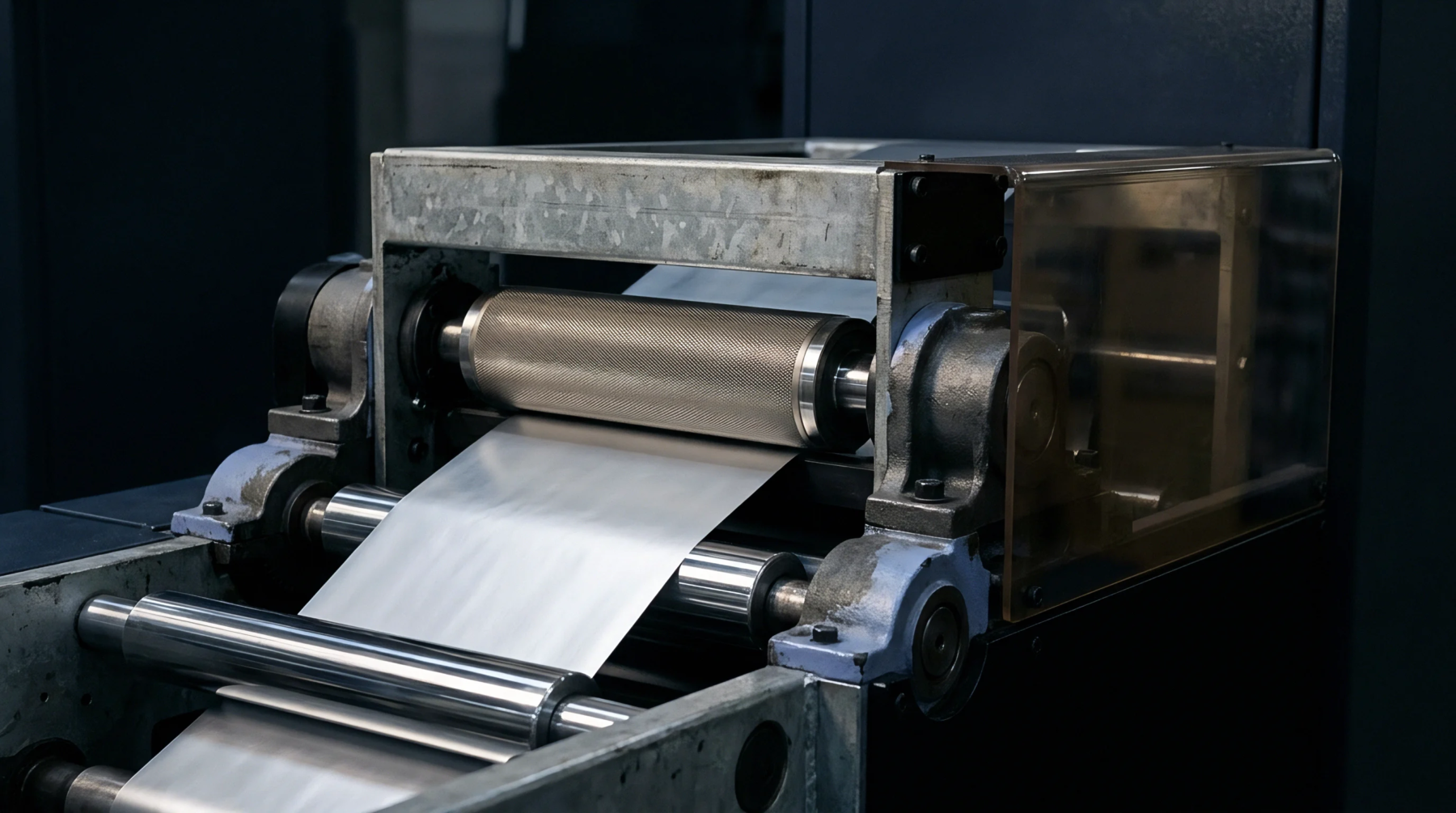
Energy surcharges require explicit baseline thermal ratings and index lags to prevent mill efficiency losses from inflating board prices.
FSC credit accounting converts dry reclaimed furnish into claimable product by subtracting ash, moisture, and pulping rejects through dynamic yield factors.

Short span compression strength in recycled containerboard drops over 35 percent under ambient moisture shifts, requiring higher safety factors in box design.
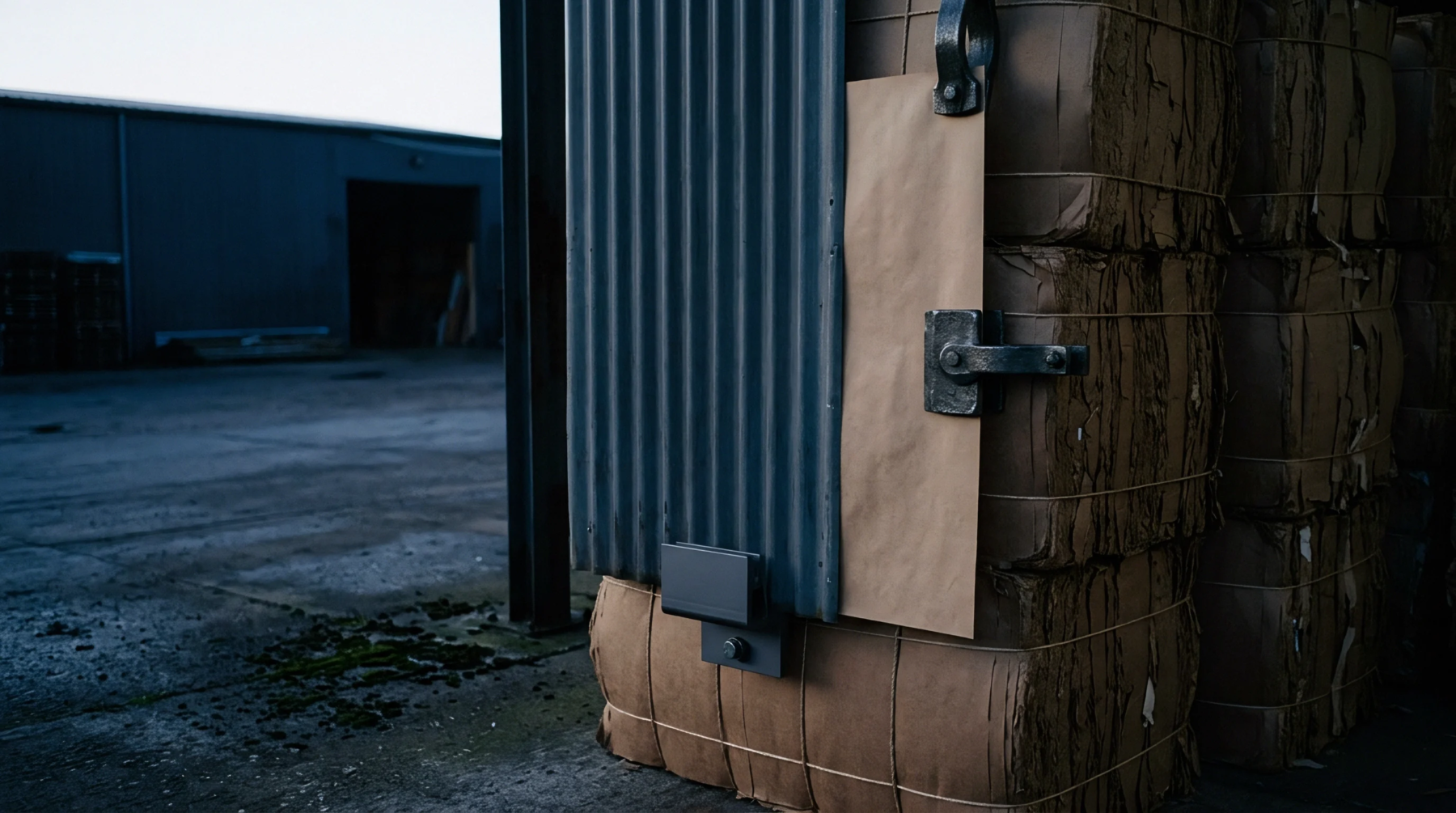
Verify certificate codes against public registries and match physical roll tags to delivery invoices to prevent counterfeit recycled claims and customs delays.

Quantifying NIAS in bio-based coatings requires single-side solvent extraction paired with high-resolution GC/LC-QTOF screening calibrated to toxicological concern thresholds.

Dynamic surface energy decay and thermal history alter interlayer bond strength in multi-pass converting, demanding dyne verification before every pass.

BCTMP cores lower basis weight for target stiffness, but elevated humidity plasticizes lignin, accelerating score memory loss and risking carton wall bulge.

Pass sequencing dictates surface energy retention, creasing matrix integrity, recyclability scores, and cumulative scrap rates across multi-step structural packaging runs.

Maintain crease depth ratios between 0.55 and 0.65 to induce internal ply shear, reducing panel springback torque for clean high-speed package ejection.

Quantifying acrylate extractables in low migration packaging requires standardized solvent extraction coupled with thermal desorption GC-MS spectral screening.
Verify ISO/IEC 17025 paperboard scopes and demand EN 16995 LC-GC-FID reports to ensure food contact compliance and prevent border rejections.

Auditing paperboard compliance certificates requires verifying accredited laboratory migration data against regional chemical limits and matching mill batch codes.

Optimizing triple ply folding boxboard stiffness requires maximizing middle layer bulk using BCTMP while placing high elastic modulus chemical pulp in outer skins.

Rotary female die scoring of extruded PE layers requires limiting peak shear strain below 1.65 to prevent pinhole fracturing and barrier loss.

Paperboard buyers face border holds when chain of custody credit balances fail plot-level trace rules, requiring precise contract clauses and batch physical evidence.

Polyethylene viscoelastic strain recovery causes barrier laminate curl and crease springback, controlled via resin density selection and chill roll quench profiles.

Quantifying photoinitiator breakdown products demands solvent extraction or headspace GC-MS/MS backed by deuterated standards to verify migration limits.

Optimize crease score geometry by matching rule width and counter depth to caliper while sizing channel width to induce core shear delamination without coating cracks.

High-speed cartoning requires specifying dynamic internal bond energy above 110 J/m2 to prevent strain-rate matrix delamination during 15-millisecond tuck folds.

Crease evaluation measures 15-degree sheet stiffness against 90-degree fold resistance, targeting a 30 to 50 percent ratio to prevent cartoning line jams.

Phase function compensation models eliminate subsurface optical scattering errors in high-speed paperboard profilers, ensuring precise caliper profile control.

Residual acrylate monomer testing via static headspace gas chromatography quantifies unreacted species to verify food contact safety compliance.

Polymeric barrier coatings suppress gas phase photoinitiator migration from recycled board when low free volume and tortuous mineral platelets delay permeation.
Optical penetration depth correction in continuous board web profilometry mathematically compensates for subsurface scattering to ensure true mechanical caliper.
Expertise is a utility, not a secret. sentiention™ publishes its working knowledge as open reference: intelligence layer covering the materials it sources, the markets it enters, and the reference that serves both.