Optimizing Wax Additives for Transport Friction Stability in Acrylic Coatings
Optimize acrylic coating friction by balancing micronized wax size, surface energy above 38 dynes, and drop points over 100°C for transit and converting stability.

Optimize acrylic coating friction by balancing micronized wax size, surface energy above 38 dynes, and drop points over 100°C for transit and converting stability.
Marine container humidity drops paperboard compression by half, requiring virgin kraft furnishes and 4.0 safety factors to prevent column collapse at sea.
Boundary layer condensation drops containerboard compression fifty percent, demanding virgin kraft liners and desiccant capacity sized to total stowage moisture.
Bio-based barrier coatings undergo rapid free volume collapse post-converting, doubling storage modulus within seven days and causing severe crease cracking.

Quantifying specular gloss drift in silica finishes requires 85-degree grazing geometry to detect micro-roughness variations before binder leveling elevates sheen.

Water-coated SBS board requires wider female creasing channels to offset aqueous polymer springback and prevent high-speed folder-gluer carton failures.
Optimize hot acid hydrolysis by balancing P-factor severity against intrinsic viscosity loss to remove hemicellulose while protecting cellulose purity.
Water sorption depresses latex film glass transition temperatures, slashing barrier composite stiffness by up to 45% and requiring controlled crosslinking.

Hexenuronic acid consumes permanganate and chlorine dioxide without adding brightness, requiring direct acid hydrolysis testing to establish correct bleaching baselines.
Interphase bond strength depends on adhesive crosslinking rheology outpacing slip agent blooming diffusion rates to prevent weak boundary layer formation.
Dynamic bending moments and vacuum permeance limits dictate feeder acceleration bounds and suction flow rates on recycled cartonboard conversion lines.

Solventless polyurethane wetting requires a 10 dyne surface energy margin and Capillary numbers below air entrainment limits to prevent micro-void mottle.
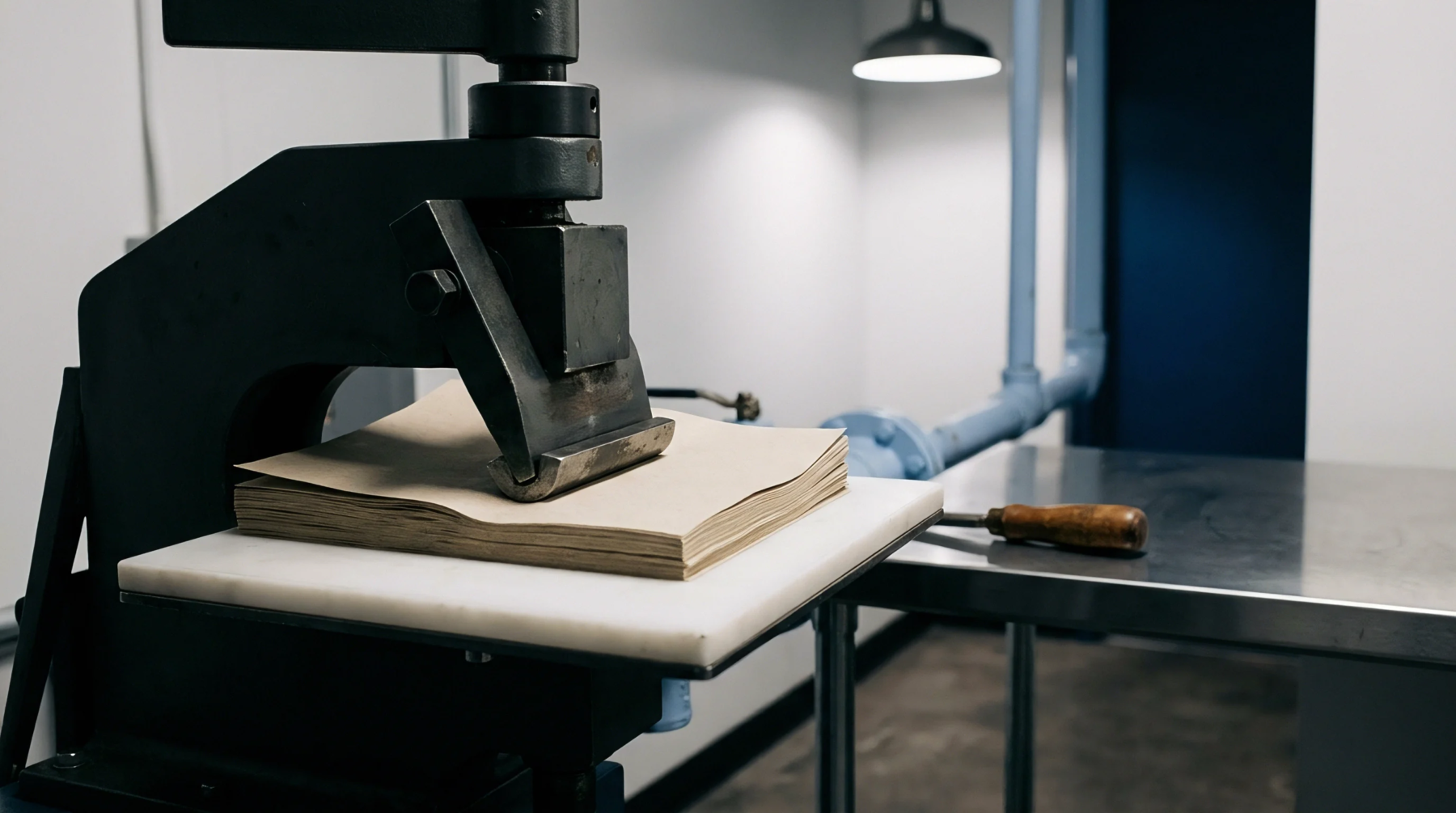
Nesting carton blanks across web deckles saves converting trim but rotates crease lines against machine grain, escalating carton erection failures at speed.

Verify credit-system paper invoices by matching formal scheme claim strings, public certificate validity dates, and mass balances against delivery dockets.

Regulatory customs enforcement inspects physical fiber biology, rendering multi-site mass-balance certificate claims legally invalid for cross-border declarations.
Corona decay on BOPP stems from hydrophobic chain turnover and slip additive blooming, requiring forty dynes or in-line re-treatment to prevent bond failure.
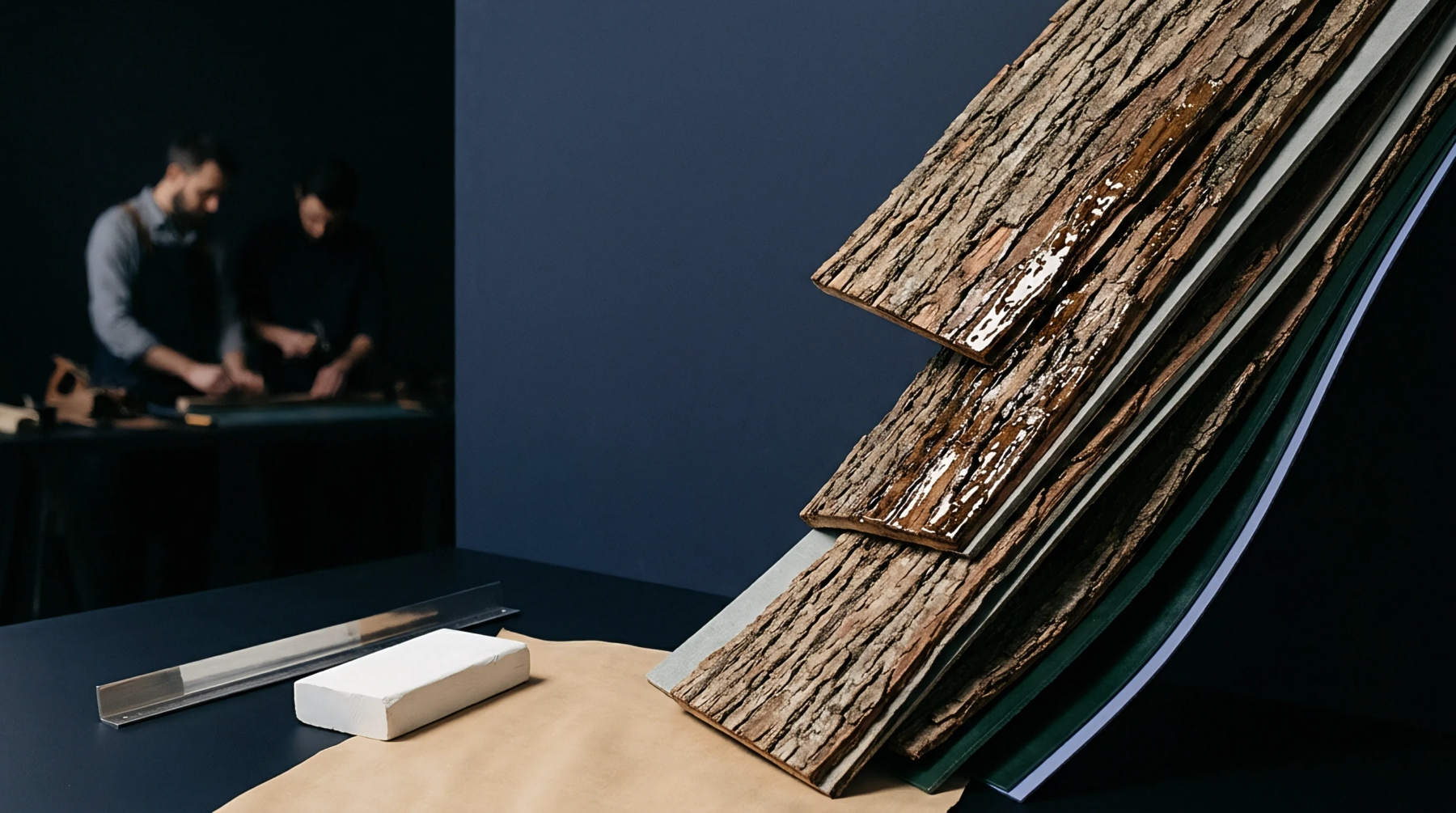
Polypropylene lamination delaminates at high crease strain rates because viscoelastic stiffening elevates shear stress beyond interfacial adhesive bond strength.
Aligning paperboard machine direction perpendicular to the pull axis maintains panel flatness under suction, preventing extraction jams at high machine speeds.
Matching grain direction and accounting for cross-direction hygroexpansion coefficients prevents multi-pass register drift and die-cutting layout waste.
Matching folder gluer carrier belt speeds within one percent prevents surface shear from delaminating film coatings on scoring hinges.
Validate chain of custody certificate codes and product group scopes on public scheme registers before approving invoices carrying on-pack sustainability marks.
Dynamic folder-gluer speeds collapse polypropylene failure elongation from 150% to under 12%, demanding calibrated crease geometry to prevent split scores.
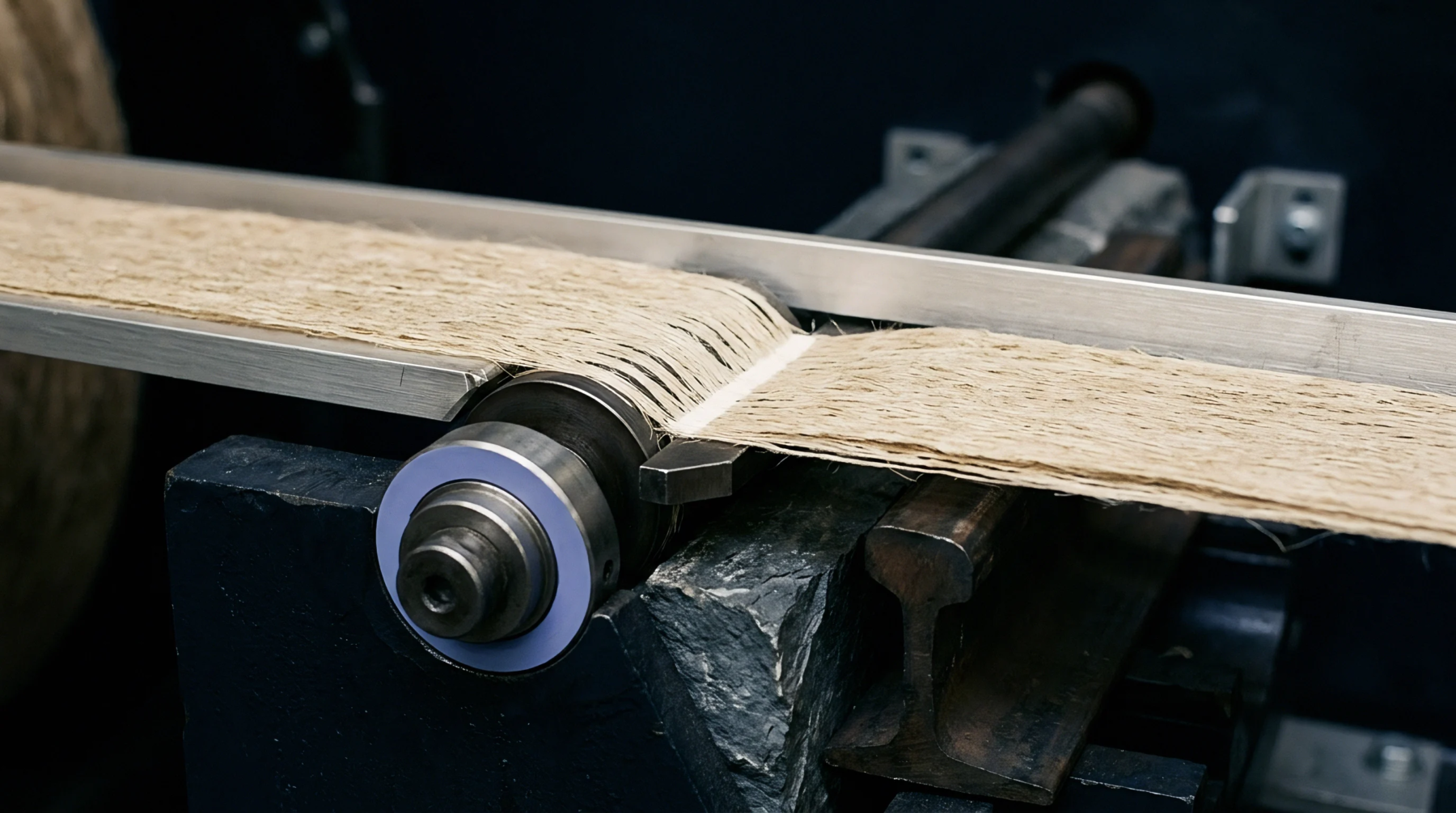
Calculating multi-pass web trim and spoilage requires compounding side-lay allowances, make-ready setup sheets, and hygroexpansive web expansion per pass.
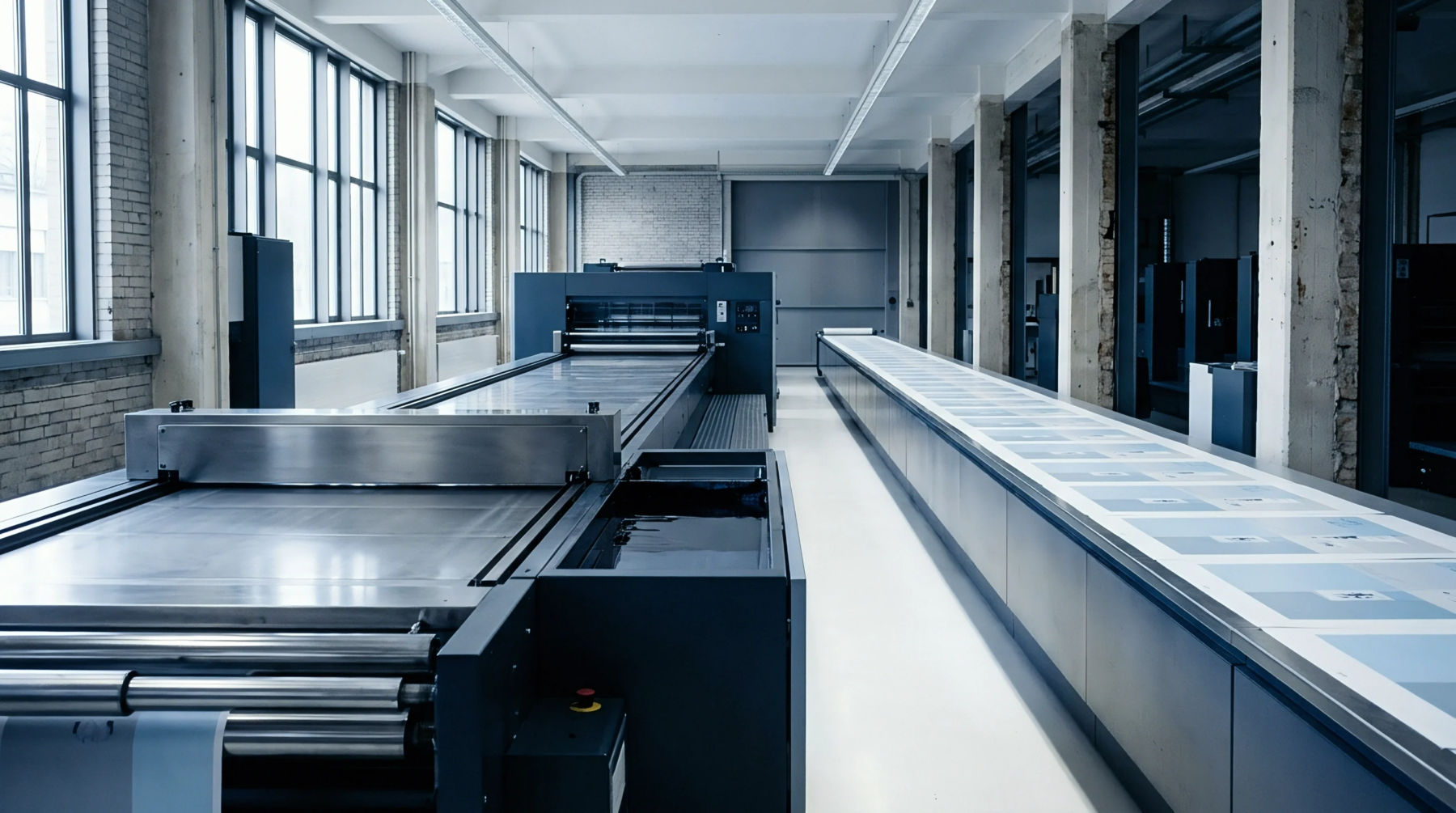
Parent sheet yield optimization balances mill deckle widths, carton grain direction, and interlocking nested dies to lower delivered carton unit costs.

Mitigate interfacial shear cracking by balancing UV curing kinetics, limiting acrylic volumetric shrinkage, and maintaining substrate surface tension past 42 mN/m.

Verify multi-wall containerboard wet strength using ISO 5378 nitrogen digestion and CEPI repulping to guarantee under two percent screen rejects for customs.
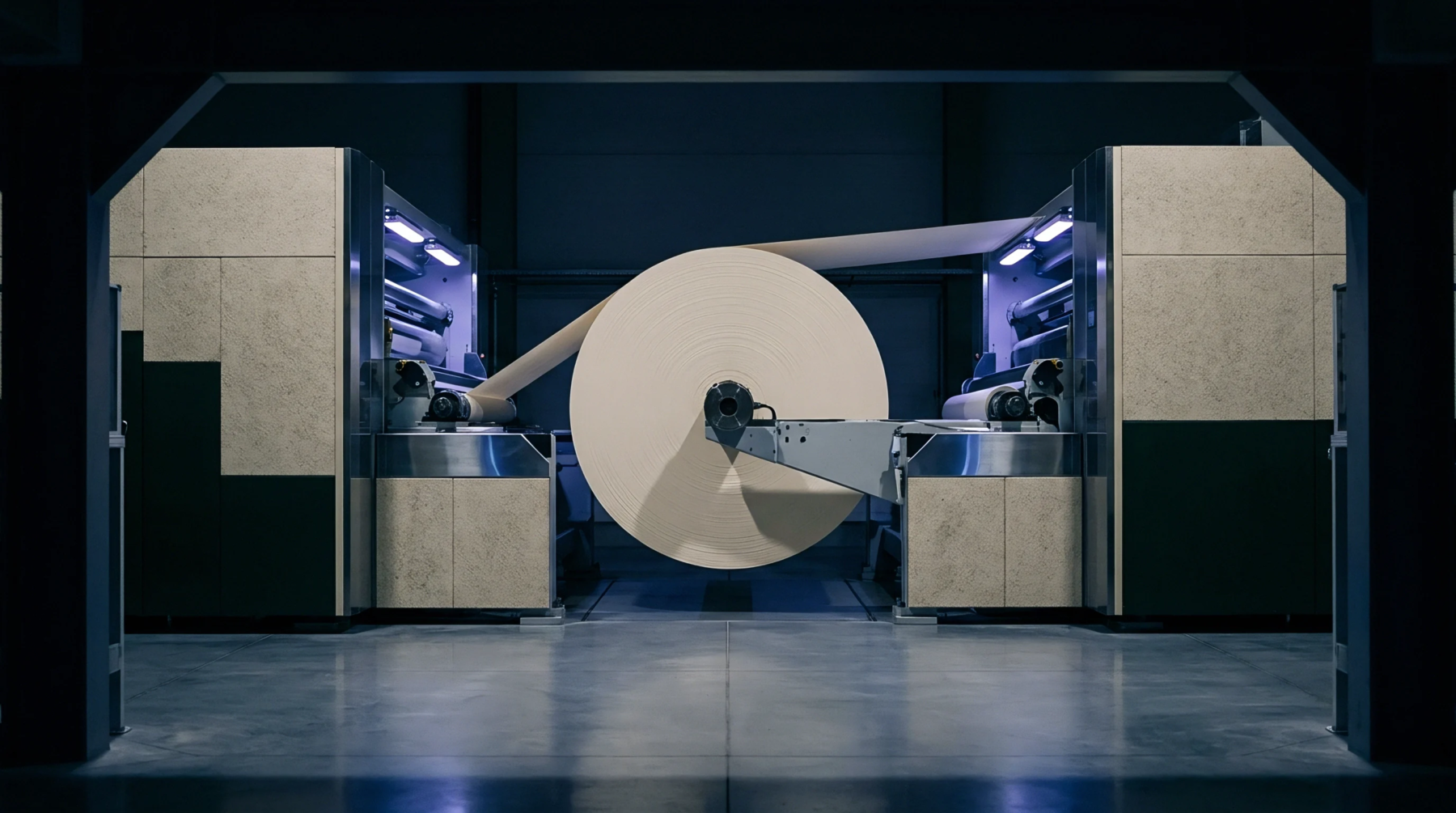
Dynamic surface tension at sub-five millisecond timescales controls droplet breakup, satellite suppression, and dome retention in high-build acrylic jetting.

Low-tortuosity carbonate coatings and minimum 150 J/m² Scott bond prevent heatset web blistering by venting flash steam before internal core delamination occurs.
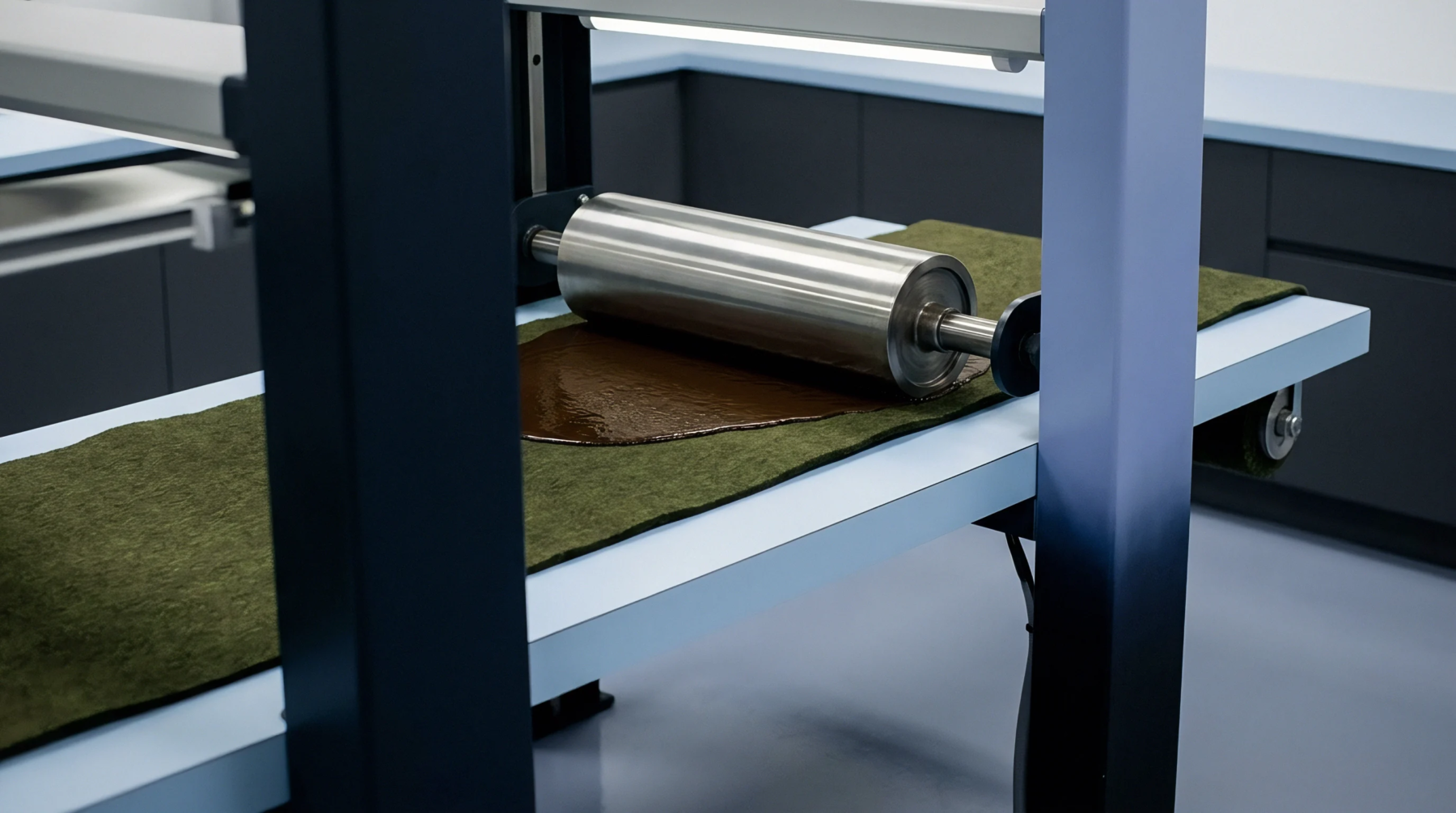
Mineral pigment shape dictates coating pore diameter, where narrow platelet networks accelerate ink vehicle separation and induce print chalking.
Dynamic cyclic humidity accelerates compressive creep in corrugated boxes, requiring derated safety factors and virgin fibre to prevent stack collapse.
Expertise is a utility, not a secret. sentiention™ publishes its working knowledge as open reference: intelligence layer covering the materials it sources, the markets it enters, and the reference that serves both.