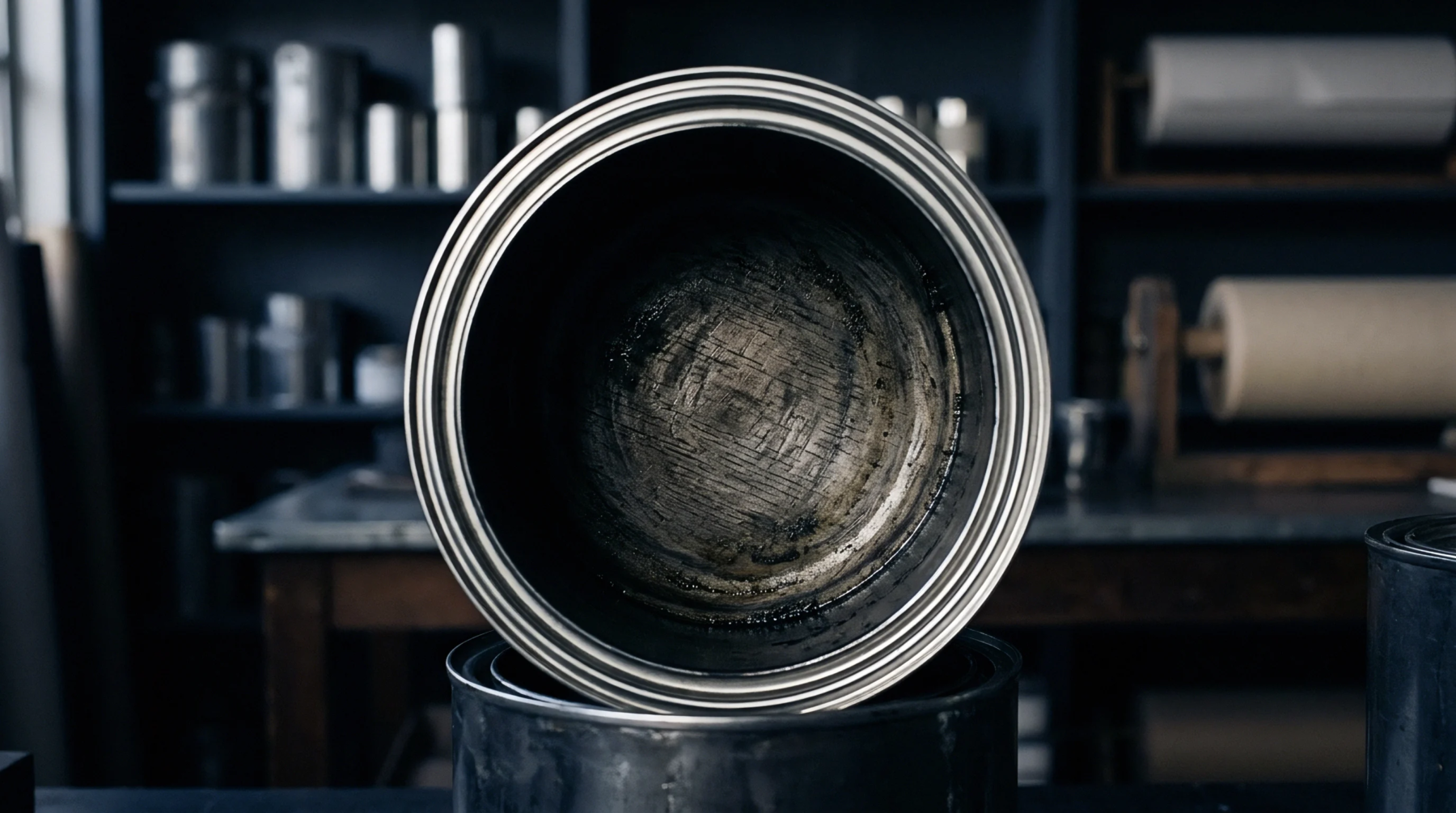
Thermoroll Temperature Profiling and Moisture Shower Application in Multi-Ply Board Finishers
Zonal induction thermoroll heat combined with segmented spray moisture balances cross-web board caliper while preserving bulk and internal ply bond.

Zonal induction thermoroll heat combined with segmented spray moisture balances cross-web board caliper while preserving bulk and internal ply bond.

Single-sided lamination curl stems from thermal shrinkage and one-way moisture gradients, causing severe converting scrap that requires mechanical breaker controls.
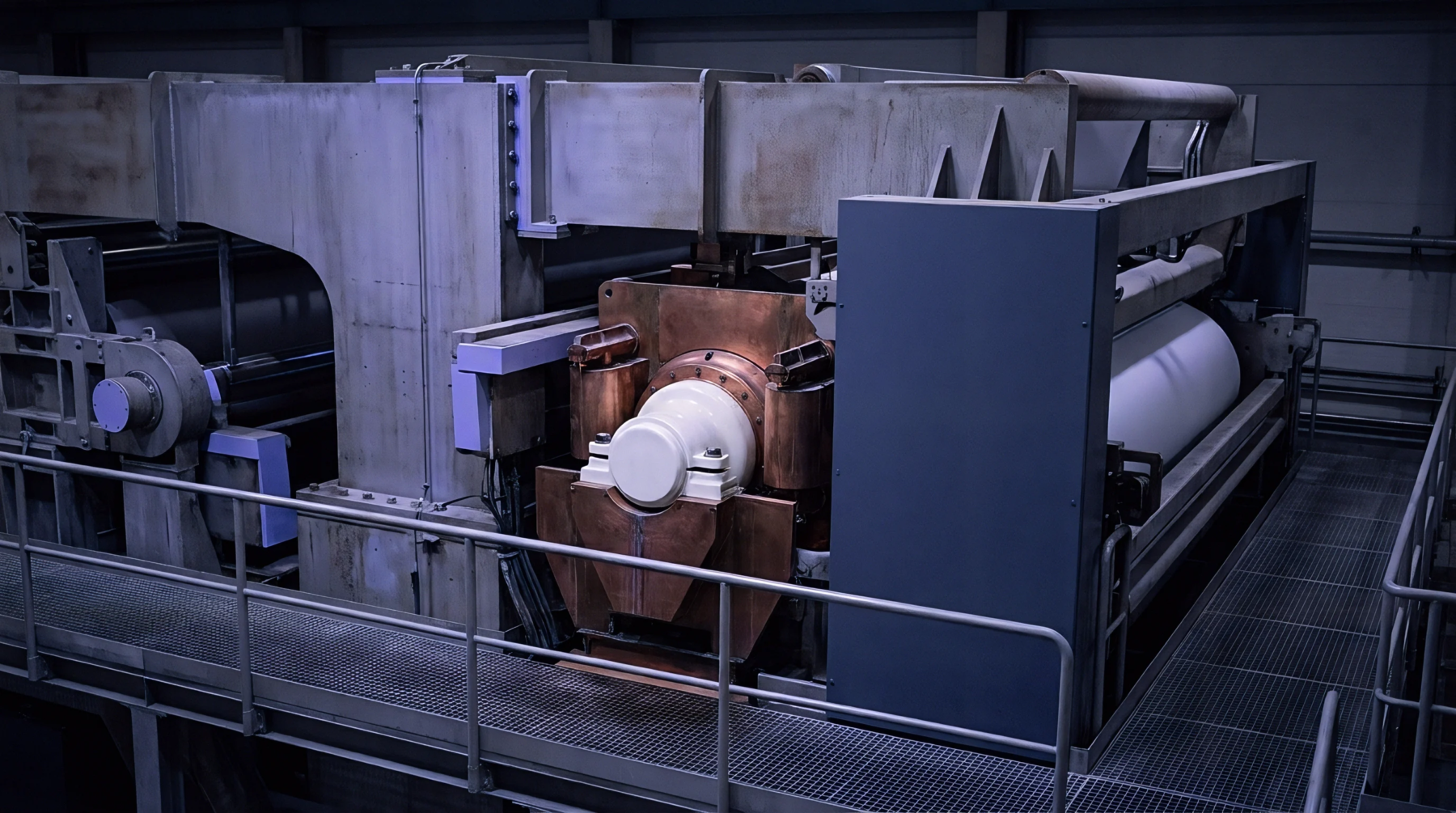
Temperature gradient calendering preserves FBB mechanical bulk by softening surface fibres while keeping core BCTMP below glass transition to protect stiffness.
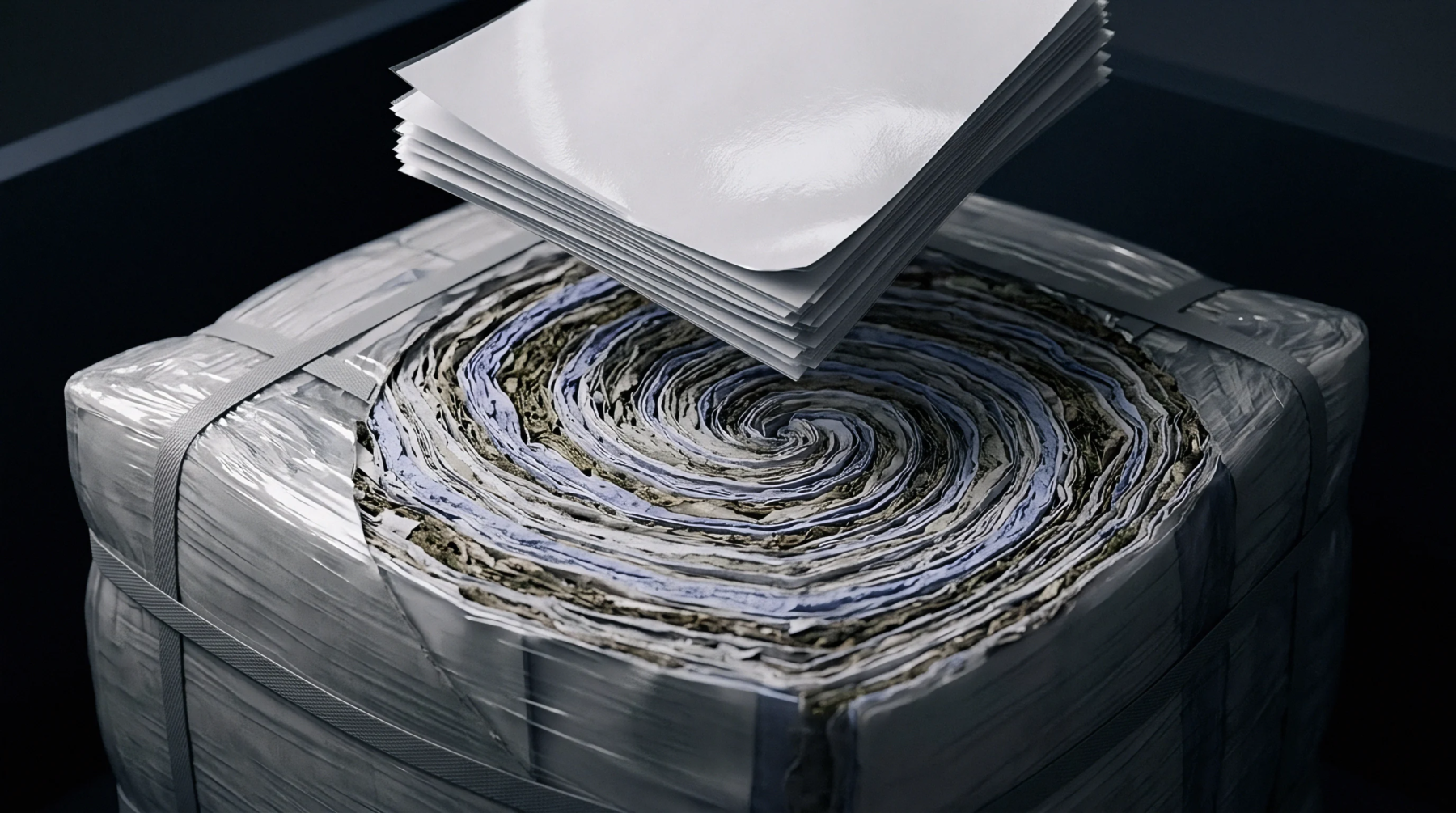
Deinking and processing shift recycled pulp isotope values by up to 2.1 per mil, necessitating process-calibrated isotope baselines for origin audits.
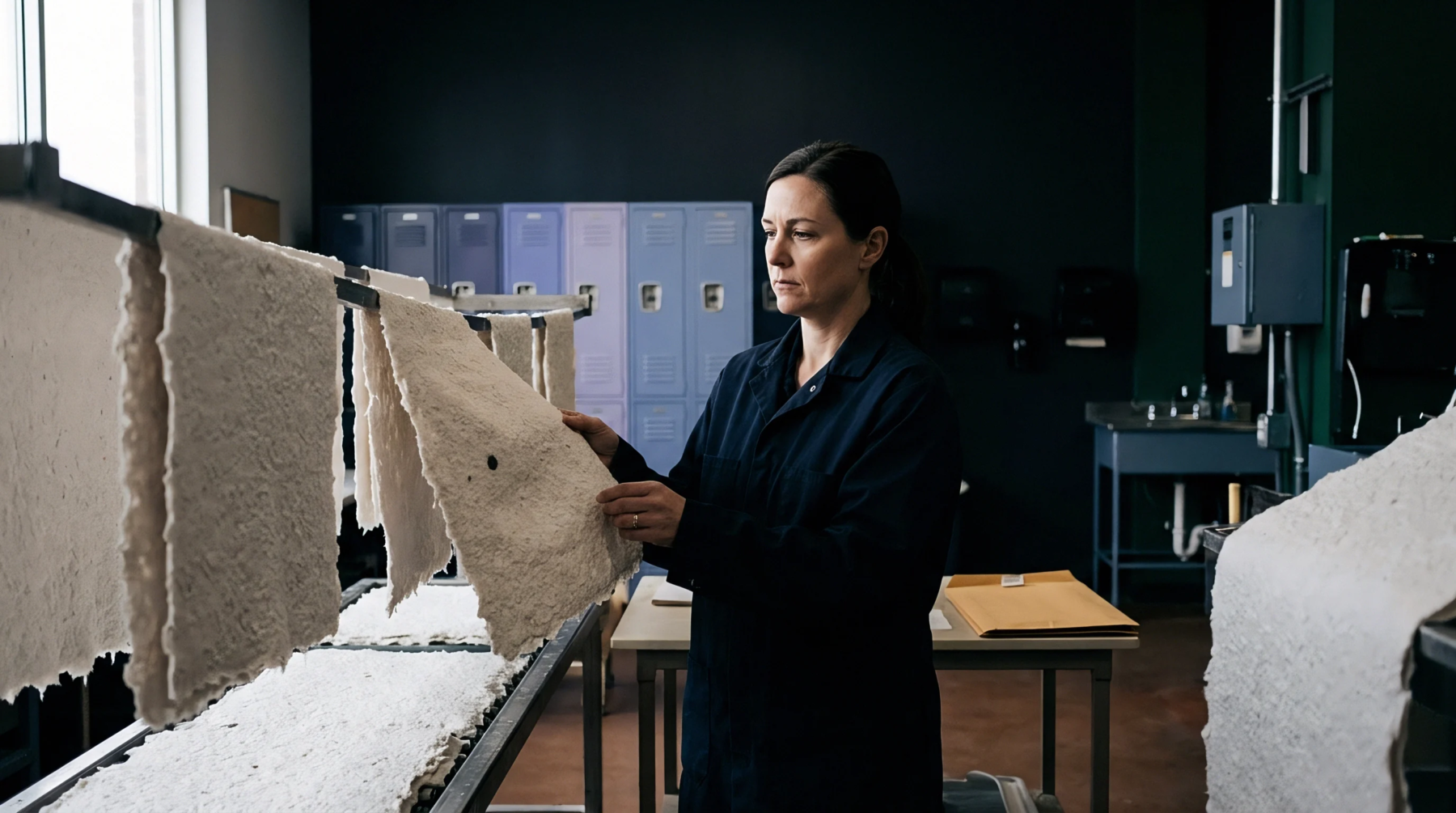
Dynamic pinholes at die-cut creases stem from brittle polymer fracture under high strain rates, mitigated by low-Tg latex formulations and rounded counter matrices.

Controlling extensional relaxation times in flexographic inks prevents cell emptying failure, eliminates high-speed misting, and maximizes substrate runnability.

Reconciling EUDR mandates with recycled pulp requires proof of pure post-consumer waste or plot coordinates for all virgin fibers in the furnish.
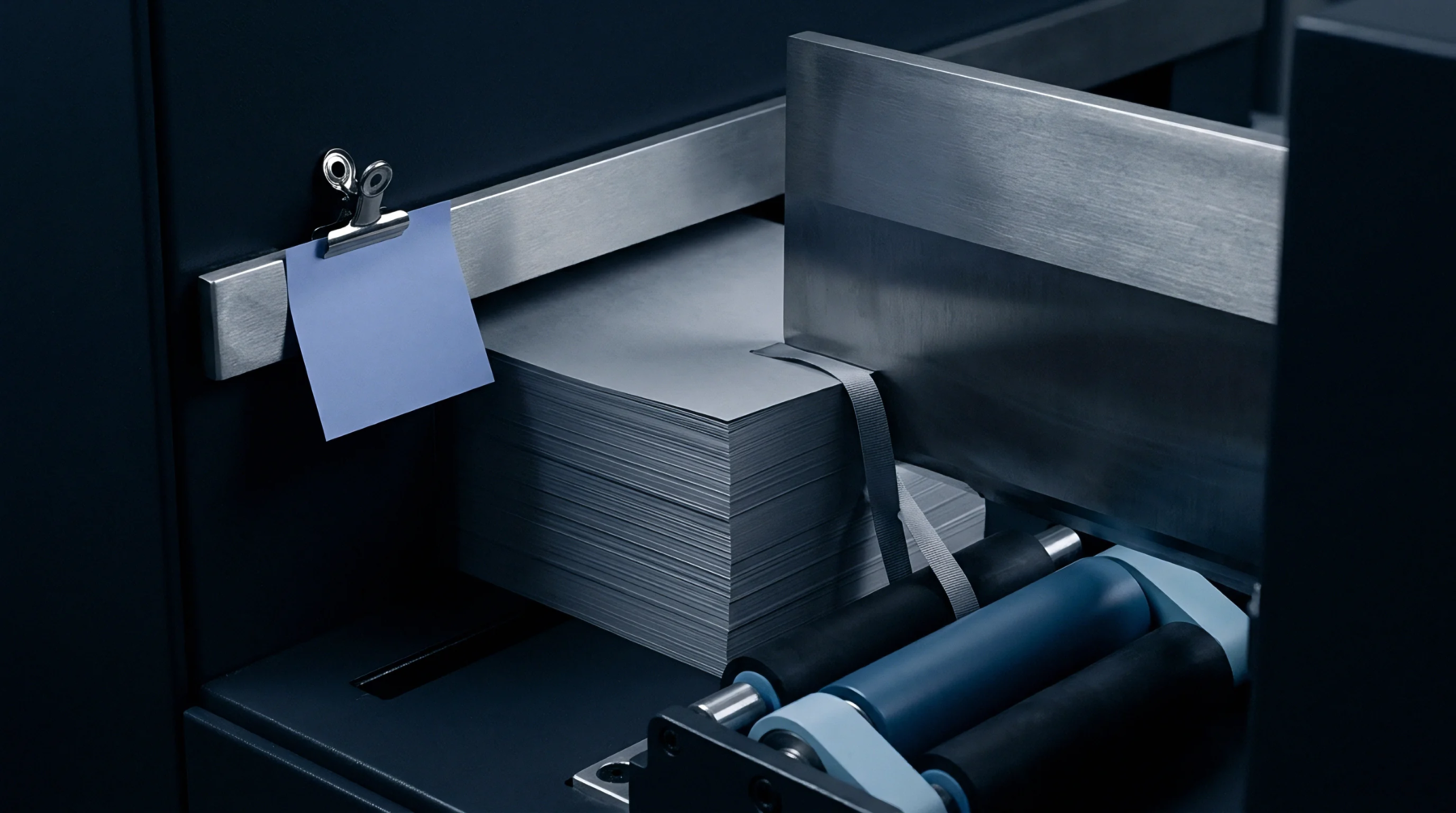
High-speed flexographic doctor blade metering balances mechanical clamping pressure against fluid hydrodynamic lift to maintain stable boundary contact.

Packaging paper claiming waste exemption under deforestation rules faces border detention whenever furnish blends contain unmapped virgin reinforcement pulp.

Anilox cell volume evaluation demands balancing interferometric 3D optics for wall geometry against liquid displacement tests for true operational ink release.
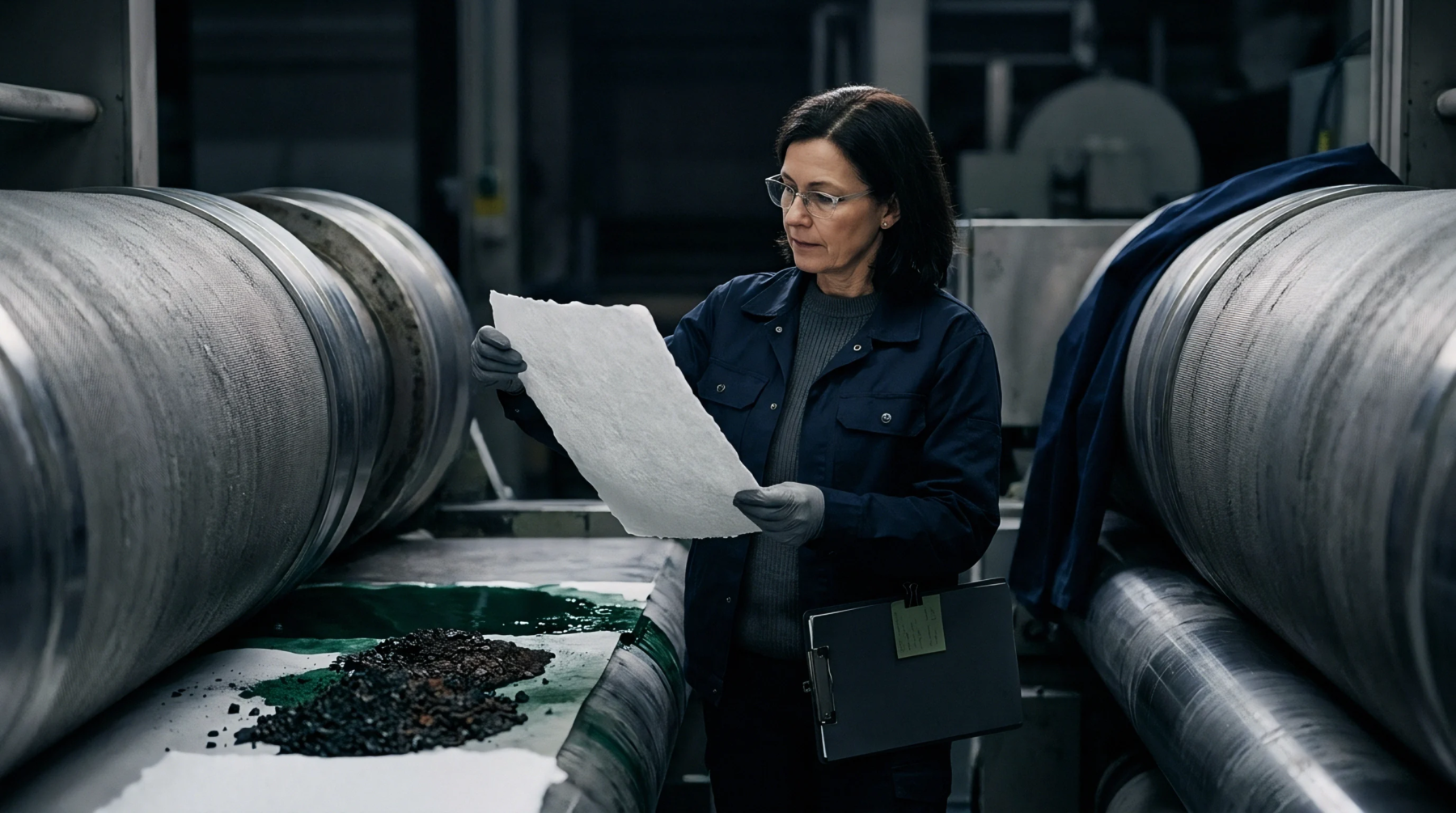
Automated geolocation mapping reconciles forest harvest polygons with mill mass balance ledgers to secure customs clearance for packaging paperboard.

Formulating paper coatings above seventy percent solids triggers dilatant shear jamming, inducing blade streaks that ruin printing runnability.

Calibrating viscometers with certified oils across dual shear regimes prevents coater blade streaking and guarantees uniform paper coat weight application.
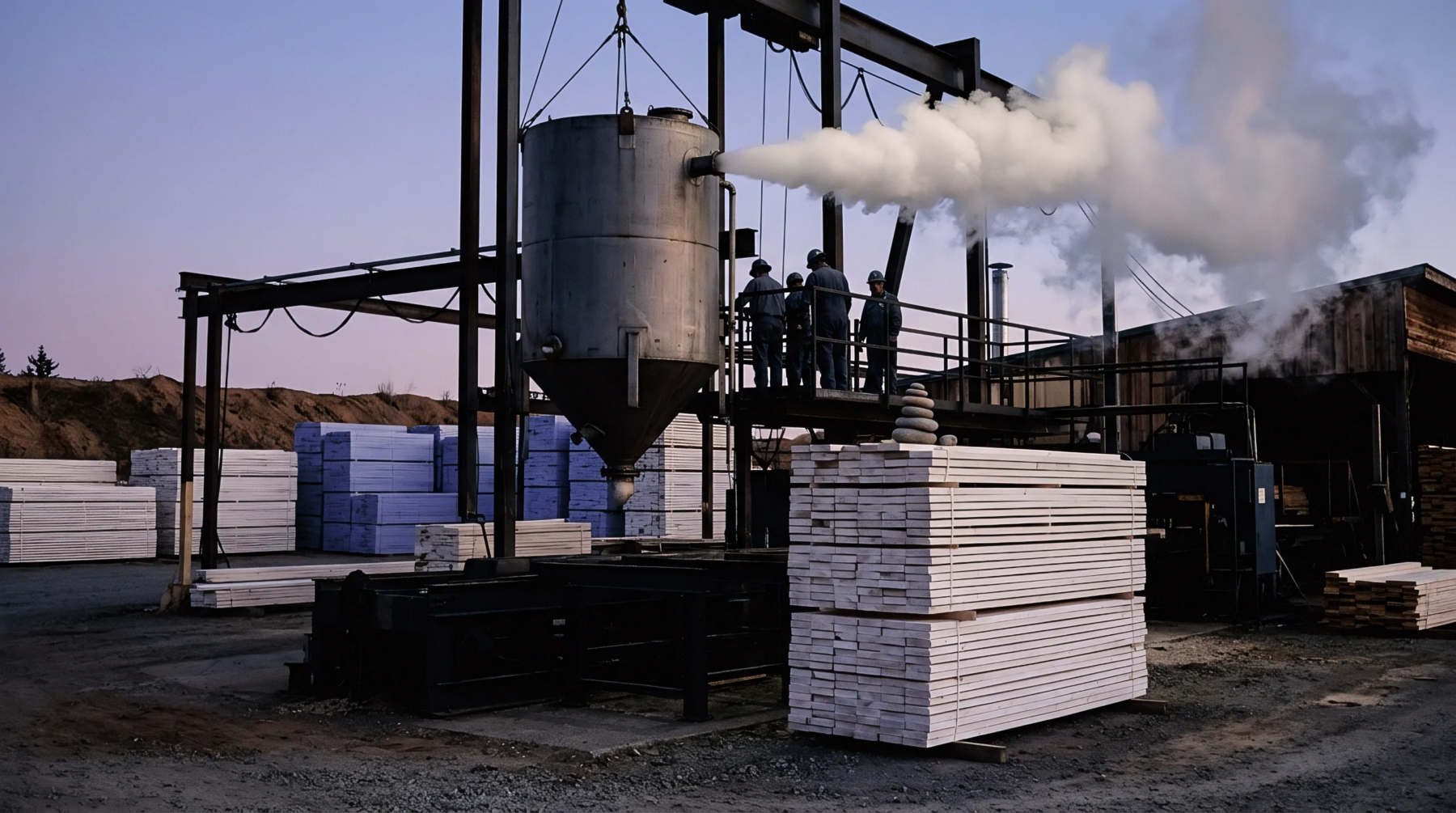
Aqueous dispersion barrier retention on bent paperboard depends on balancing latex film elasticity against creasing matrix width to prevent outer radius micro cracking.

Water based dispersion coatings replace extruded plastics on cartons by balancing polymer chemistry, coat weight, drying capacity, and fiber repulpability.
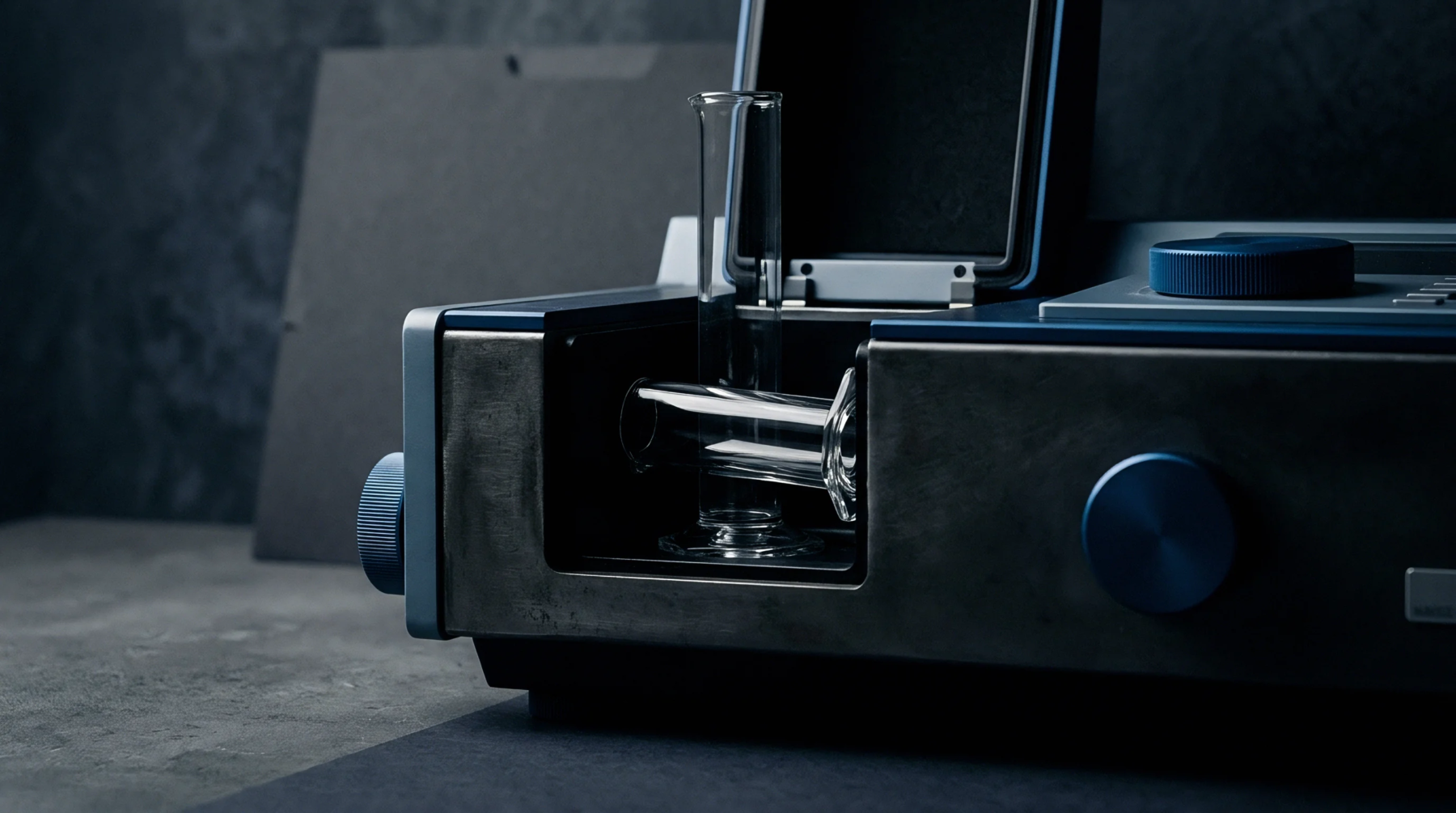
Boundary layer shear shifts dynamic optical scatter in recycled pulp; uncorrected chemometric models diverge unless mapped across changing velocity regimes.
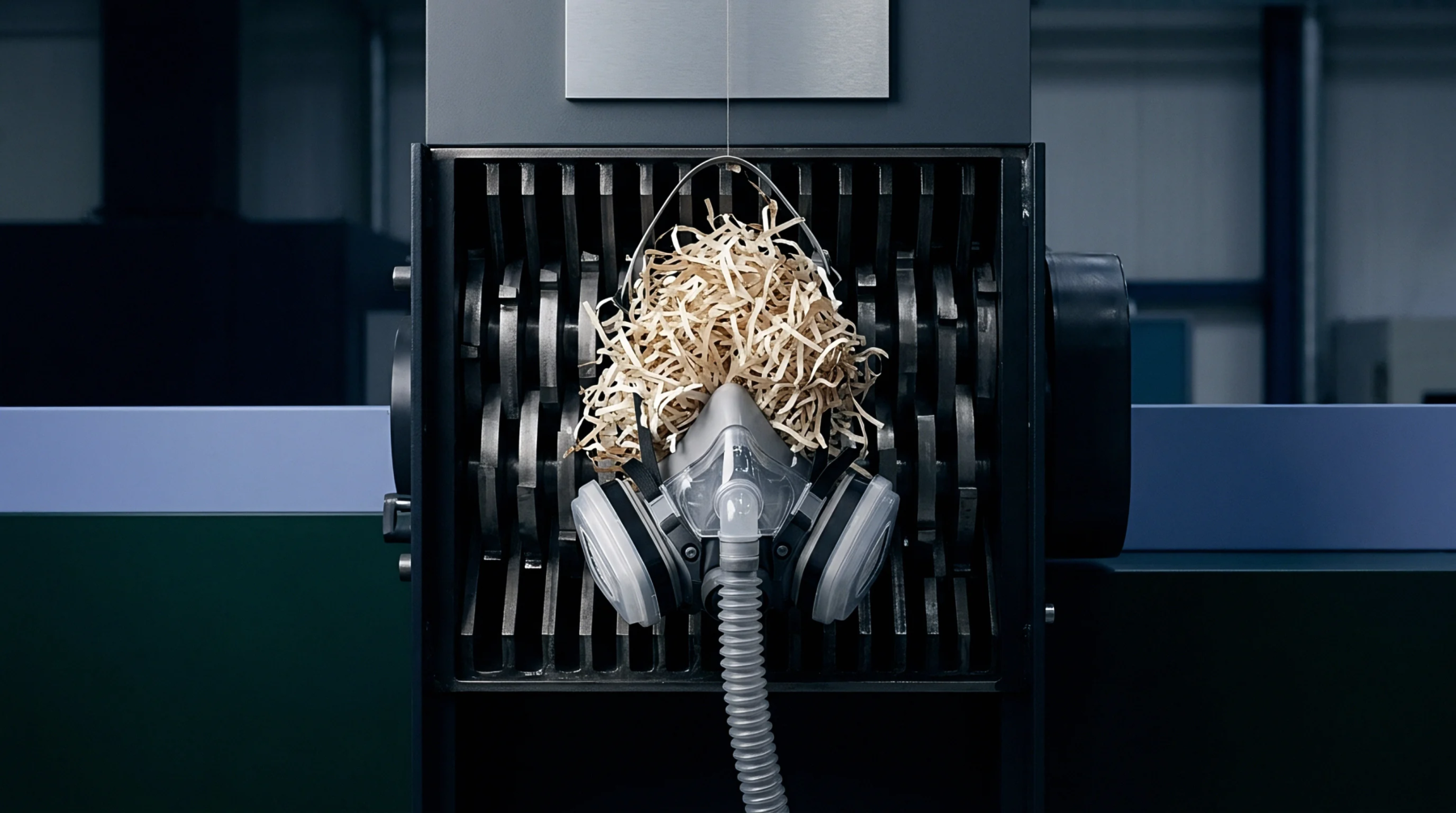
Dynamic moisture cycles accelerate double coated board stack creep through sorption asymmetry, requiring safety factors above 3.0 to avoid collapse.

Bench viscometry qualifies low-shear slurry pumping and leveling, requiring tight thermal control and correct spindle torque to prevent coater runnability failure.
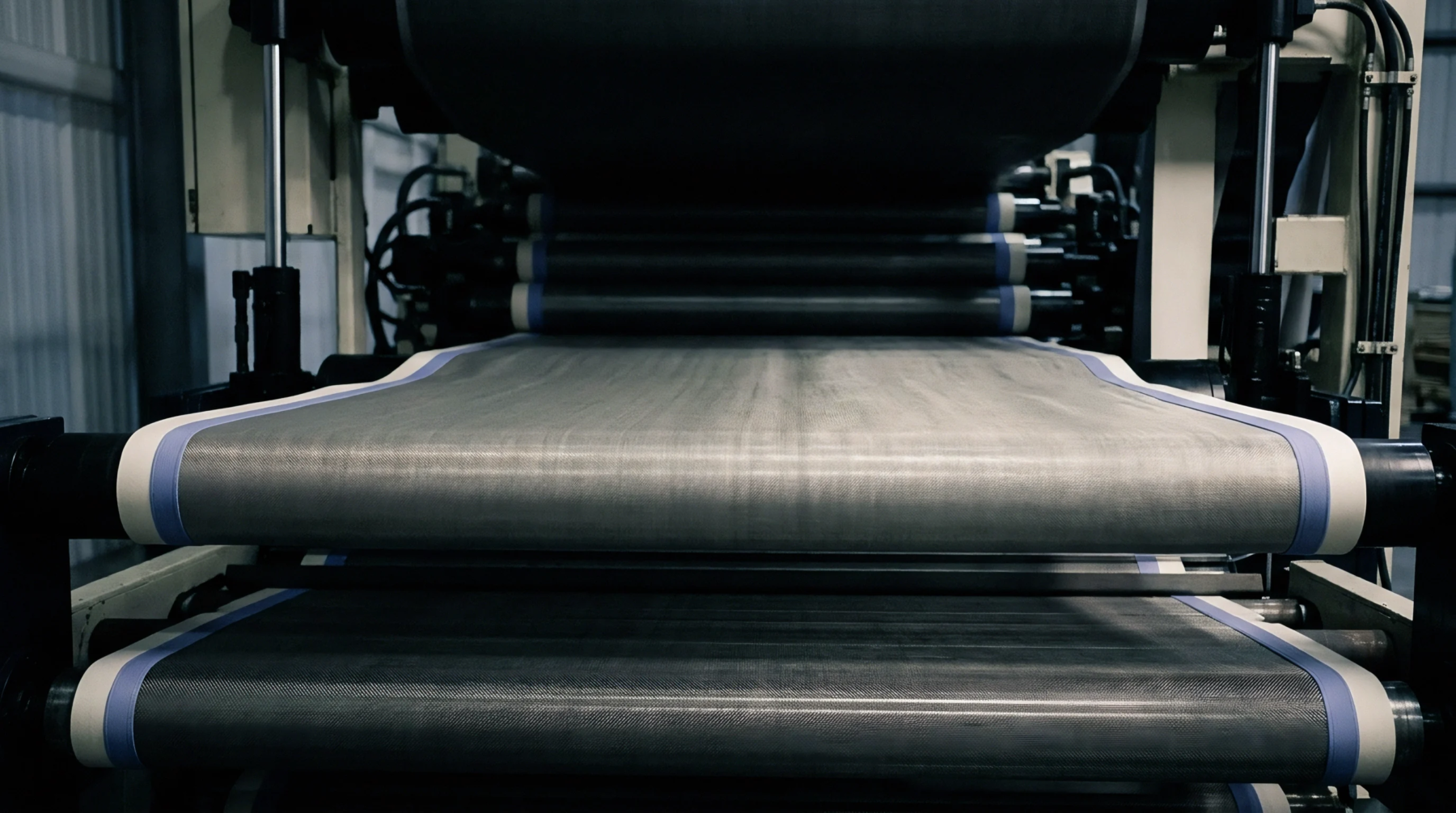
Reverse side water application restores moisture balance and eliminates curl by re-wetting dry wire-side fibers before converting stresses lock the sheet.

Piece-wise direct standardization transfers chemometric pulp refining calibrations across optical nodes without regenerating full sets of offline laboratory data.

Operationalizing physical segregation across multi-site mills demands absolute logyard boundaries, automated stock chest isolation, and verified line flushes.

Mechanical decurling forces paperboard fibers past their plastic yield point to counteract the thermal contraction of single-sided laminating film.

High velocity contact loading softens polyolefin matte asperities through adiabatic shear heating, accelerating surface glazing and interfacial peel failure.
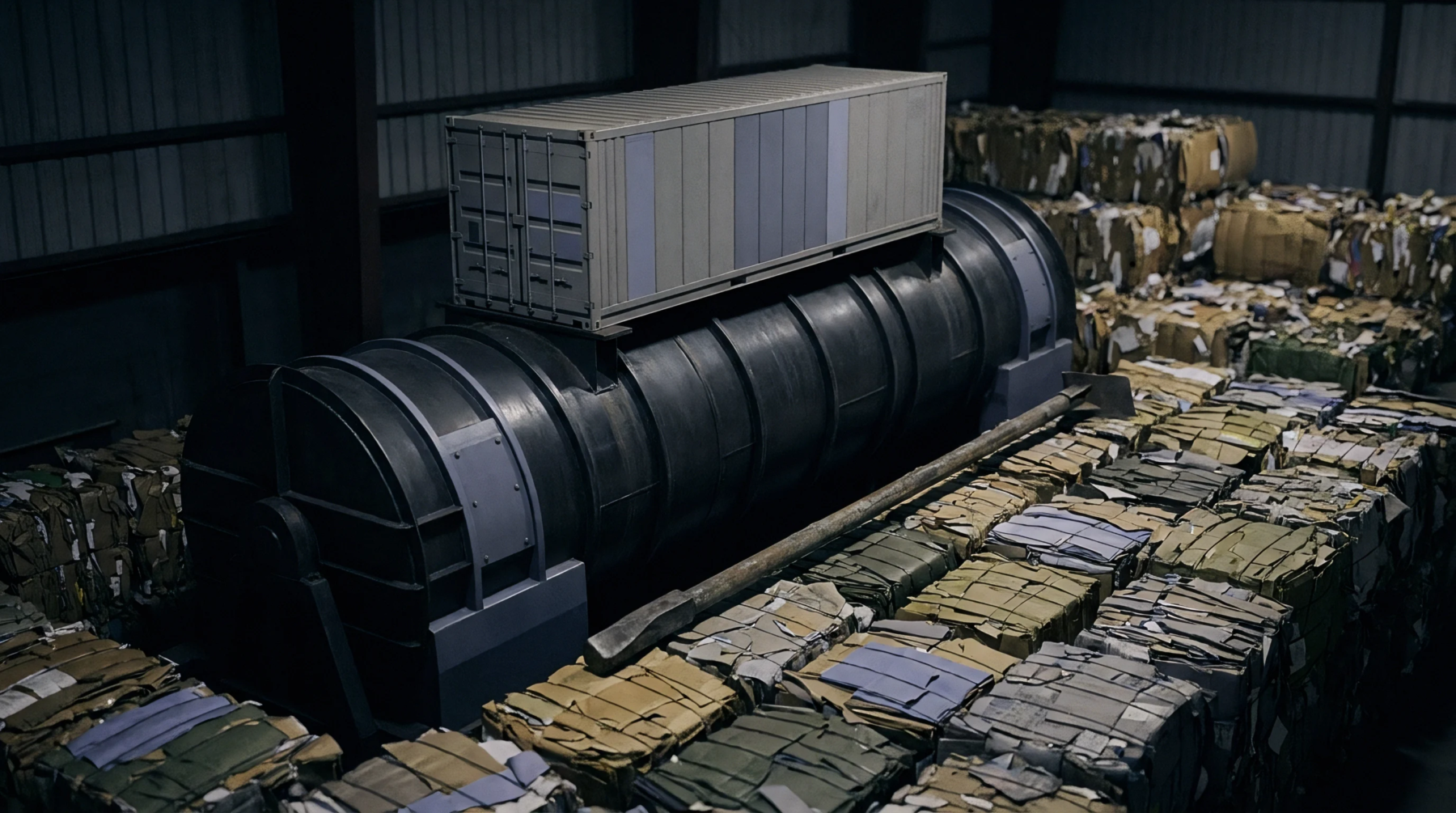
Multistage bleached softwood fiber chain of custody accounting requires bone-dry mass yield reconciliation at each chemical pulping and bleaching stage.

Voluntary forest certificates lack statutory standing under EUDR; buyers must collect verified felling plot polygons and ensure physical batch segregation.
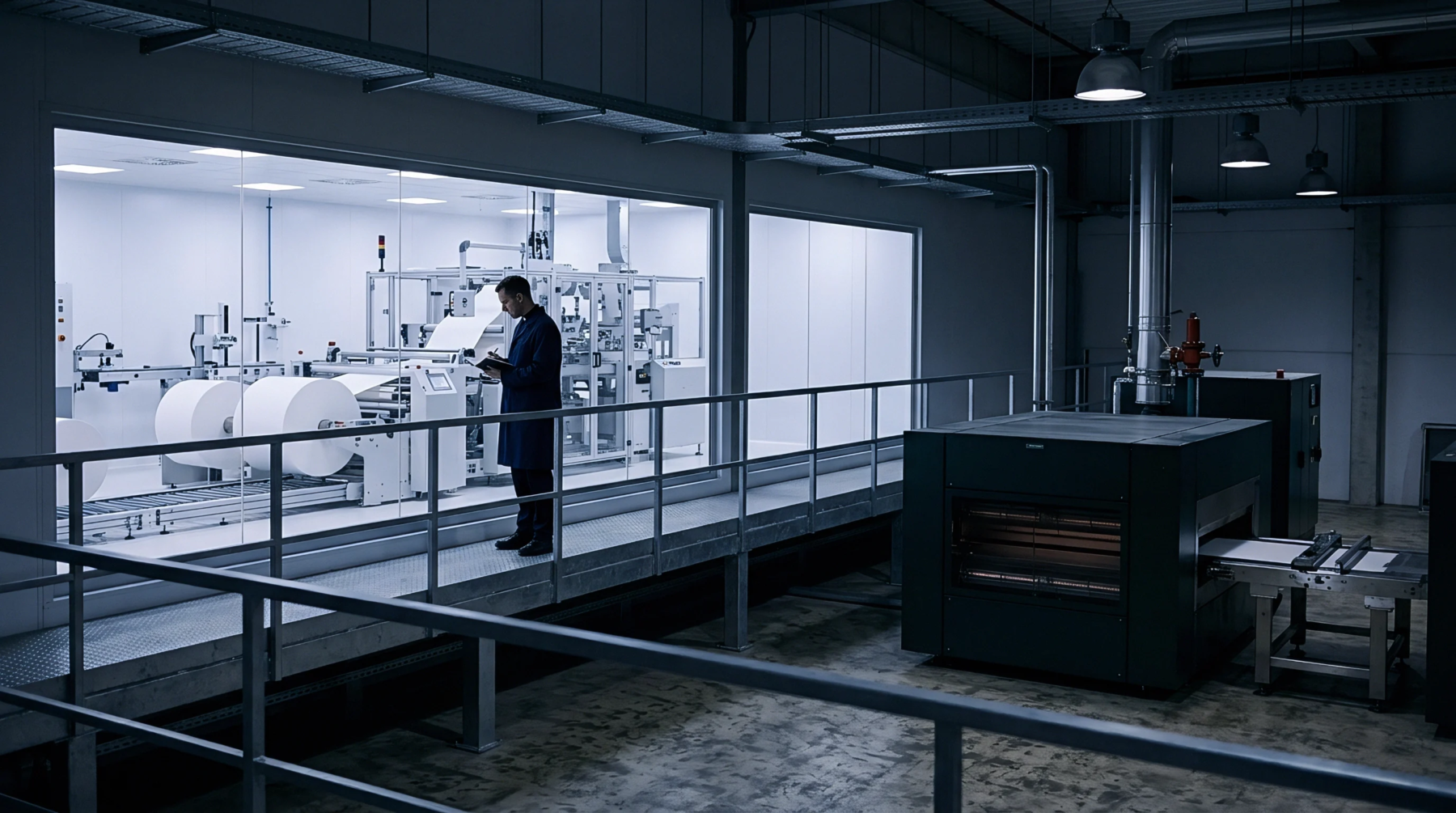
Dynamic shear stress must exceed the polyolefin adiabatic yield threshold via precise knife clearance to eliminate edge drawing, micro-tears, and slitting dust.

Eliminate matte polyolefin skin shear failure by compatibilizing the skin-core interface and capping skin thickness below 1.5 micrometers to resist converting drag.

Online spectroscopic sensors in recycled stock preparation provide continuous measurement of micro-stickies and fillers to optimize chemical dosing and yield.

Biobased particle substitution preserves anti-scuff performance under heavy stack pressure when particle diameter exceeds dry barrier binder thickness by three microns.

Thermodynamic moisture transport in corrugated packaging depends on non-Fickian diffusion kinetics, fiber plasticization, and severe mechanosorptive creep.
Expertise is a utility, not a secret. sentiention™ publishes its working knowledge as open reference: intelligence layer covering the materials it sources, the markets it enters, and the reference that serves both.