
Managing Thermal Expansion in Brass Embossing Dies
Managing thermal expansion in brass embossing dies requires pre-scaling vector artwork by calculating precise isotropic expansion across operating press temperatures.

Managing thermal expansion in brass embossing dies requires pre-scaling vector artwork by calculating precise isotropic expansion across operating press temperatures.
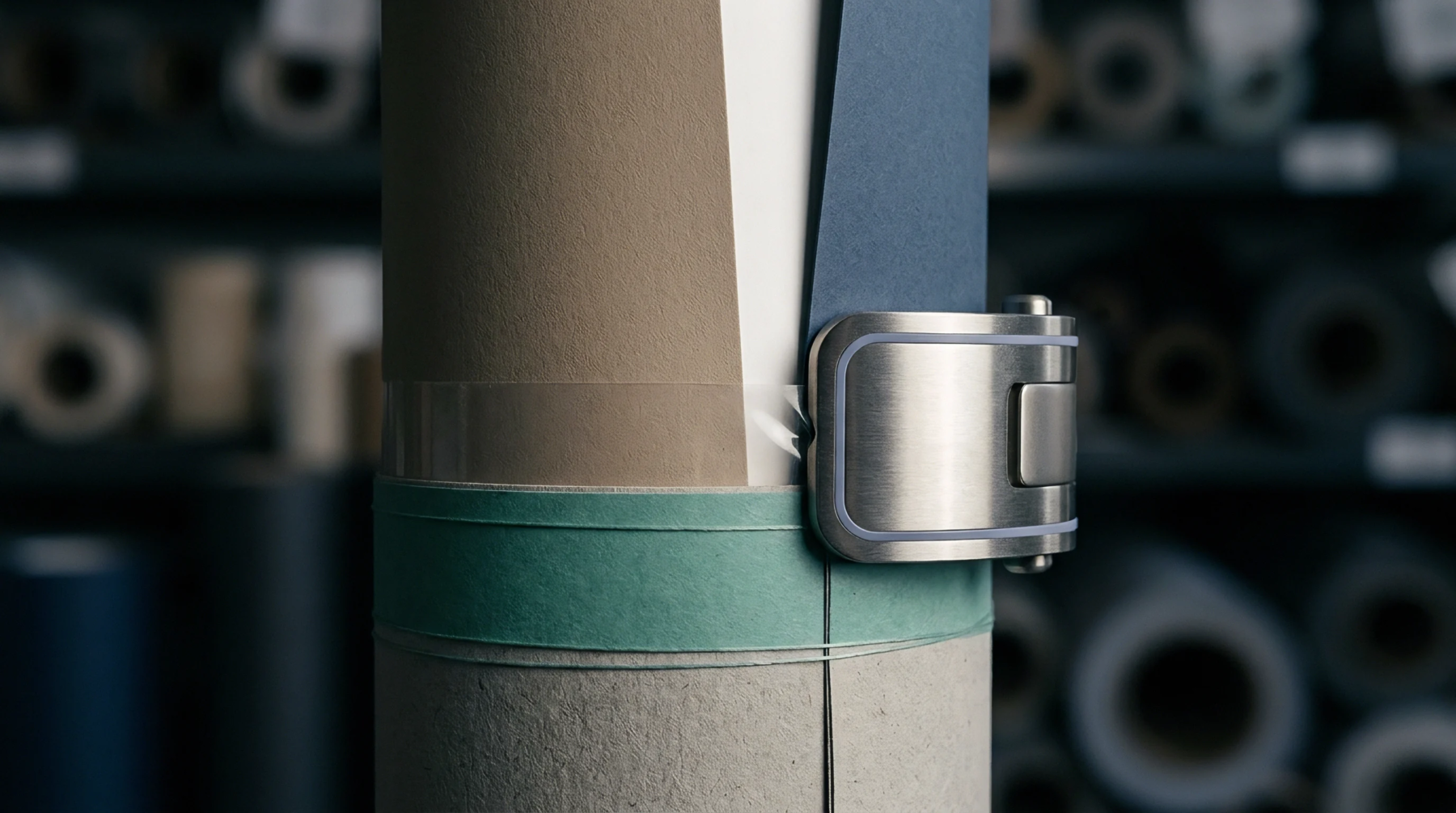
High speed creasing generates Z-direction tensile stress waves that fracture short recycled fibers unless matrix clearance absorbs elastic strain energy.

Calibrated matrix channel width relies on board caliper, rule thickness, and fiber shear mechanics to prevent liner cracking and gluer jams.

Modulating ultrasonic transducer frequency to pulsed burst mode below 30 kHz prevents sub-micron polymer barrier shear rupture during high-speed crease inspection.
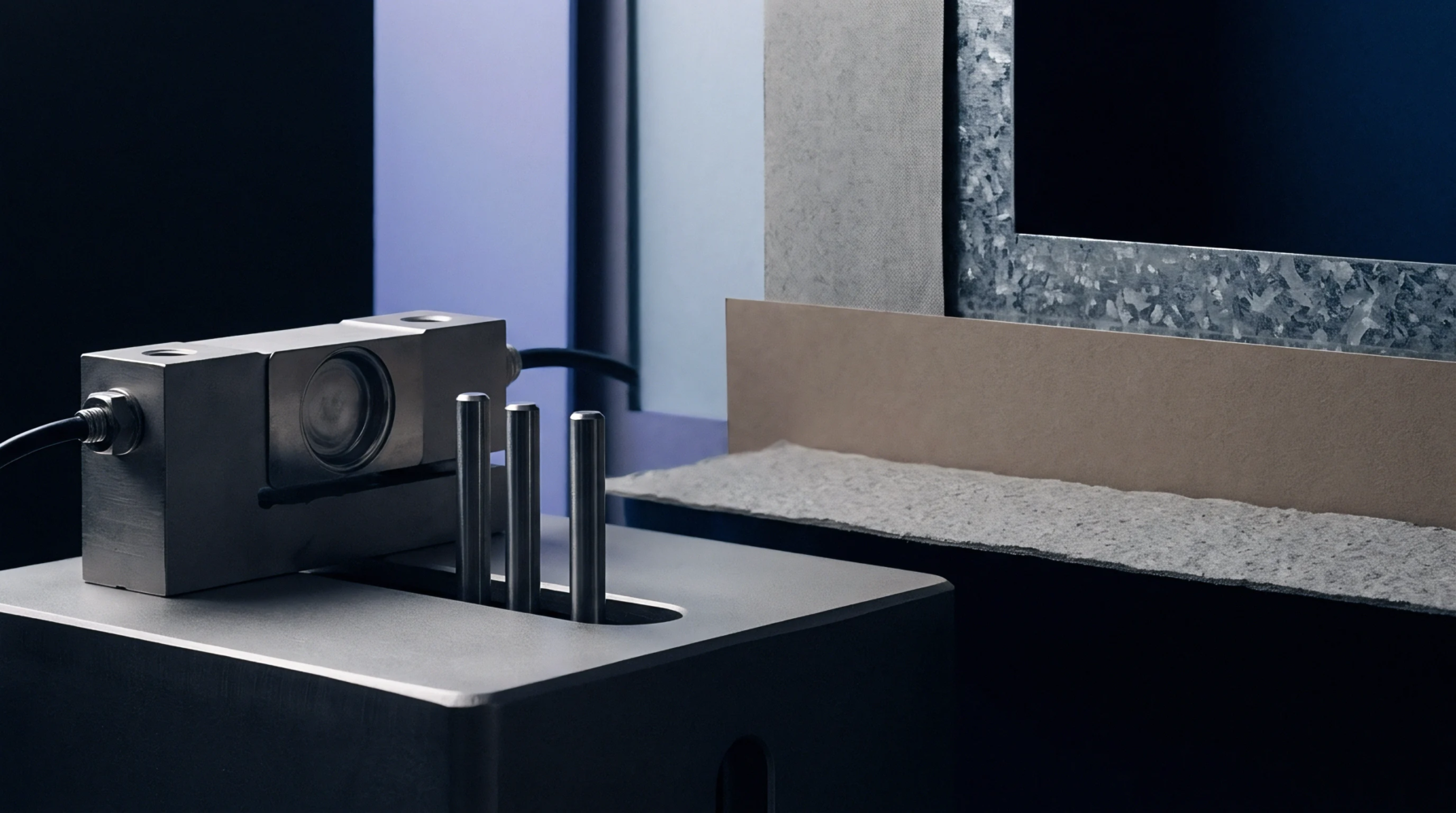
Inline high-frequency acoustic profiling measures micro-scale barrier delamination and polymer layer thickness across dynamic paperboard converting webs.
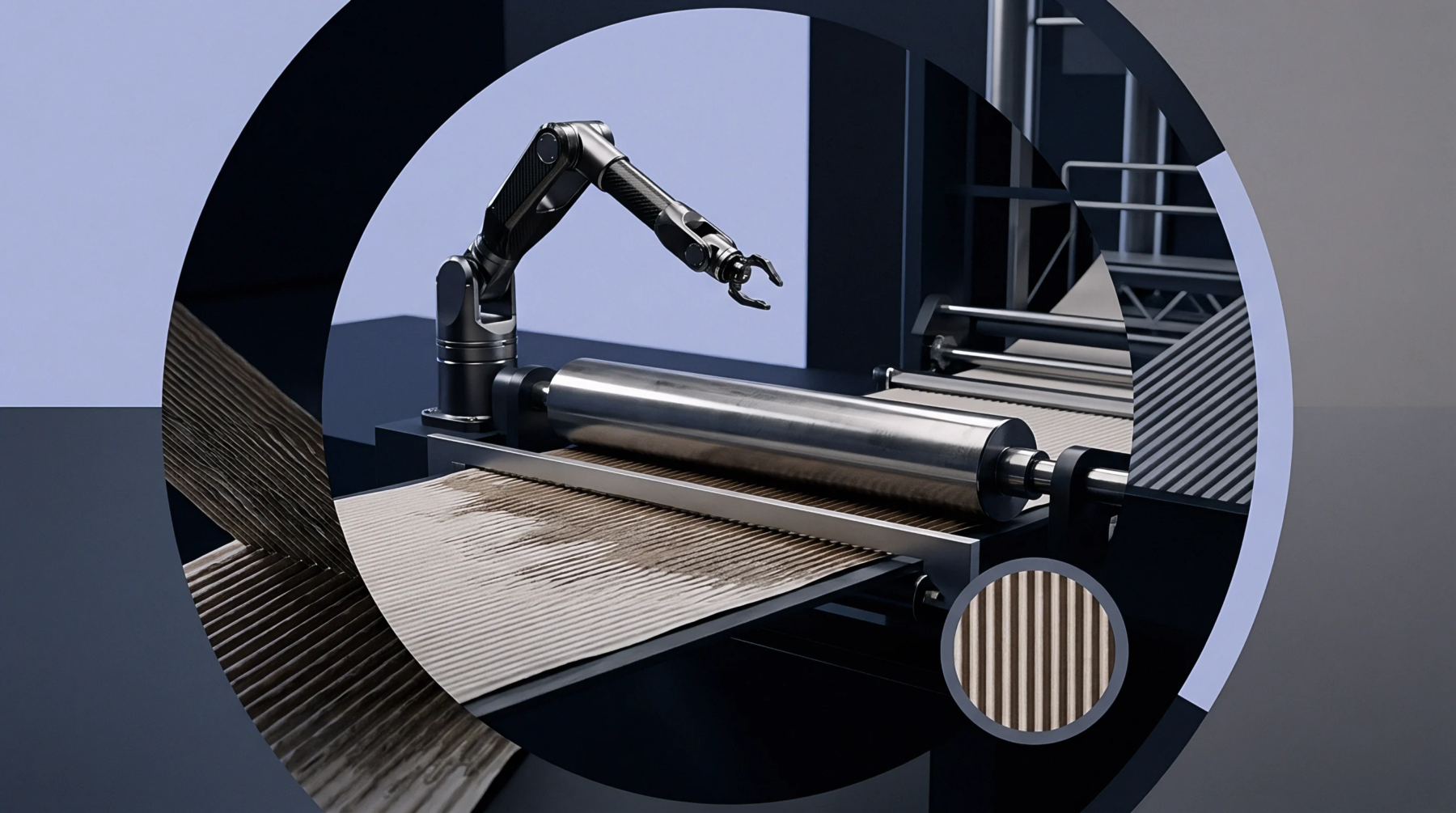
Cross-machine caliper control demands real-time induction calender profiling to maintain stiffness and prevent high-speed converting line jams.

Subtractive baseline harmonization removes biogenic hydrocarbon noise, preventing false MOAH failures in recycled paper food packaging compliance.
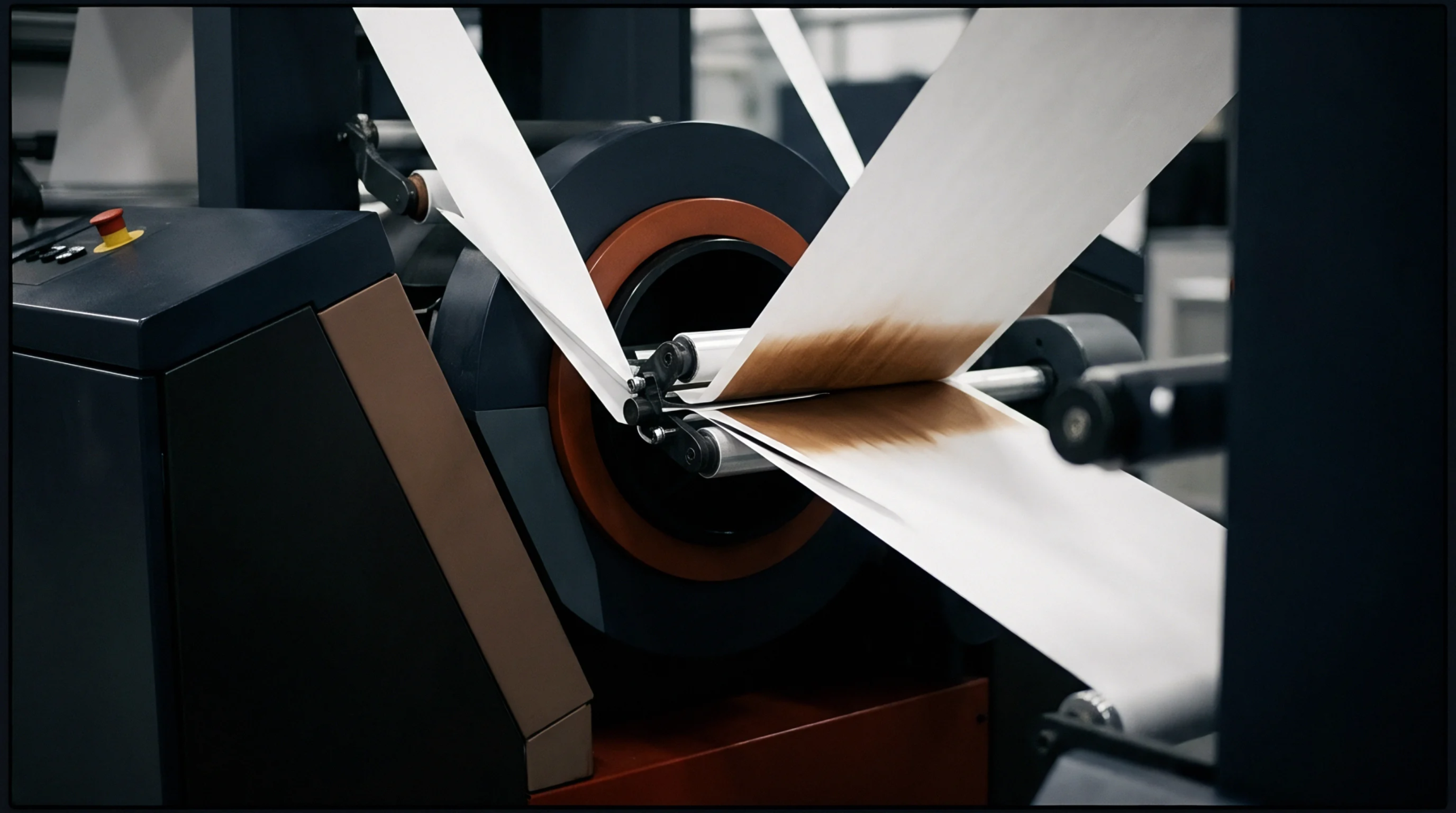
Non-contact thickness gauging uses optical or nuclear sensors to deliver real-time caliper profiles, enabling basis weight down-gauging while meeting ISO 534 limits.

Harmonizing chromatographic integration parameters and baseline SOPs eliminates inter-laboratory migration testing variances for food packaging compliance.
Real-time NIR spectroscopy coupled with automated divert gate algorithms stabilizes furnish quality, rejecting off-spec recycled stock before pulper entry.

Functional adsorptive barriers or barrier coatings halt mineral oil vapor migration in recycled paperboard to maintain food contact compliance.
Dynamic acoustic emission deconvolution detects internal polyurethane anvil fatigue micro-cracks before surface breakdown damages paperboard cut quality.

Controlling ink extensional relaxation times below two milliseconds prevents liquid bridge strain hardening and misting on high-speed flexo presses.
Calibrating capillary rheometers with Bagley and Mooney corrections ensures precise aqueous latex transfer from anilox cells, preventing spatters and excess coat weight.

Inline NIR transflectance sensors stabilize wet end pulp slurry consistency within +/- 0.3 percent, cutting fiber giveaway and dryer steam consumption.

Refining top ply stock heavily while leaving base furnish coarse optimizes linerboard strength without severe wet-end dewatering penalties.

Mitigating matrix interference in recycled fiber extraction requires silver nitrate chromatography and epoxidation to separate target hydrocarbons accurately.
Paperboard LC-GC-FID testing requires ethanol swelling, mCPBA epoxidation, and accurate UCM baseline integration to verify MOSH and MOAH migration compliance.
Multi-ply layering of post-consumer containerboard optimizes flexural stiffness and crush resistance by concentrating long fibers in outer faces.
Controlled low energy refining of middle ply mechanical pulp yields superior Z direction tensile development without caliper loss in multi ply boxboard.

EUDR compliance requires paper packaging to carry verified forest polygon coordinates through segregated chain of custody, eliminating mass balance credits.

Piezoelectric sensor frequency response calibration prevents amplitude distortion during high speed creasing by matching amplifier cutoff to rule strike transients.

Splitting recycled furnish into long and short fractions before refining concentrates mechanical energy on long kraft fibres, cutting power use while boosting compression.

Real-time acoustic stress wave monitoring on rotary die scoring lines detects paperboard matrix micro-cracking instantaneously, reducing convert scrap by up to 80 percent.

Polyolefin surface treatment decays via polar group reorientation and slip agent bloom, requiring controlled additive specifications and inline bump corona.

Sessile contact angle goniometry isolates polar and dispersive surface energy to verify polyolefin corona treatment and prevent lamination delamination.

Automated optical morphology testing under ISO 16065-2 quantifies fiber shortening and hornification to control secondary substrate strength and yield.

Polyolefin surface energy quantification relies on standardized liquid titration or goniometry to secure ink adhesion and lamination bond strength across runs.
Polymeric barrier degradation across paperboard creases follows strain rate kinetics where strain exceeding coating yield limits creates pinholes and invalidates functional compliance.

Fickian migration diffusion modeling provides legally binding compliance verification under EU Regulation 10/2011 when Piringer parameters upper-bound migration.
Expertise is a utility, not a secret. sentiention™ publishes its working knowledge as open reference: intelligence layer covering the materials it sources, the markets it enters, and the reference that serves both.