
Flexographic Anilox Cell Metering Dynamics under High Shear Rate Regimes
Anilox metering under high shear rate regimes depends on ink rheology and blade deflection balance to prevent hydrodynamic lift and coat weight drift.

Anilox metering under high shear rate regimes depends on ink rheology and blade deflection balance to prevent hydrodynamic lift and coat weight drift.

Bench viscometry of paper coating emulsions requires standardized temperature control, verified spindle geometry, and multi-shear profiling to ensure runnability.
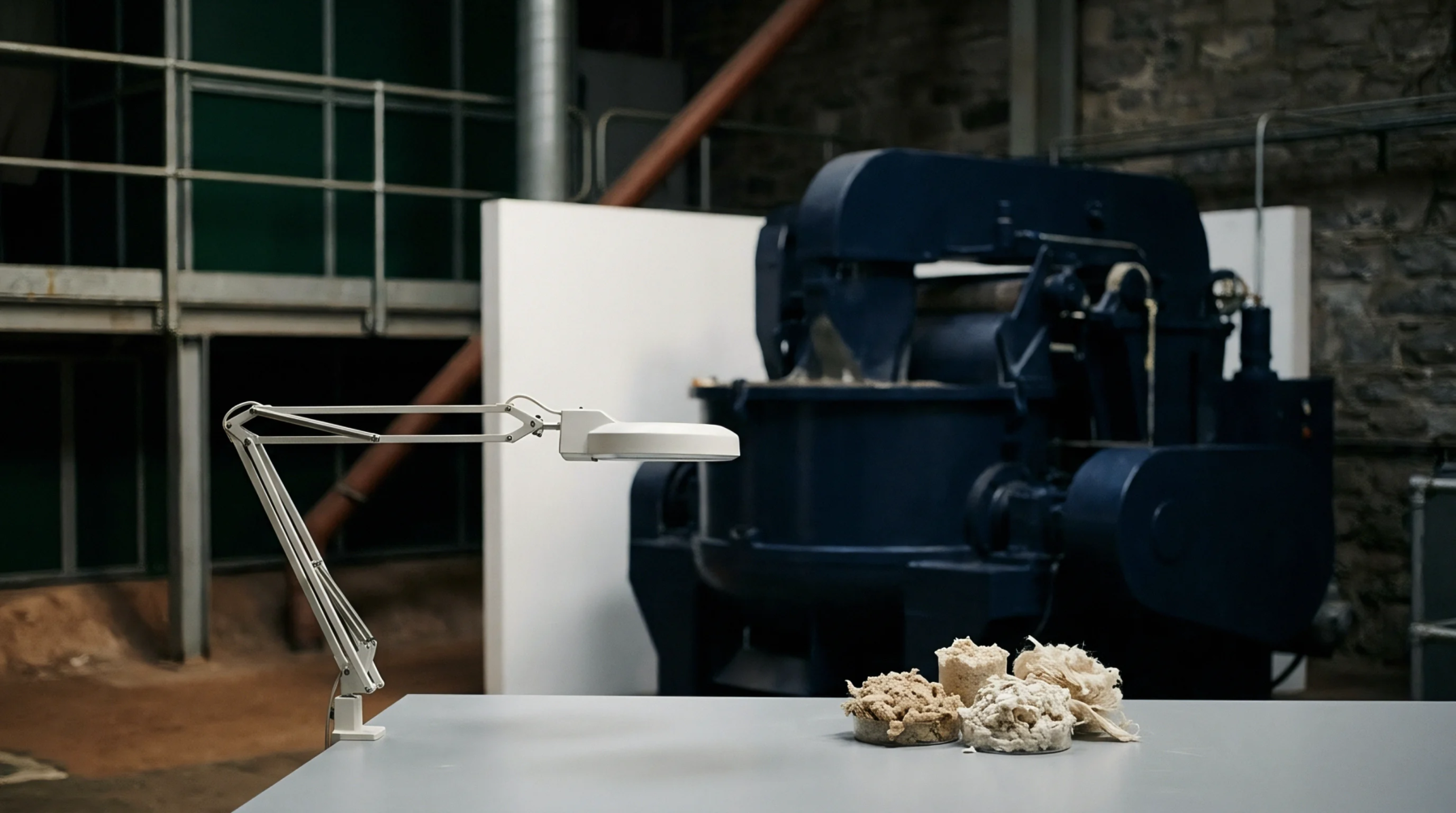
Dynamic calibration transfer standardizes online near-infrared sensors across recycled furnish nodes, maintaining prediction accuracy across shifting pulp matrices.

Boundary layer condensation degrades corrugated board compression strength through localized dewpoint phase transitions manageable via virgin liners and desiccants.

Calibrating artwork scaling factors offsets brass thermal expansion and substrate heat shrinkage to achieve exact register alignment on hot platen presses.

Core shear stiffness governs folding boxboard creasing performance; correct values enable middle ply delamination while preventing outer coated liner failure.

EUDR geolocation mandates require plot-level spatial coordinates for virgin fiber while exempting recycled inputs, demanding mass-balance segregation at the vat.

EUDR compliance overrides central certification credit banking by mandating physical batch segregation linked directly to harvest plot geolocation polygons.

Non-destructive ultrasonic wave attenuation evaluates paperboard crease quality by measuring acoustic energy loss caused by internal shear delamination.

Moisture and thermal stress during converting plasticize aqueous latex coatings, reducing storage modulus and causing fold delamination unless web tension is optimized.

Die imposition layouts must align machine direction grain along the extraction vector to prevent dynamic bowing and vacuum shear during high-speed cartoning.
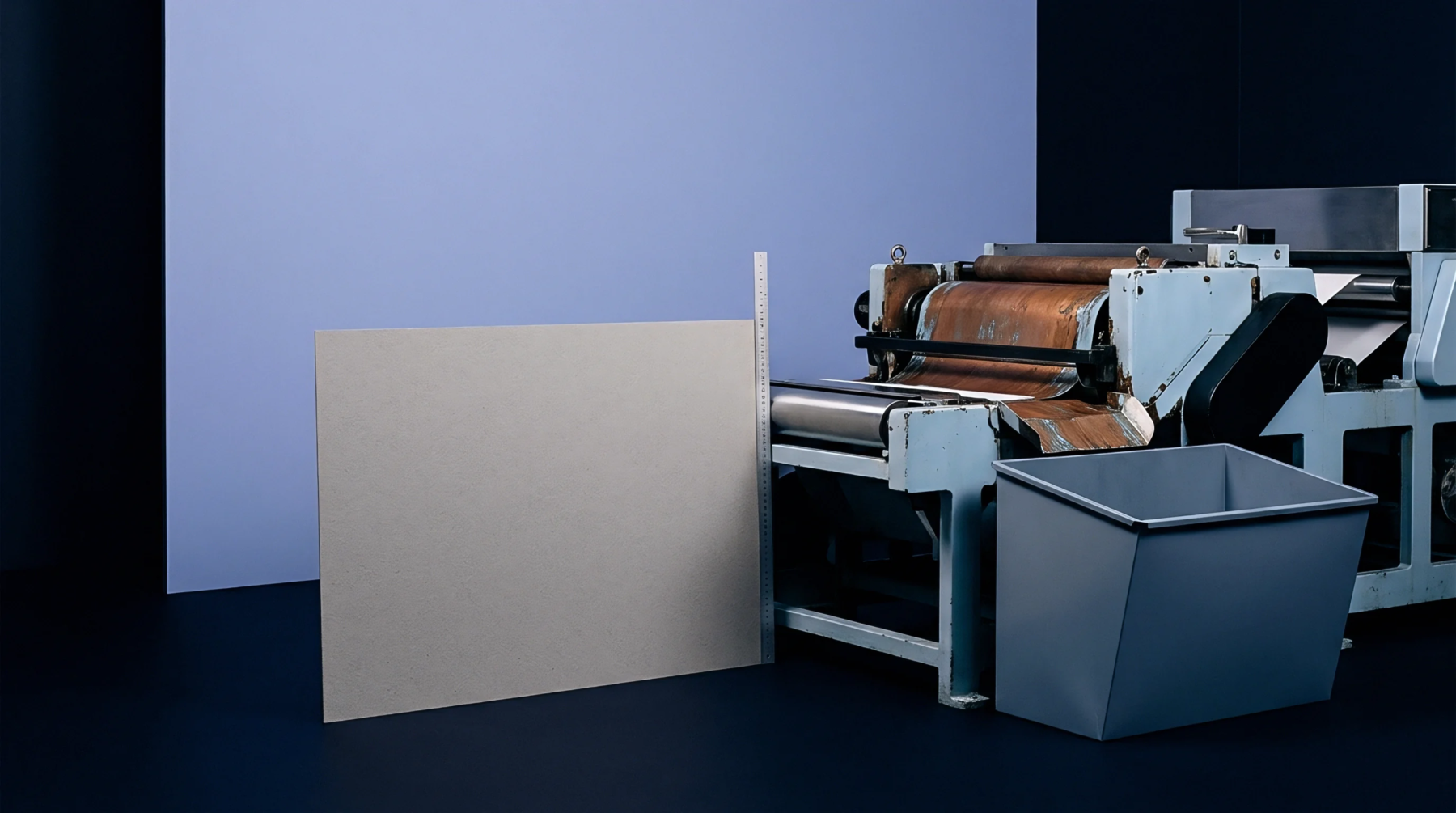
Hexenuronic acid inflates softwood kraft pulp kappa numbers by 0.86 units per 10 micromoles, demanding targeted acid hydrolysis to protect bleach yield and landed fiber value.

Parent sheet yield depends on matching machine deckles, subtracting press clearances, respecting grain direction, and accounting for guillotine kerf margins.

Recycled boxboard interlaminar shear thresholds decay non-linearly above 65% RH due to fiber hornification and starch matrix plasticization.

Narrow coating pore throats below 0.05 micrometres maximize capillary pressure, driving rapid ink vehicle separation and set speed on offset press.

Verify paper chain of custody codes on public scheme registers, match invoice line-item claims to product group scopes, and audit site schedules to prevent import holds.

Dynamic platen impression adjustment balances platen bow and speed-dependent viscoelastic strain to eliminate liner cracking in multi-ply cartonboard.

Hornification in secondary fibres reduces internal pore volume and alters optical scattering, requiring dynamic wetting controls to prevent press mottle.

Dynamic climate chamber testing under cyclic relative humidity isolates mechanosorptive creep failure modes that standard static equilibrium conditioning miss.

Optimizing board bulk expands sheet caliper at lower basis weight, increasing bending stiffness and yield per tonne while lowering total material cost.

Friction sled cycles strip migratory slip agents, elevating polar surface energy while generating micro-roughness that causes severe specular gloss drift.

Verify MOSH and MOAH compliance in recycled fibre packaging using accredited HPLC-GC-FID testing, validated functional barriers, and complete declarations of compliance.

Untargeted mass spectrometry screening isolates photoinitiator degradation products and unreacted acrylates in food packaging overprint coatings at 10 ppb.

Evaluating machine direction anisotropy and crease depth ratios in SBS board balances fold integrity against corner springback on high-speed cartoning lines.

Mass balance recycled content claims demand site credit reconciliation and contractual clauses shifting regulatory misrepresentation risk across packaging converting chains.

Optimizing shoe press peak pressure and wet-end couch solids maximizes inter-ply bond strength in multi-ply recycled fiber formations.

Paperboard moisture sorption and vapor permeability govern pack structural integrity and shelf life through fiber swelling, stiffness loss, and mass flux.

Verify dry mass fiber intake through gravimetric testing, adjust for deinking yield loss, and maintain strict certified credit accounting to ensure compliance.

Auditing food contact board certificates requires verifying laboratory test simulants, thermal parameters, and surface ratios against real package converting limits.
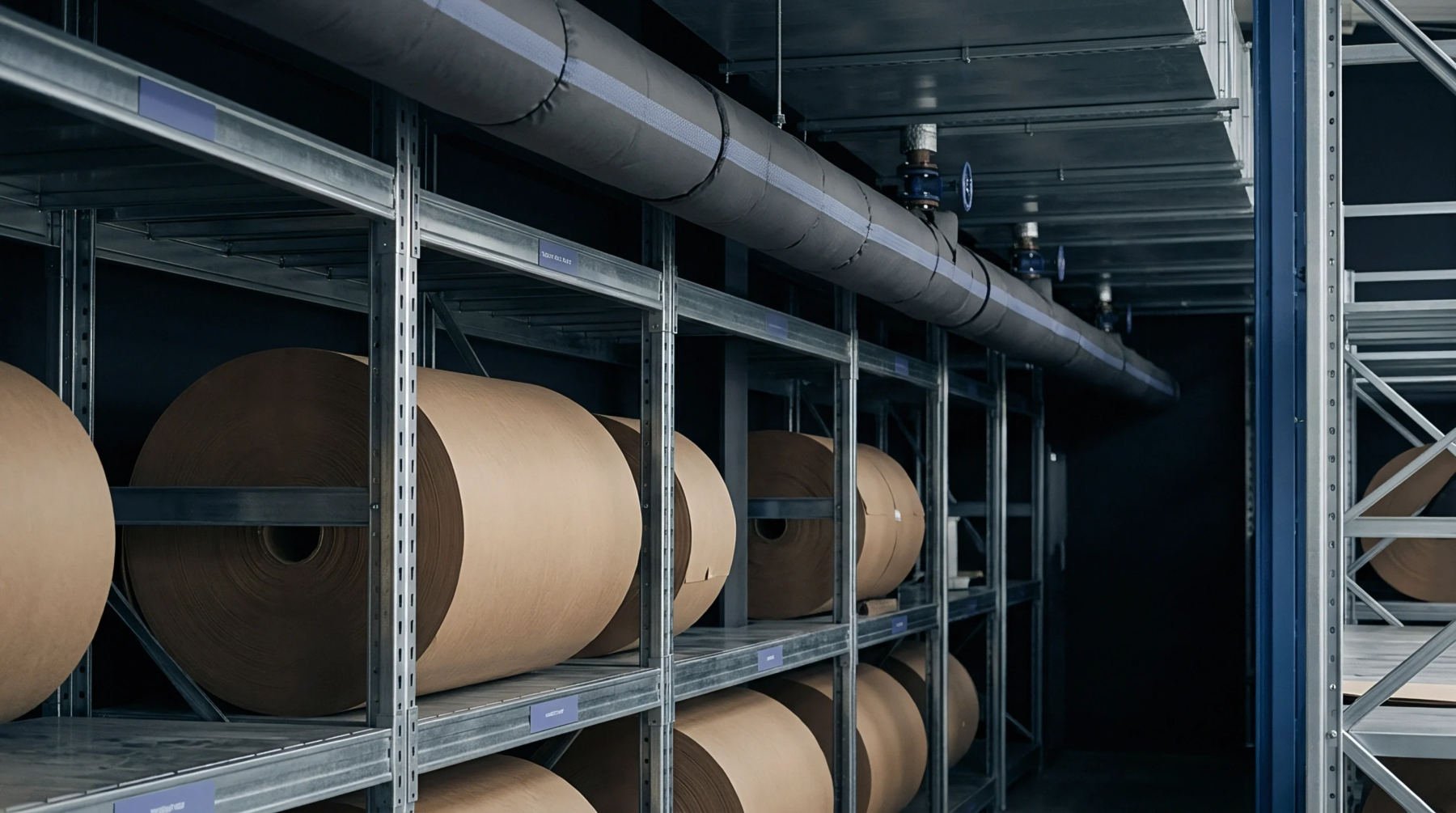
Public scope schedule verification requires matching board product categories and claim systems on official registers to downstream delivery notes.
Expertise is a utility, not a secret. sentiention™ publishes its working knowledge as open reference: intelligence layer covering the materials it sources, the markets it enters, and the reference that serves both.