
Softwood Pulp Ratio Determination in Structural Packaging
Softwood pulp ratio in structural packaging is verified by staining and optical counting under ISO 9184 to secure compression strength and customs compliance.

Softwood pulp ratio in structural packaging is verified by staining and optical counting under ISO 9184 to secure compression strength and customs compliance.

Sub-zero shear failure in bio-coated recycled board is prevented by expanding female creasing matrix channels to drive shear strain into internal plies.

High yield mechanical pulp mass balance calculations require converting raw chip input to dry mass under ISO 638 and tracking bleaching shrinkage factors.
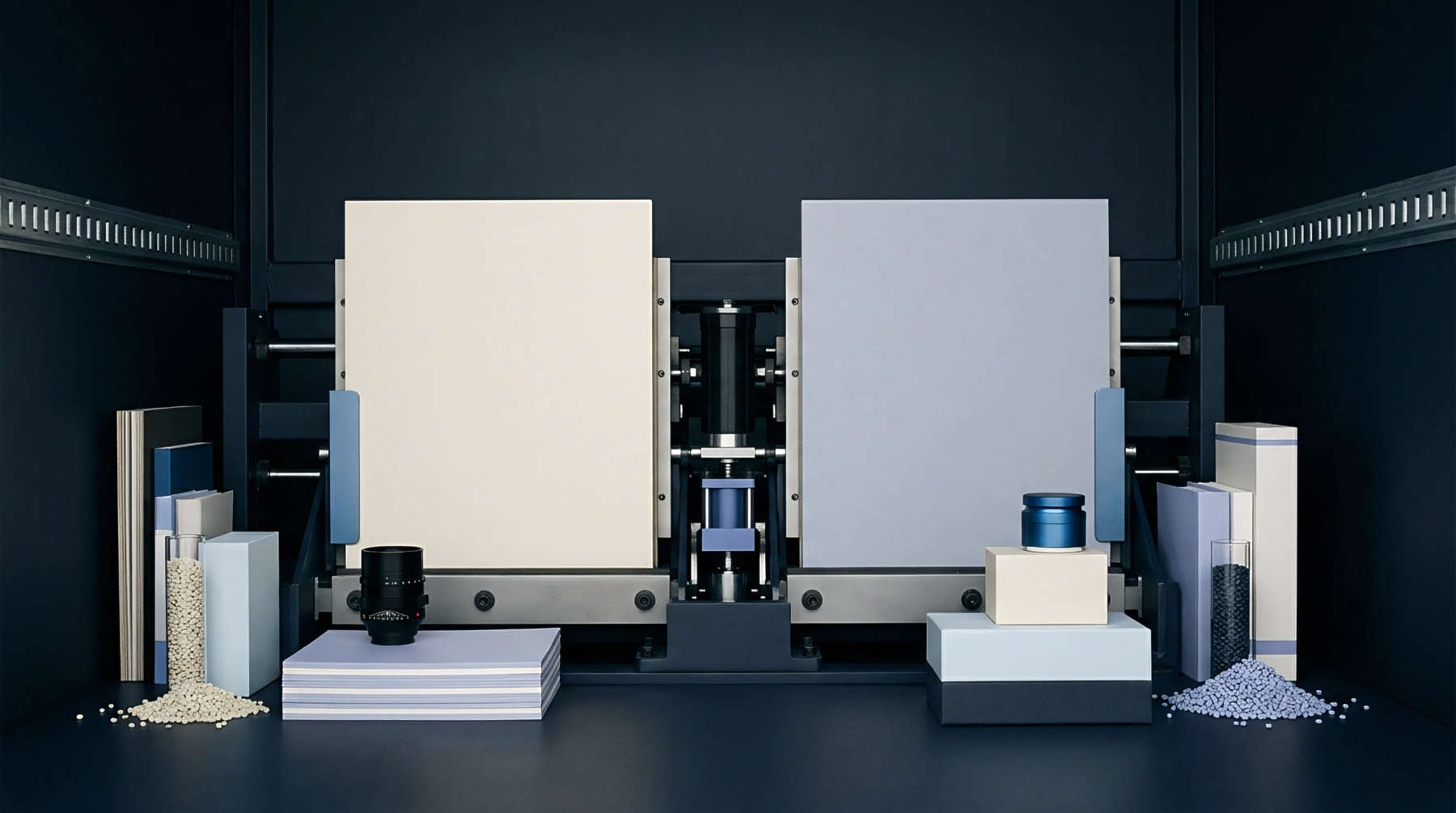
Reconcile furnish gaps by securing mill pulper logs and credit ledger statements that map physical test limits directly to mass balance allocation windows.
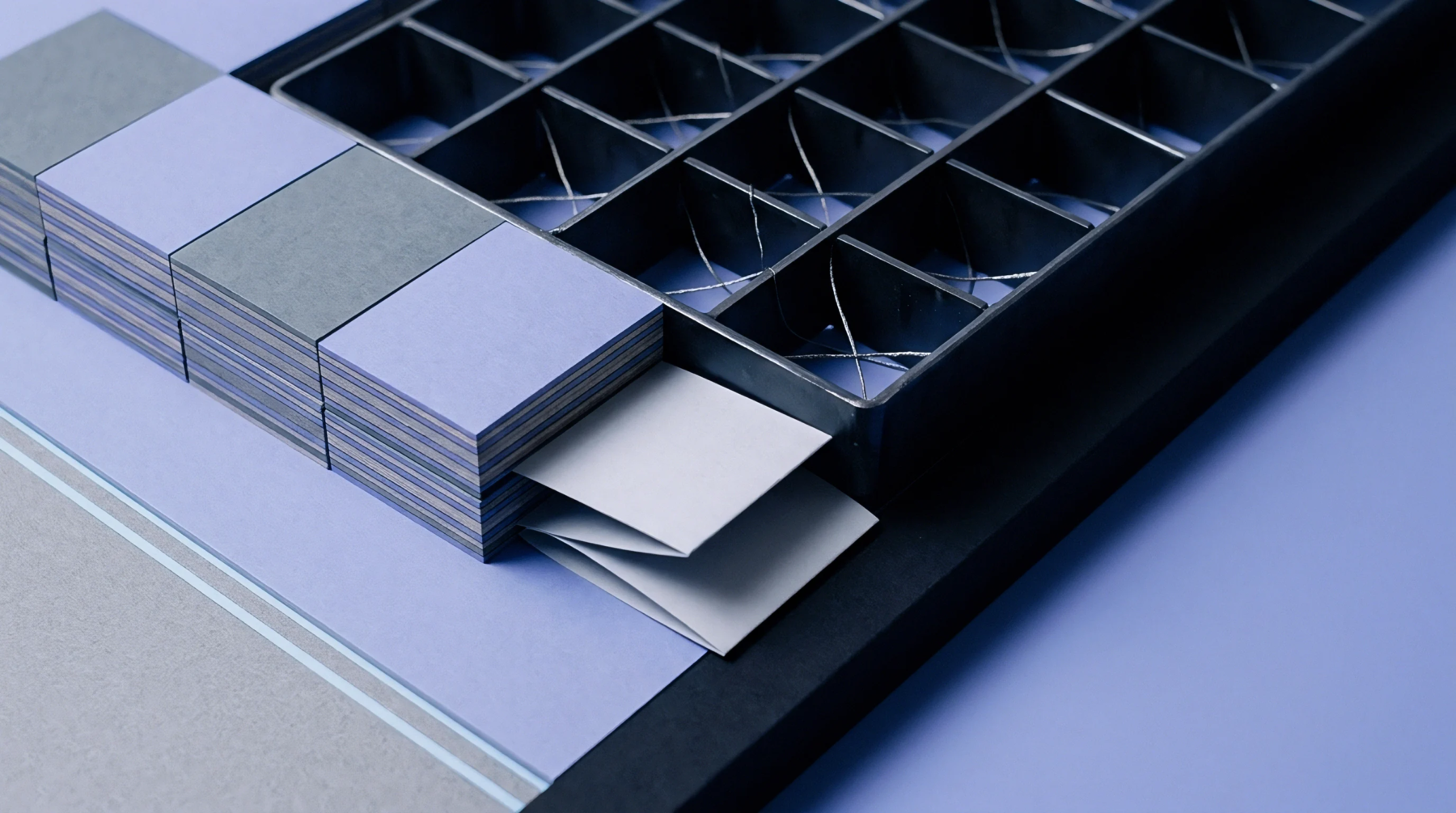
Multilayer cartonboard requires grade-specific counter die channel width calculations combining rule thickness, moisture-adjusted caliper, and fiber-yield multipliers.

Chain of custody verification requires active certificate registry checks, line-item invoice claim validation, and complete layer furnish audit across every web.

Microscopic analysis using Graff C staining and species weight factors verifies real fiber ratios, exposing illegal substitutions and recycled content mismatches.

Verify paperboard crease stiffness by conditioning to ISO 187, clamping within 0.5 mm of the score, and targeting a board-to-crease ratio between 2.5 and 3.5.
Dynamic mechanical dissipation prevents bio-dispersion score cracking when loss factor tan delta exceeds zero point three five at converter folding rates.

High-speed scoring forces polymer barrier films past strain limits, demanding wide scoring rules and matrix channels to prevent micro-cracking and barrier loss.

Chemical recycling compliance under European packaging law demands deducting process yield losses and fuel fractions before allocating mass balance polymer credits.
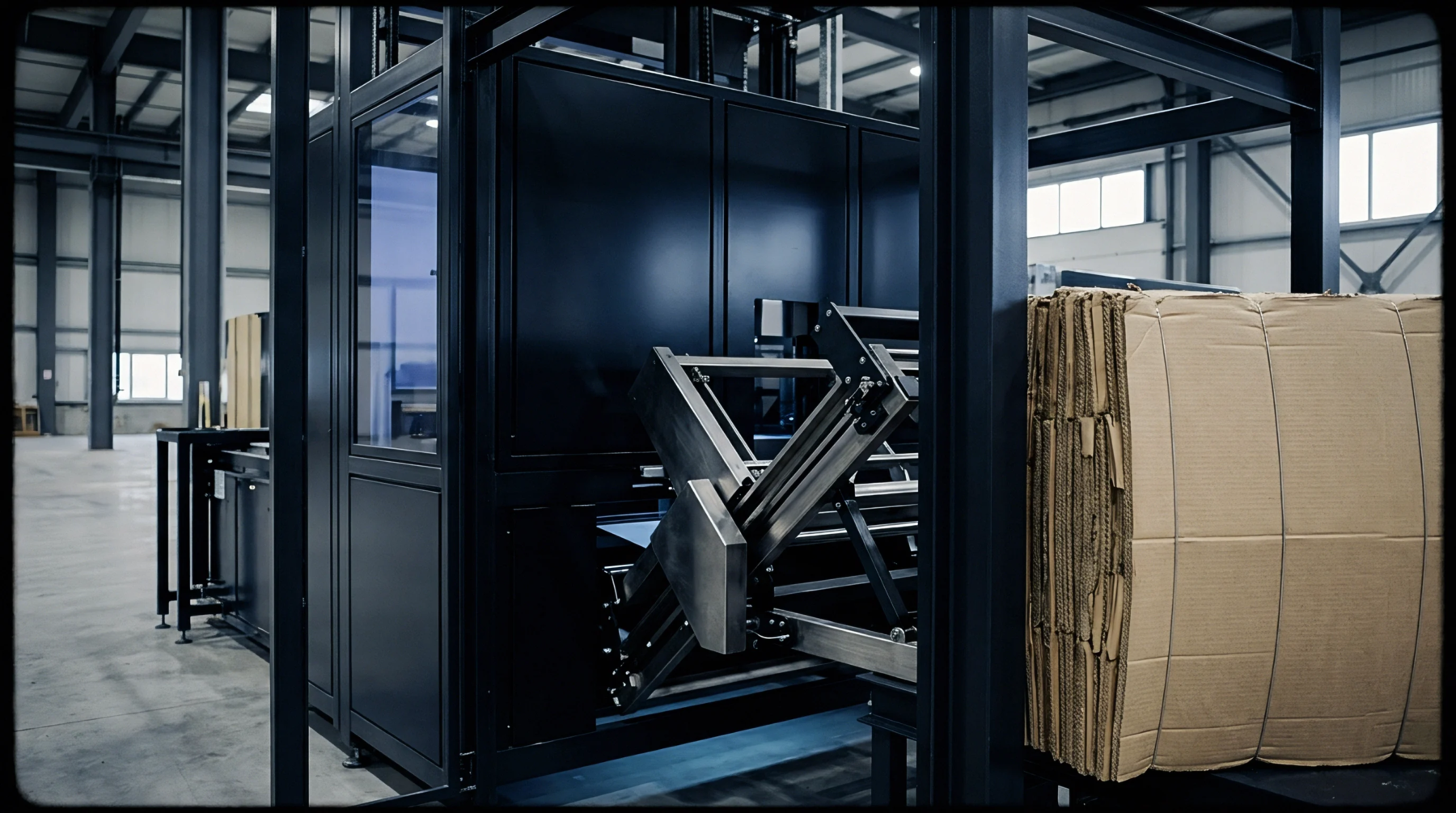
Predictive mechanical creasing models calculate rule penetration and matrix pairing to induce controlled delamination while preventing surface liner fracture.

Capillary stalling occurs when high line speeds outpace surfactant migration, elevating fluid tension and halting penetration before ink or glue bonding sets.

Reconciling mass balance ledgers requires establishing physical fiber baseline isoscapes to prove that administrative credit claims match actual harvest origins.

Surfactant extraction via ten second isopropyl alcohol surface leaching predicts water based ink mottle on recycled chipboard before press trial commit.
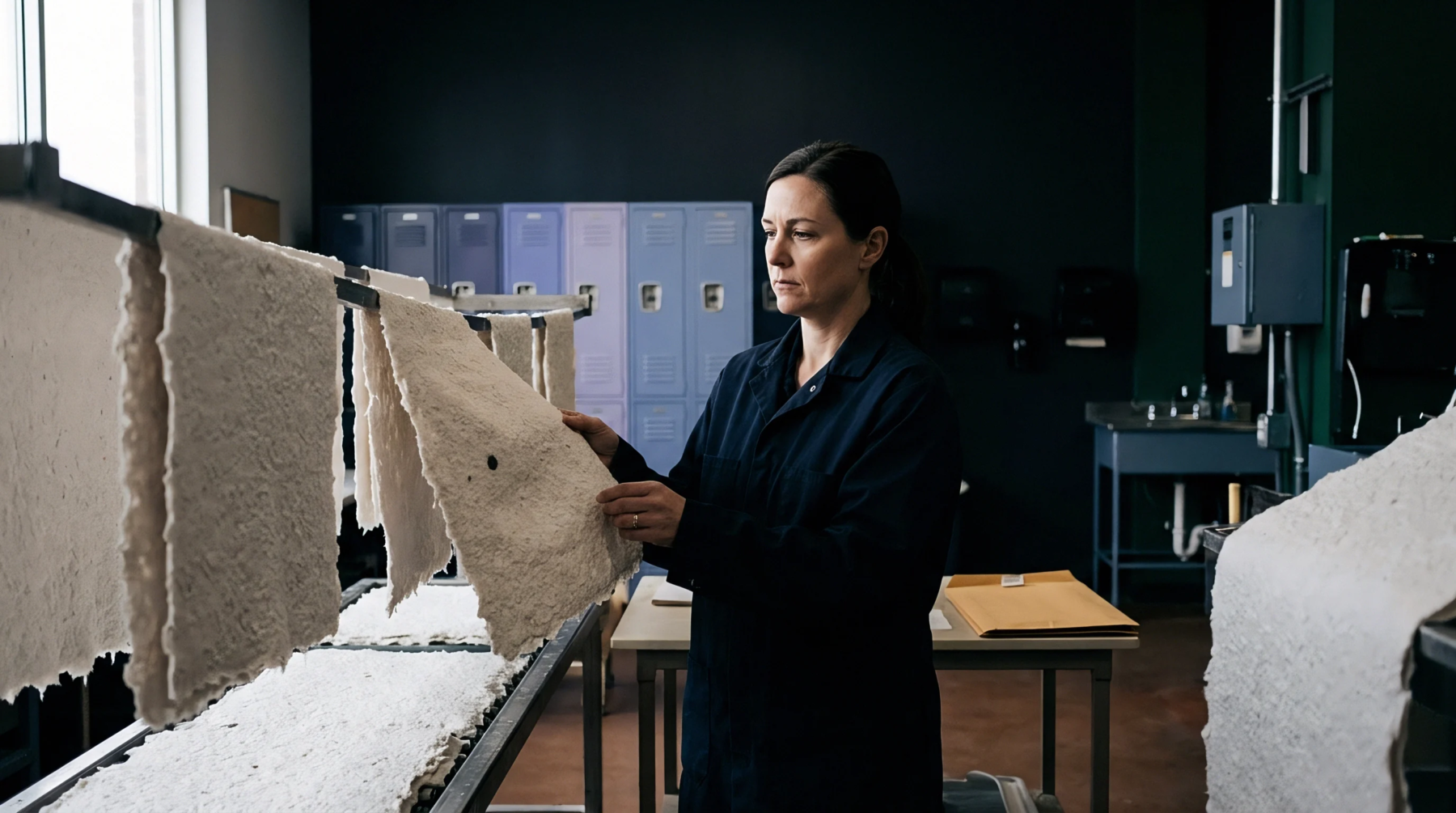
Evaluate micro-pinholes using surfactant dye penetration or 12V conductivity tests while adjusting score matrix width to 1.8 times board caliper plus rule thickness.

Physical recycled packaging validation requires combining ISO 17025 accredited laboratory assays with batch-level EN 15343 physical segregation custody dossiers.

Time-resolved automated contact angle testing tracks millisecond liquid uptake on recycled board where static Cobb methods fail to predict adhesive bonding

Sub-millisecond dynamic surface tension governs blade coater wetting, where slow surfactant diffusion causes micro-skips, blade bleed, and print defects.
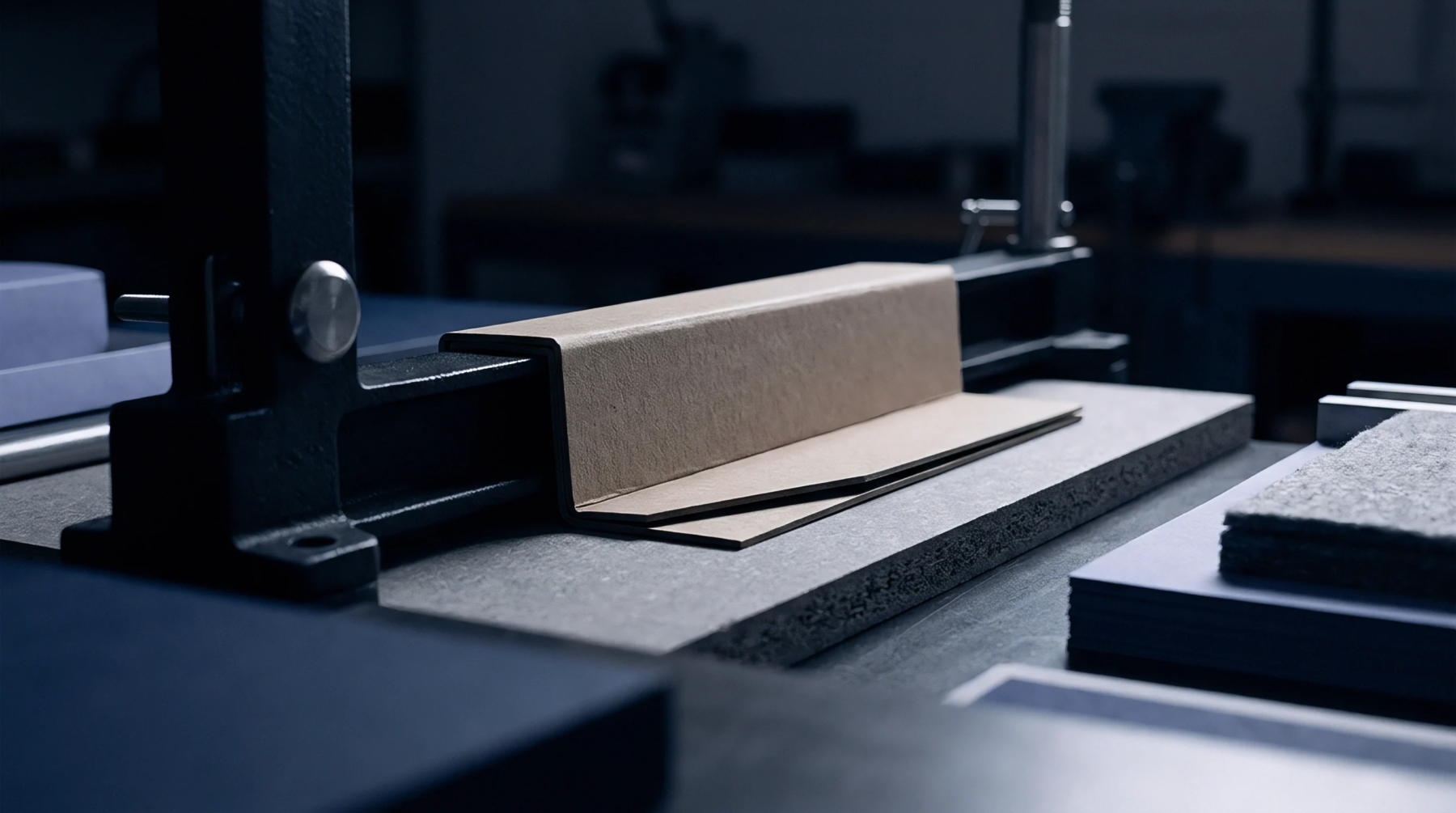
Integrating EUDR traceability into multi-site packaging ledgers requires linking physical paperboard reel batches to EU Traces geolocation references.

Sizing counter matrix channel width to 1.6 times board caliper plus rule thickness prevents clay coating cracking on recycled boxboard by enabling internal delamination.
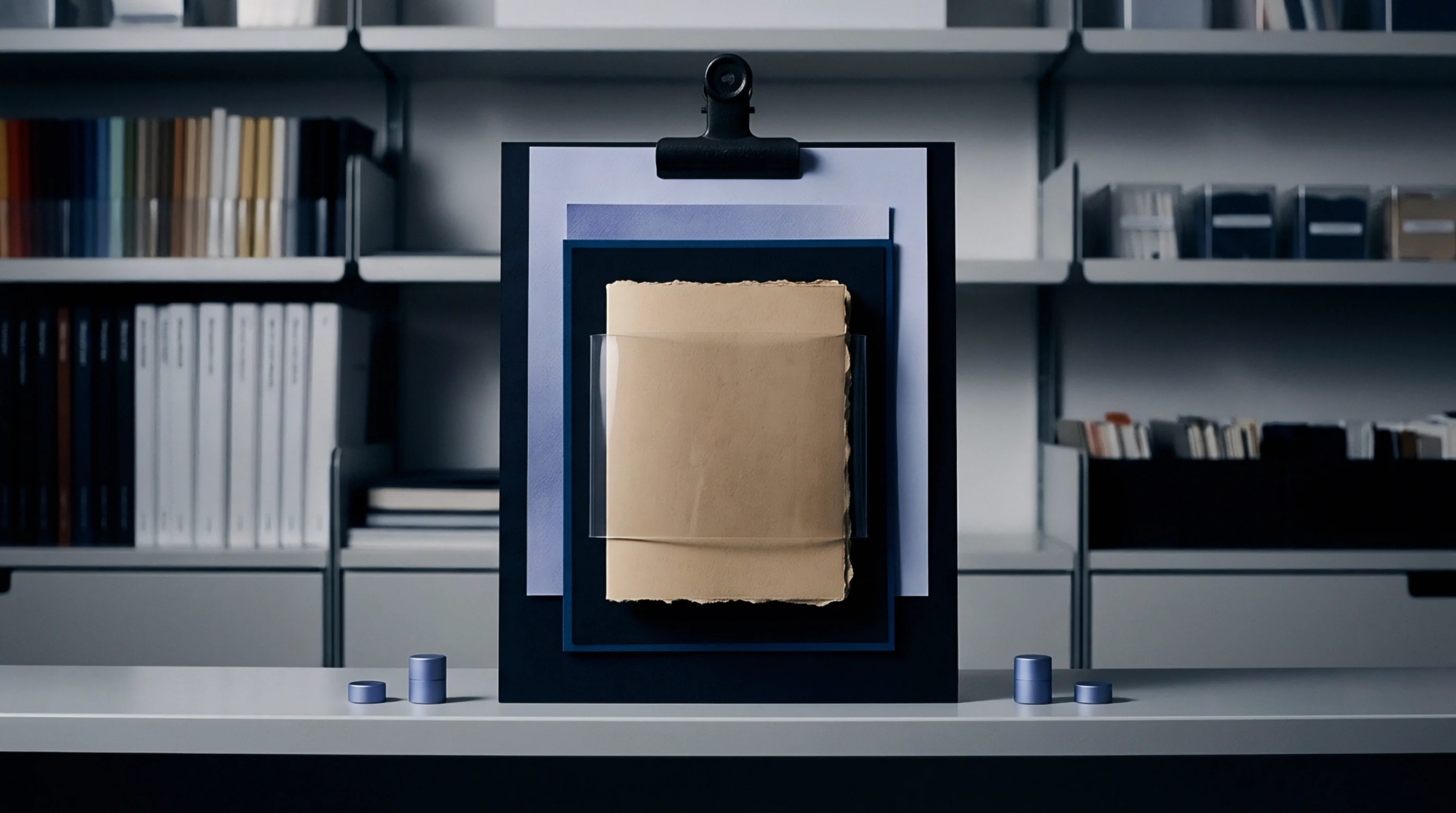
Optimize SBS counter matrix width by setting channel clearance to rule thickness plus 1.40 to 1.50 times caliper to induce delamination without surface rupture.
Surfactant relaxation kinetics govern blade coater wetting defects: rapid non-equilibrium surface tension decay under five milliseconds prevents air entrainment.

Microscopic pinholes form through entrained air bubbles and capillary dewetting during rapid drying, requiring dual-station metering to ensure barrier integrity.

Dynamic contact angle testing under TAPPI T 558 exposes sub-second wetting and capillary absorption failures that traditional sixty-second Cobb tests completely miss.

Auditing centralized credit systems requires verifying converting waste factors using physical baler weigh-scale receipts rather than corporate ledger allowances.
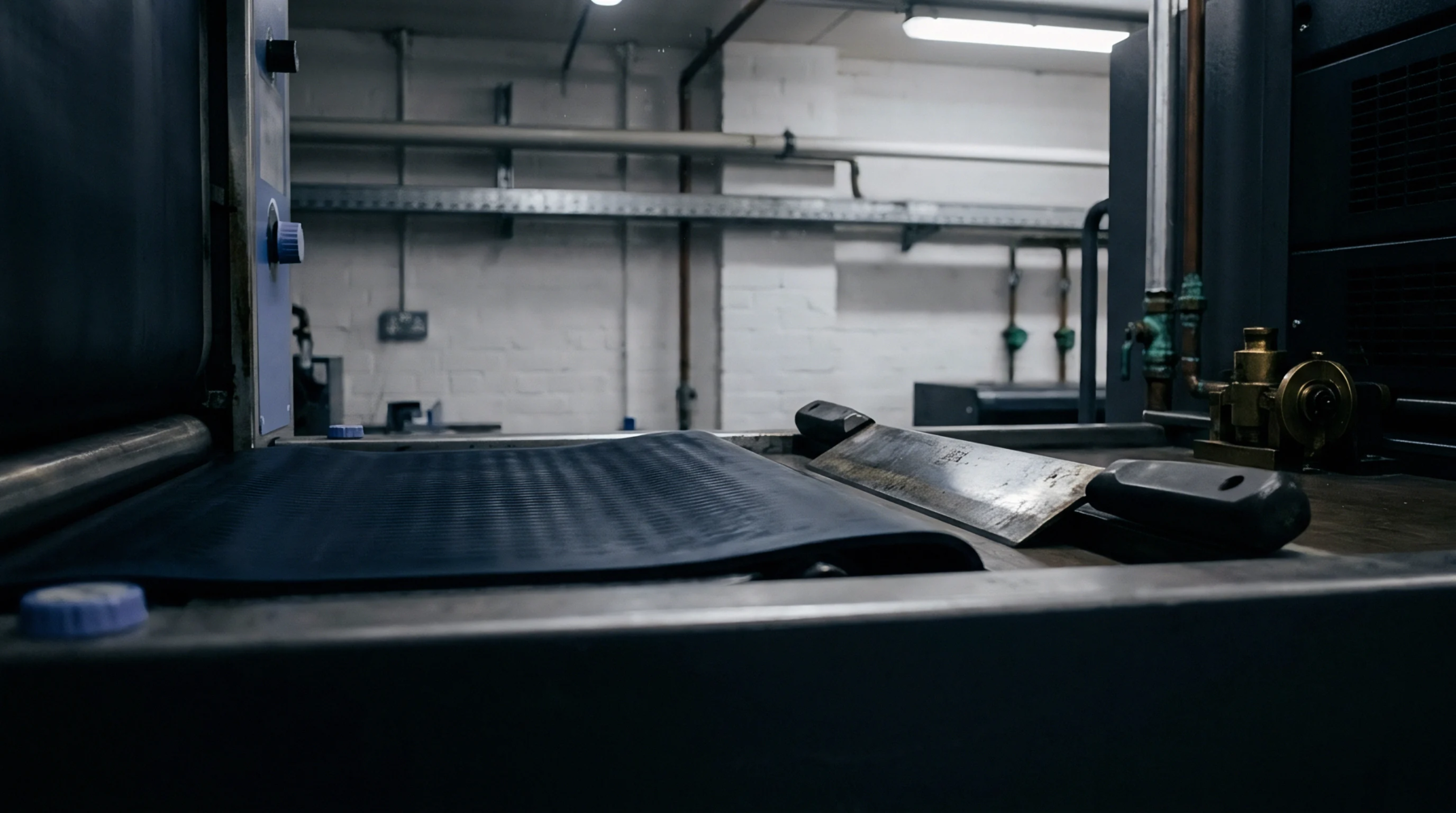
Optimizing machine profile variability control limits requires establishing statistical bounds on cross-web caliper and stiffness to prevent cartoner feed jams.

Multi-site paperboard certificates require verifying active sub-certificate schedule codes for every physical converting facility on public registers and invoices.
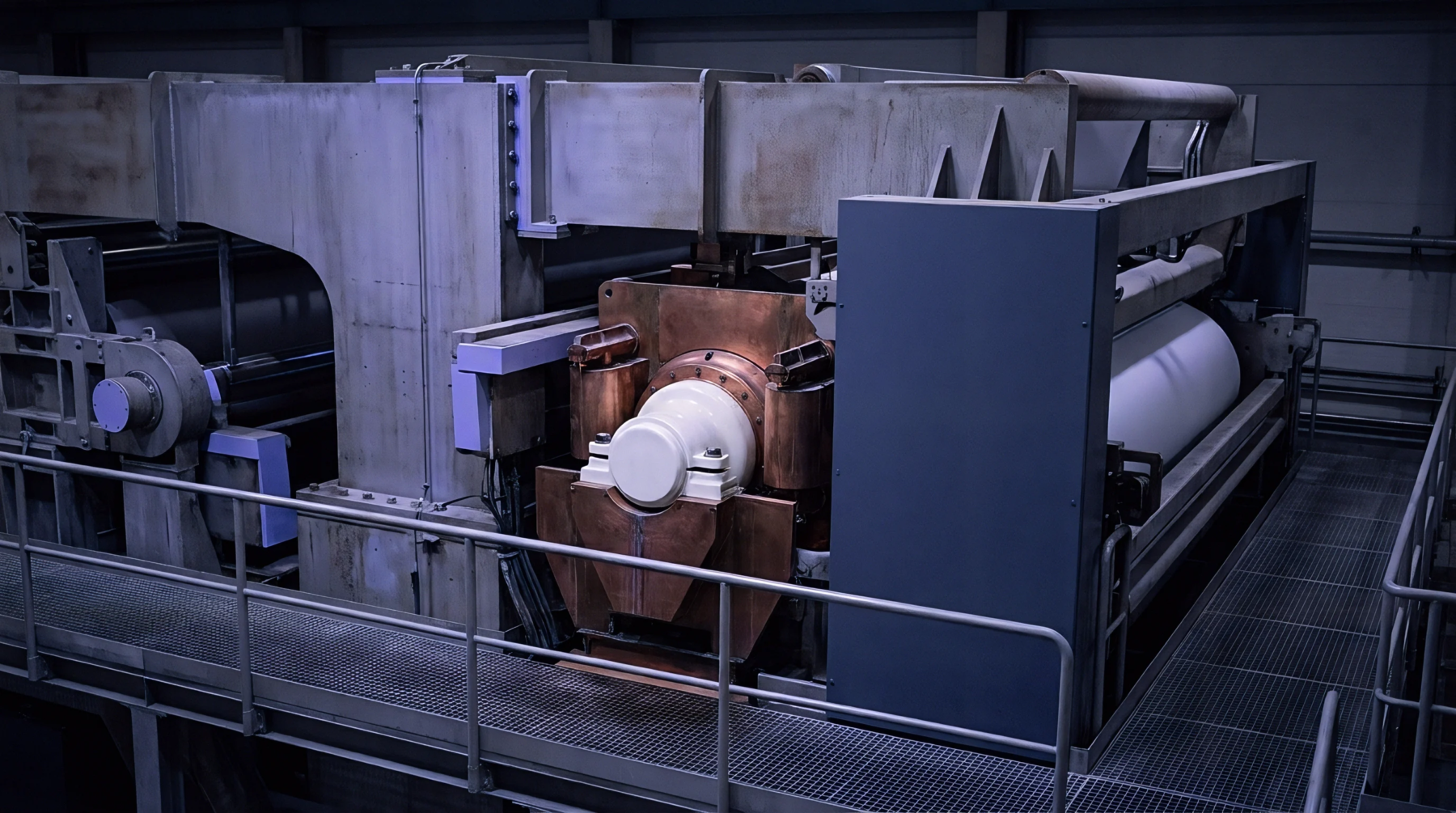
Core bulk preservation requires extending nip dwell and heating surfaces to smooth outer plies while keeping central mechanical fibres below glass transition.

Verify paperboard grammage under ISO 536 by conditioning punch specimens at 23 C and 50 percent relative humidity under ISO 187 to protect converting area yield.
Expertise is a utility, not a secret. sentiention™ publishes its working knowledge as open reference: intelligence layer covering the materials it sources, the markets it enters, and the reference that serves both.