
Verification Procedures for Compostable Packaging Compliance Documents
Compostable packaging compliance verification requires cross-checking public register scopes, raw test data annexes, and finished converted pack chemistry.

Compostable packaging compliance verification requires cross-checking public register scopes, raw test data annexes, and finished converted pack chemistry.

Enforce accredited pre-shipment migration testing and upstream indemnity terms to avoid costly customs holds and redelivery penalties on food contact laminates.
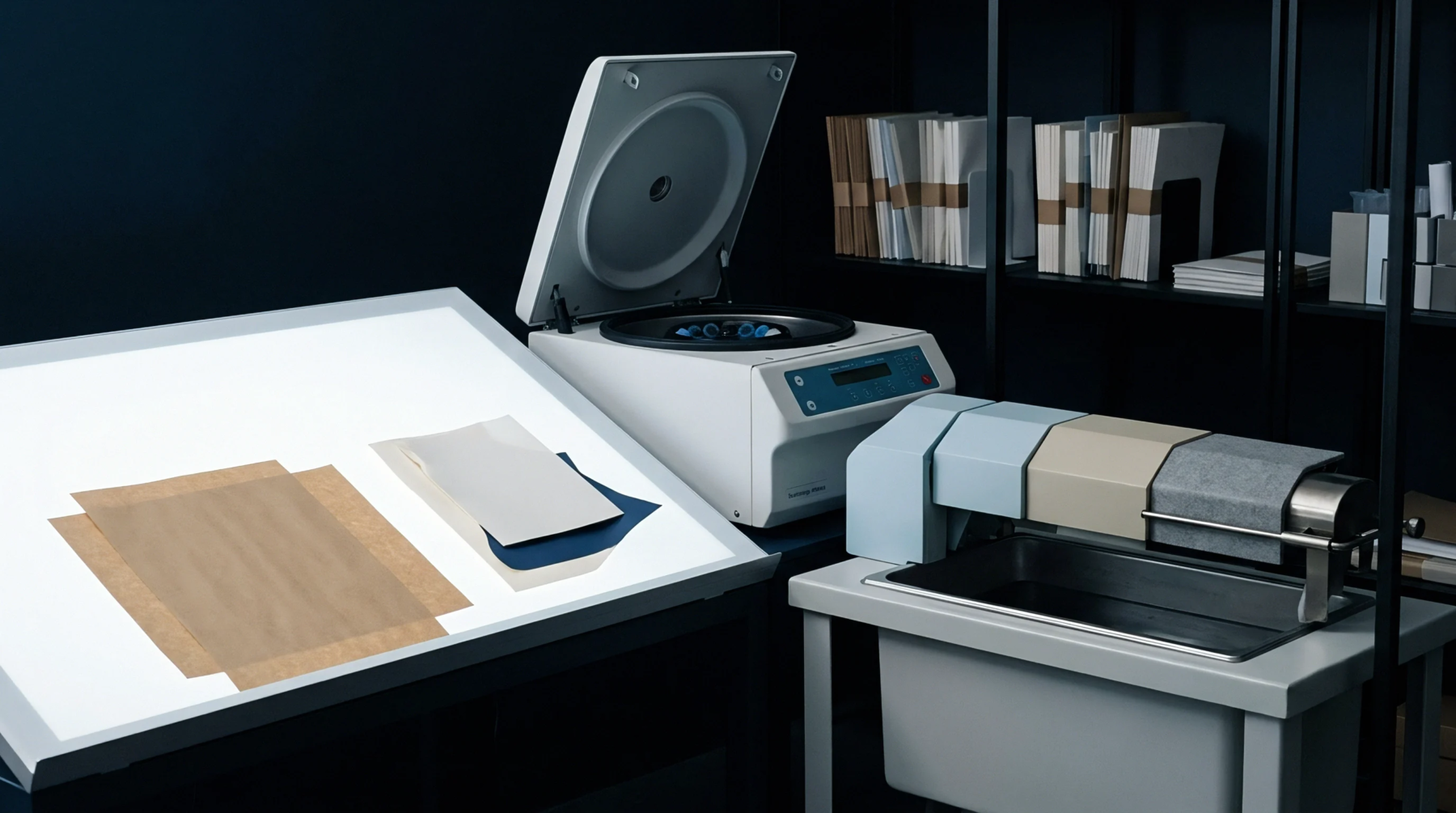
Standardizing CD crease shear in recycled board requires holding a 1.40 to 2.10 crease ratio via controlled internal ply delamination to stop cartoner line jams.

Heavyweight laminated folding boxboard demands channel expansion beyond standard caliper formulas, pairing wider dies with shallow penetrations to stop film shear.

Alkyl ketene dimer ring cleavage accelerates above pH 7.5 and 45°C, yielding inactive dialkyl ketones that ruin friction and drive sizing consumption.
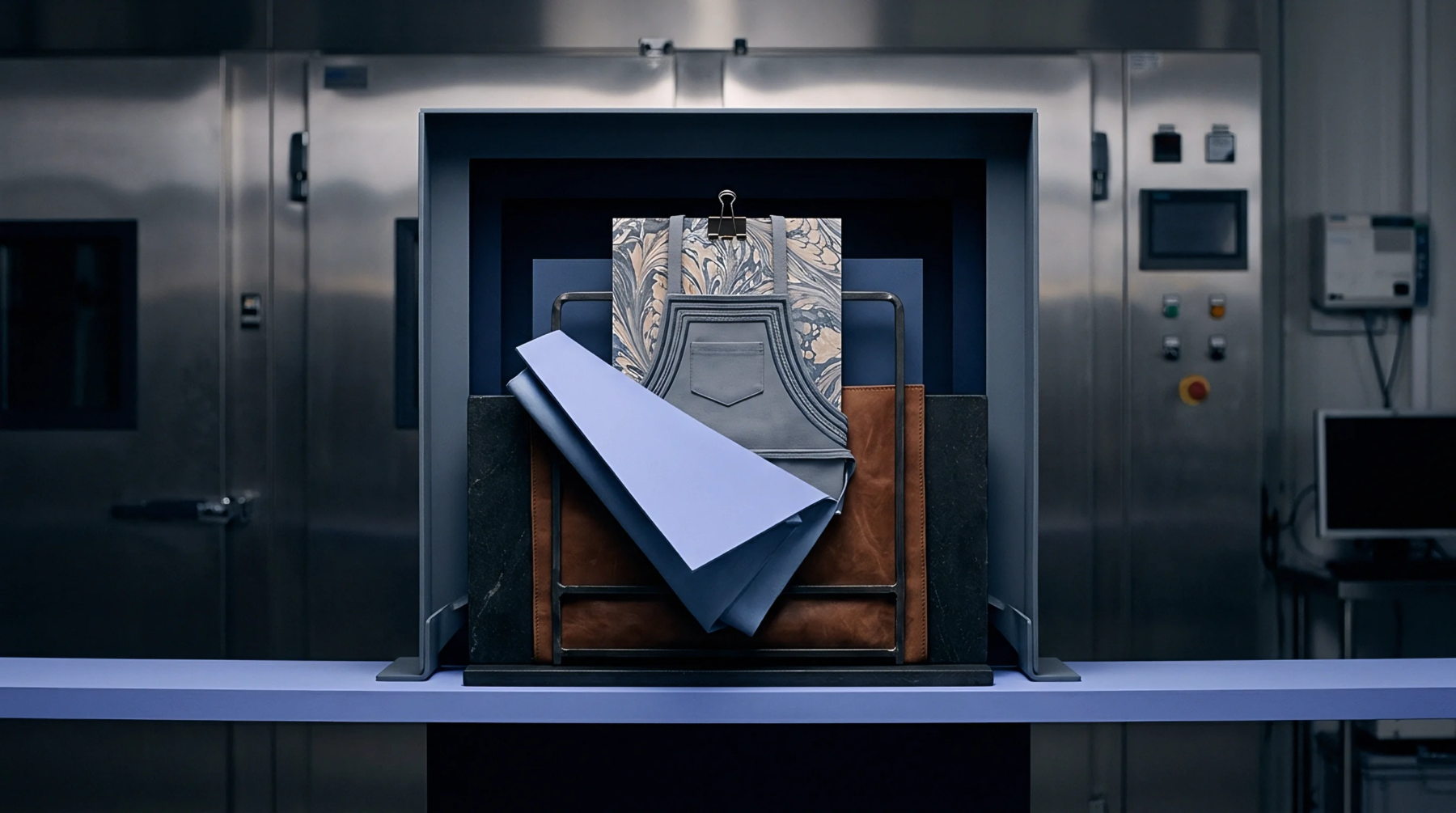
Verify lamination adhesive curing and test fatty food simulants to prevent chemical migration non-conformance in multilayer flexible packaging.

Determining migration compliance relies on exact food simulant testing, functional barrier verification, and complete analytical records across all converter tiers.

Calibrating matrix channel width for coated recycled board requires expanding the multiplier to 1.8 times board caliper plus rule thickness to stop liner splits.
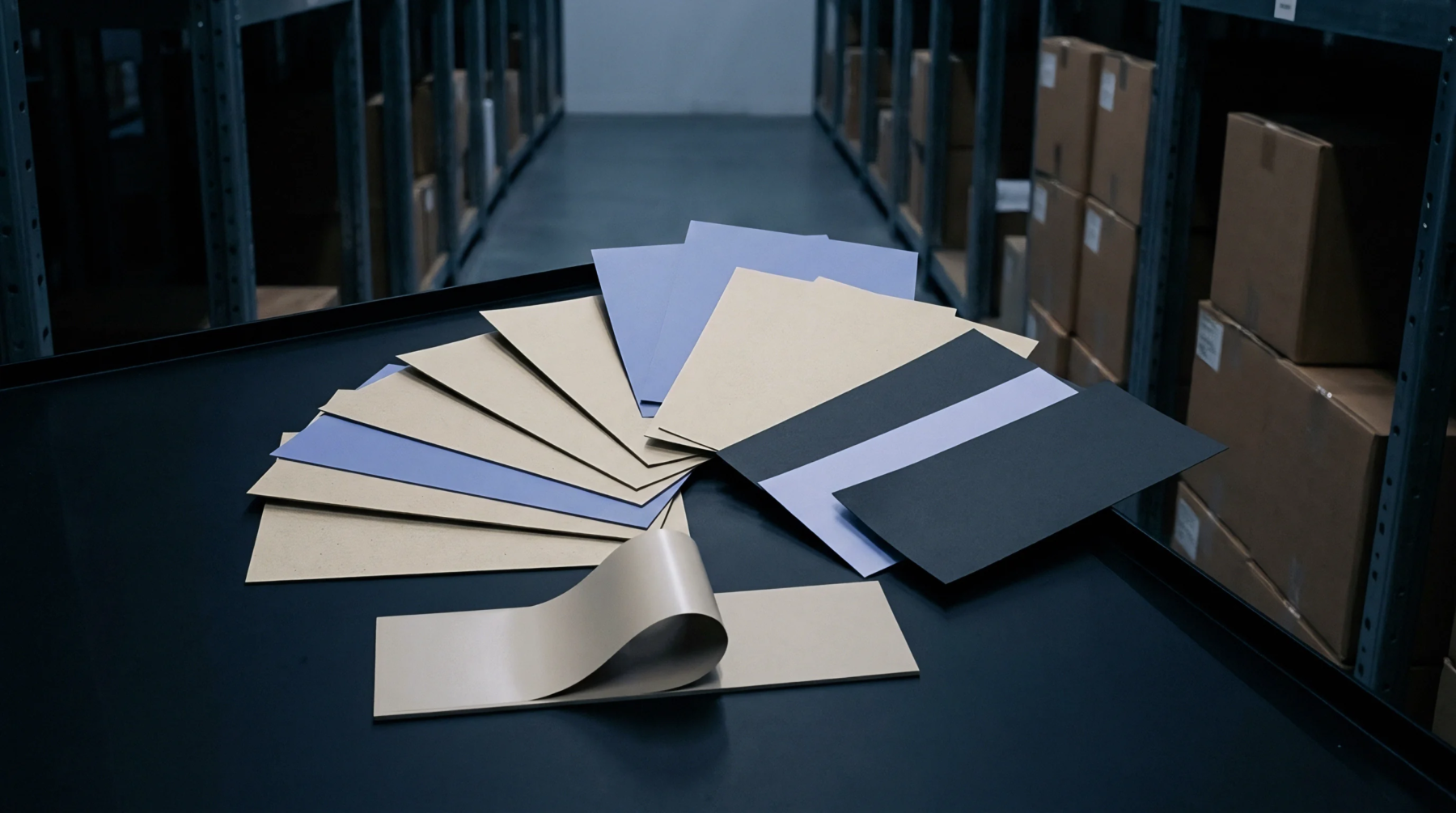
Calculate creasing matrix channel width using the formula W = T + (F × C), selecting factor F between 1.4 and 1.7 based on board grade and fiber stiffness.
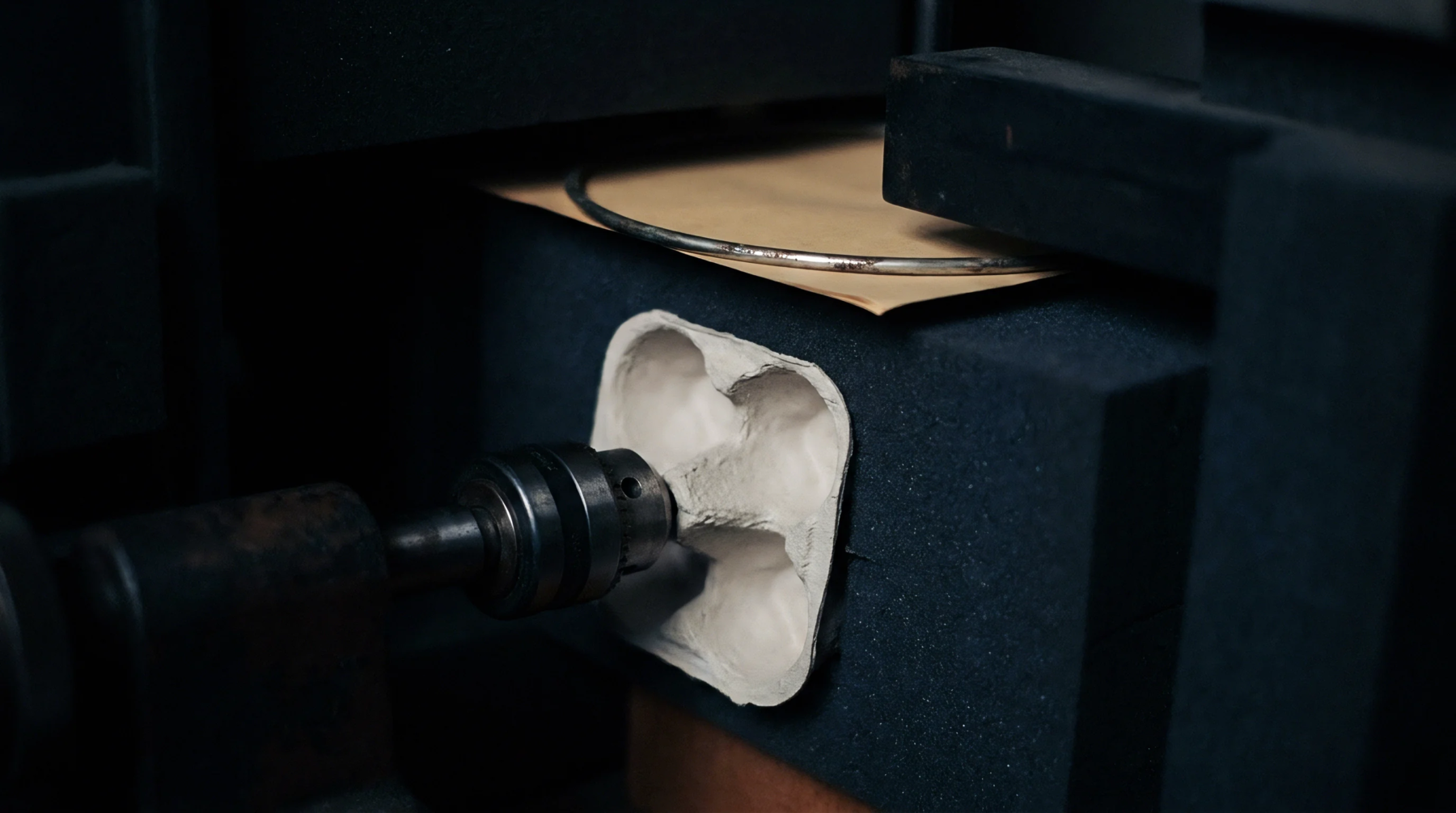
Recycled board demands matrix channels widened to rule thickness plus 1.7 to 1.9 times caliper to induce core delamination and prevent liner splitting.
Equilibrium mercury porosimetry misreads millisecond print absorption because static high-pressure intrusion ignores inertial drag and dynamic contact wetting.

Rounded three-point creasing rules and wide steel counter channels prevent subzero dispersion barrier cracking by suppressing tensile shear along carton folds.
Thermal marker degradation models adjust pyrolysis mass balance claims by integrating Arrhenius cracking kinetics and phase partitioning into audit ledgers.

Static ISO 15901 intrusion maps structural pore volume, but press liquid uptake depends on dynamic permeability and capillary draw under microsecond nips.
Aqueous barrier boards in cold chains resist moisture only when latex flexibility prevents crease cracking and edge wicking is sealed against dew point condensation.

Mercury intrusion porosimetry isolates paper coating pore volume and throat diameters between 5 and 500 nanometres to control press setting and prevent mottle.
Maintain board surface energy four millinewtons per meter above emulsion surface tension to prevent air entrainment at eight hundred meters per minute.

Spectroscopic tracer recovery in extruded board barriers requires matrix-matched baselines to decouple coating taggant signals from fiber and clay interference.

Water resistance on repulpable barrier board requires paired flat and scored gravimetric transmission data alongside verified fiber acceptance screen yields.
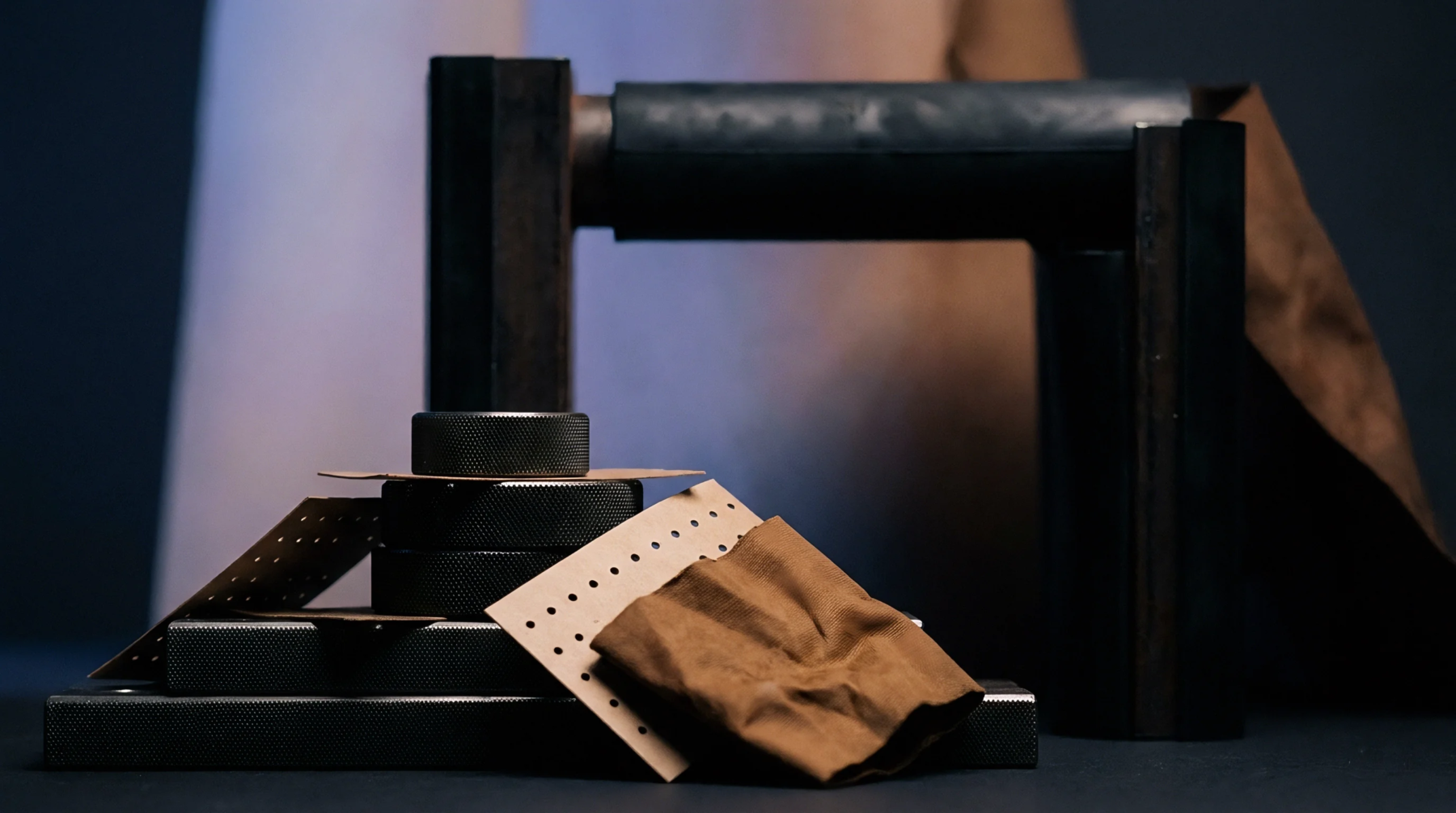
ISO 287 gravimetric oven drying resolves paperboard moisture disputes by establishing true dry fibre mass to settle weight discrepancies and prevent pressroom curl.
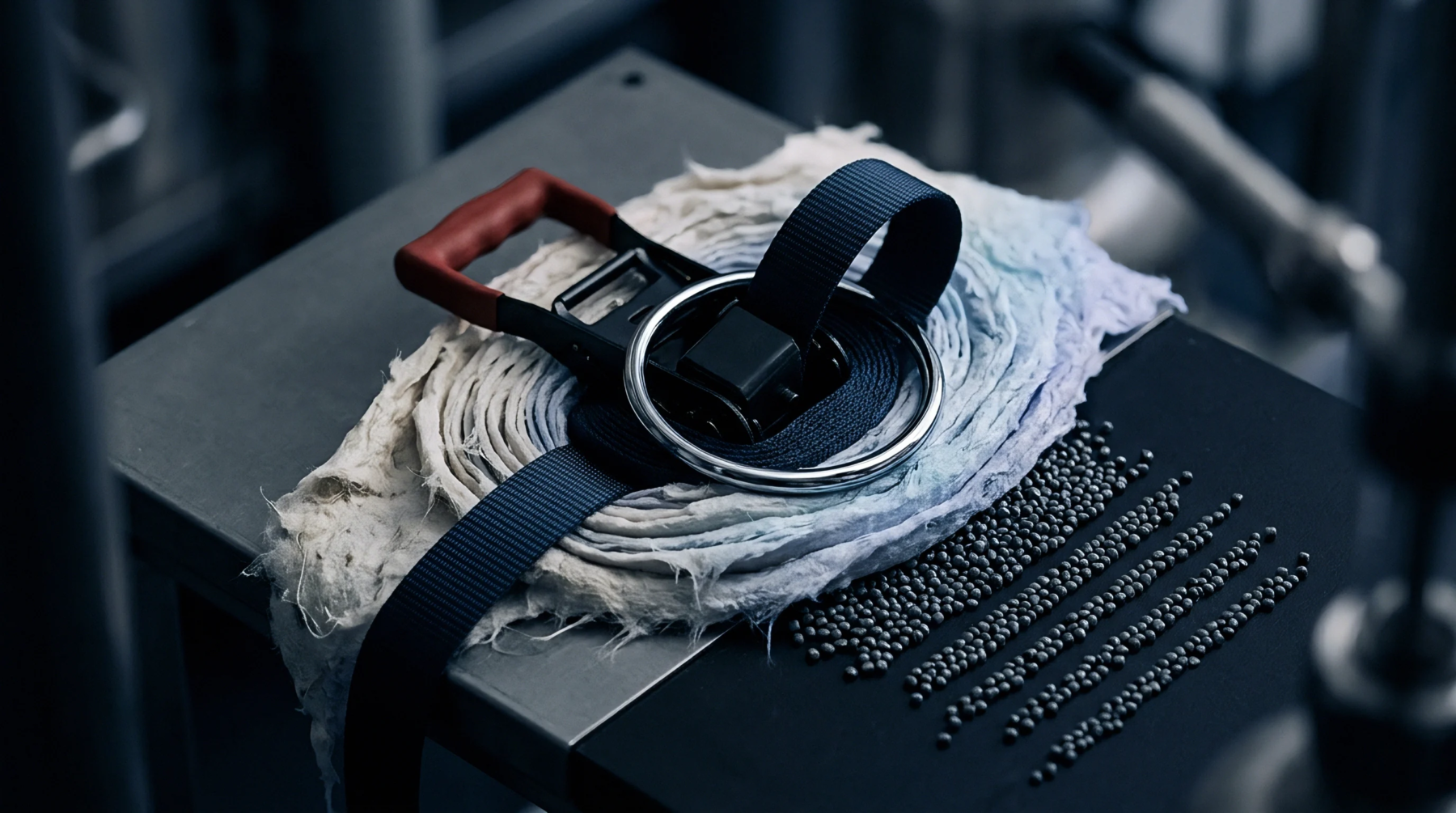
Mass balance rules determine chemical recycled polyolefin claims: proportional allocation and fuel exclusion models secure regulatory compliance over free attribution.

Polymeric film cracking along folding boxboard scores ceases when rule clearance maintains localized tensile elongation below seven percent across the bead.
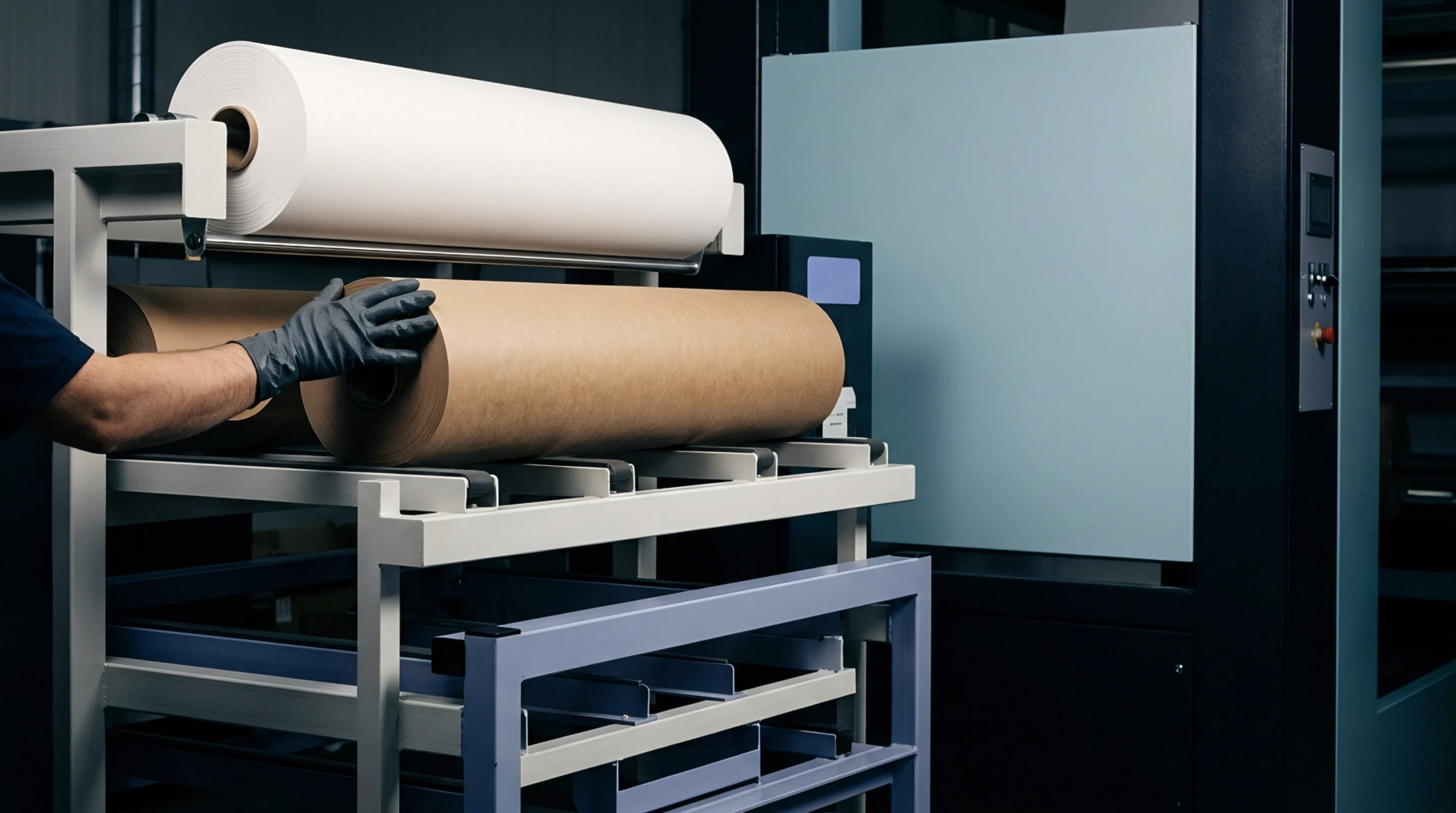
Tuning dispersion viscosity on metering roll coaters requires matching high-shear nip viscosity to capillary limits while stabilizing bath solids and pH drift.
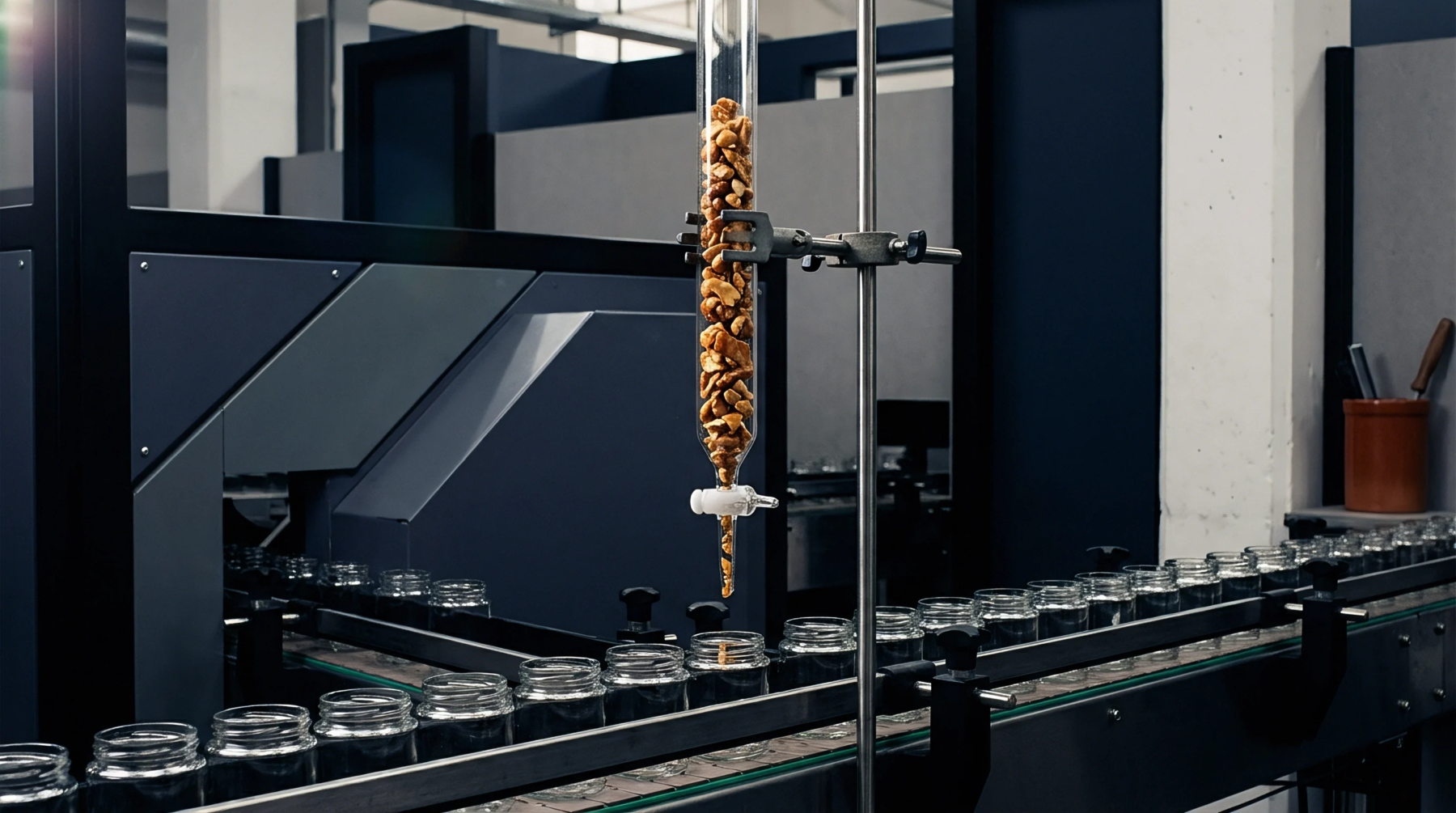
ISO 186 sampling requires isolating parent rolls, drawing randomized interior units, and conditioning under ISO 187 to protect sheet yield and legal claims.

Paperboard moisture equilibrium testing under ISO 187 isolates hygroscopic hysteresis to standardize physical strength properties and verify true fiber yield.
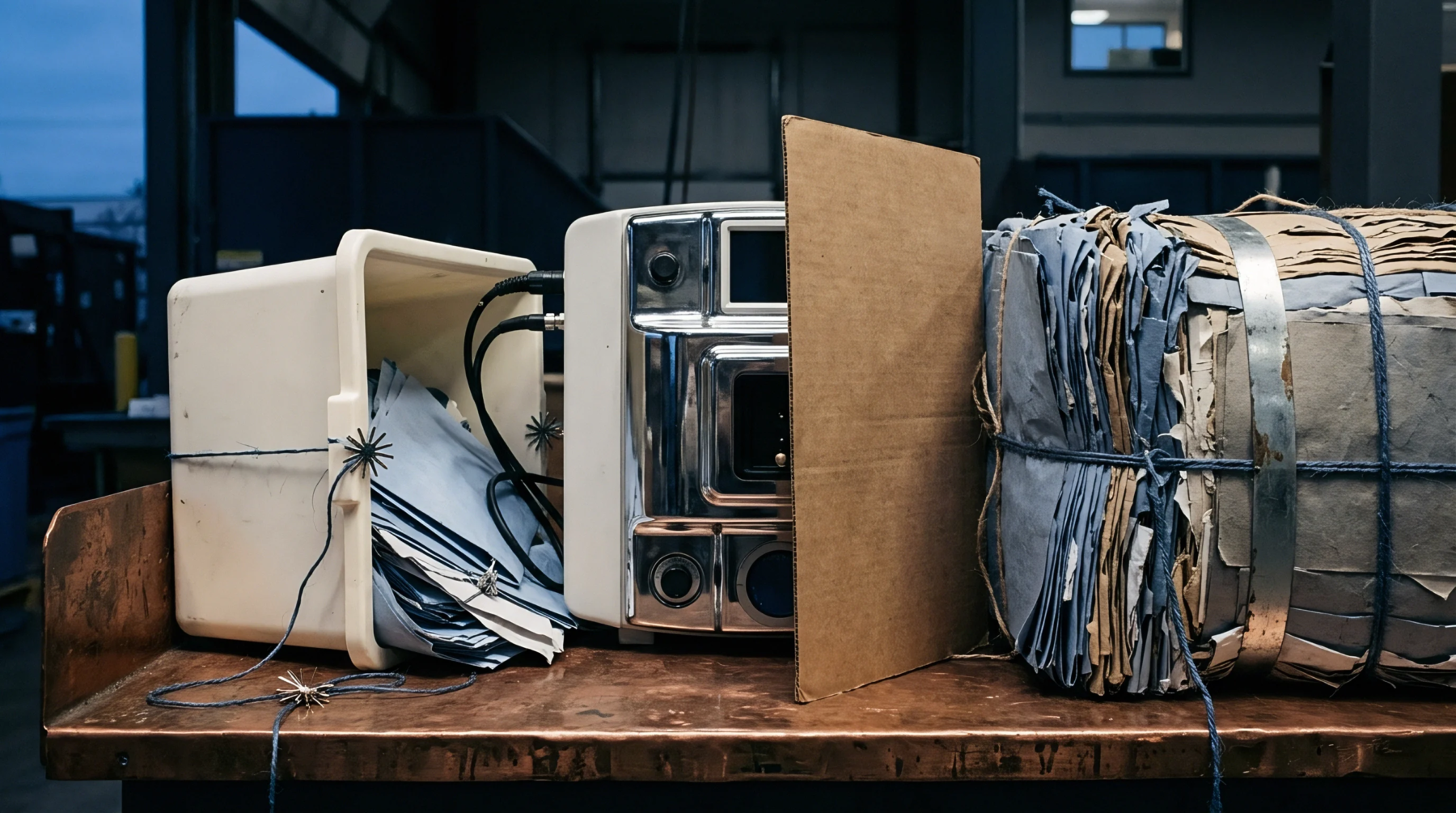
Aqueous dispersion barriers on recycled board block mineral oil migration below statutory limits only when creasing tool geometries eliminate score cracking.

Resolving matrix interferences in pigmented polyolefins requires thickness compensation, multi-beam filtering, and pigment-specific background corrections.

Polyolefin barrier coatings degrade when high-pressure embossing shear cleaves chains below critical entanglement limits, opening micro-pinholes along die flanks.

Spectroscopic verification of HDPE marker additives requires matched thermal specimen molding to quantify tracer emissions against digestion standards.

Crease integrity in recycled board demands targeted delamination within internal plies while preserving liner continuity under high strain rates.
Expertise is a utility, not a secret. sentiention™ publishes its working knowledge as open reference: intelligence layer covering the materials it sources, the markets it enters, and the reference that serves both.