
Cross Direction Crease Tuning Parameters for SBS Board
Cross-direction SBS creasing requires female die channels 1.7 to 1.9 times board caliper plus rule width to drive internal shear without coating fracture.

Cross-direction SBS creasing requires female die channels 1.7 to 1.9 times board caliper plus rule width to drive internal shear without coating fracture.

Aqueous adhesive jettings at 500 m/min require Trouton ratios under 50 and dynamic surface tension below 35 mN/m to prevent tailing and achieve rapid bond formation.
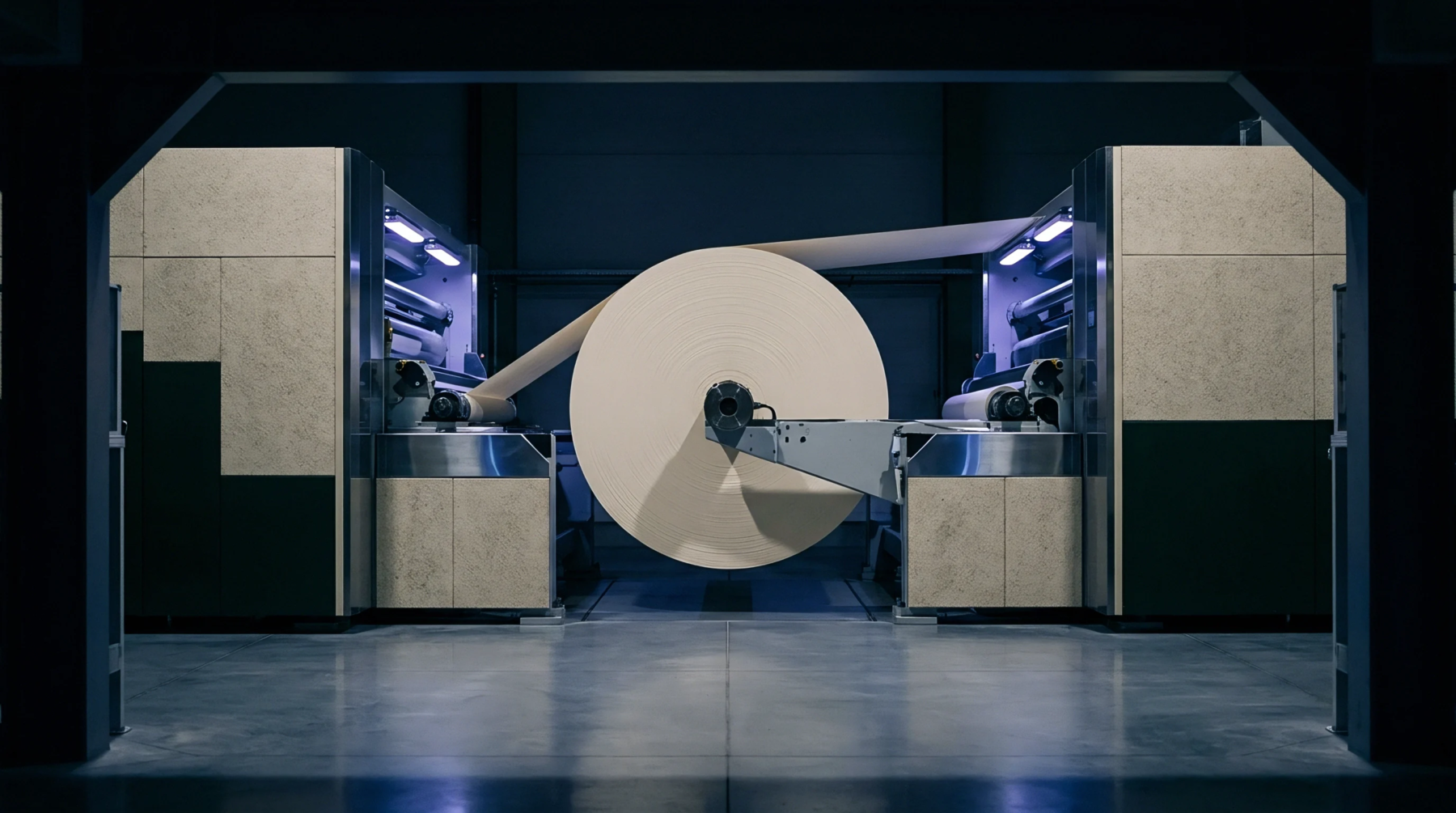
Elevated wet-end temperatures alter micro-sticky glass transition dynamics, driving colloidal coalescence that demands strict chemical passivation and verified migration limits.

Forcing internal z-directional shear delamination during creasing creates an internal hinge that relieves outer coat tensile strain when folding.
Dispersion coating performance on folding boxboard relies on surface holdout, polymer Tg control, and low-shear application to balance moisture barriers against repulpability.
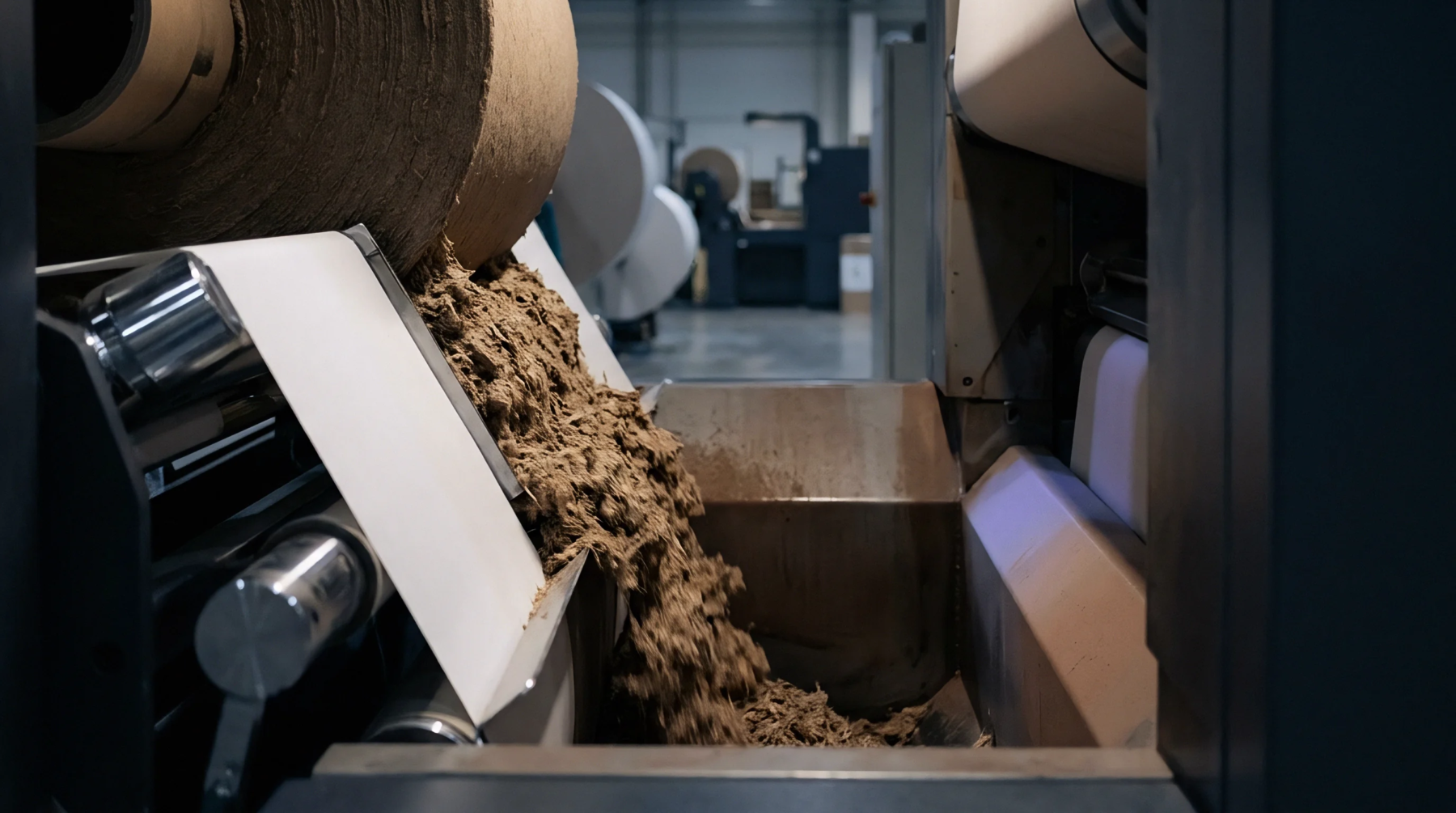
Laboratory pulp fractionation isolates fiber length and contaminant fractions to substantiate yield declarations, chain of custody records, and border taxes.

Gas chromatography mass spectrometry screening isolates residual photoinitiators in laminate films, verifying compliance with food contact migration limits.
Commercial contract baseline tolerances for hydrapulper residues settle price adjustments by comparing oven-dried sample masses against grade allowances.

Total photoinitiator extraction relies on solvent selection matching substrate swelling mechanics without degrading crosslinked acrylate polymer networks.

Laboratory screening overestimates industrial pulper fiber yield by 4-10% due to entrainment in reject presses, ragger tails, and high-shear fine generation.
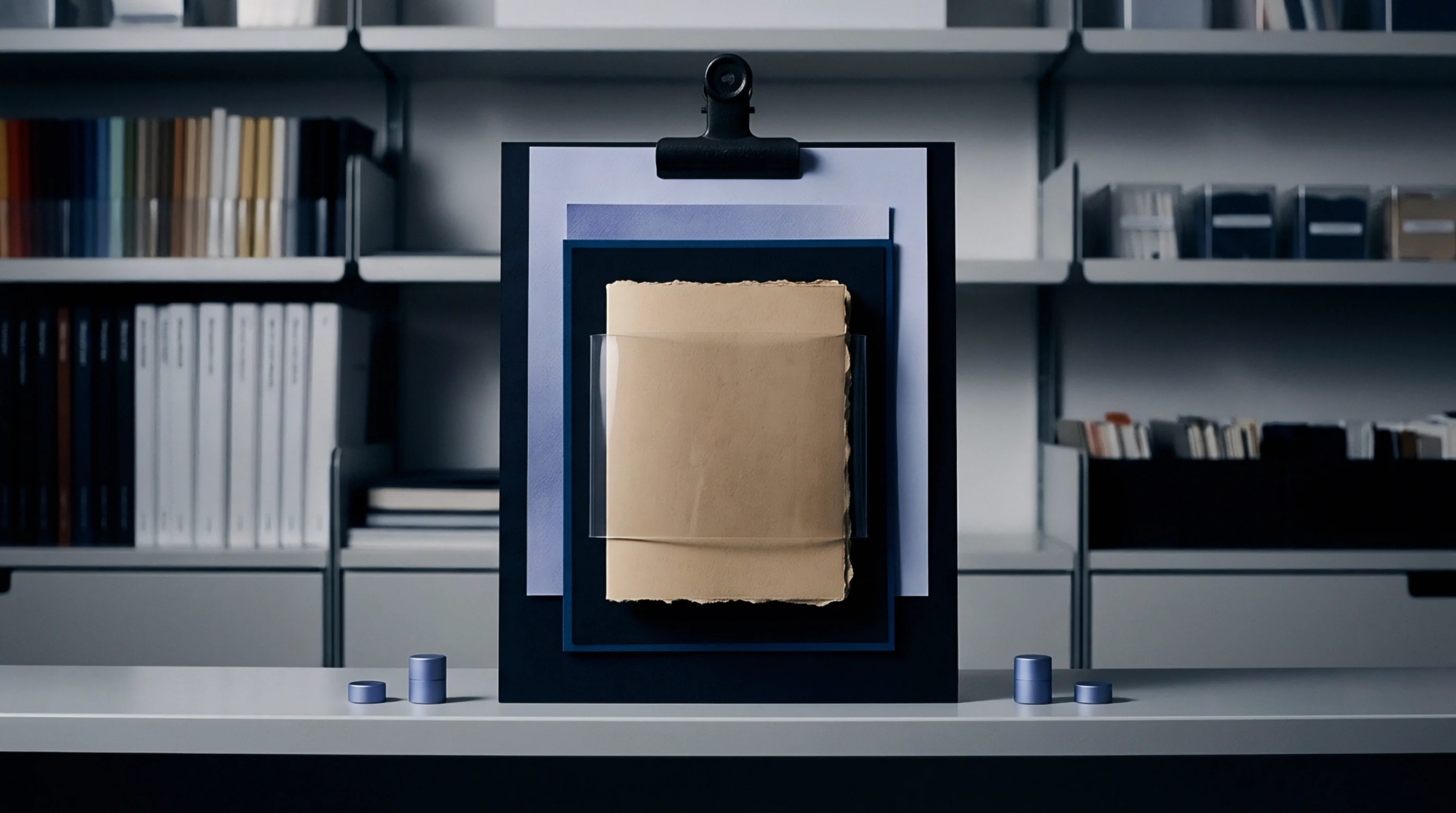
Standard addition headspace gas chromatography corrects polyethylene matrix bias to ensure accurate residual solvent quantification in flexible food packaging.
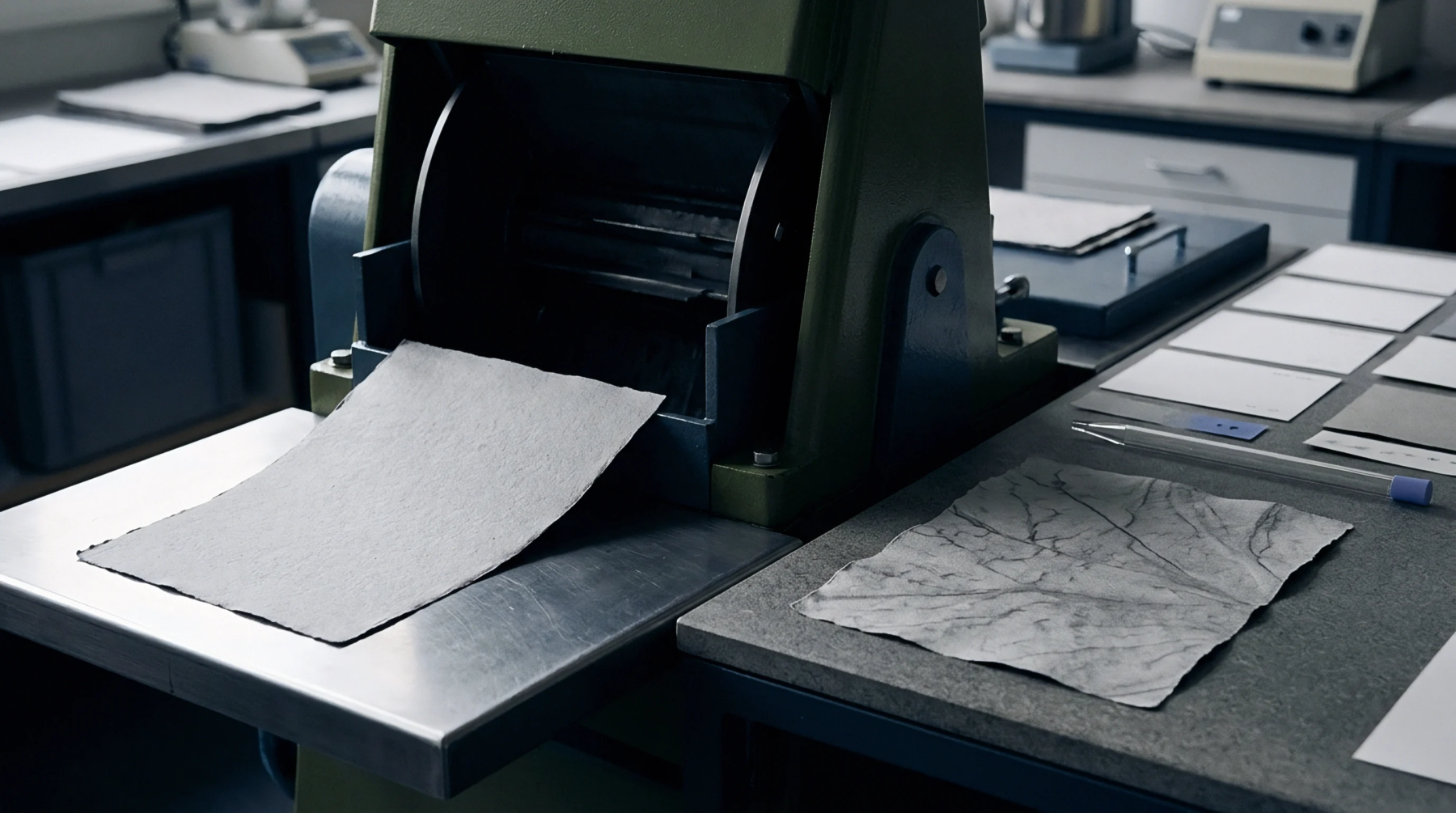
Matrix-driven partition coefficient shifts cause static headspace analysis to understate polar solvent residues in polyurethane laminates by up to 35 percent.

Static headspace gas chromatography quantifies volatile residues in cartonboard to verify that converting passes meet food packaging migration safety limits.
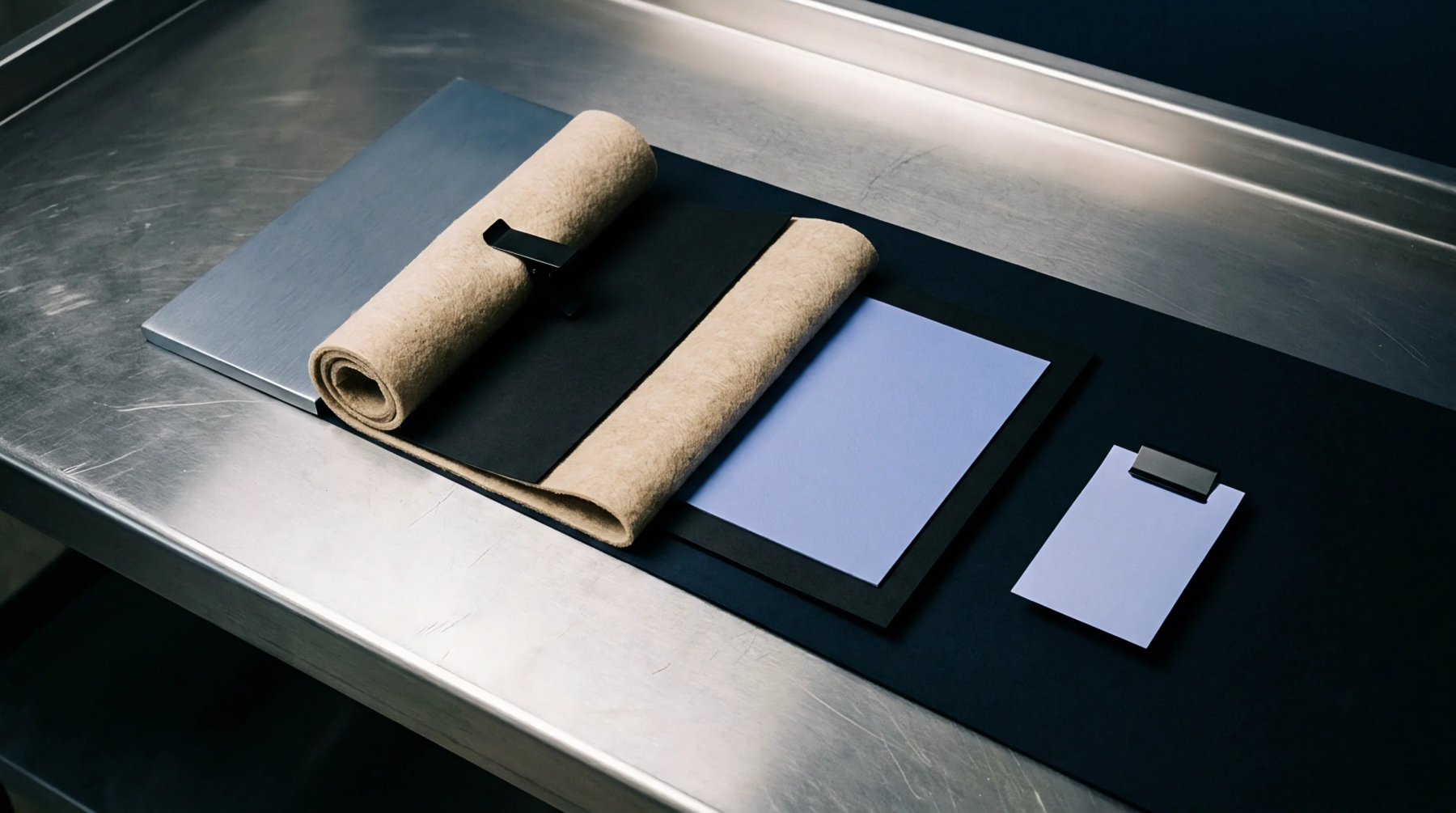
Laboratory recyclability metrics overstate industrial pulper yields by failing to replicate production consistency, shear dissipation gradients, and dwell limits.

Coupled moisture regain and stress relaxation in recycled containerboard cause rapid emboss relief loss and warp, requiring heated tooling and strict humidity bounds.
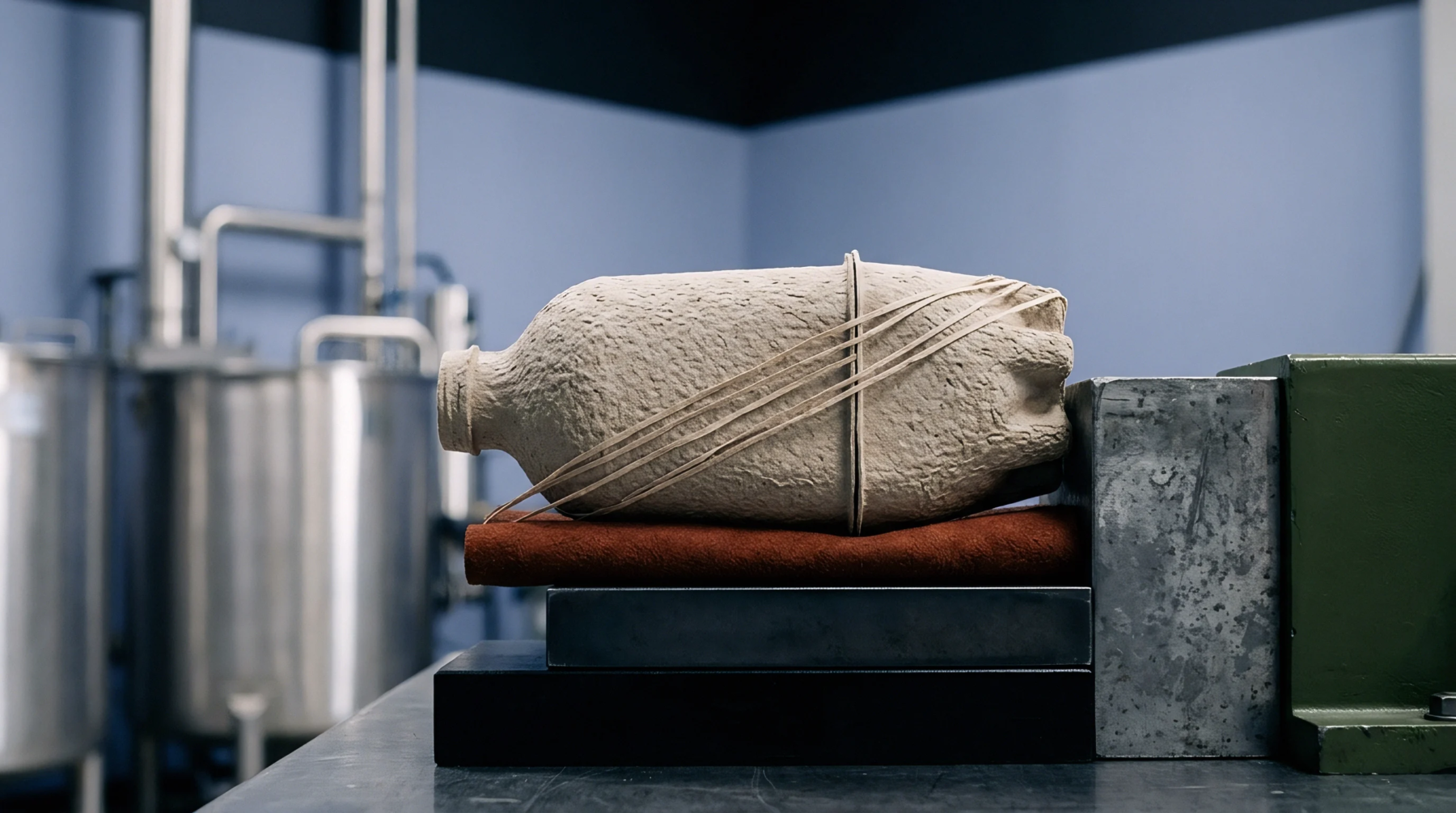
Standardized pulp disintegration protocols define packaging recyclability classes by measuring dry accepted fiber against screen rejects under calibrated shear.
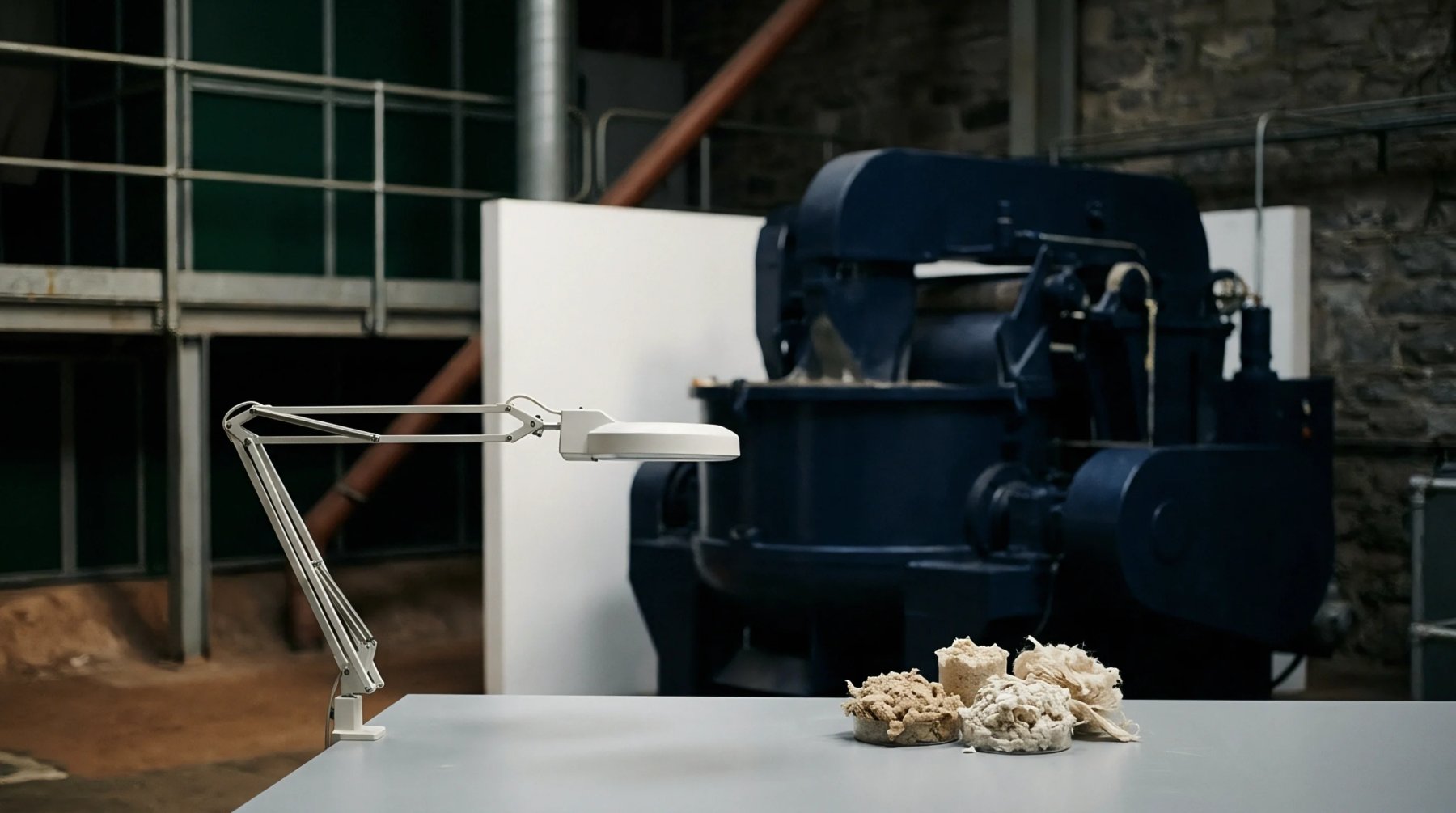
Laboratory slot geometry wear and edge rounding artificially inflate accept fiber yields, invalidating pulp quality grades and recyclability compliance dossiers.
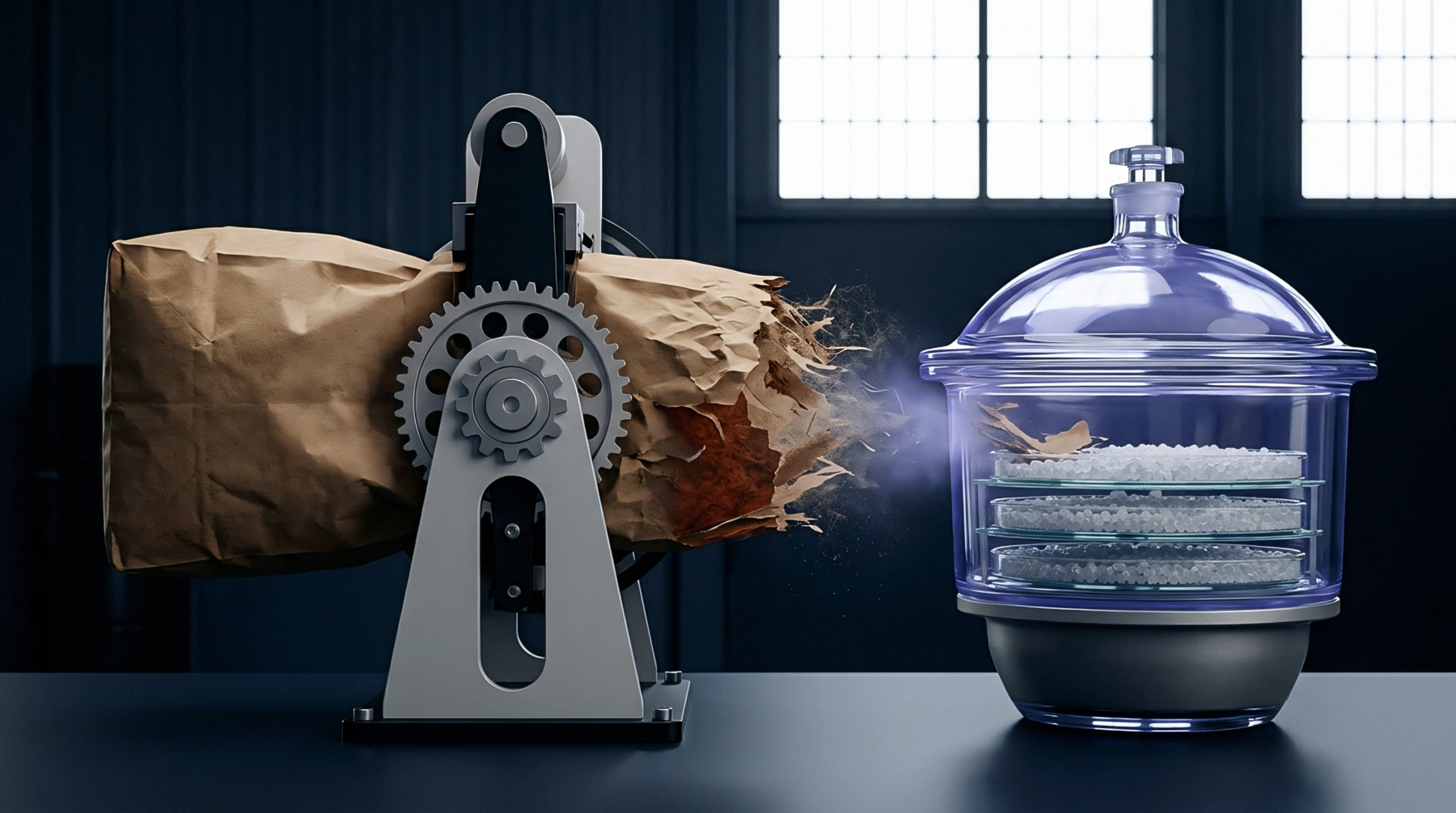
Heat embossing lowers boxboard creep resistance by disrupting fiber bonds, demanding higher safety factor allowances in carton top-load calculations.
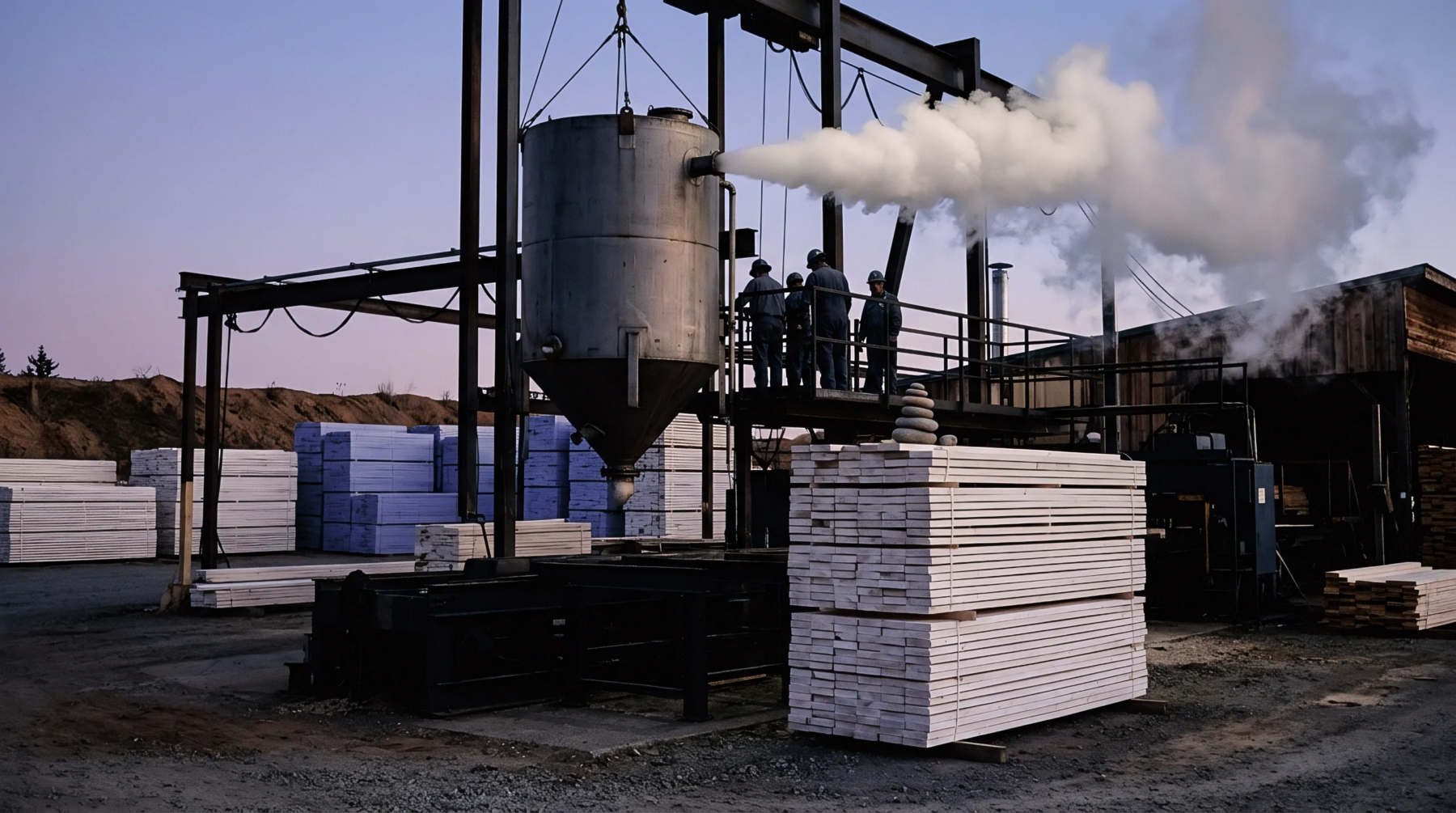
Thermal pressure collapses hornified recycled fiber networks permanently, driving localized caliper loss, blister delamination, and scoreline failures on converting.
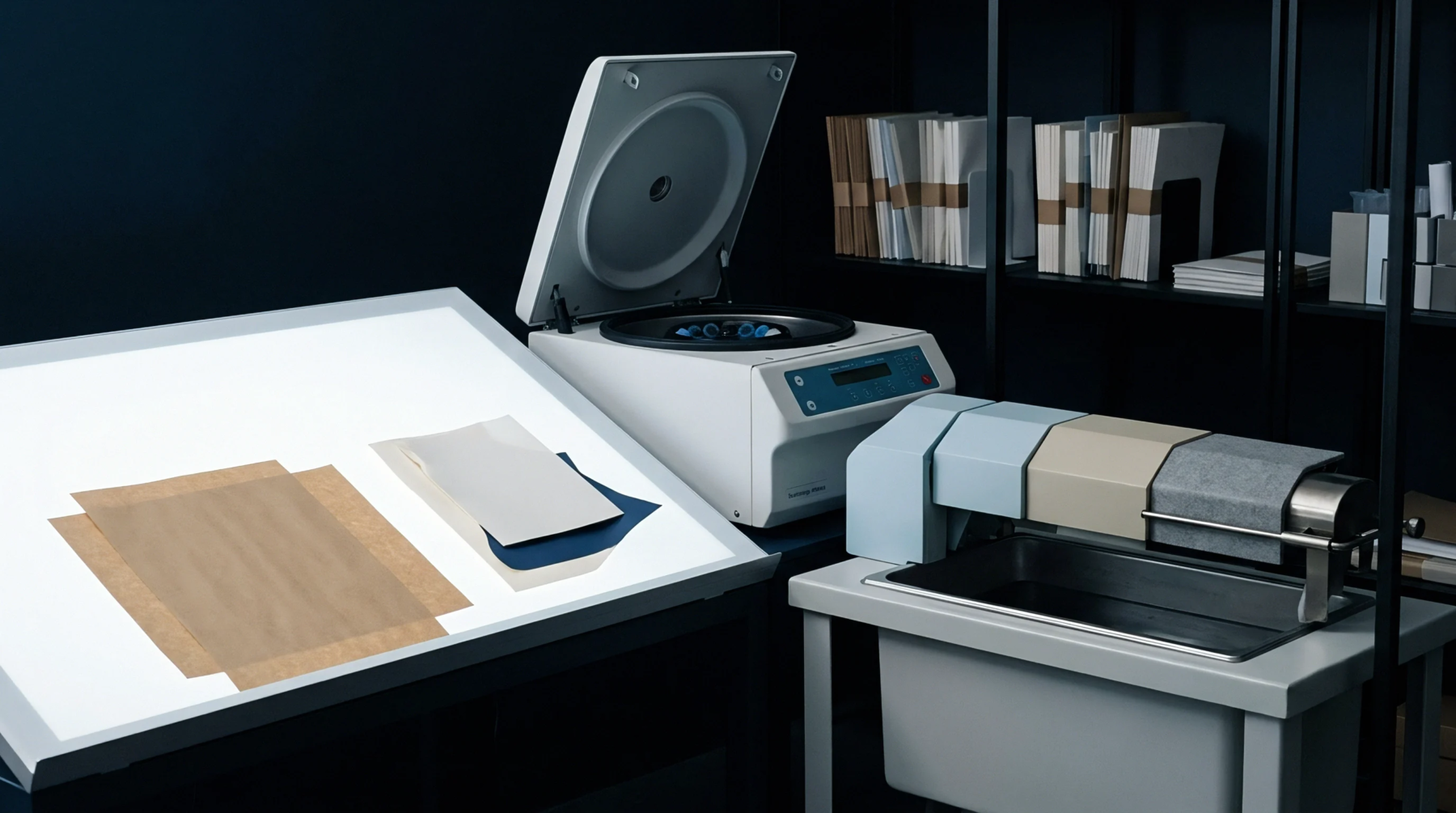
Paperboard repulpability testing verifies fibre yield and adhesive contamination under standardised laboratory disintegration to validate recyclability claims.
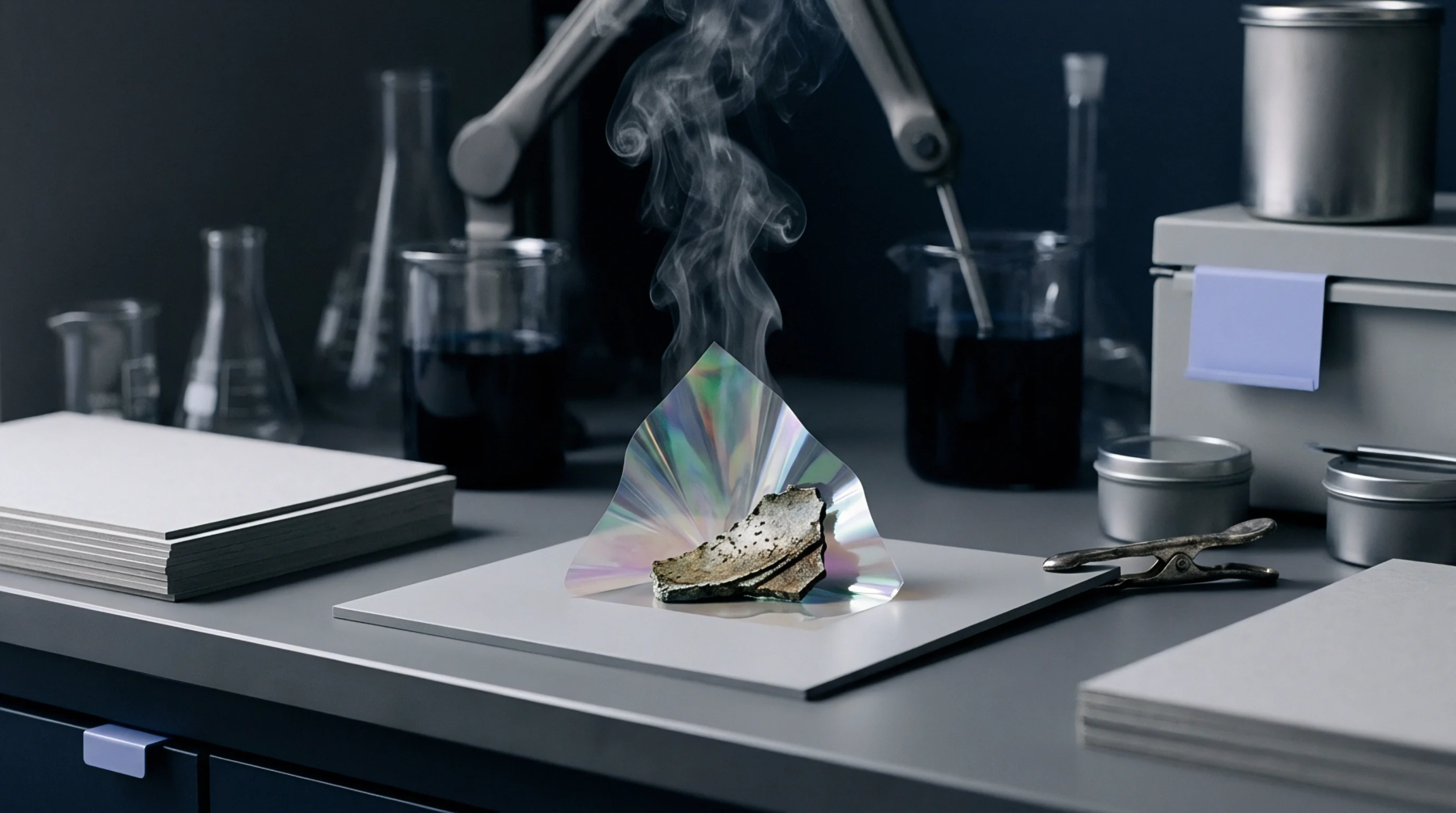
Stabilizing cylinder temperatures at twenty-six degrees Celsius limits fountain water pickup, keeping cross-direction sheet expansion below critical register.
Boundary tolerances for deinked pulp require batch testing under DIN EN 16995, limiting MOSH below 24 mg/kg and MOAH below 0.5 mg/kg with verified barriers.

Prepress downscaling contracts vector artwork to compensate for predictable brass die thermal expansion at hot stamping press operating temperatures.
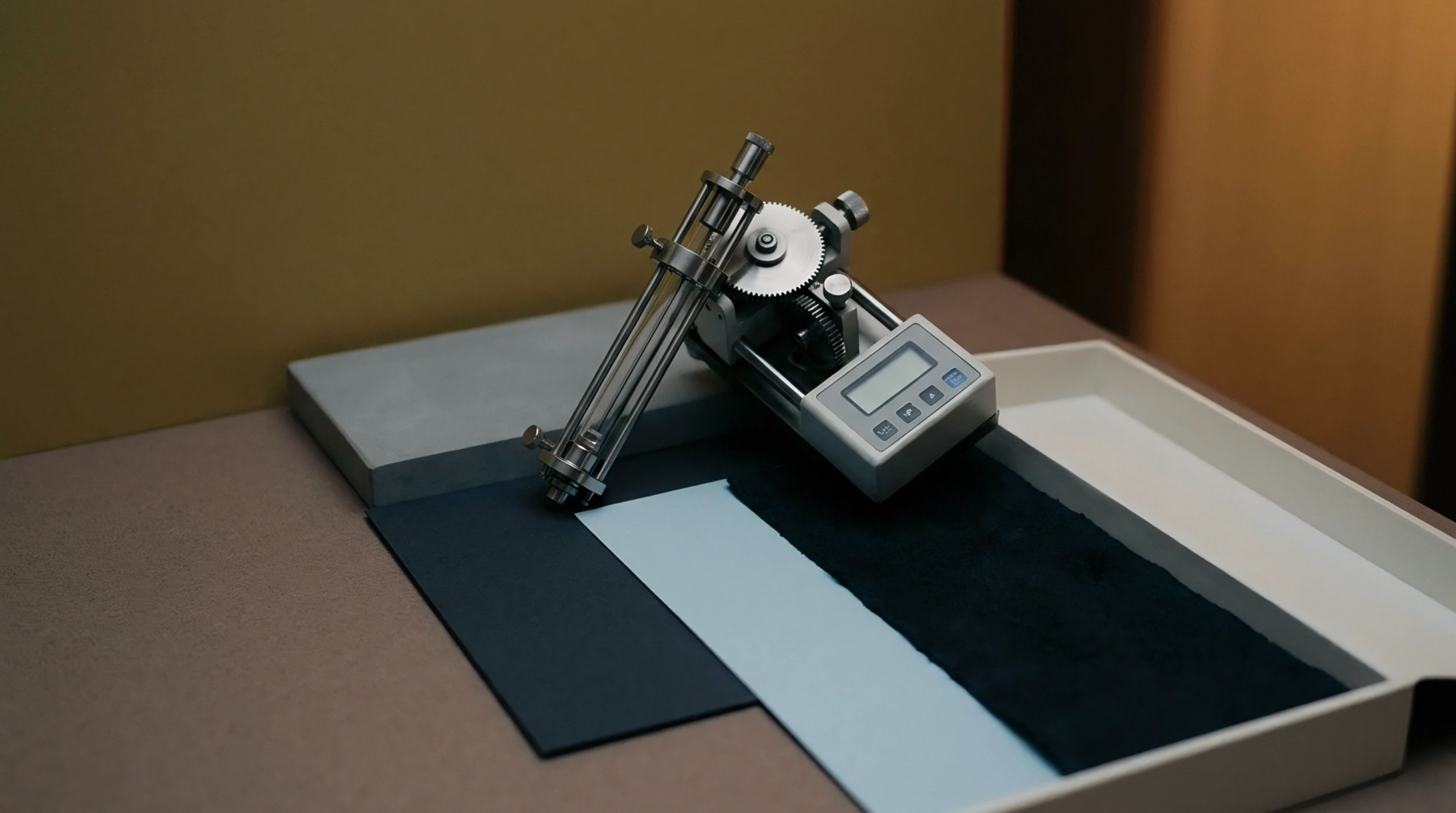
Controlling vacuum deaeration and dynamic contact line capillary numbers below critical thresholds prevents microbubble pinholing in high-speed barrier coatings.
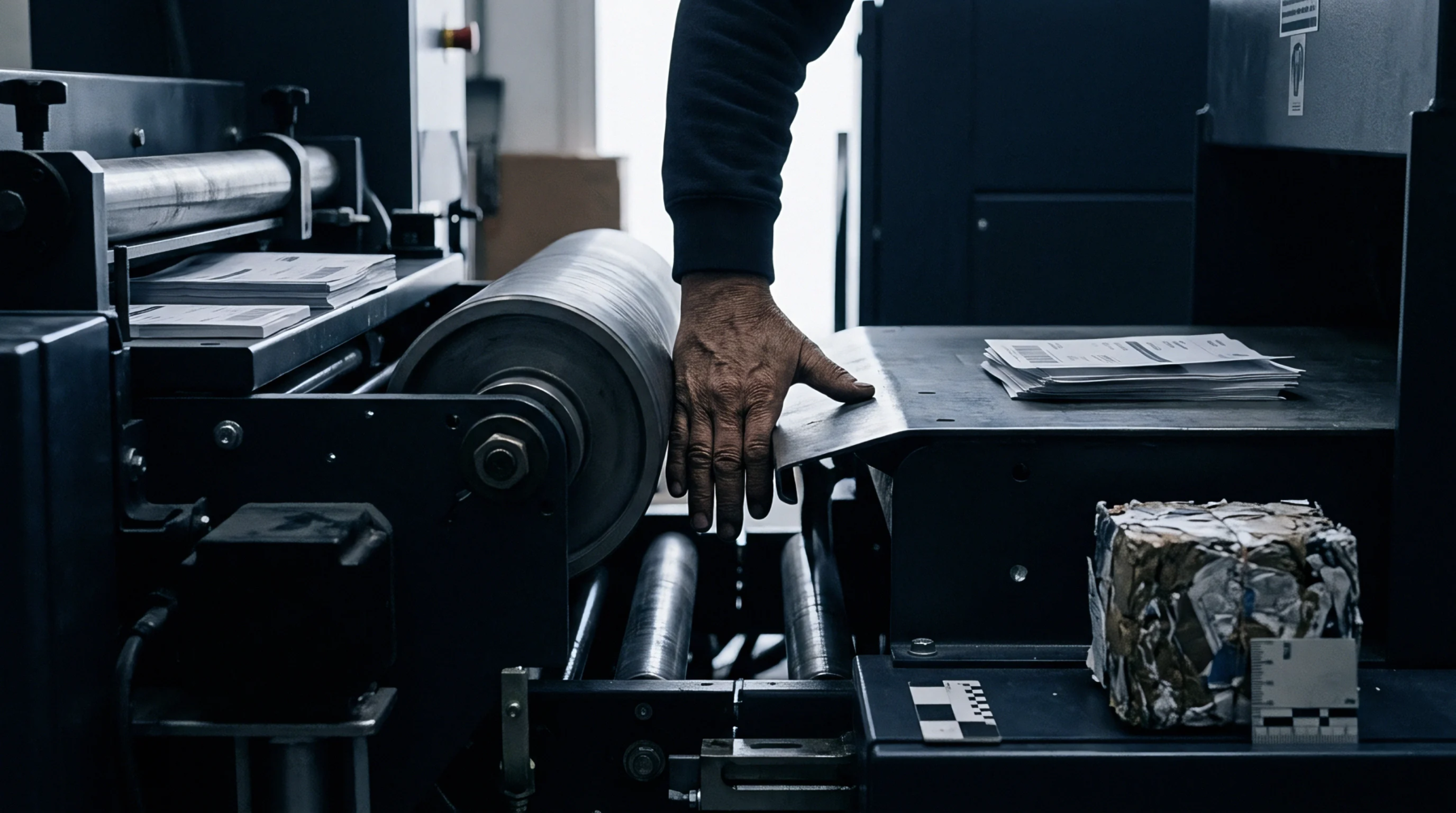
Reconciling mass balance packaging claims under European rules requires verifying fuel-exempt proportional credit allocation across certified chain of custody files.

Calculate hot foil die shrink factors using exact alloy thermal coefficients and measured platen temperatures to prevent multi-millimeter register errors.
Controlling chamber hydraulic pressure, sump temperature, and associative rheology stabilizes dispersion viscosity and maintains target barrier coating weights across long runs.

Select open-channel anilox engravings delivering 12 to 32 cm³/m² to lay down pinhole-free aqueous barrier films matched to paperboard roughness and sizing holdout.
Verify mill certificate scopes by cross-checking registry product lines, invoice claim text, and mass balance records against strict ISO 14021 definitions.

Dynamic delamination in recycled board stems from hornified short fibers in middle plies, requiring balanced starch and scoring geometry to prevent conversion splits.
Expertise is a utility, not a secret. sentiention™ publishes its working knowledge as open reference: intelligence layer covering the materials it sources, the markets it enters, and the reference that serves both.