Raw Fibre Input Ratios in Multi-Ply Board Processing
Controlling virgin chemical-to-mechanical ratios across multi-ply board dictates flexural stiffness, barrier integrity, and customs duty classifications.

Controlling virgin chemical-to-mechanical ratios across multi-ply board dictates flexural stiffness, barrier integrity, and customs duty classifications.
Inline piezoelectric acoustic sensors detect internal board ply fracture during rotary scoring, enabling real-time crease depth control and waste reduction.

Packaging recyclability under European standards demands finished-pack accredited laboratory pulping tests proving eighty percent usable fiber recovery.
Kinetic modeling predicts laminate failure by coupling additive diffusion rates to critical monolayer accumulation thresholds at the adhesive interface.
Controlled interlaminar delamination during high bulk boxboard creasing requires widened matrix channels to fracture low-density cores without breaking liners.

Wood extractive flux from mechanical pulps degrades coating adhesion and heat seals unless base sheet acetone extractives remain strictly below 0.6 percent.
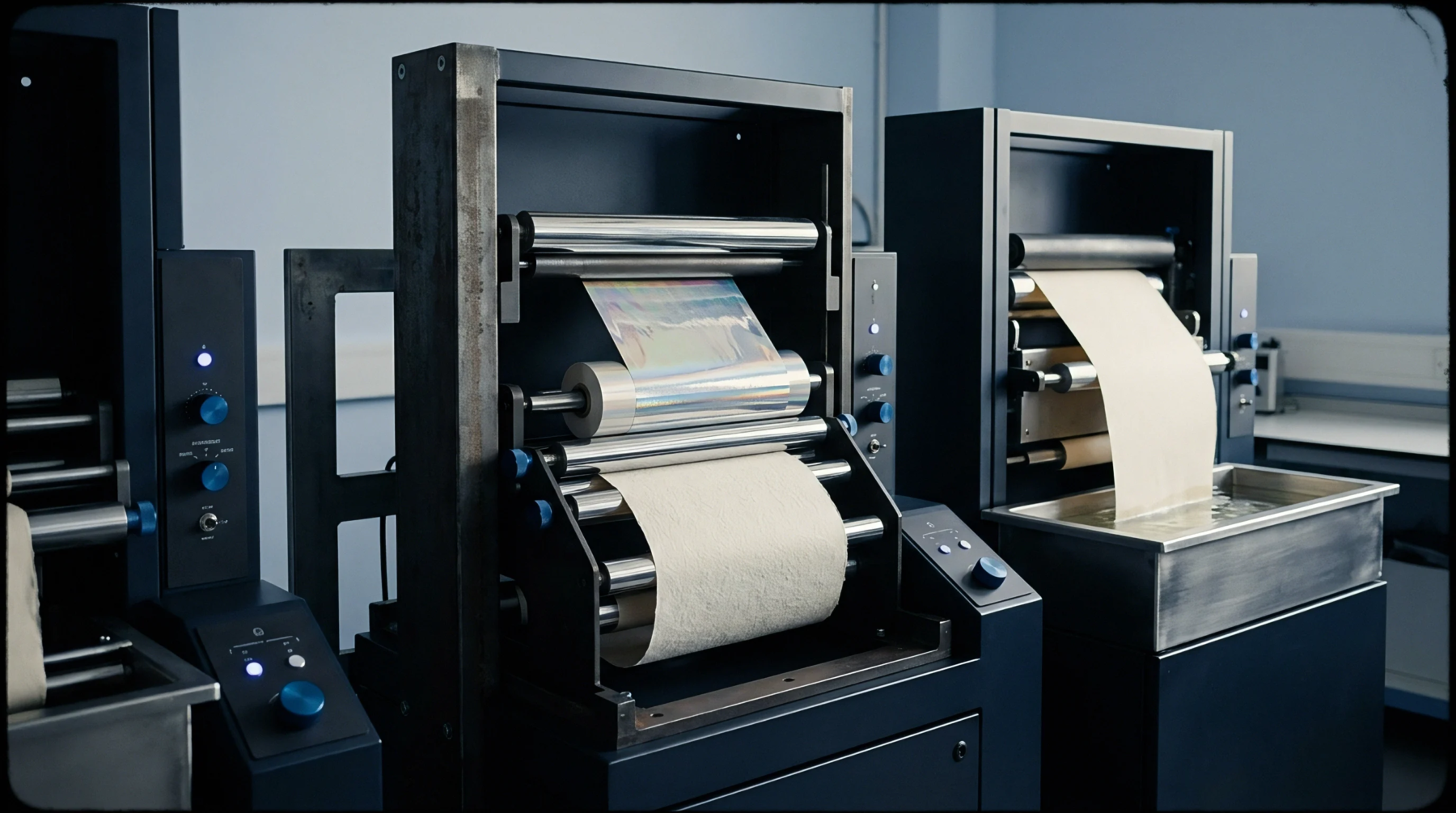
Inline corona discharge stabilizes polyolefin wetting immediately ahead of coating passes, mitigating inventory decay caused by additive migration.
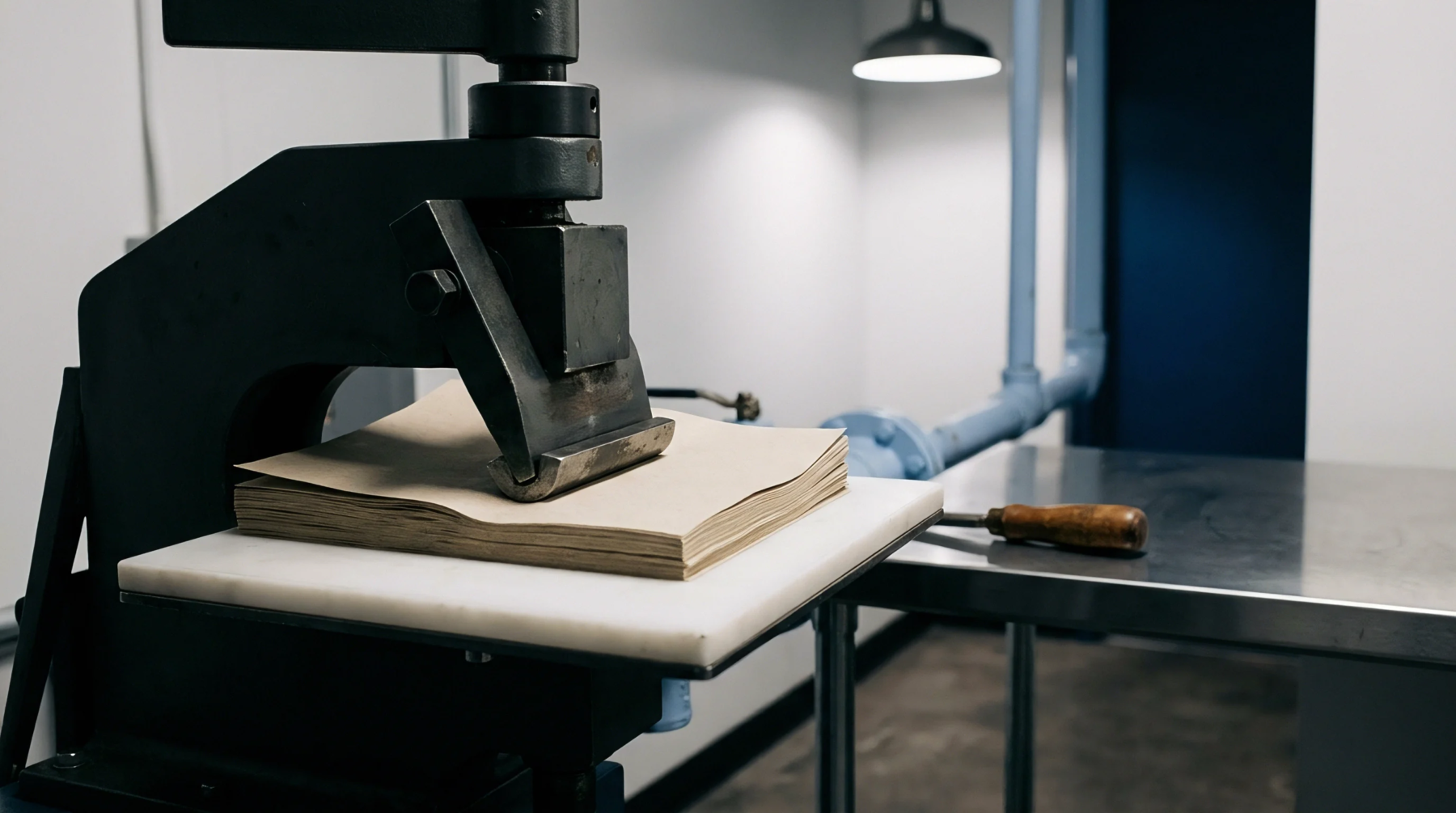
CTMP core plies maximize packaging board bending stiffness at lower basis weights, lowering landed carton costs despite lignin brightness reversion limits.

Verify polyolefin surface energy via multi-liquid contact angle goniometry using OWRK analysis to separate polar and dispersive components before laminating.

Predicting delamination boundaries in down-gauged BCTMP board requires narrowing matrix clearance to match reduced core mass under millisecond impact.

Calculated boxboard bending stiffness loss under cyclic moisture must account for core transverse shear compliance, which cuts carton panel rigidity by 40 percent.
Dynamic contact angle hysteresis quantifies interfacial polyurethane degradation weeks ahead of mechanical bond loss by measuring polar dipole pinning.
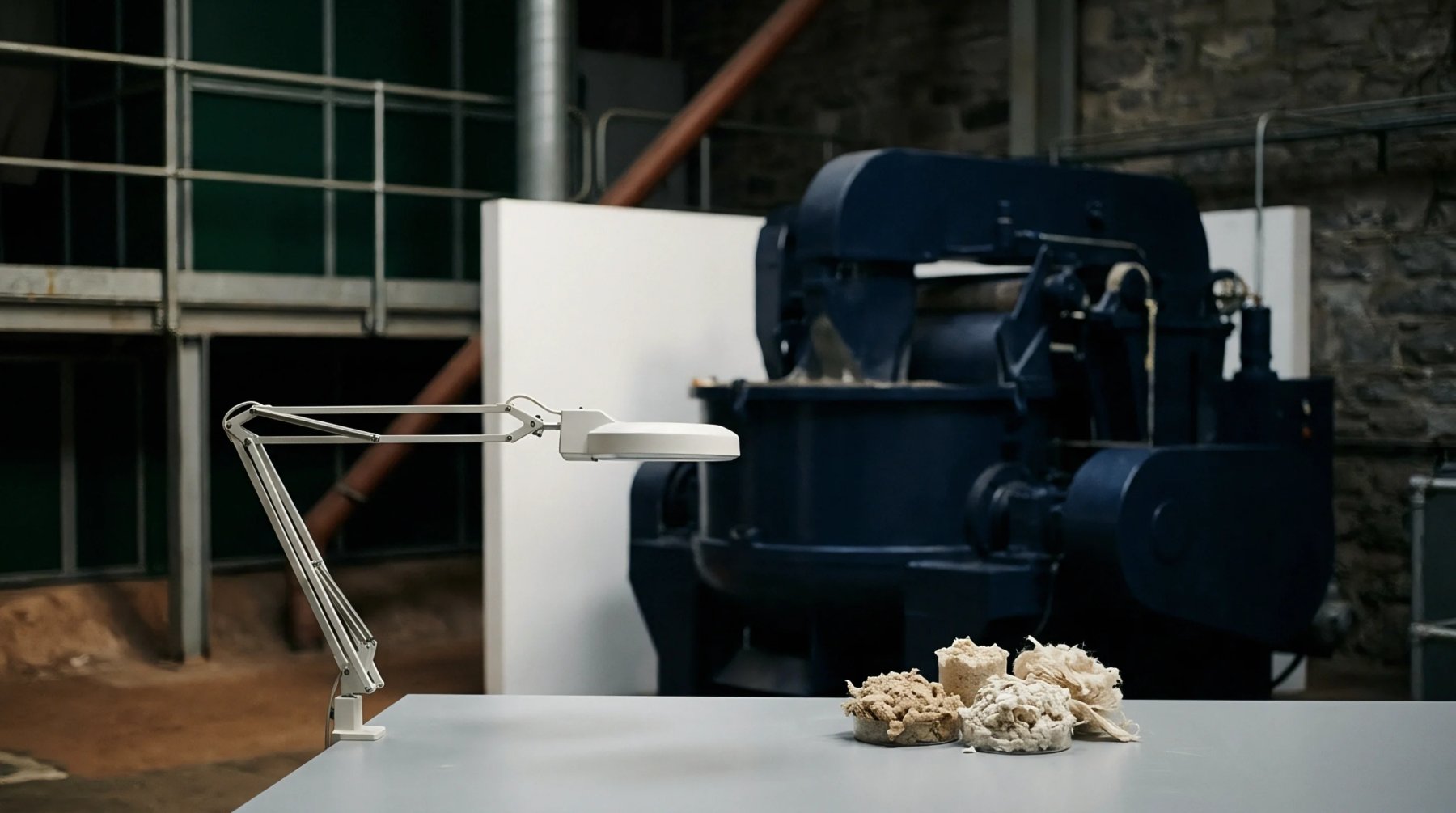
Optimize bleached pulp densification via low specific edge load refining and shoe pressing to flatten fiber lumens without sacrificing critical sheet caliper.

Owens Wendt contact angle analysis isolates polar from dispersive surface energy, preventing lamination failure caused by unreliable single-value dyne pen readings.
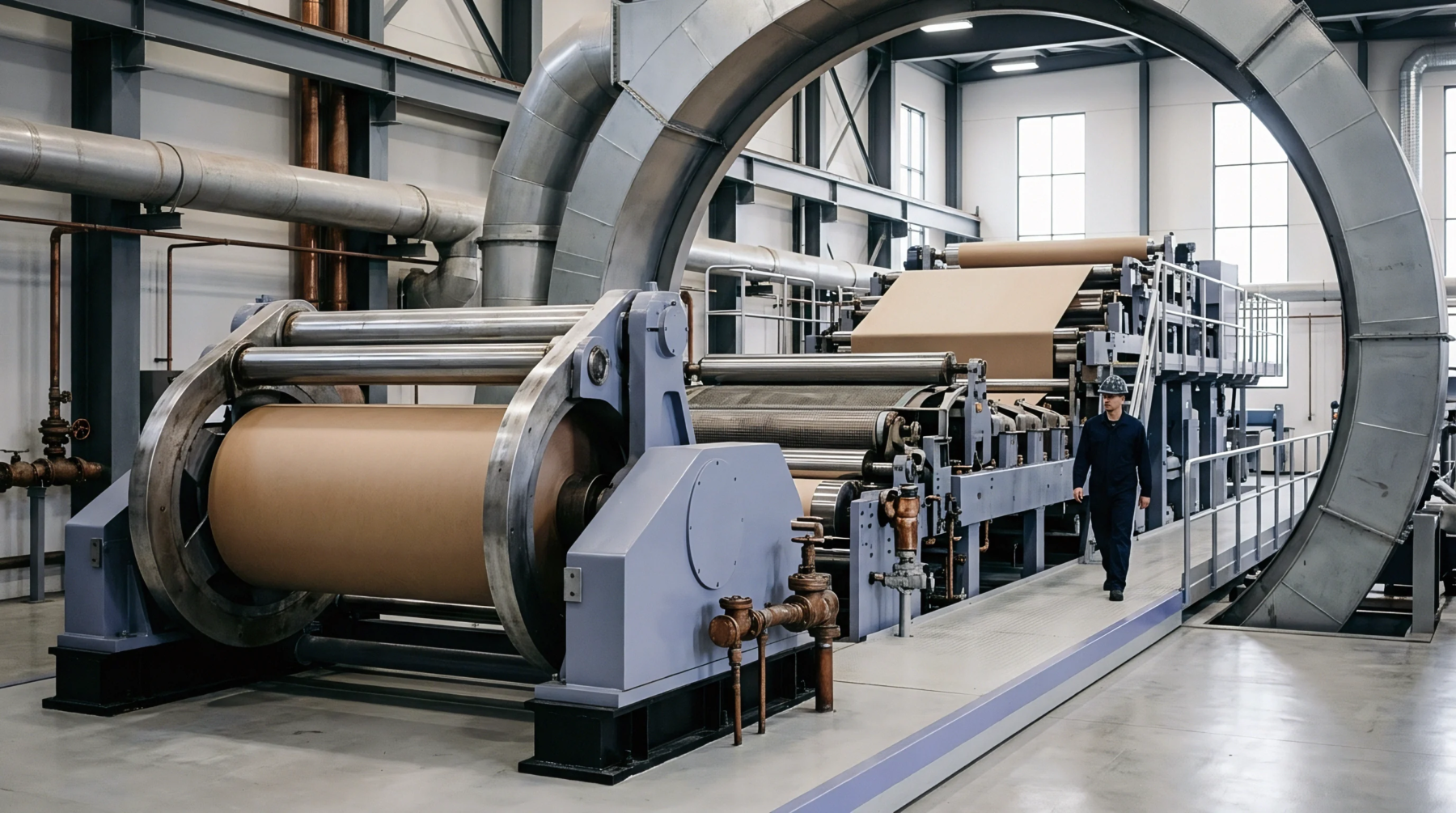
Recirculating synthetic dispersion barrier broke accumulates micro-stickies in mill water loops, blading screens and dropping fiber repulping yields over time.

Microfibrillated cellulose additions restore z-direction shear resistance in high hardwood cartonboard, preventing folder-gluer score delamination.
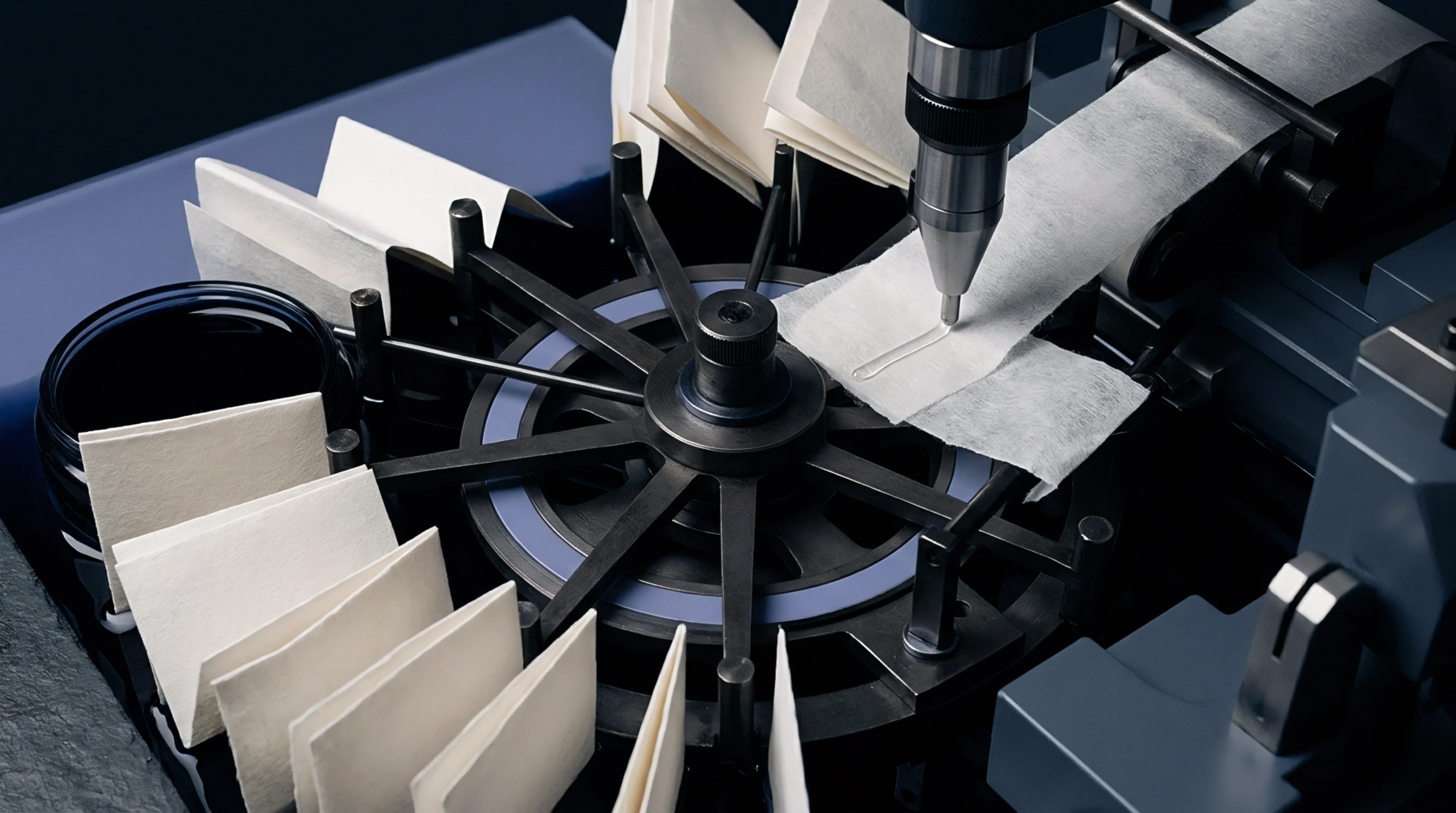
PPWR compliance requires paper substrates with barrier coatings to achieve 95% fiber recovery in Cepi v2 testing to secure Class A recyclability status.
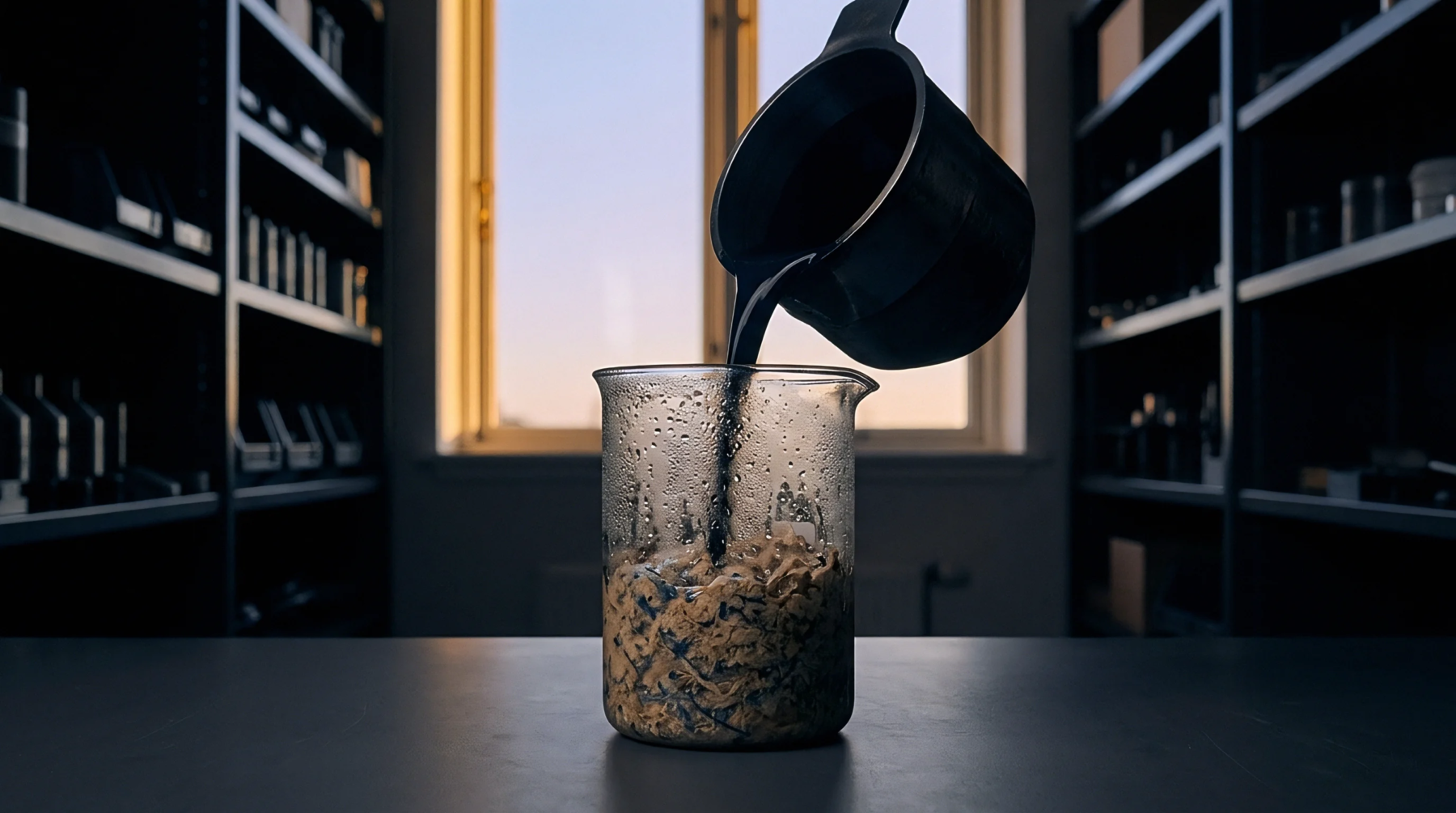
Migrating slip amides eradicate polar surface energy on polyolefins, slashing lamination adhesion work by twenty percent and causing catastrophic boundary failure.
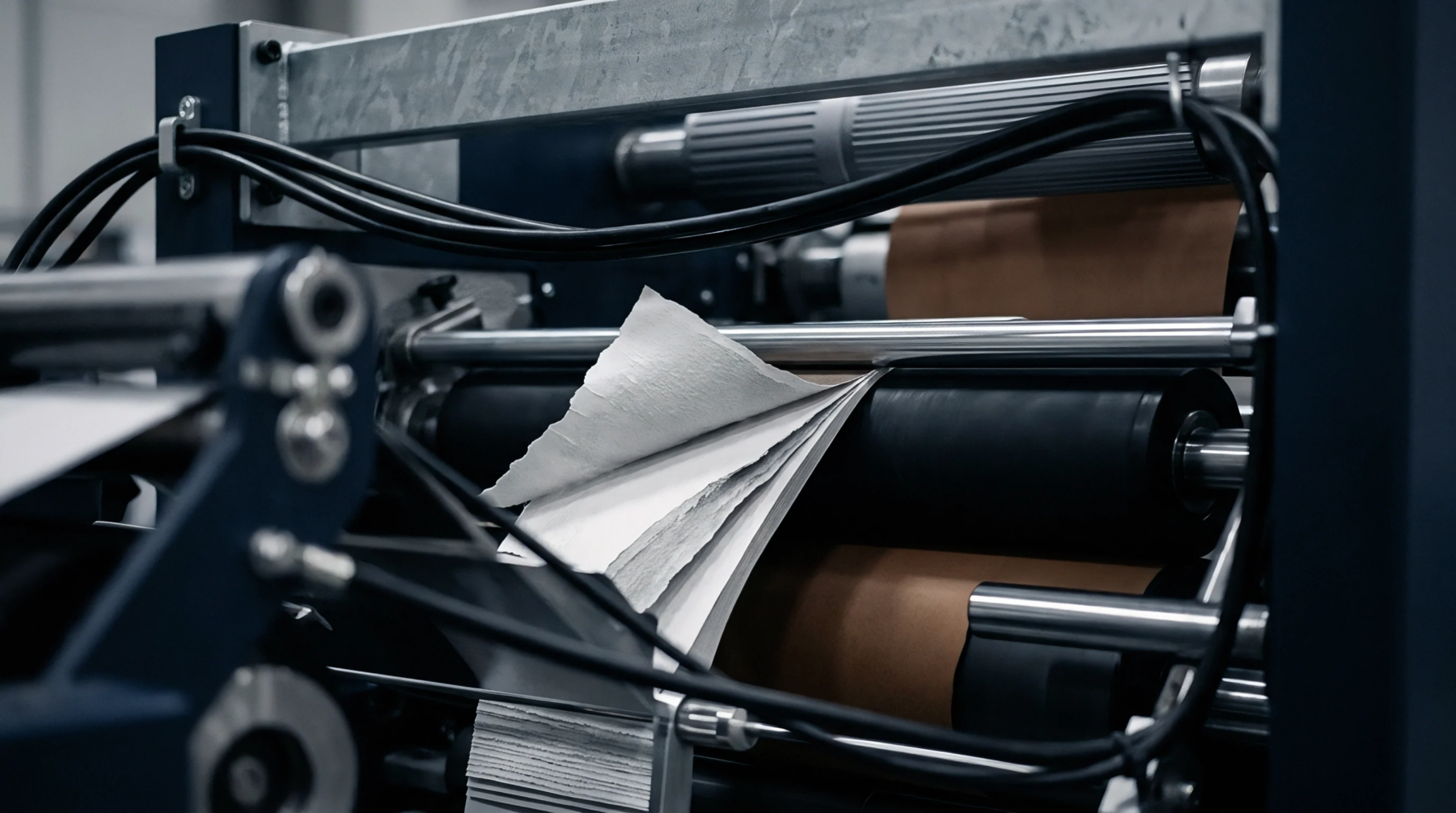
Tuning middle-ply CTMP density between 0.45 and 0.55 g/cm³ balances board flexural rigidity against vacuum porosity to prevent converting feeder misfeeds.
Corona discharge elevates polypropylene surface tension to forty-eight dynes per centimeter before hydrophobic recovery drops wetting below forty within days.
Polyolefin surface tension measurement relies on ASTM D2578 dyne mixtures and ISO 15989 goniometry to verify oxidation levels for reliable converting.

Dynamic phase shift algorithms separate thermal web creep from surface relief, eliminating false thickness readings that ruin barrier packaging runs.
Dynamic heat gradients deflect triangulation beams by altering air refractivity; laminar purge tunnels stabilize the optical path to restore micrometer accuracy.

Thermal expansion mismatches induce severe interlaminar shear stresses during web cooling, requiring matched web tensions and staged chill rolls to prevent tunneling.

Cross-border mass balance credits fail statutory import rules; buyers must mandate physical batch traceability and contractually shift customs hold liability.
Centralised credit accounts require plant-specific conversion factors and strict rolling FIFO schedules to prevent unearned claims and customs rejections.
Multi-site credit ledgers require continuous mass-balance reconciliation, strict scrap deductions, and geographic boundaries to prevent customs compliance failure.

Calibrate inter-deck lamp irradiance to dynamic cross-direction desiccation curves, preventing register wander across recycled plies without slowing web speed.
Polyoxymethylene partition coefficient calibration accurately quantifies mineral oil barrier performance, preventing over-engineering and border customs rejections.

Long softwood fibers maximize board bending resistance by increasing elastic modulus on outer plies while maintaining the caliper needed for flexural stiffness.
Expertise is a utility, not a secret. sentiention™ publishes its working knowledge as open reference: intelligence layer covering the materials it sources, the markets it enters, and the reference that serves both.