
Dynamic Crease Relaxation Kinetics in Water-Coated Solid Bleached Sulfate Board
Water-coated SBS board requires wider female creasing channels to offset aqueous polymer springback and prevent high-speed folder-gluer carton failures.
Water-coated SBS board requires wider female creasing channels to offset aqueous polymer springback and prevent high-speed folder-gluer carton failures.
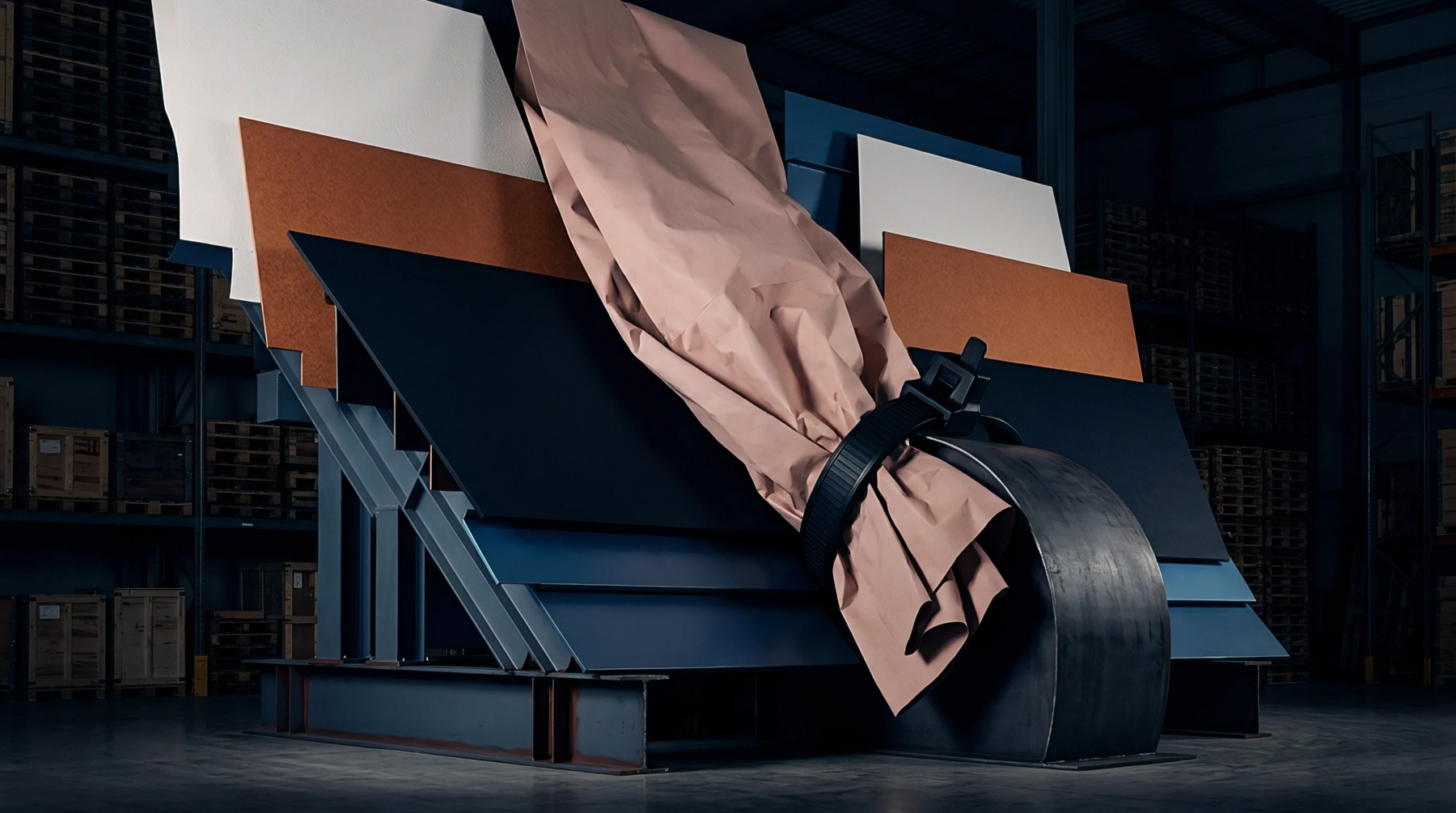
Water sorption depresses latex film glass transition temperatures, slashing barrier composite stiffness by up to 45% and requiring controlled crosslinking.
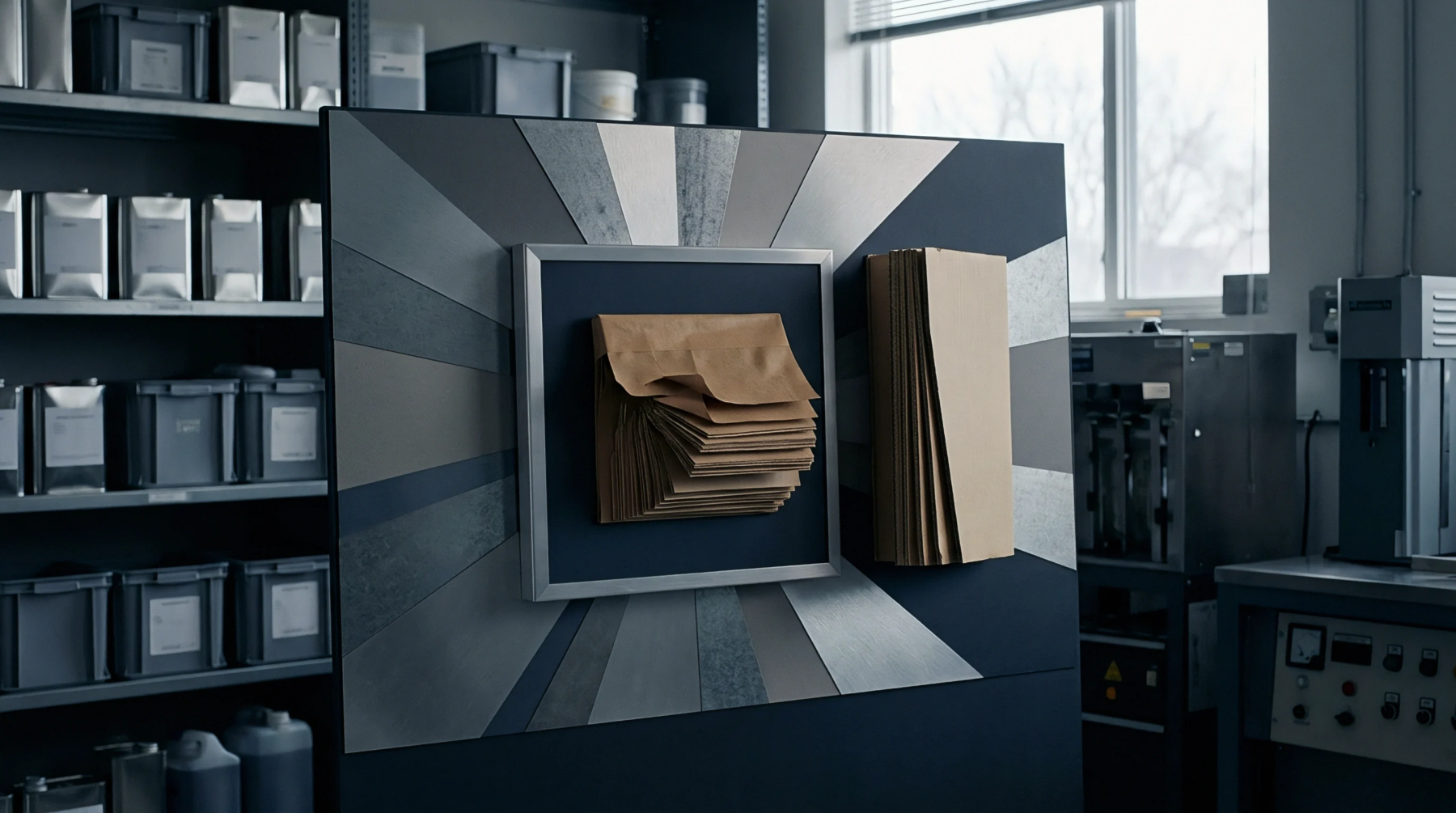
Dynamic bending moments and vacuum permeance limits dictate feeder acceleration bounds and suction flow rates on recycled cartonboard conversion lines.
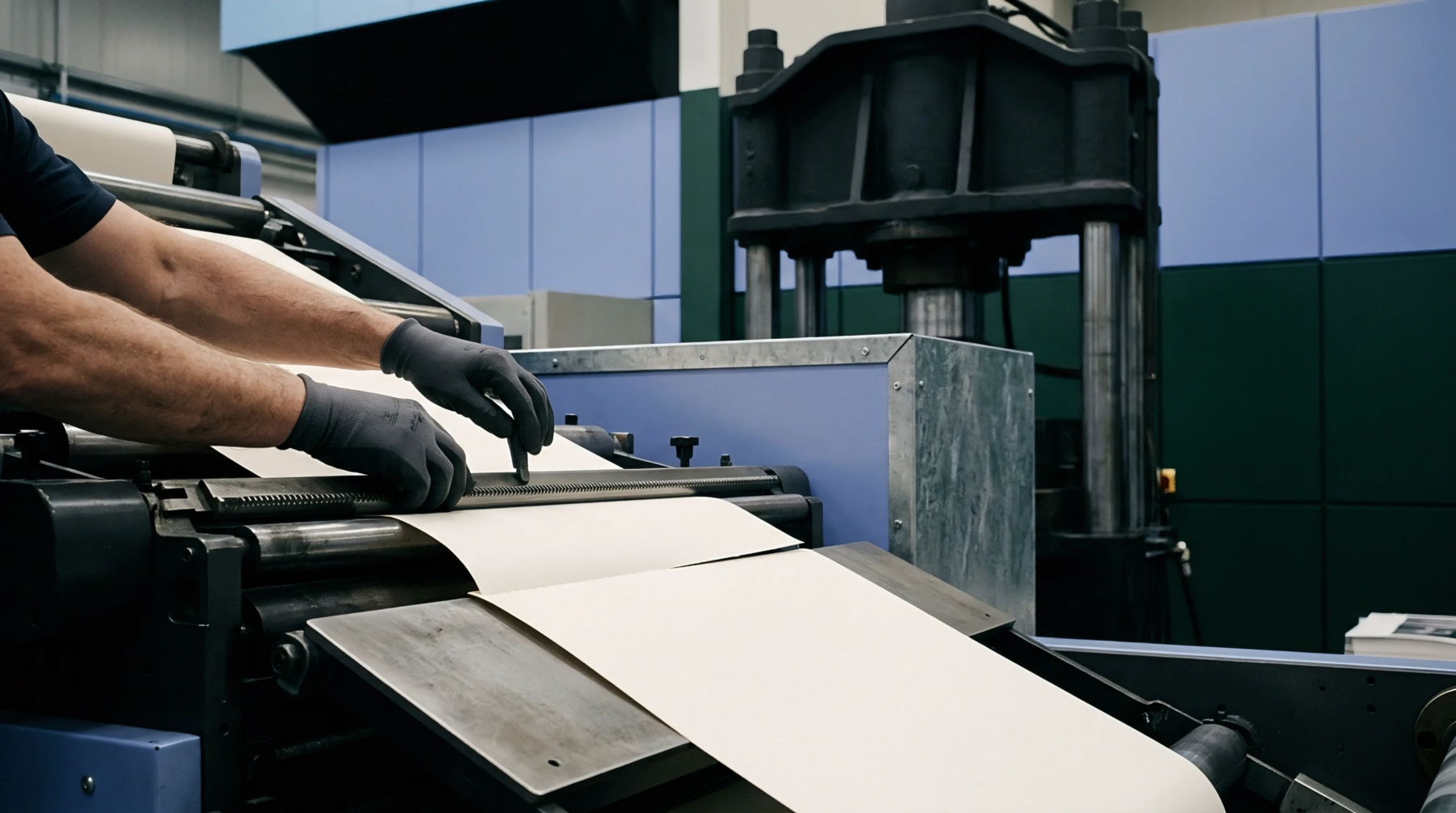
Nesting carton blanks across web deckles saves converting trim but rotates crease lines against machine grain, escalating carton erection failures at speed.
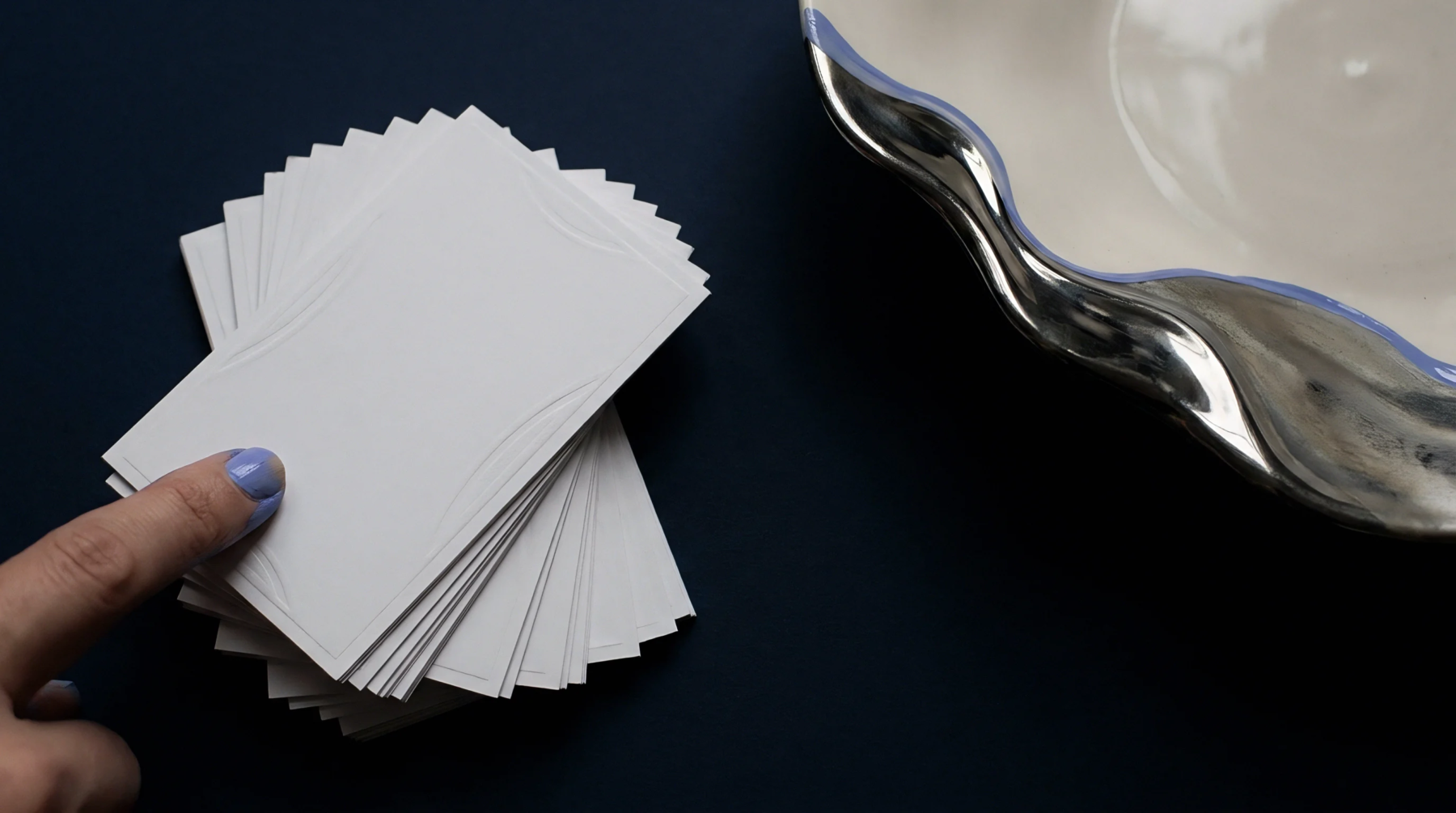
Aligning paperboard machine direction perpendicular to the pull axis maintains panel flatness under suction, preventing extraction jams at high machine speeds.
Matching grain direction and accounting for cross-direction hygroexpansion coefficients prevents multi-pass register drift and die-cutting layout waste.
Calculating multi-pass web trim and spoilage requires compounding side-lay allowances, make-ready setup sheets, and hygroexpansive web expansion per pass.
Parent sheet yield optimization balances mill deckle widths, carton grain direction, and interlocking nested dies to lower delivered carton unit costs.
Low-tortuosity carbonate coatings and minimum 150 J/m² Scott bond prevent heatset web blistering by venting flash steam before internal core delamination occurs.
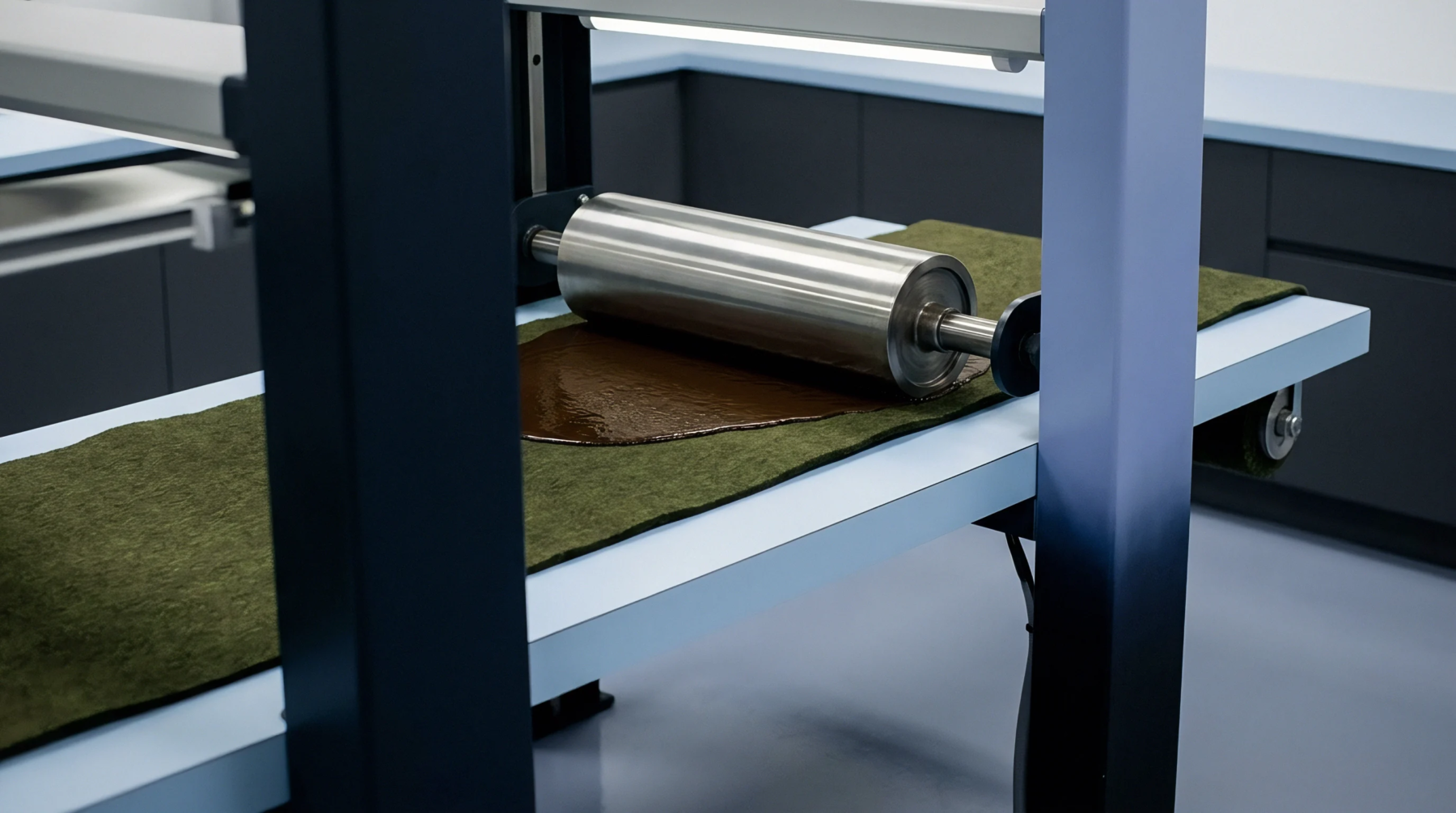
Mineral pigment shape dictates coating pore diameter, where narrow platelet networks accelerate ink vehicle separation and induce print chalking.
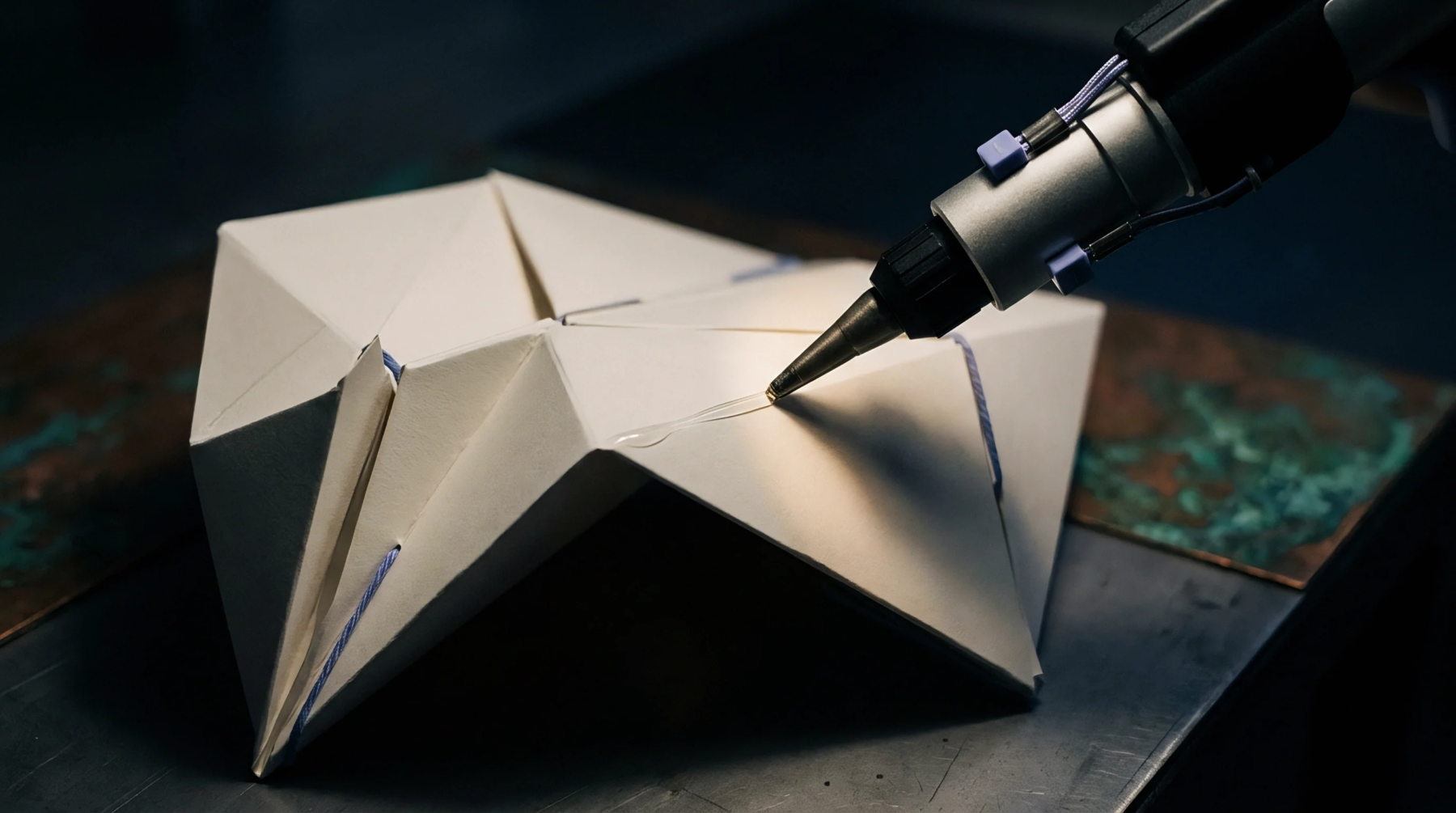
Standardized liquid penetration testing requires matching dynamic bench exposure times to press dwell durations to accurately predict coating performance.
Dynamic fluid intrusion kinetics in recycled substrates dictate spatial print mottle through hornified pore tortuosity and uneven capillary pressure gradients.

Intense refining of recycled fibres increases bonded area and collapses lumens, reducing optical scattering and requiring mineral fillers to restore opacity.
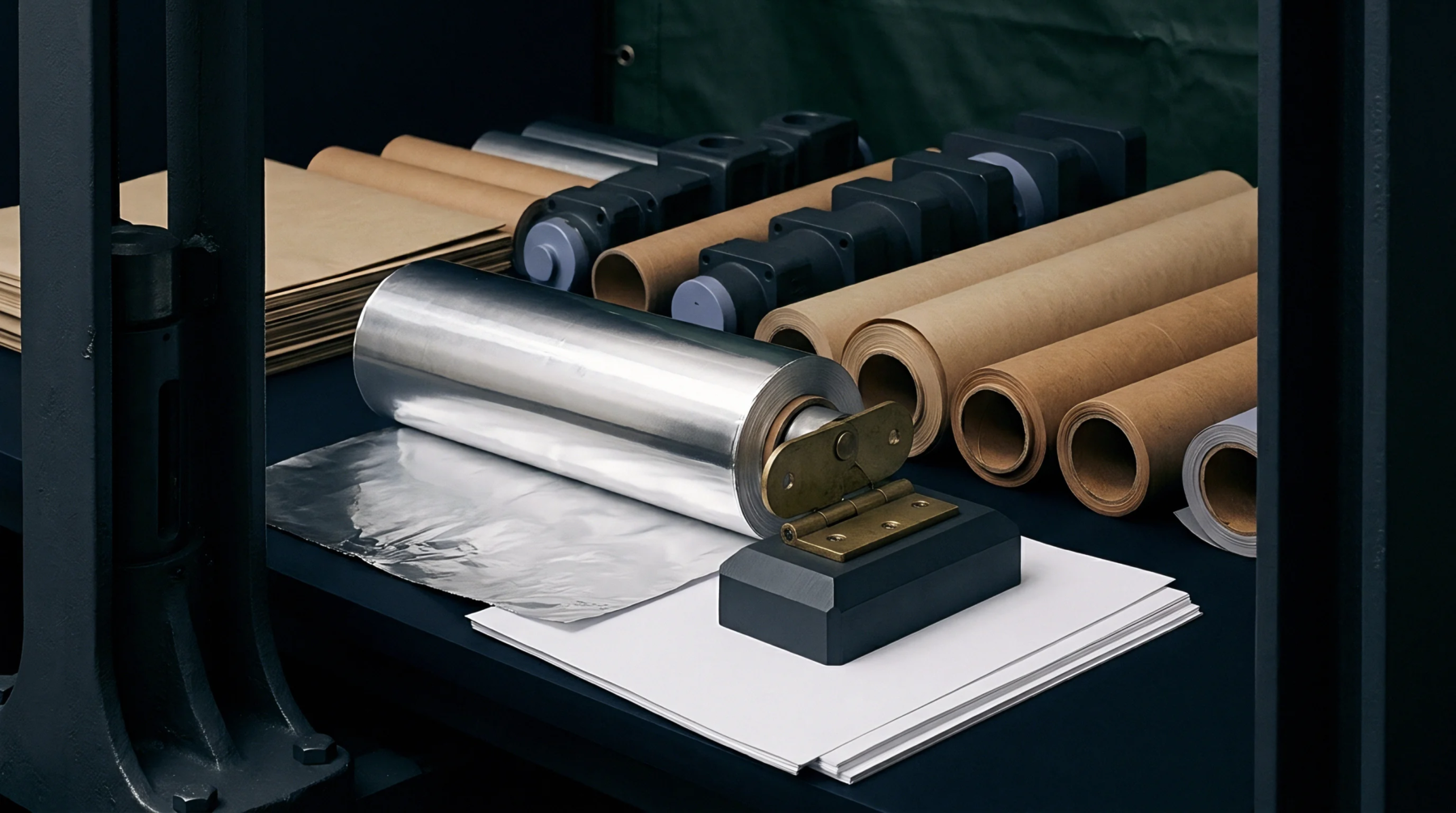
Dynamic microscale penetration testing resolves sub-second liquid absorption kinetics in recycled kraft linerboard to prevent converting failure.
Elevated humidity reduces Z-directional tensile limits by forty percent, demanding wider matrix channels and pressure-sensitive tape with high tack shear adhesive.
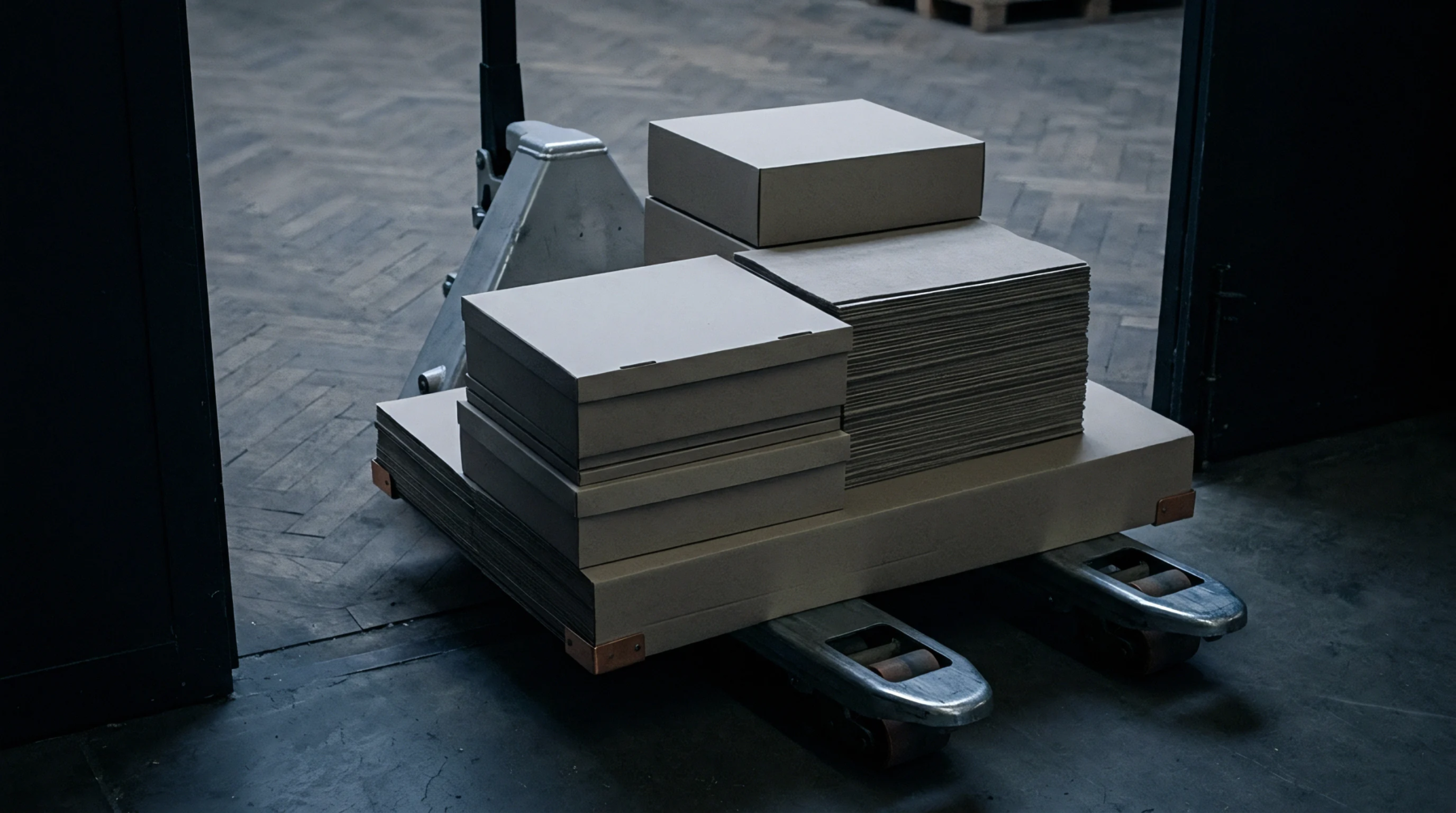
Selecting paperboard caliper and bulk requires balancing furnish density against flexural rigidity to maximize blank yield and carton compression strength.

Maintain crease depth penetration between 0.45 and 0.65 of board caliper with a 1.4 to 1.6 channel multiplier to promote internal shear and eliminate cracking.

ISO 20021 ultrasonic velocity testing determines machine direction fiber alignment in bleached board, where angles over two degrees trigger warp and score failure.
Controlling vacuum hydrofoil pressure gradients and press impulse prevents internal delamination in multi-ply recycled linerboard during converter scoring.

Shoe press peak hydraulic pressure must remain below wet web z-tensile limits to prevent core delamination in secondary fiber containerboard manufacturing.
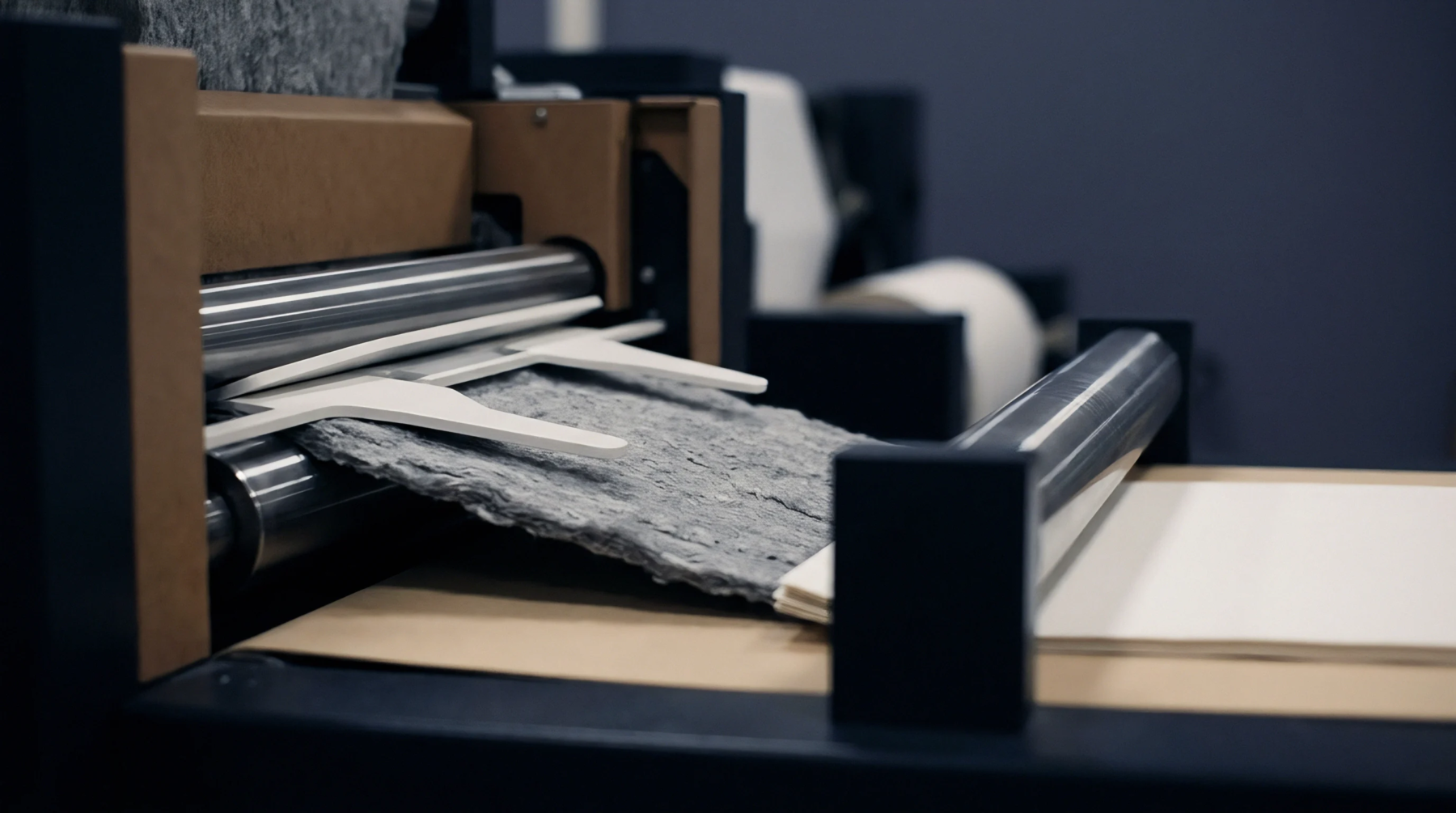
Dynamic moisture sorption in recycled containerboard accelerates mechanosorptive creep, requiring higher safety factors than virgin stock under cyclic relative humidity.
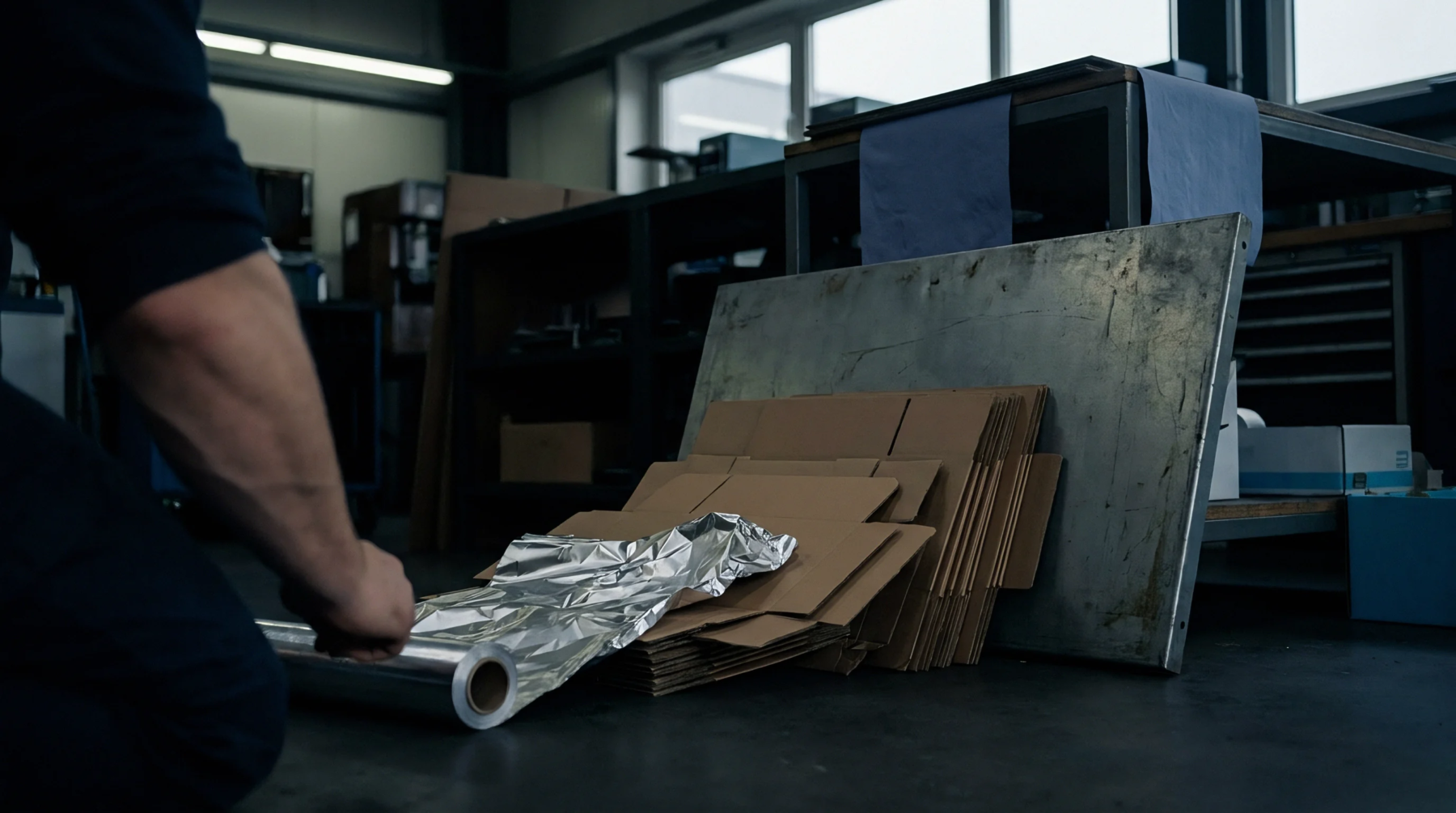
Paperboard moisture equilibrium dictates converting stability: matching substrate sorption hysteresis to hall humidity prevents carton cracking and register loss.
Subsurface light scattering in filled mechanical papers is governed by radiative transport modified for pigment crowding and internal surface reflection.

Uncoated paper porosity metrics govern liquid absorption and optical light scattering, requiring customized Yule-Nielsen spectral curves for print tone accuracy.
Verify tone value increase across offset papers by combining ISO 13655 M1 spectrophotometry with substrate-specific target curves and CTP plate linearization.
Unverified multi-mill energy pooling inflates containerboard costs by allocating group-wide fossil fuel spikes to efficient biomass-driven machine runs.
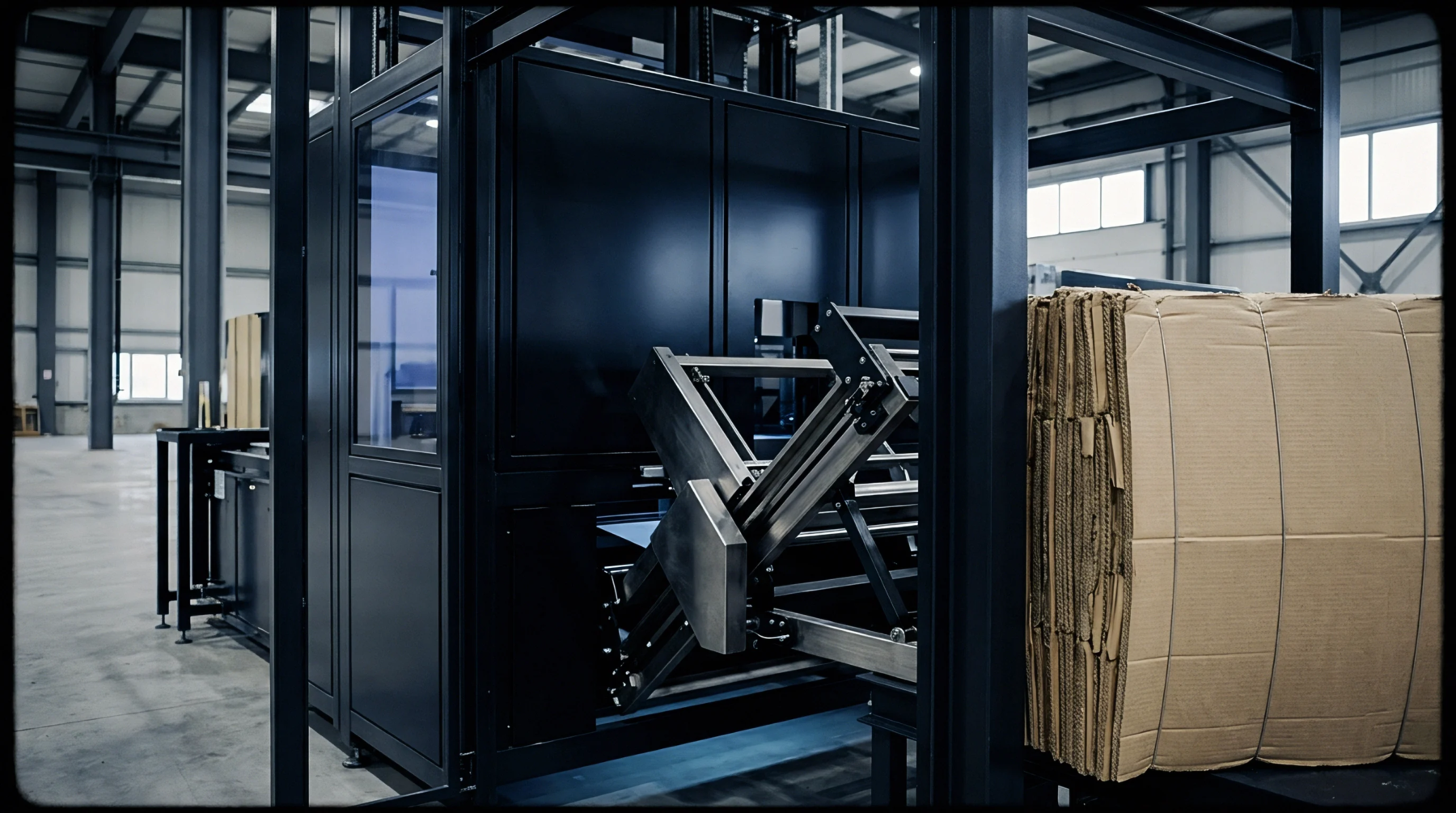
Unbundled gas surcharges index containerboard pricing to benchmark fuel hubs using capped mill heat rate factors to insulate core board costs from energy spikes.
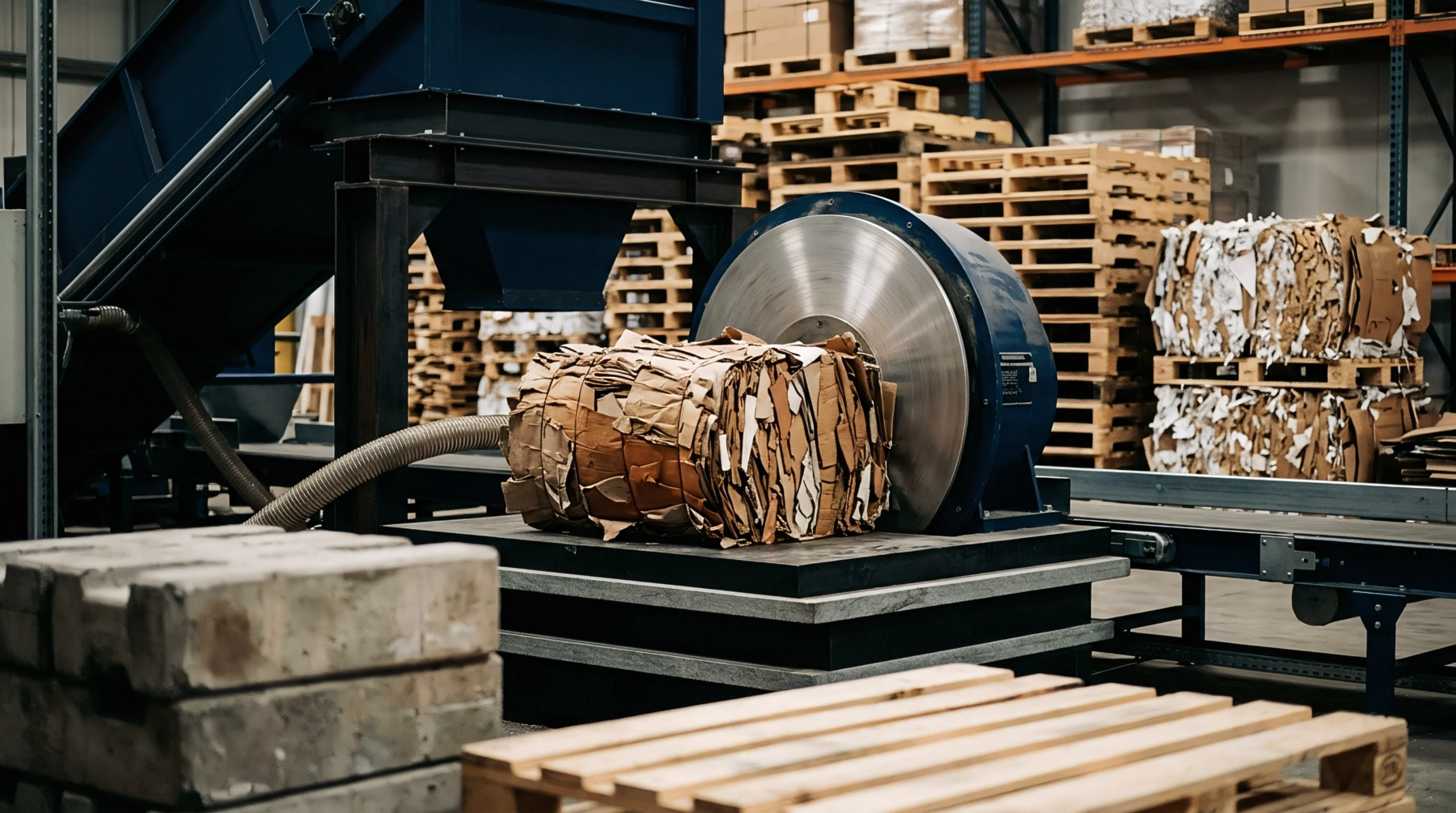
Energy surcharges require explicit baseline thermal ratings and index lags to prevent mill efficiency losses from inflating board prices.

Short span compression strength in recycled containerboard drops over 35 percent under ambient moisture shifts, requiring higher safety factors in box design.

BCTMP cores lower basis weight for target stiffness, but elevated humidity plasticizes lignin, accelerating score memory loss and risking carton wall bulge.
Expertise is a utility, not a secret. sentiention™ publishes its working knowledge as open reference: intelligence layer covering the materials it sources, the markets it enters, and the reference that serves both.