
Sub Millisecond Surfactant Adsorption Kinetics under Ultra High Shear Rate Blade Coater Flow
Sub-millisecond dynamic surface tension governs blade coater wetting, where slow surfactant diffusion causes micro-skips, blade bleed, and print defects.
Sub-millisecond dynamic surface tension governs blade coater wetting, where slow surfactant diffusion causes micro-skips, blade bleed, and print defects.
Surfactant relaxation kinetics govern blade coater wetting defects: rapid non-equilibrium surface tension decay under five milliseconds prevents air entrainment.

Dynamic contact angle testing under TAPPI T 558 exposes sub-second wetting and capillary absorption failures that traditional sixty-second Cobb tests completely miss.
Optimizing machine profile variability control limits requires establishing statistical bounds on cross-web caliper and stiffness to prevent cartoner feed jams.
Core bulk preservation requires extending nip dwell and heating surfaces to smooth outer plies while keeping central mechanical fibres below glass transition.
Verify paperboard grammage under ISO 536 by conditioning punch specimens at 23 C and 50 percent relative humidity under ISO 187 to protect converting area yield.

Laboratory flotation overstates industrial pulp brightness because high-shear pulpers shatter ink below the sub-micron bubble attachment threshold.
European packaging eco-modulation penalizes poorly repulpable UV coatings and polyolefin barriers, erasing recycled board price advantages through weight-based fees.
Spectroscopic FTIR peak ratios and Klason lignin extraction reliably detect unannounced chemi-thermomechanical pulp substitutions in export carton shipments.

Packaging deinkability compliance requires passing INGEDE Method 11 parameters with at least 70 points and zero negative sub-scores to prevent EPR penalties.
Multi-tier corrugated export survival demands virgin kraftliners, ketone-crosslinked wet starch, and safety factors adjusted for twenty-percent moisture uptake.
Goods-in paperboard profiling combines rapid chemical staining, split-temperature ashing, and layer delamination to expose deceptive furnish substitution.
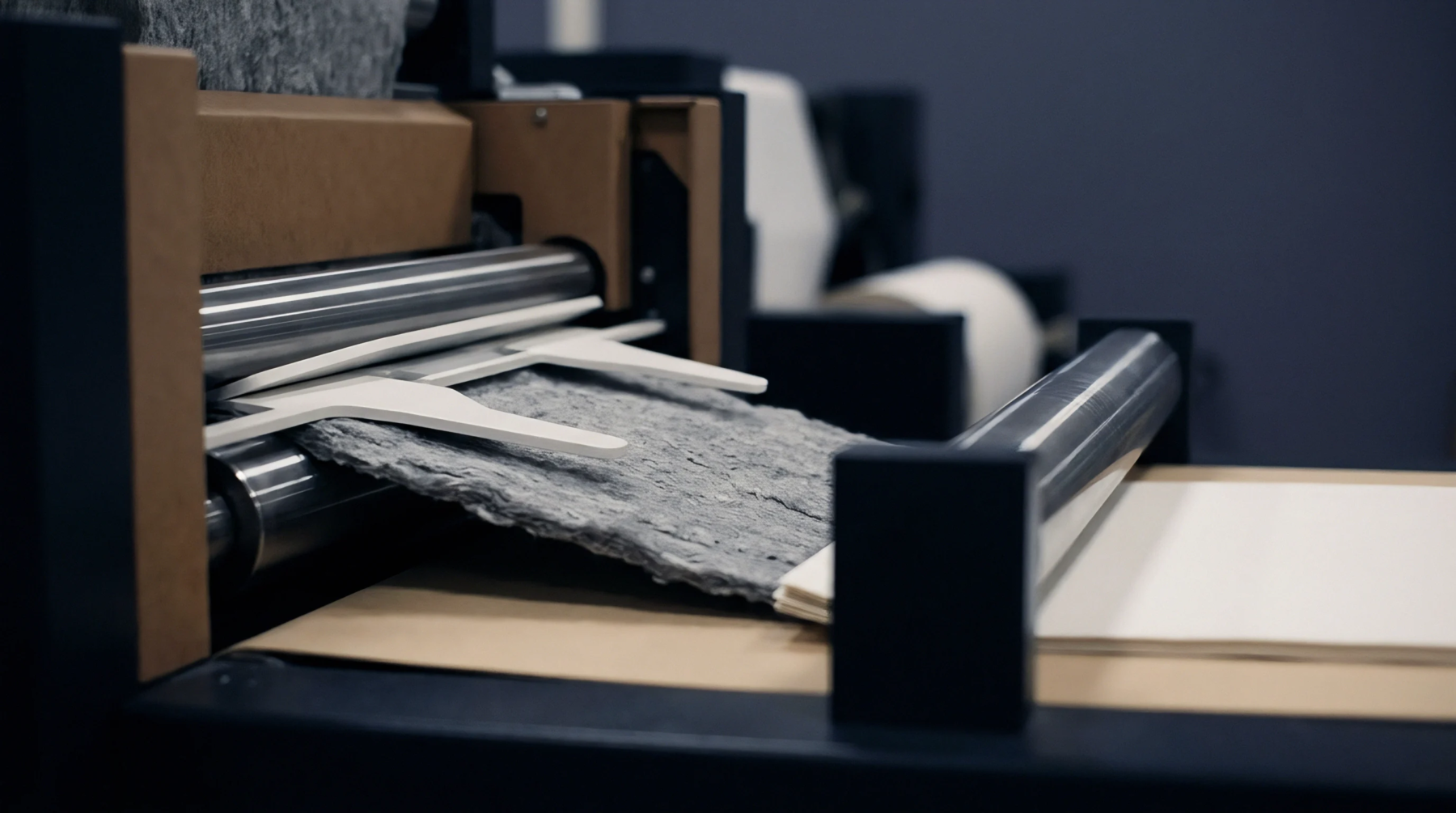
Dynamic barrier delamination along carton crease vertices is prevented by sizing creasing channels to absorb shear strain through controlled internal board roll.
Independent referee clauses prevent unilateral cargo rejection by mandating sealed retain sampling and binding third-party laboratory conditioning under ISO 187.
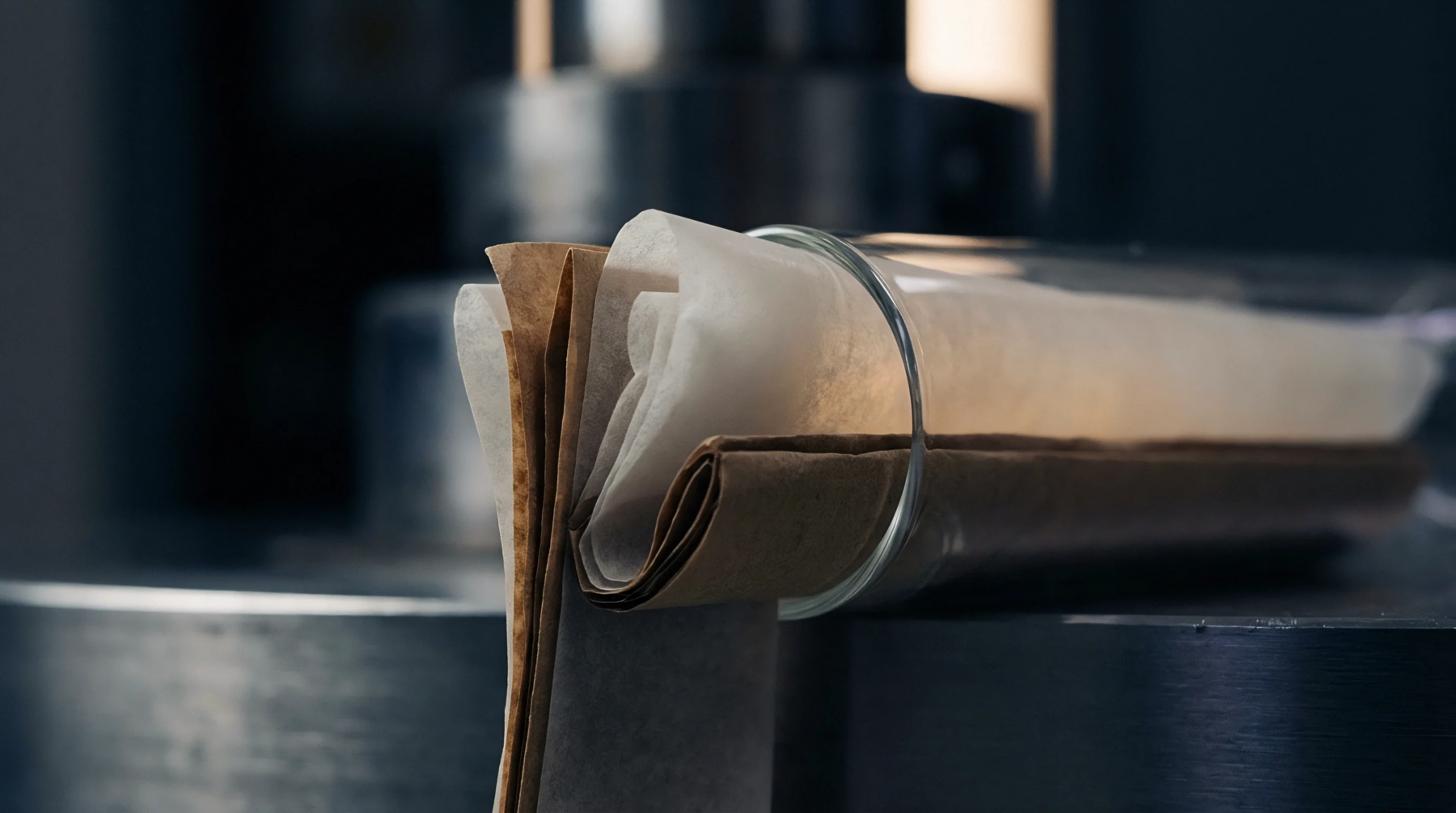
Dockside testing demands immediate outer wrap stripping, vapor-sealed sampling, and moisture-adjusted burst and compression checks before terminal exit.
Mercury intrusion analysis overstates fine pores in paperboard; subtracting solid compressibility and cell expansion isolates true structural network dimensions.

Micro-pore volume between 0.02 and 0.08 micrometers controls dynamic vehicle absorption, dictating offset ink setting speed and preventing mottle defects.
Mineral pigment shape and pore distribution control ink setting, fiber coverage, and converting runnability, fixing real delivered costs per thousand sheets.

Dynamic carrying capacity in recycled board depends on ultrasonic cross-direction elastic stiffness and cyclic creep resistance, not static burst strength.
Cross direction bending stiffness scales with the cube of ply thickness, while short span compression governs vertical carton stack strength under ISO 9895.

Select high-bulk folding boxboard using caliper-derived yield arithmetic and verified crease recovery ratios to run stable on high-speed cartoning lines.
Dynamic strain limits require subtracting hygroscopic expansion from mechanical elongation to maintain converting web stability across relative humidity swings.
Dynamic moisture gradients across coated cartonboard slash bending modulus well before reaching equilibrium, demanding transient rather than static design.
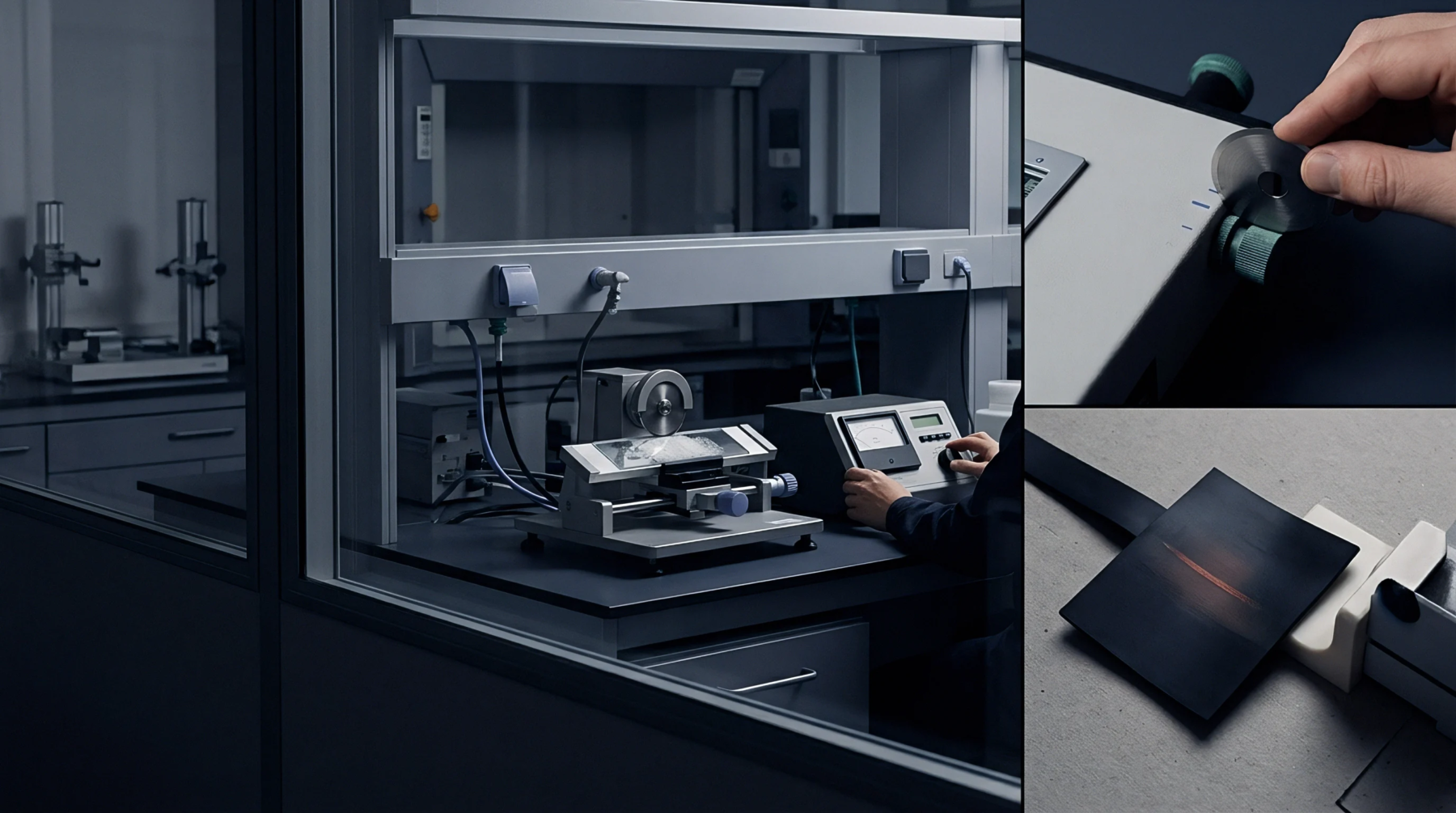
Aqueous ink vehicles dissolve interfibre hydrogen bonds within milliseconds, dropping cross-direction stiffness over 40% and driving web misregistration.
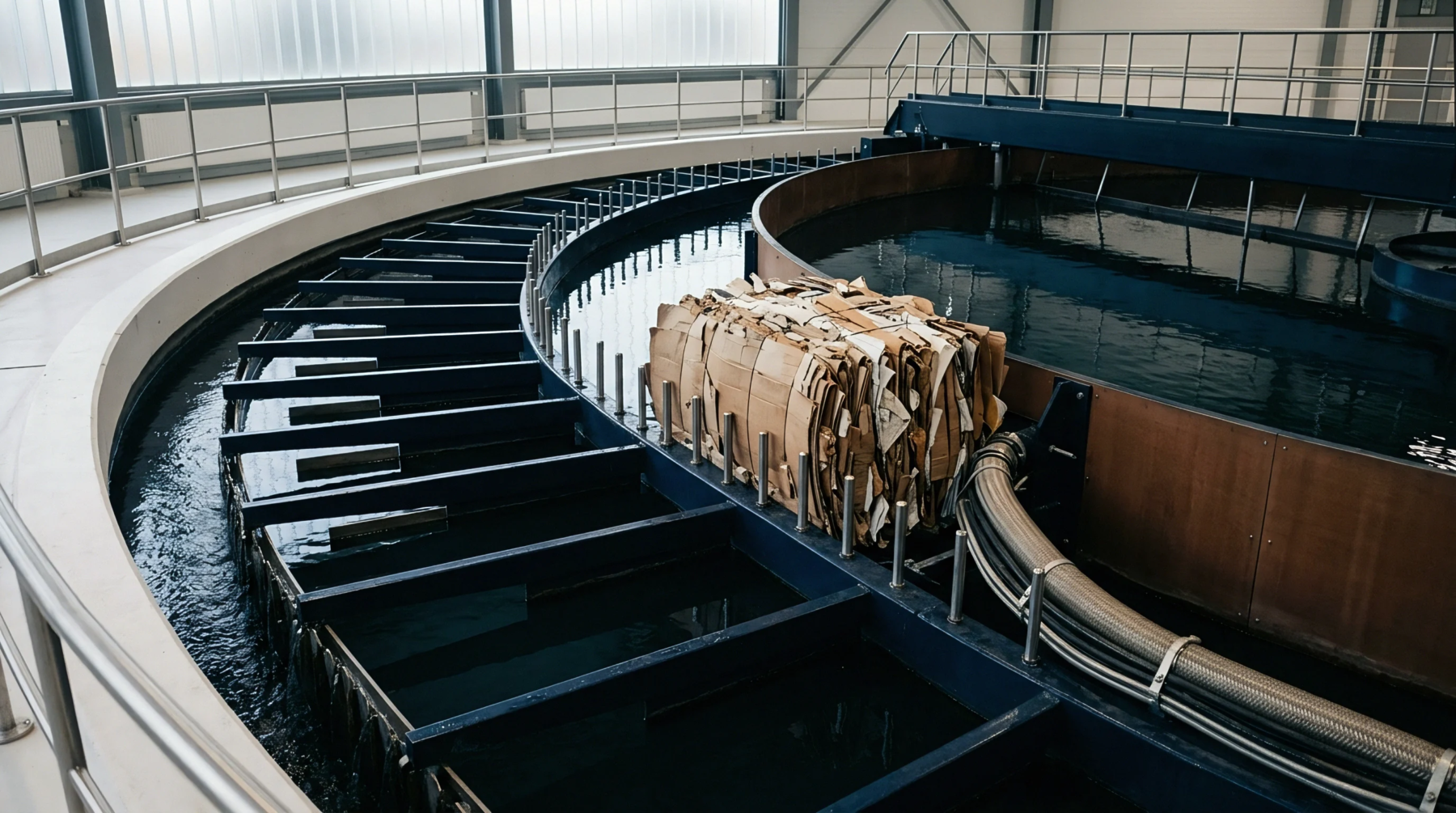
Controlled wet-end starch dosing between 6 and 9 kg/t maintains Scott bond at 180 to 240 J/m², preventing score cracking and delamination at high press speeds.

Z-directional tensile variance in multi-ply recycled board stems from uneven wet consolidation, high ash, and poor starch cooking, causing severe converting failure.

Verify Scott Bond above 120 J/m² and ZDT above 220 kPa under ISO 187 conditioning to prevent blanket delamination and score splitting on recycled cartonboard.

Water ingress depresses barrier layer glass transitions below ambient storage temperatures, triggering plastic deformation and interfacial delamination under web tension.
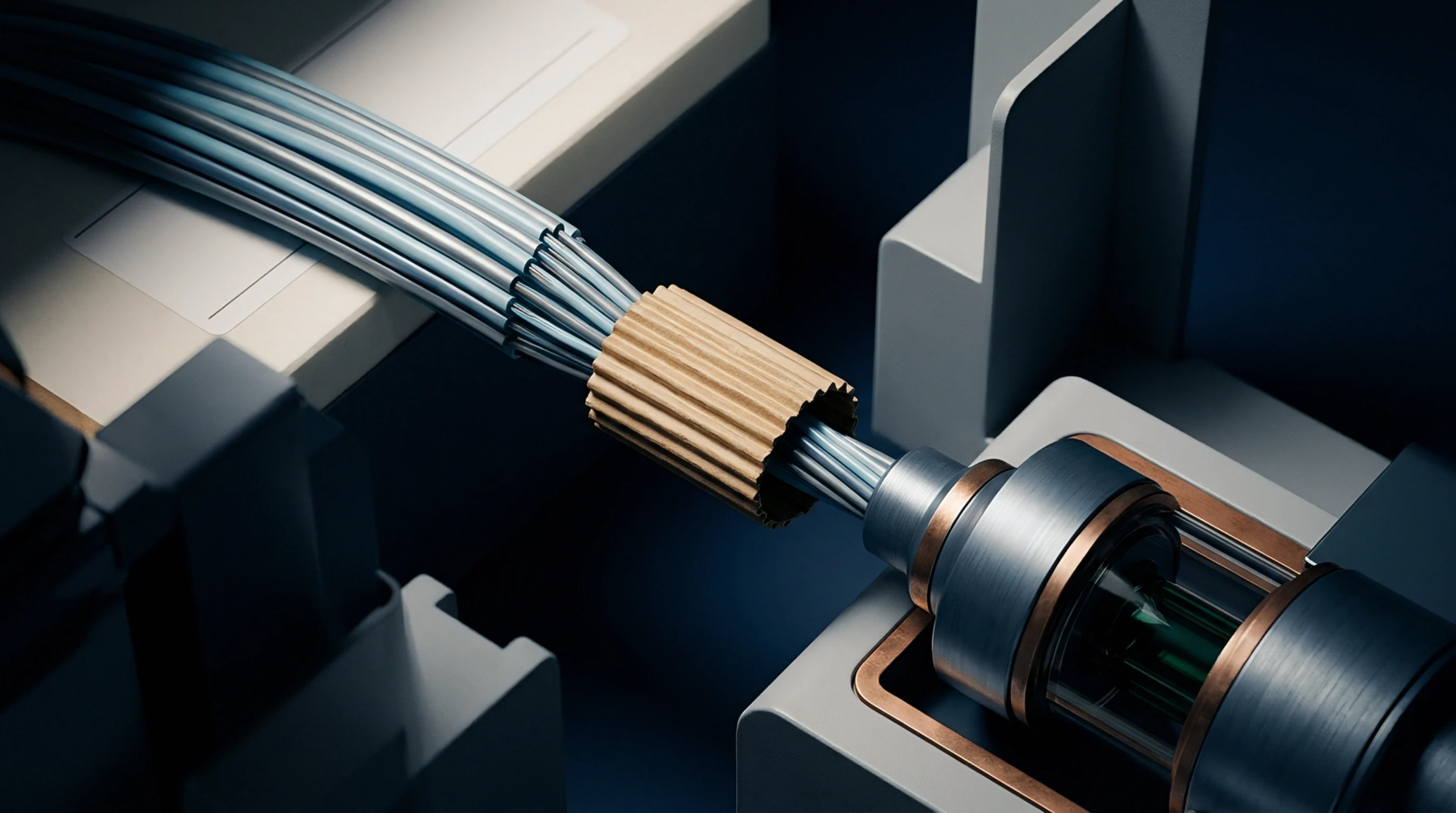
Extrusion coatings resist humidity until creasing strain shears polymer-fiber bonds, opening edge-wicking pathways that inflate converting scrap.
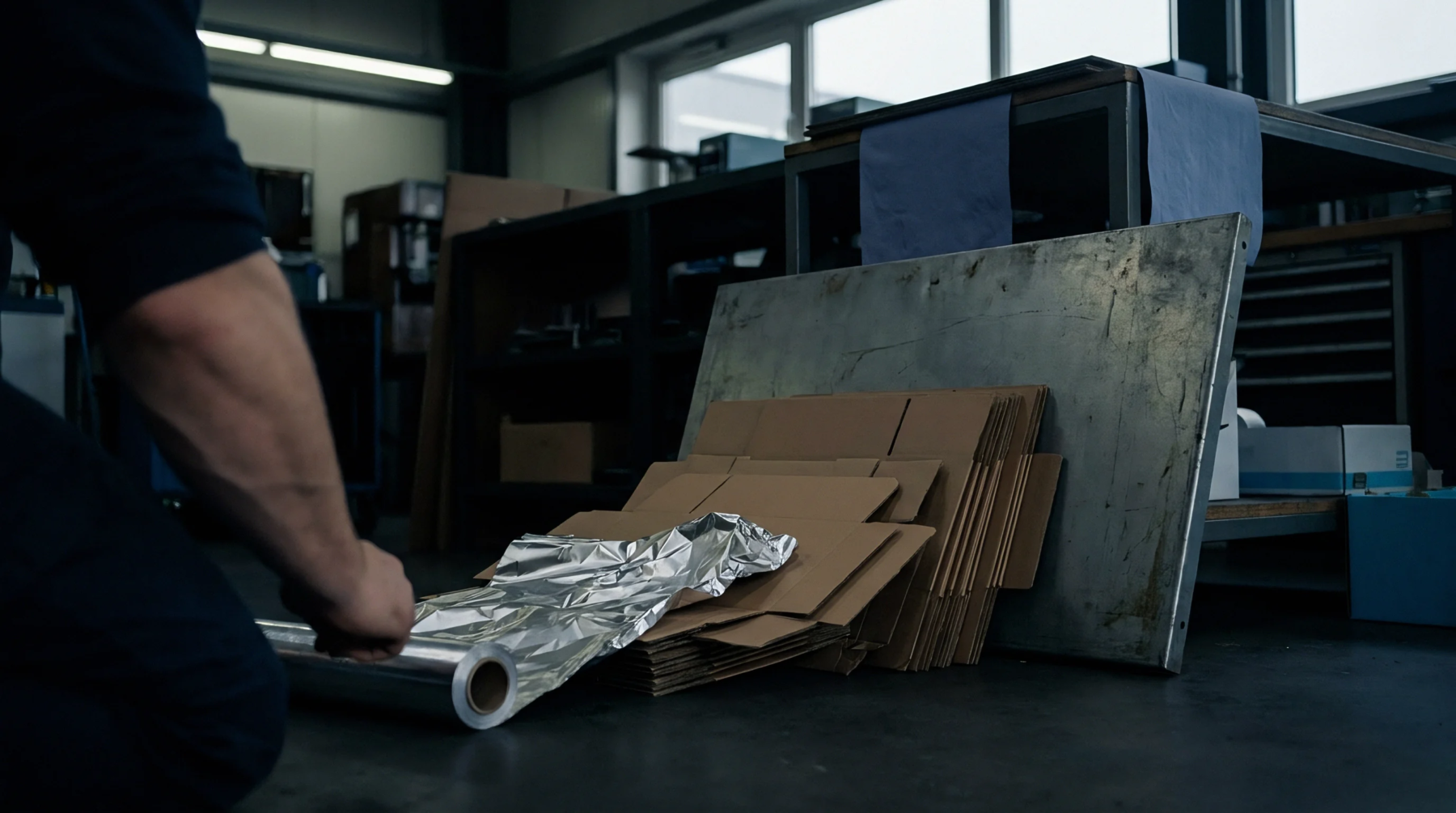
Solubility and diffusion drive polymer barrier performance, where polymer density, coatweight, and ambient relative humidity dictate moisture and oxygen transmission rates.
Expertise is a utility, not a secret. sentiention™ publishes its working knowledge as open reference: intelligence layer covering the materials it sources, the markets it enters, and the reference that serves both.