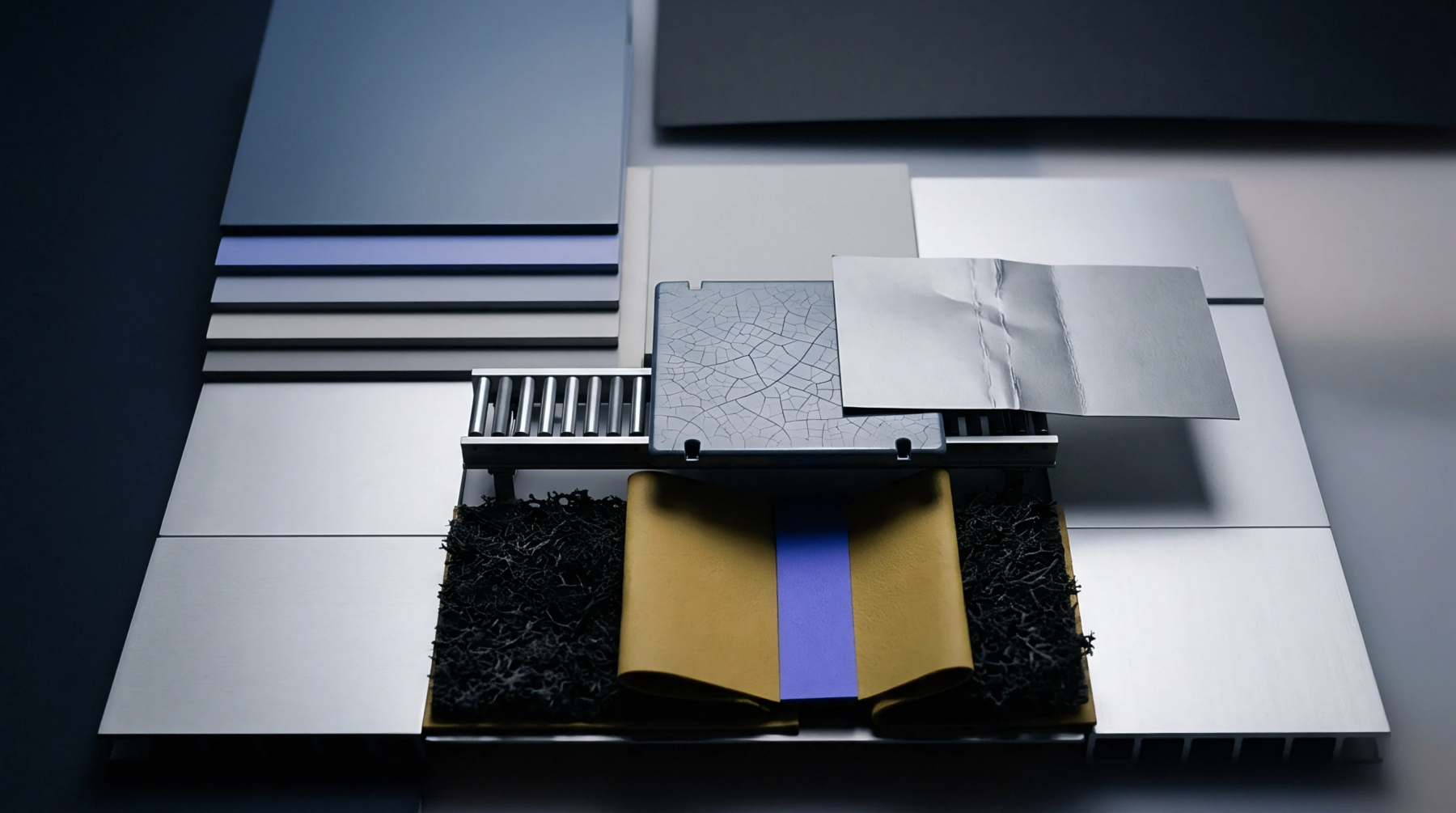
Mechanical Refining Impact on Multi Ply Boxboard Z Direction Tensile Development
Controlled low energy refining of middle ply mechanical pulp yields superior Z direction tensile development without caliper loss in multi ply boxboard.
Controlled low energy refining of middle ply mechanical pulp yields superior Z direction tensile development without caliper loss in multi ply boxboard.
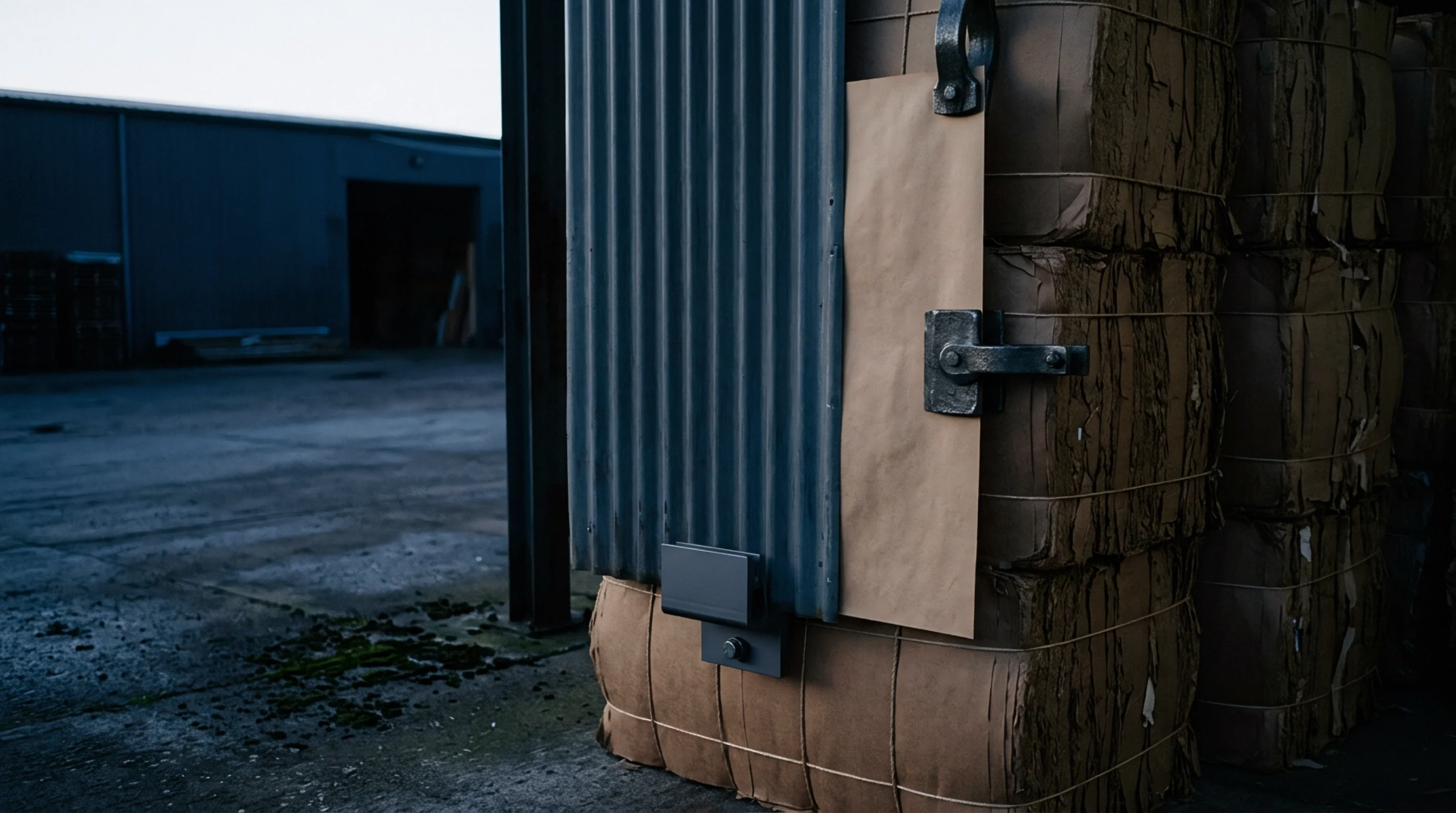
Splitting recycled furnish into long and short fractions before refining concentrates mechanical energy on long kraft fibres, cutting power use while boosting compression.
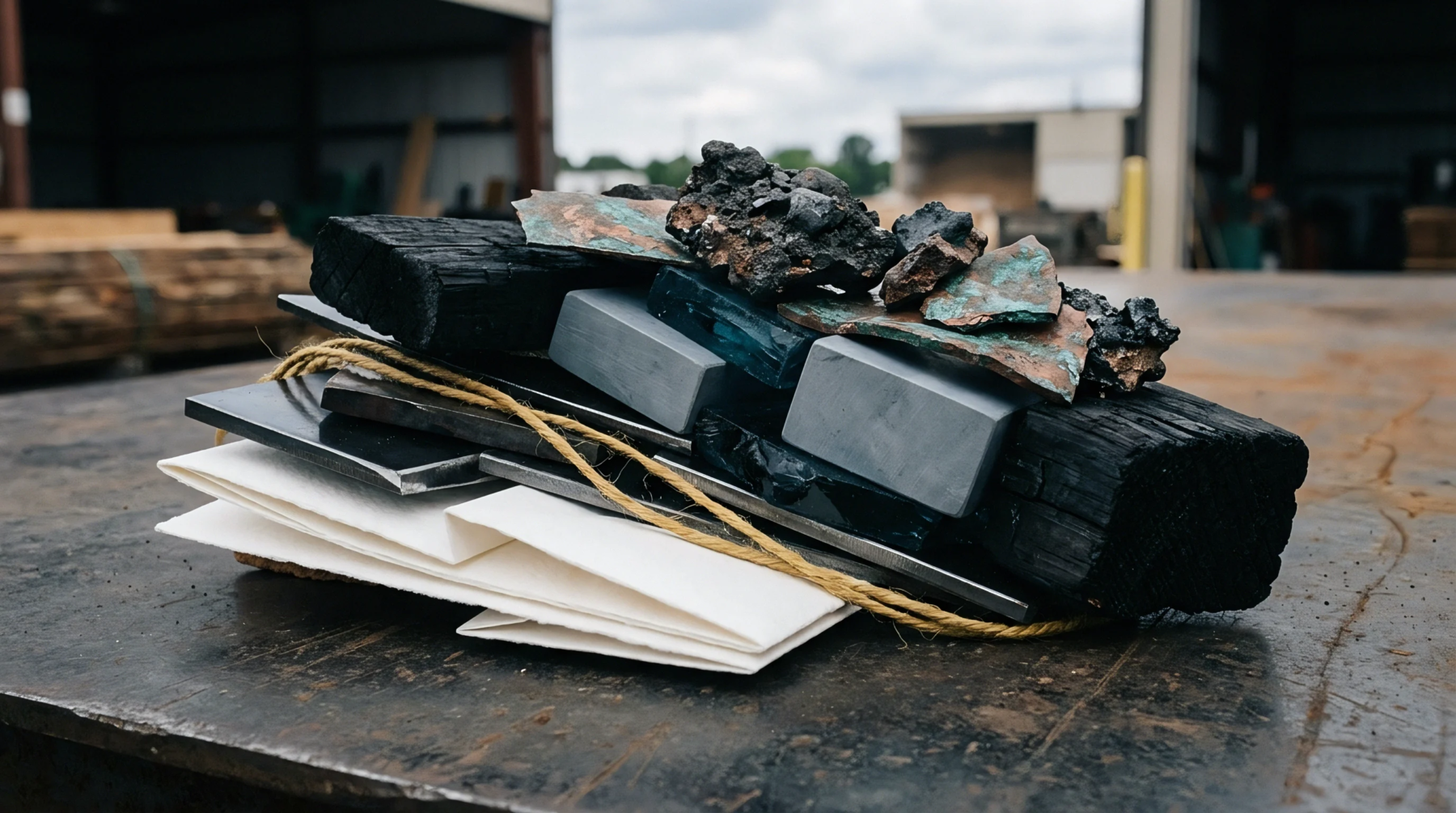
Automated optical morphology testing under ISO 16065-2 quantifies fiber shortening and hornification to control secondary substrate strength and yield.
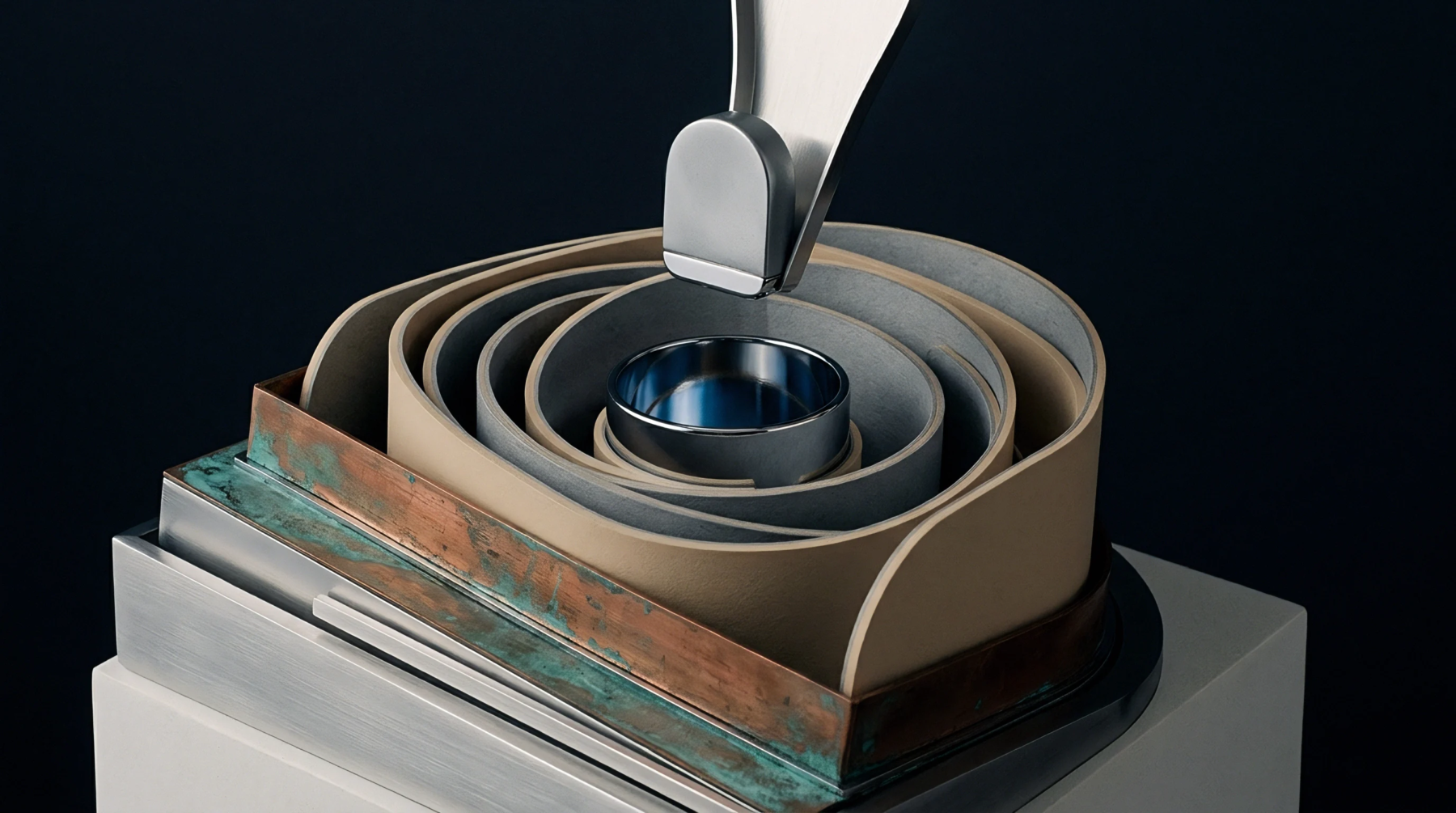
Moisture swings accelerate compression creep in recycled board through transient matrix softening and anisotropic thickness swelling that degrades stacking yield.

Unwrapped recycled board stacks in subzero transit suffer rapid edge permeability degradation, demanding strict edge moisture rejection limits at goods-in.
Cold paper pallets demand staged thermal acclimation inside unopened vapor wrap to eliminate edge waviness and fluting caused by moisture sorption gradients.
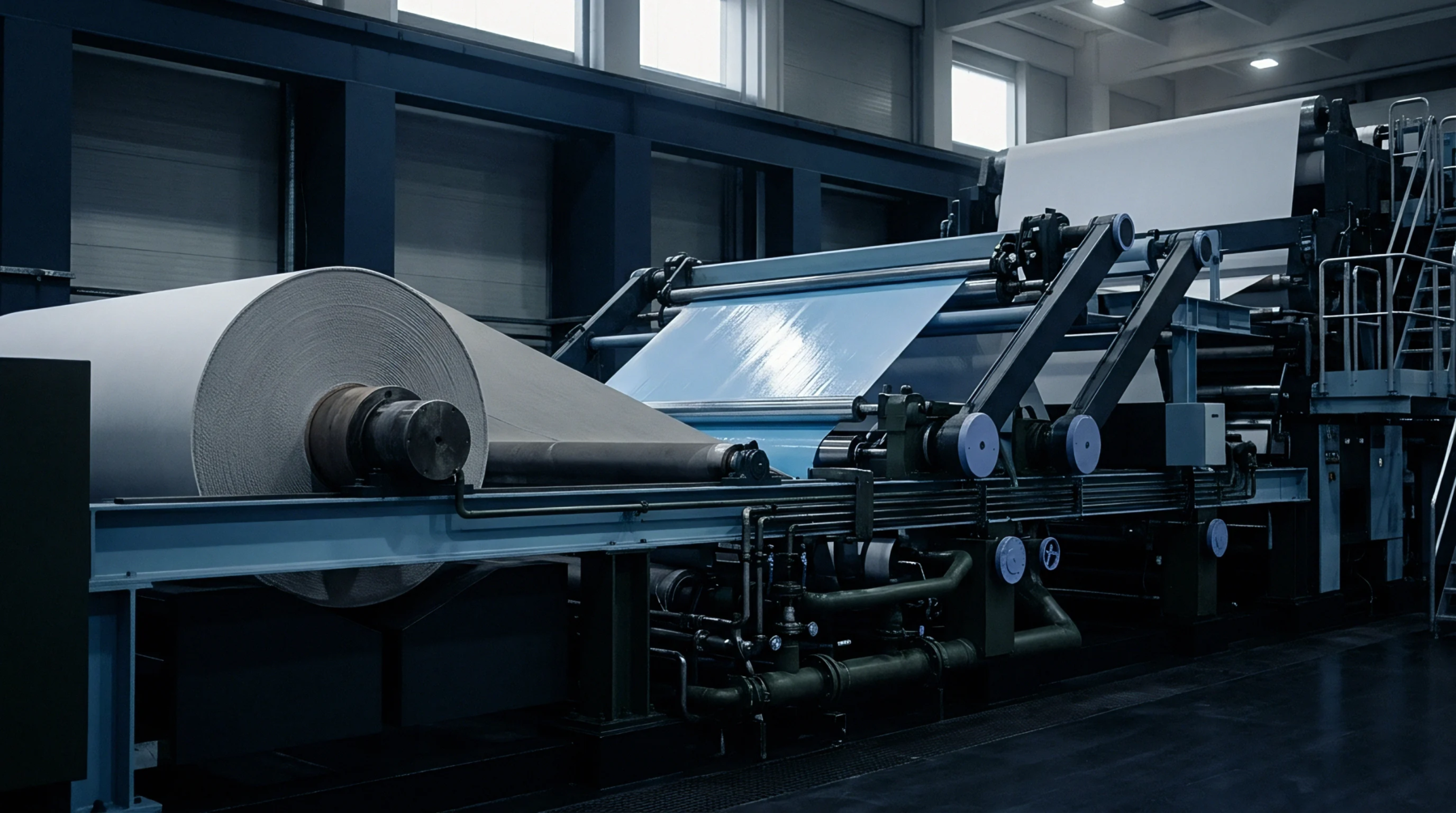
Web trim allocation optimizes machine deckle fill through dynamic linear programming, reducing edge slitting broke to lower landed packaging substrate costs.
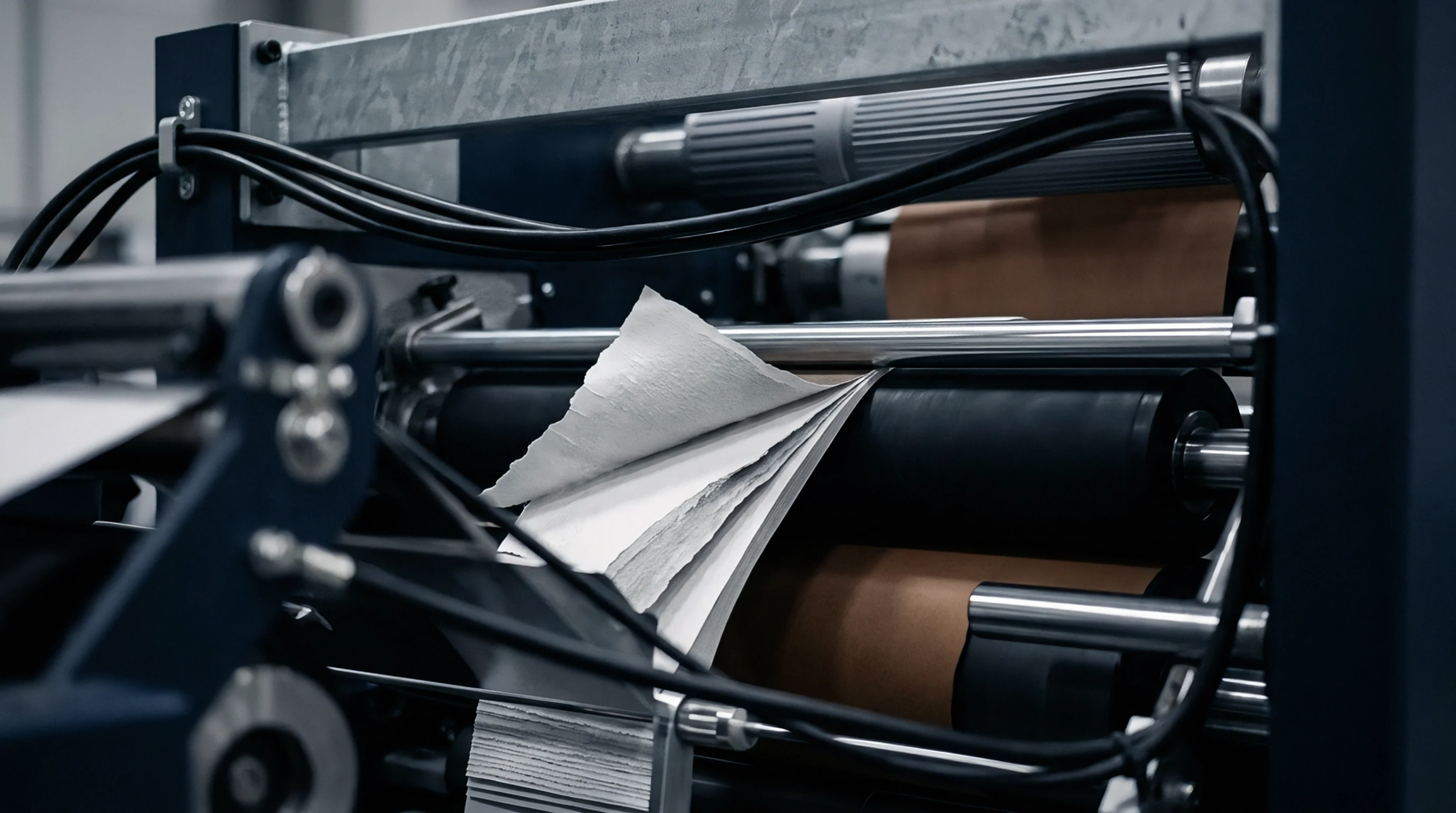
Dynamic mechanical analysis identifies hemicellulose moisture thresholds that prevent score cracking during high speed converting of mechanical pulp middle plies.
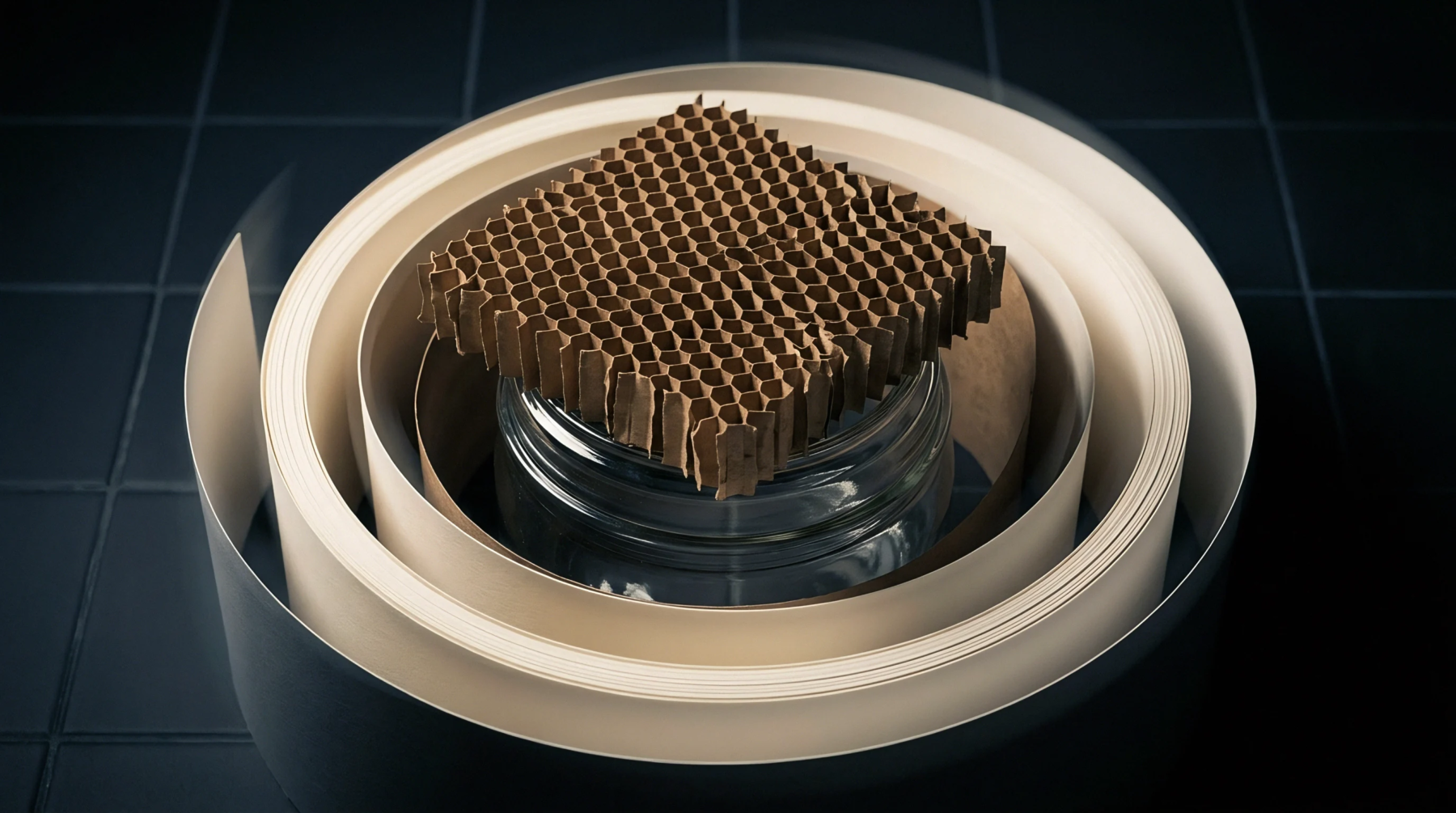
Middle ply CTMP bulk provides structural moment of inertia, while short-span compression bench testing quantifies network collapse risks under load.
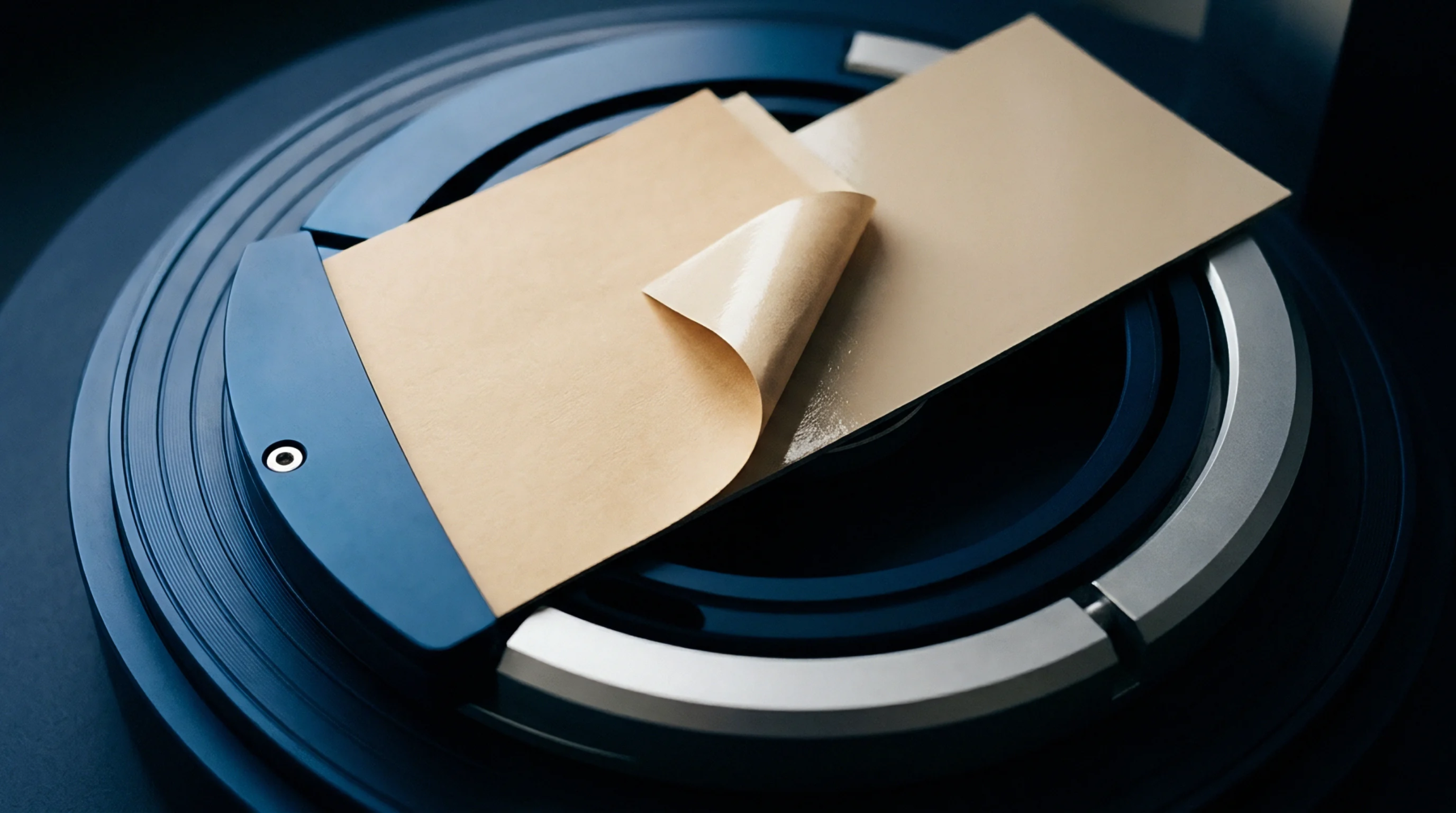
Ultra-light coated virgin hardwood papers demand sub-50nm coat pore radii to balance high-speed inkjet solvent absorption against hardwood fiber swelling.
Residual surfactant migration in hardwood stock depresses dynamic surface tension below forty millinewtons per meter, triggering jetting print defects.
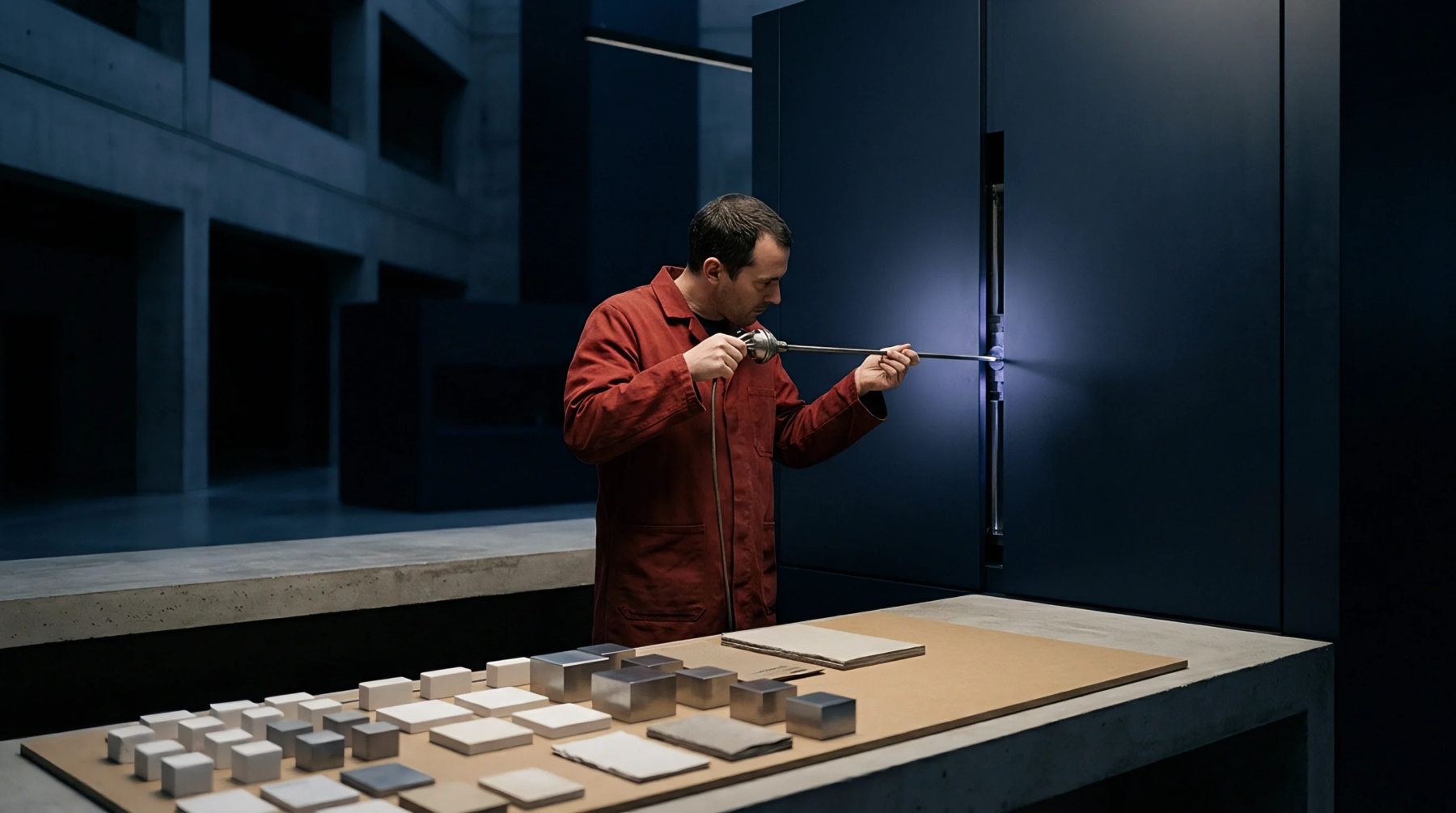
Spectrophotometric measurement of optical brighteners requires 45°:0° geometry under ISO 13655 M1 illumination to accurately reflect retail visual appearance.

Quantifying micro-stickies and organic load in closed-loop board circuits requires combined TOC analysis and hydrophobic deposition testing to prevent deposit failures.
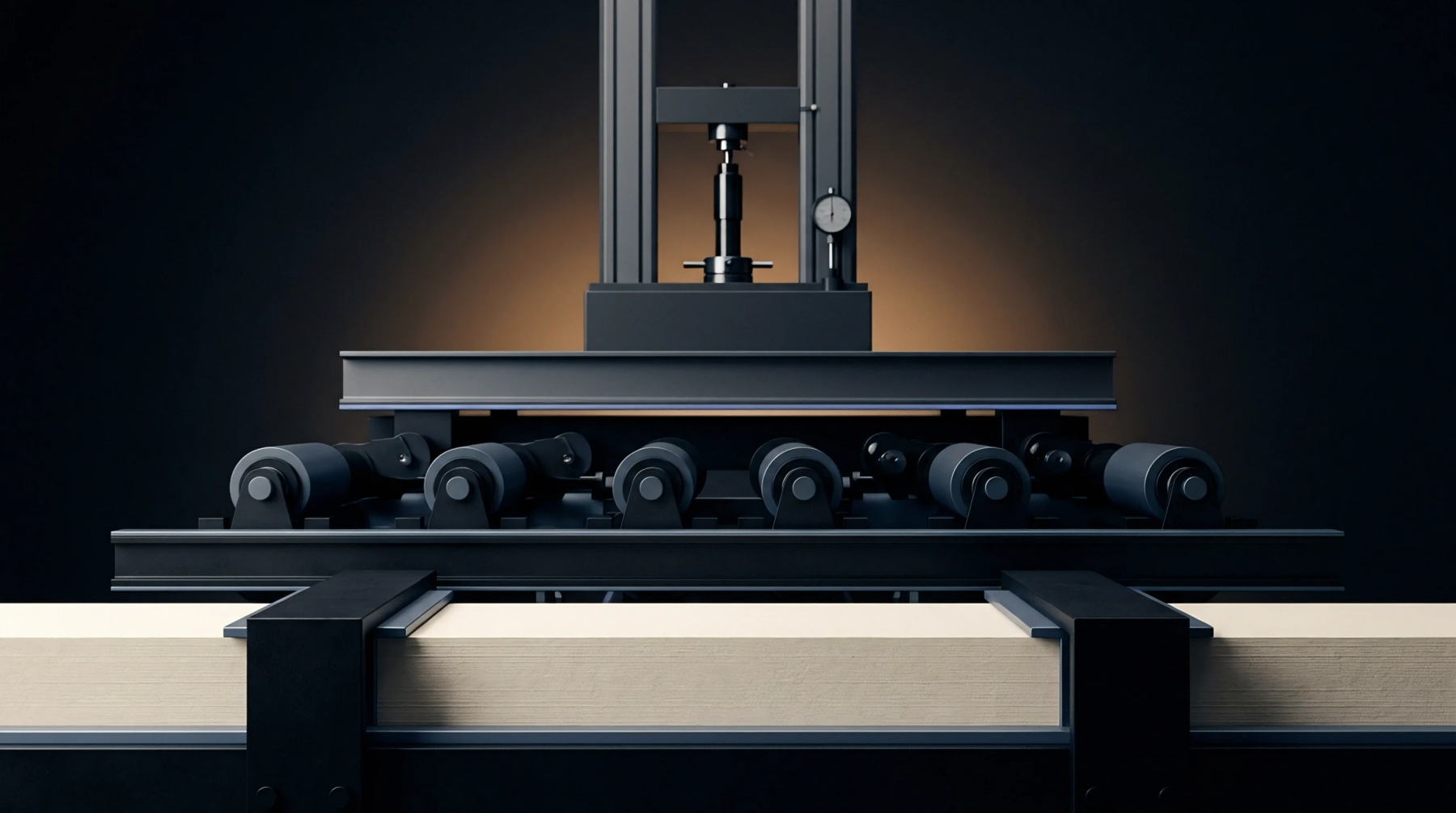
Aqueous dispersion barrier boards outperform extruded polyolefins by delivering over 95 percent wet end fiber yield and avoiding heavy EPR penalties.
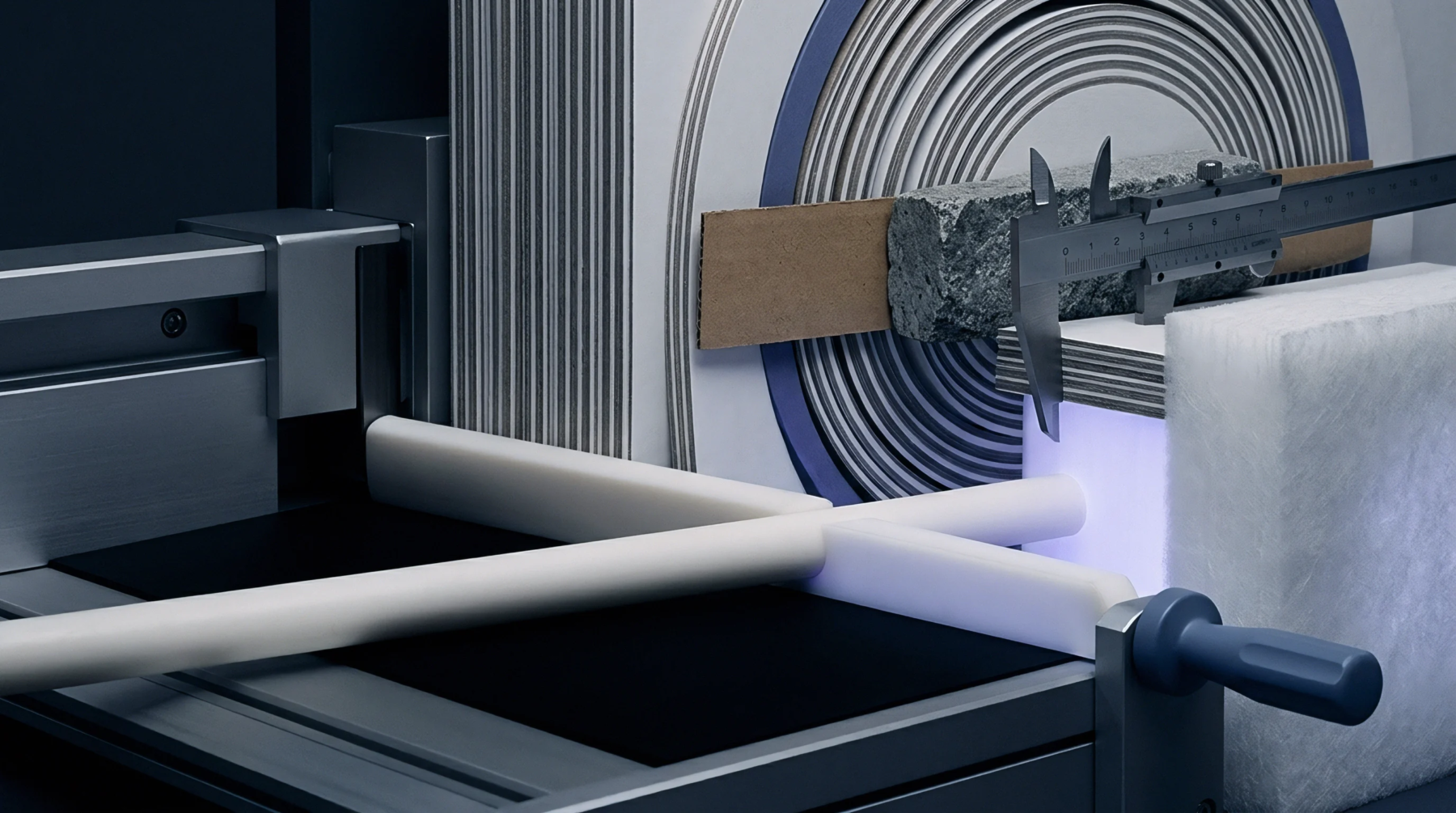
Calibrating index lag windows and deadband thresholds in board contracts prevents administrative friction and stabilizes long-term procurement pricing.
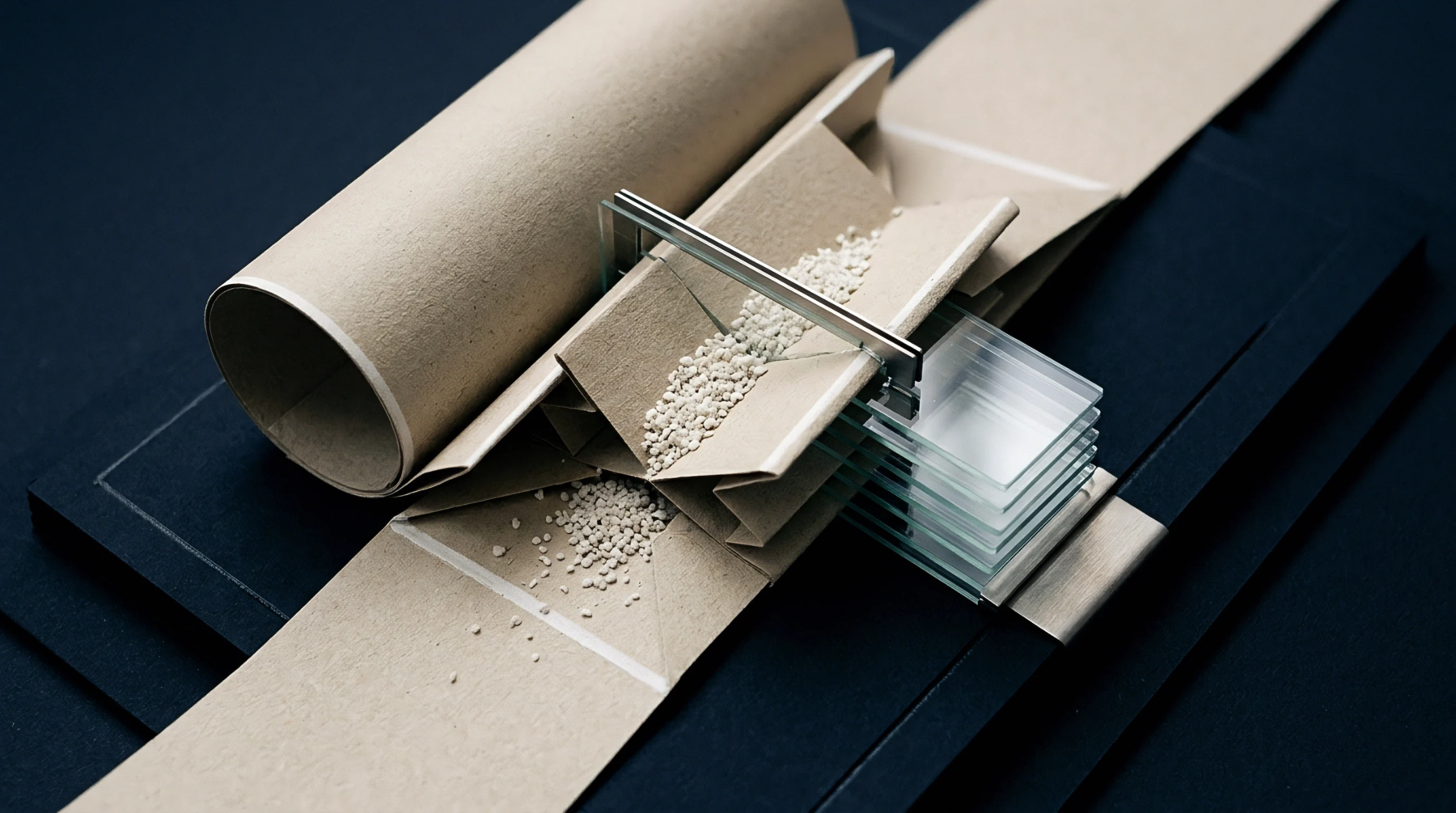
Cross direction creasing of chemical pulp requires expanding matrix channel width to 1.5 to 1.7 times board caliper plus rule width to prevent liner cracking.
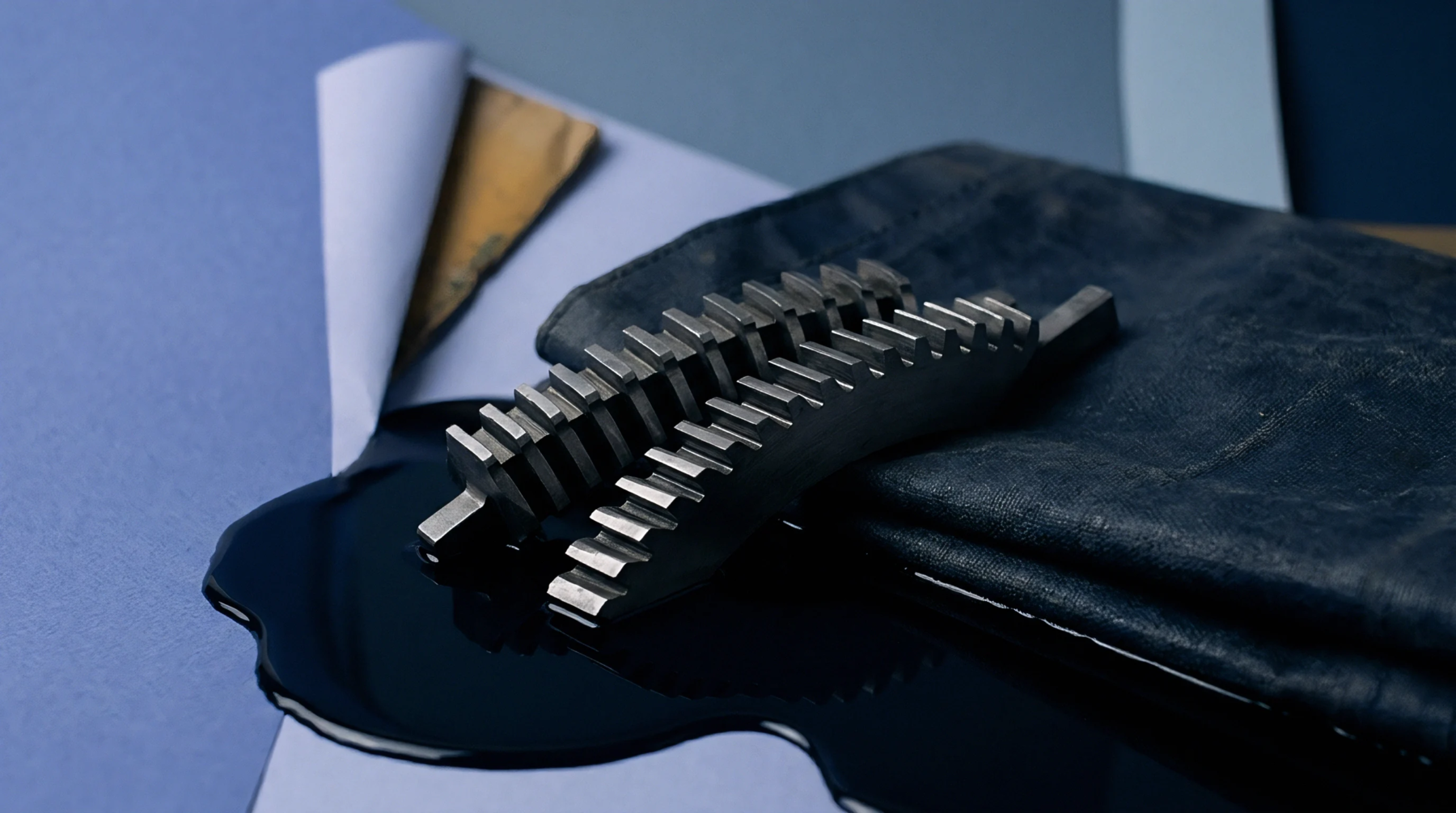
Balancing dynamic surface tension sub-10ms wetting with high extensional viscosity prevents droplet rebound and glue stringing on creased paperboard.
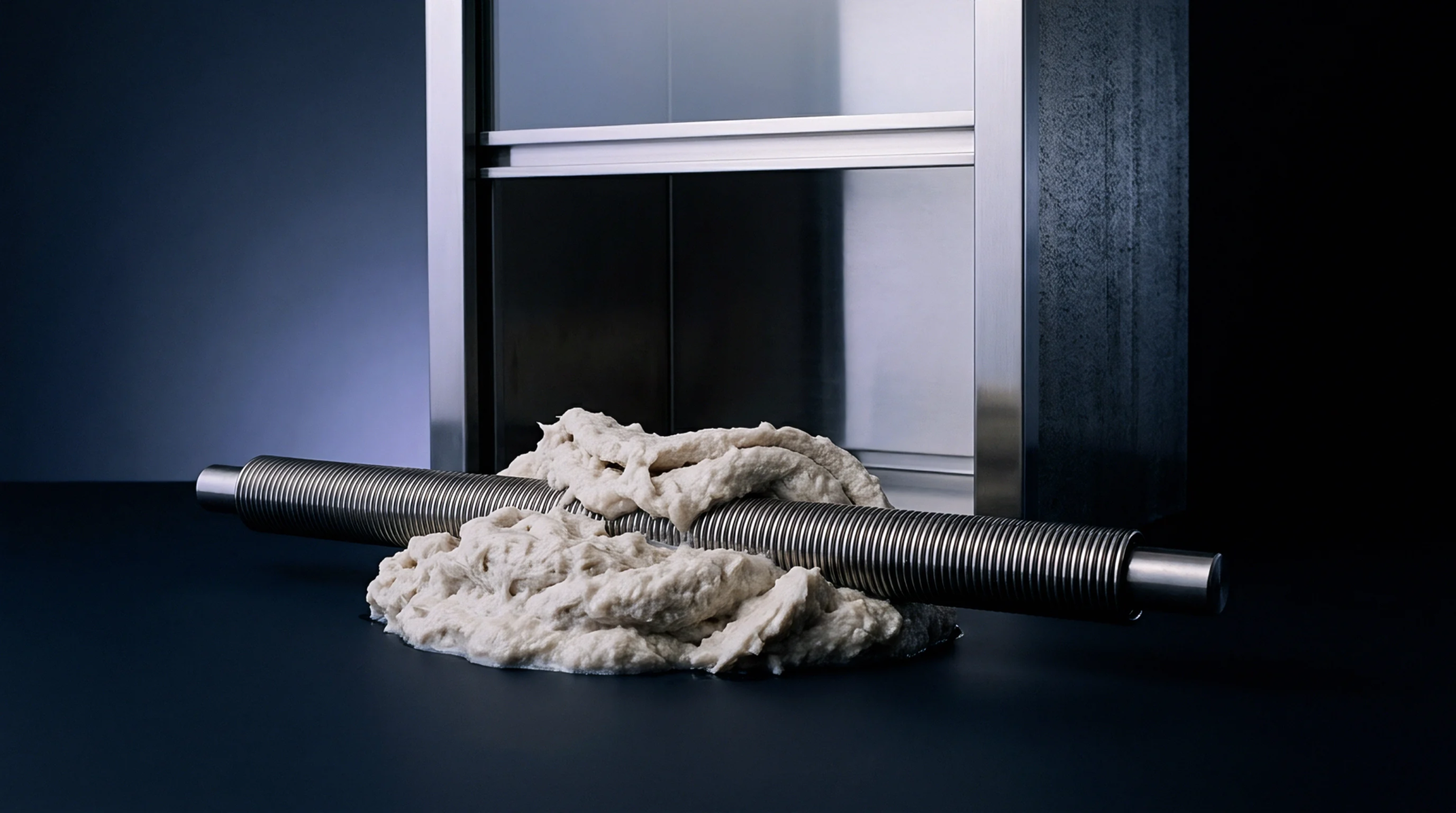
Liquid release from anilox cells under high shear depends on dynamic viscosity below forty centipoise and cell depth ratios under thirty percent.
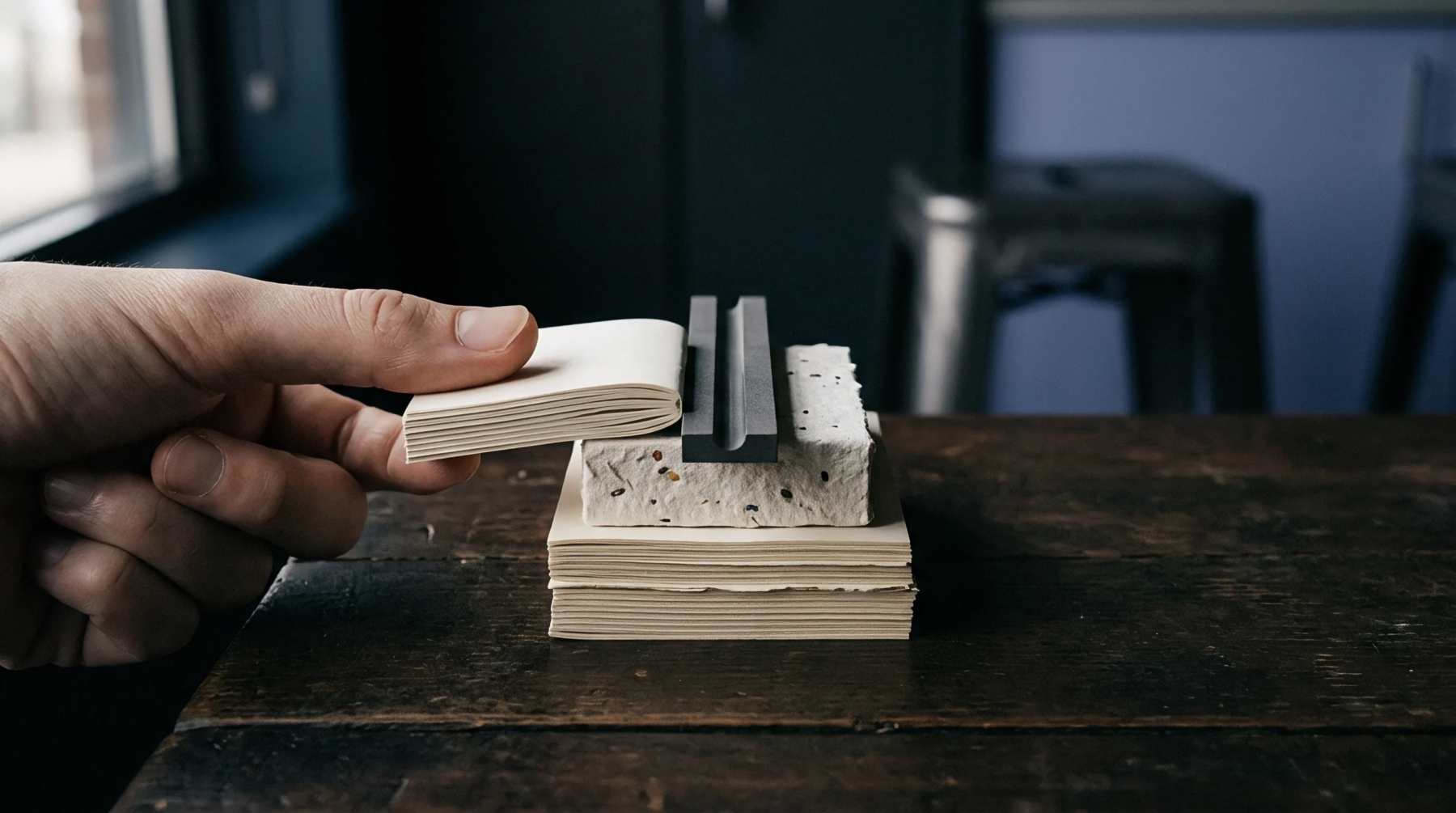
Aqueous dispersion barrier performance depends on wet coat weight uniformity, film drying coalescence, and creasing matrix geometry that prevents score line cracking.
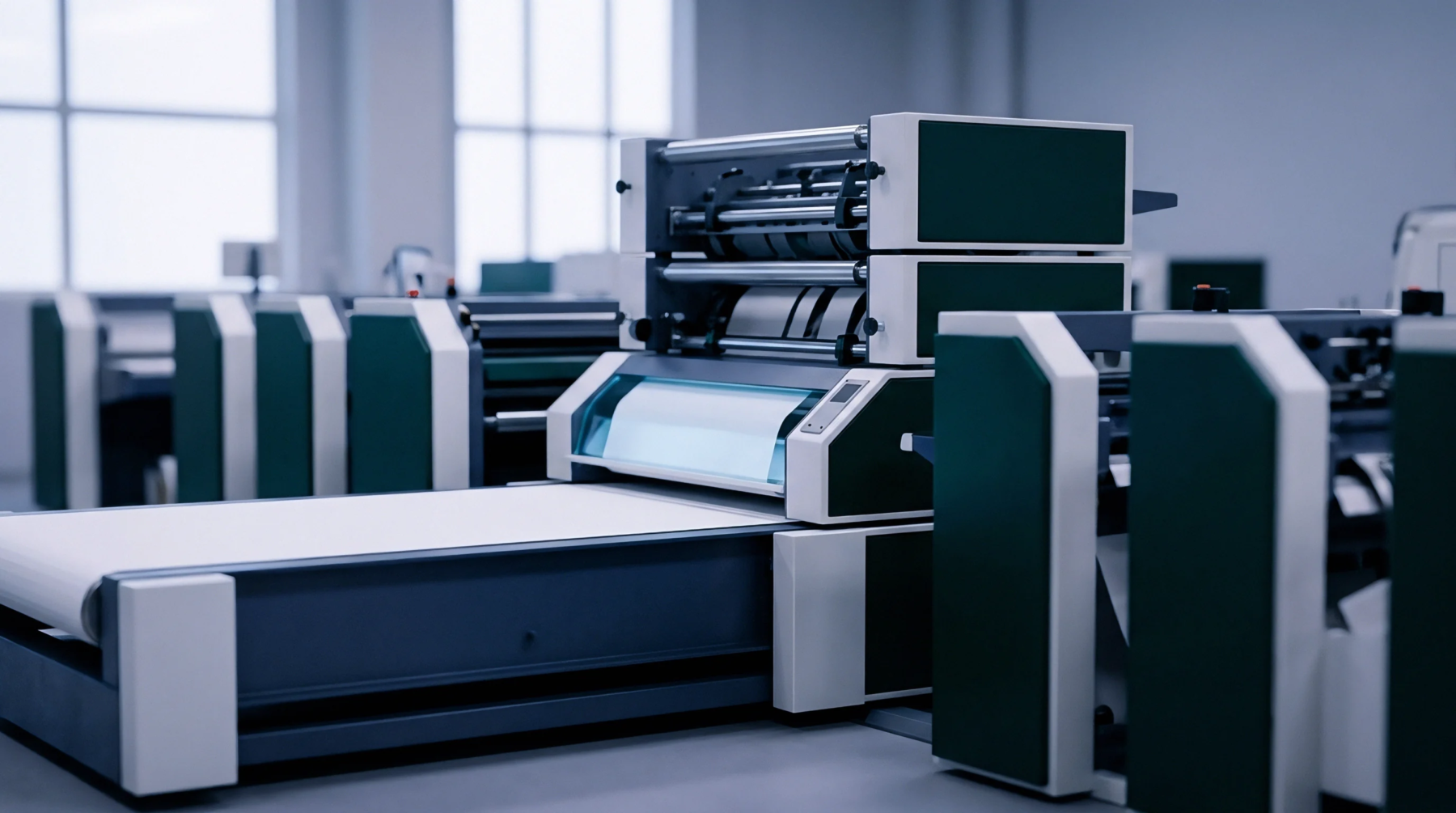
Hydrophobic varnish failure in flotation deinking stems from poor particle fragmentation and surface energy mismatches that generate micro-stickies and reduce pulp brightness.

Eucalyptus fiber collapse and hydrogen bond density dictate sheet tensile strength, bulk retention, and landed sheet cost in commercial packaging grades.
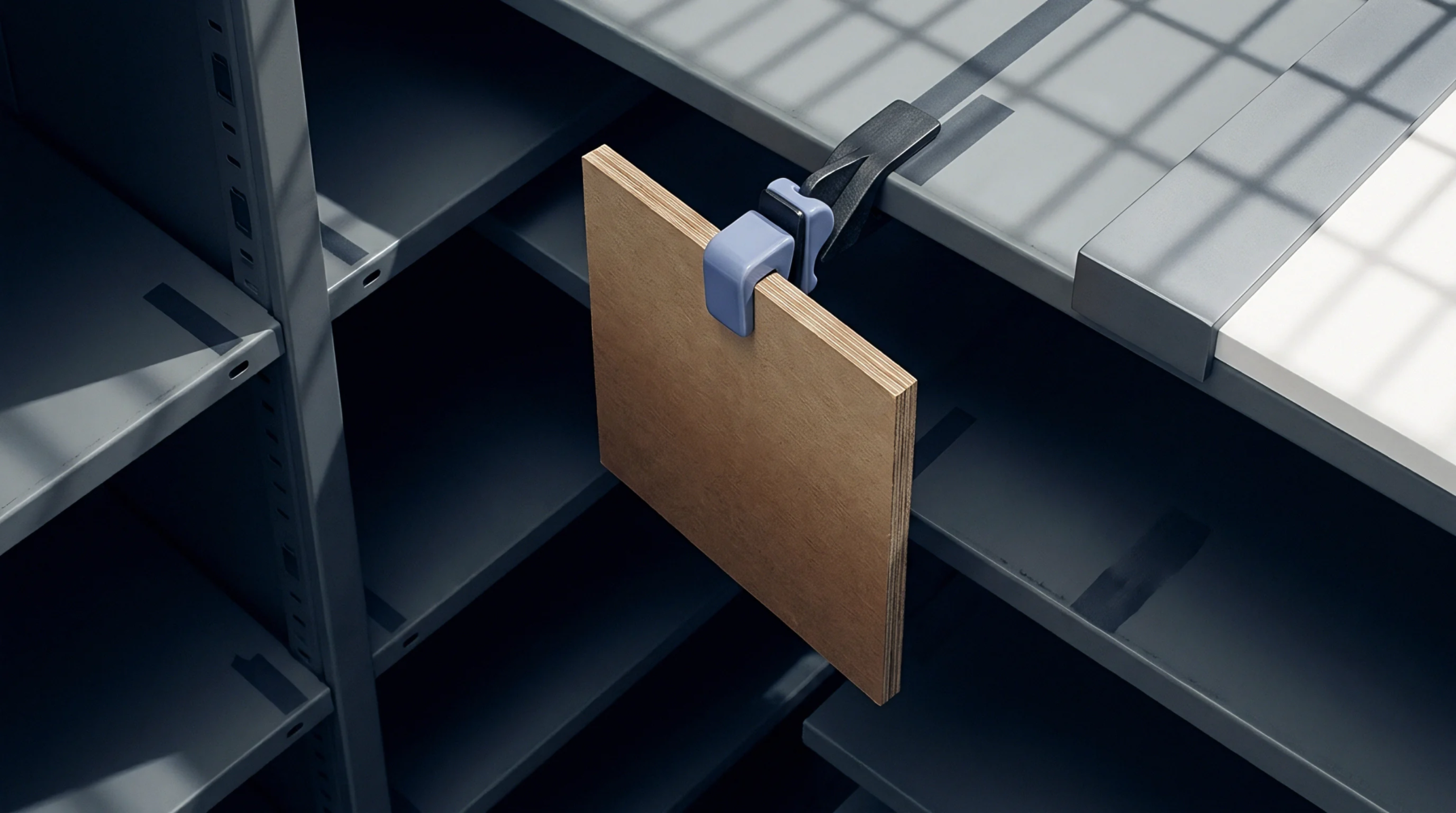
Quantifying dynamic shear planes in recycled board requires high-rate impact testing to prevent score line splitting on high-speed converting lines.
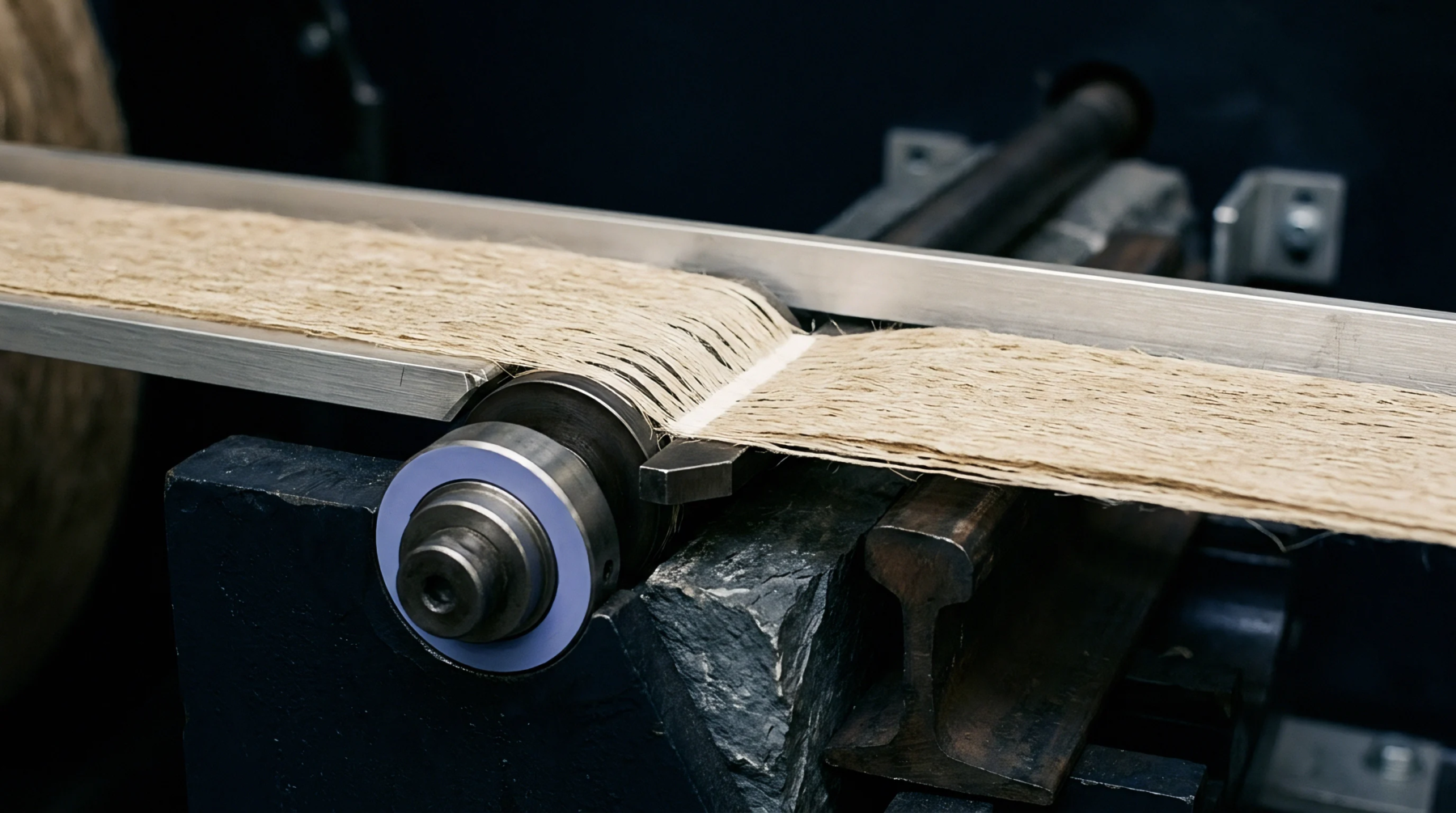
Low-fibre recycled board requires widening female matrix channels to 1.8 times caliper and reducing penetration depth to prevent top-liner rupture.
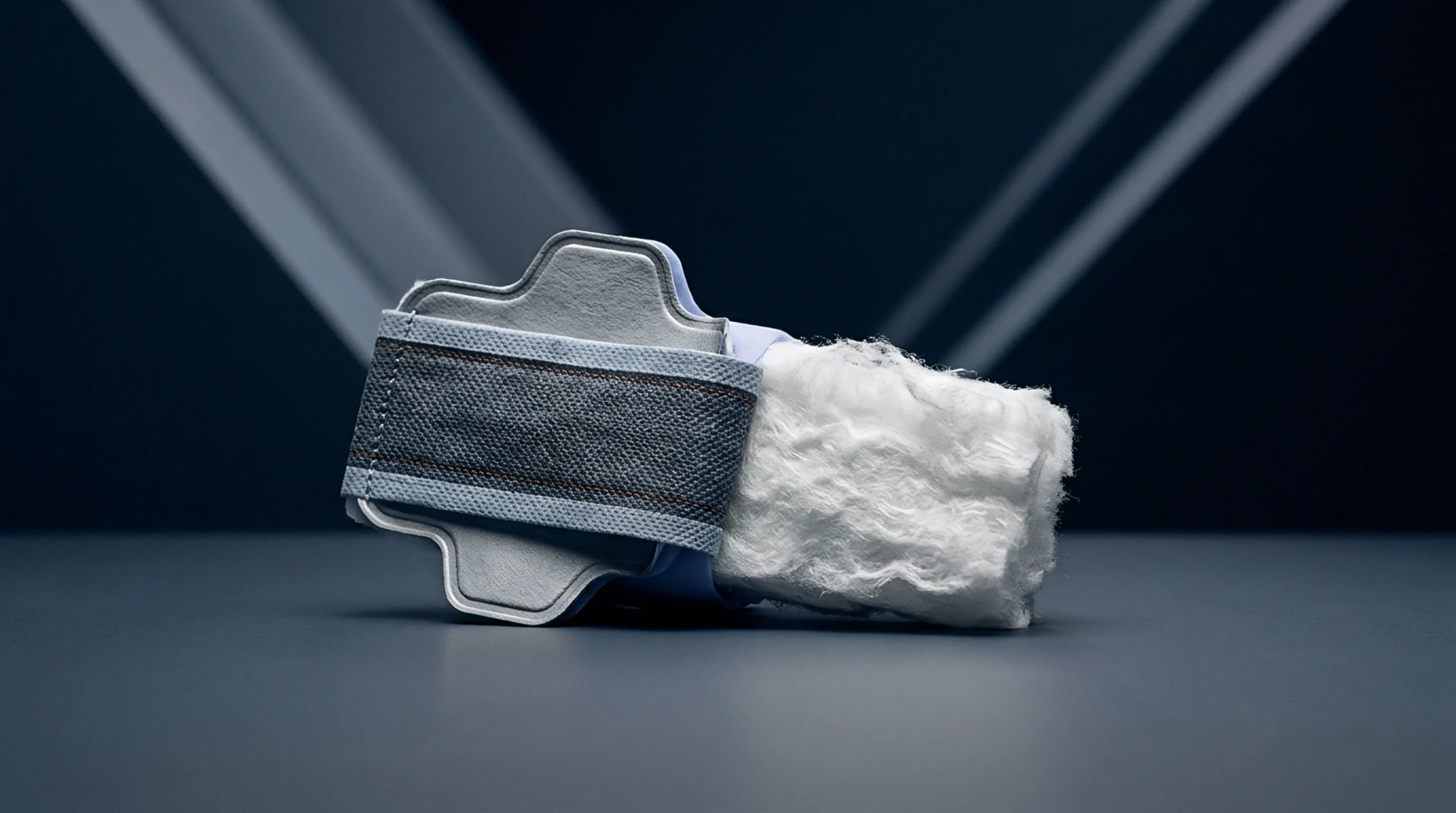
Recycled paperboard strain measurement requires direct optical extensometry under ISO 1924-3 to isolate true sheet elongation from clamp slippage.
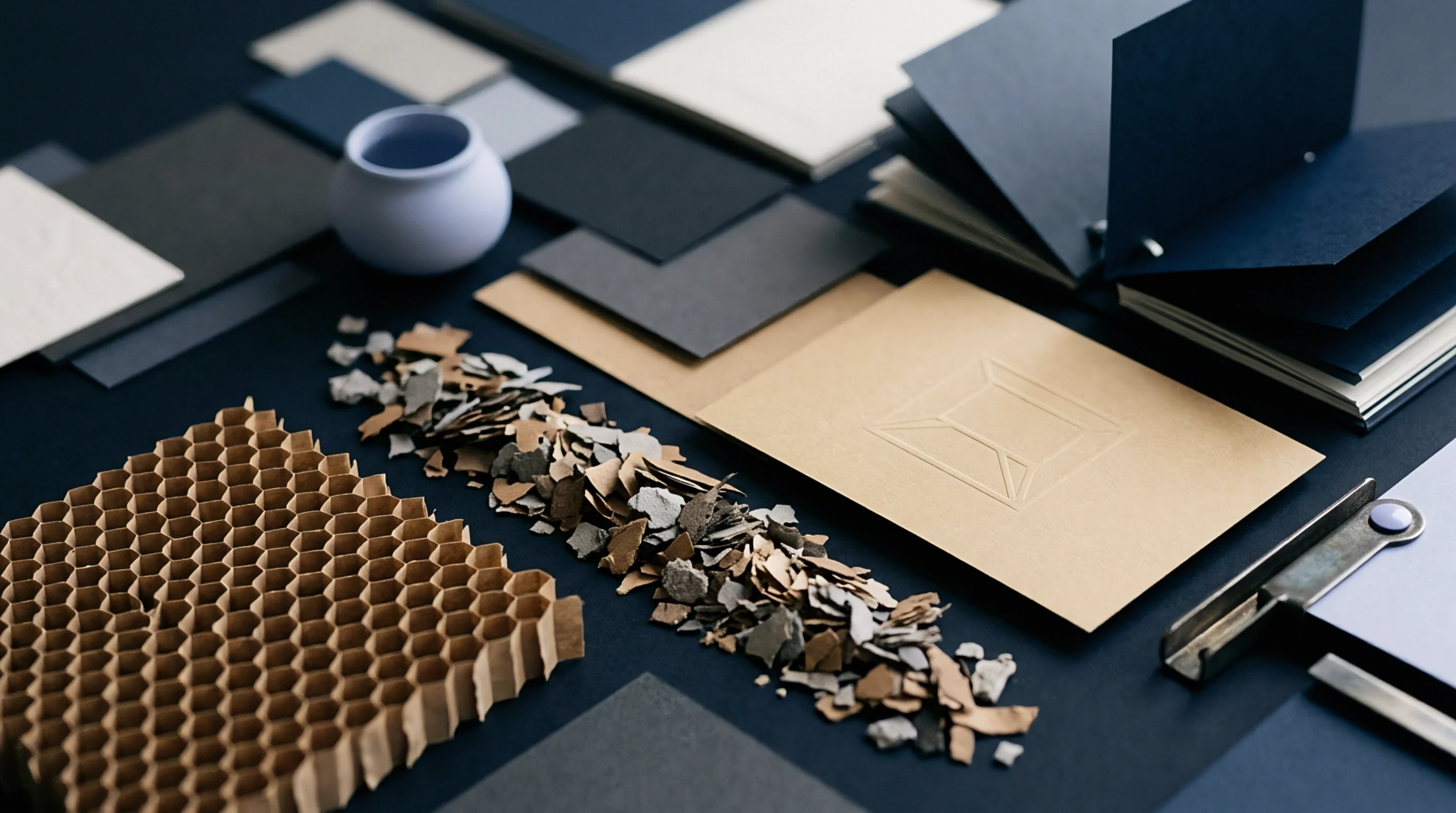
Matching dynamic Scott Bond energy above 120 J/m² prevents high-speed folder-gluer delamination and reduces net carton cost through lower line scrap.
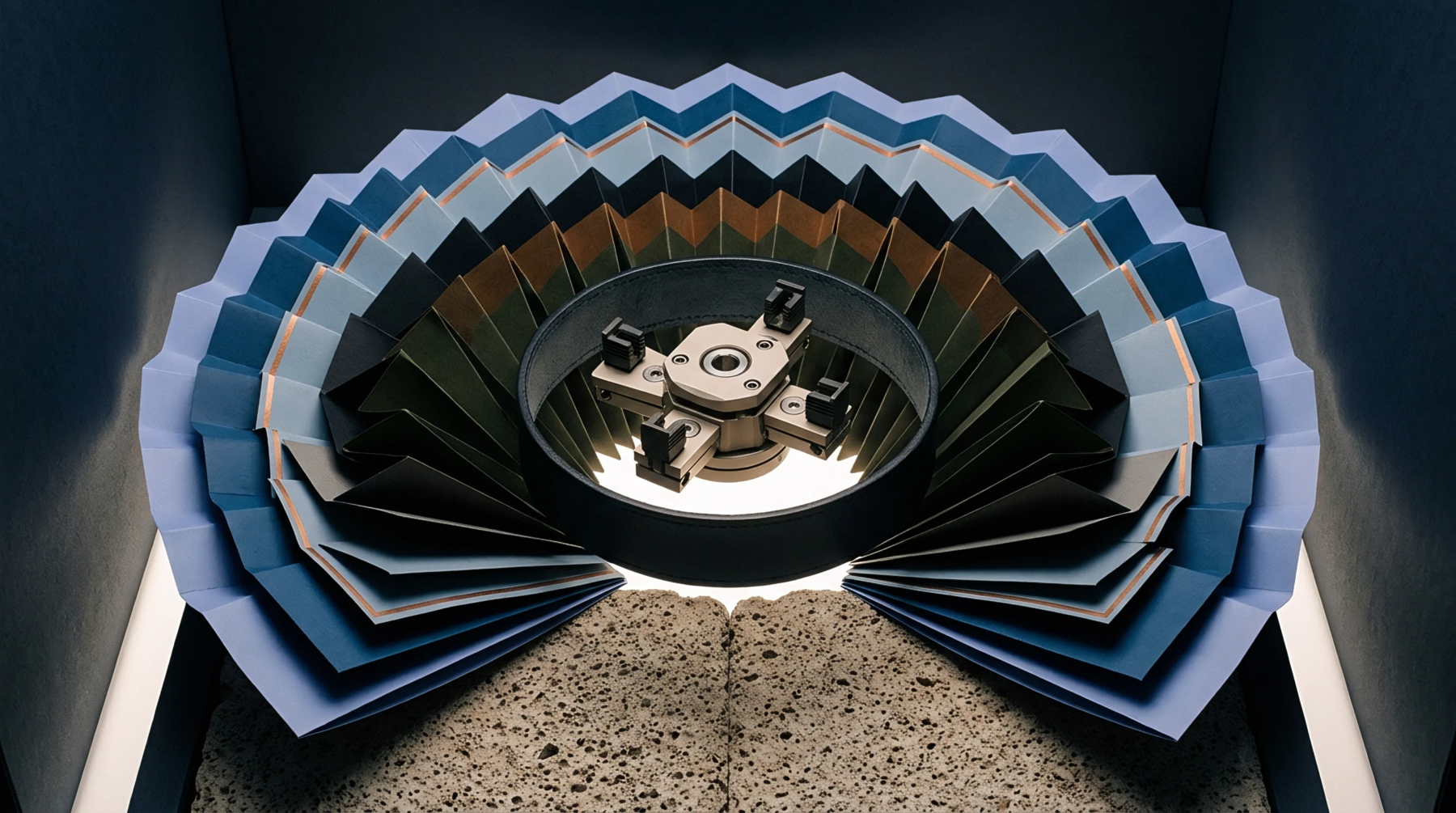
Core layer mechanical pulp distribution controls folding boxboard bulk and bending stiffness, enabling weight reduction while preserving box structural integrity.
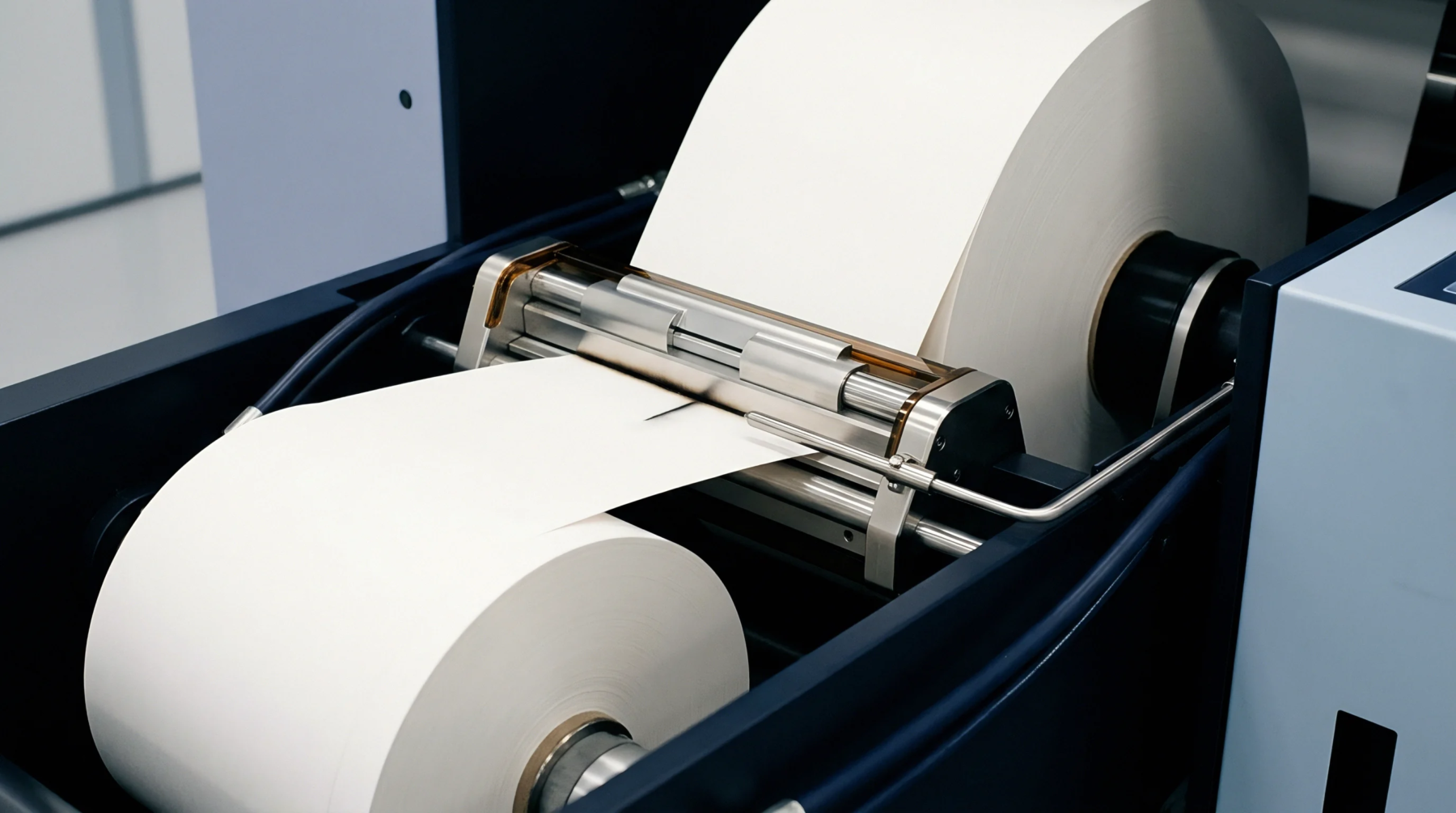
High-bulk BCTMP cores maintain boxboard bending stiffness during caliper downgauging while chemical wet-end additives prevent delamination under score creasing.

Hardwood pulp substitution increases sheet density but reduces caliper, dropping bending stiffness cubically and eroding high-speed converting line speed headroom.
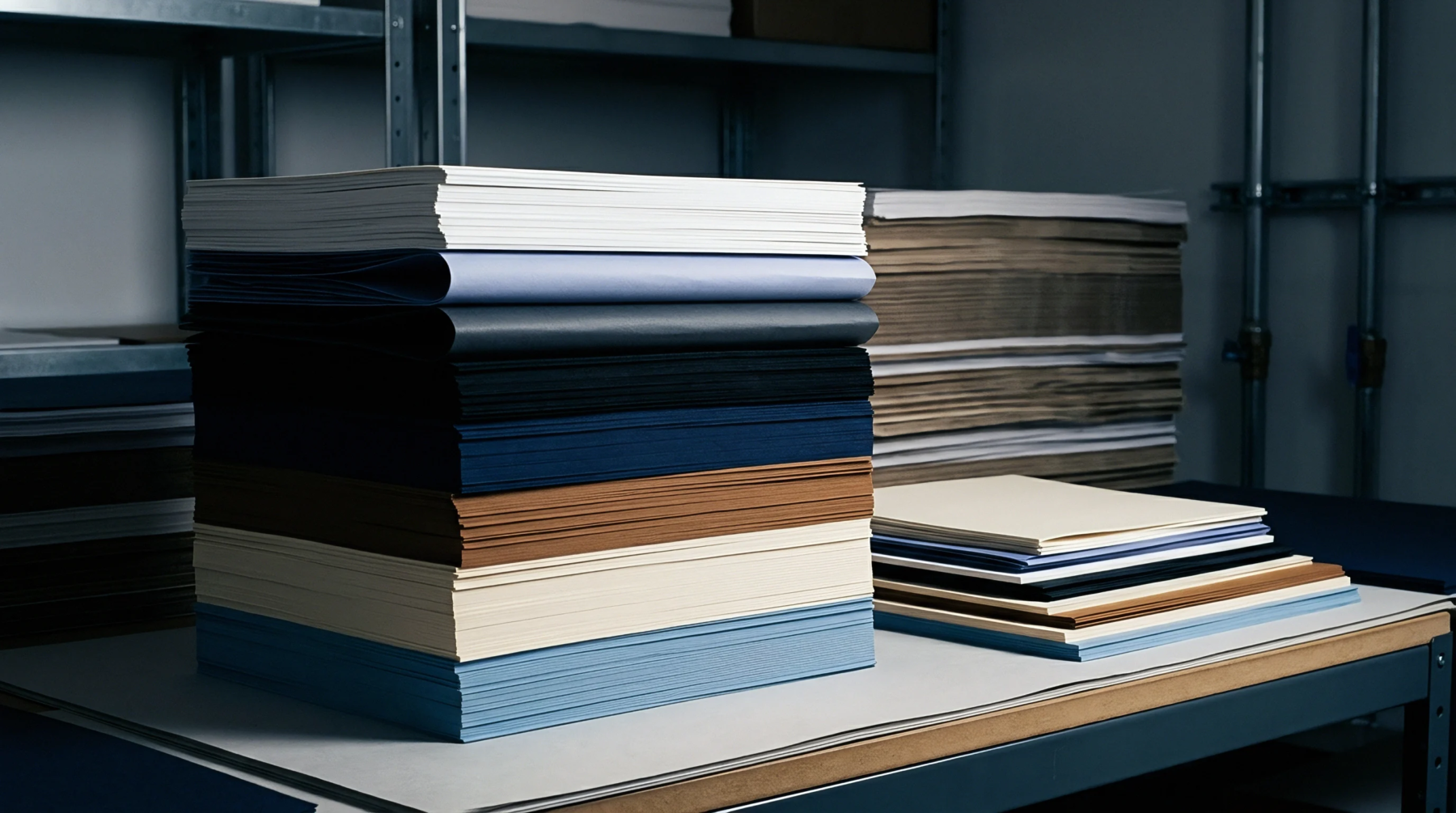
Fluorine-free lipid barriers rely on high polymer crosslinking and pore-free film formation to maintain diffusion resistance above lipid melting points.
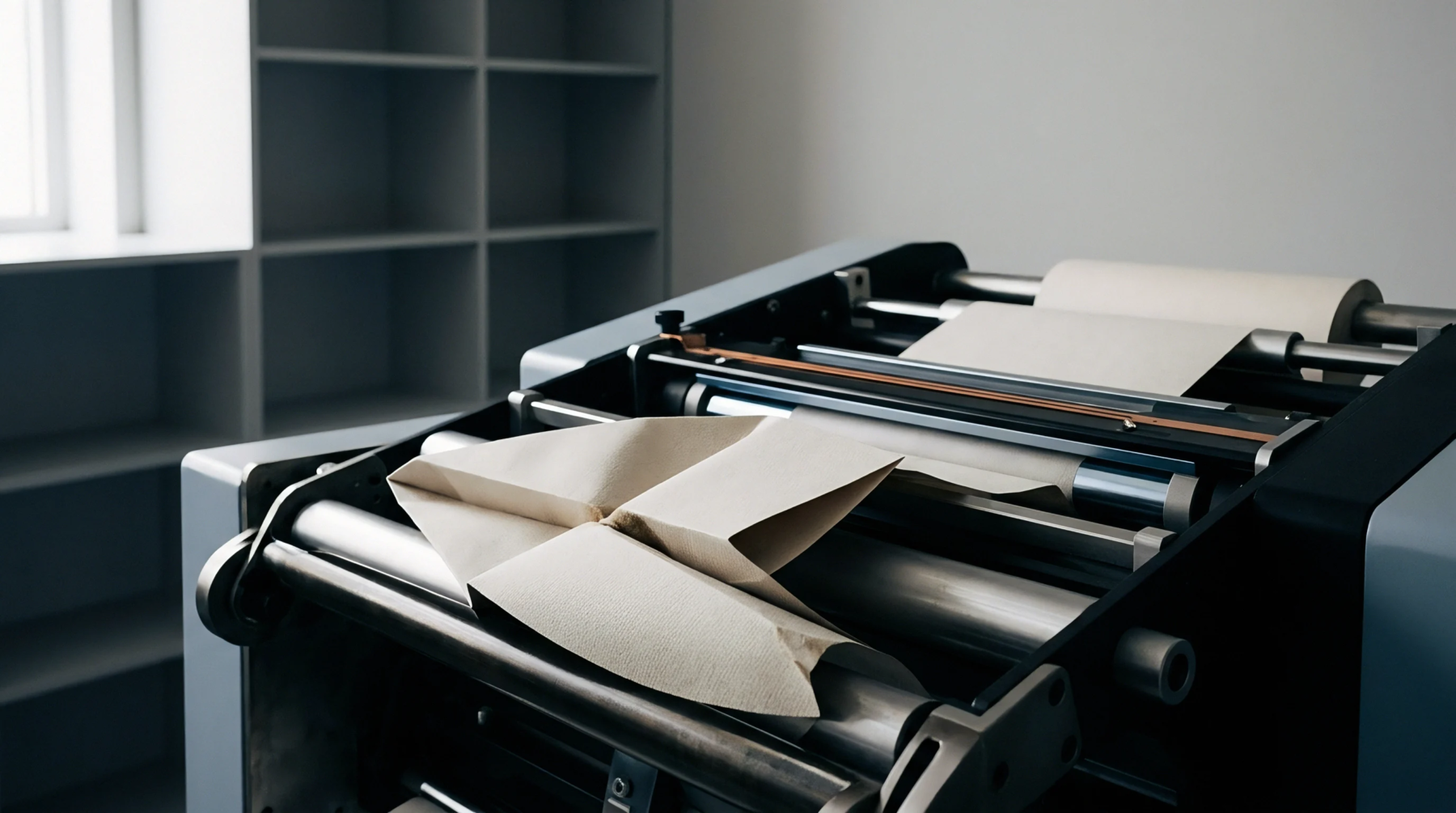
Uncoated folding boxboard requires matrix channel width equal to creasing rule thickness plus 1.8 times caliper to prevent top liner cracking during folding.
Expertise is a utility, not a secret. sentiention™ publishes its working knowledge as open reference: intelligence layer covering the materials it sources, the markets it enters, and the reference that serves both.