Optimizing Calender Moisture Profiles for Board Bulk Retention
Retain board bulk and bending stiffness by applying surface moisture gradients to lower outer ply glass transition temperatures before soft nip compression.
Retain board bulk and bending stiffness by applying surface moisture gradients to lower outer ply glass transition temperatures before soft nip compression.
Polymer barrier coating performance relies on balancing extensional viscosity to prevent misting with rapid thixotropic recovery to eliminate pinhole defects.
Piecewise Direct Standardization eliminates cross-machine headbox ash sensor drift by mathematically matching optical sub-bands to preserve target sheet ash.

Inline wet end NIR accuracy relies on rigorous grab sampling, robust multivariate scatter correction, and continuous laboratory oven-dry offset tracking.
Sorption hysteresis and internal buoyant convection degrade lower-tier corrugated strength in sealed cold-chain pallets, demanding moisture-resilient virgin fluting.
Thermal gradients across stretch-wrapped pallets drive internal vapor to cold perimeters, causing condensation that cuts box strength by over forty percent.
Dynamic stiffening at rotary converting speeds forces delamination failure modes, requiring tuned counter clearances to protect outer carton liners from rupture.

Chemithermomechanical core compliance modeling predicts time-dependent box compression decay under changing humidity by coupling viscoelastic Prony series with shear kinematics.
Dynamic Mechanical Analysis quantifies z-axis caliper loss under dynamic converting loads to prevent carton collapse and protect structural bending stiffness.
Resolving paperboard index discrepancies requires separating temporal publication lag from transit moisture gain by reconciling billed weight to bone-dry fiber mass under ISO 287.
Unbundling conversion costs from multi-fiber furnish indices and applying yield loss factors prevents supplier margin creep in paper contracts.
Structure pulp pass-through clauses by isolating virgin fibre ratios, applying bilateral deadbands, and linking quarterly adjustments to verified mill furnishes.

Dynamic creasing impact compresses internal pore air into transient pressure spikes, reducing effective shear strength and causing high-speed ply blowout.
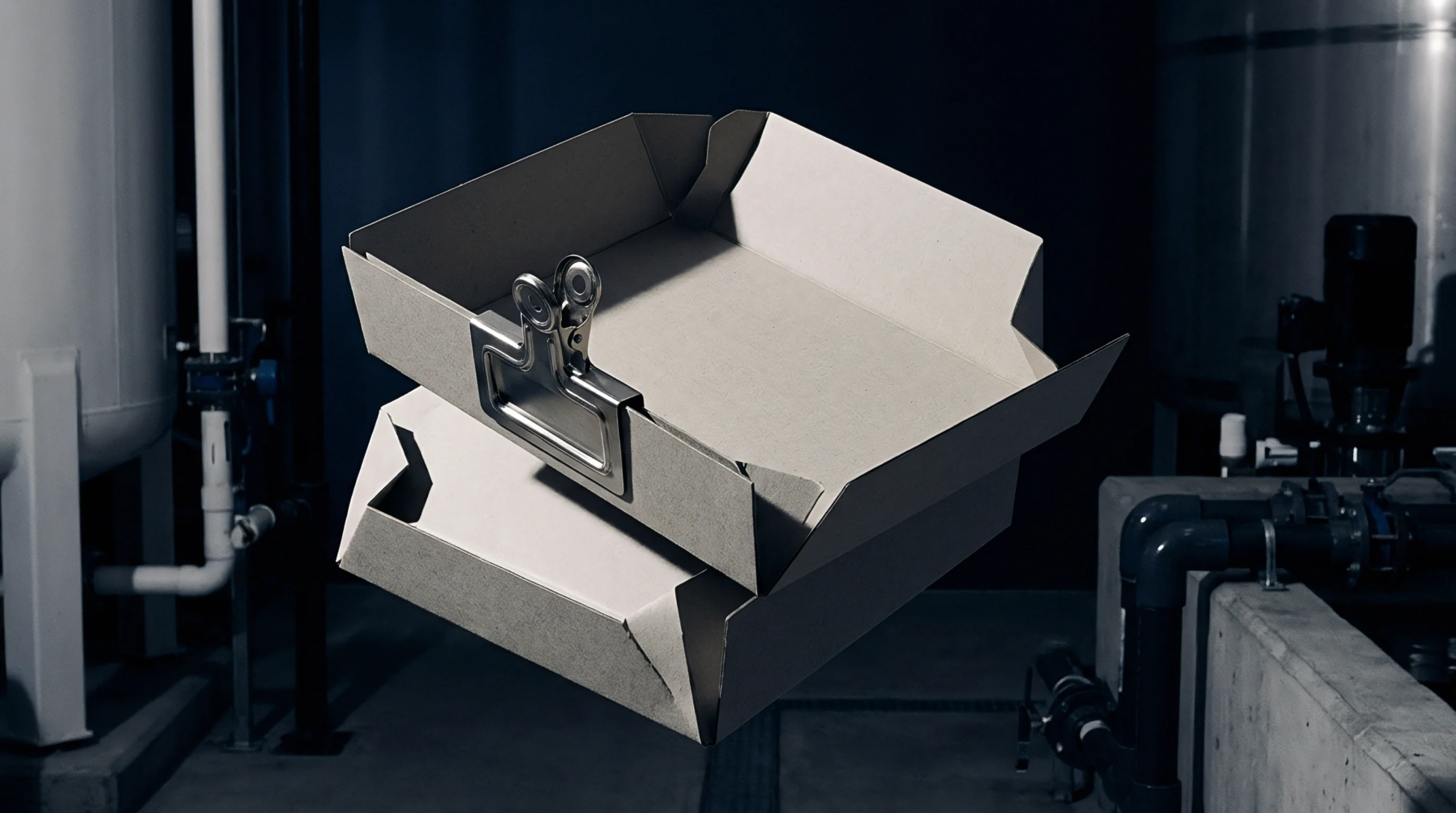
Dynamic strain rate hardening increases Z-direction stiffness during high-speed die cutting, demanding wider matrix channels to prevent crease cracking.
Matrix channel width equals creasing rule thickness plus board caliper multiplied by grade constants ranging from 1.4 for SBB to 1.7 for WLC.
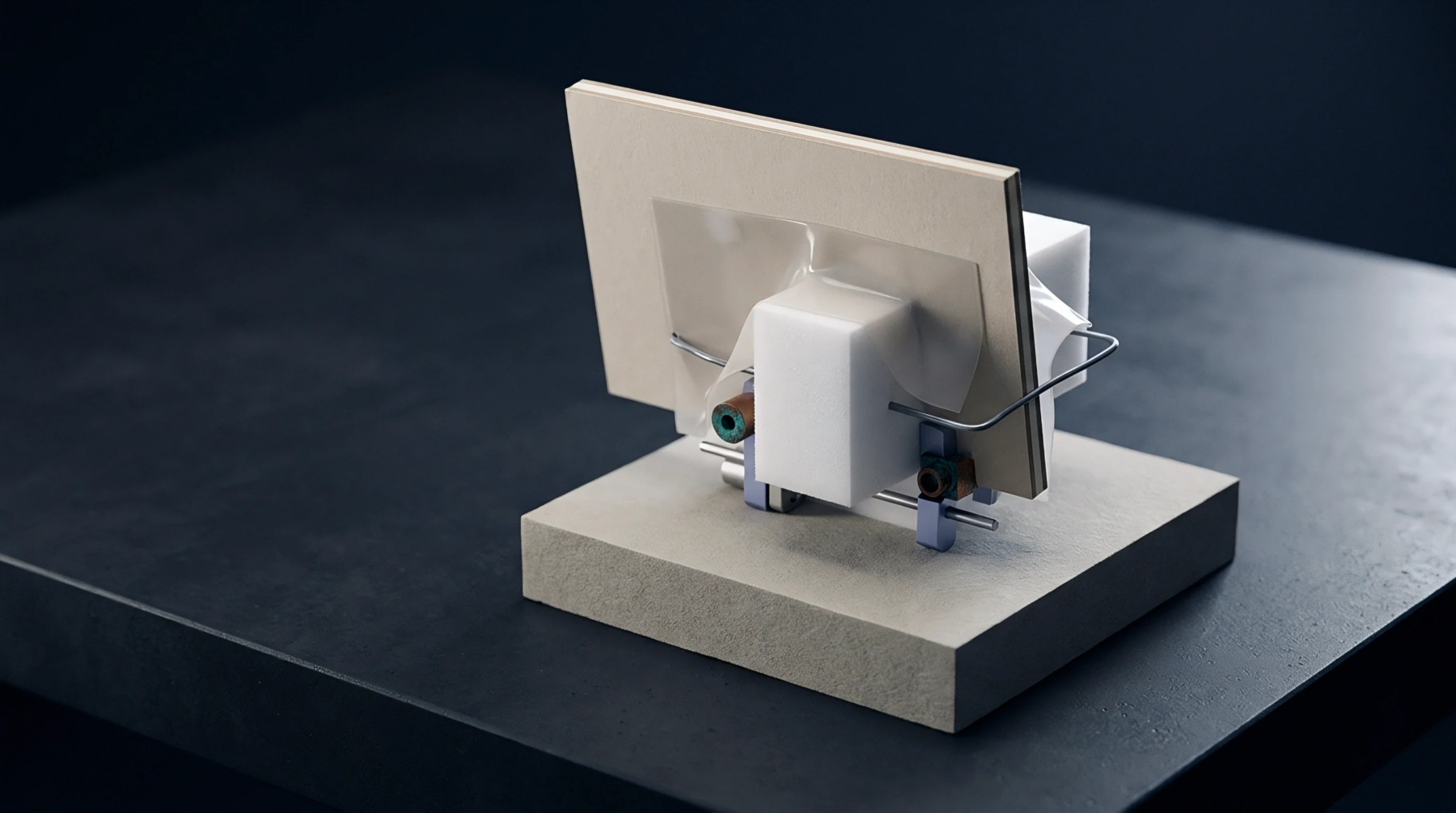
Predictive stiffness loss modeling prevents folder-gluer waste by adjusting crease depth and binder chemistry to compensate for high-speed dynamic strain.
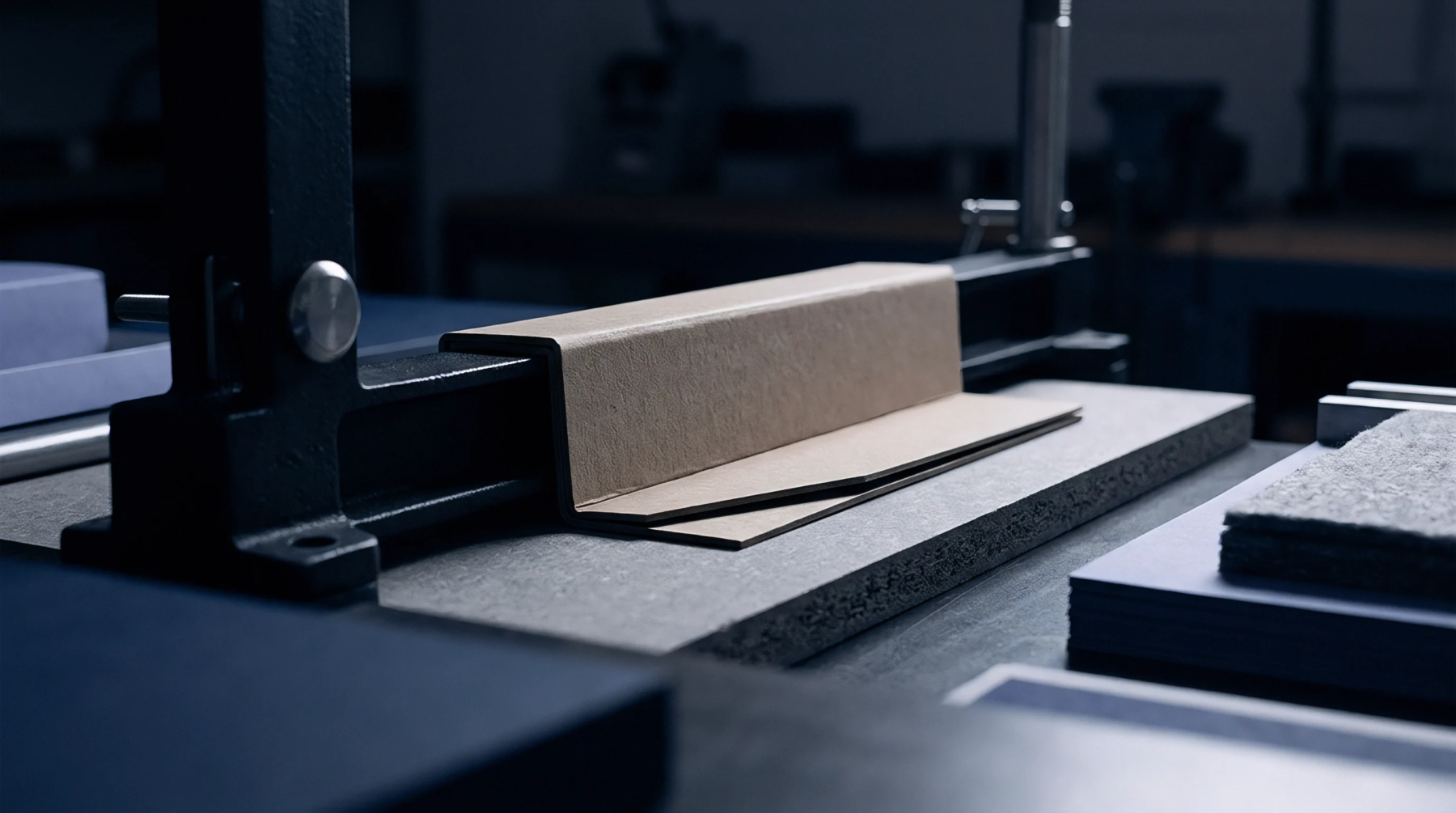
Recycled folding boxboard requires expanding matrix channel width from 1.5 to 1.8 times caliper plus rule thickness to prevent top-liner rupture.

Crease audits verify internal mechanical ply shear through moment ratios between thirty and fifty percent without top coating fracture under dye staining.

Maintain polyolefin coating moisture between 0.8 and 2.0 percent to prevent brittle crease microcracking without exceeding blocking temperature thresholds.
Low relative humidity embrittles paperboard and dispersion coatings, causing fold micro-cracks that degrade barrier integrity unless creasing geometry adapts.

Subsurface light penetration introduces up to 25 micrometers of optical drift in laser triangulation, requiring cross-polarization and grade-specific ISO 534 calibration.
Dynamic pass line vibration cancellation restores laser caliper gauge resolution down to sub-micron accuracy by eliminating phase-lag z-axis position errors.

Dual beam telecentric triangulation delivers non-contact web caliper measurement by cancelling flutter and eliminating lens magnification errors across moving webs.
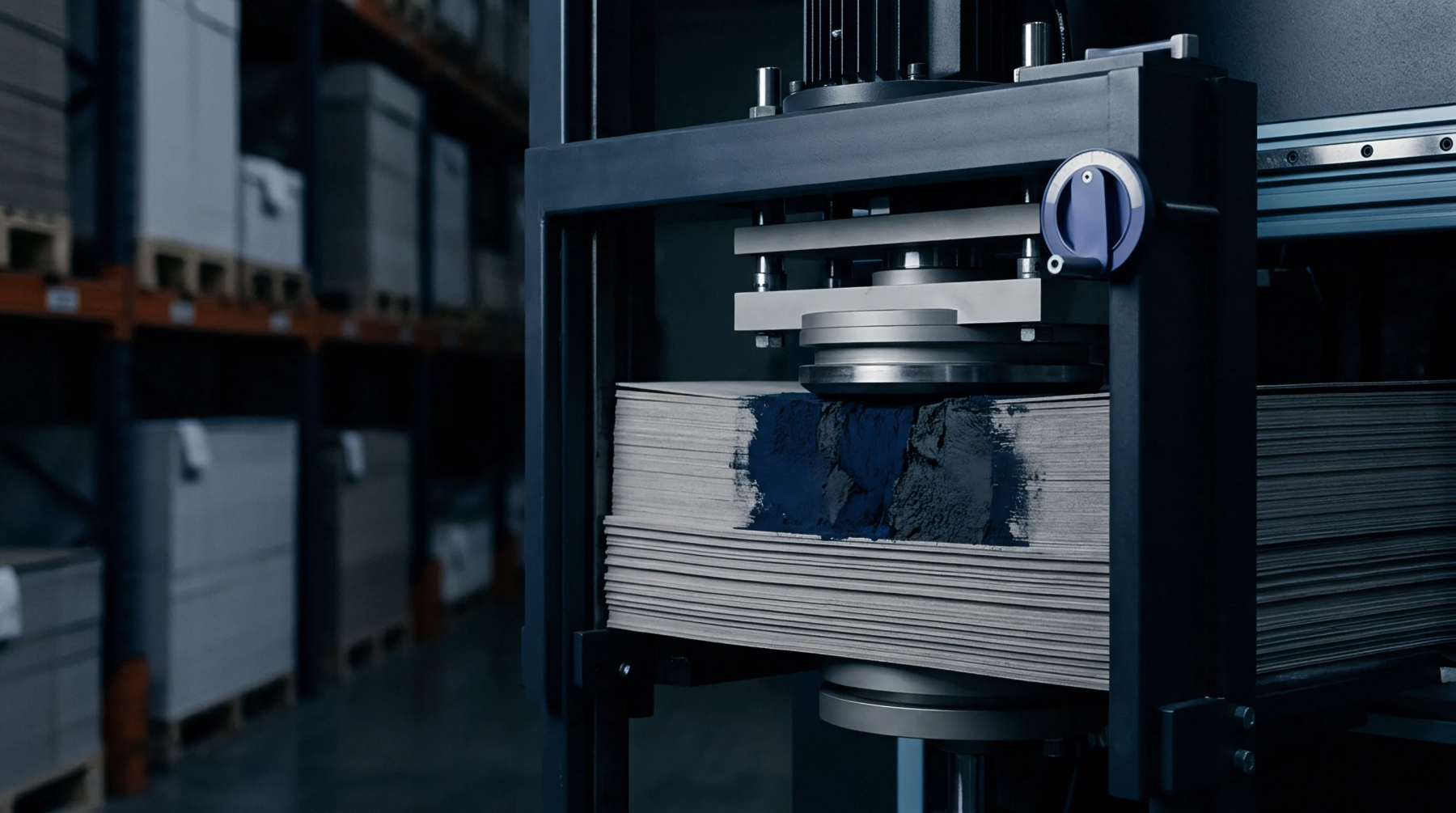
Dynamic moisture entry plasticizes paperboard core binders and depresses matrix glass transition, driving interlaminar delamination and pallet stack collapse.
Unheated storage alters multi-ply boxboard moisture equilibrium, swelling sheet edges, reducing internal bond strength, and causing severe converting curl.
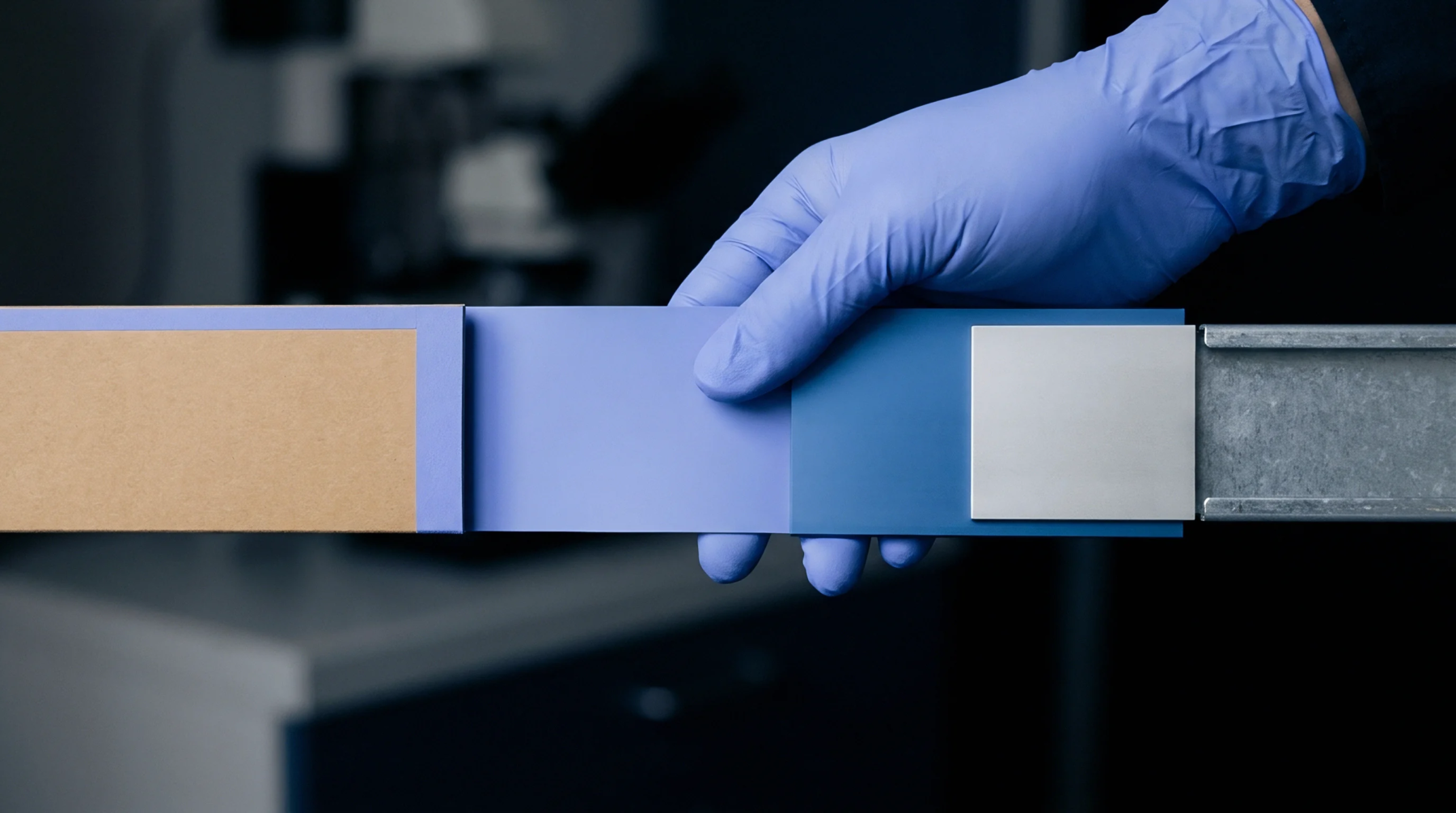
Valid boxboard physical testing requires ISO 187 conditioning at 23°C and 50% RH to prevent hysteresis errors in stiffness, yield, and creasing metrics.
Dynamic viscoelastic springback coupled with orthotropic panel deflection governs cartoning line efficiency and side-wall structural limits under high speeds.
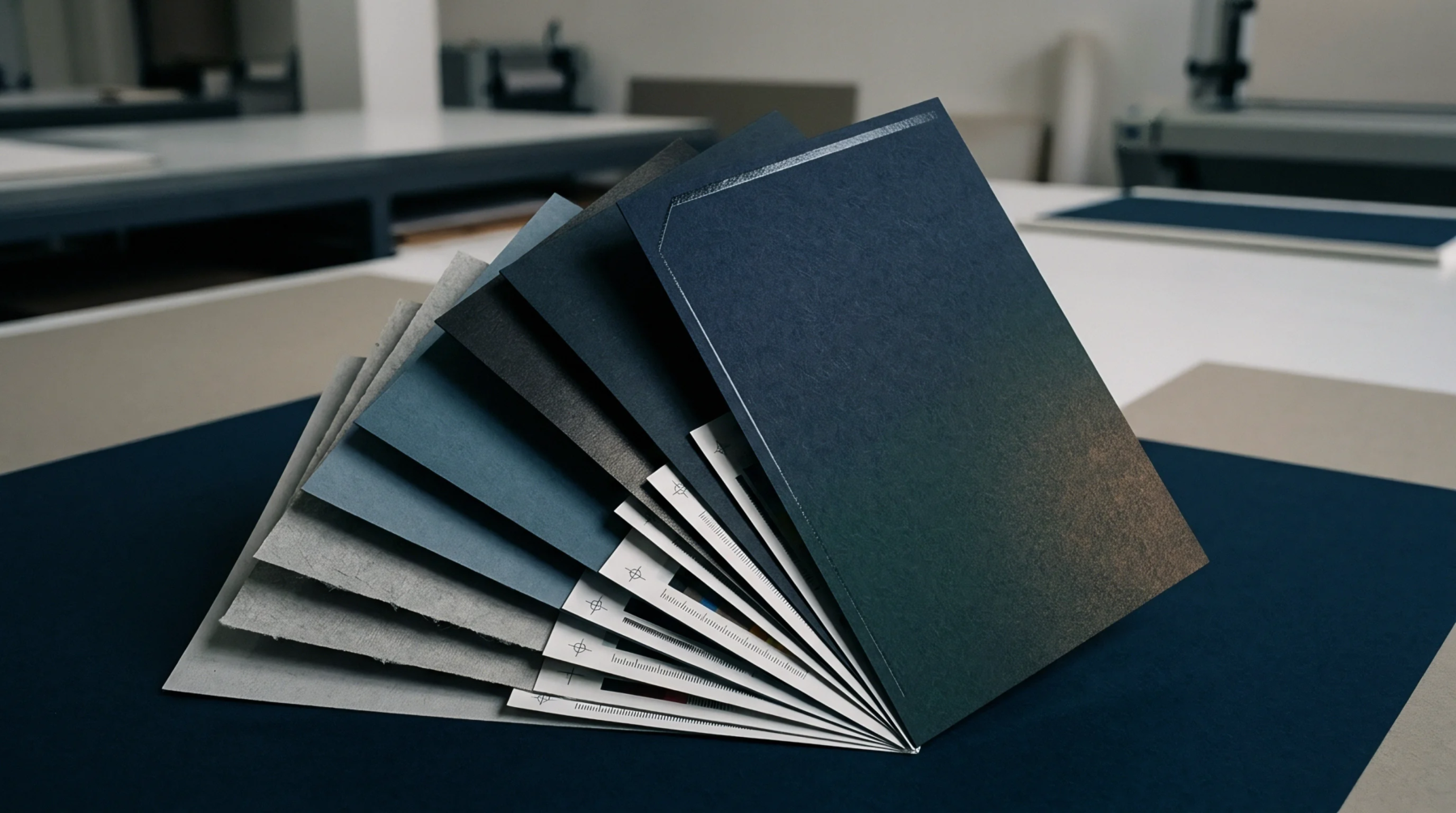
Jet-to-wire velocity ratios govern machine-direction fiber orientation, setting board anisotropy ratios that dictate box compression and score crack resistance.
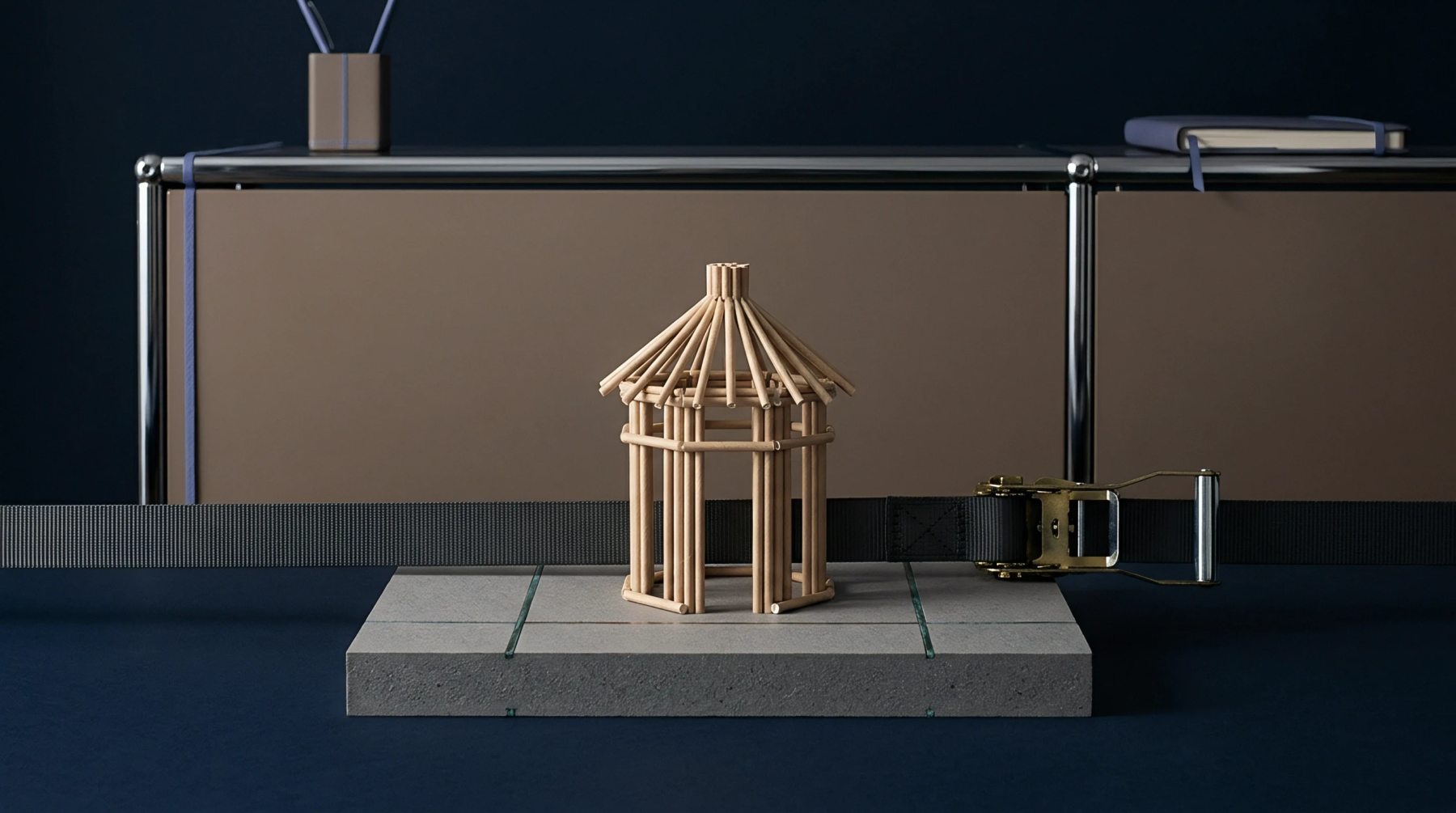
Recycled containerboard hygroexpansion demands strict cross-direction testing under ISO 8226-1 and contract moisture limits to prevent box warp and creep.
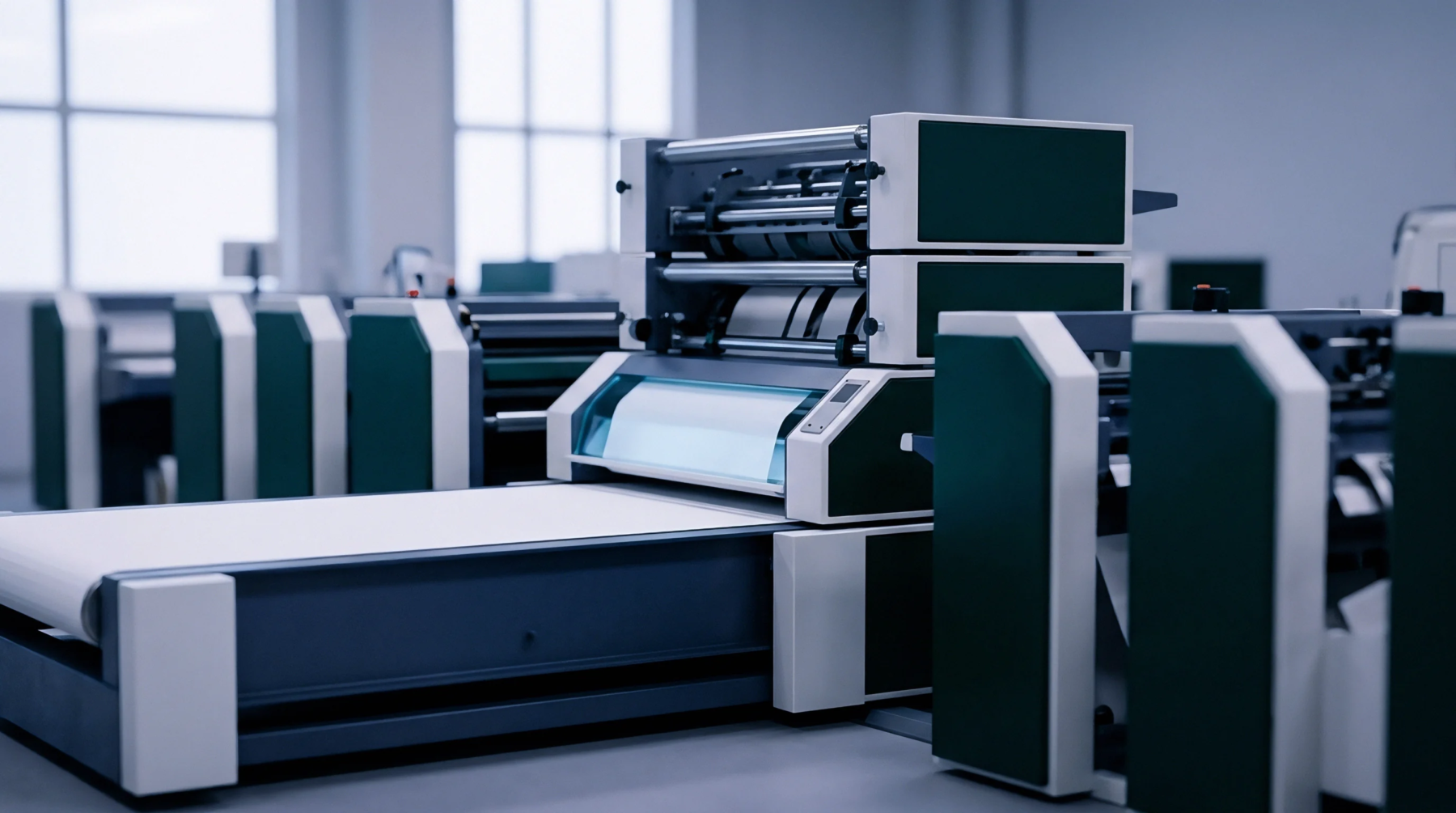
Converting formulas combine deckle trim efficiency, multi-pass spoilage allowances, freight mass shifts, and scrap recovery to determine landed blank costs.
Expertise is a utility, not a secret. sentiention™ publishes its working knowledge as open reference: intelligence layer covering the materials it sources, the markets it enters, and the reference that serves both.