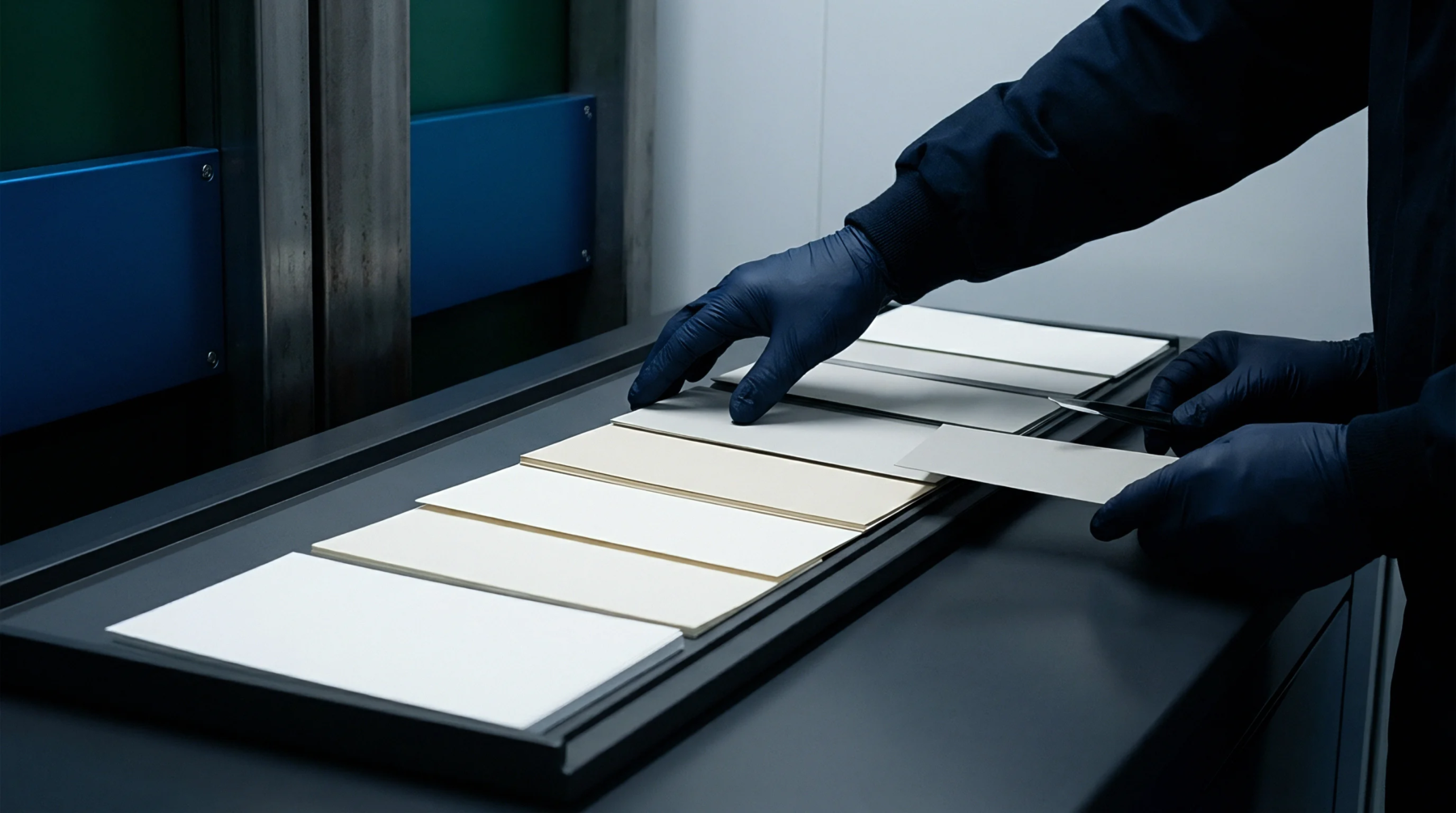
Standard Bench Viscometry Methods for Aqueous Paper Coating Emulsions
Bench viscometry of paper coating emulsions requires standardized temperature control, verified spindle geometry, and multi-shear profiling to ensure runnability.
Bench viscometry of paper coating emulsions requires standardized temperature control, verified spindle geometry, and multi-shear profiling to ensure runnability.
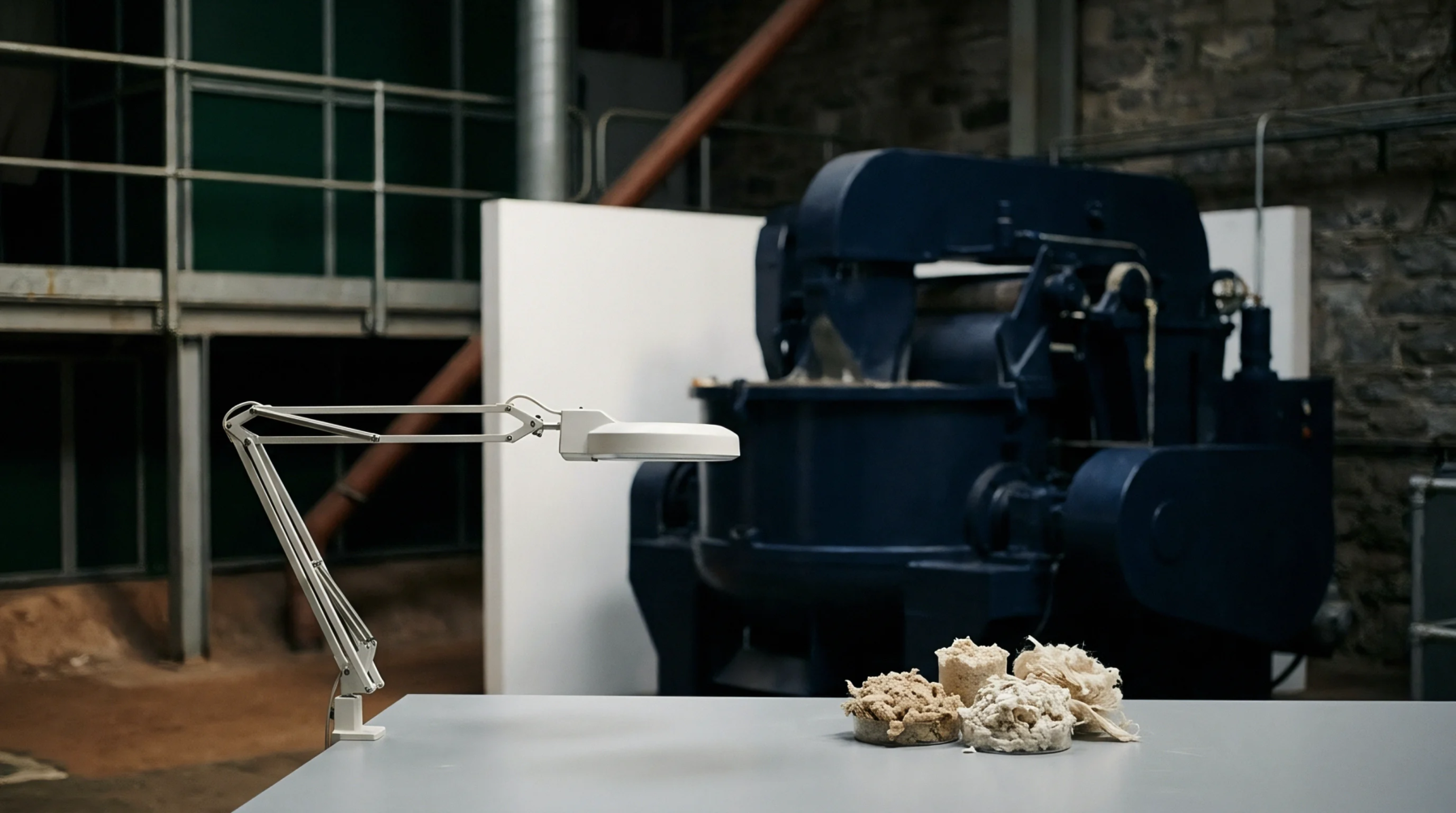
Dynamic calibration transfer standardizes online near-infrared sensors across recycled furnish nodes, maintaining prediction accuracy across shifting pulp matrices.
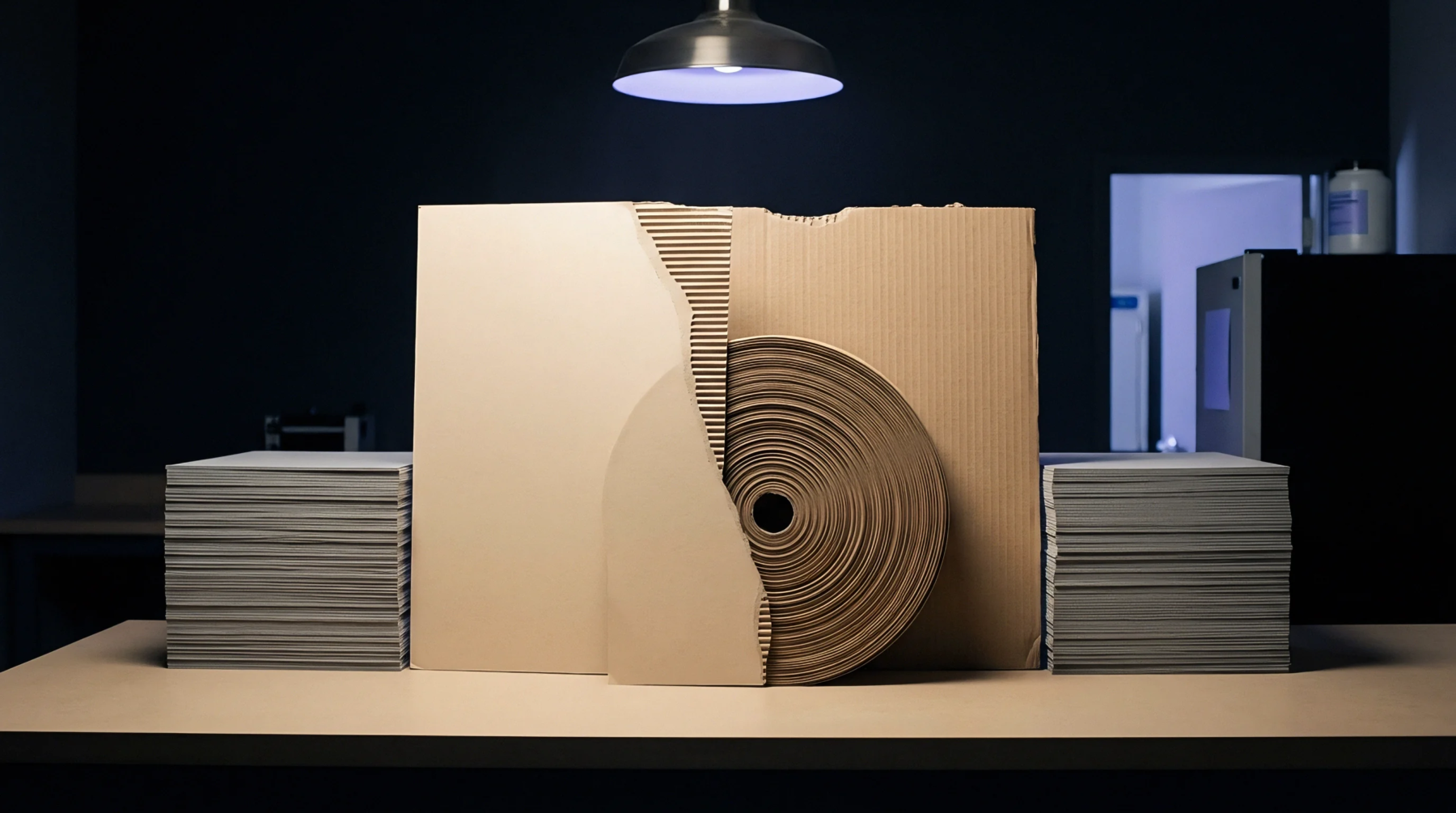
Boundary layer condensation degrades corrugated board compression strength through localized dewpoint phase transitions manageable via virgin liners and desiccants.

Moisture and thermal stress during converting plasticize aqueous latex coatings, reducing storage modulus and causing fold delamination unless web tension is optimized.
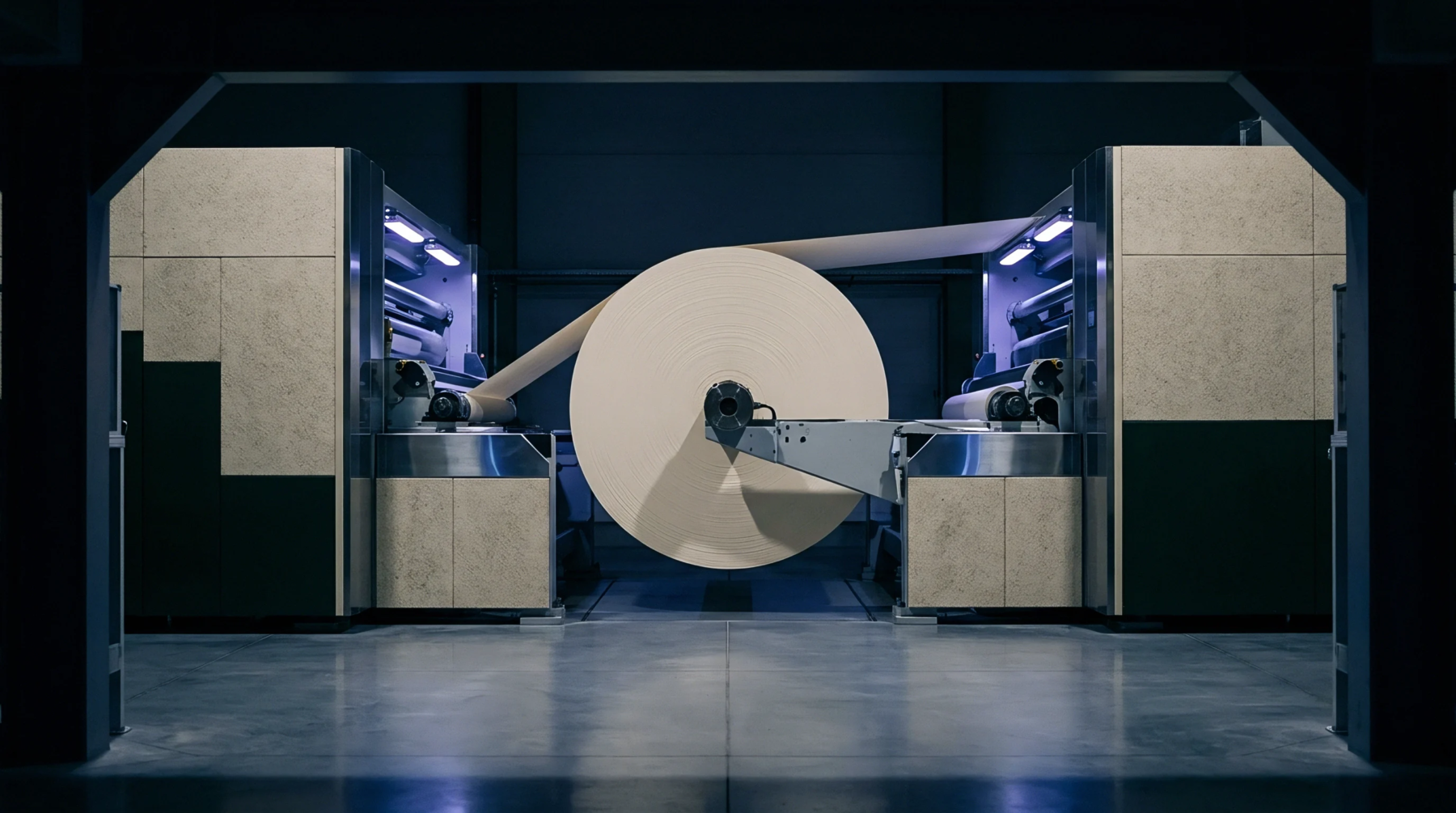
Die imposition layouts must align machine direction grain along the extraction vector to prevent dynamic bowing and vacuum shear during high-speed cartoning.
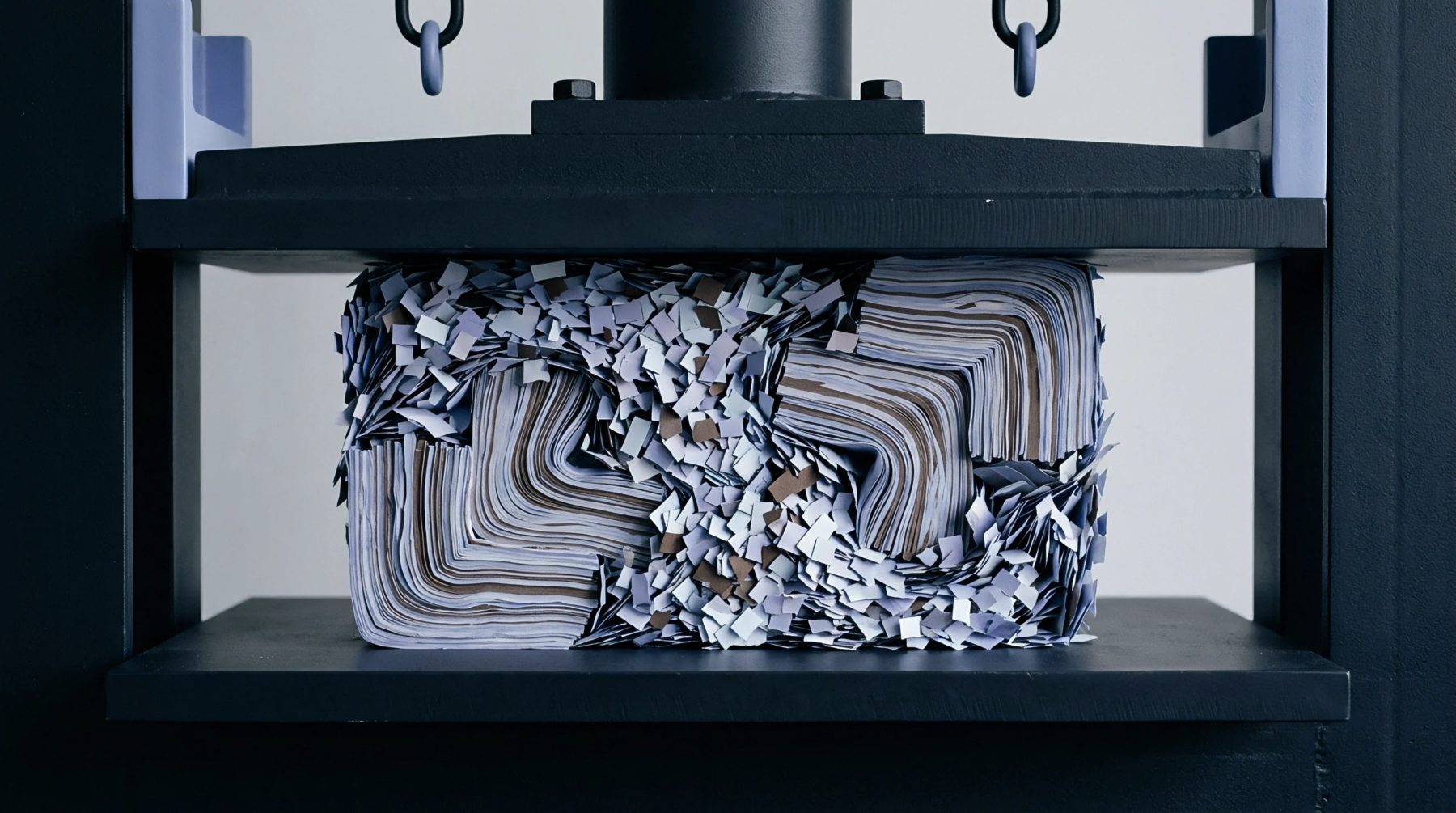
Parent sheet yield depends on matching machine deckles, subtracting press clearances, respecting grain direction, and accounting for guillotine kerf margins.

Narrow coating pore throats below 0.05 micrometres maximize capillary pressure, driving rapid ink vehicle separation and set speed on offset press.

Hornification in secondary fibres reduces internal pore volume and alters optical scattering, requiring dynamic wetting controls to prevent press mottle.

Optimizing board bulk expands sheet caliper at lower basis weight, increasing bending stiffness and yield per tonne while lowering total material cost.
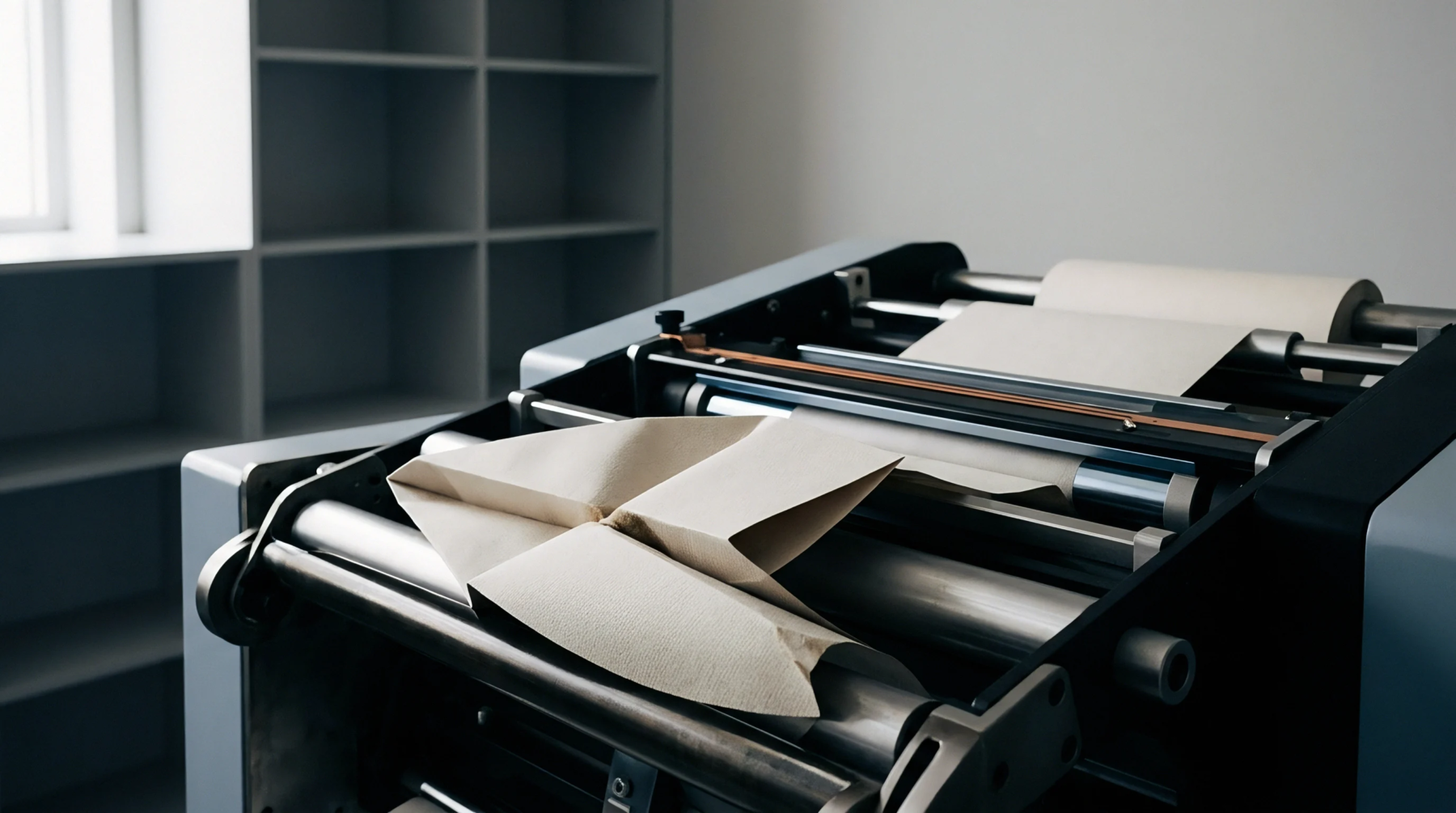
Evaluating machine direction anisotropy and crease depth ratios in SBS board balances fold integrity against corner springback on high-speed cartoning lines.
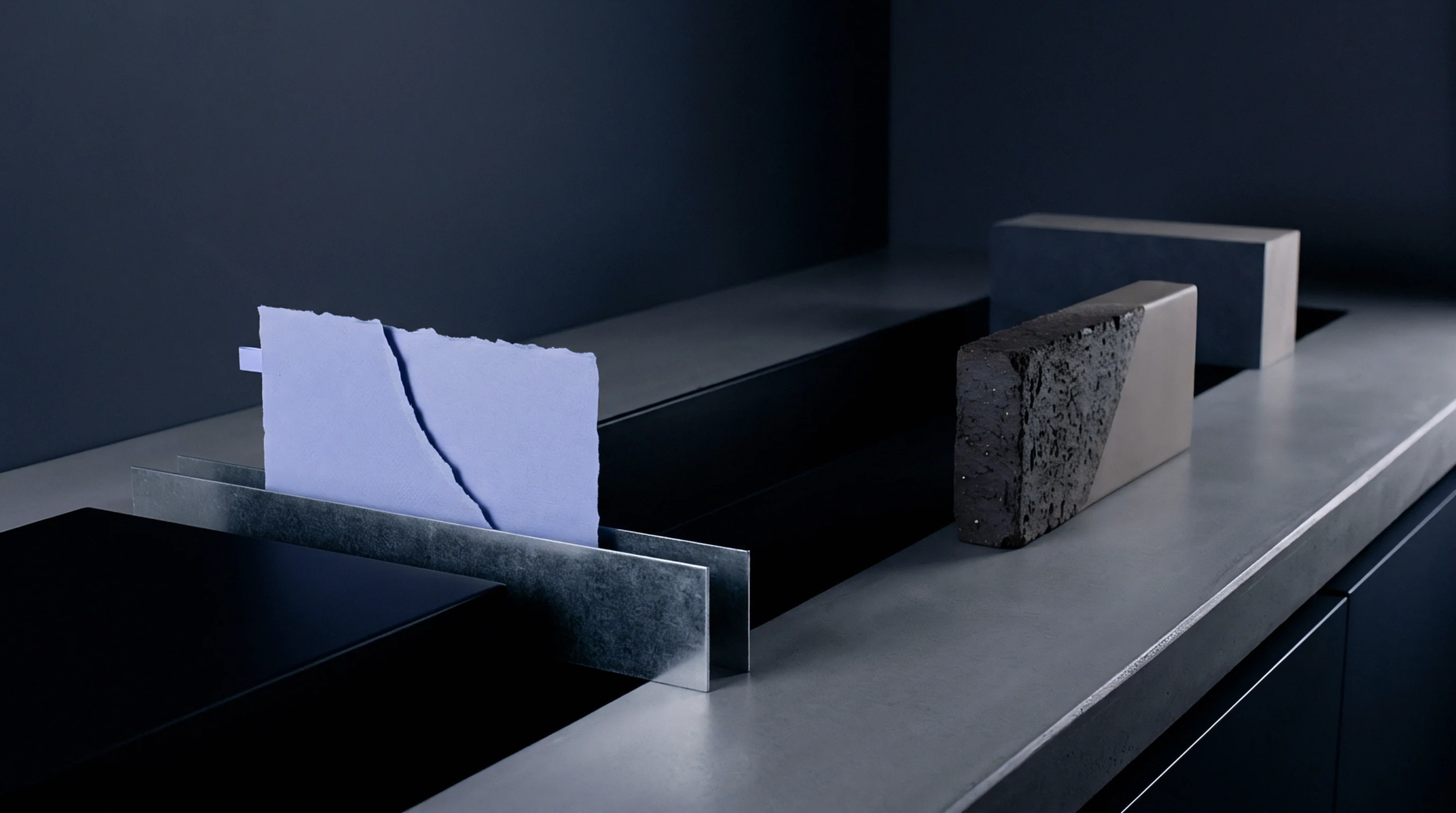
Optimizing shoe press peak pressure and wet-end couch solids maximizes inter-ply bond strength in multi-ply recycled fiber formations.
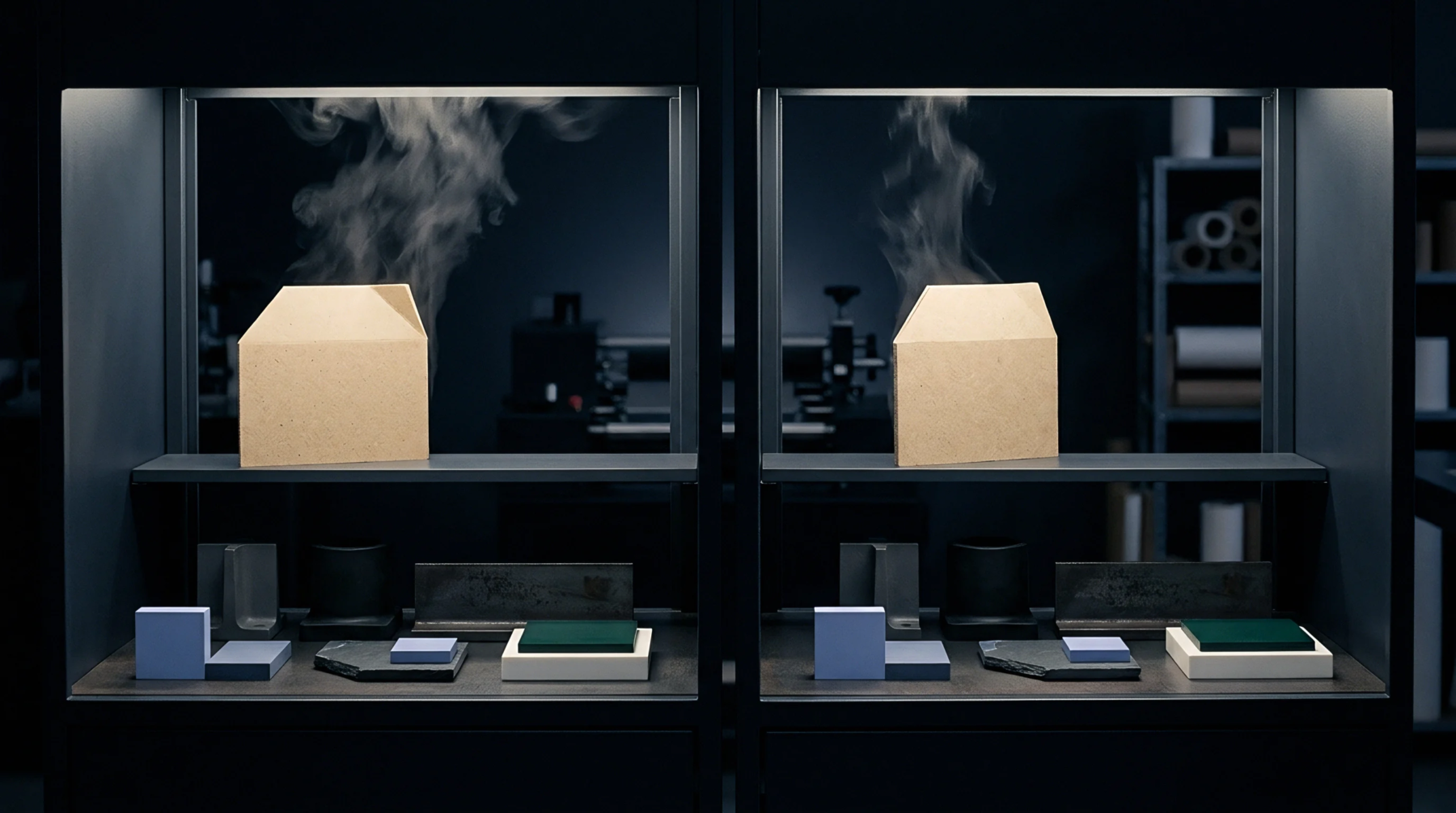
Paperboard moisture sorption and vapor permeability govern pack structural integrity and shelf life through fiber swelling, stiffness loss, and mass flux.
Deriving uncoated paper TVI targets demands separating optical light scattering from capillary ink absorption using M1 spectral data to set inverse RIP curves.
Unbundled containerboard energy surcharges require fixed baseline consumption caps and index hedging rules to prevent mill efficiency losses passing into board prices.
Recycled fiber networks lose up to forty percent of tensile strength under cyclic transport humidity swings due to bond dislocation and localized hygroexpansion.

Optimizing folding boxboard stiffness requires balancing BCTMP core bulk with chemical pulp outer layers to maximize moment of inertia at target carton speeds.
Calibrating female matrix depth for extruded polyethylene packaging requires matching depth to polymer compression mechanics to avoid barrier skin pinholing.

Dynamic crease stiffness reduction ratios must be evaluated under operational strain rates of 1000°/s to 5000°/s to prevent high-speed cartoning line jams.
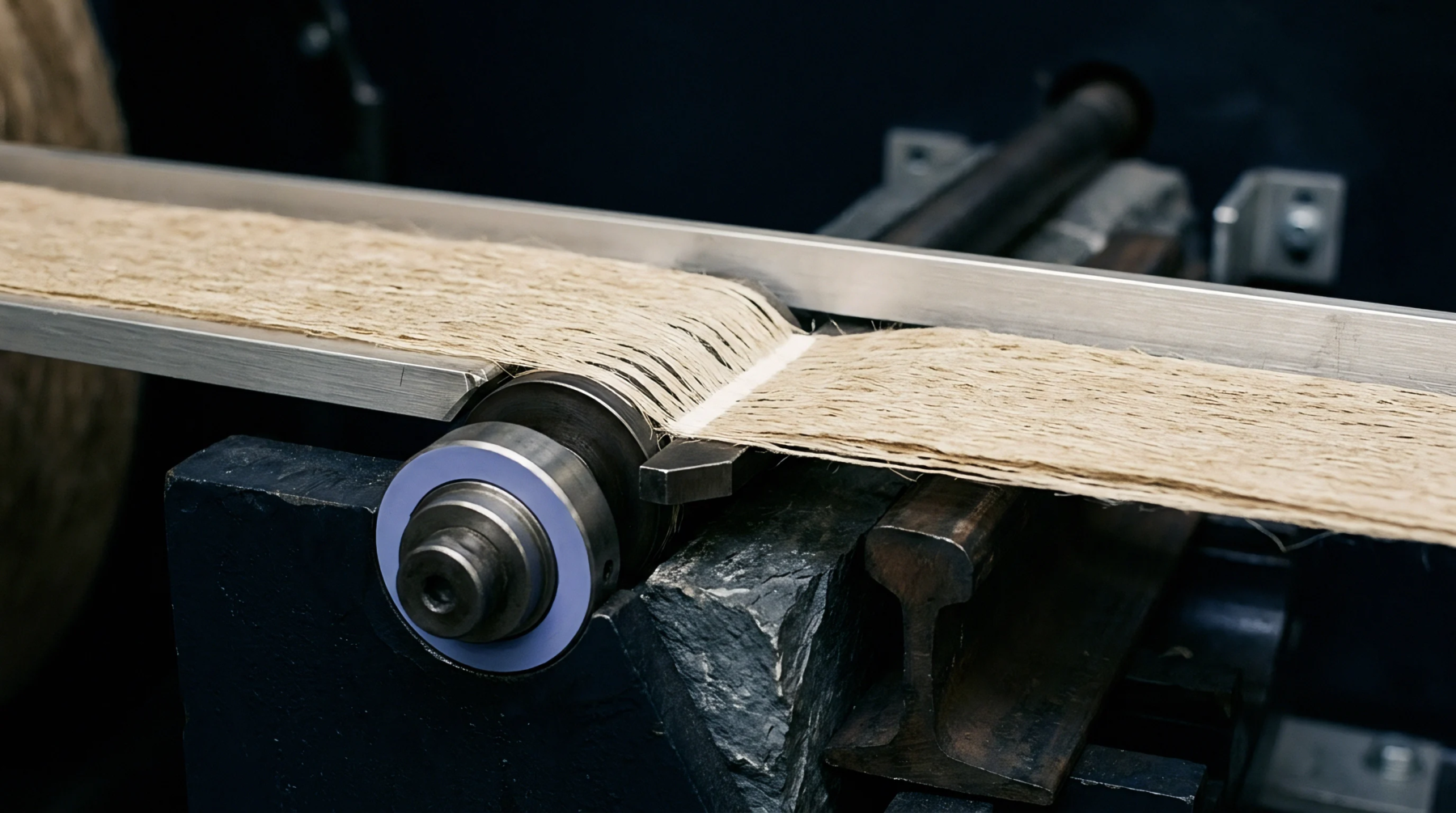
Inline blue laser triangulation measures paperboard surface topography at high speeds by overcoming fiber light penetration and isolating mechanical flutter.
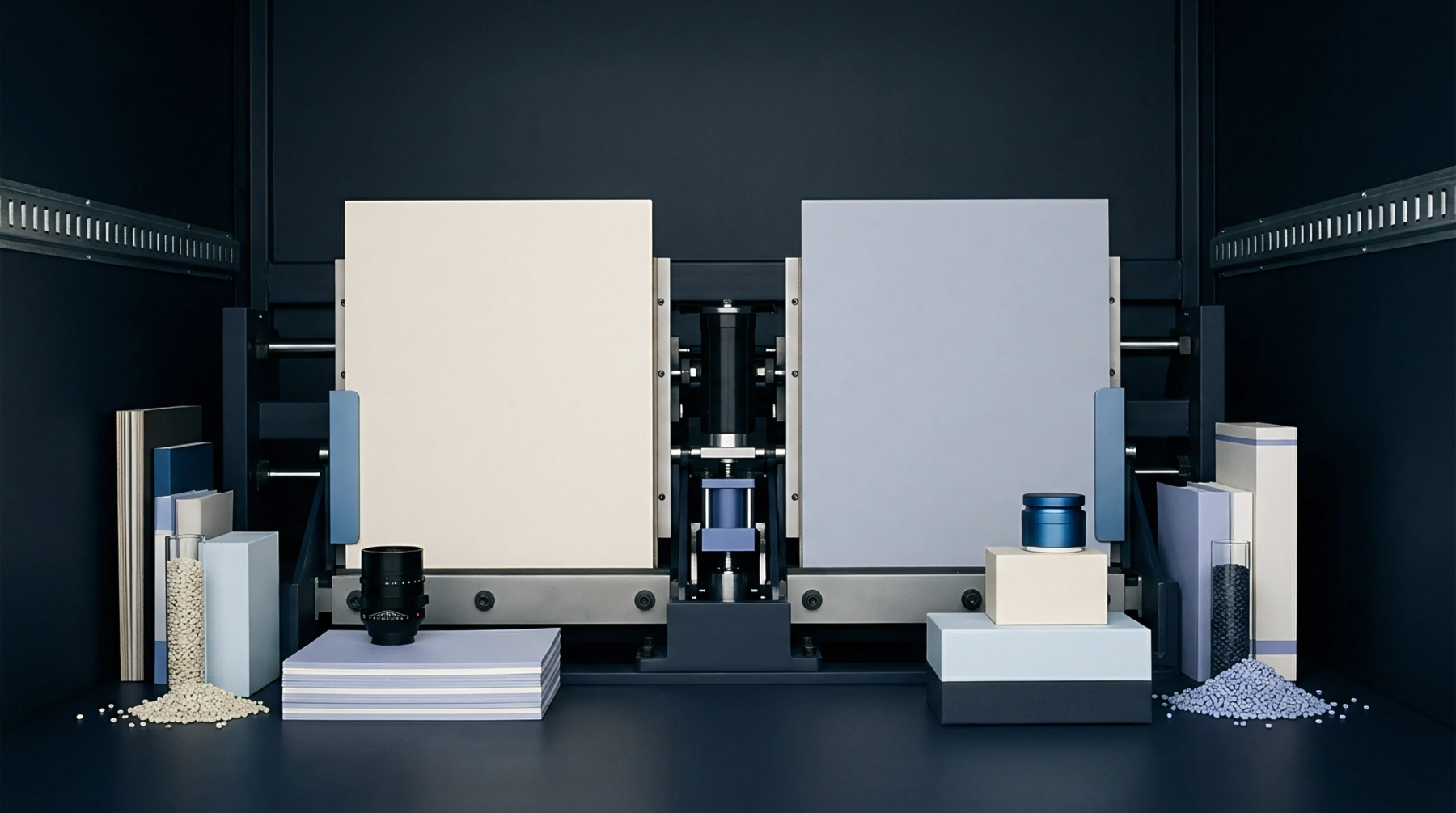
High strain shear during boxboard creasing causes polymer film micro fractures when local elongation exceeds film yield capacity along the outer bend radius.

Polymer film pinholing across creased recycled stock stems from hornified fiber end punctures under high dynamic strain rates during package converting.
Surfactant diffusion kinetics govern dynamic surface tension within millisecond curtain residence times, dictating high-speed air entrainment speed thresholds.
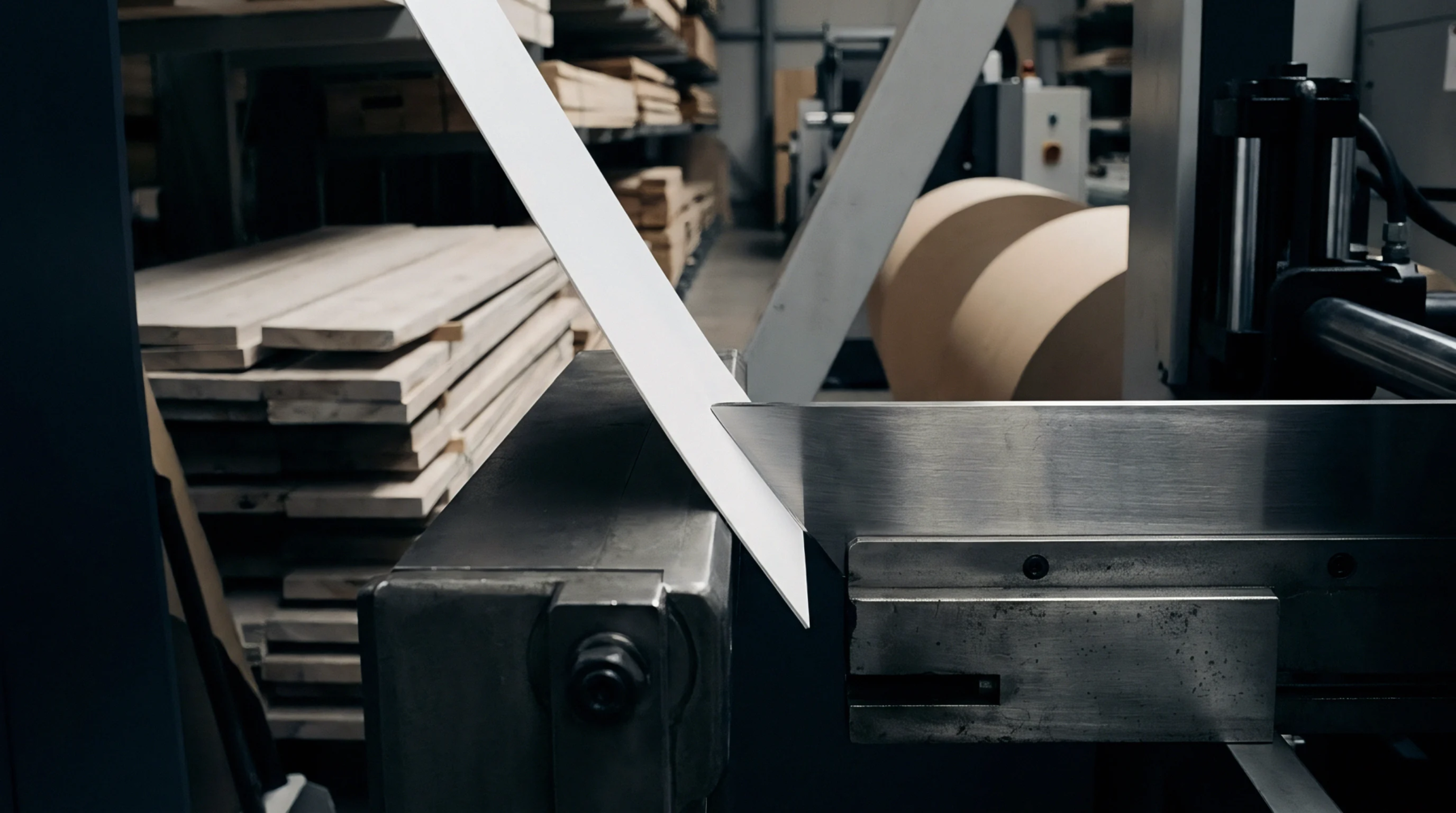
Modeling transient moisture gradients and hygral stress in high-bulk recycled cartonboard skids establishes barrier wrap limits to prevent press edge waving
Matching dynamic roll order combinations to multi-machine paper deckle profiles minimizes fiber edge waste and slitter setup downtime across paper mills.

Optimize mechanical greaseproof paper selection by specifying 80-88 SR refining and 15000+ s Gurley porosity to secure non-PFAS grease resistance.
Paperboard loses up to sixty percent of top-load compression strength in high humidity due to transverse fiber swell and mechano-sorptive creep decay.
Moisture-gradient calendering plasticizes outer chemical skins while keeping mechanical cores dry, maximizing FBB bending stiffness and yield.
Flexographic aqueous latex barrier coating viscosity requires multi-shear rotational measurement to ensure accurate anilox transfer and barrier film continuity.

Transferring chemometric models across wet end sensing nodes requires piecewise direct standardization to preserve ash prediction accuracy.
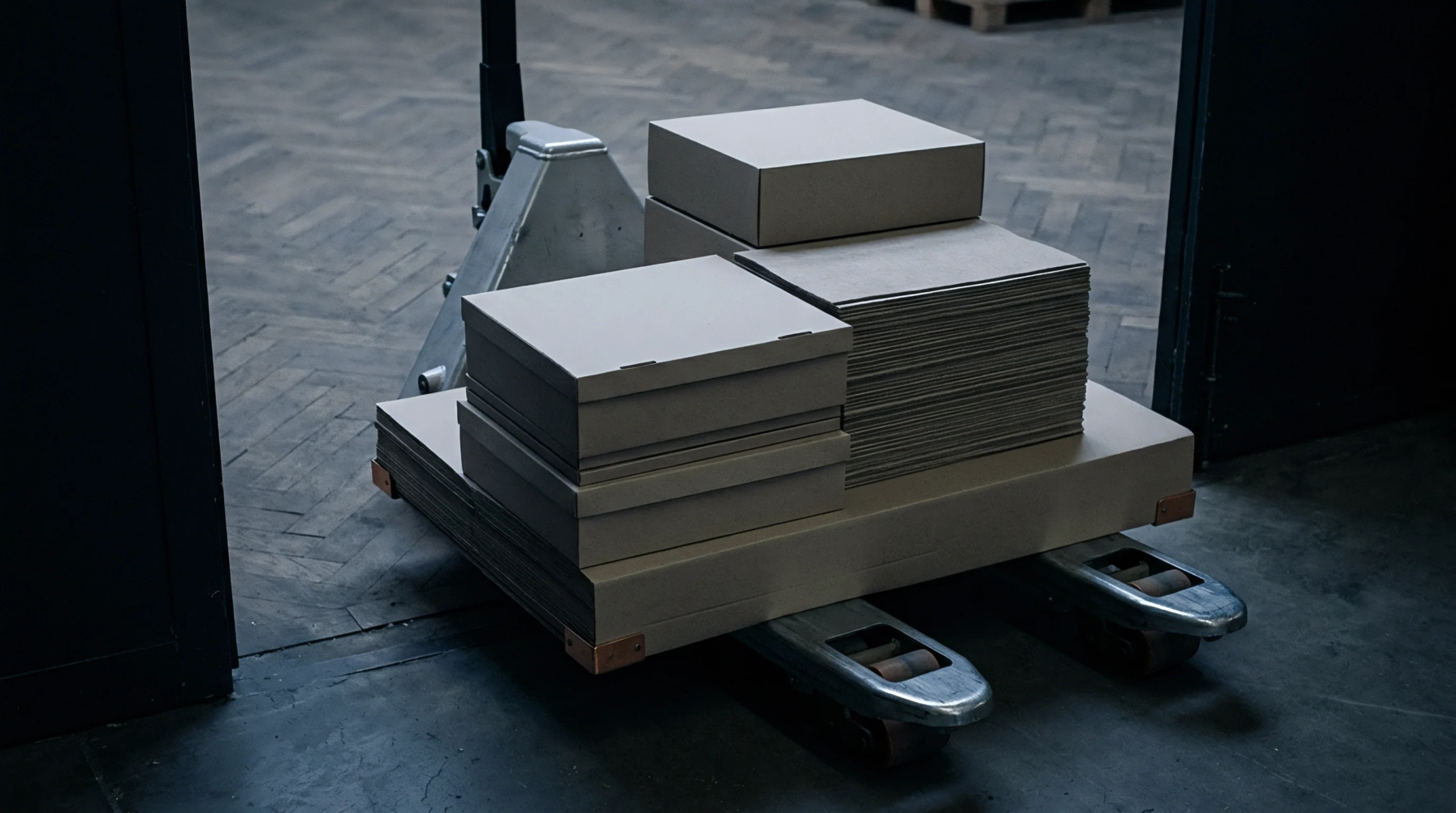
Thermal boundary layers inside stretch-wrapped pallets drive vapor condensation and localized corrugated compression strength failure during temperature transitions.
Expertise is a utility, not a secret. sentiention™ publishes its working knowledge as open reference: intelligence layer covering the materials it sources, the markets it enters, and the reference that serves both.