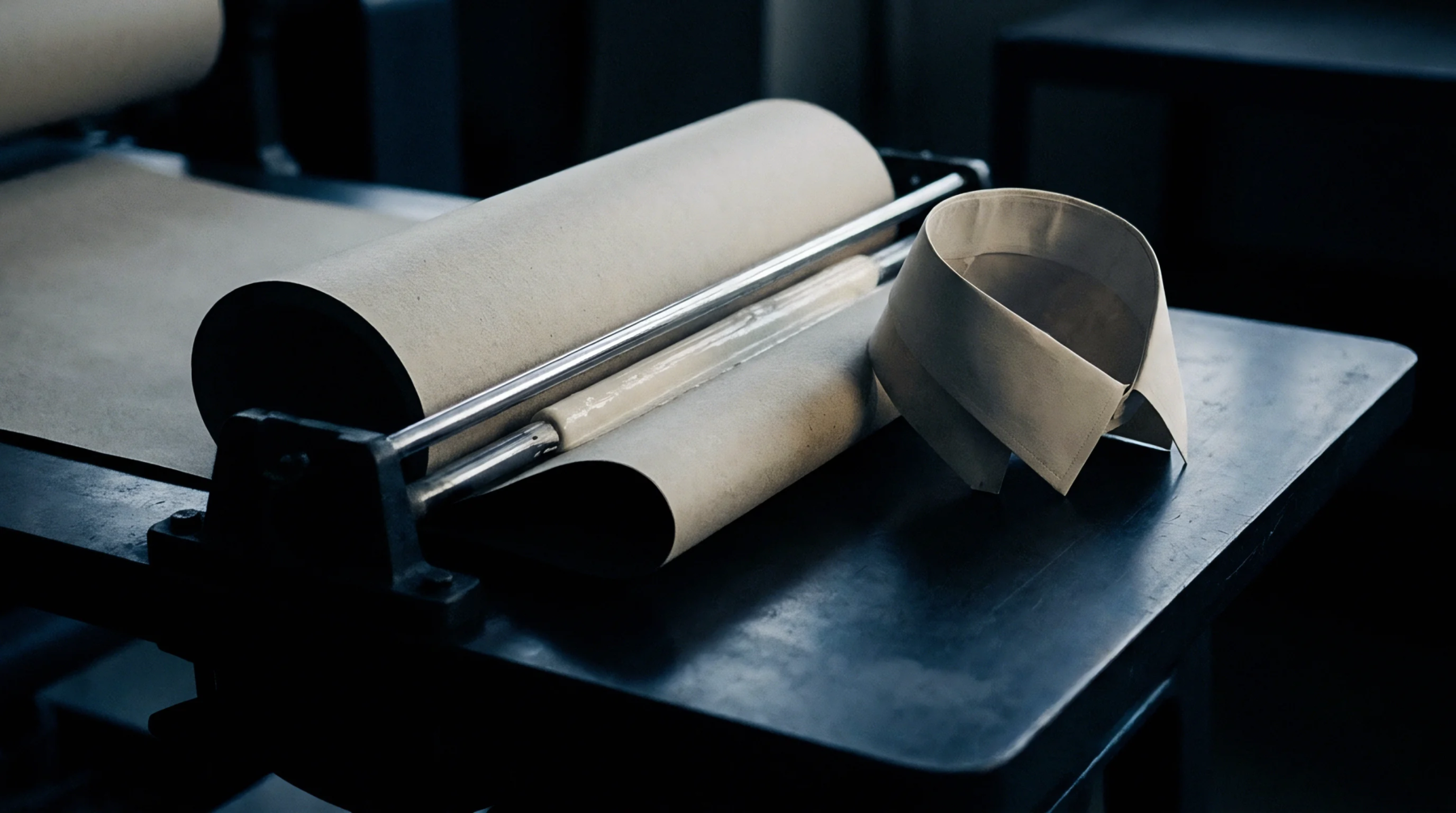
Evaluating Bending Stiffness and Yield Impact in Folding Boxboard Grade Swaps
Swapping dense SBS for bulky FBB preserves bending stiffness through thickness retention while cutting material weight by fifteen to twenty percent per carton.
Swapping dense SBS for bulky FBB preserves bending stiffness through thickness retention while cutting material weight by fifteen to twenty percent per carton.
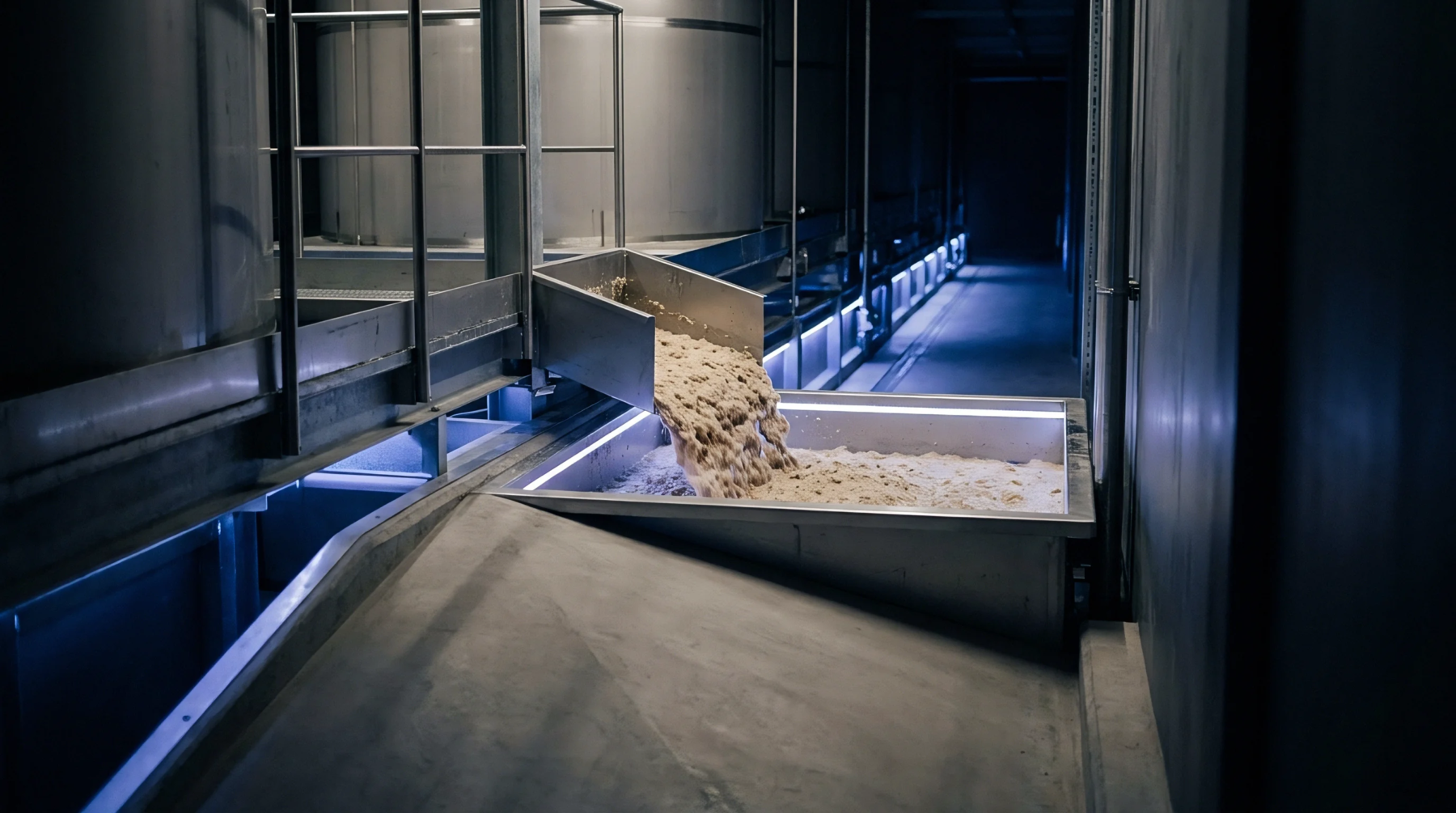
Alkyl ketene dimer hydrolysis in alkaline hardwood stock converts active sizing wax into unreactive dialkyl ketone, raising chemical costs and felt deposits.
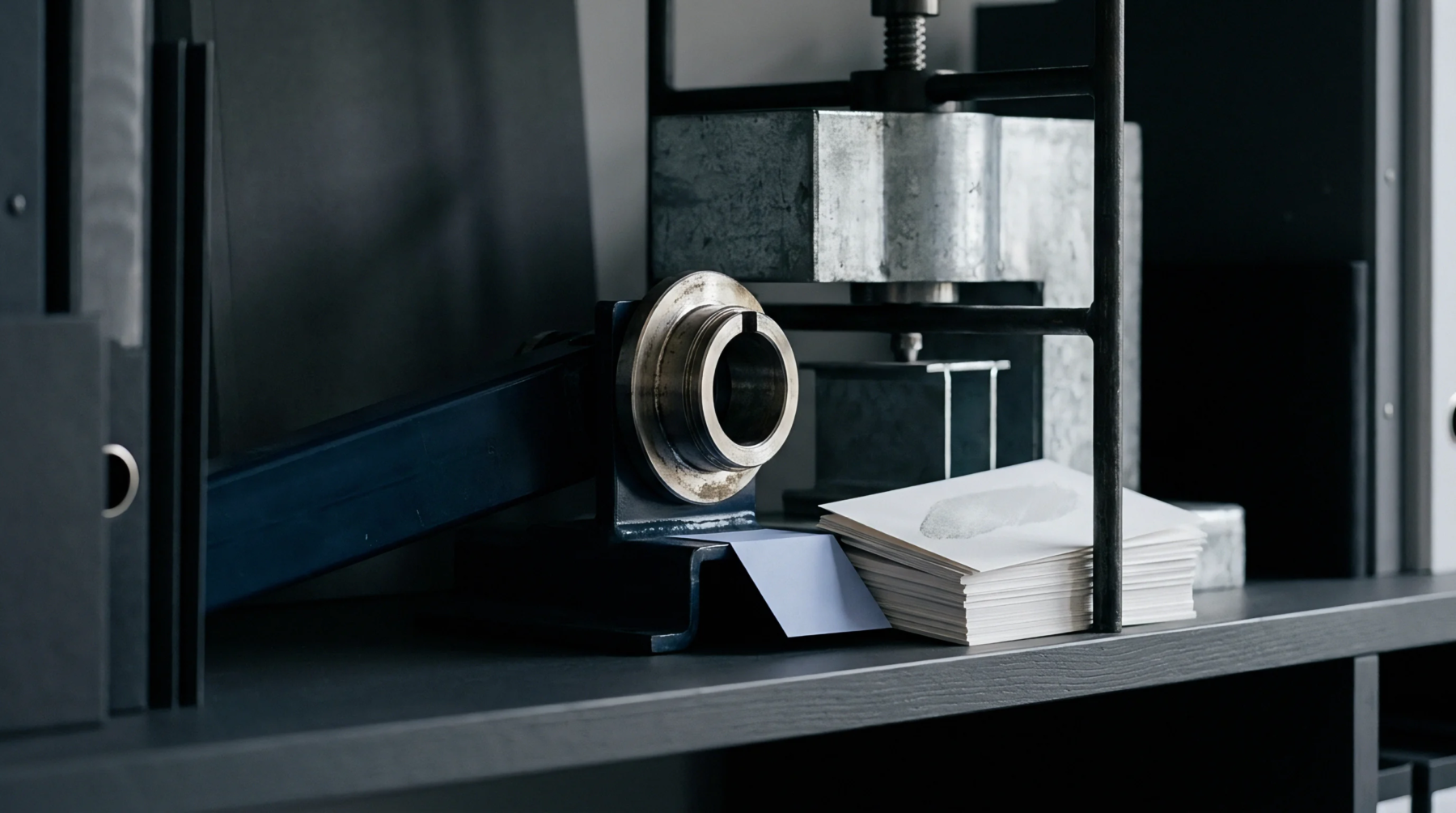
Widening matrix channel width to 1.7 times board caliper mitigates score cracking on recycled board by promoting controlled internal ply delamination.
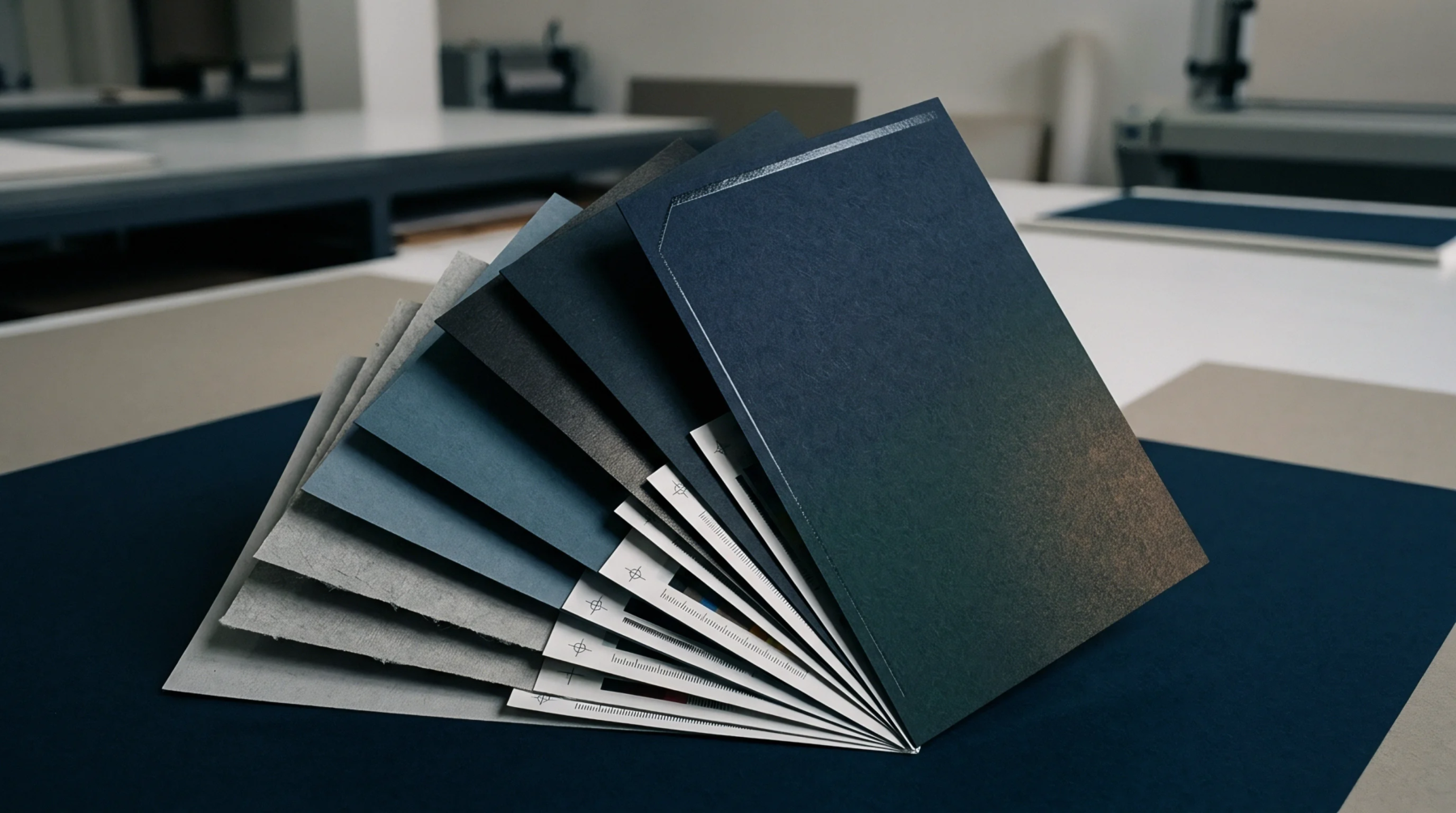
ISO 15901-1 porosimetry paired with dynamic sorption testing qualifies coating pore structures to prevent back-trap mottle and ink setting failures on press.
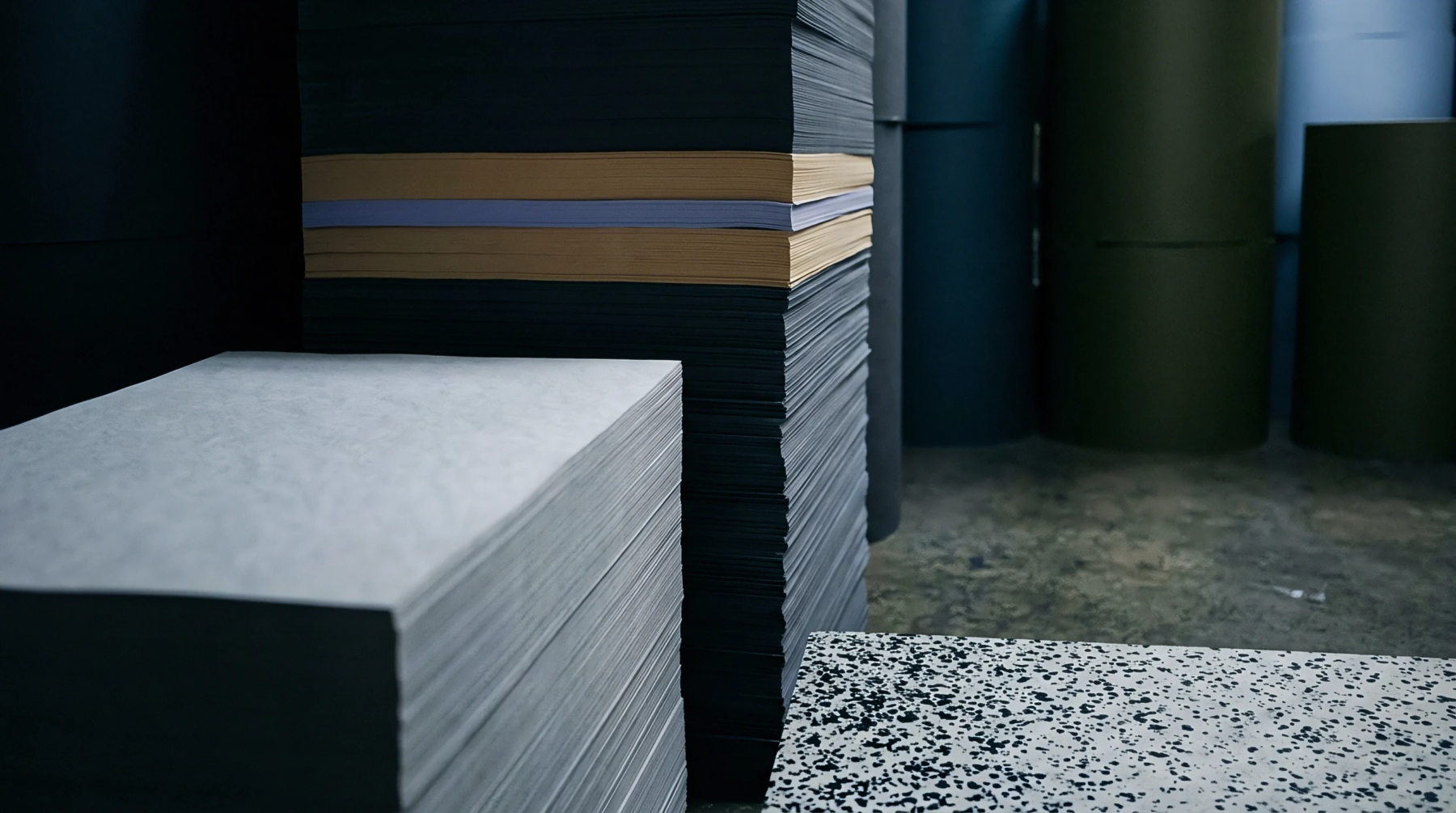
Paperboard moisture verification demands ISO 186 random lot sampling and preconditioning under ISO 187 before ISO 287 gravimetric testing.

Virgin solid bleached sulfate delivers superior score integrity and brightness, while recycled board reduces raw material expenditure when stiffness targets allow.

Interfacial shear delamination in dispersion-coated folding boxboards occurs when converting flexure stresses exceed polymer-fiber bond fracture energy.
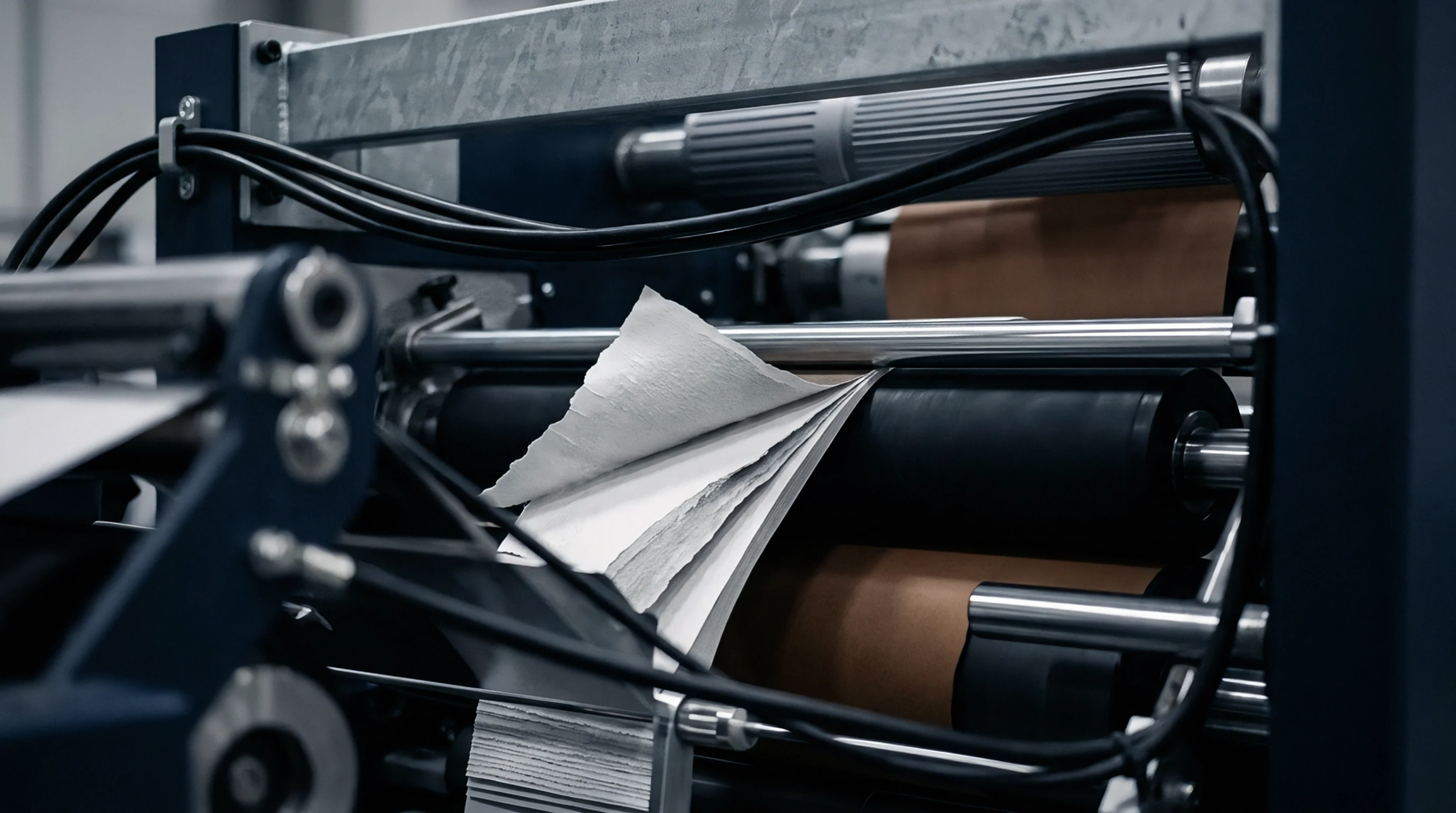
Dynamic phase modulation reduces optical speckle noise to under two percent contrast, enabling sub-micron substrate profilometry at twelve hundred meters per minute.
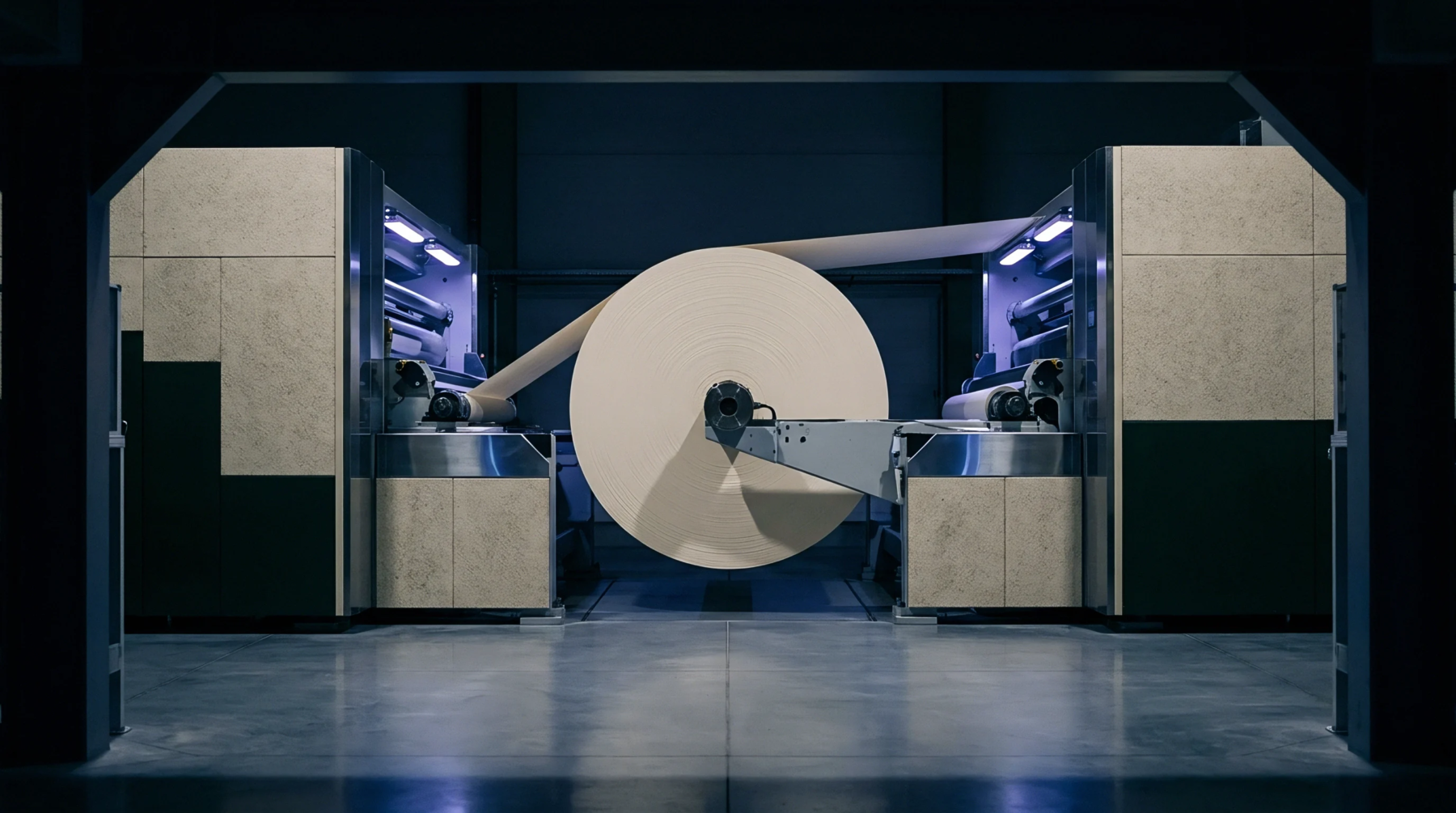
Sub-micrometer web caliper metrology demands chromatic confocal sensors or synchronized triangulation heads with dynamic aeroelastic and thermal drift compensation.
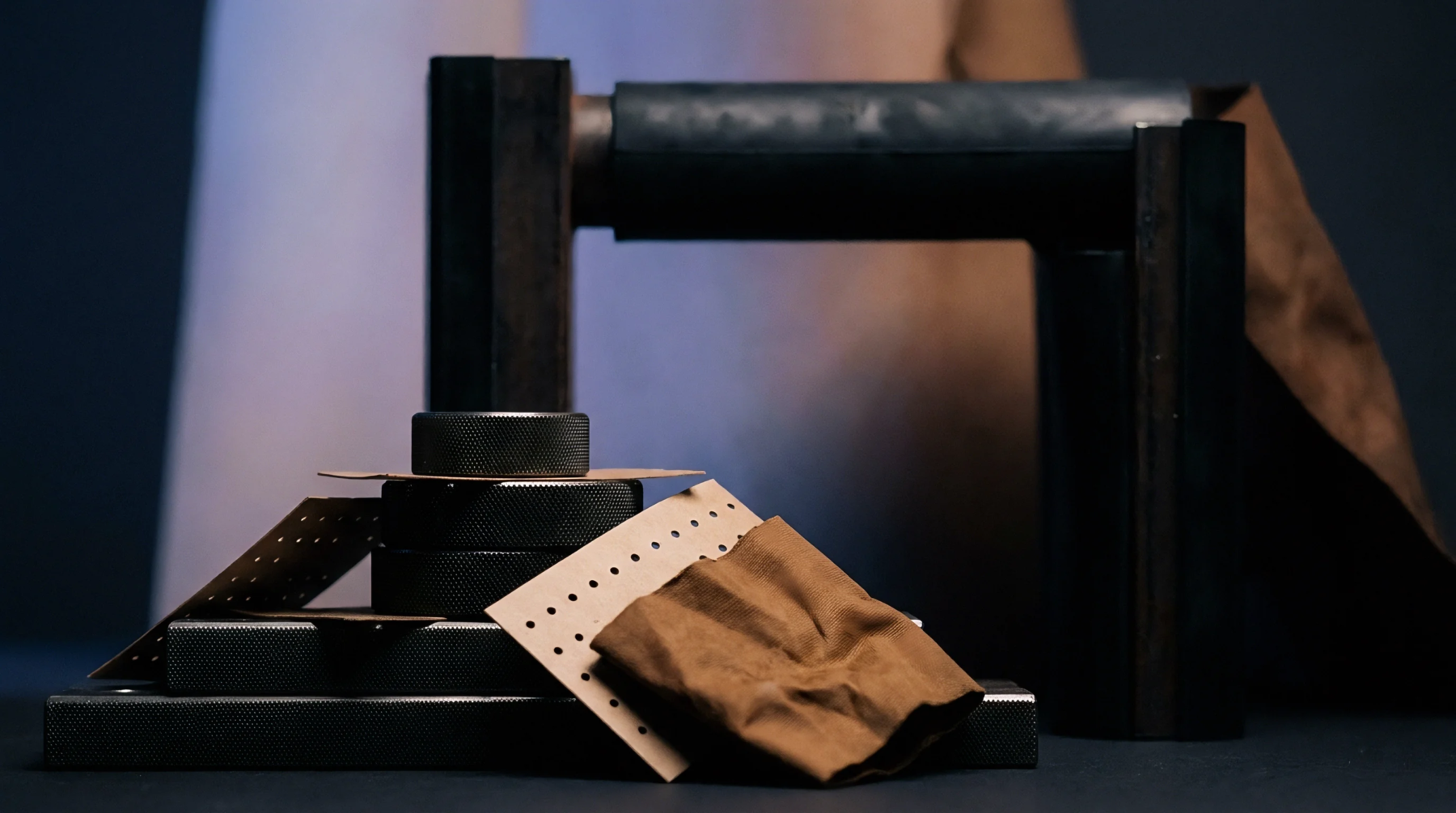
Dynamic blue-laser displacement calibration eliminates light-penetration drift, securing exact FBB crease metrics and stopping false sheet rejection.
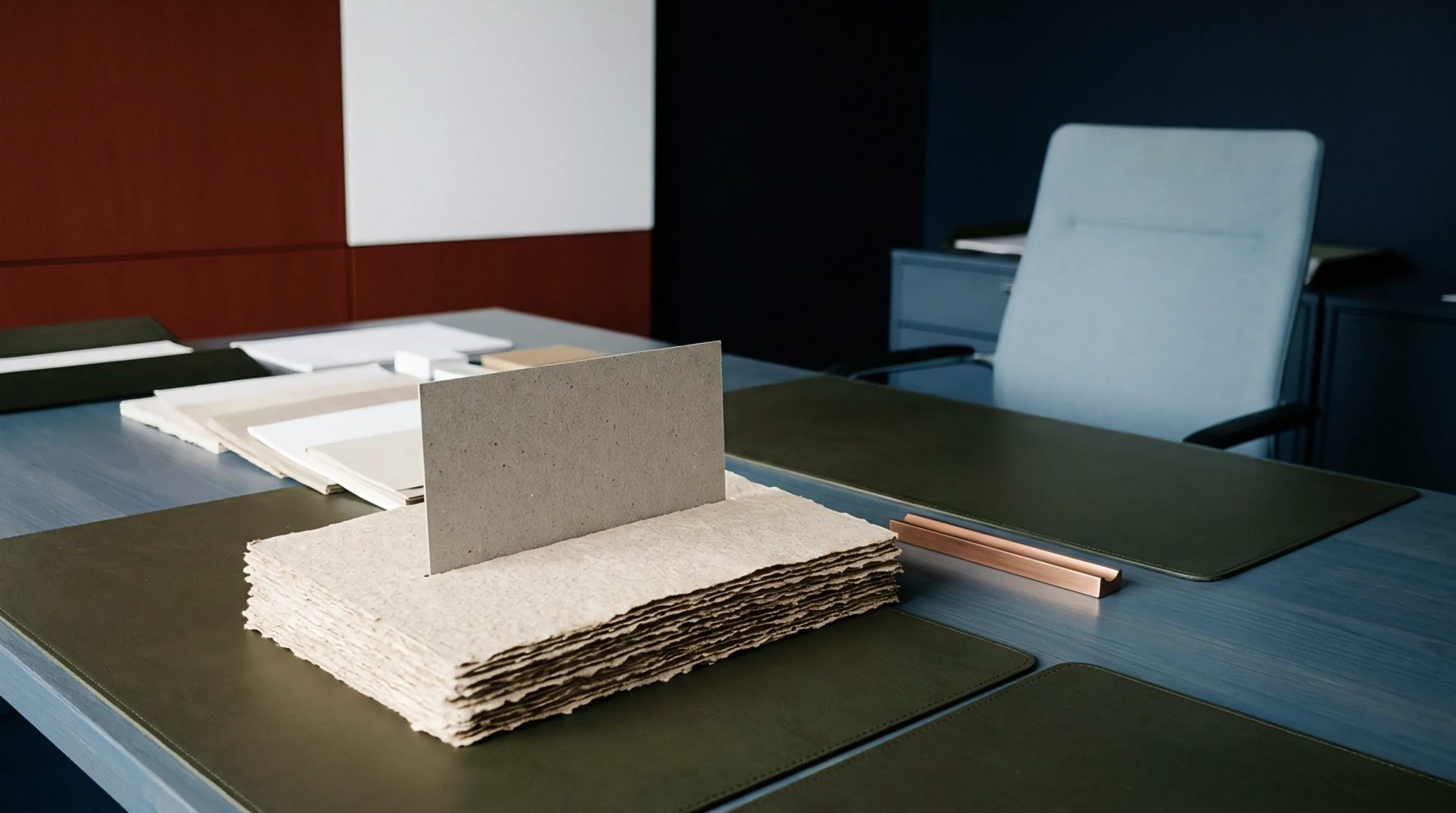
Establish an isolated vacuum datum and calibrate 405-nanometer sensors to eliminate sub-surface scattering errors during board crease verification.
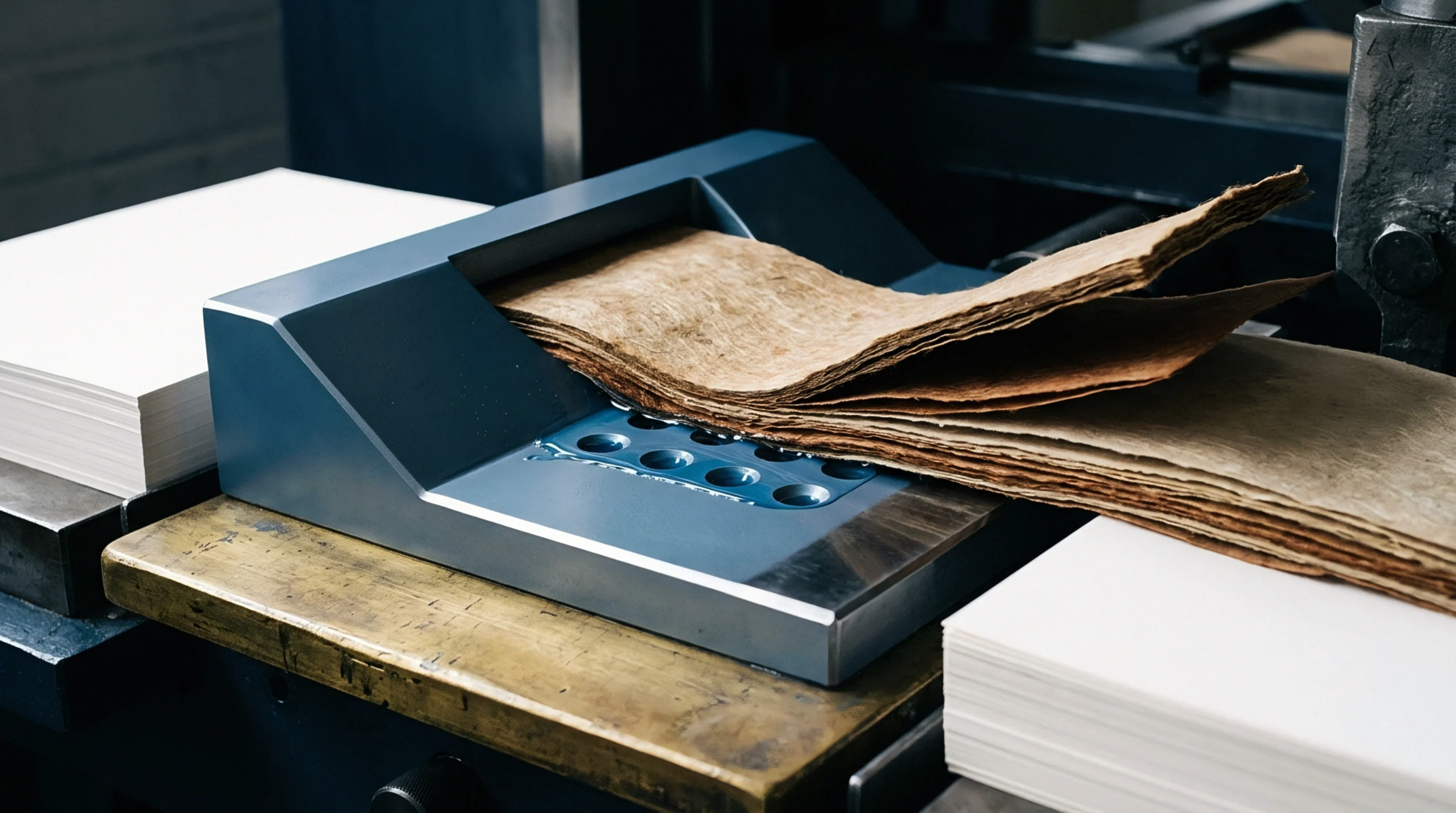
Verifying virgin softwood content in packaging paper relies on fiber morphology analysis, ISO chemical pulp identification, and trace chemical markers

Dynamic surface tension gradients in recycled paperboard cause capillary stalling, uneven ink penetration, and severe converting spoilage.

Dynamic contact angle relaxation rates dictate air entrainment and streak defect thresholds in high speed blade coating systems operating above 1200 m/min.

Paperboard grammage and caliper dictate sheet yield, bending stiffness, and converting performance, making exact testing under ISO standards essential for sourcing.

Deinkability scores under INGEDE Method 11 directly determine EPR eco-modulation fee surcharges or discounts on printed recycled paperboard packaging.
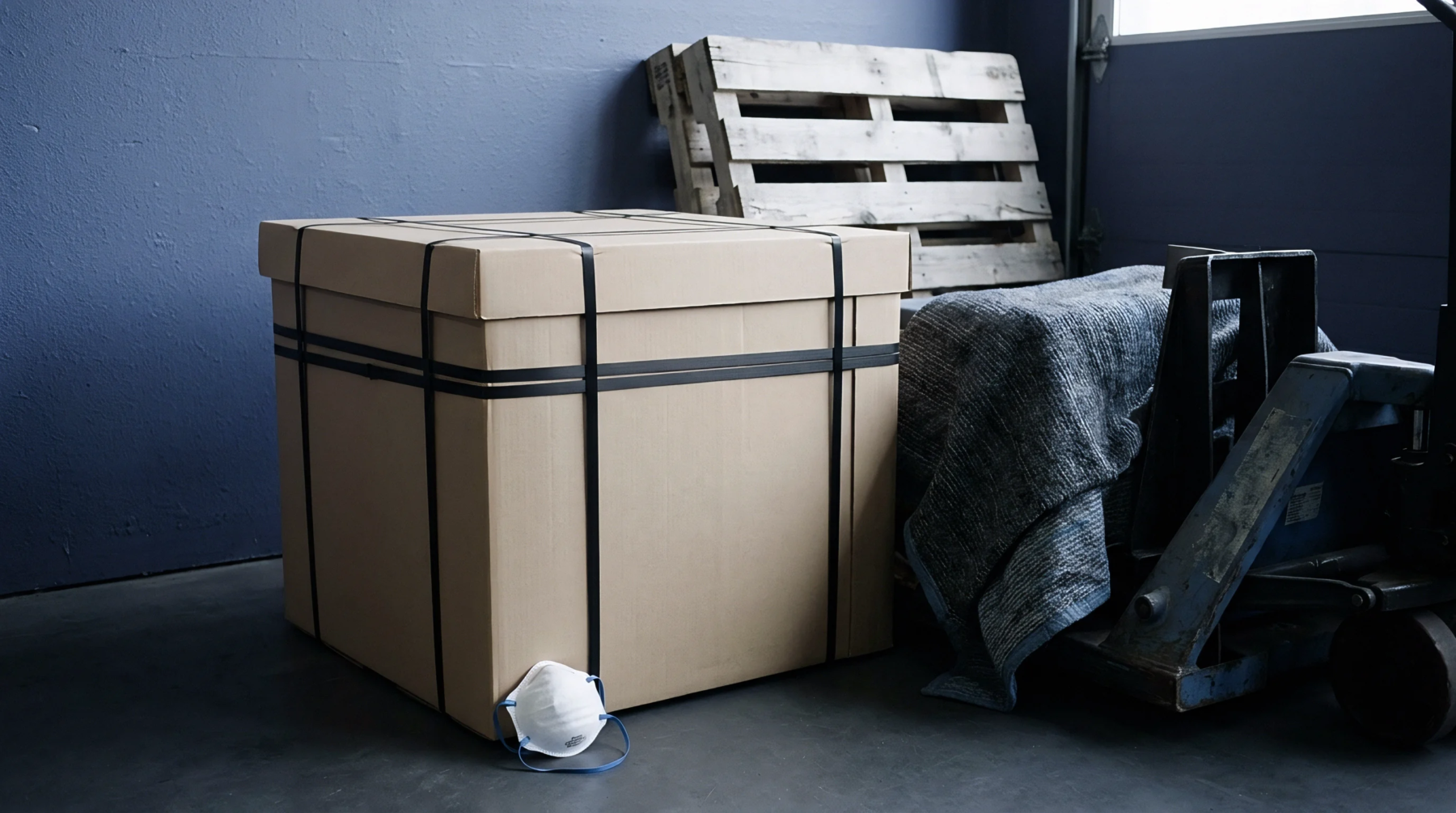
Unannounced substrate substitution alters box compression strength and tariff classification; laboratory fiber audits and batch thickness checks prevent failure.

Dockside testing screens moisture, barrier integrity, and mechanical strength to verify paper substrate modifications before cargo clears port custody.
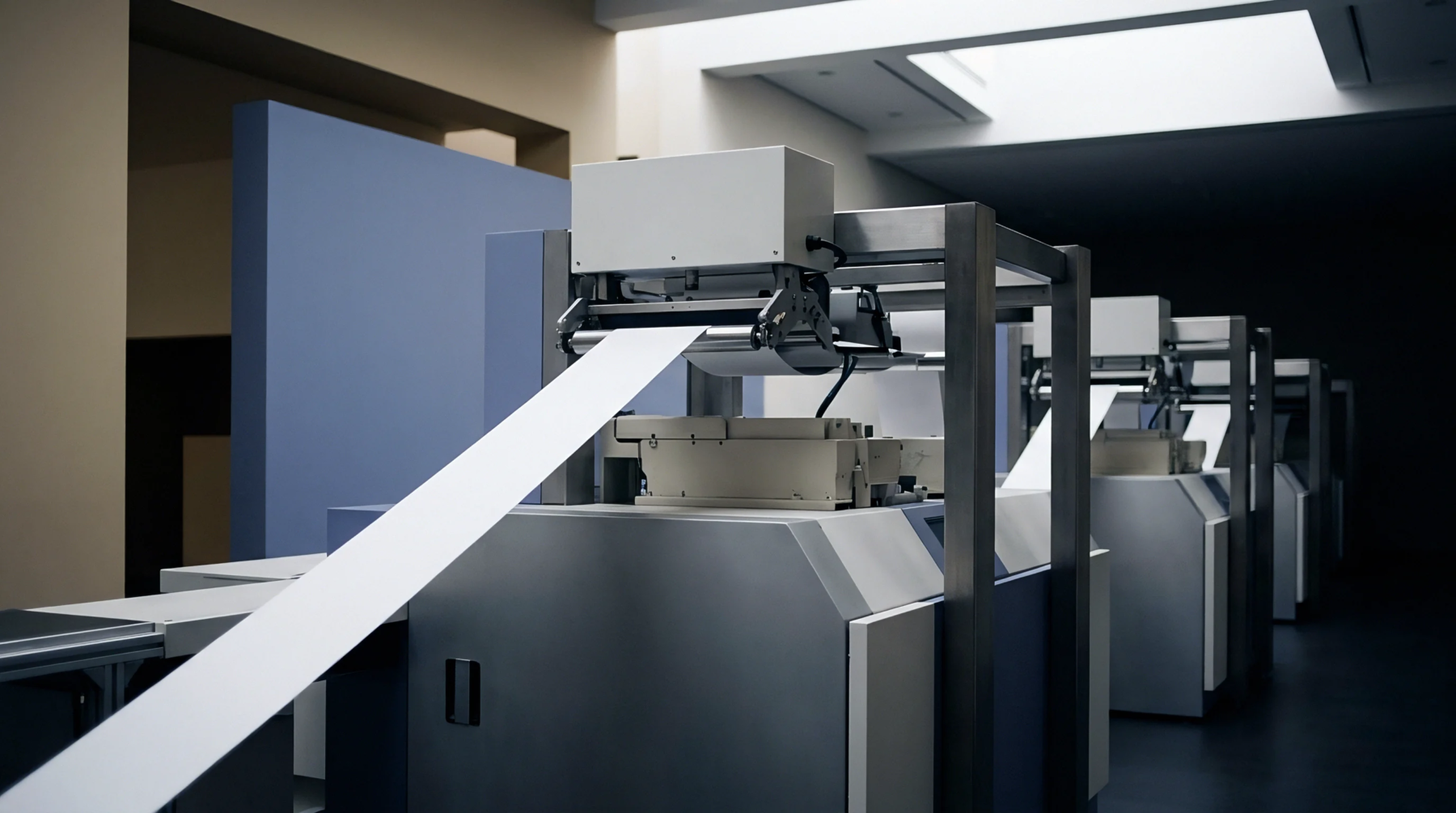
Pigment micro-geometry and particle packing dictate coat pore volume distribution, controlling ink vehicle absorption rate, print gloss, and coat strength.
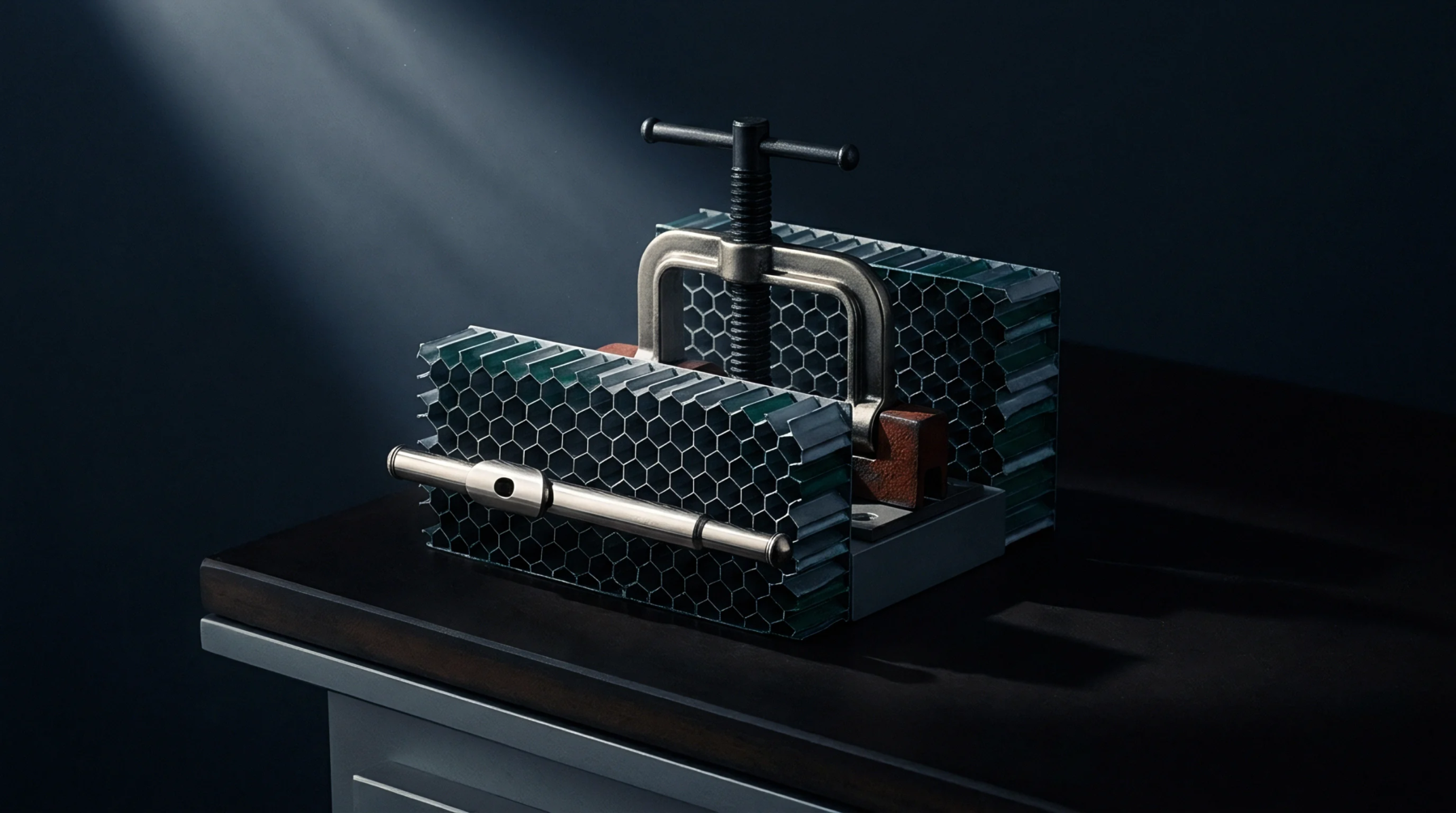
Multi-ply board stiffness and compression depend on z-direction modulus distribution, where cubic caliper scaling governs flexure and cross-direction short-span compression dictates box stacking strength.

High moisture multi-pass converting requires sizing CD modulus retention above 45 percent at 12 percent web moisture to prevent strain-induced register loss.

Inter-ply bond standards mandate TAPPI T 541 or ISO 16260 testing under strict ISO 187 conditioning to prevent converting delamination on recycled paperboard.
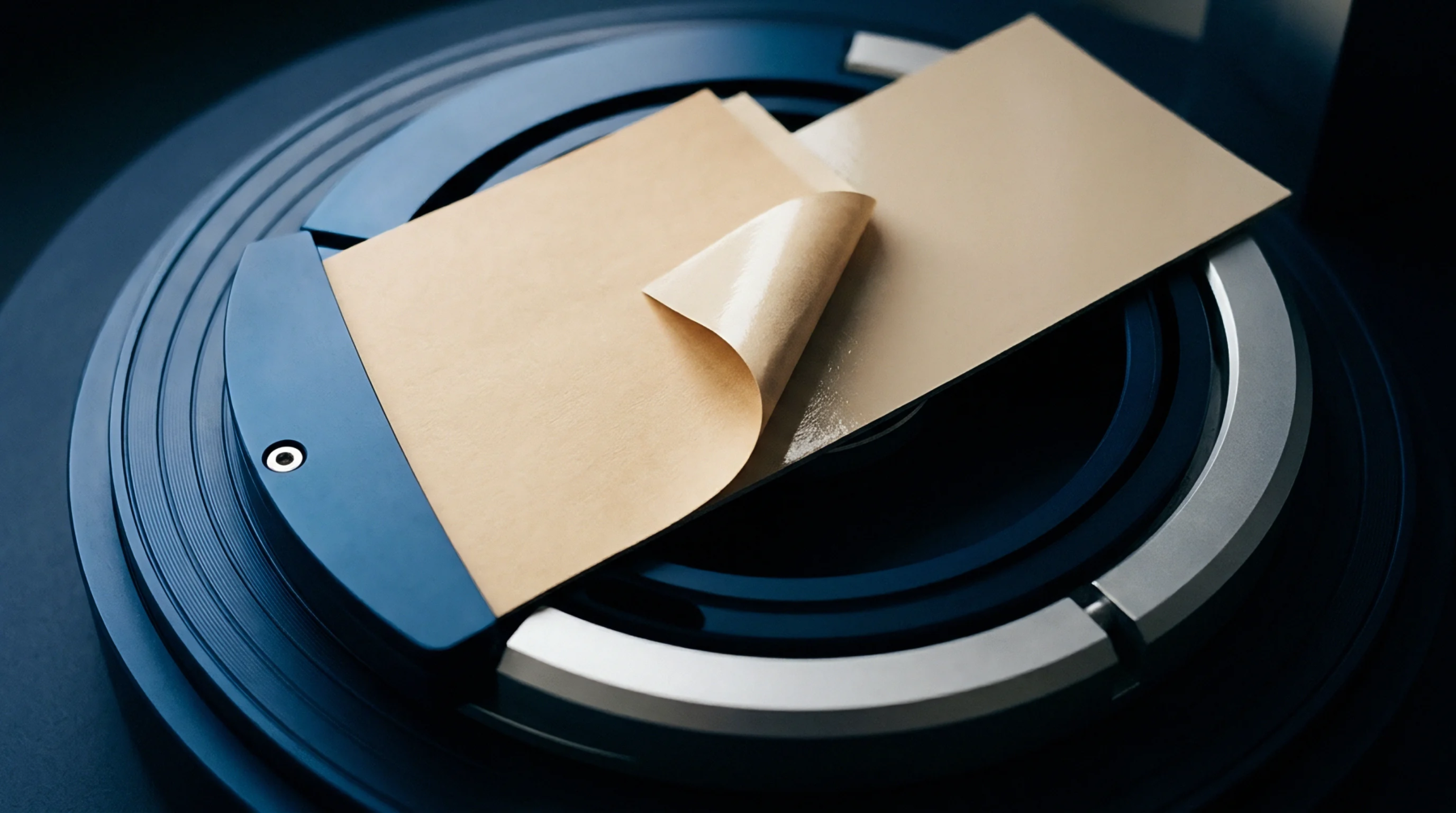
Poly-coated vapor transport follows Fickian diffusion governed by polymer density and coat weight until score line fractures shift mechanism to pore flow.
Transverse hygroexpansion in recycled paperboard drives interfiber bond dislocation and mechano-sorptive creep under cyclic moisture, accelerating compressive loss.
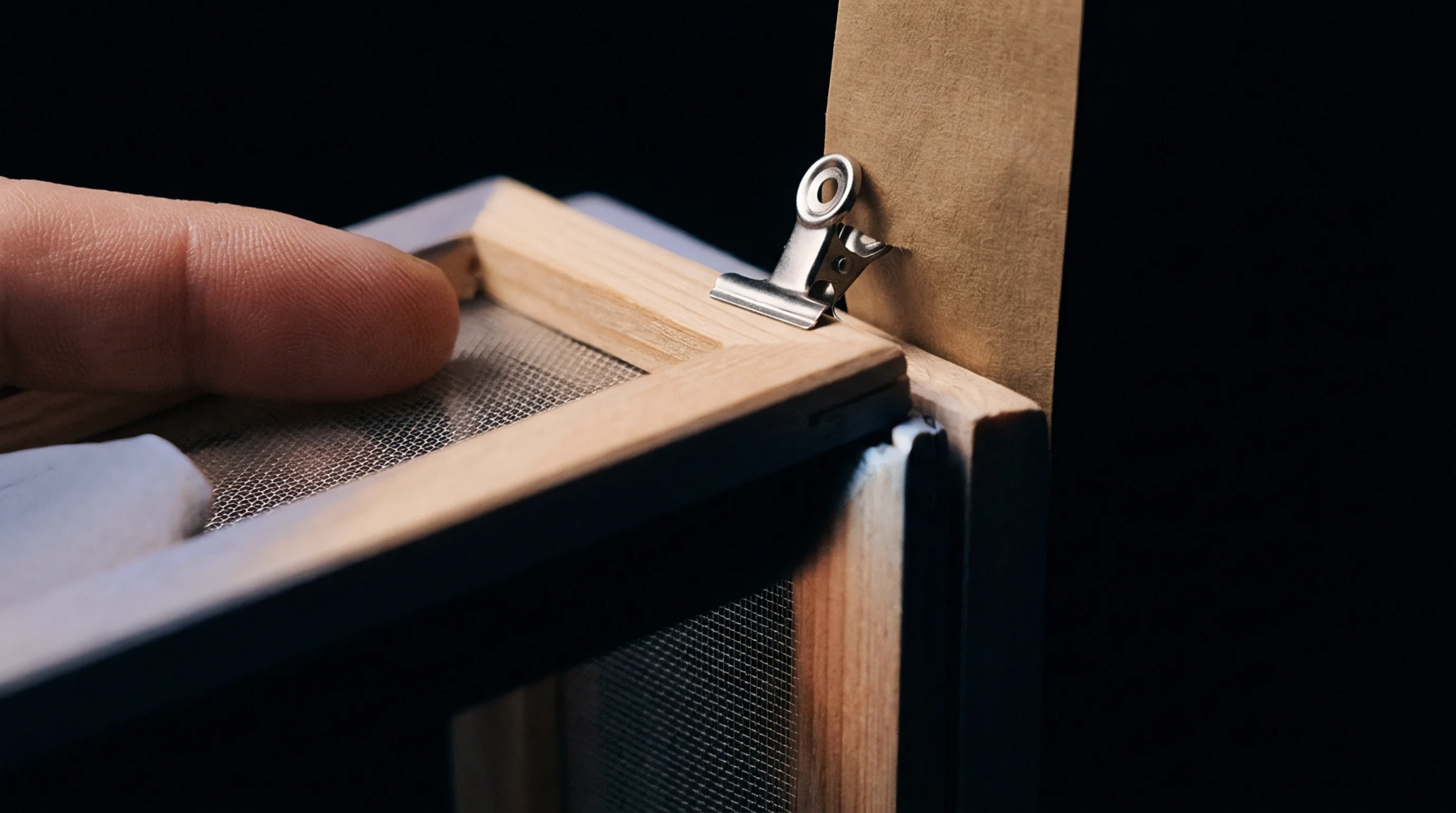
Recycled pulp webs suffer severe tensile network degradation under cyclic transit humidity due to moisture-driven hydrogen bond disruption and hornified fiber creep.
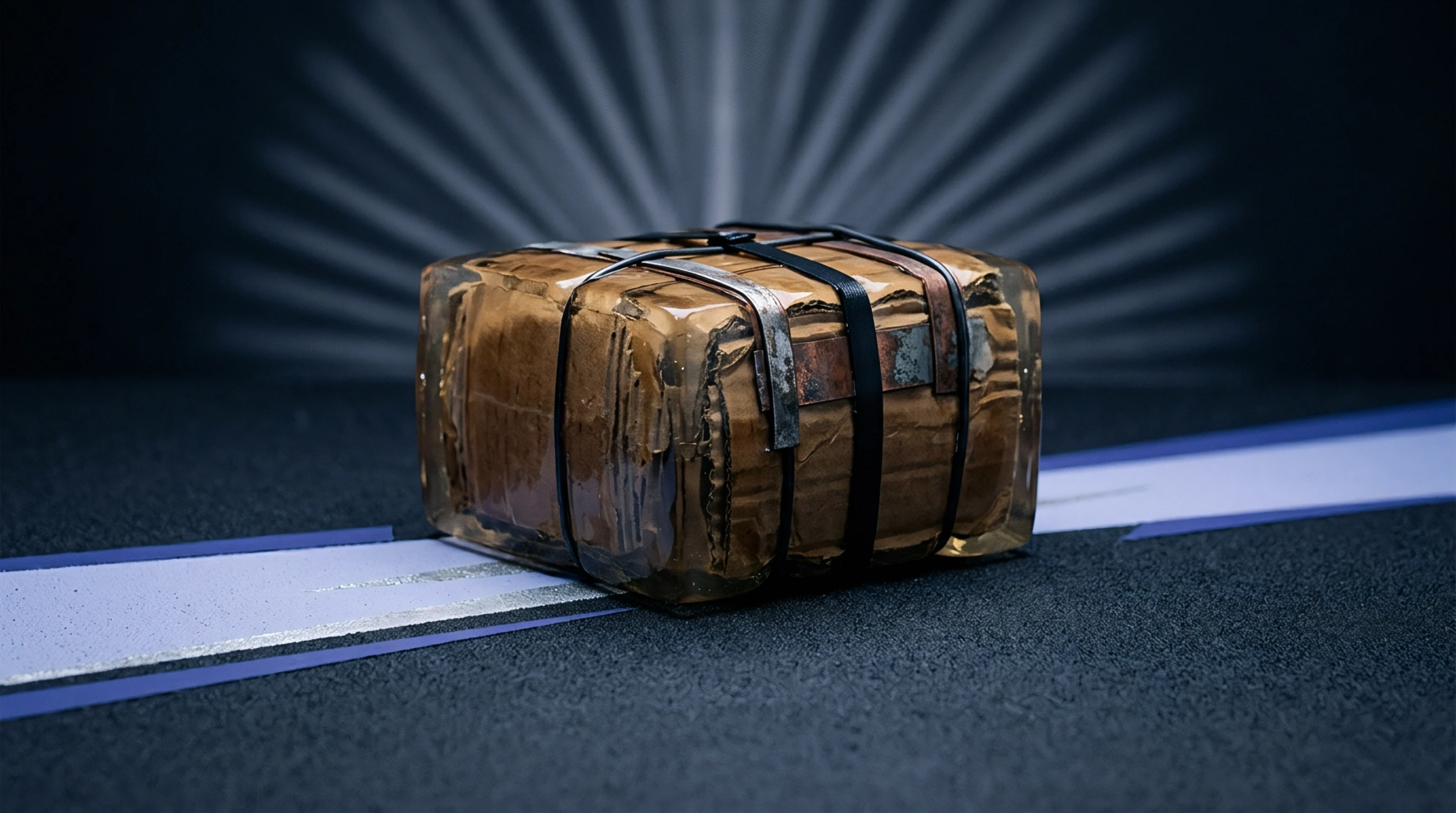
Dynamic delamination thresholds in recycled calipers dictate converted score integrity, requiring minimum inter-ply shear energy dissipation under high strain rates.
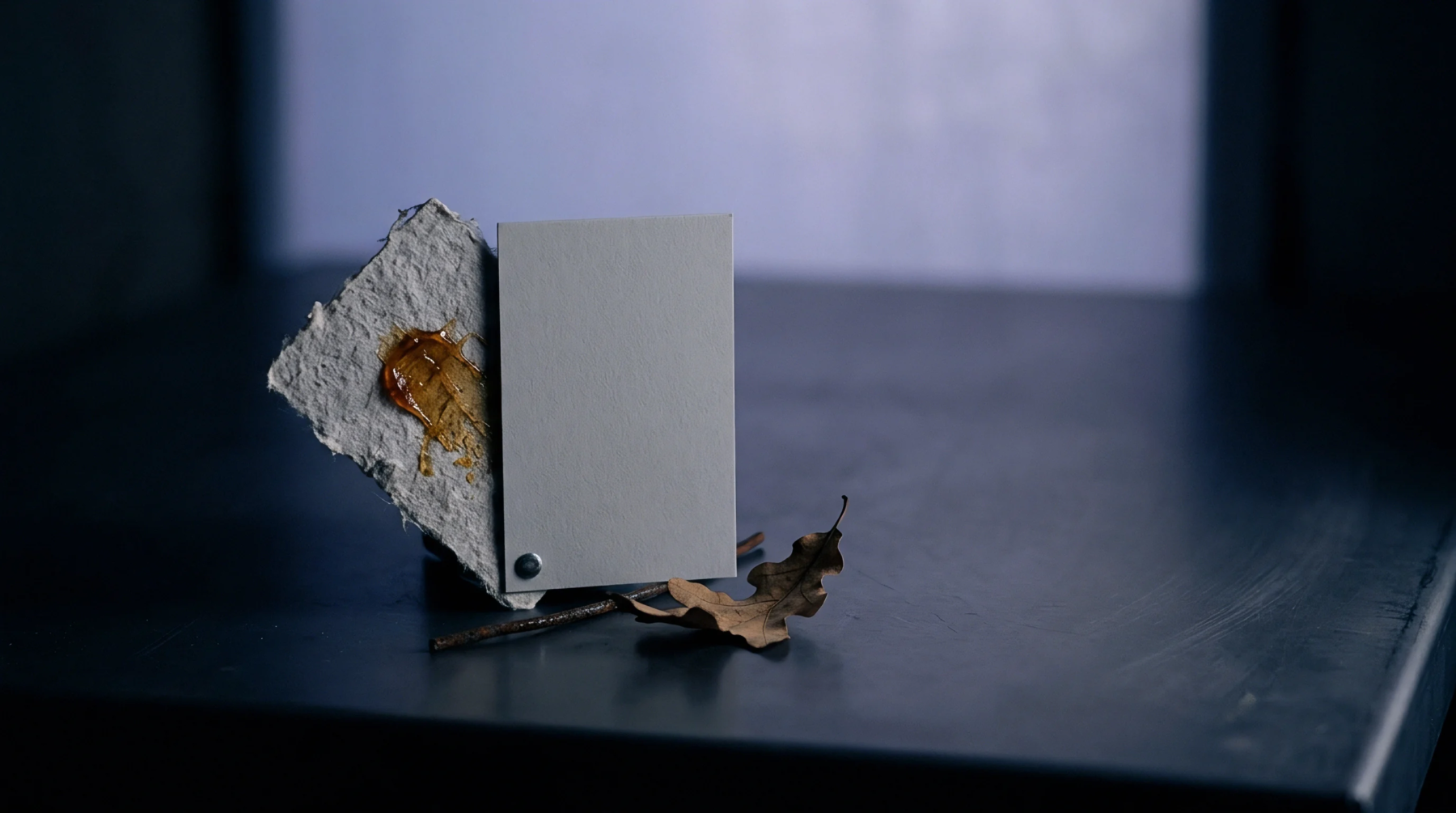
Laser triangulation delivers uncompressed 3D areal topography data, isolating micro-roughness and void volumes that drive print quality across coated boxboard.
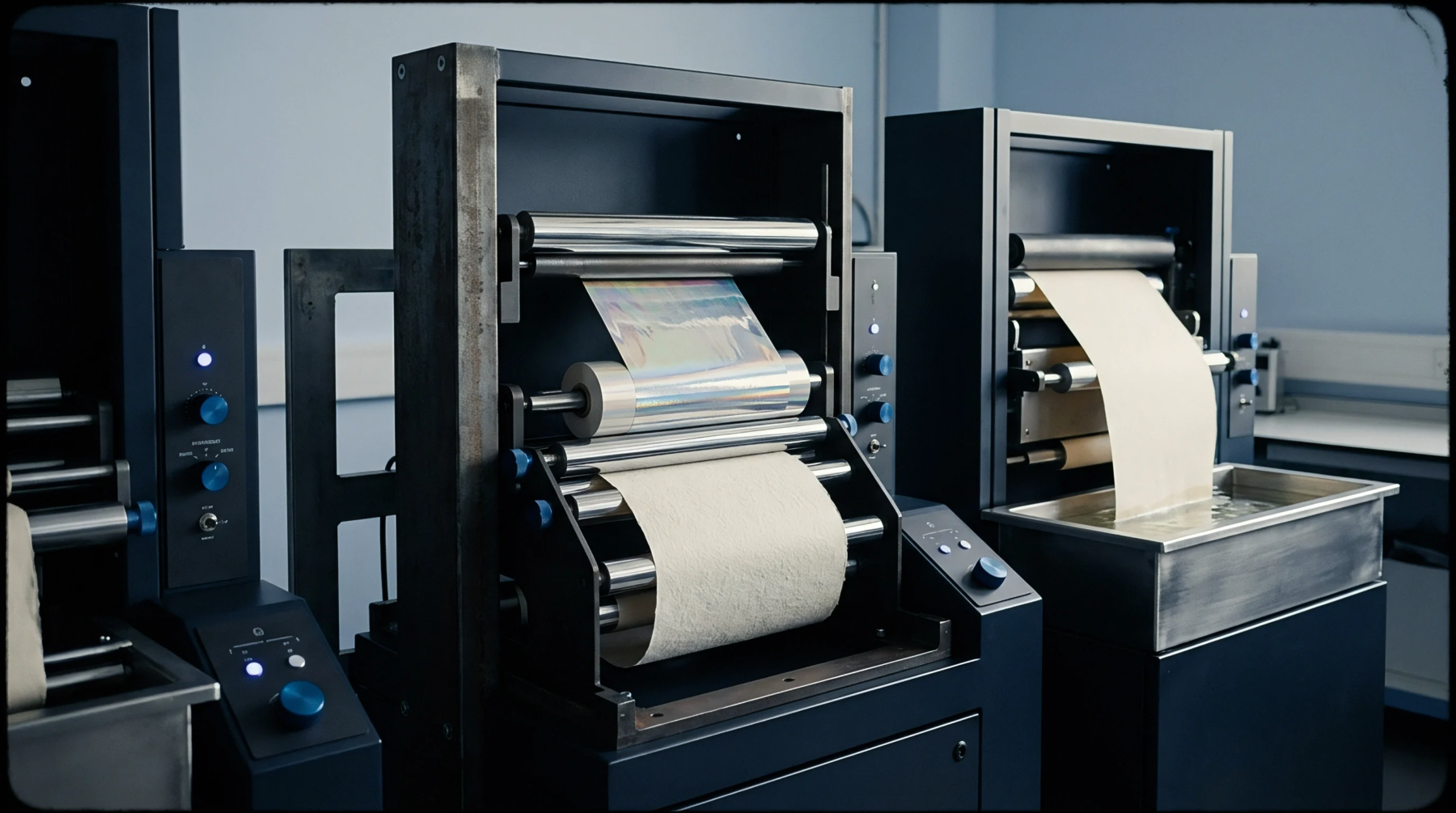
Dynamic surface tension at millisecond surface ages dictates liquid curtain stability and dynamic wetting limits in paperboard coating operations.
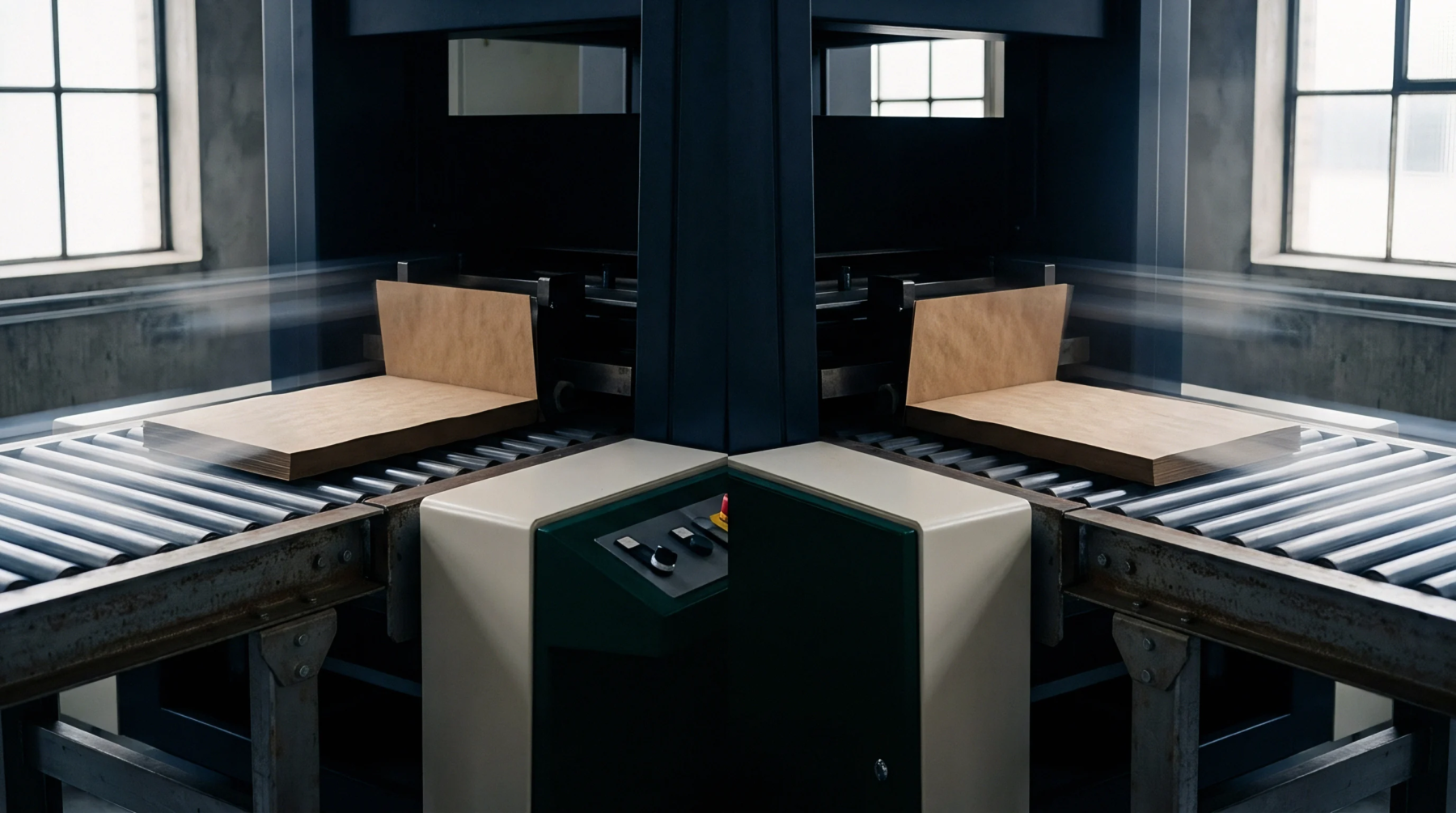
Selective z-directional moisture and thermal calendering plasticizes outer chemical plies to optimize surface smoothness while preserving mechanical core bulk and stiffness.
Anilox metering under high shear rate regimes depends on ink rheology and blade deflection balance to prevent hydrodynamic lift and coat weight drift.
Expertise is a utility, not a secret. sentiention™ publishes its working knowledge as open reference: intelligence layer covering the materials it sources, the markets it enters, and the reference that serves both.