
Checking Chain of Custody Certificate Validity for Paperboard Sourcing
Verify paperboard validity by checking central registries, confirming line-item invoice claim codes, and matching physical substrate tests to certified scopes.
Verify paperboard validity by checking central registries, confirming line-item invoice claim codes, and matching physical substrate tests to certified scopes.

Foreign currency valuation dates and mill furnish changes demand matched contract indexation windows and laboratory verification of physical paper properties.
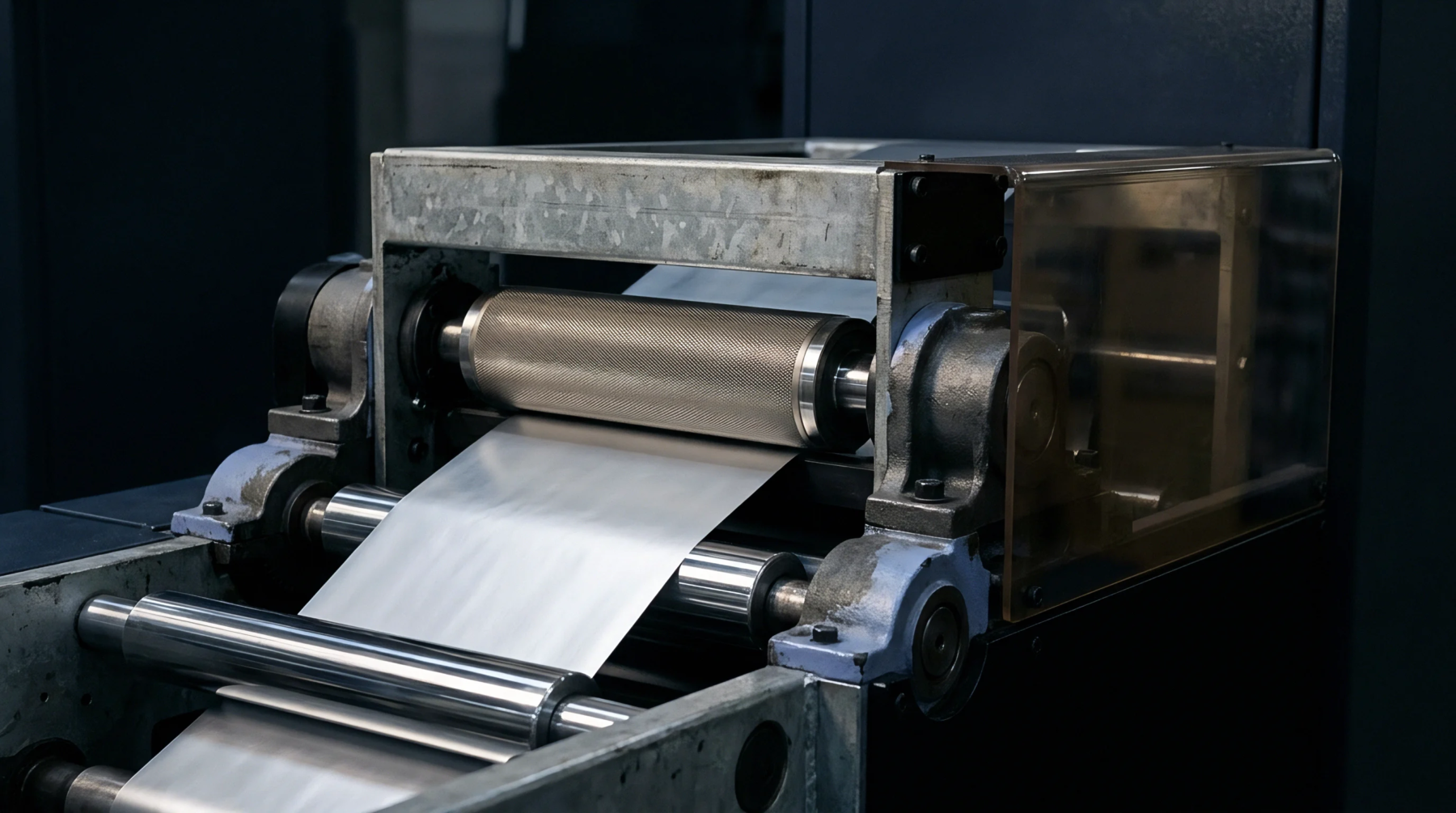
Furnish partitioning limits index adjustments to true virgin fiber fractions while deadbands eliminate pricing noise on minor market swings.

Dynamic flexural rigidity decay models enable converters to predict score cracking and carton squareness loss caused by high-speed nip compression.

Dynamic crease stiffness in recycled board increases at high cartoning speeds, demanding precise matrix setup and strict score stiffness ratio controls.

Recycled folding boxboard requires balancing ply caliper and stiffness against surface coating smoothness and food contact chemical migration limits.

Cold storage shifts boxboard equilibrium moisture content upward by up to two percent, demanding controlled thermal acclimation before unsealing parent reels.
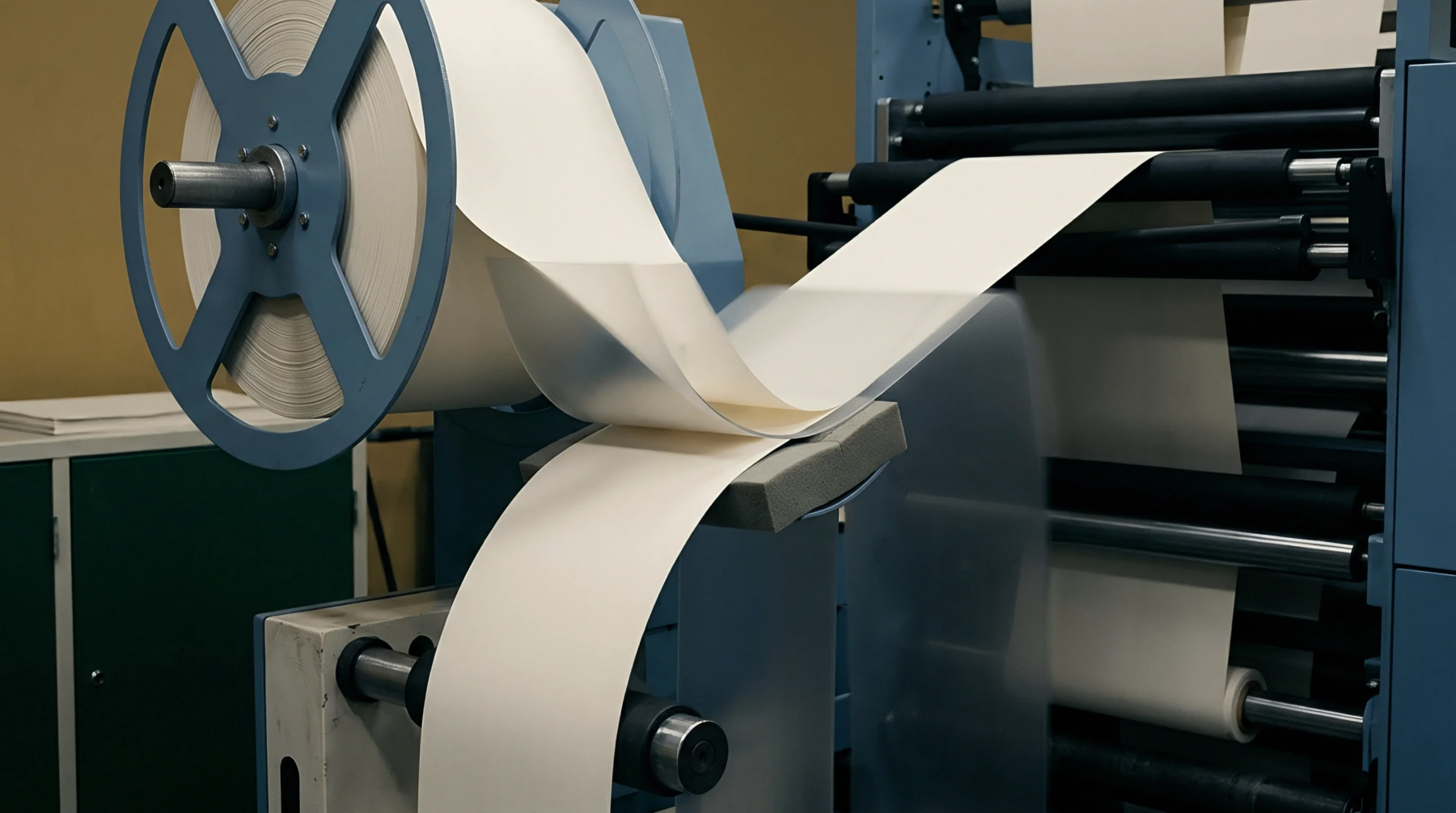
Calculating parent sheet yield demands matching grain direction and press trim to substrate dimensions while accounting for setup and run spoilage.

Accurate physical dot gain prediction on low-density recycled linerboard requires coupling bulk compressibility with Cobb absorbency in RIP calibration.

Creep buckling in downgauged boxboard panels stems from lost bending stiffness and cyclic moisture creep, requiring higher bulk furnishes to offset caliper loss.

Dilution profiling at headboxes combined with CD shrinkage mapping resolves grammage drift across multi-ply webs, securing downstream converting yield.

Branched and dendritic polymer architectures eliminate ink misting at 500 m/min by cutting extensional relaxation times below 1.5 ms without loss of shear hold.

Automated multi-wavelength optical selection isolates microbubble refractive scattering from fiber mass, maintaining accurate pulp consistency and basis weight control.

Dynamic Z-direction tensile failure in folding boxboard stems from high-strain-rate cleavage of mechanical core plies exceeding static bond test limits.

Recycled containerboard stacks swell anisotropically in humid transit, requiring cross-direction strain modeling to prevent lower-tier compressive collapse.
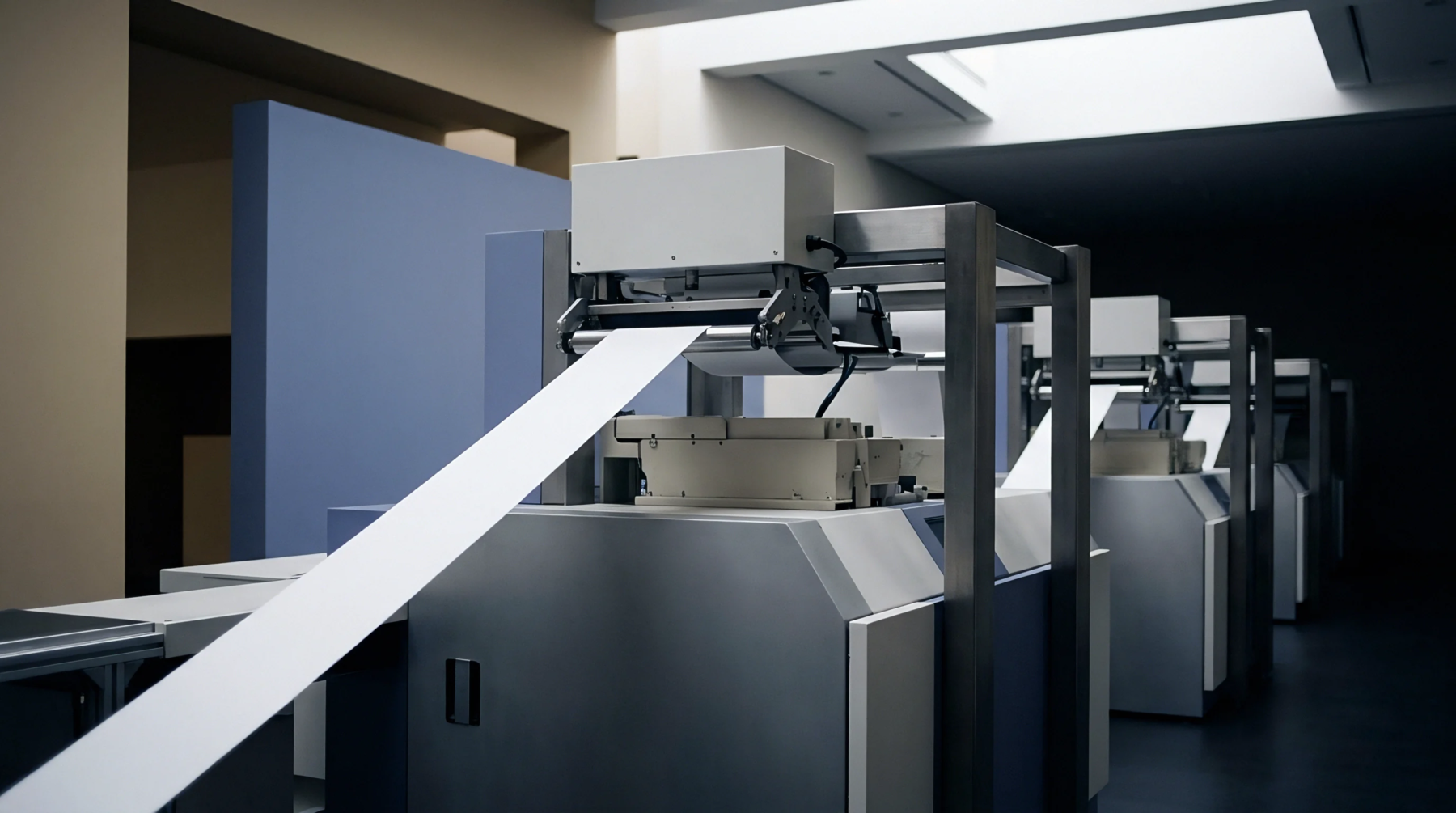
Dynamic linear programming minimizes paper deckle trim waste by dynamically recalculating slitting patterns using real-time column generation methods.

Cross-direction grammage drift forces wider edge trim allowances on rotary sheeters, reducing deckle yield and creating converting quality issues.

Maximizing parent sheet trim efficiency in folding boxboard balances paperboard machine deckle widths, sheet grain orientation, and press margins for minimum cost.

High strain rate hysteresis in refined fibers shifts under humidity as plasticized amorphous lignin accelerates viscoelastic dissipation during dynamic impact.

Middle ply mechanical furnish generates bending stiffness by maximizing caliper and bulk while balancing z-directional bond strength against score crack risks.

Harmonizing cross-border carbon surcharges requires deducting embedded benchmark carbon allowances from verified mill emissions before applying tariff adjustments.

Containerboard contract index lag calculations align invoice pricing with published benchmarks using defined lookback windows and deadband triggers.

Controlling chamber hydraulic pressure, sump temperature, and associative rheology stabilizes dispersion viscosity and maintains target barrier coating weights across long runs.

Unrefined eucalyptus sheet formation demands short, low-coarseness fibres to limit the crowding factor, prevent flocculation, and ensure uniform pore density.
Expertise is a utility, not a secret. sentiention™ publishes its working knowledge as open reference: intelligence layer covering the materials it sources, the markets it enters, and the reference that serves both.