
Dynamic in Line Impression Control for Basis Weight Variations in Low Fibre Board
Dynamic in-line impression control stabilizes print transfer on low-fibre board by continuously adjusting cylinder clearances to counteract web caliper swings.
Dynamic in-line impression control stabilizes print transfer on low-fibre board by continuously adjusting cylinder clearances to counteract web caliper swings.

Low z-direction strength in hornified secondary furnish causes score cracking unless female matrix channels are widened to 1.8 times board caliper.

Optical strain mapping identifies localized network micro-rupture and ply shear in multi-ply recycled liners long before conventional bulk tensile tests record failure.

Establishing accurate carton material balance requires deducting core tare and moisture loss from gross board weight before tracking die skeleton trim.
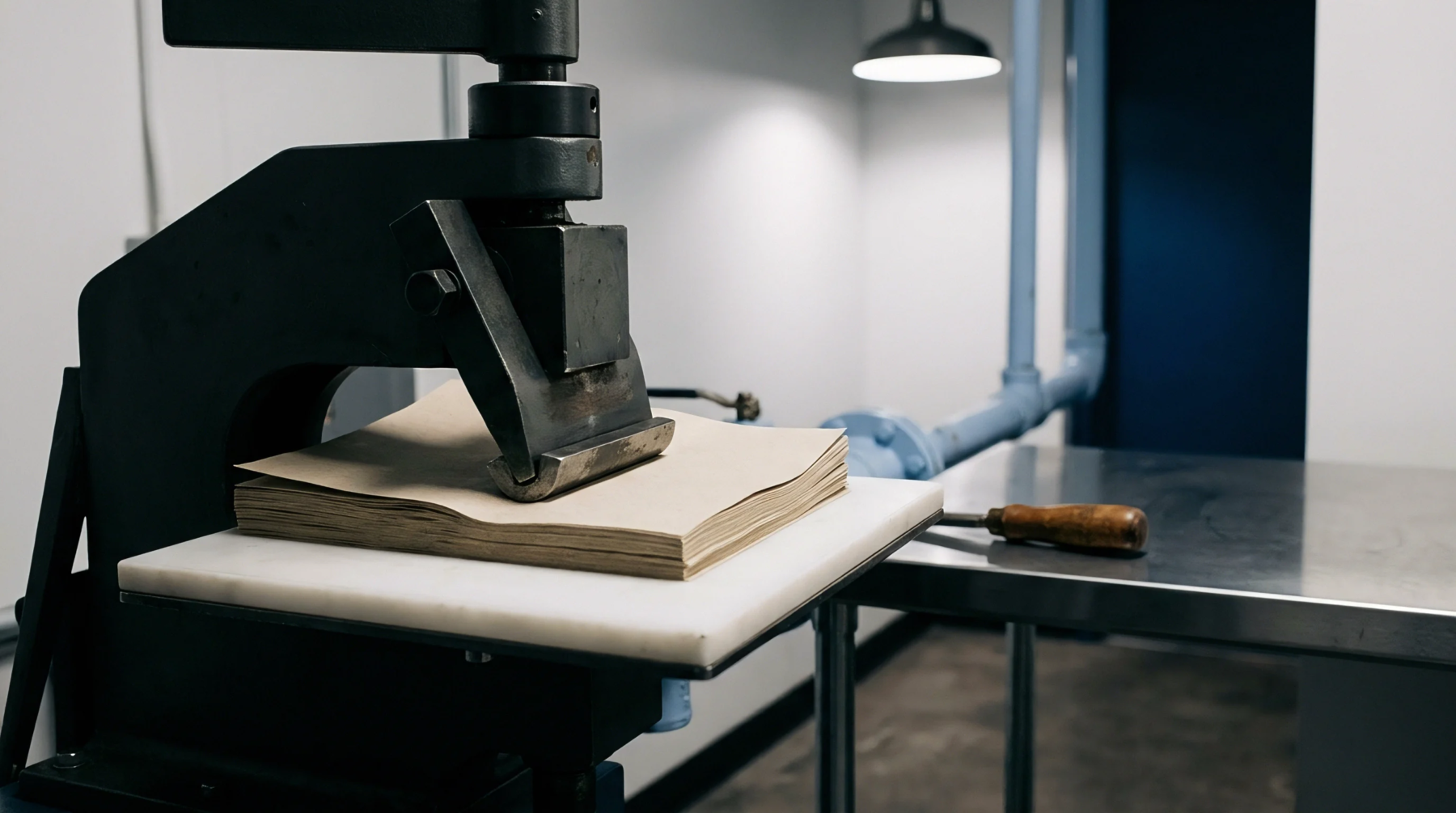
CTMP core plies maximize packaging board bending stiffness at lower basis weights, lowering landed carton costs despite lignin brightness reversion limits.

Predicting delamination boundaries in down-gauged BCTMP board requires narrowing matrix clearance to match reduced core mass under millisecond impact.
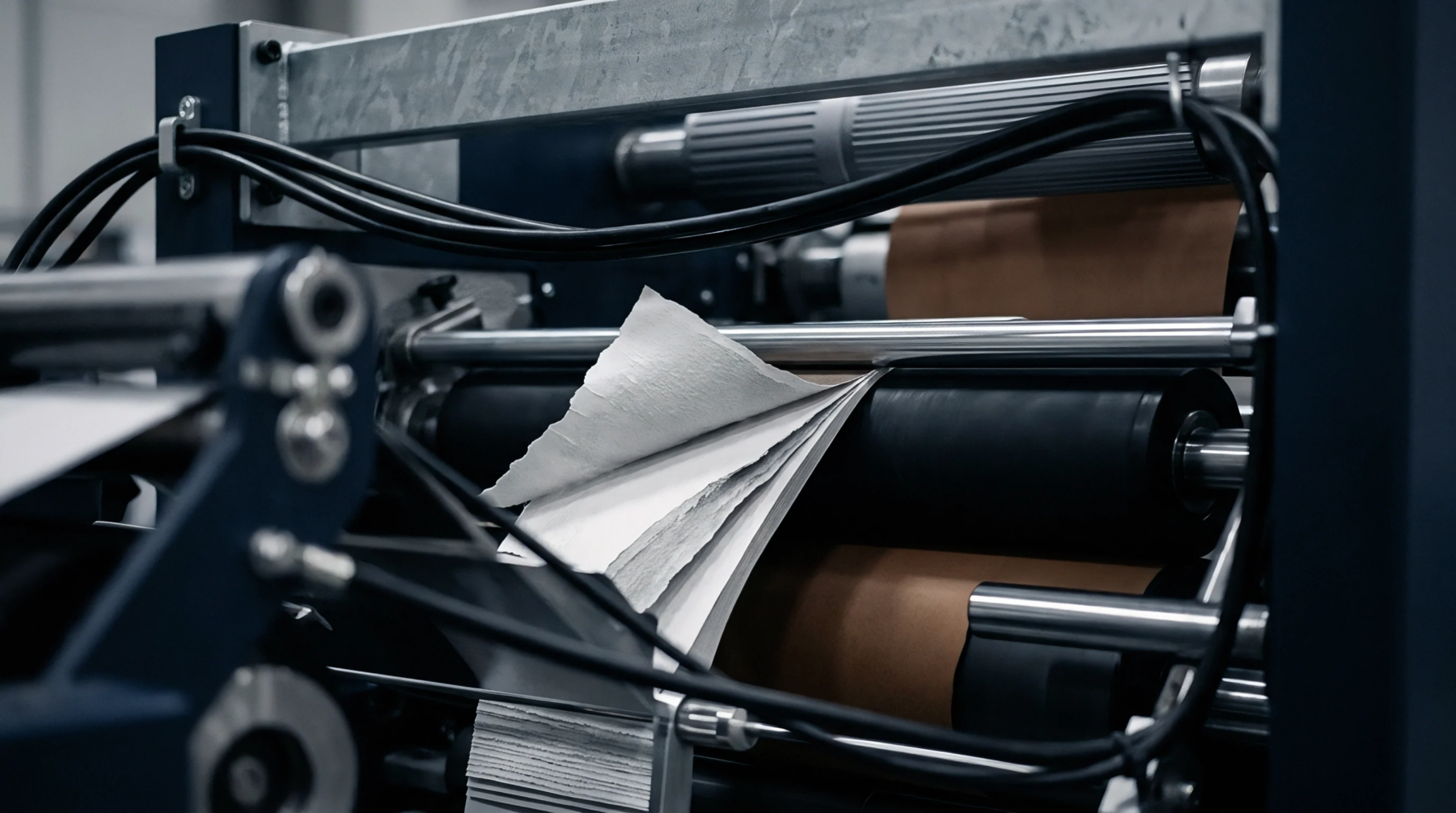
Tuning middle-ply CTMP density between 0.45 and 0.55 g/cm³ balances board flexural rigidity against vacuum porosity to prevent converting feeder misfeeds.

High bulk uncoated board requires expanding crease matrix channel widths to 1.8-2.1 times caliper to prevent liner cracking while adjusting stiffness board factor multipliers down to 0.82-0.88.
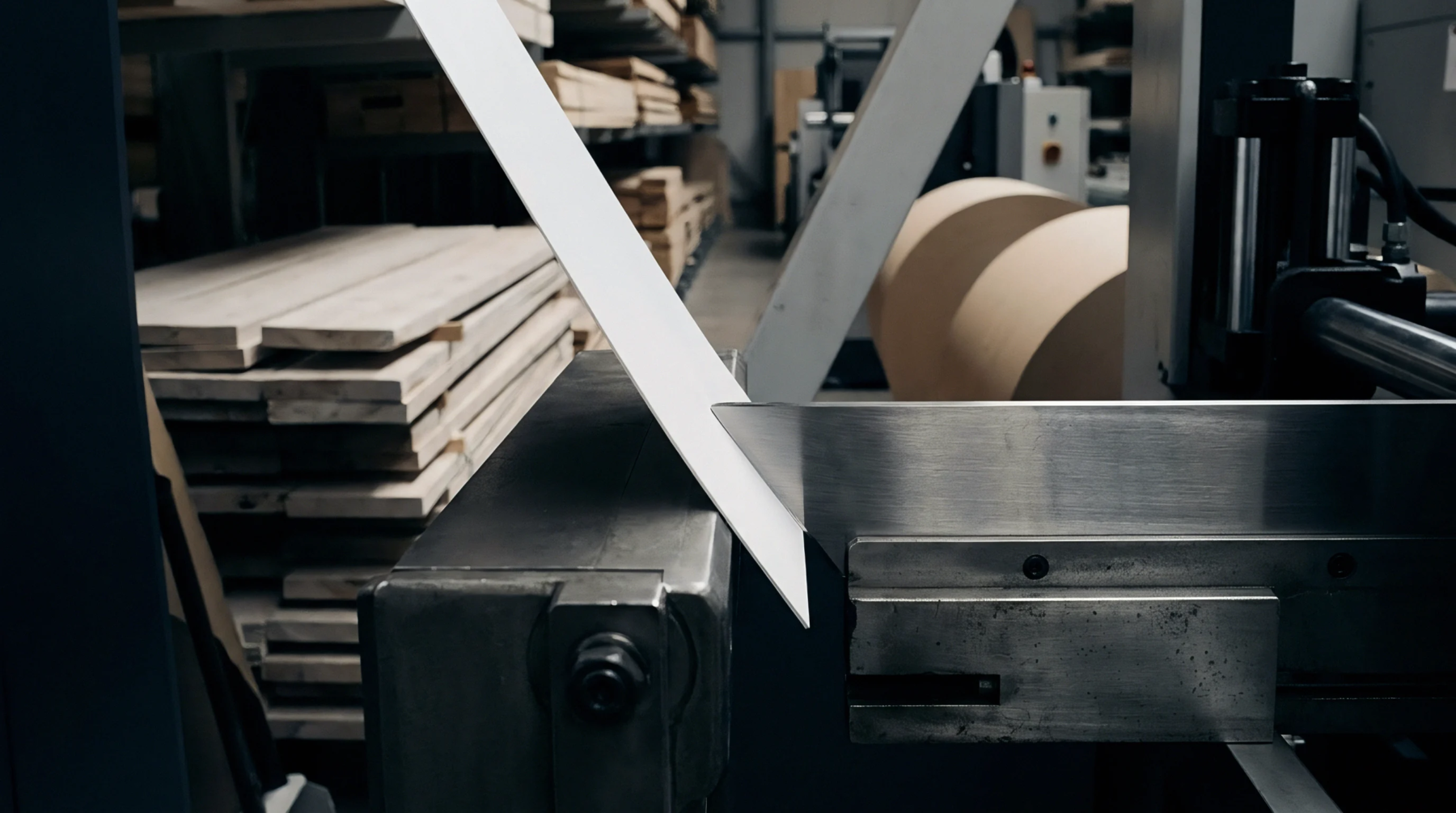
Swapping cartonboard to higher bulk furnishes increases square metre yield per tonne, reducing landed pack costs despite higher per-tonne substrate prices.
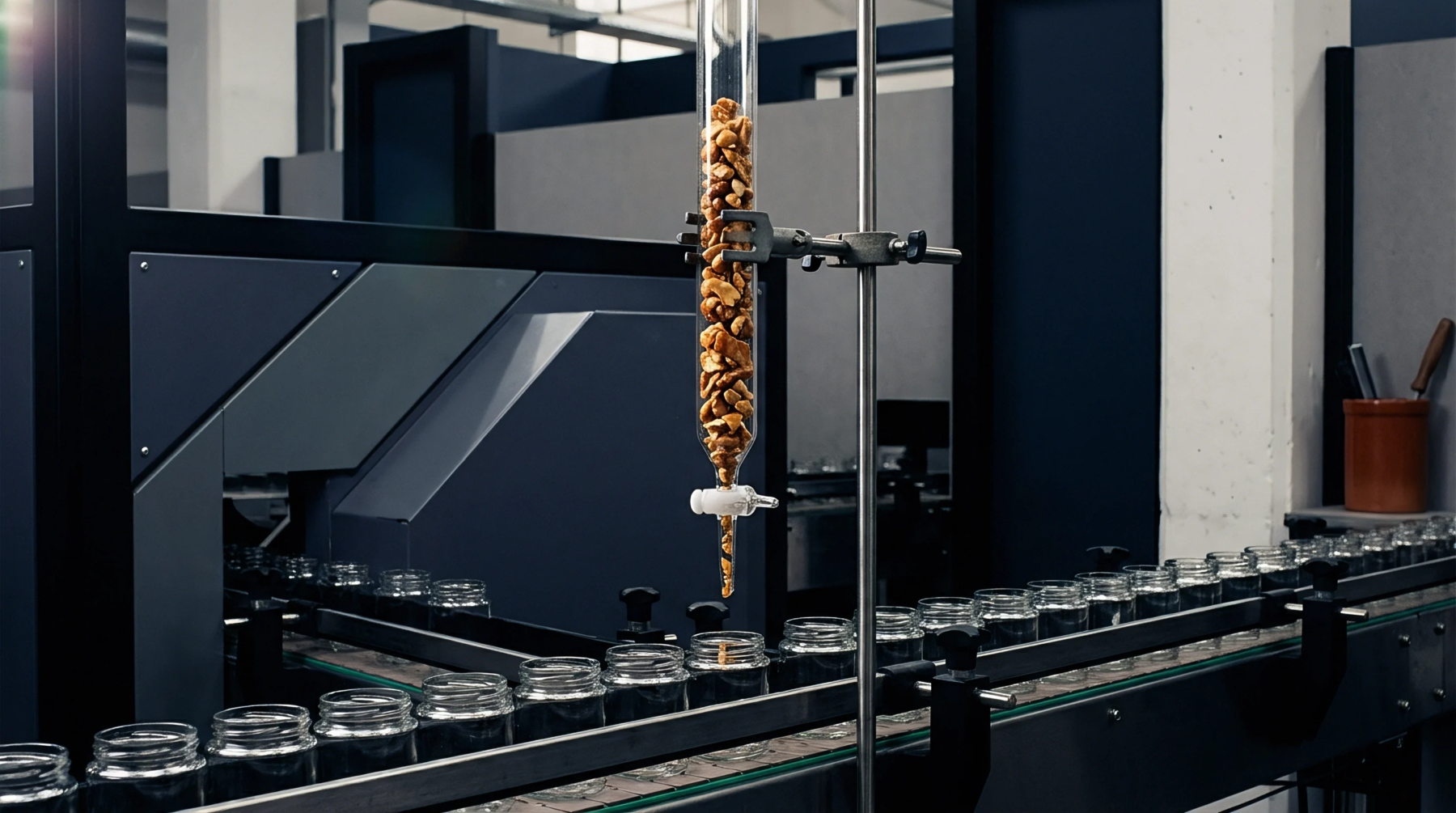
ISO 186 sampling requires isolating parent rolls, drawing randomized interior units, and conditioning under ISO 187 to protect sheet yield and legal claims.
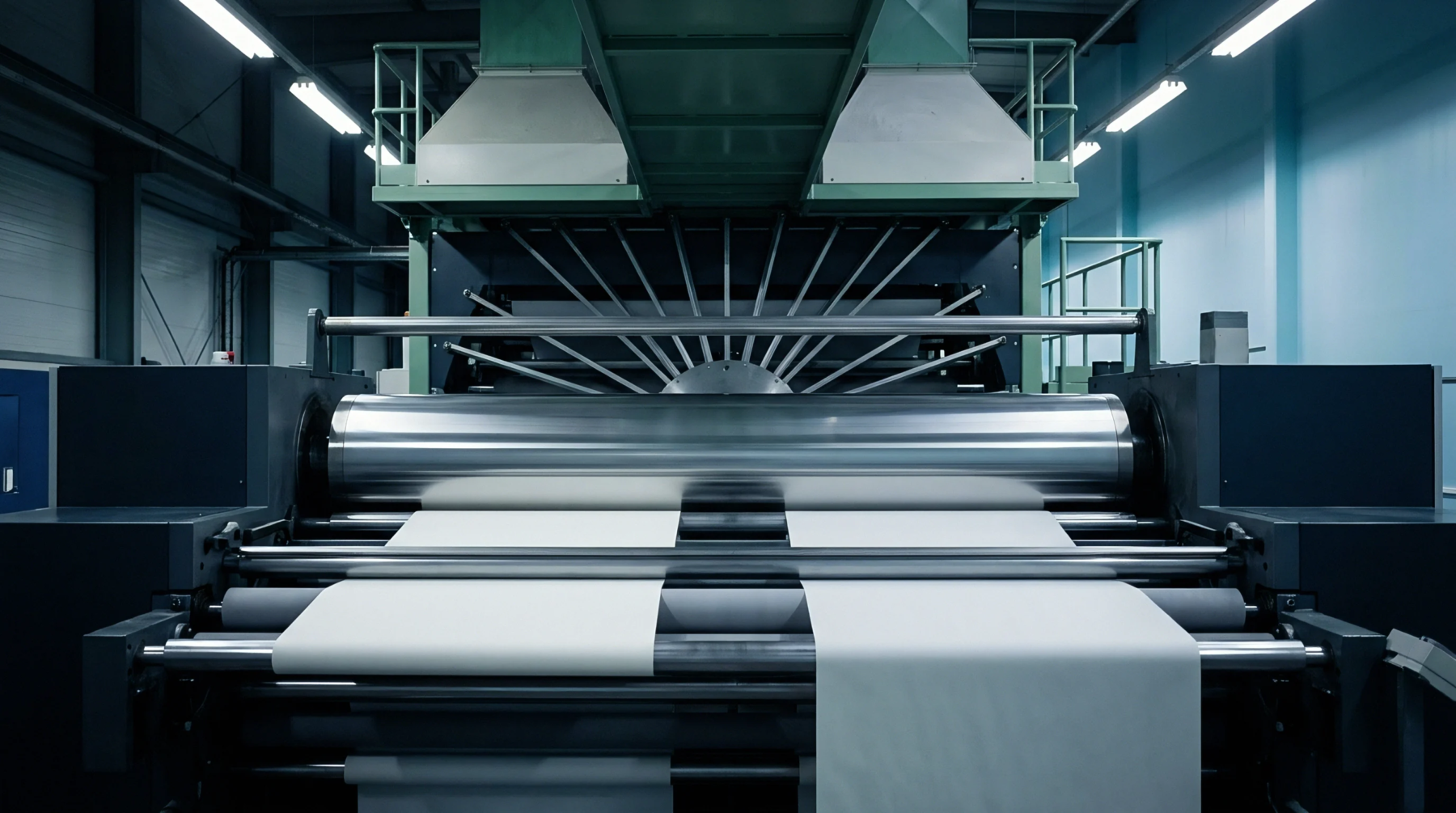
Dynamic web aeroelastic flutter corrupts non-contact caliper sensors, demanding mathematical frequency-domain transfer functions to preserve true sheet yield.
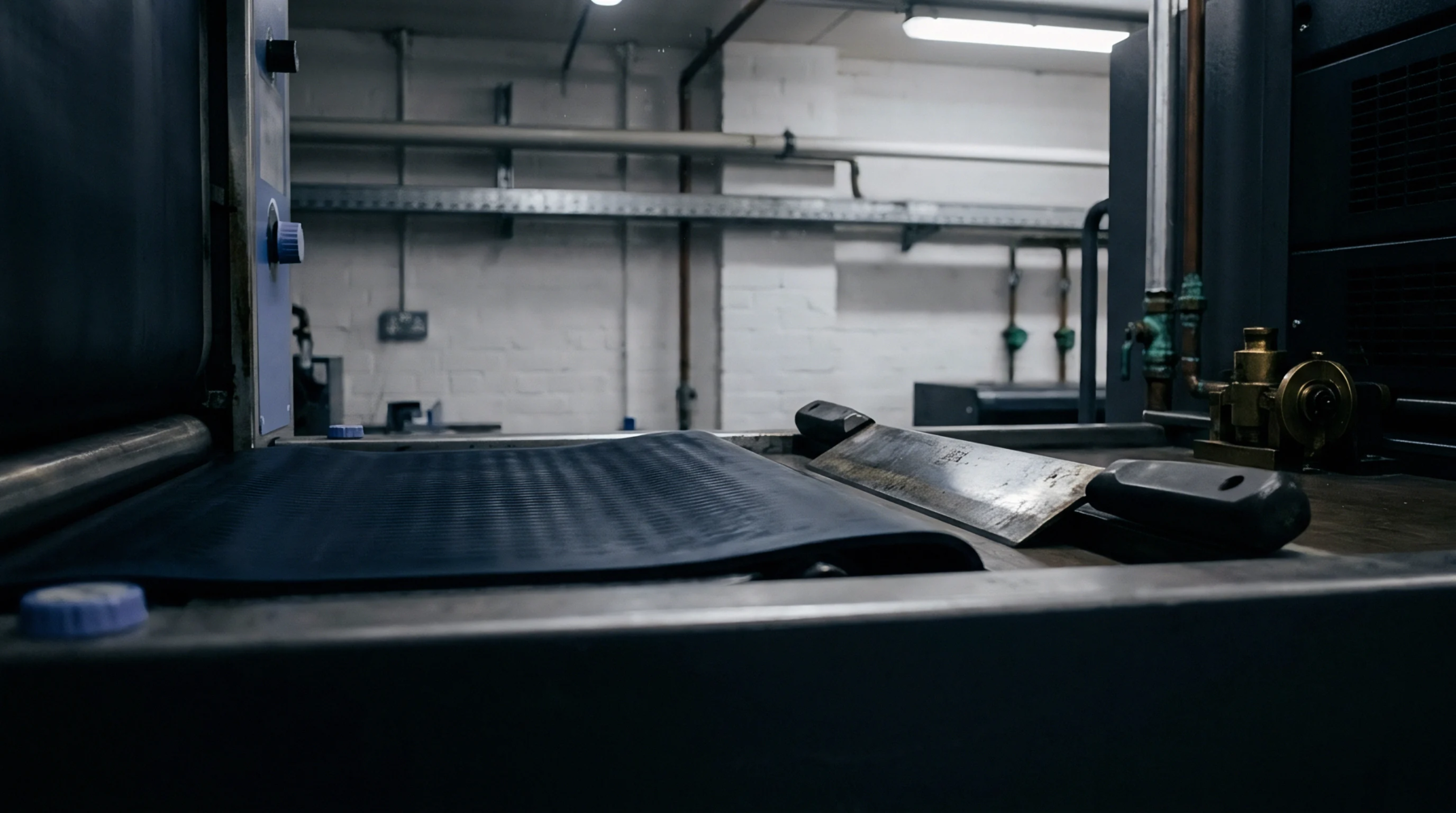
Optimizing machine profile variability control limits requires establishing statistical bounds on cross-web caliper and stiffness to prevent cartoner feed jams.

Verify paperboard grammage under ISO 536 by conditioning punch specimens at 23 C and 50 percent relative humidity under ISO 187 to protect converting area yield.

European packaging eco-modulation penalizes poorly repulpable UV coatings and polyolefin barriers, erasing recycled board price advantages through weight-based fees.

Goods-in paperboard profiling combines rapid chemical staining, split-temperature ashing, and layer delamination to expose deceptive furnish substitution.
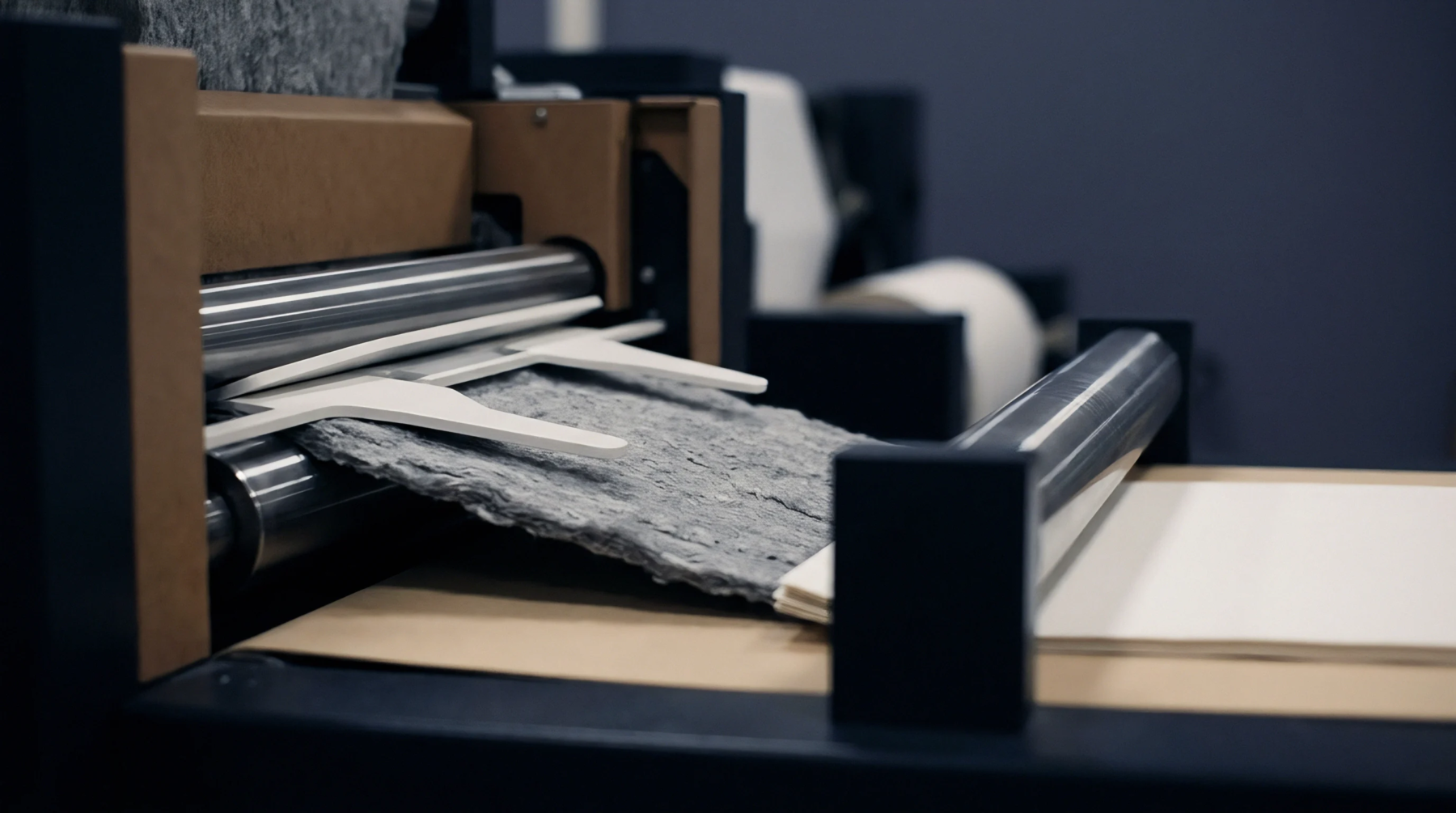
Dynamic barrier delamination along carton crease vertices is prevented by sizing creasing channels to absorb shear strain through controlled internal board roll.

Statistical sampling of folding boxboard applies ISO 2859-1 attribute limits and ISO 3951-1 variable k-factors to verify stiffness, caliper, and purity.
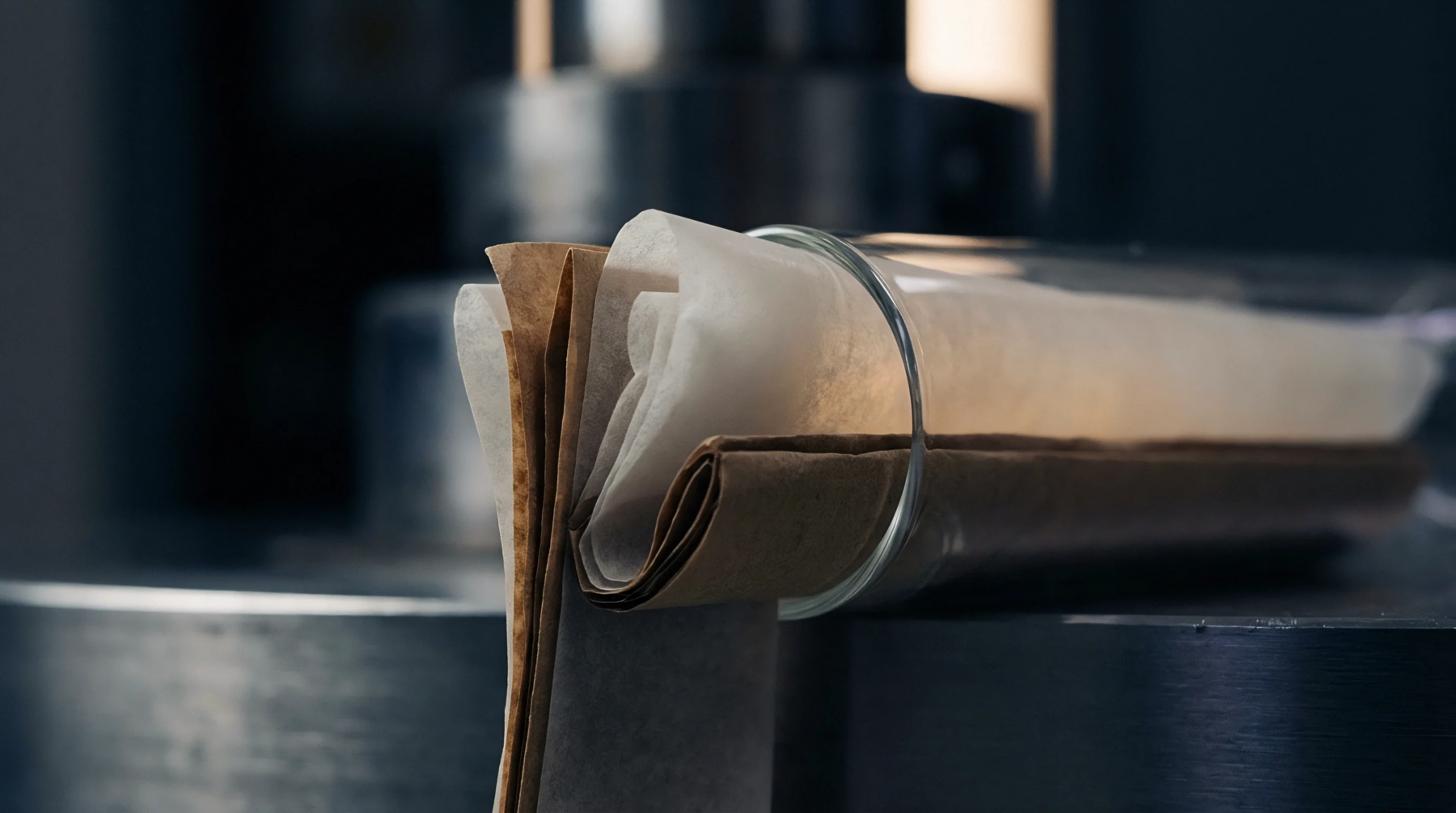
Dockside testing demands immediate outer wrap stripping, vapor-sealed sampling, and moisture-adjusted burst and compression checks before terminal exit.

Customs tariff exposure for chemically treated paperboard derives from exact resin-to-pigment ratios shifting classifications between HS 4810, 4811, and 4819.

Validate foreign packaging files by checking invoice claim strings on scheme registers, testing fiber furnish by microscopy, and screening barrier extraction.
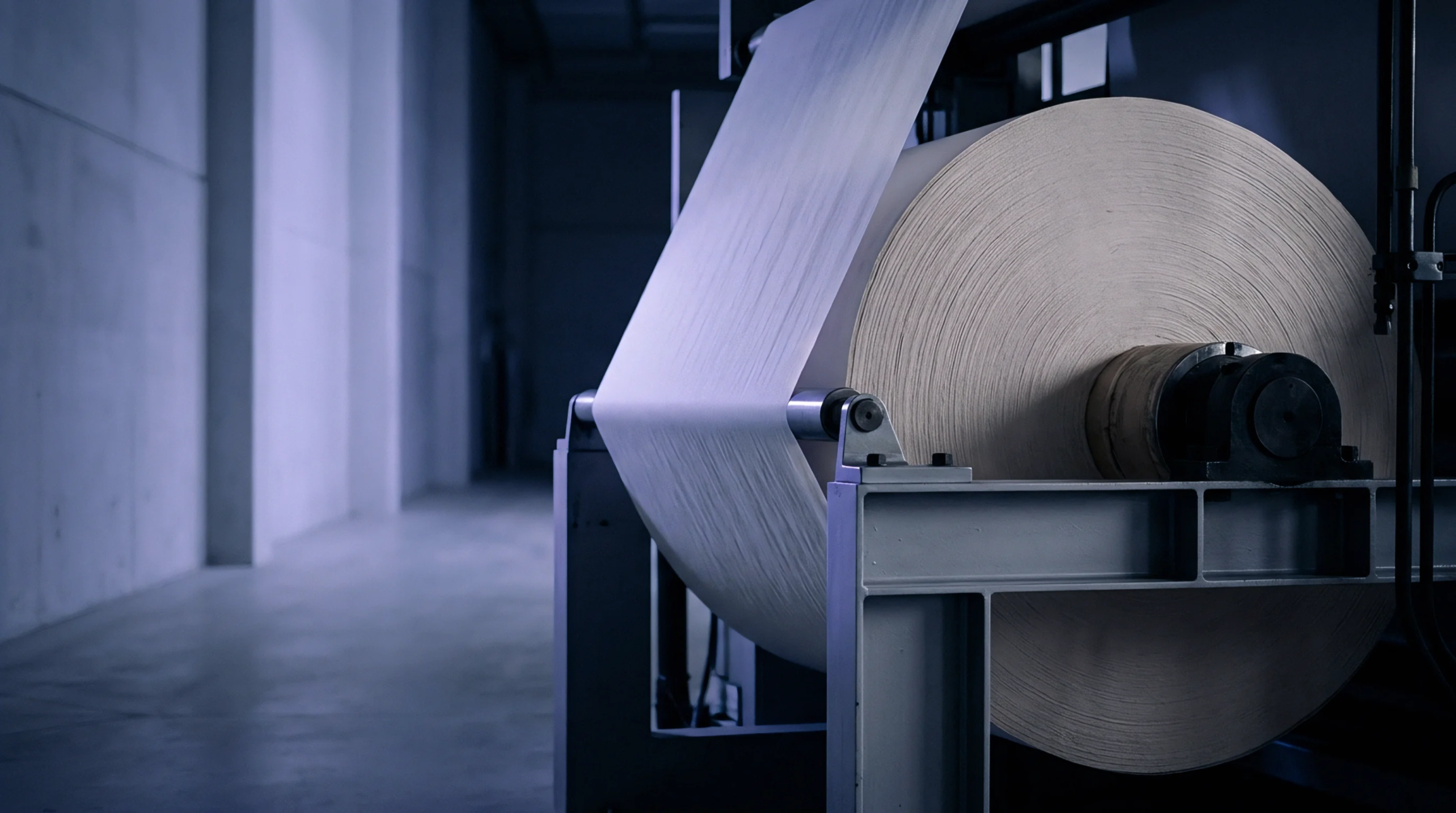
Calculating multi-pass web trim and spoilage requires compounding side-lay allowances, make-ready setup sheets, and hygroexpansive web expansion per pass.
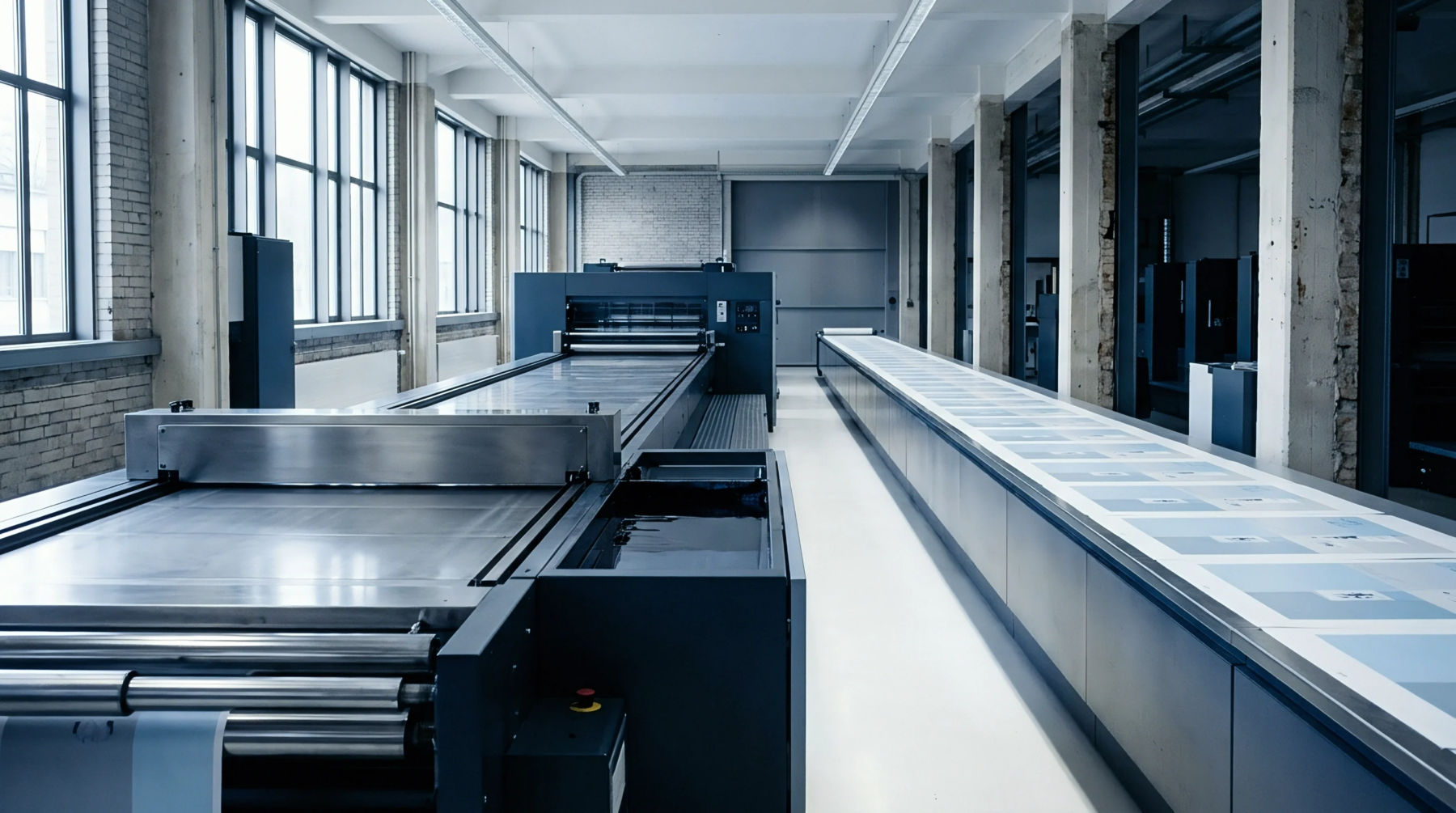
Parent sheet yield optimization balances mill deckle widths, carton grain direction, and interlocking nested dies to lower delivered carton unit costs.
Subsurface light scattering in filled mechanical papers is governed by radiative transport modified for pigment crowding and internal surface reflection.

Unverified multi-mill energy pooling inflates containerboard costs by allocating group-wide fossil fuel spikes to efficient biomass-driven machine runs.
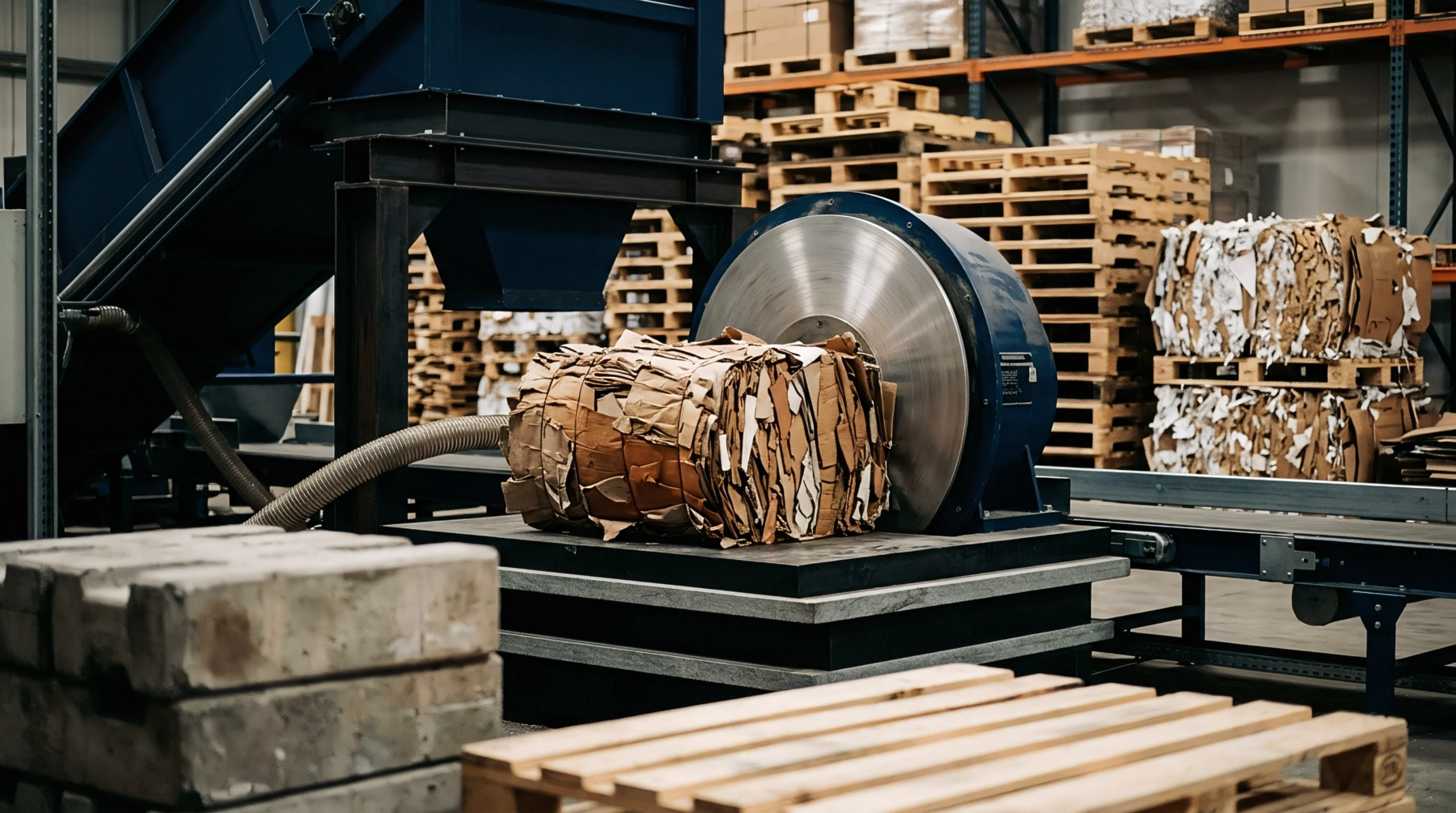
Energy surcharges require explicit baseline thermal ratings and index lags to prevent mill efficiency losses from inflating board prices.
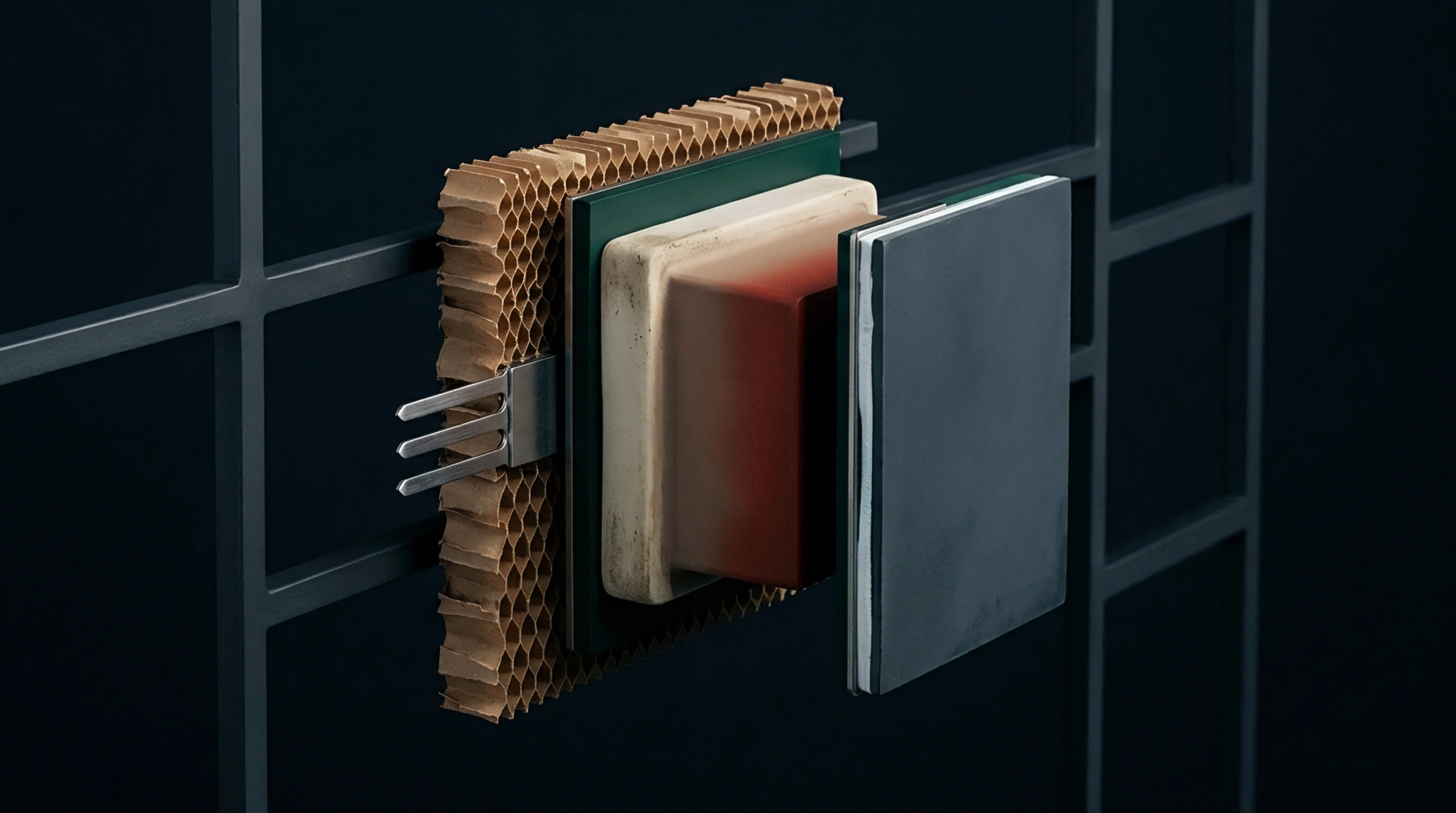
Finite element modeling of transient moisture gradients predicts stack edge distortion and guides pre-conditioning timing to prevent press downtime and waste.

Calculate machine deckle efficiency by dividing total slit customer roll widths by maximum trimmed web width, factoring in edge shrinkage and repulping waste.

Polymer barrier coating performance relies on balancing extensional viscosity to prevent misting with rapid thixotropic recovery to eliminate pinhole defects.
Chemithermomechanical core compliance modeling predicts time-dependent box compression decay under changing humidity by coupling viscoelastic Prony series with shear kinematics.
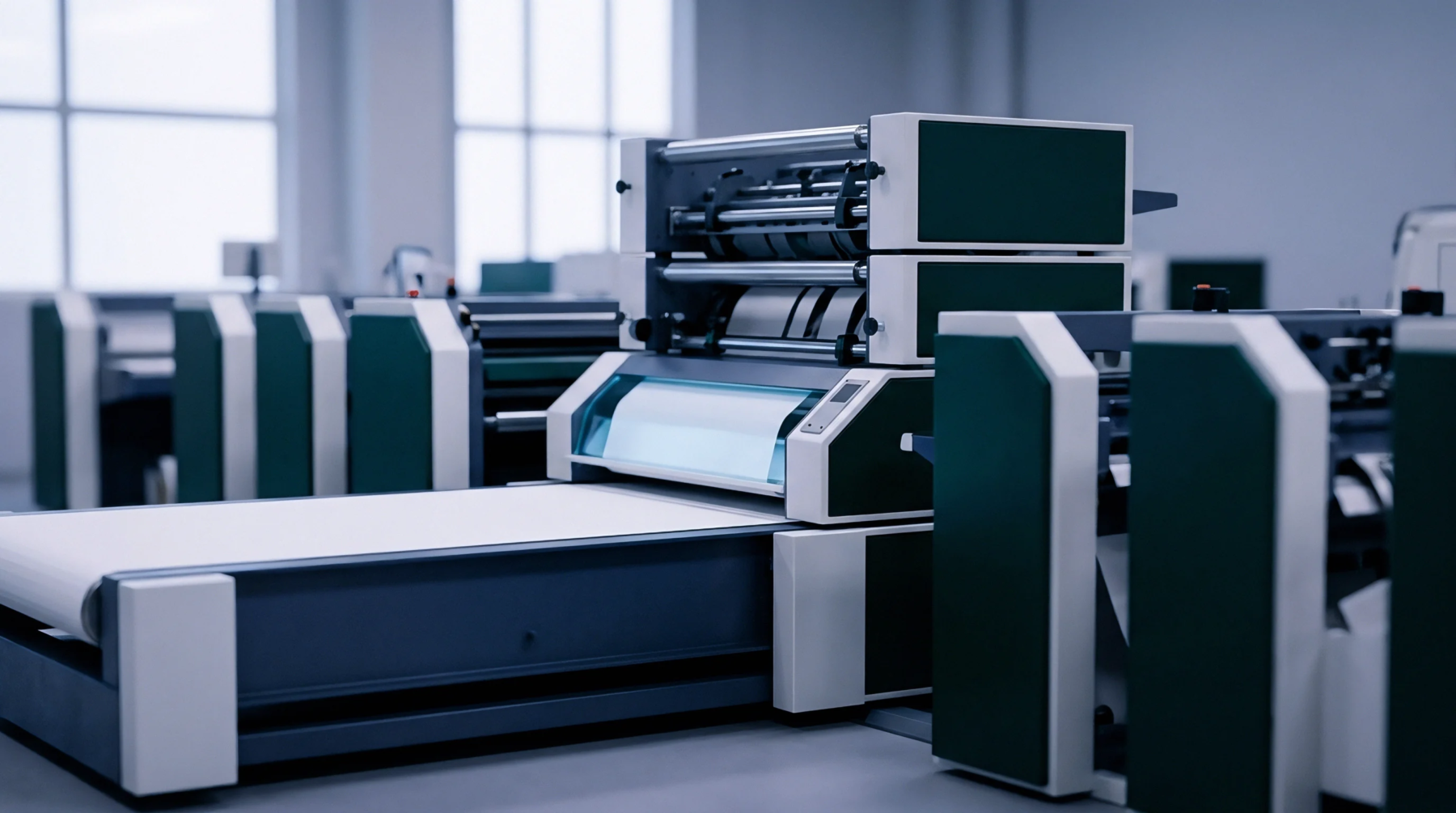
Converting formulas combine deckle trim efficiency, multi-pass spoilage allowances, freight mass shifts, and scrap recovery to determine landed blank costs.
Expertise is a utility, not a secret. sentiention™ publishes its working knowledge as open reference: intelligence layer covering the materials it sources, the markets it enters, and the reference that serves both.