
Paper Grades and Board Types a Buyer Chooses Between
Matching substrate furnish and bulk to press stress secures structural integrity, optimizes print quality, and minimizes total landed packaging cost.
Matching substrate furnish and bulk to press stress secures structural integrity, optimizes print quality, and minimizes total landed packaging cost.
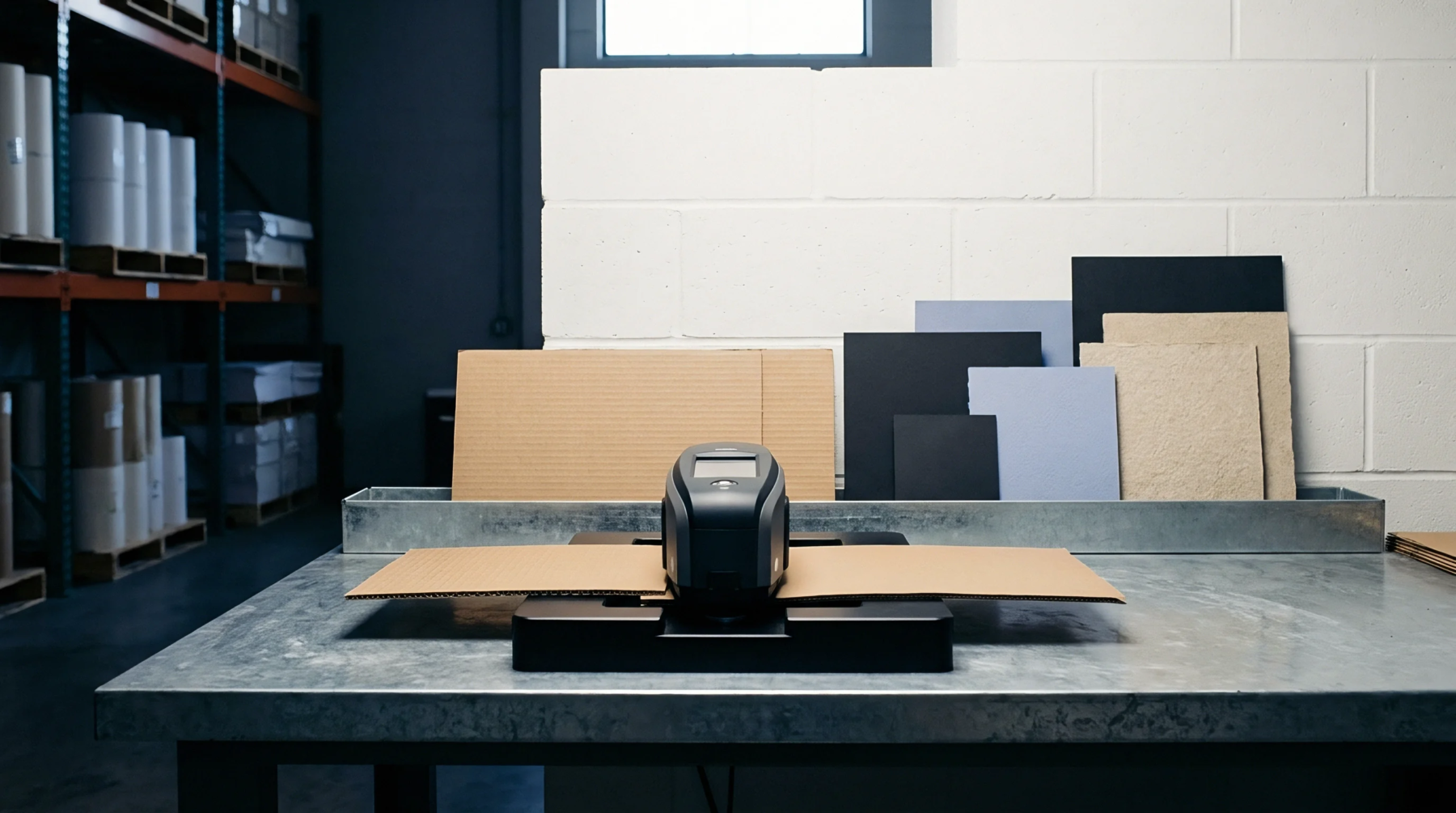
Grammage and caliper variance mechanics govern substrate bulk, bending stiffness, press throughput, and sheet yield per metric tonne in packaging board swaps.

Grammage and caliper specifications require ISO test method conditioning standards and tight bulk tolerance clauses to prevent converting line failures and yield losses.

Parent sheet yield and trim waste govern grade selection when high-bulk downgauging balances mill deckle fit, layout imposition, and net landed cost per unit.
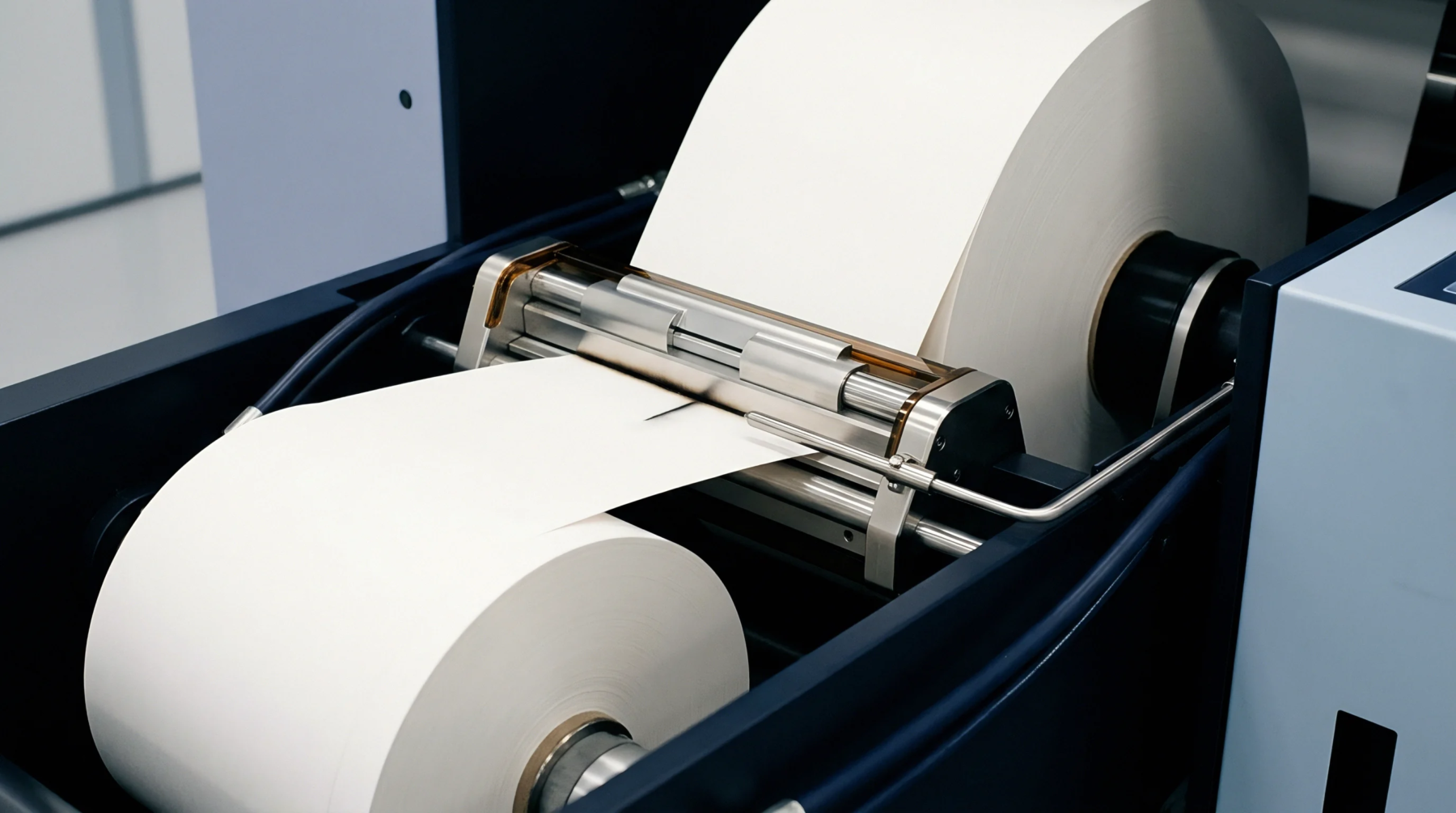
Furnish substitutions at the machine gate require wet end NIR tracking and ISO 1924 tensile verification to prevent runnability failures and yield losses

Flexographic dispersion barrier coatings retain water and grease resistance under crease stresses only when coating elongation capacity matches board strain.

Controlled inter-ply shear delamination inside the middle layers under rule stroke impact converts rigid board into thin lamina, eliminating score cracking.

Maintaining high-shear flexographic barrier coating viscosity between 25 and 40 mPa.s prevents pinholing and preserves 300 percent elongation over creased board.
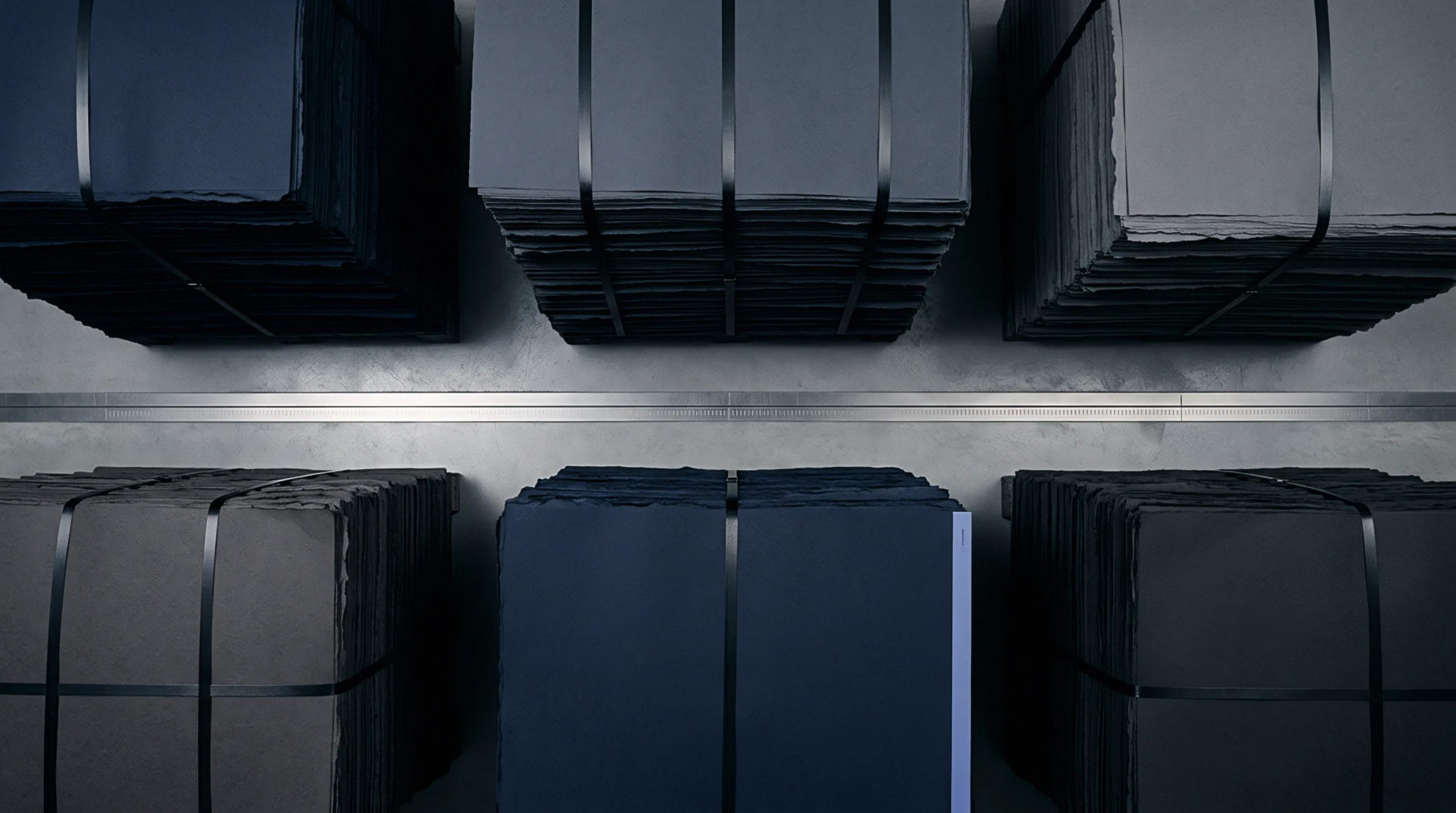
Fractionating recycled furnish prior to low-consistency refining preserves boxboard caliper while meeting internal bond targets at reduced energy consumption.

Optimizing multi-ply recycled containerboard requires strategic furnish distribution and precise starch application to maximize stiffness while lowering total fiber cost.

Landed sheet cost calculations require combining imposition trim, setup spoilage, moisture-adjusted mass, tare deductions, and scrap credits per unit.
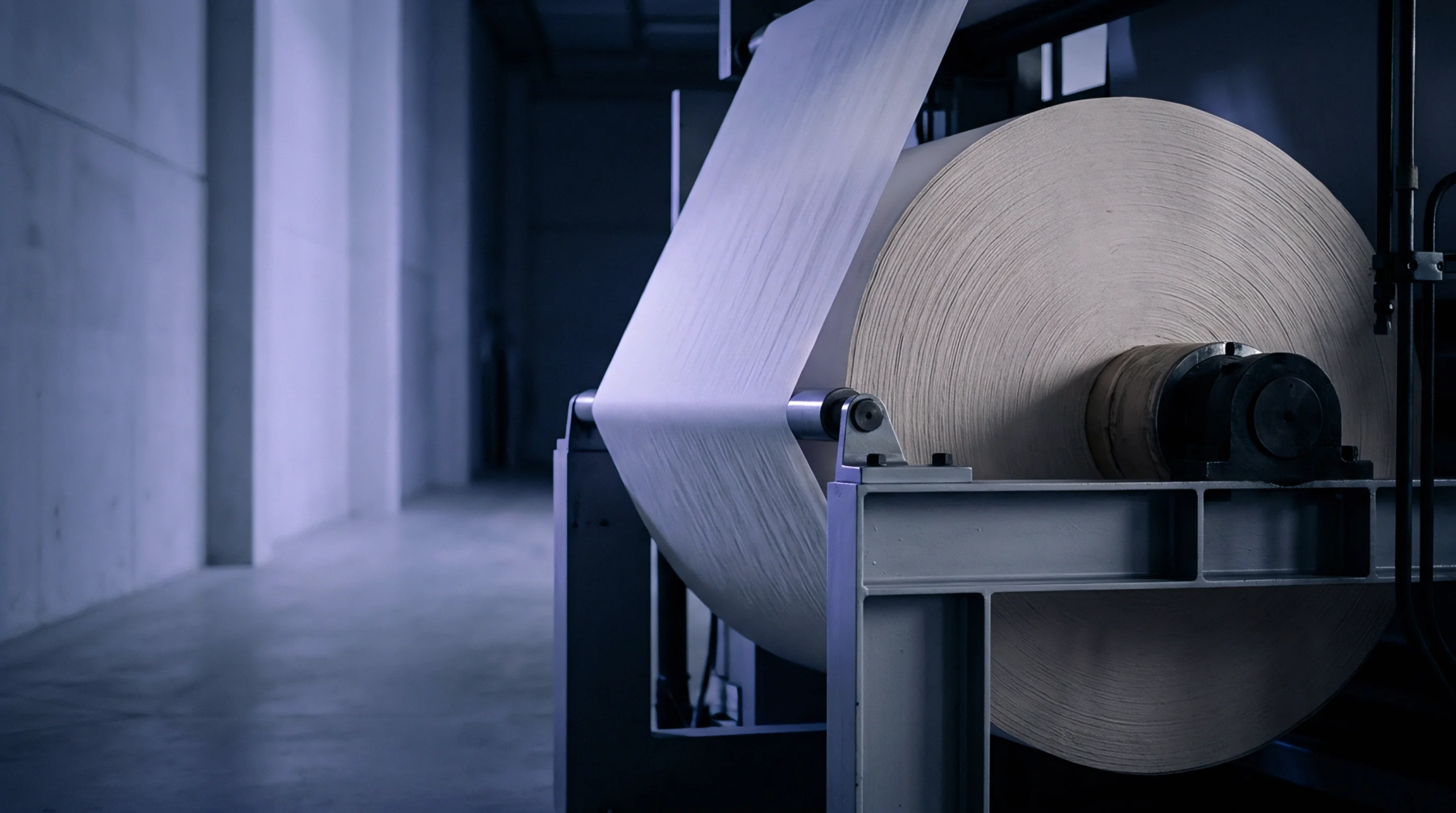
Matching dynamic roll order combinations to multi-machine paper deckle profiles minimizes fiber edge waste and slitter setup downtime across paper mills.

Optimizing folding boxboard stiffness requires balancing BCTMP core bulk with chemical pulp outer layers to maximize moment of inertia at target carton speeds.
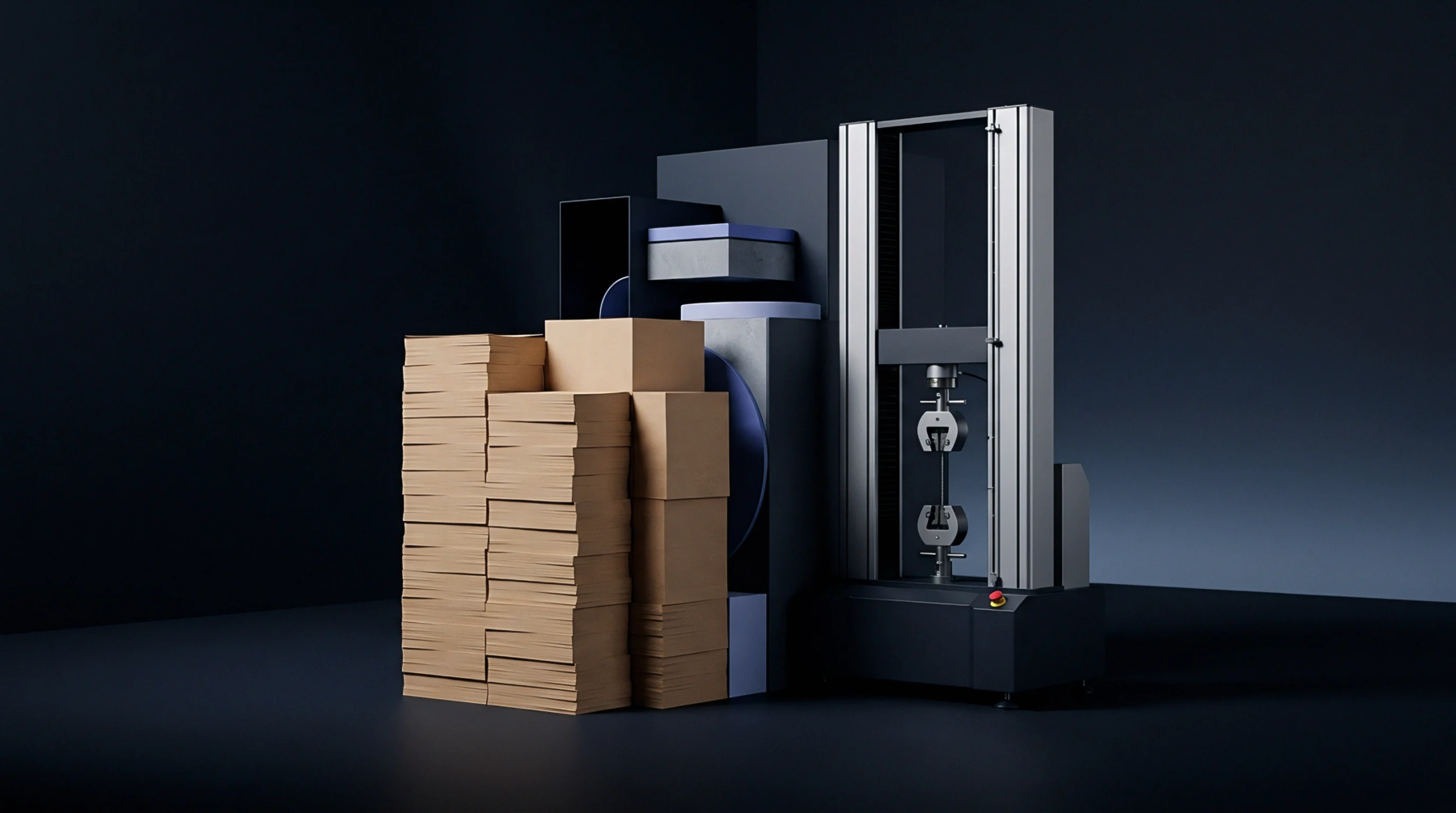
Unbundled containerboard energy surcharges require fixed baseline consumption caps and index hedging rules to prevent mill efficiency losses passing into board prices.

Paperboard import compliance depends on linking physical lot numbers directly to accredited chemical assays and verified chain of custody certificates.

Unannounced substrate substitution alters box compression strength and tariff classification; laboratory fiber audits and batch thickness checks prevent failure.

Paperboard grammage and caliper dictate sheet yield, bending stiffness, and converting performance, making exact testing under ISO standards essential for sourcing.
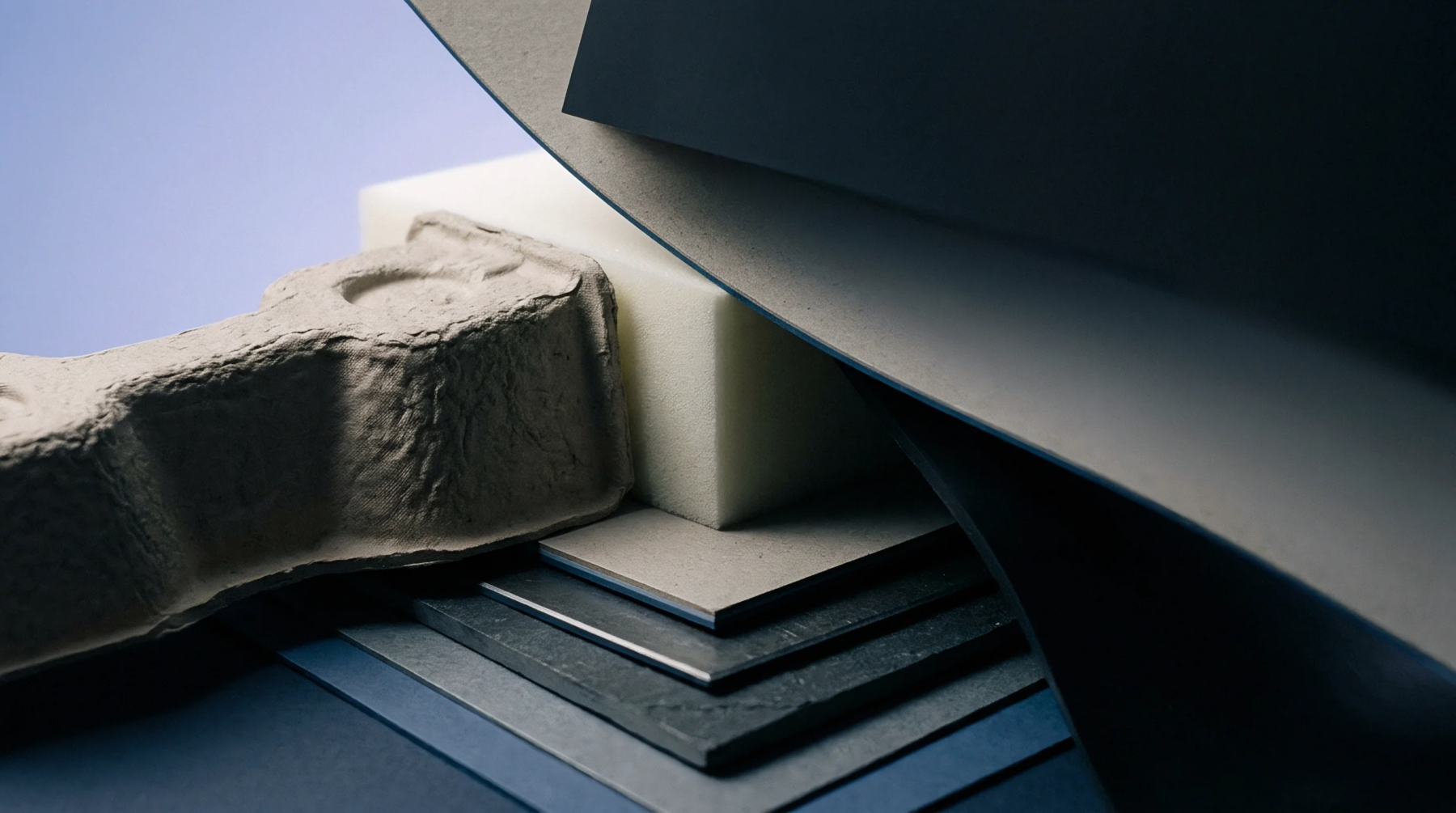
High yield pulp mass balances fail when mills exclude white water solubles and moisture variation, exposing buyers to chain of custody audit liabilities.

Virgin solid bleached sulfate delivers superior score integrity and brightness, while recycled board reduces raw material expenditure when stiffness targets allow.
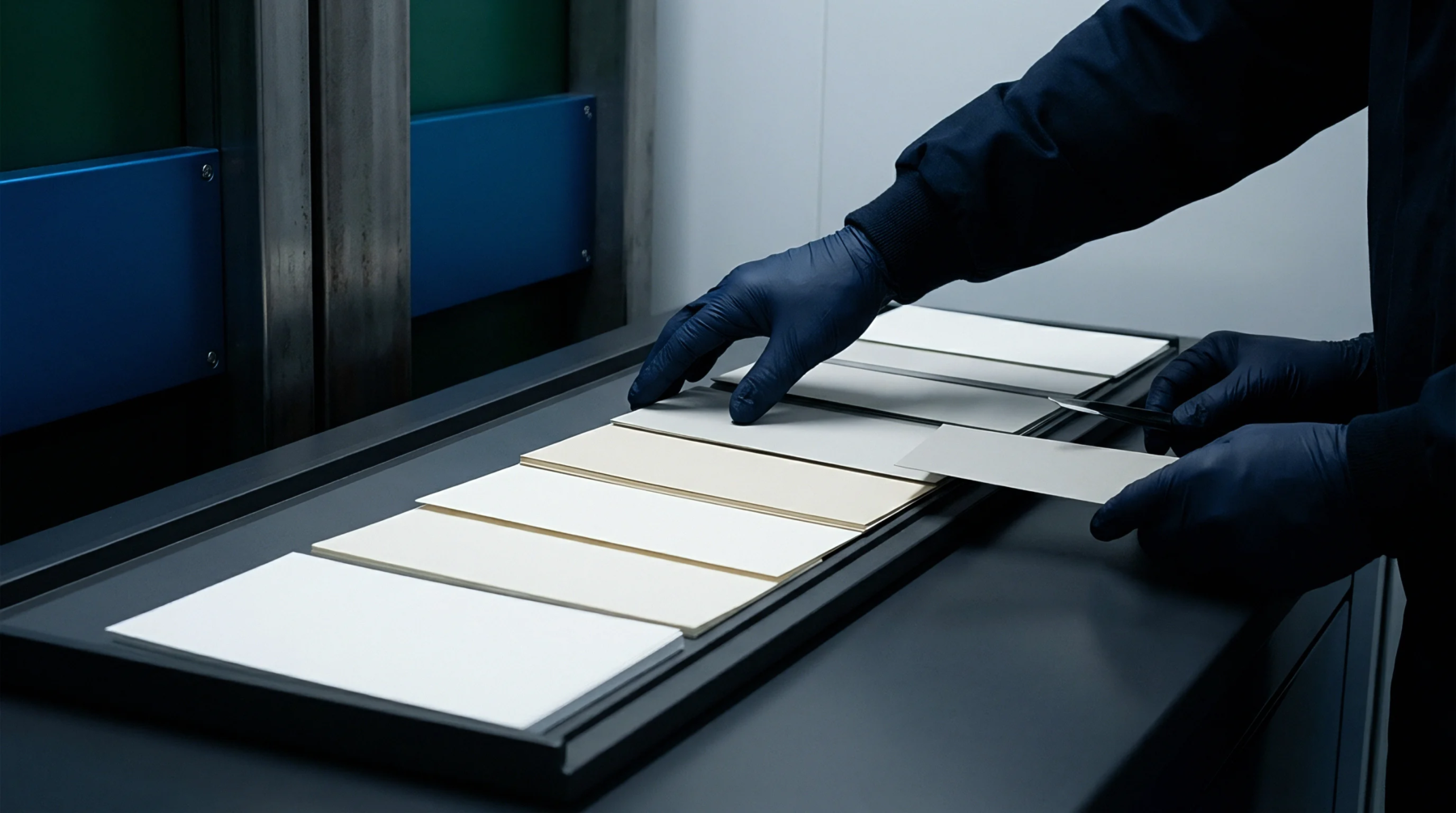
Paperboard physical property verification requires strict ISO 187 conditioning and standardized test methods to ensure compliance and prevent customs holds.
High-bulk BCTMP cores maintain boxboard bending stiffness during caliper downgauging while chemical wet-end additives prevent delamination under score creasing.
Core layer mechanical pulp distribution controls folding boxboard bulk and bending stiffness, enabling weight reduction while preserving box structural integrity.

Eucalyptus fiber collapse and hydrogen bond density dictate sheet tensile strength, bulk retention, and landed sheet cost in commercial packaging grades.

Reconciling decoupled credit ledgers with physical fiber movements requires dynamic conversion factor auditing and site-level transfer tracking.
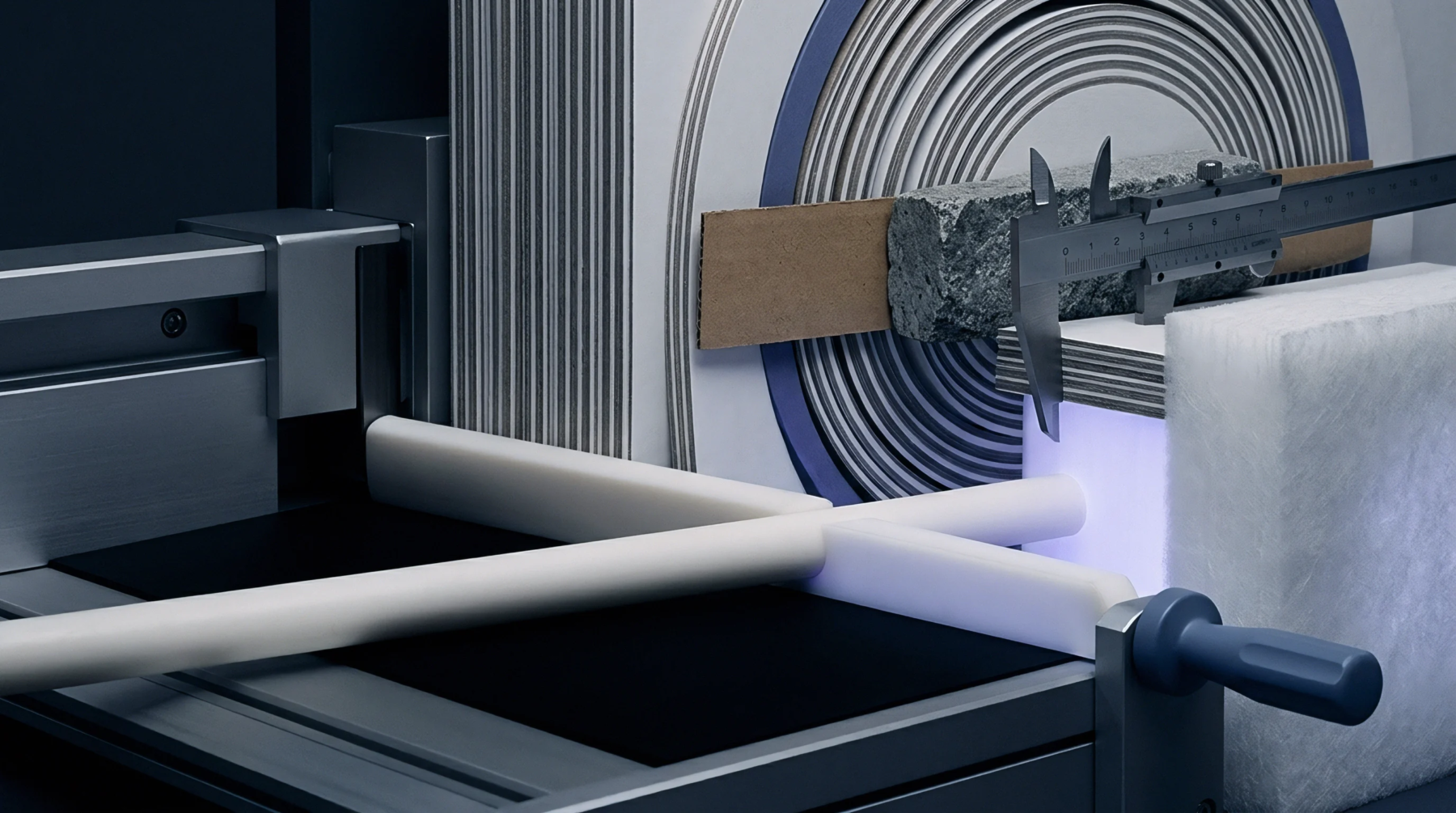
Calibrating index lag windows and deadband thresholds in board contracts prevents administrative friction and stabilizes long-term procurement pricing.
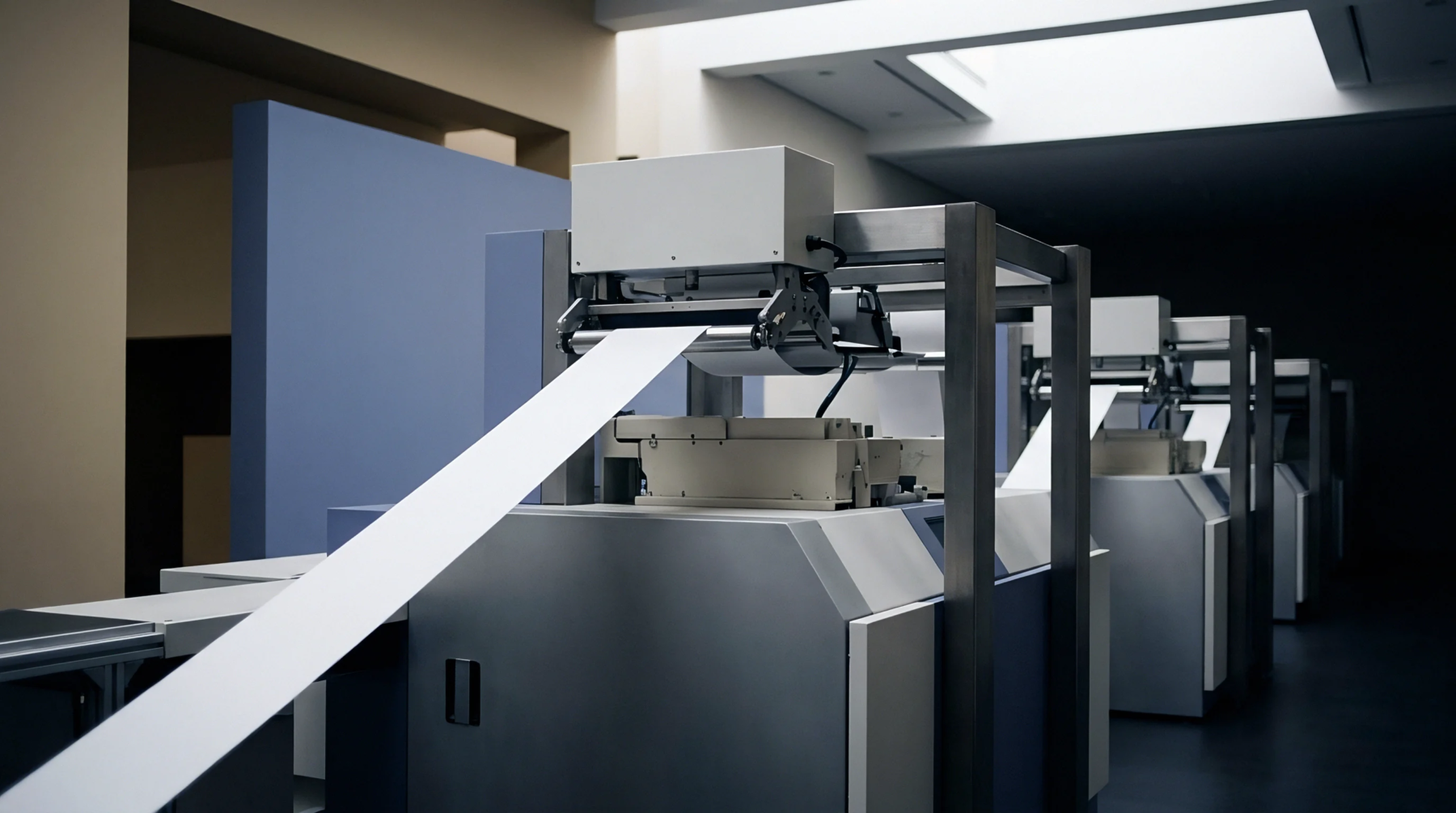
Residual surfactant migration in hardwood stock depresses dynamic surface tension below forty millinewtons per meter, triggering jetting print defects.
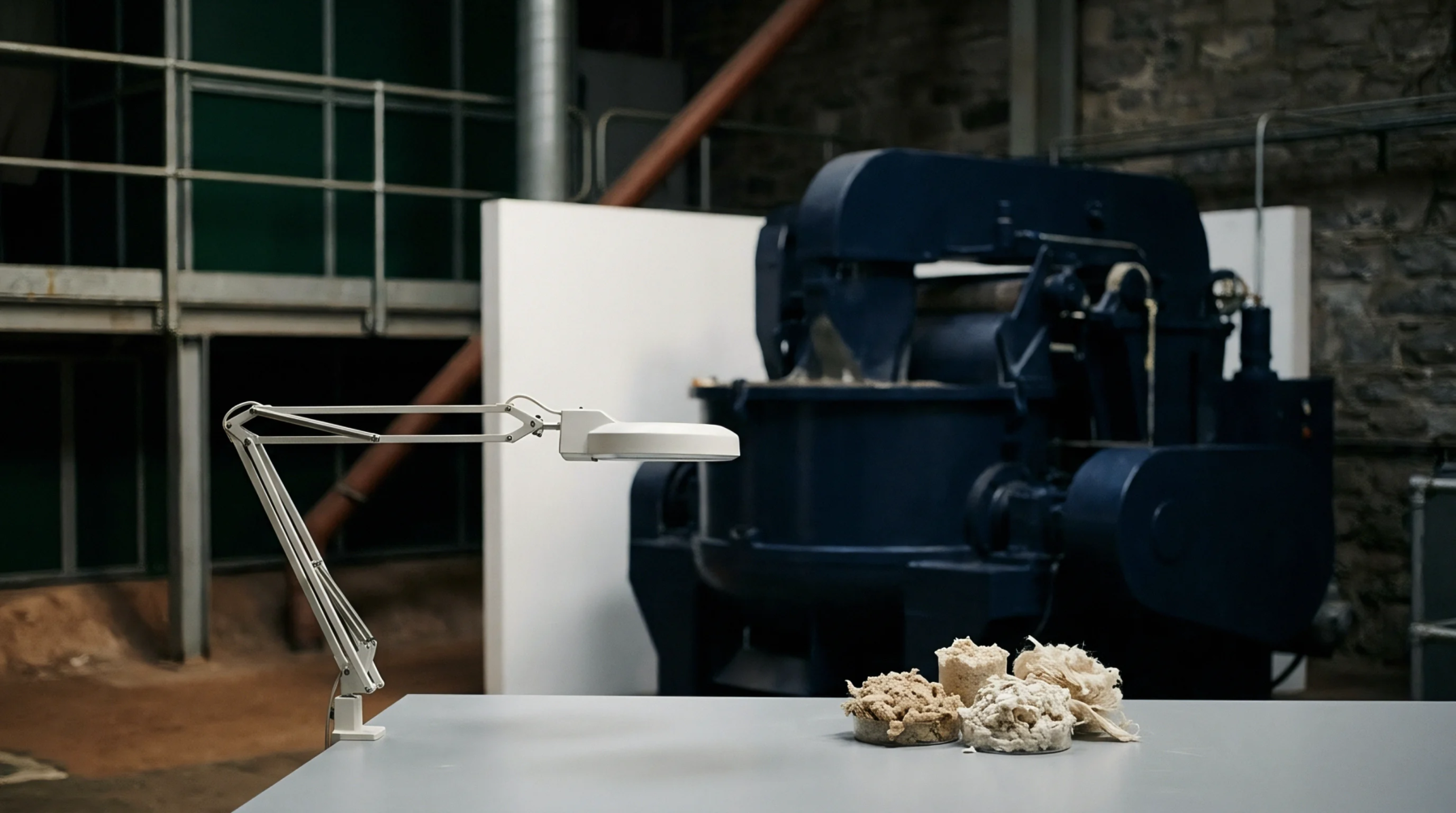
Refining top ply stock heavily while leaving base furnish coarse optimizes linerboard strength without severe wet-end dewatering penalties.

Optimizing multi-ply boxboard caliper requires balancing mechanical core thickness against chemical skin elastic modulus to maximize bending stiffness per unit weight.

High erection speeds induce inter-ply shear strain that causes carton delamination when Z-direction bond strength drops below 180 Joules per square metre.
Dynamic fluid transport in lightweight coated sheets shifts from inertial to capillary control within milliseconds, demanding balanced pore throat sizing.
Expertise is a utility, not a secret. sentiention™ publishes its working knowledge as open reference: intelligence layer covering the materials it sources, the markets it enters, and the reference that serves both.