Dynamic Surface Tension Modification Impact on Wetting Speeds in High Speed Coating Application
Dynamic surface tension reduction below 40 mN/m within 10 milliseconds prevents air entrainment, enabling coater speed increases above 1,300 m/min.
Dynamic surface tension reduction below 40 mN/m within 10 milliseconds prevents air entrainment, enabling coater speed increases above 1,300 m/min.

Maintaining high-shear flexographic barrier coating viscosity between 25 and 40 mPa.s prevents pinholing and preserves 300 percent elongation over creased board.
Surfactant diffusion kinetics govern dynamic surface tension within millisecond curtain residence times, dictating high-speed air entrainment speed thresholds.
Dynamic surface tension at millisecond surface ages dictates liquid curtain stability and dynamic wetting limits in paperboard coating operations.

Corona decay on polypropylene impairs solventless adhesive wetting, requiring in-line treatment to maintain dynamic surface energy above 40 dyn/cm.
Dynamic contact angle relaxation rates dictate air entrainment and streak defect thresholds in high speed blade coating systems operating above 1200 m/min.

Dynamic surface tension gradients in recycled paperboard cause capillary stalling, uneven ink penetration, and severe converting spoilage.
Liquid release from anilox cells under high shear depends on dynamic viscosity below forty centipoise and cell depth ratios under thirty percent.
Balancing dynamic surface tension sub-10ms wetting with high extensional viscosity prevents droplet rebound and glue stringing on creased paperboard.
Substrate holdout and pinhole control require matching anilox coat weight delivery to sheet absorbency while regulating dynamic wetting and surface skinning.
Calibrating capillary rheometers with Bagley and Mooney corrections ensures precise aqueous latex transfer from anilox cells, preventing spatters and excess coat weight.
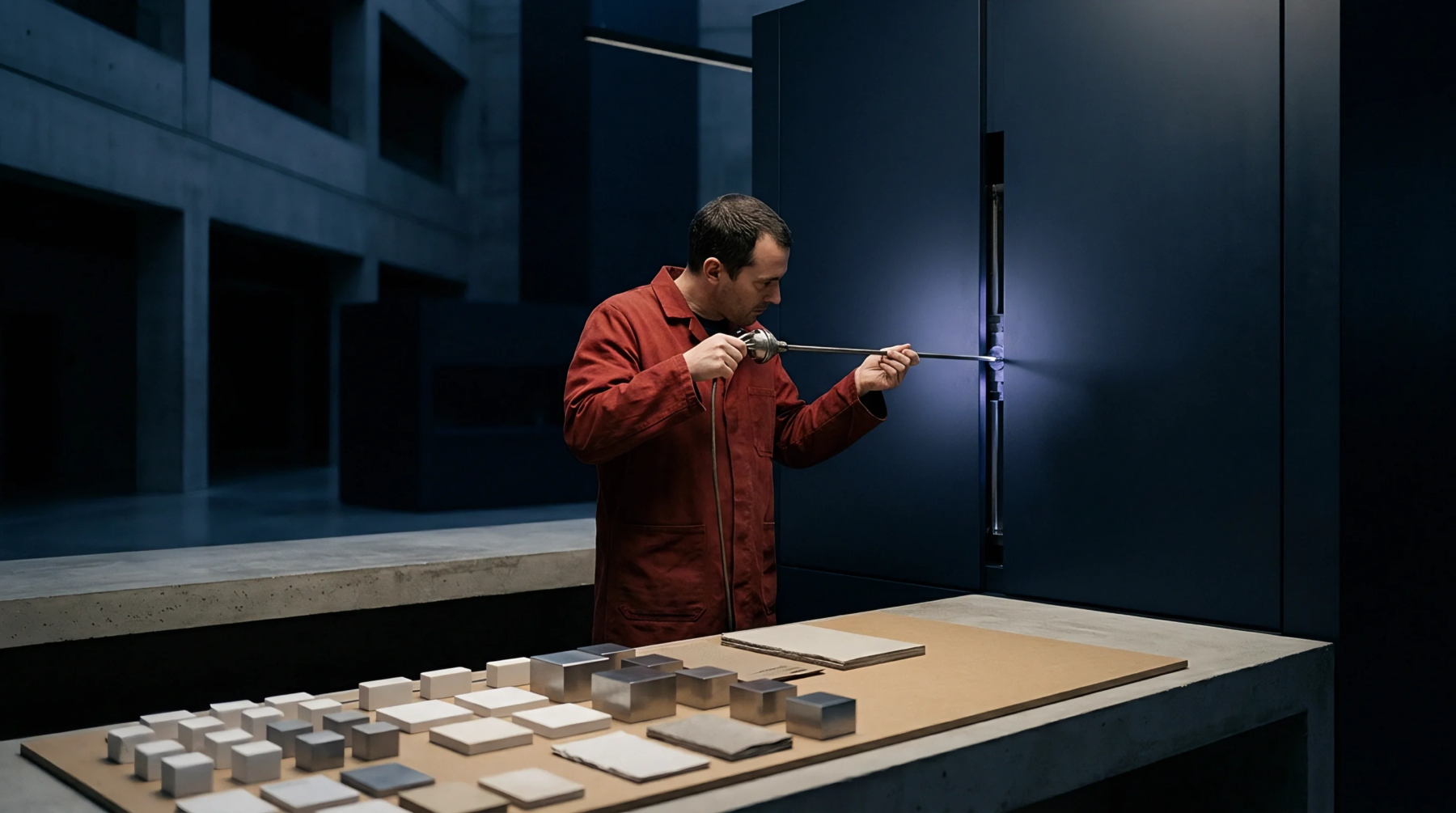
Line temperature spikes and fluid shear accelerate migrant transfer beyond static test limits, requiring exact profile validation in compliance files.
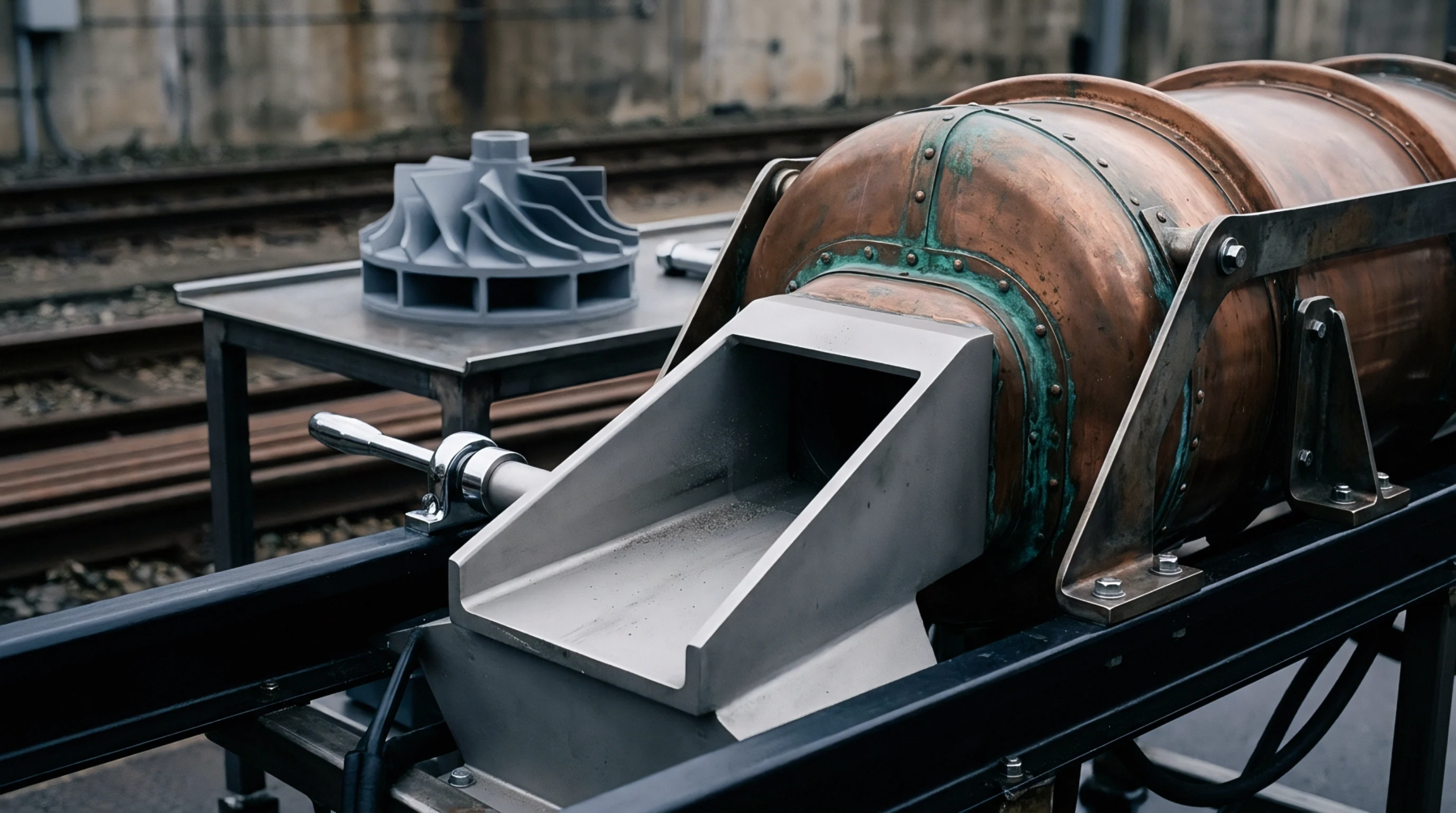
Dynamic surfactant competition at 1-3 ms surface ages governs air entrainment boundaries in curtain heels operating above 1,200 metres per minute.
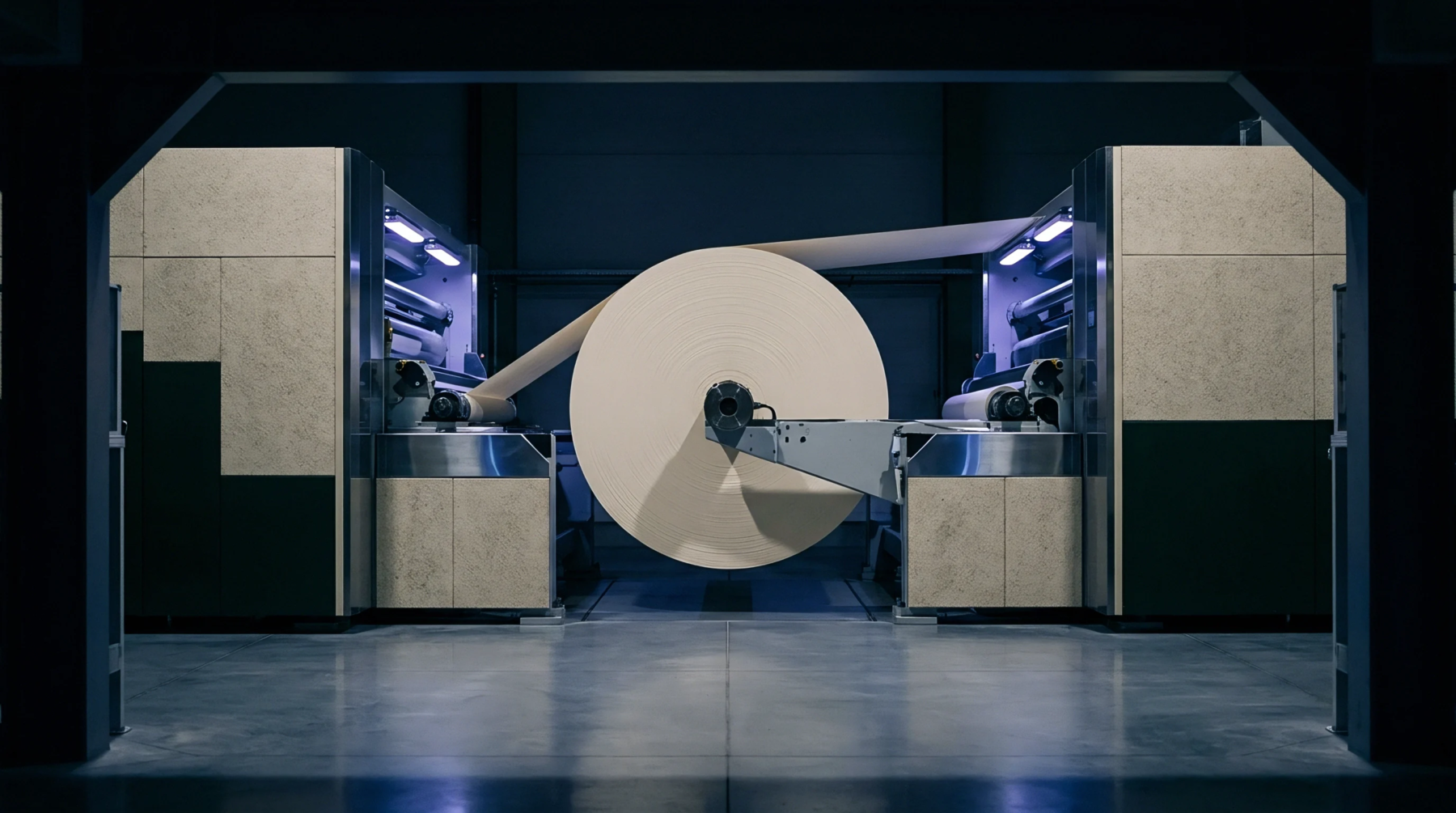
Dynamic surface tension at sub-five millisecond timescales controls droplet breakup, satellite suppression, and dome retention in high-build acrylic jetting.
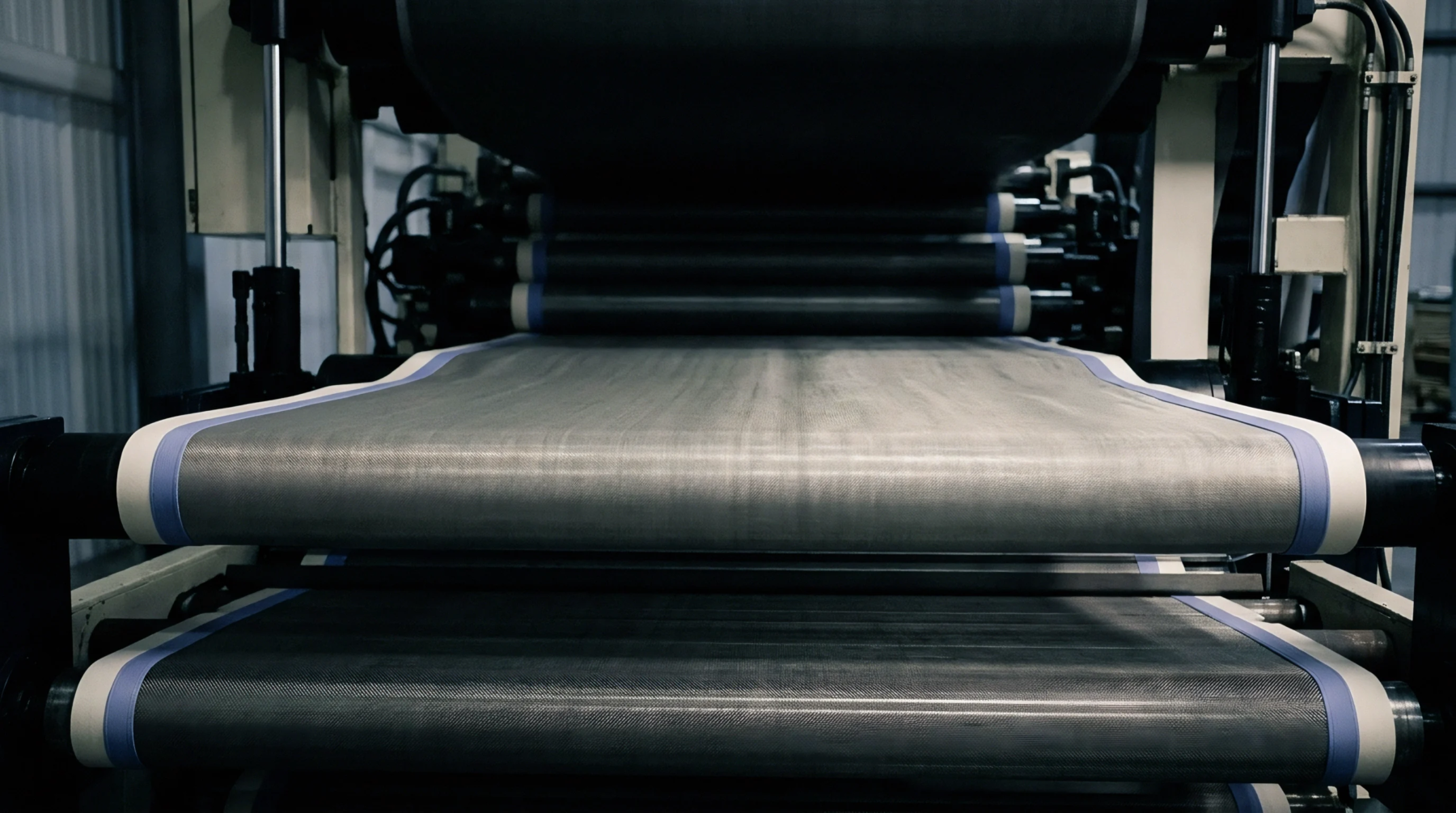
Reverse side water application restores moisture balance and eliminates curl by re-wetting dry wire-side fibers before converting stresses lock the sheet.
Dynamic surface tension controls curtain coating stability and heel air entrainment, dictating run speed, defect rates, and operational packaging costs.
Surfactant diffusion kinetics govern short-time surface tension during blade metering, preventing pinholing and ensuring carton converting adhesion.
Inline ultrasonic attenuation spectra quantify free surfactant depletion in opaque mineral slurries to stabilize millisecond surface tension on high-speed coaters.

Maintain board equilibrium moisture between 50 and 55 percent RH to prevent anisotropic fiber expansion, sheet fan-out register drift, and score cracking.

Microscopic pinholes form through entrained air bubbles and capillary dewetting during rapid drying, requiring dual-station metering to ensure barrier integrity.

Sub-millisecond dynamic surface tension governs blade coater wetting, where slow surfactant diffusion causes micro-skips, blade bleed, and print defects.

Surfactant extraction via ten second isopropyl alcohol surface leaching predicts water based ink mottle on recycled chipboard before press trial commit.

Capillary stalling occurs when high line speeds outpace surfactant migration, elevating fluid tension and halting penetration before ink or glue bonding sets.
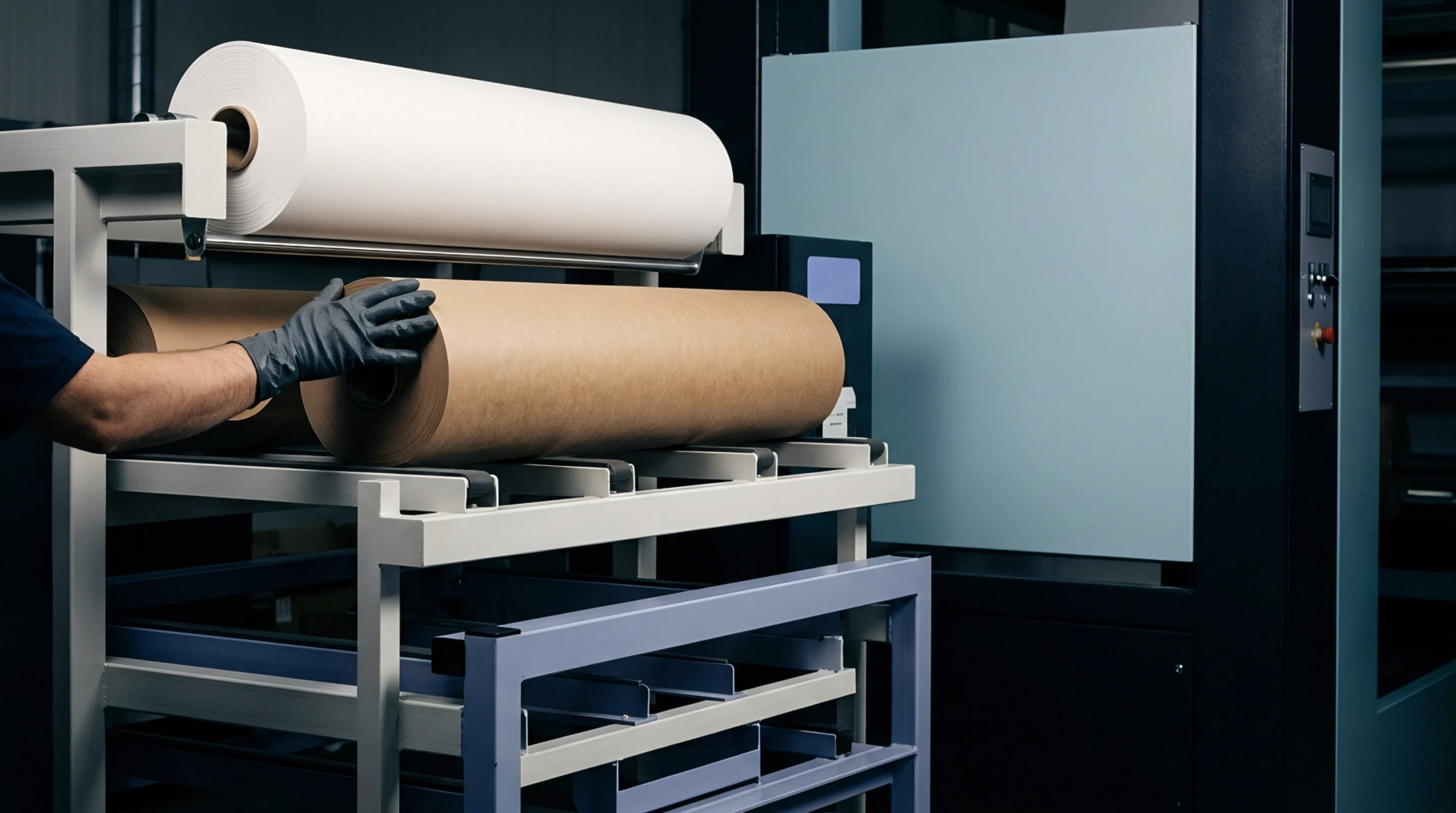
Tuning dispersion viscosity on metering roll coaters requires matching high-shear nip viscosity to capillary limits while stabilizing bath solids and pH drift.
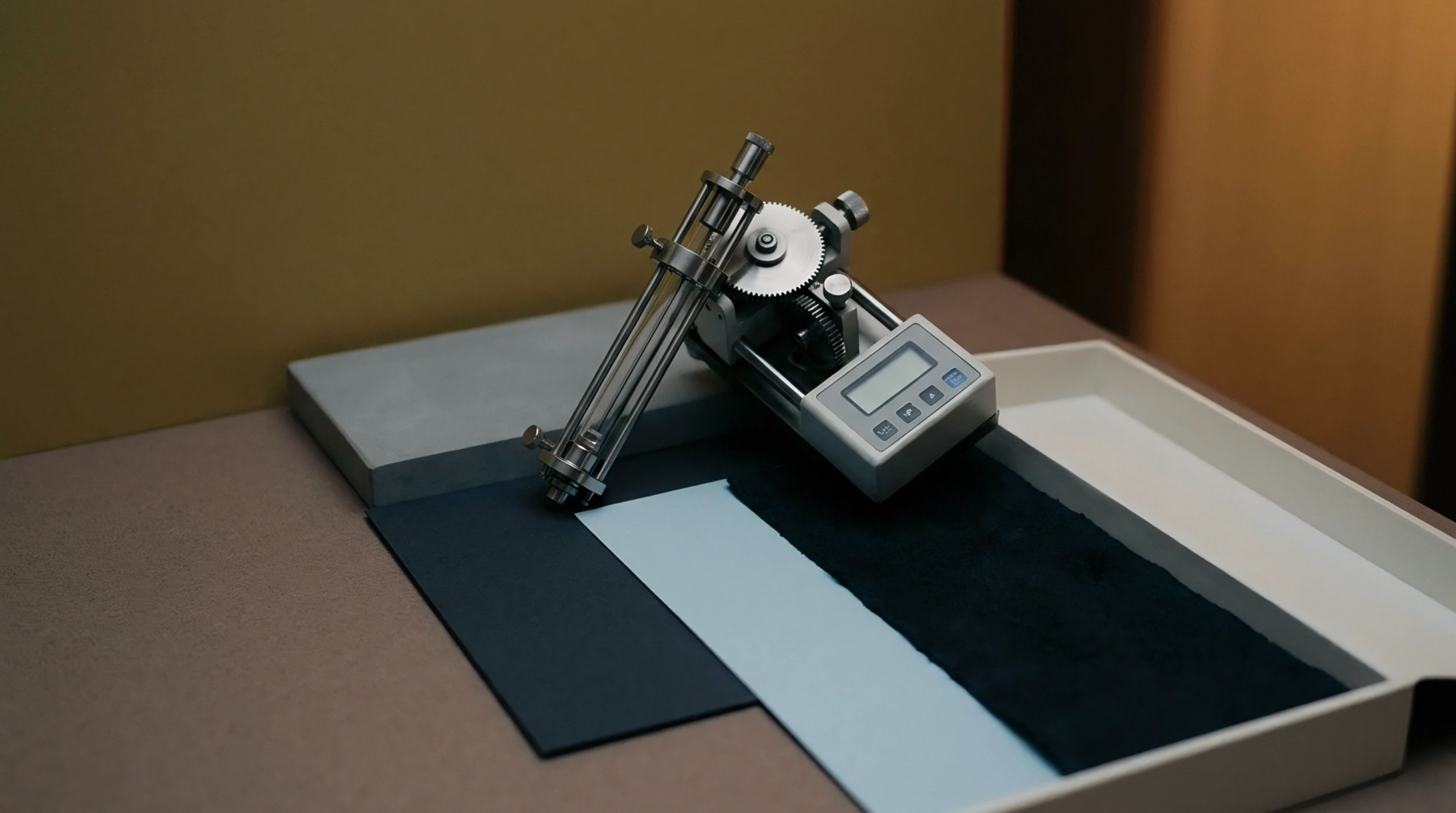
Controlling vacuum deaeration and dynamic contact line capillary numbers below critical thresholds prevents microbubble pinholing in high-speed barrier coatings.
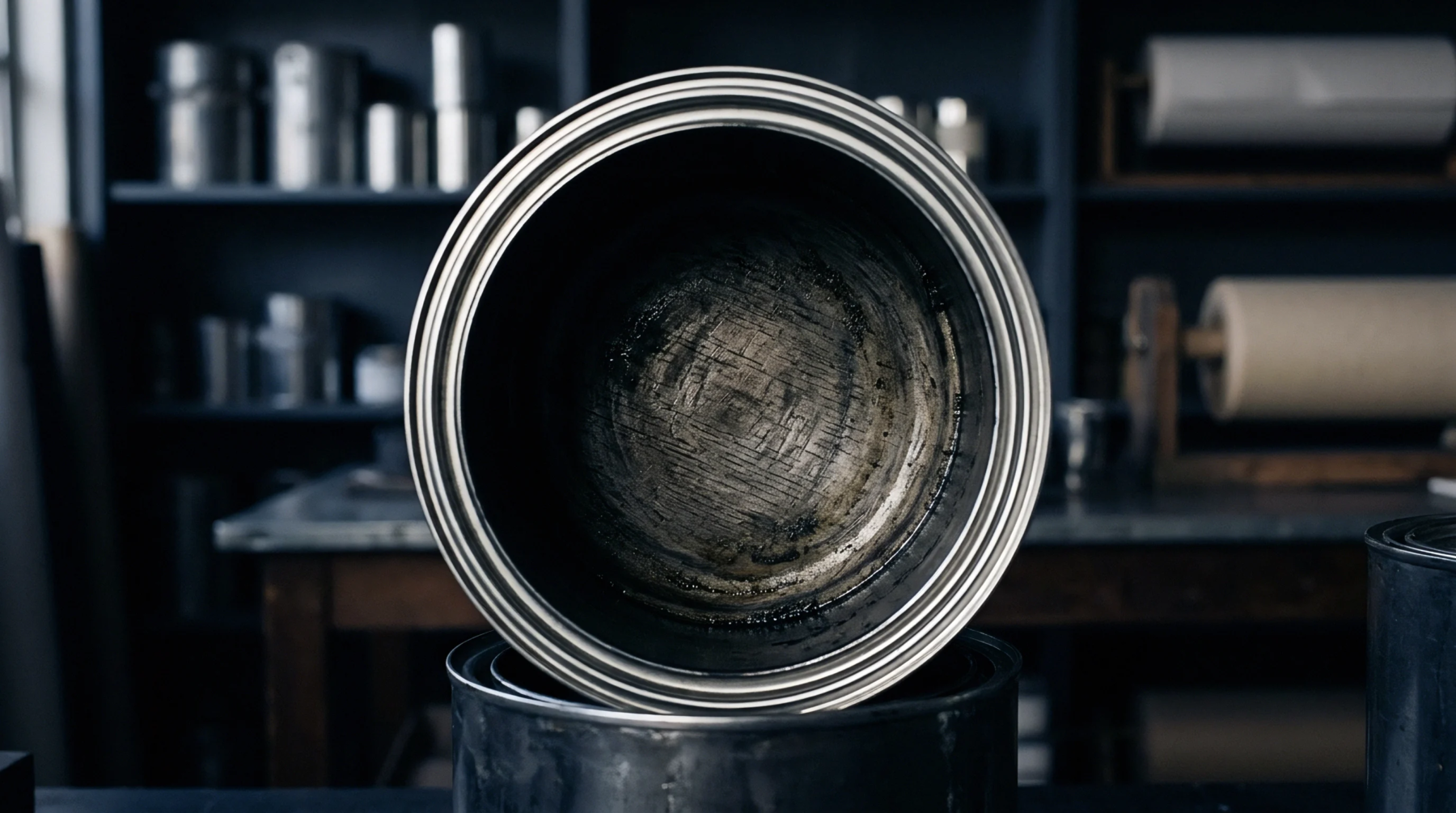
Dispersion coating performance on folding boxboard relies on surface holdout, polymer Tg control, and low-shear application to balance moisture barriers against repulpability.
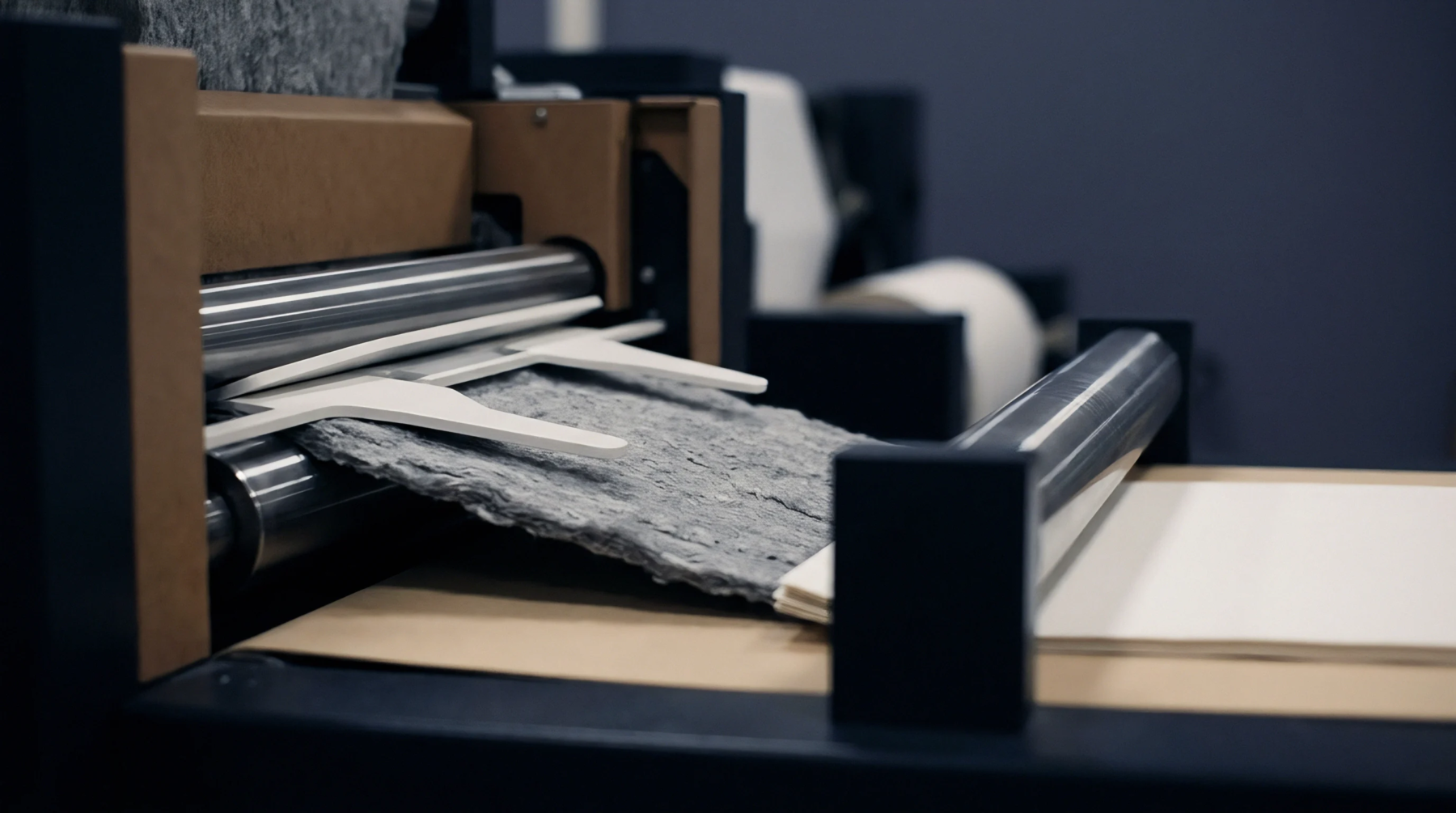
Non-ionic surfactant desorption drops dynamic surface tension within milliseconds on recycled hardwood board, causing severe film dewetting and glue failures.
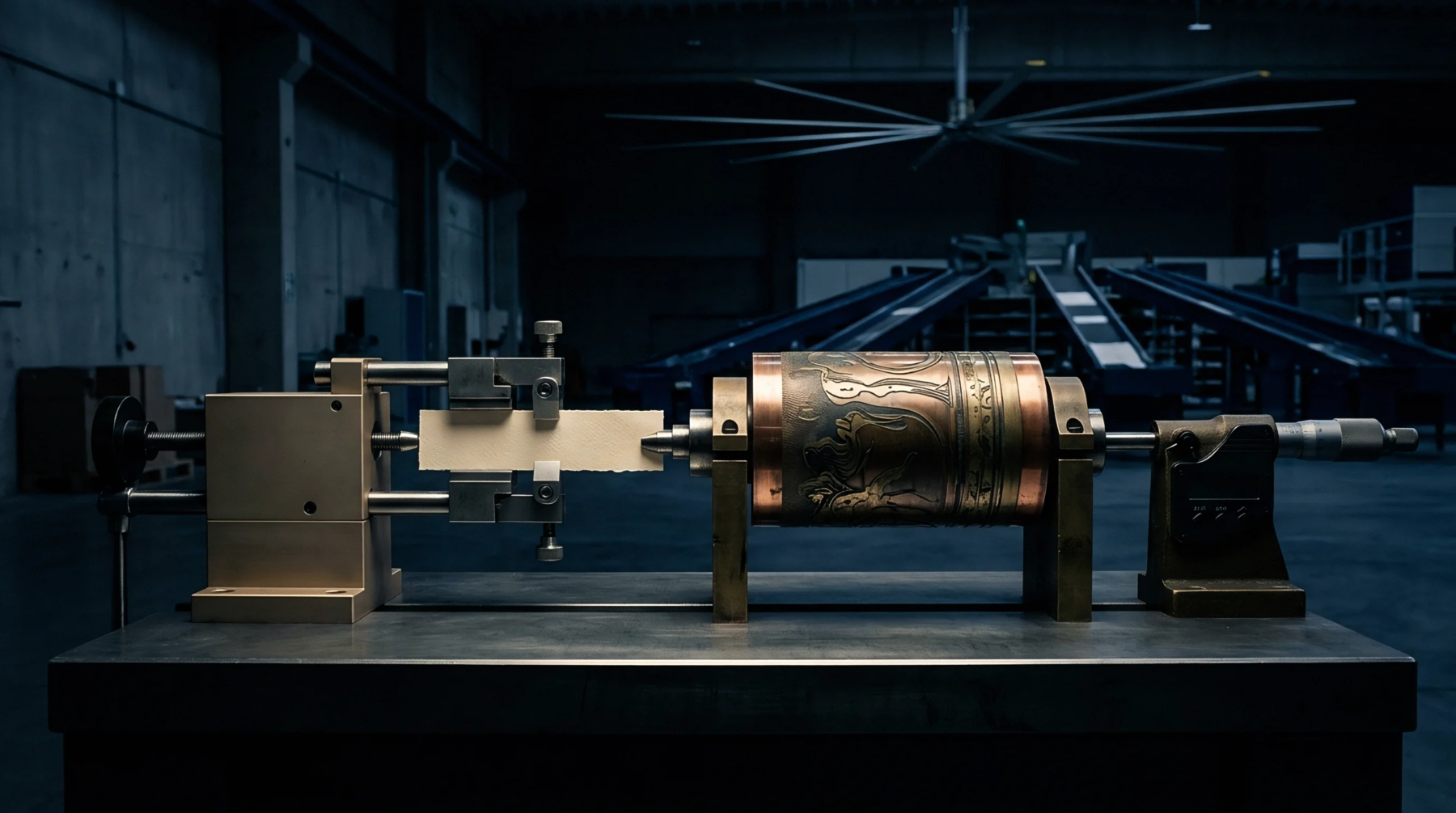
Residual defoamers in eucalyptus furnish lower dynamic surface tension at millisecond jetting intervals, causing localized drop de-wetting and pinholing.
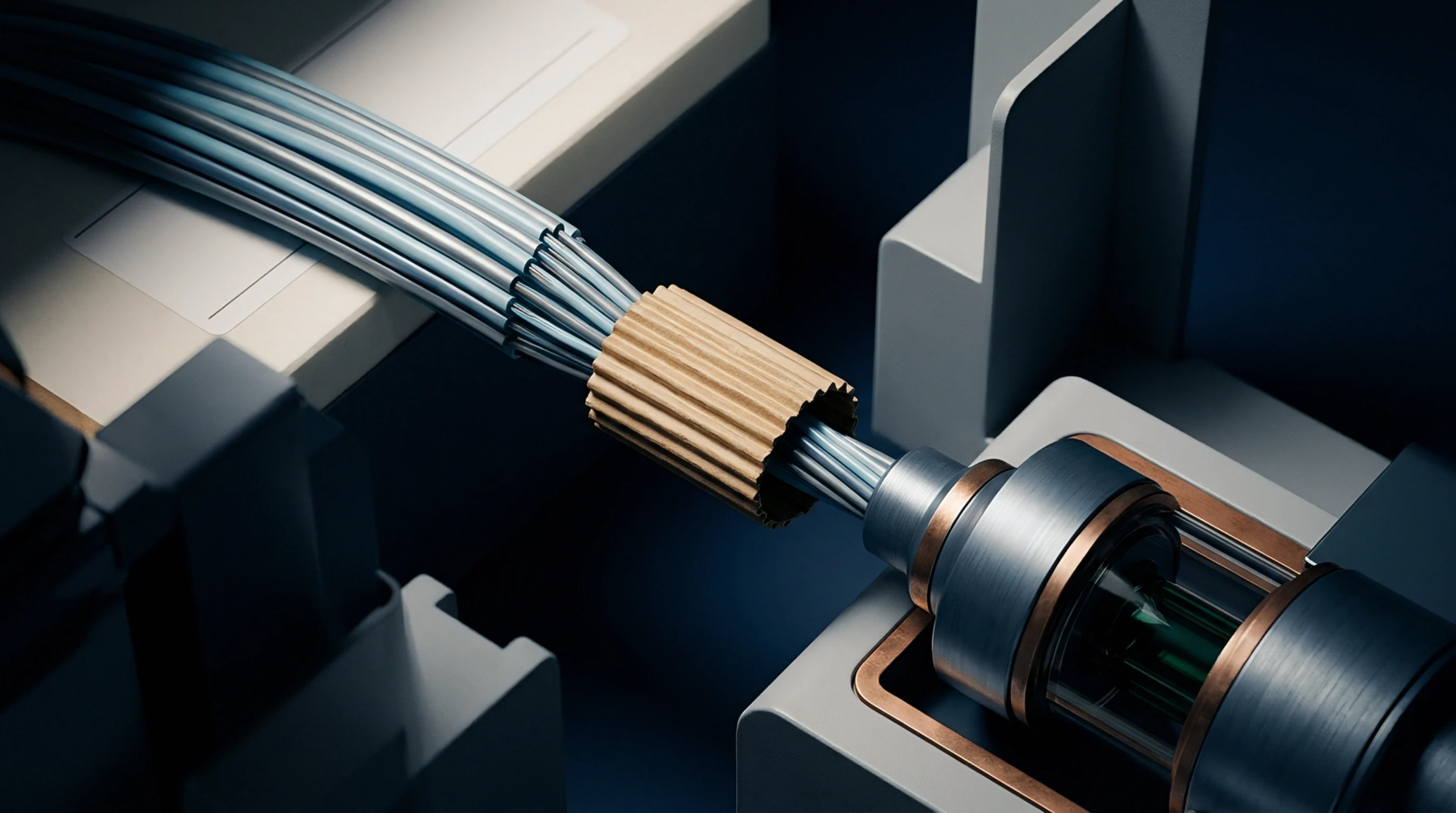
High line speeds stretch ink filaments beyond extensional stability limits, generating daughter droplets unless substrate porosity and resin relaxation match nip exit shear.
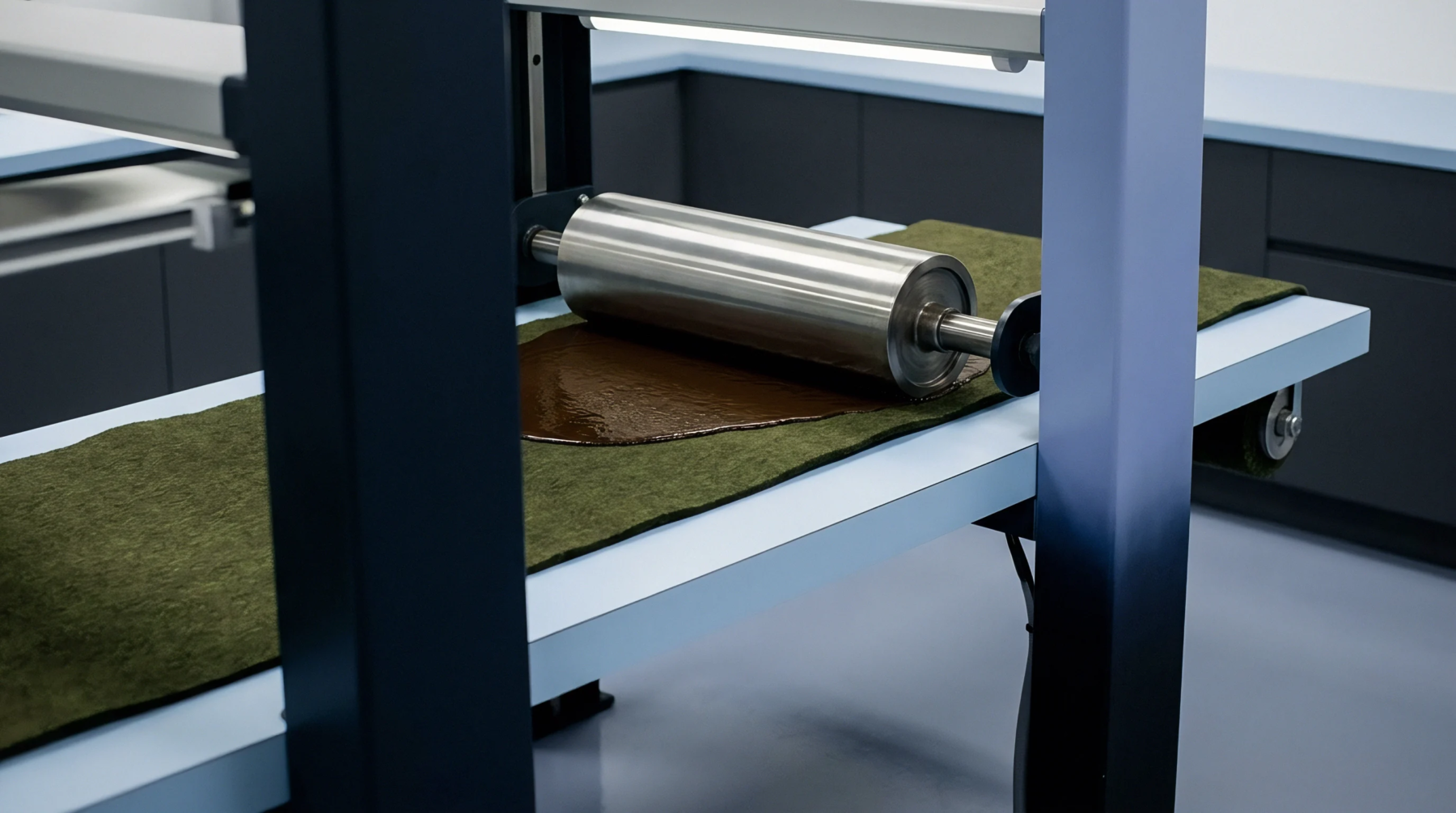
Extensional relaxation times above two milliseconds induce severe filamentation and mottle in water-based inks, requiring CaBER inspection and co-solvent tuning.
Expertise is a utility, not a secret. sentiention™ publishes its working knowledge as open reference: intelligence layer covering the materials it sources, the markets it enters, and the reference that serves both.