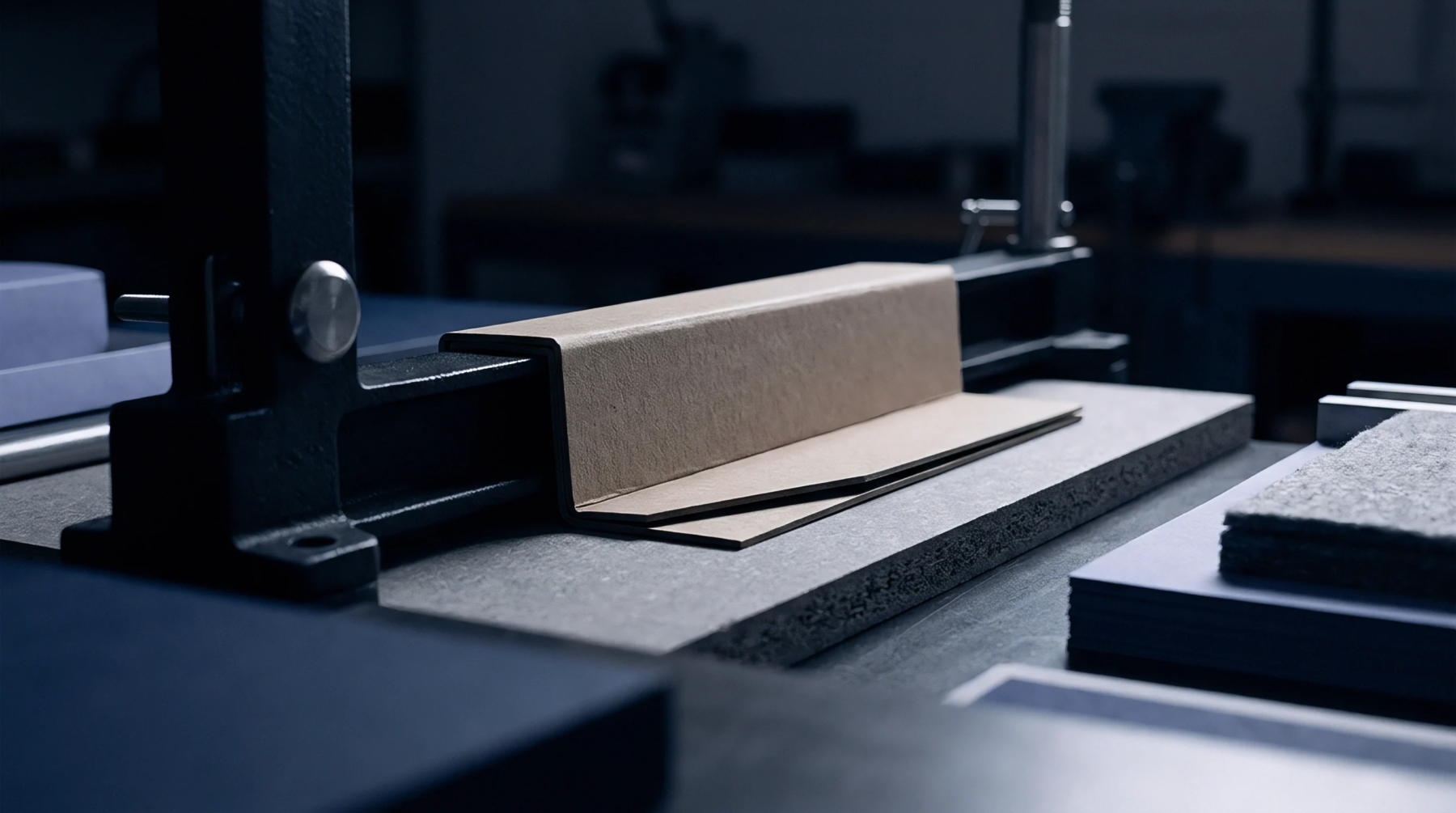
Sourcing Food Grade Recycled Paperboard under European Compliance Standards
Verify food grade recycled paperboard by pairing accredited migration dossiers with mill-level chain of custody to protect European market clearance.
Verify food grade recycled paperboard by pairing accredited migration dossiers with mill-level chain of custody to protect European market clearance.
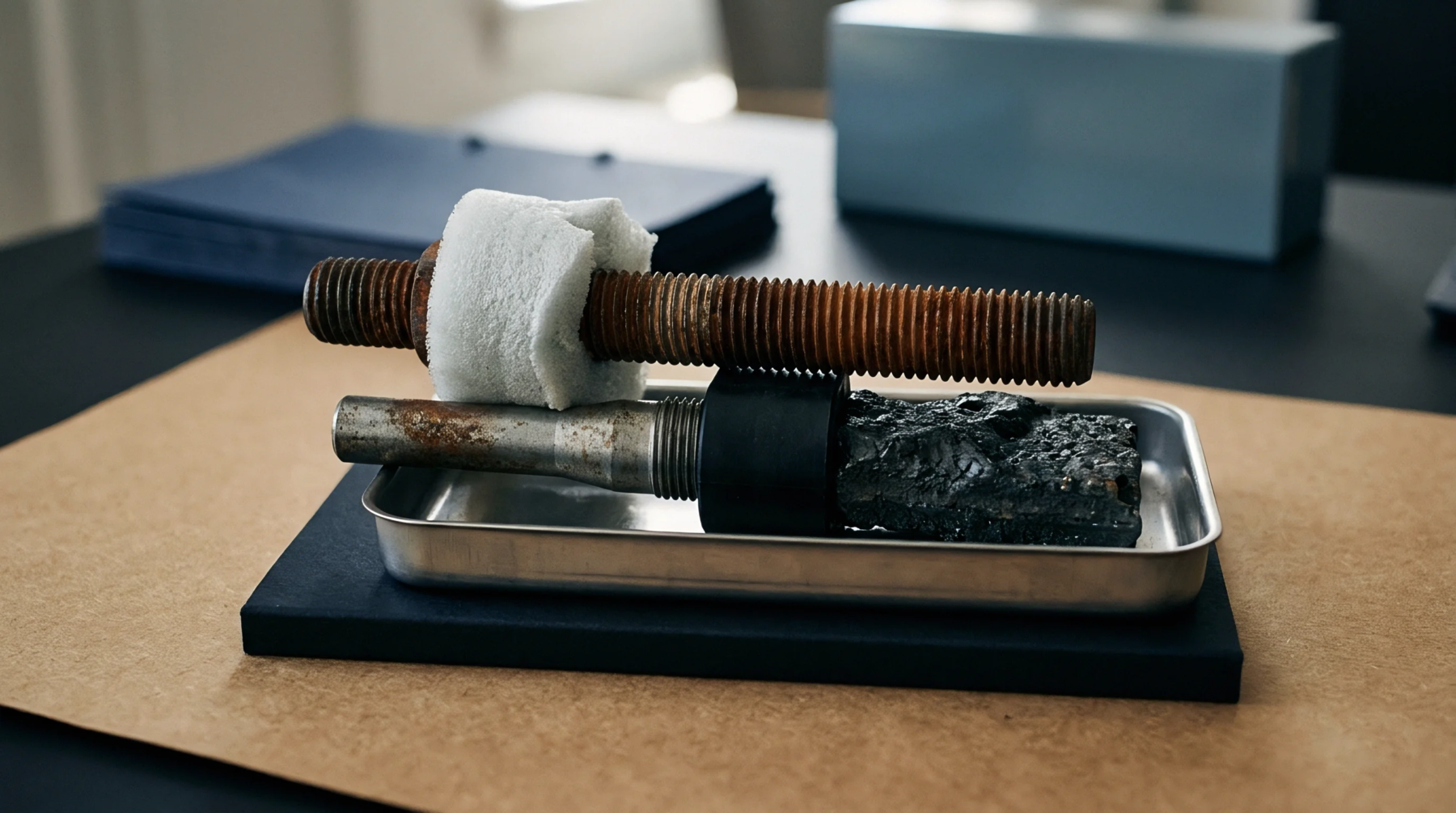
Dynamic humidity cycling cuts recycled fluting compression strength by over forty percent, requiring tested creep factors rather than static safety margins.
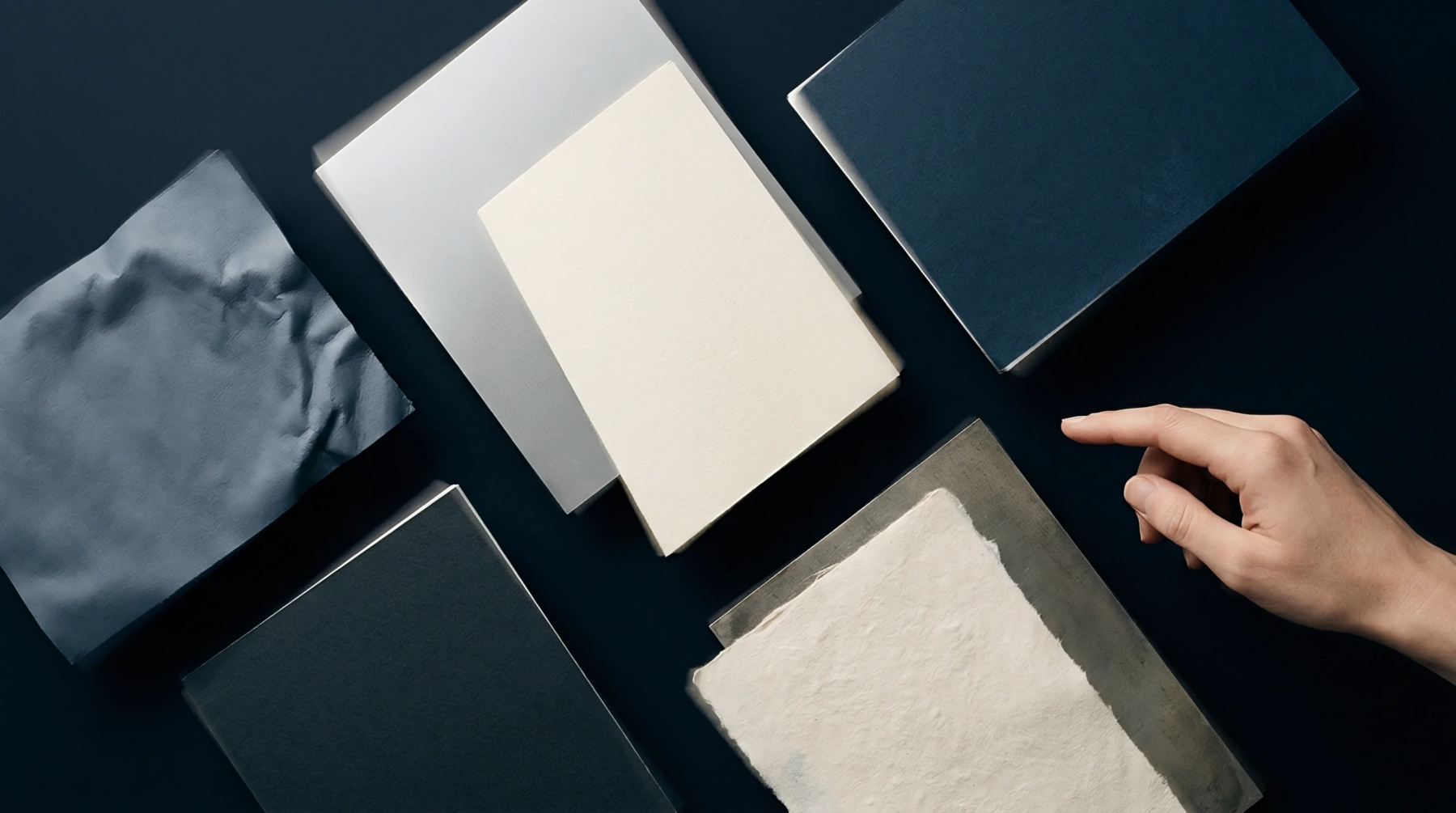
Aqueous barrier latex selection requires balancing glass transition temperature, coat weight, and substrate holdout to replace PE film and pass migration limits.
Evaluating microcrack formation and migrant leakage in creased packaging boards requires precise matrix sizing and migration testing to prevent structural seal failure.
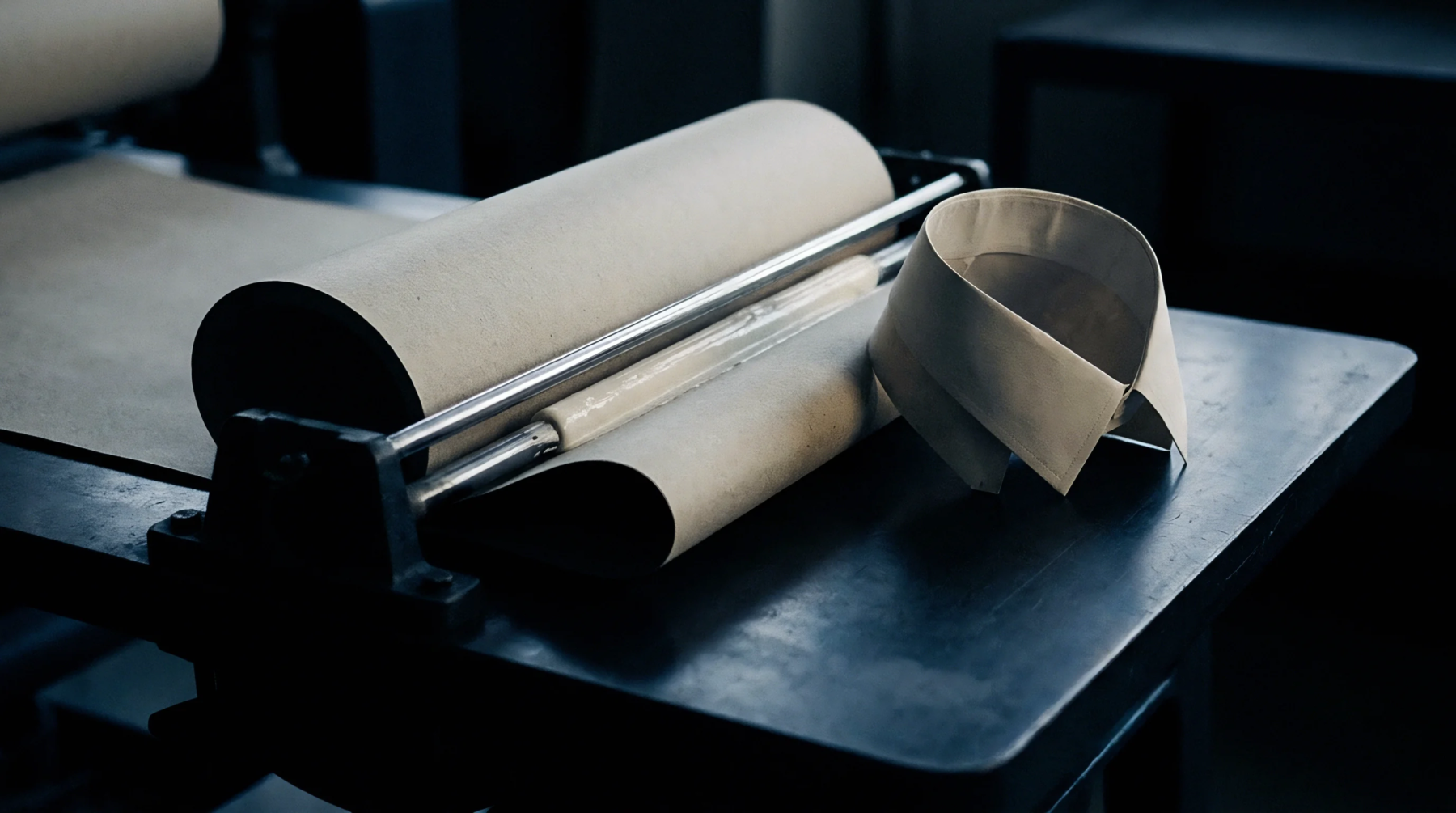
Structuring multi-ply recycled linerboard into density-optimized layers increases flexural rigidity and prevents score cracking while optimizing yield.
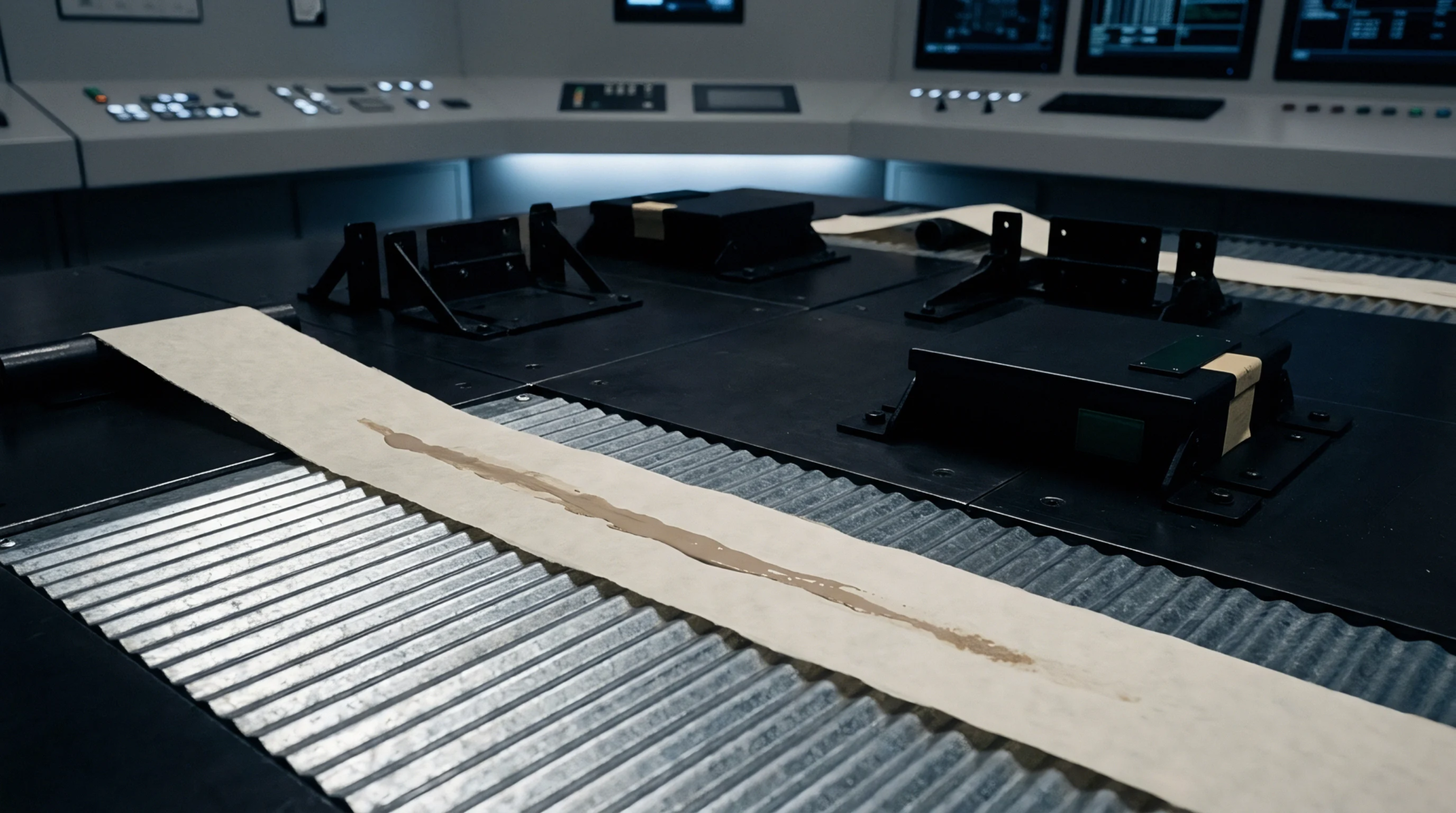
Dynamic Mode II shear fracture at polyurethane interfaces stems from nip tension differentials and incomplete curing, driving edge delamination at high line speeds.

Deriving baseline caliper and density balances converting crease geometry, coating accumulation, and area yield to prevent line jams and control packaging cost.
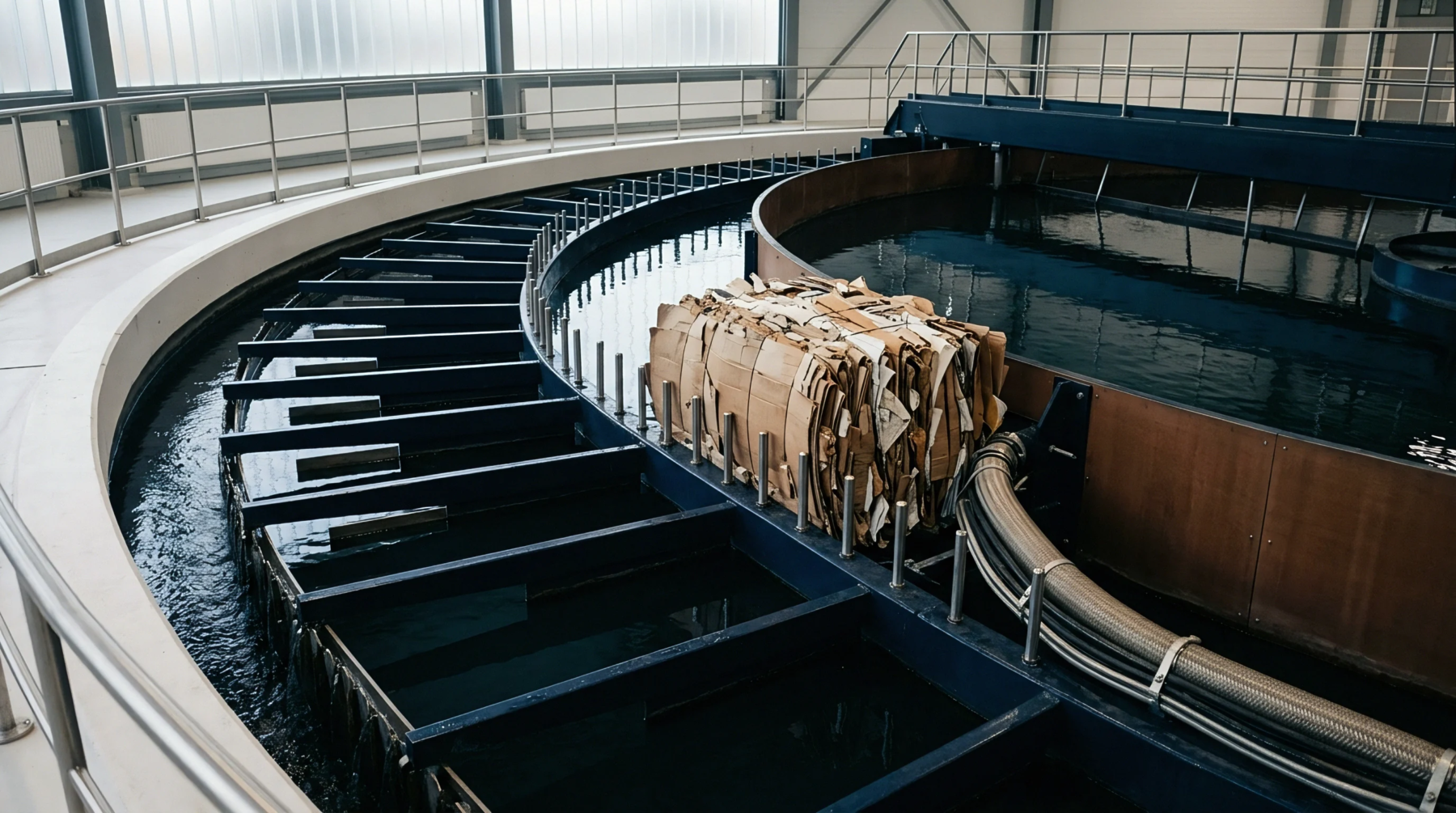
Recycled containerboard loses up to sixty percent of compression strength under moisture cycling due to mechanosorptive creep in shortened secondary fibers.

Critical mixed-mode interfacial fracture toughness dictates high-speed paperboard converting success by preventing score line delamination under rapid shear and bending forces.
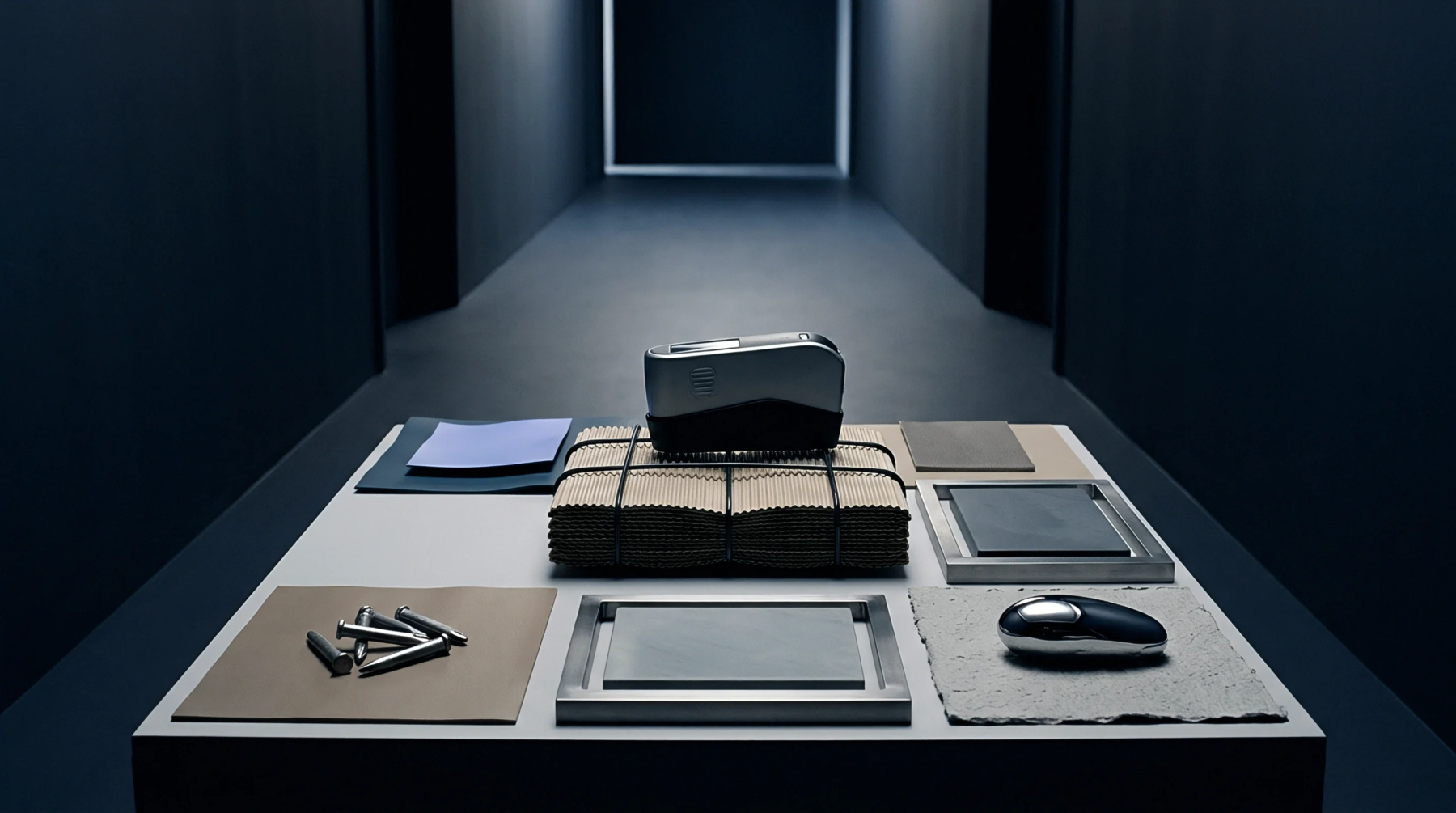
Polyolefin scoreline evaluation requires measuring Mode I and II strain energy release rates to prevent barrier rupture during high-speed carton folding.
Viscoelastic shear slip along film-board interfaces is minimized by balancing web tension, maintaining adhesive storage modulus, and matching crease geometry.
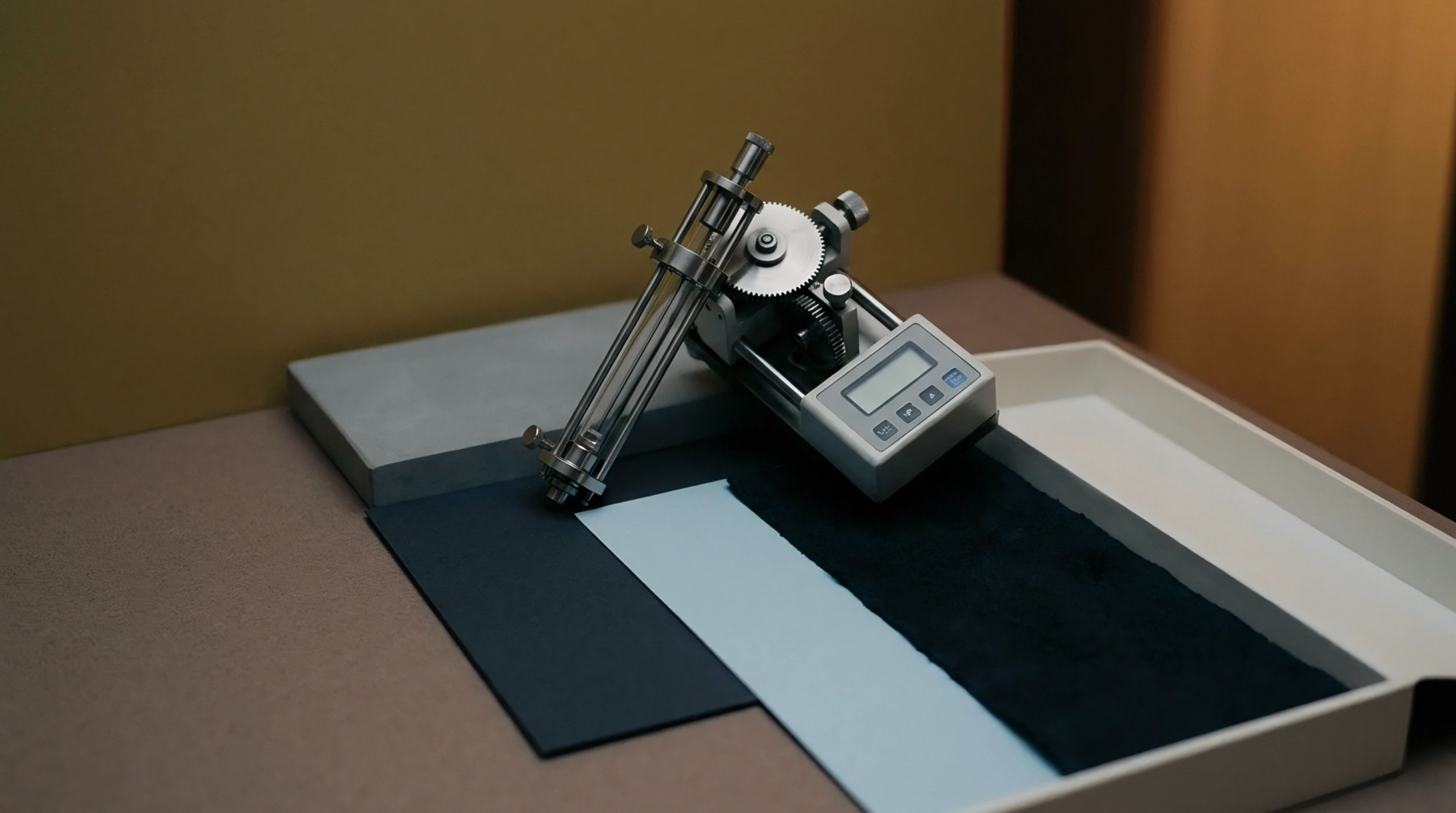
Optimizing thermal polyurethane lamination on cartonboard relies on matching nip heat to surface energy, balancing polar contact against fold stiffness.

Polymeric barrier selection demands balancing moisture vapor and grease holdout against die creasing strain, food contact migration limits, and repulpability yields.
Closed loop infrared profiling corrects paper tensile stiffness angles during drying to eliminate board twist, score splitting, and lamination curl.
Optimize creasing matrix channel widths to twice board caliper plus rule thickness plus twenty percent to prevent interfacial shear delamination along creases.

Aqueous barrier board selection requires balancing Cobb and WVTR specs against laboratory repulpability mass yields above 85 percent to minimize EPR eco-tariffs.
Dispersion coating performance on folding boxboard relies on surface holdout, polymer Tg control, and low-shear application to balance moisture barriers against repulpability.
Reconciling mass balance packaging claims under European rules requires verifying fuel-exempt proportional credit allocation across certified chain of custody files.
Dynamic delamination in recycled board stems from hornified short fibers in middle plies, requiring balanced starch and scoring geometry to prevent conversion splits.

Cross-border mass balance ledgers fail when destination customs authorities reject foreign multi-site credit pooling, scrap retention, and temporal borrowing.
Engineered pigment coatings arrest molten fatty acids when submicron pore throats pin liquid menisci before viscous penetration reaches raw base board fibers.
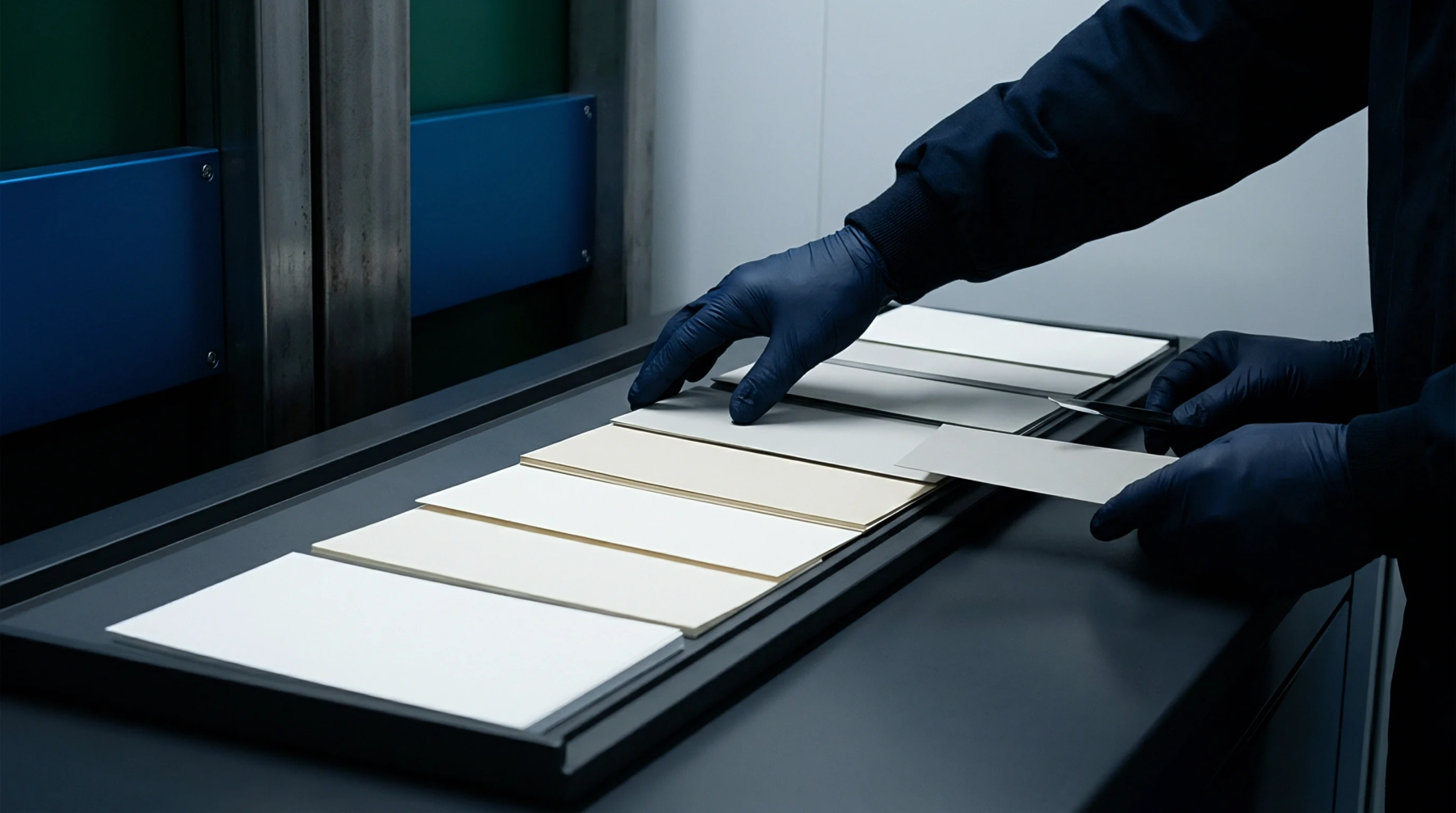
Paperboard packaging recyclability qualification demands standardized ISO 5263 disintegration, Somerville screening, and handsheet defect testing.
Thermal marker degradation models adjust pyrolysis mass balance claims by integrating Arrhenius cracking kinetics and phase partitioning into audit ledgers.
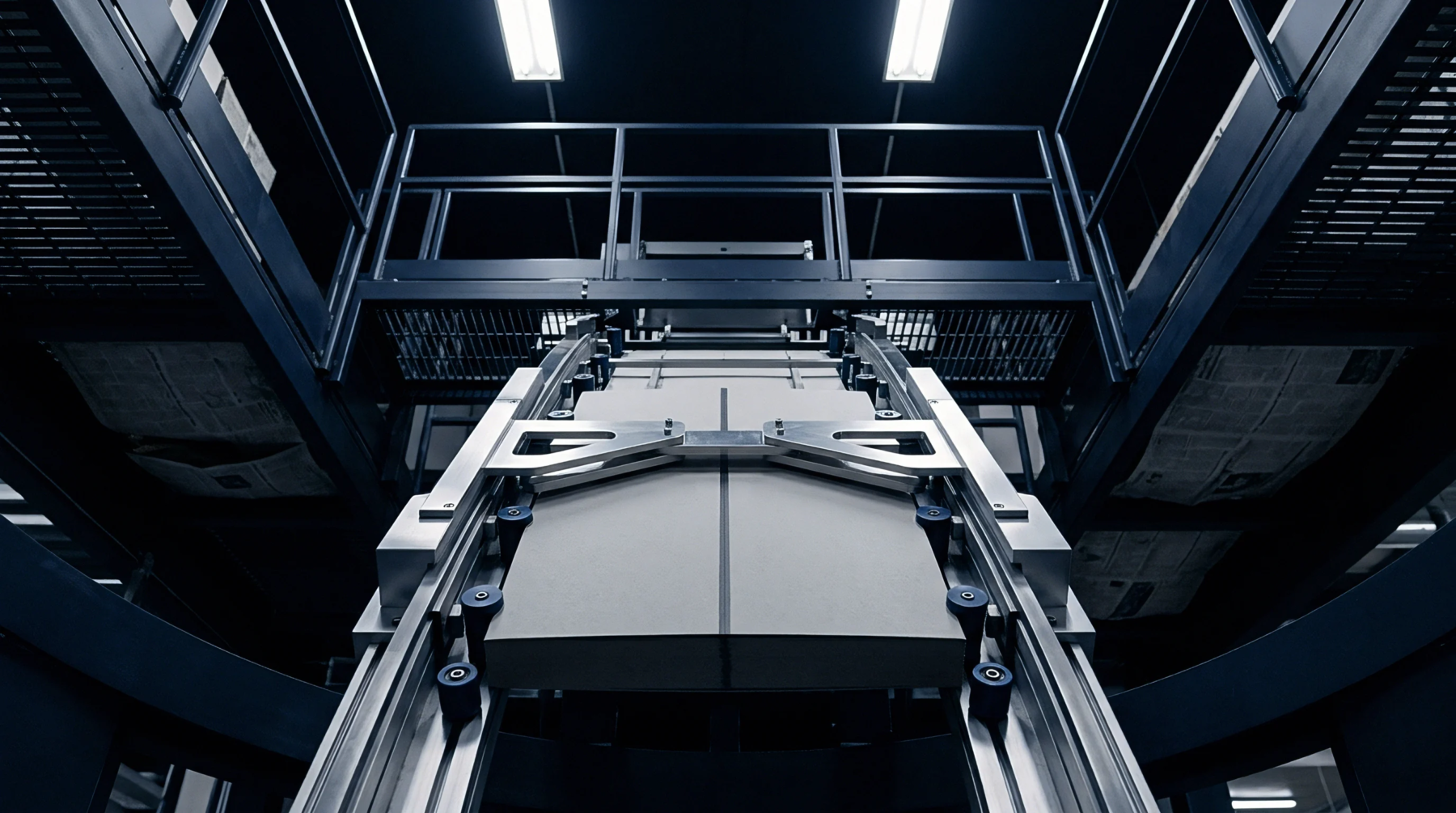
Aqueous barrier boards in cold chains resist moisture only when latex flexibility prevents crease cracking and edge wicking is sealed against dew point condensation.
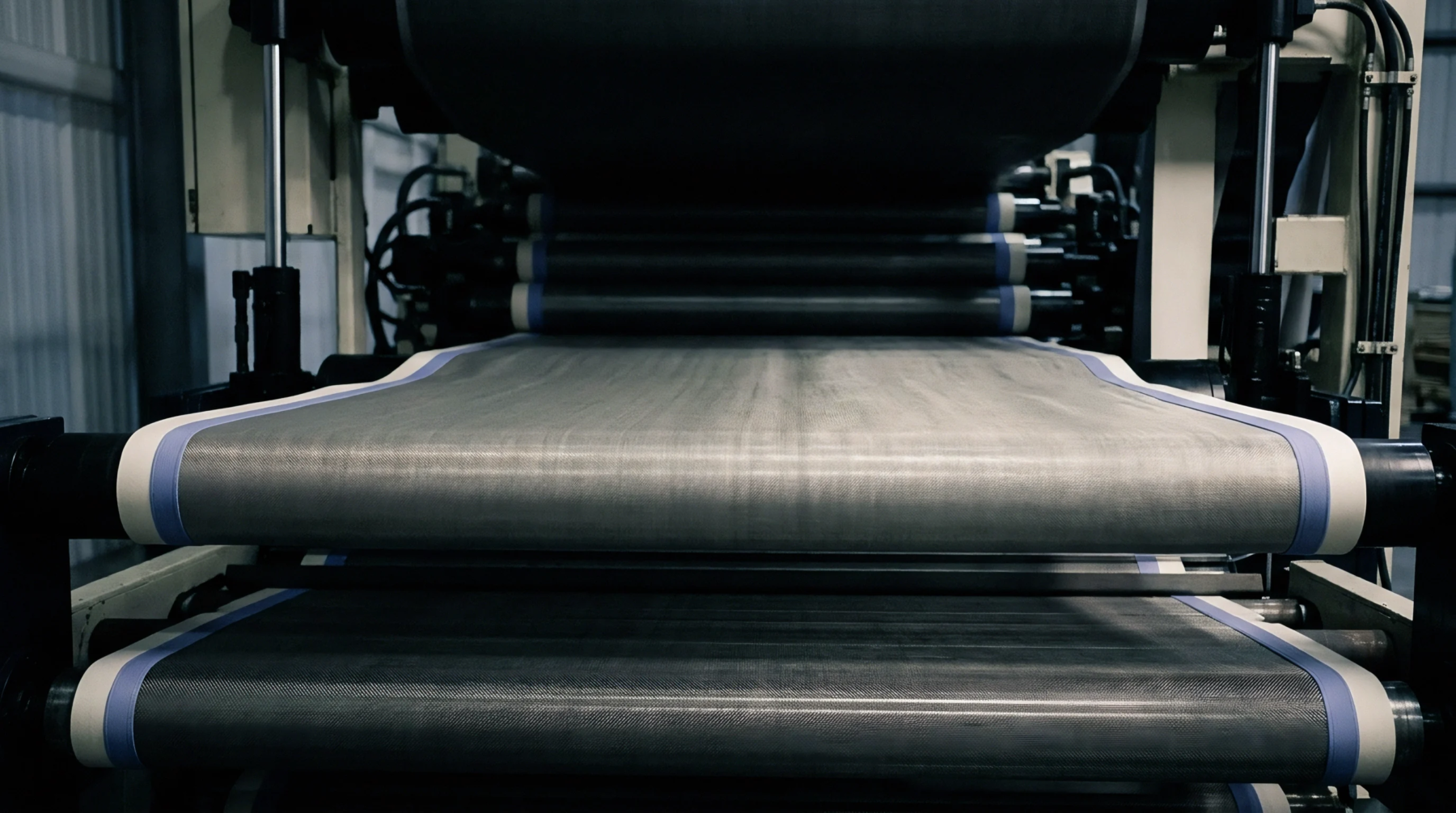
High nip pressures drive polymer matrix shear flow, optimizing mechanical anchoring while risking edge squeeze-out, ink displacement, and board crushing.
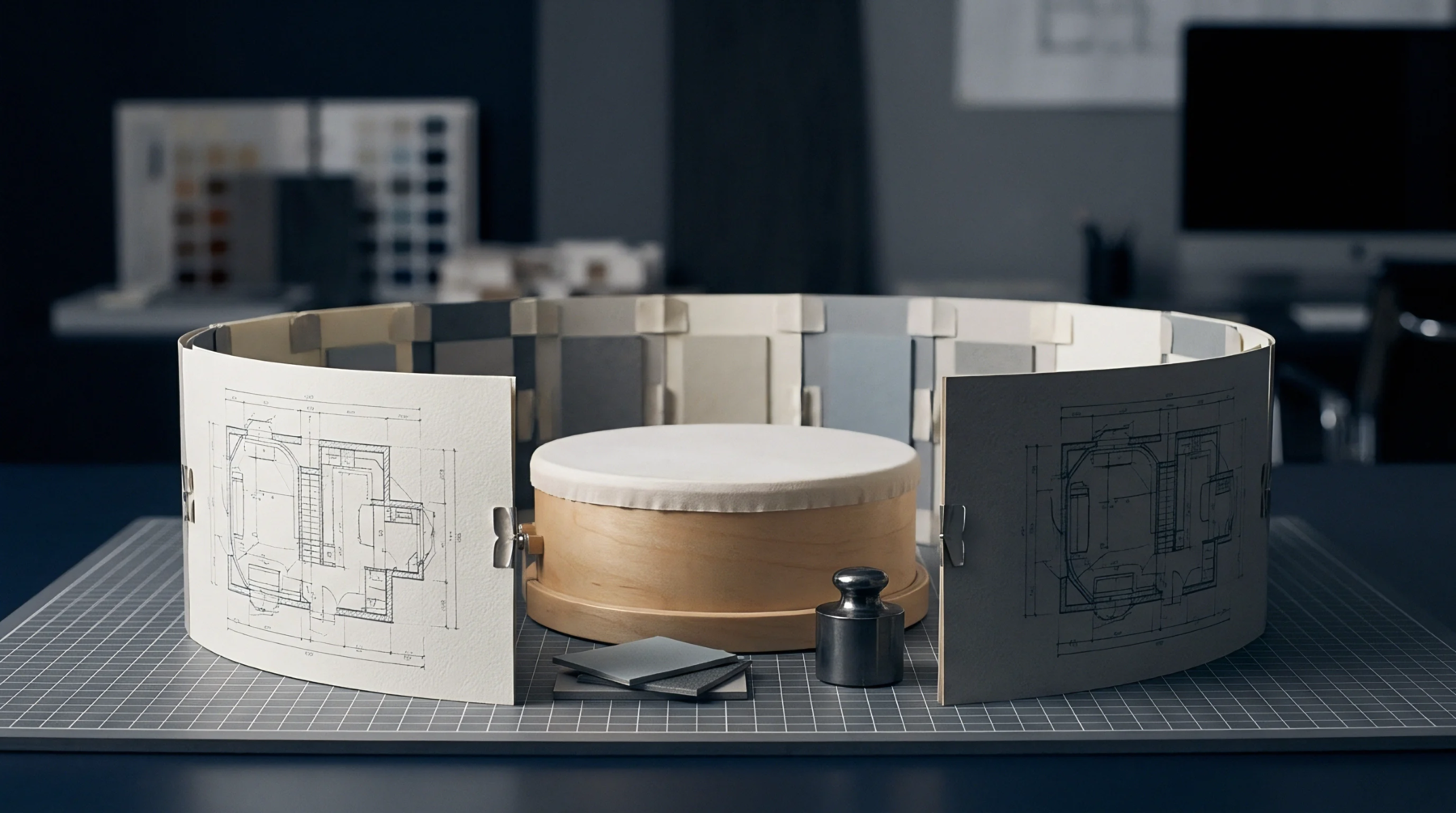
Transverse moisture gradients across laminated heavyweight boxboard drive CD curl and score cracking; strict 72-hour pallet acclimatization prevents converting scrap.
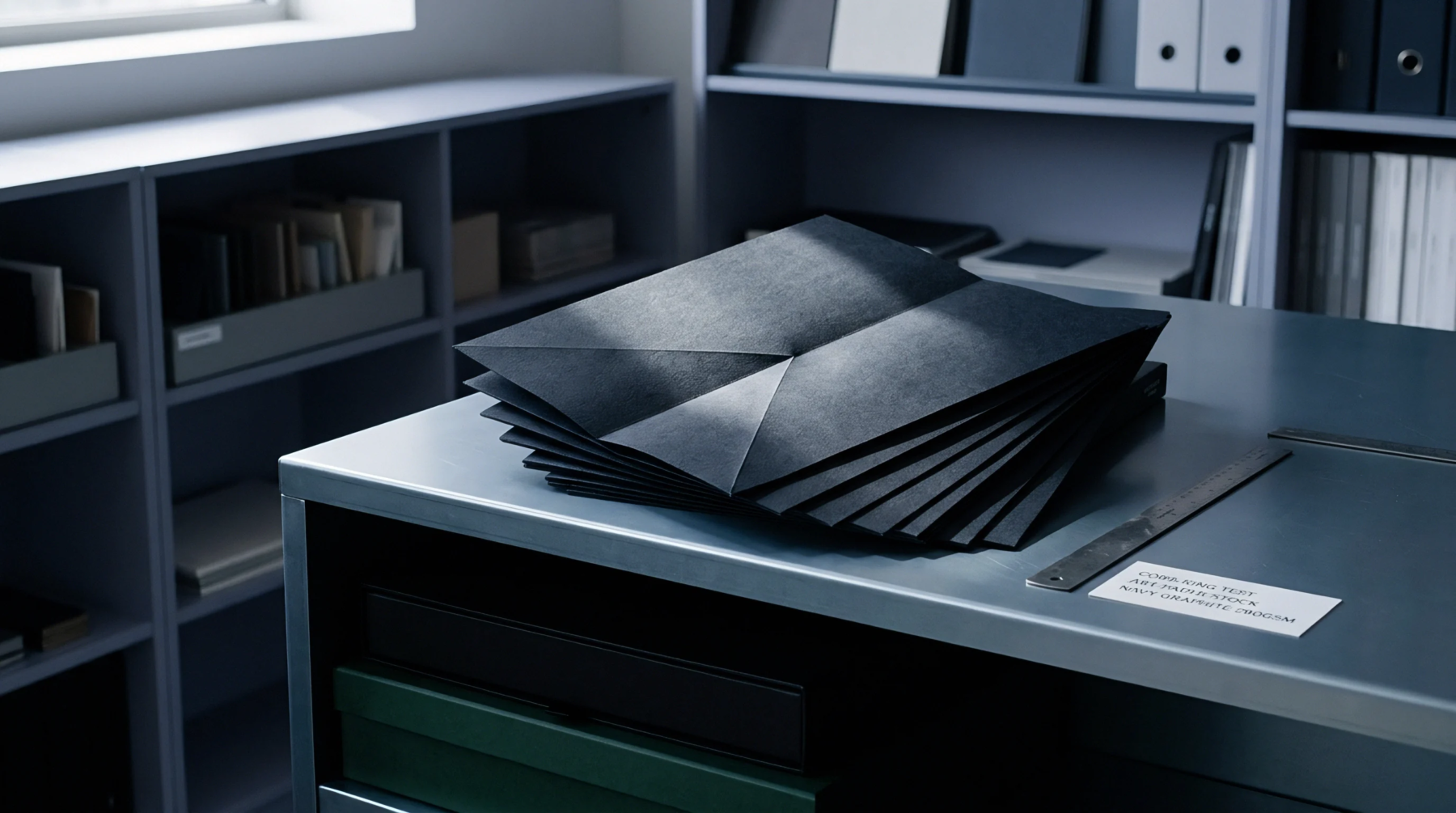
Sub-zero shear failure in bio-coated recycled board is prevented by expanding female creasing matrix channels to drive shear strain into internal plies.
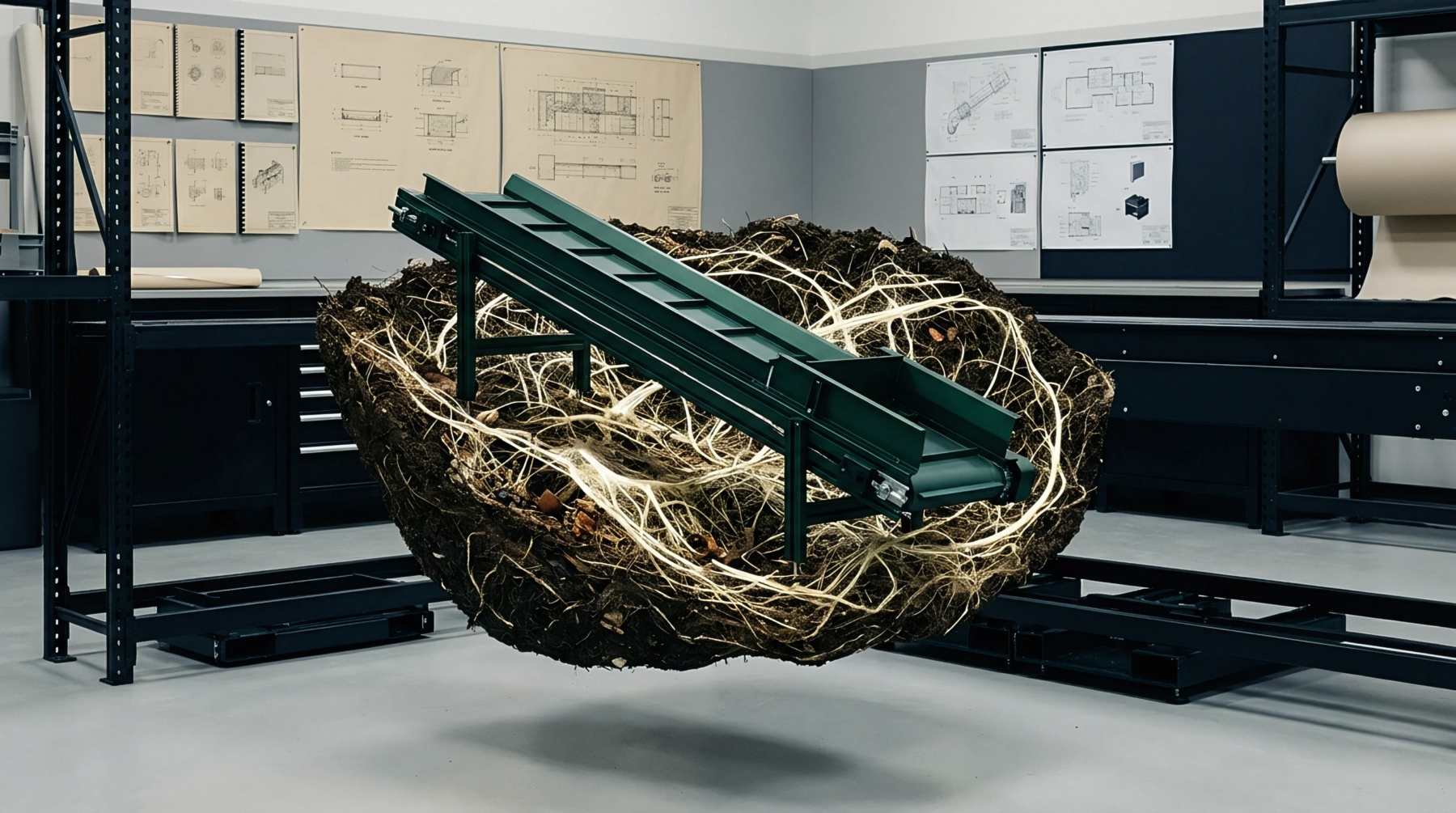
Microscopic pinholes form through entrained air bubbles and capillary dewetting during rapid drying, requiring dual-station metering to ensure barrier integrity.
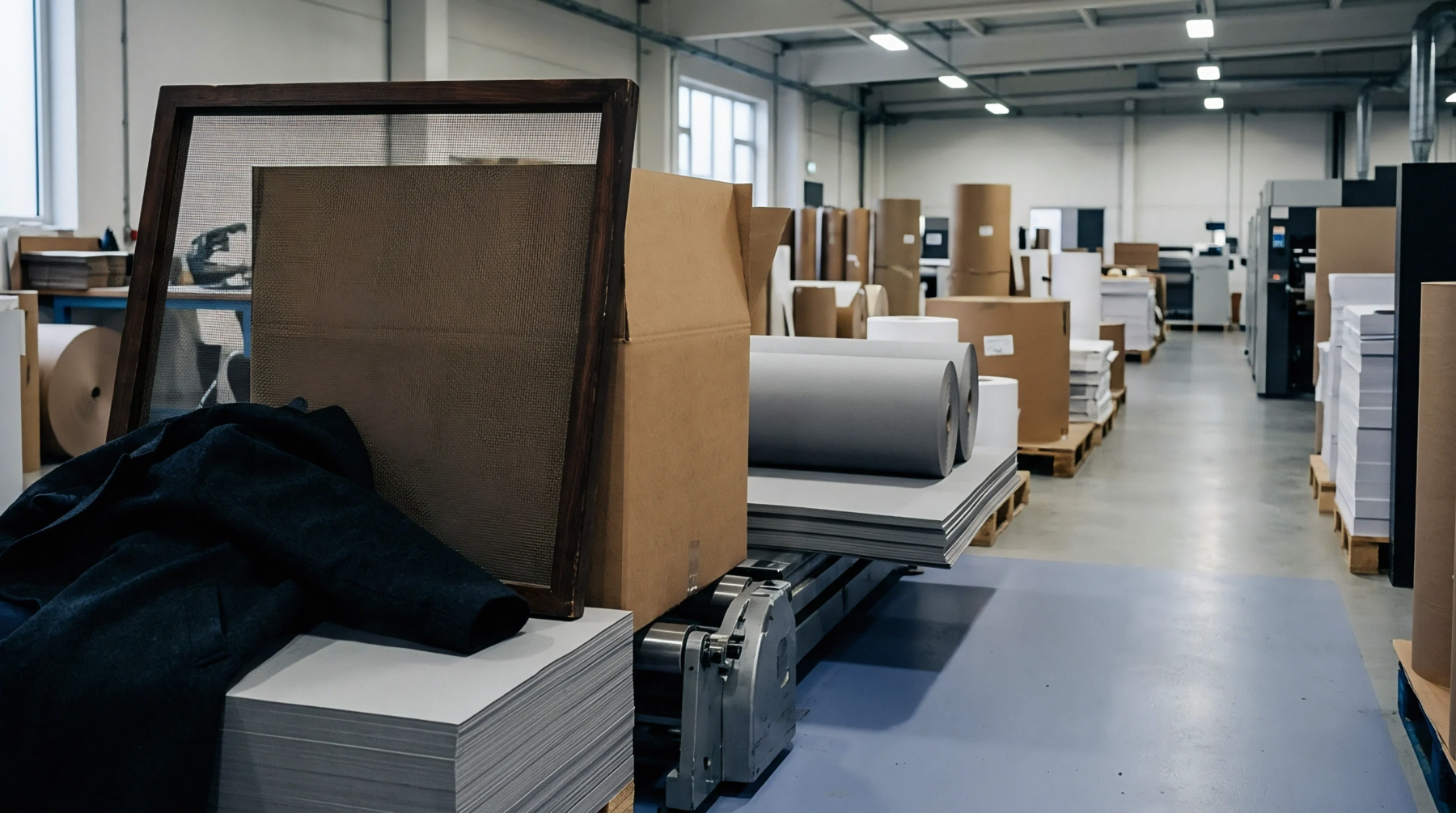
Select ceramic-tipped bent blades for rough paperboard or tri-helical anilox cylinders for smooth webs to apply pinhole-free barrier films without fiber damage.
Predicting long-term foil delamination on recycled films requires measuring surface additive migration and fracture energy after 14-day thermal conditioning.
Expertise is a utility, not a secret. sentiention™ publishes its working knowledge as open reference: intelligence layer covering the materials it sources, the markets it enters, and the reference that serves both.