
A Converter Certificate That Does Nothing for an Uncertified Mill
A converter's chain of custody certificate cannot retroactively grant certified status to packaging made from uncertified paper mill substrate.
A converter's chain of custody certificate cannot retroactively grant certified status to packaging made from uncertified paper mill substrate.

Substrate selection fixes structural caliper, web trim yield, repulpability, and EPR eco-modulation fee tiers, governing net landed carton costs.

Changing stock grades alters micro-porosity and light scattering, shifting ink holdout and dot gain, requiring immediate press curve and ink film adjustments.
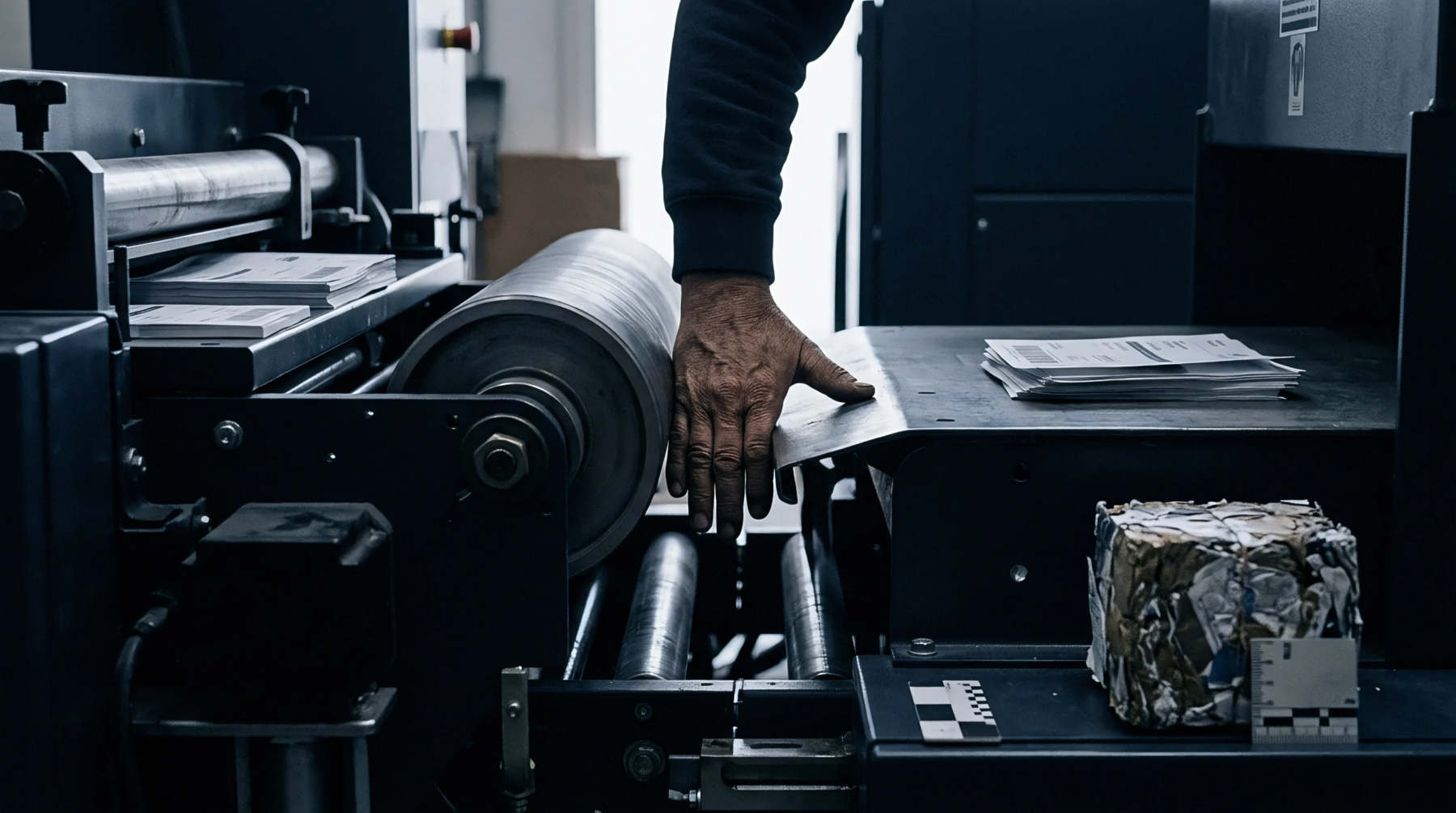
Primary statutory liability for EU packaging waste surcharges sits with the domestic importer or brand owner, requiring verified technical files to prevent customs holds.

Contractual pass-through mechanisms transfer eco-modulated EPR penalties upstream when substrate laboratory test data fails EN 13430 recyclability grades.

Matching substrate furnish and bulk to press stress secures structural integrity, optimizes print quality, and minimizes total landed packaging cost.

Aligning packaging redesign cycles with PPWR recyclability milestones requires qualifying substrates 36 months before regulatory enforcement dates.
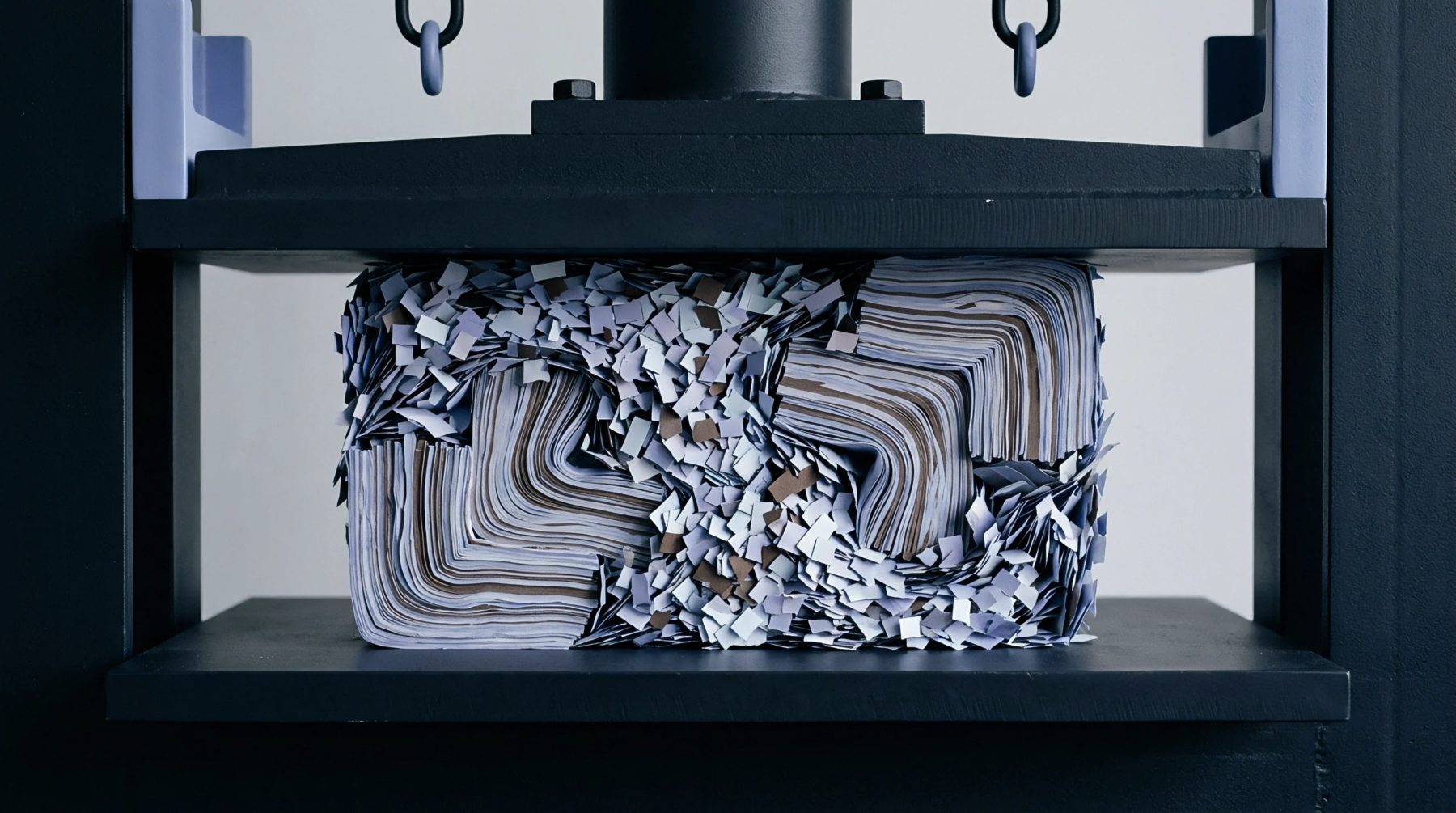
Recycled fibre shortening and hornification limit bending strain, requiring wider matrix channels and virgin top layers to prevent score cracking.

Matt lamination cracks at the crease because silica matting inclusions reduce film elongation capacity, requiring expanded matrix channels to lower folding strain.

Polypropylene lamination crease failure is prevented by expanding female matrix channel width to one point seven times board caliper plus rule thickness.

Commercial landed cost variance depends on sheet yield, press spoilage, and EPR de-inkability fee surcharges triggered by grade substitution.
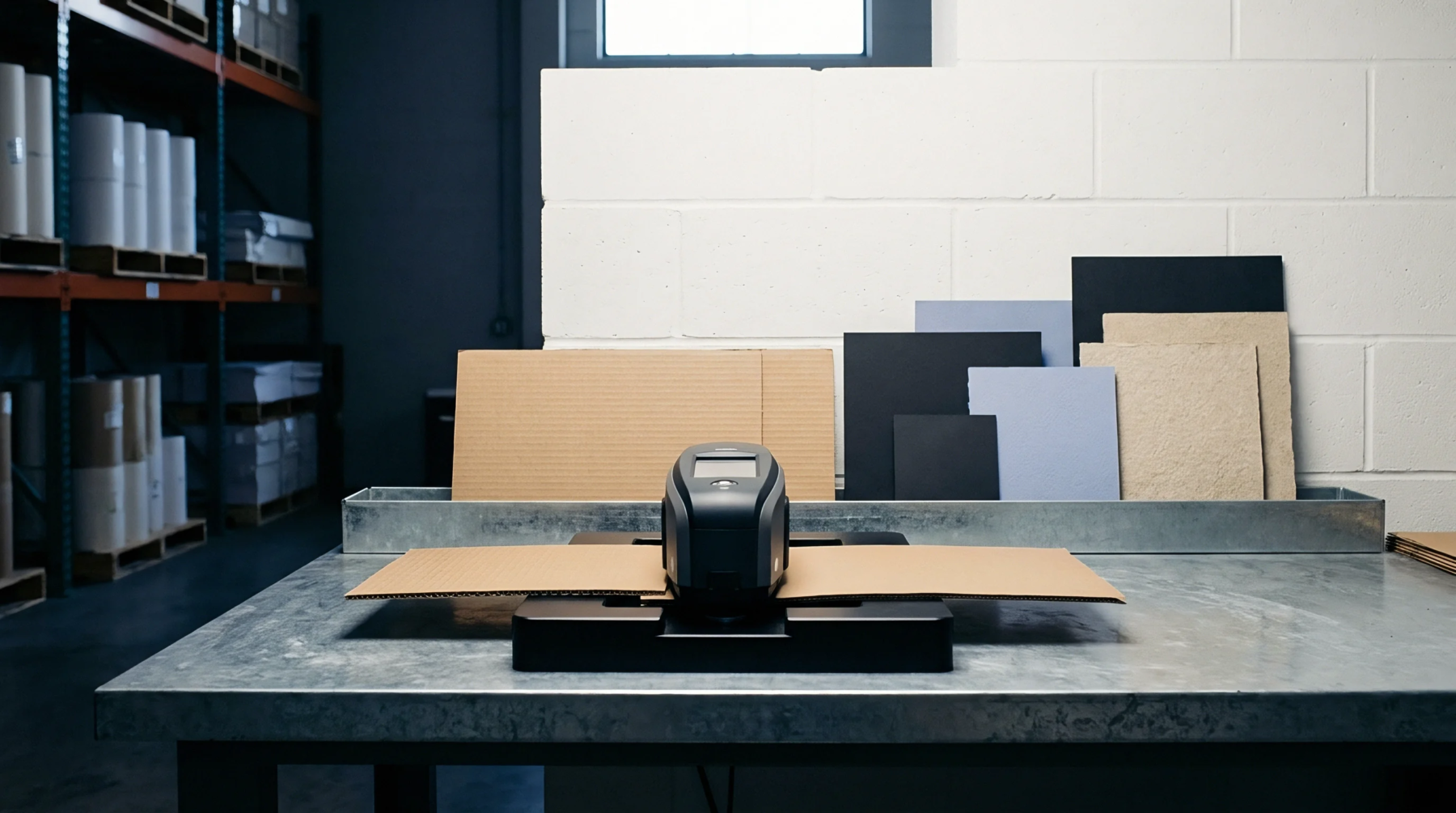
Grammage and caliper variance mechanics govern substrate bulk, bending stiffness, press throughput, and sheet yield per metric tonne in packaging board swaps.
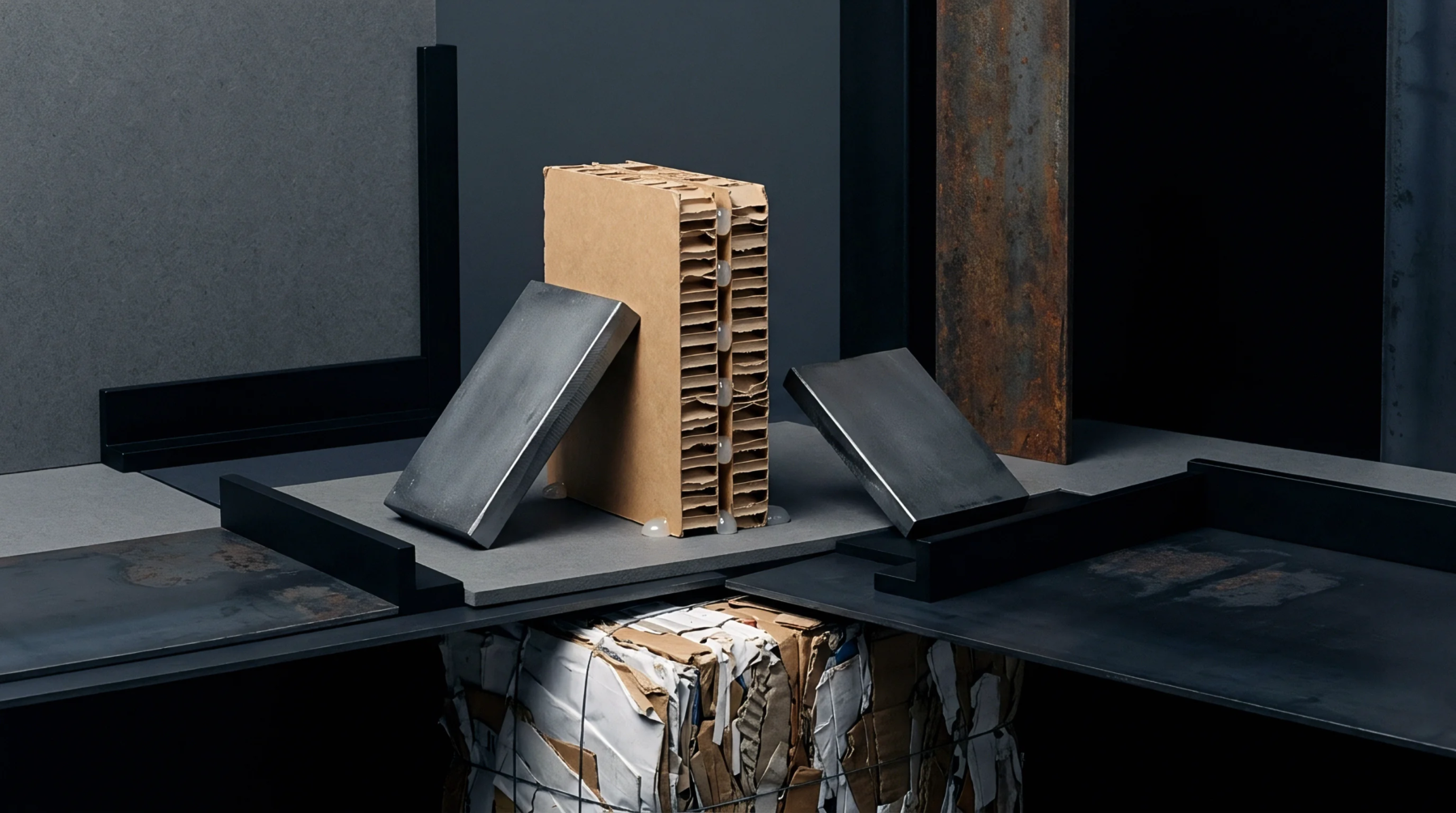
Parent sheet yield and trim waste govern grade selection when high-bulk downgauging balances mill deckle fit, layout imposition, and net landed cost per unit.

Flexographic dispersion barrier coatings retain water and grease resistance under crease stresses only when coating elongation capacity matches board strain.

Single-sided plastic lamination causes heavy converting scrap and triggers severe EU EPR eco-modulation tariffs when plastic film mass exceeds 5 percent.

Downgauging folding boxboard demands increasing core bulk and outer ply elastic modulus to preserve caliper and bending stiffness under McKee formula laws.
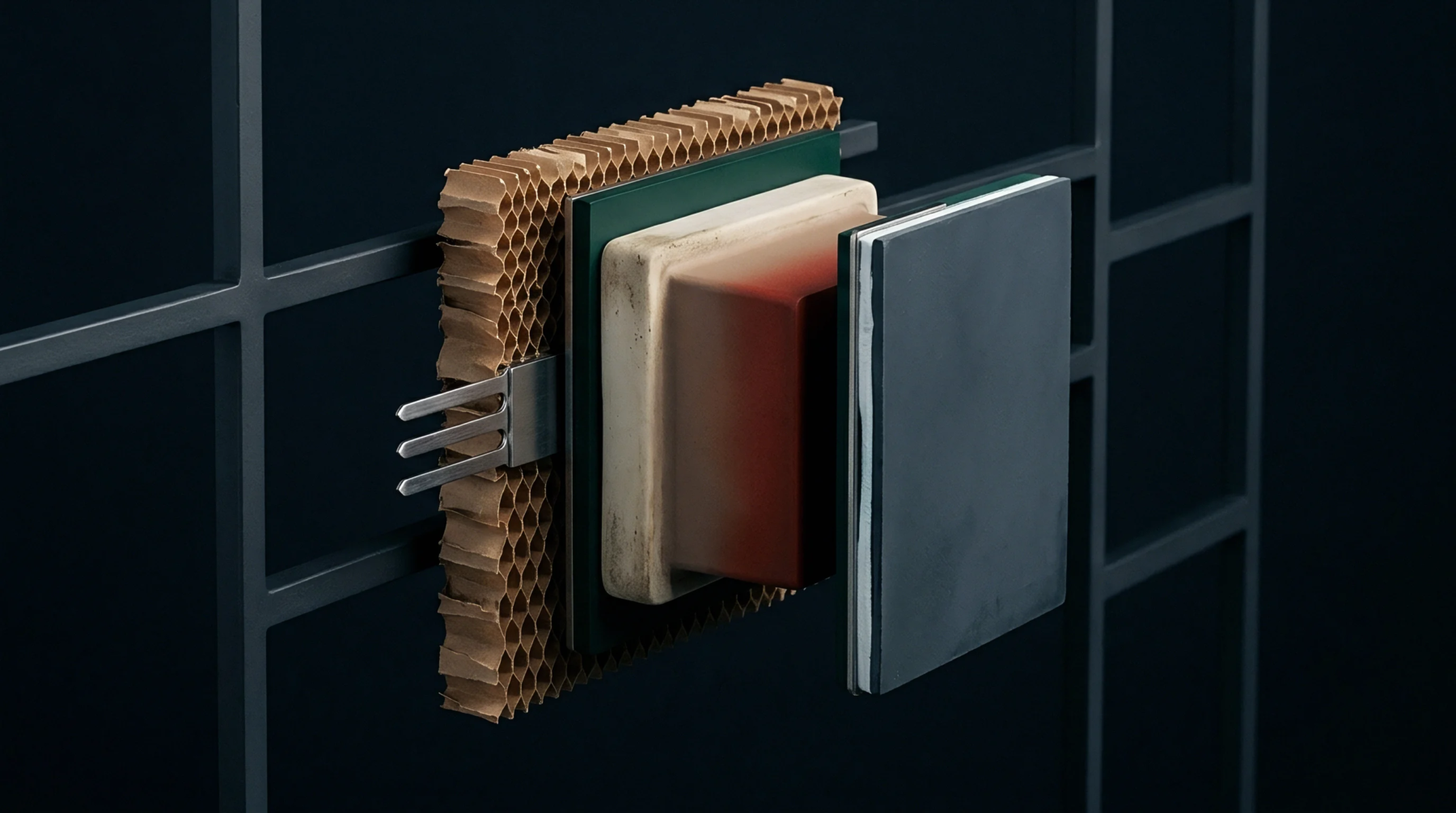
Optimizing CTMP core sulfonation and bulk yields lower grammage boxboard that maintains flexural rigidity while reducing landed carton cost.

Resin yield stress thresholds govern score line micro-elevation profiles, where controlling matrix clearance and coat weight prevents optical edge defects.

High speed thermal lamination induces transient Z-axis thermal and moisture gradients that interact with substrate fiber anisotropy, creating post-pass curl and delamination requiring active pre-heating and chill roll management.

Mechano-sorptive creep acceleration reduces multi-wall box top-to-bottom compression life through transient moisture flux, demanding dynamic safety derating.

Polyurethane tactile films trade high material costs for self-healing elastomeric scuff resistance, requiring precise thermal nip control and high dyne levels.

Polymer film pinholing across creased recycled stock stems from hornified fiber end punctures under high dynamic strain rates during package converting.

Friction sled cycles strip migratory slip agents, elevating polar surface energy while generating micro-roughness that causes severe specular gloss drift.

Optimizing board bulk expands sheet caliper at lower basis weight, increasing bending stiffness and yield per tonne while lowering total material cost.
Parent sheet yield depends on matching machine deckles, subtracting press clearances, respecting grain direction, and accounting for guillotine kerf margins.

Crosslinked microfibril barrier qualification requires dynamic vapor sorption fitting to prove moisture resistance and verify regulatory compliance.

Alkali-detachable ink selection prevents plastic flake contamination during caustic washing, avoiding eco-fee maluses up to 450 Euros per metric tonne.
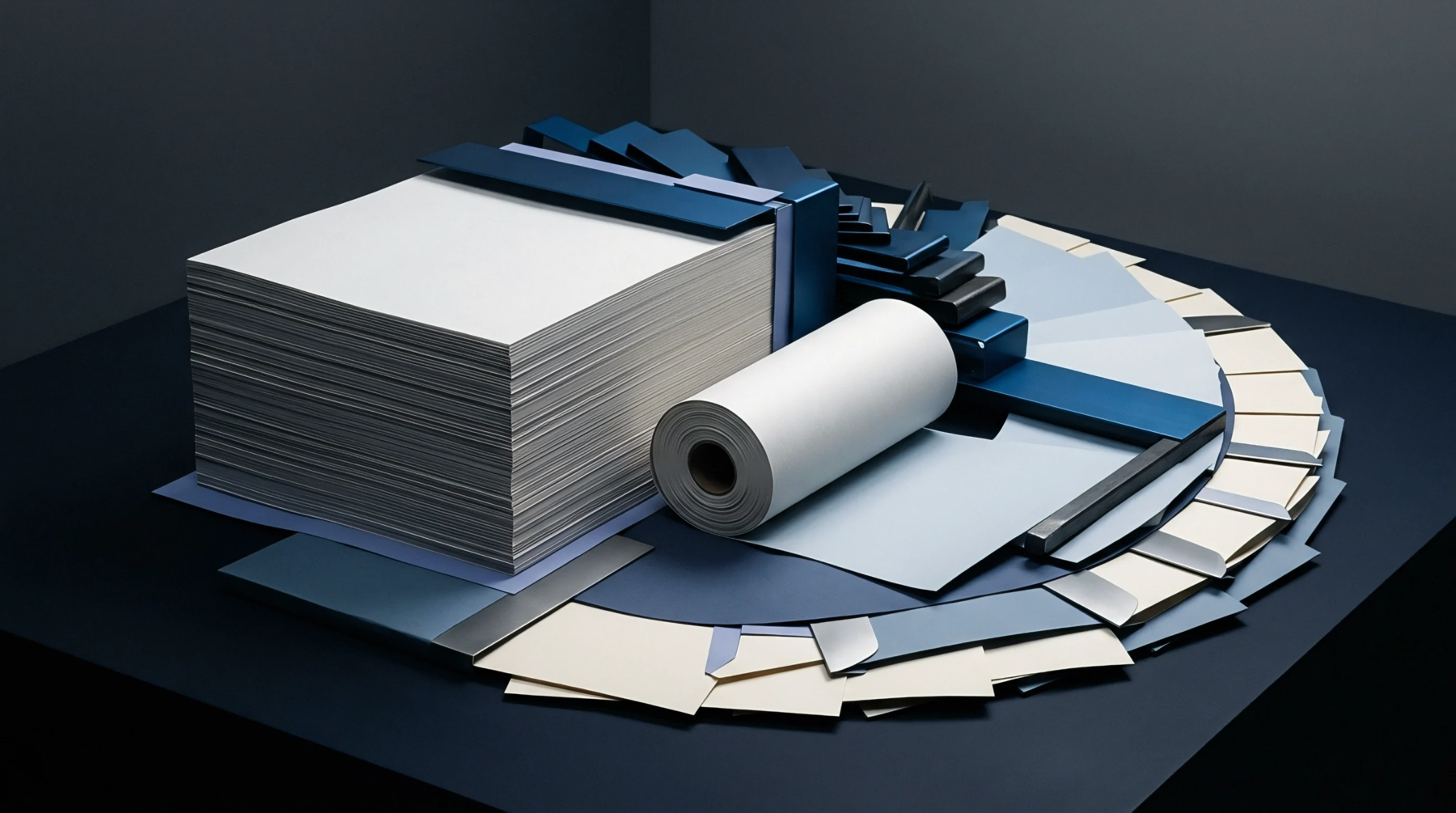
Paperboard grammage and caliper dictate sheet yield, bending stiffness, and converting performance, making exact testing under ISO standards essential for sourcing.
Hydro-pulper fiber recovery yield under EN 13430 requires dry accepted fiber mass to exceed 85% of substrate weight using controlled tip speeds and temperature.

Virgin solid bleached sulfate delivers superior score integrity and brightness, while recycled board reduces raw material expenditure when stiffness targets allow.
Expertise is a utility, not a secret. sentiention™ publishes its working knowledge as open reference: intelligence layer covering the materials it sources, the markets it enters, and the reference that serves both.