
Pinhole Permeability Testing and Score Crease Barrier Integrity in Non-Fluorinated Bakery Wraps
Non-fluorinated bakery wraps maintain grease barrier integrity when dispersion elasticity exceeds score tensile strain to stop pinhole leakage.
Non-fluorinated bakery wraps maintain grease barrier integrity when dispersion elasticity exceeds score tensile strain to stop pinhole leakage.

Ultrasonic attenuation decay rates directly quantify paperboard crease delamination depth, enabling real-time inline verification of folding stiffness.
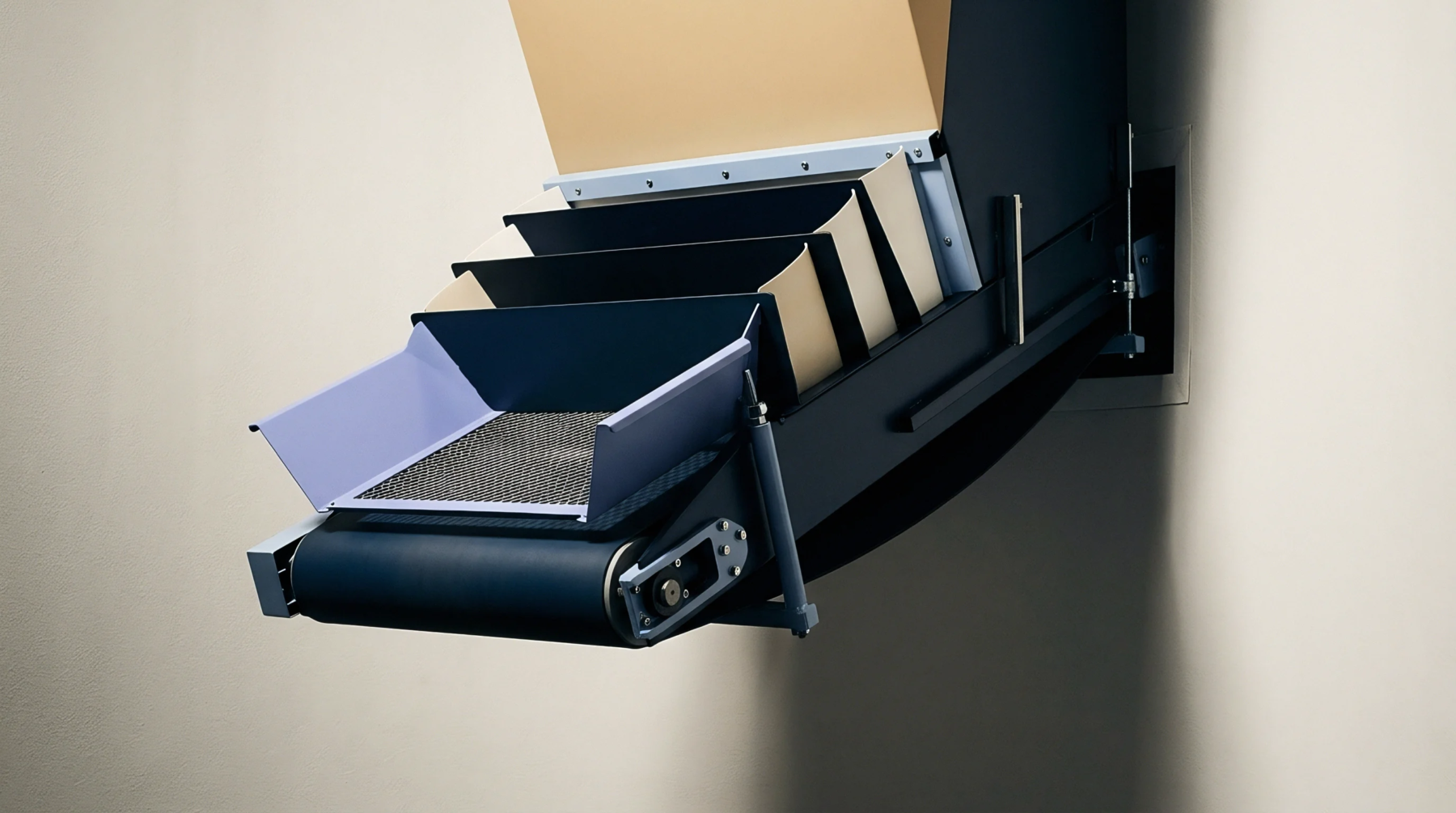
Moisture plasticizes secondary fibre bonds, reducing Mode I and II fracture energy thresholds and causing delamination during thermal finishing and creasing.
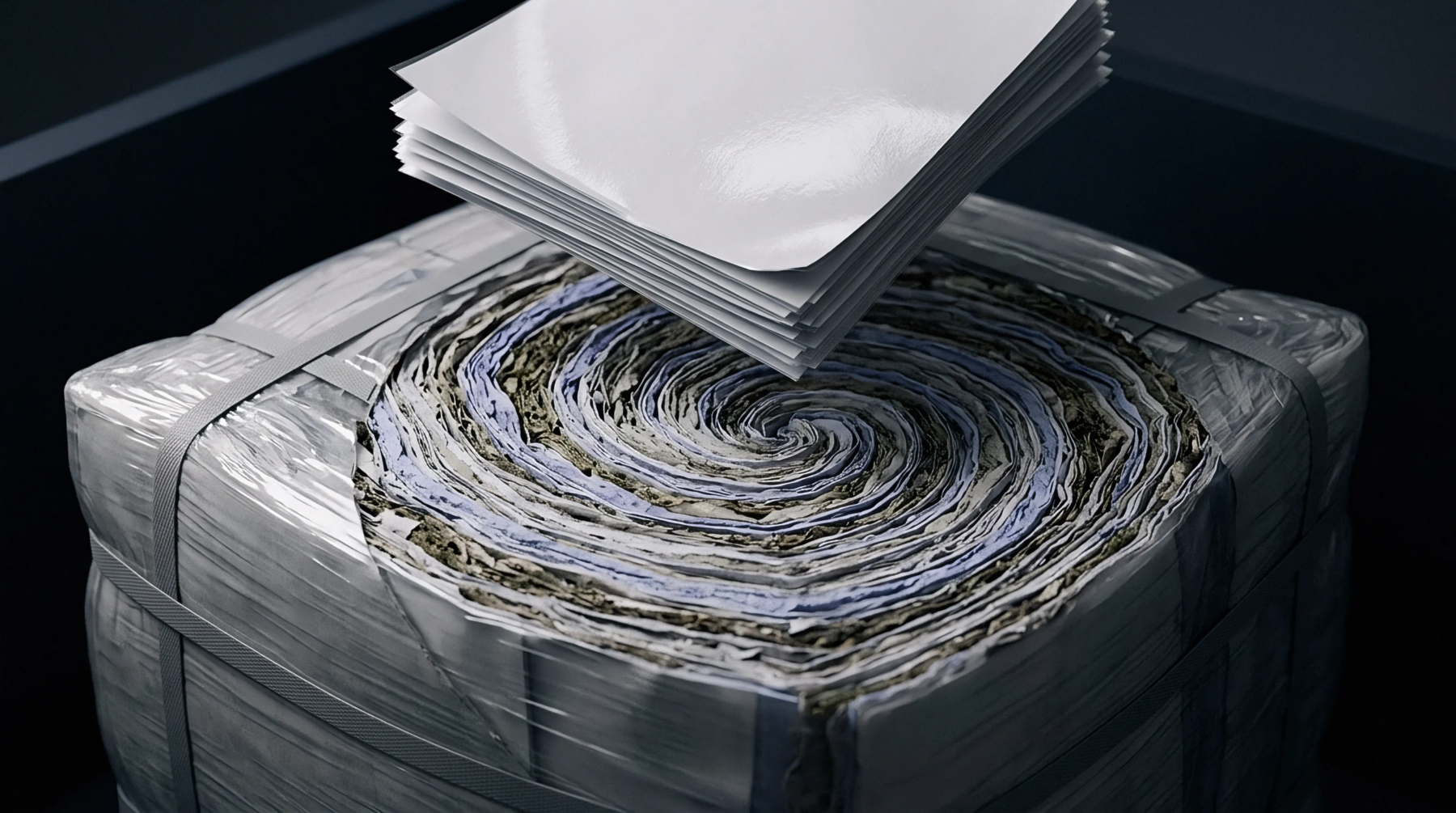
Cross-border chemical recycling mass balance transfers risk severe packaging tax penalties when feedstock accounting models violate destination attribution laws.

Optical specular light scattering drops as varnish micro-roughness exceeds wavelength dimensions, requiring precise rheological control and coat weight to maintain target gloss.
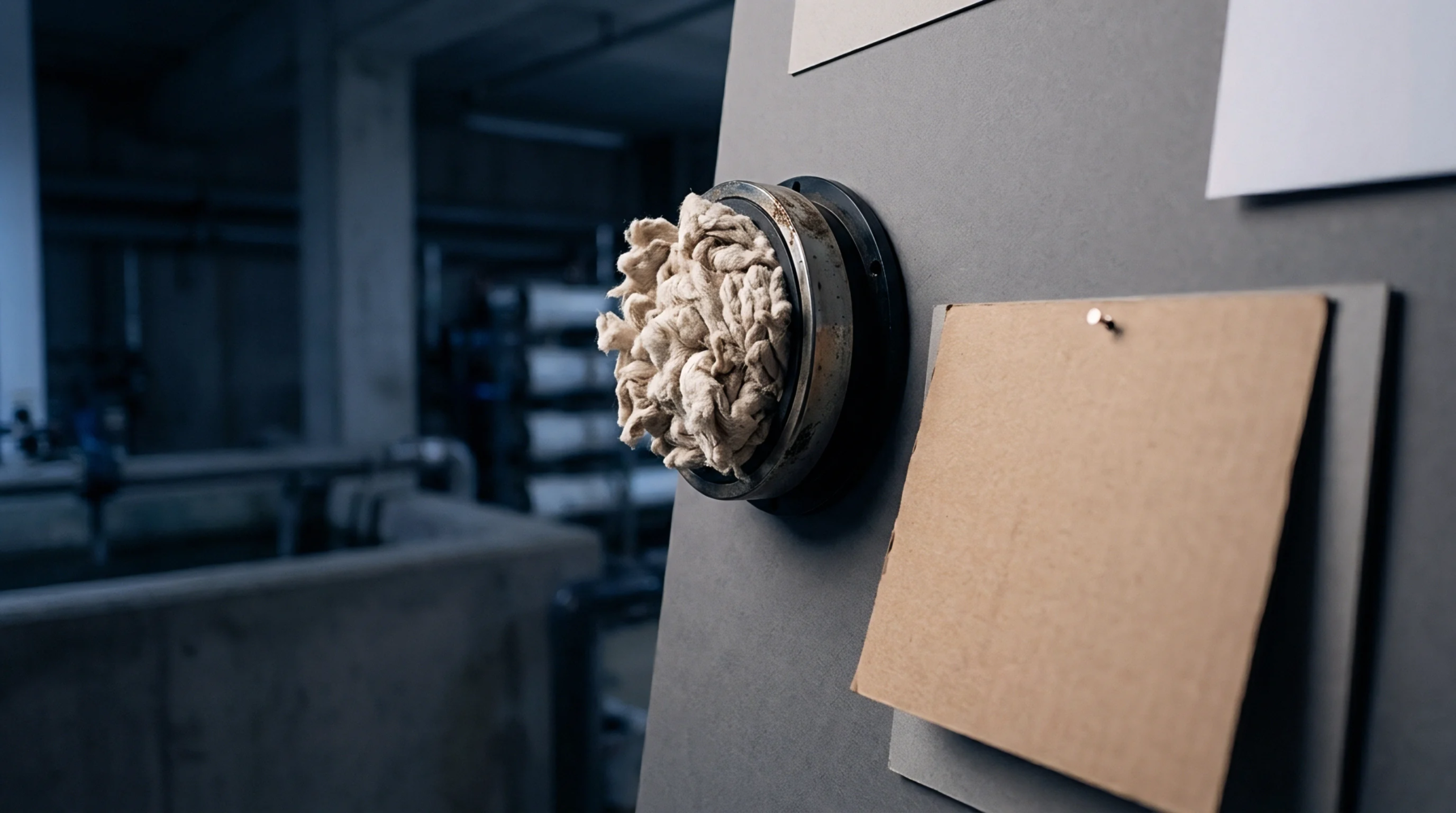
Paperboard recycled claims require matching chain of custody certificates, mass balance ledger reconciliation, and certified converter invoices.

Rotary embossing squeeze flow displaces barrier coatings across die apexes, increasing pinhole density unless dwell times and die radii match polymer viscosity.

Polycarbonate polyurethane adhesives provide high fatigue limits and moisture resistance in barrier laminates by eliminating hydrolytic cleavage.
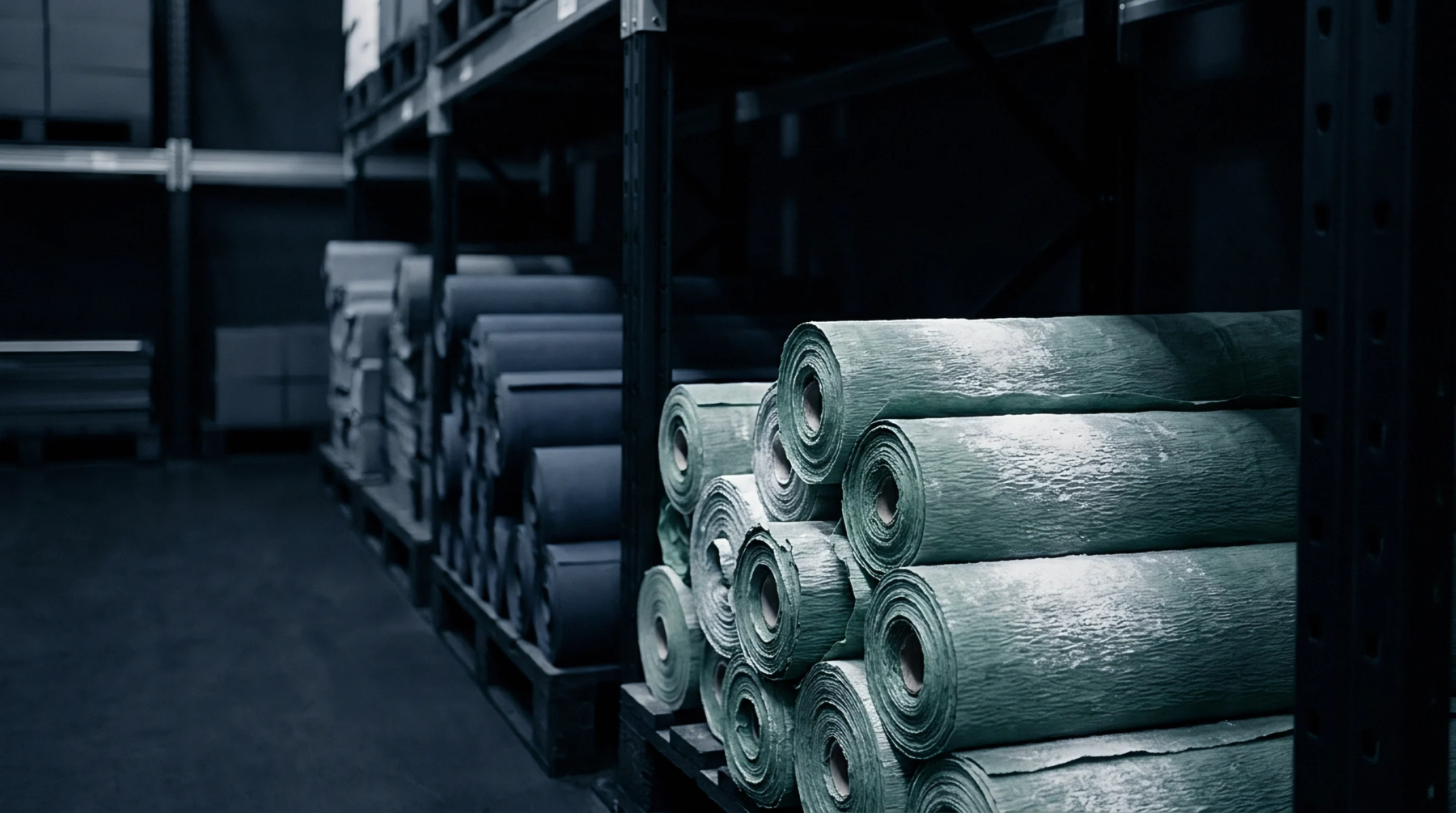
Aqueous dispersion barrier boards resist cold chain moisture through double-pass uniform coat weights and flexible low-Tg chemistry that prevents crease rupture.

European post-consumer recycled claims depend on matching certified mill scope lines directly to batch delivery notes and mass balance allocation ledgers.

Aqueous dispersion barrier boards outperform extruded polyolefins by delivering over 95 percent wet end fiber yield and avoiding heavy EPR penalties.
Aligning packaging redesign schedules with European recyclability deadlines requires twenty-four months to pass repulpability tests, tool lines, and secure EPR compliance.

Core layer mechanical pulp distribution controls folding boxboard bulk and bending stiffness, enabling weight reduction while preserving box structural integrity.
Swapping dense SBS for bulky FBB preserves bending stiffness through thickness retention while cutting material weight by fifteen to twenty percent per carton.
Expertise is a utility, not a secret. sentiention™ publishes its working knowledge as open reference: intelligence layer covering the materials it sources, the markets it enters, and the reference that serves both.